
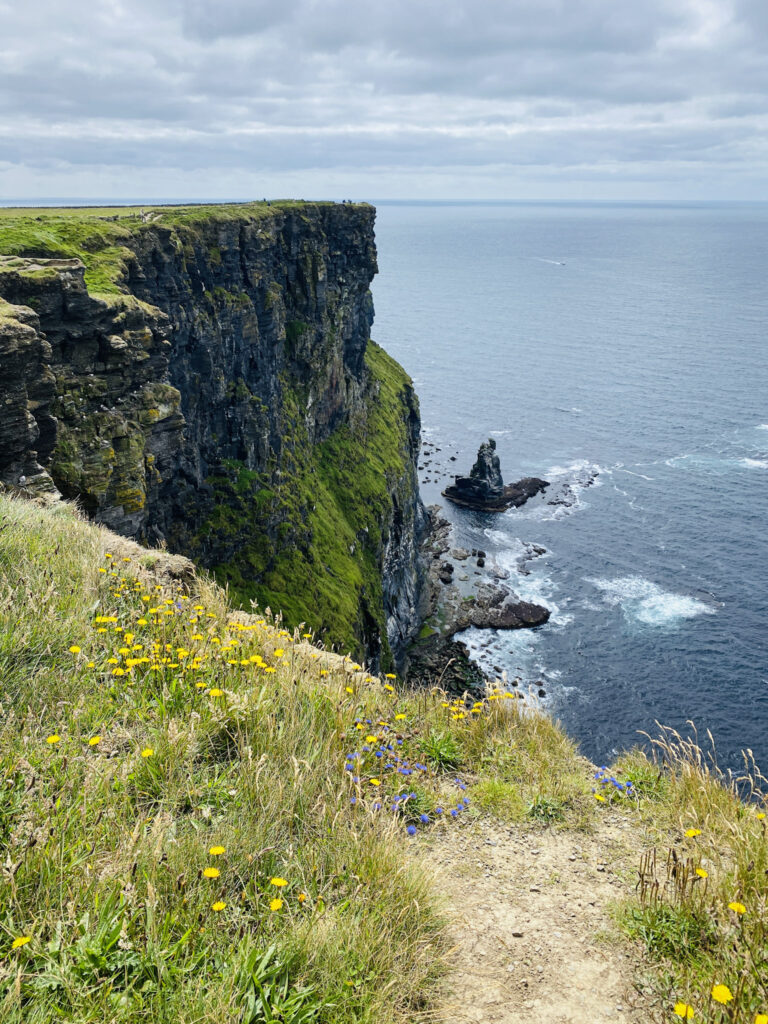
Ireland’s west and south coast pack in some of Europe’s most dramatic scenery into a single road trip — sea cliffs, mountain lakes, medieval castles, and a coastline that never quite looks the same twice. This route runs from Galway down through Connemara, along the Ring of Kerry, across to Cork, and finishes in Dublin. Here’s what to see along the way.
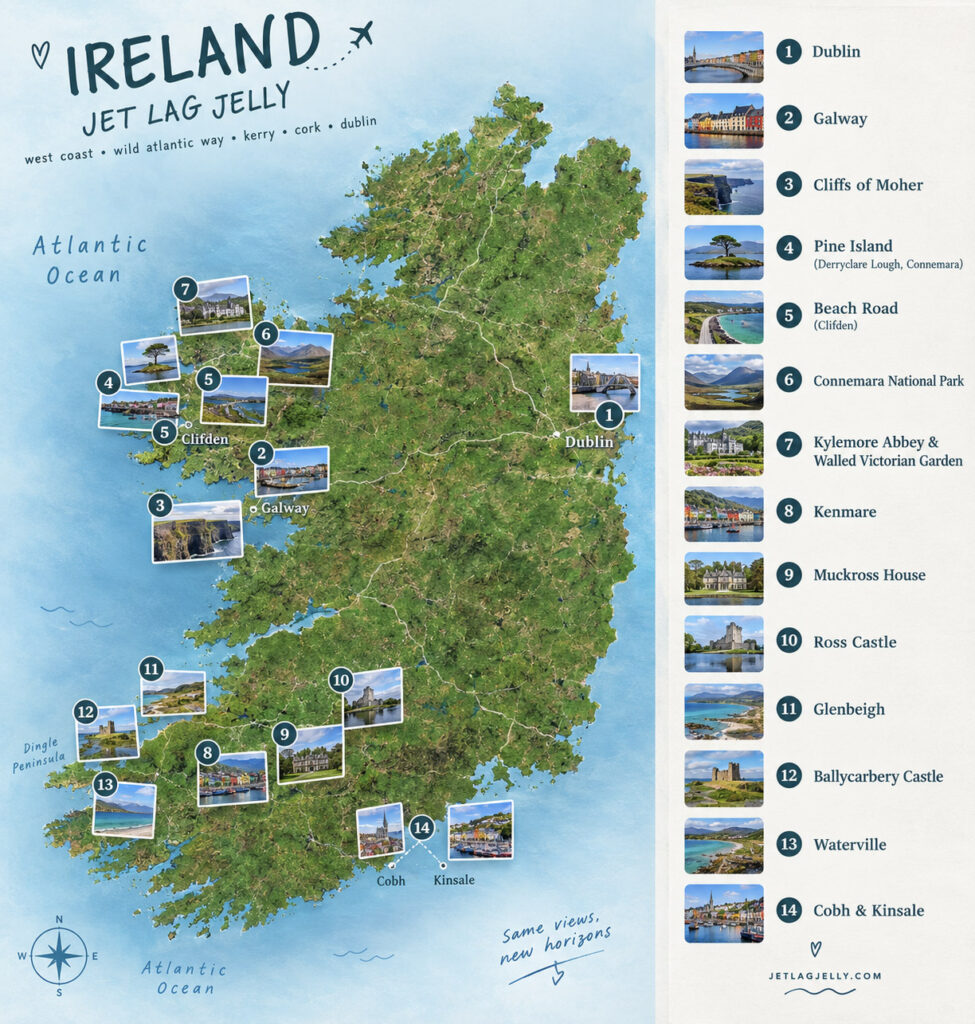
Ireland Itinerary
1. Cliffs of Moher
2. Galway
3. Pine Island
4. Beach Road, Clifden
5. Connemara National Park
6. Kylemore Abbey & Walled Victorian Garden
7. Kenmare
8. Kylemore Abbey & Walled Victorian Garden
9. Muckross House
10. Ross Castle
11. Glenbeigh
12. Ballycarbery Castle
13. Waterville
14. Cobh & Kinsale
15. Dublin
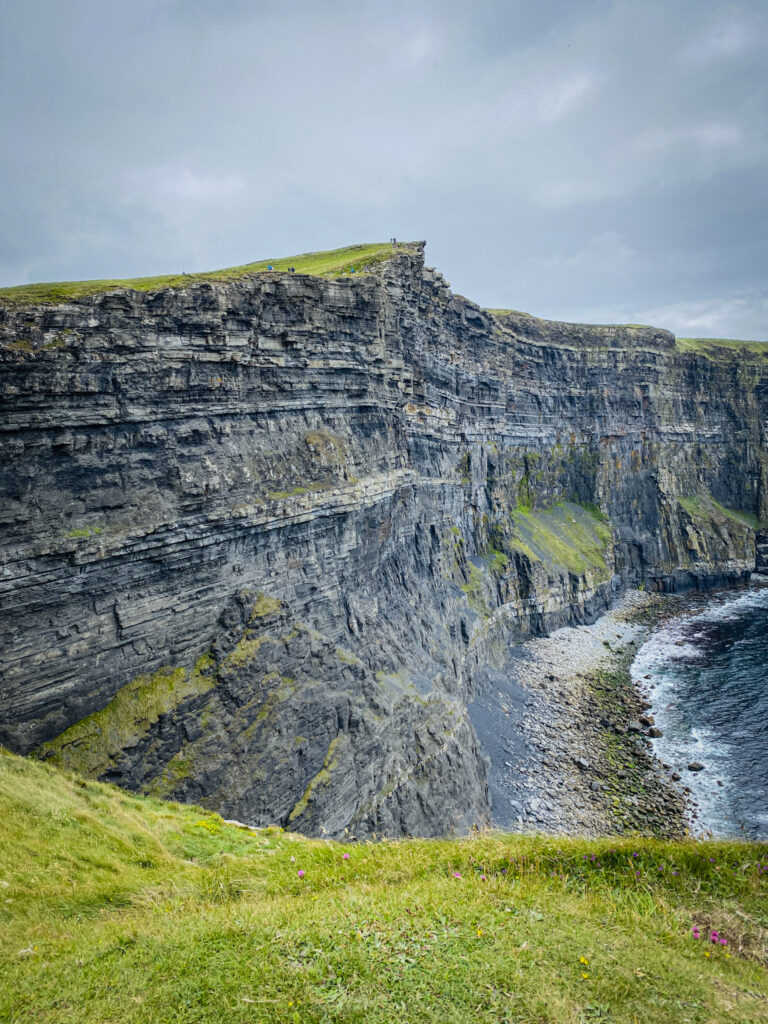
1. Cliffs of Moher
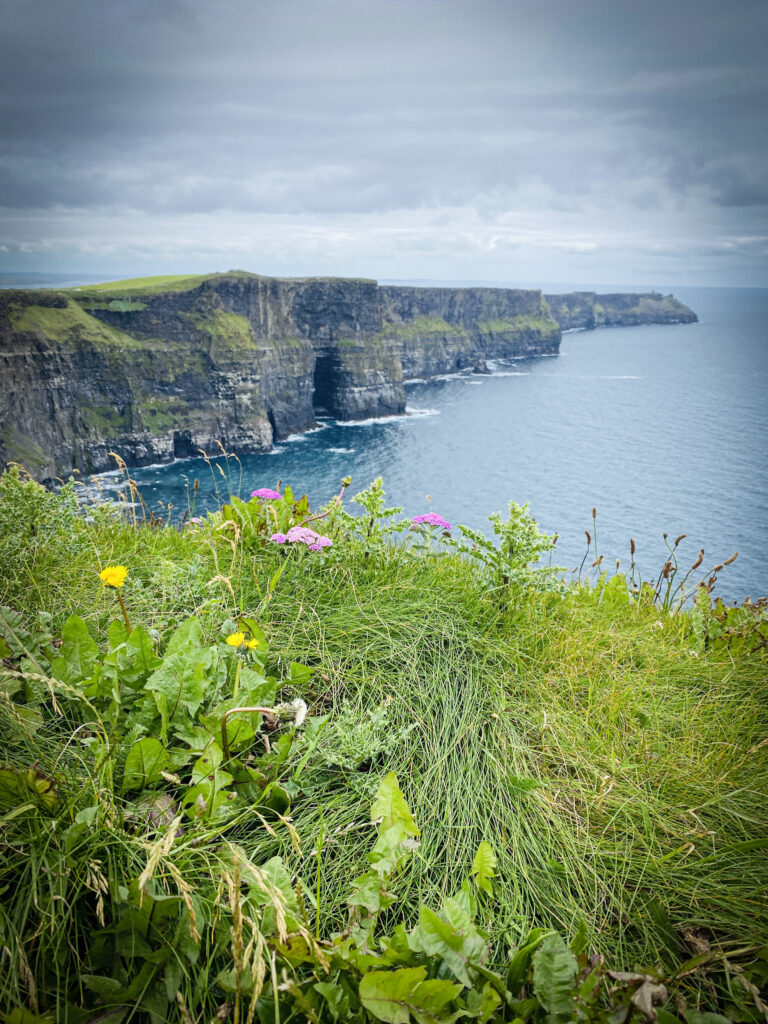
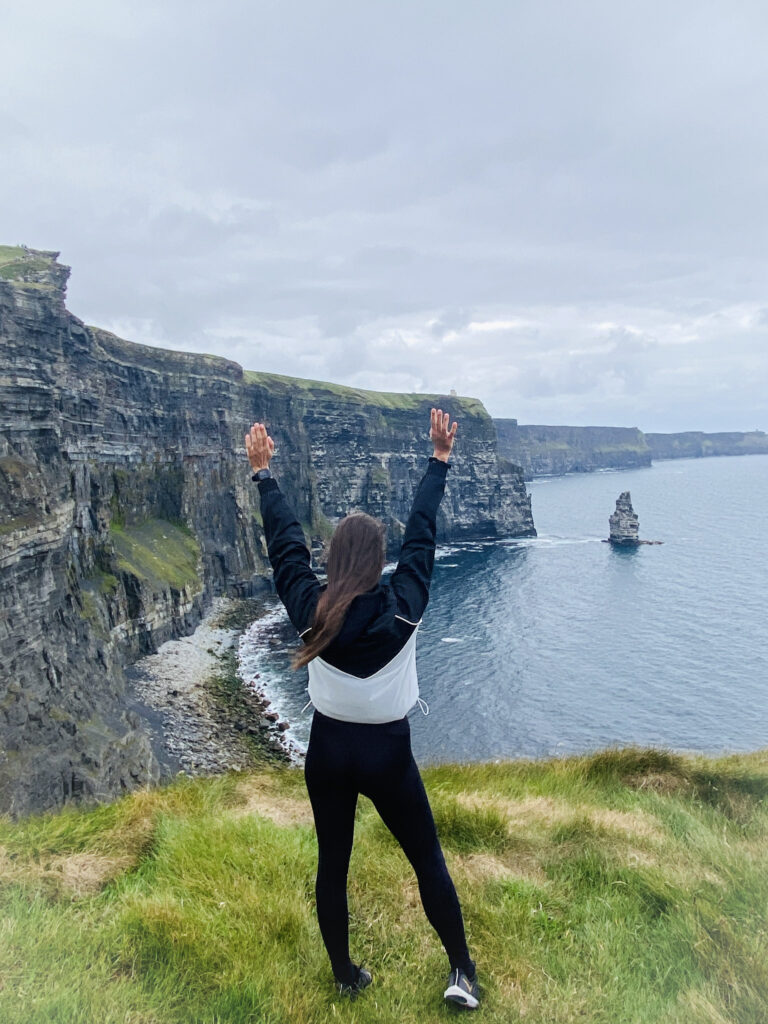
Ireland’s most famous coastal viewpoint, with sheer cliffs rising up to 214 meters above the Atlantic. The visitor centre is built into the hillside and houses an interactive exhibition on the cliffs’ geology and wildlife.
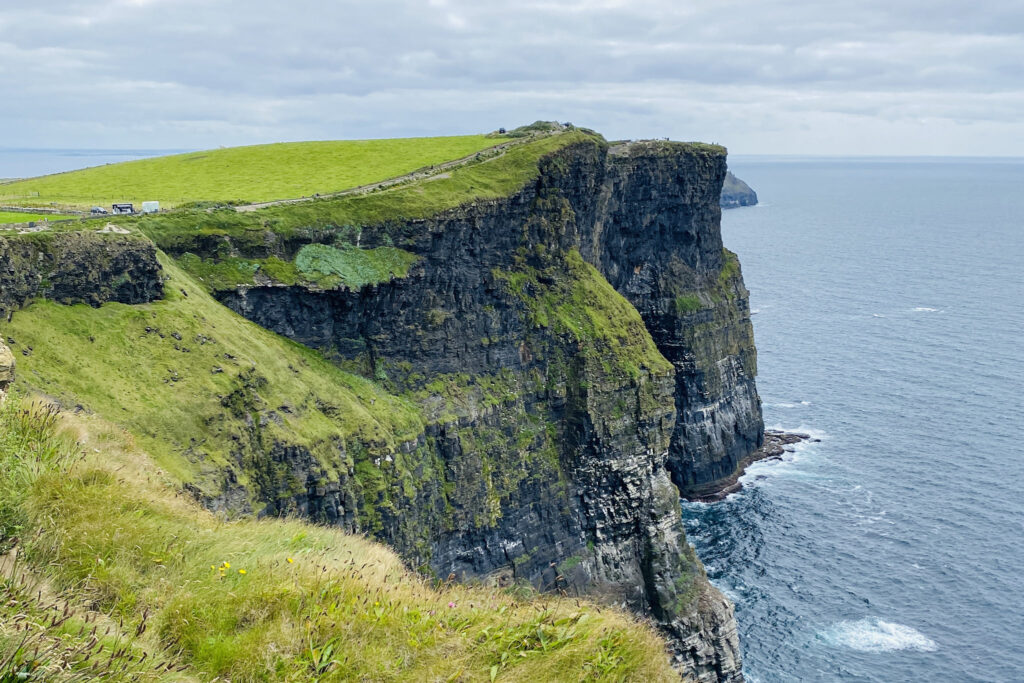
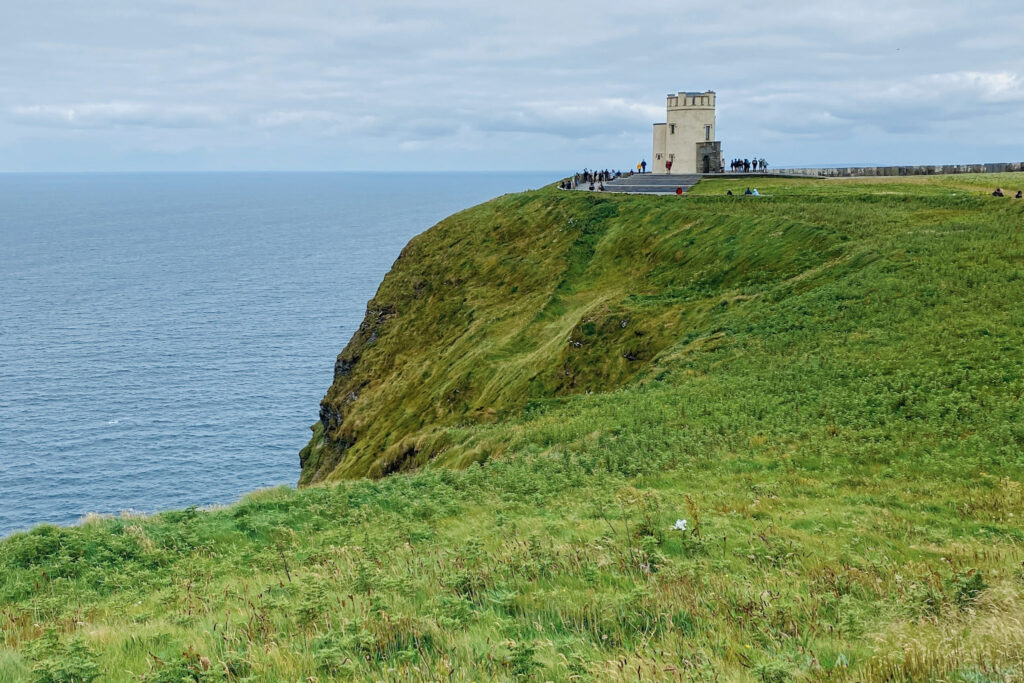
O’Brien’s Tower, built in 1835 near the highest point, gives the best photo angle and is included in admission.
Jet Lag Jelly Tip: Book online in advance — it's cheaper than paying at the gate (around €8-10 online versus €15 at the gate for adults), and it guarantees your parking spot. Go before 11am or after 4pm if you want to avoid the worst of the crowds, which build up between 11am and 4pm from May to September.
2. Galway
A compact, walkable city and the natural starting point for this route. The Latin Quarter is the heart of it — cobbled, pedestrian-only streets packed with pubs, live music, and independent shops. Don’t miss the Spanish Arch, a surviving section of the old city walls dating to 1584, sitting right on the River Corrib with views across to the Claddagh, Galway’s old fishing village. Eyre Square is the easiest meeting point if your group splits up to explore.
Jet Lag Jelly Tip: Ed Sheeran has family in Galway, and it's the setting for his hit "Galway Girl." He shot the music video right through the city with Saoirse Ronan, starting at O'Connell's pub in Eyre Square, down Shop Street, and finishing at the Spanish Arch — so you can retrace the exact route on foot if you're a fan.
3. Pine Island, Derryclare Lough
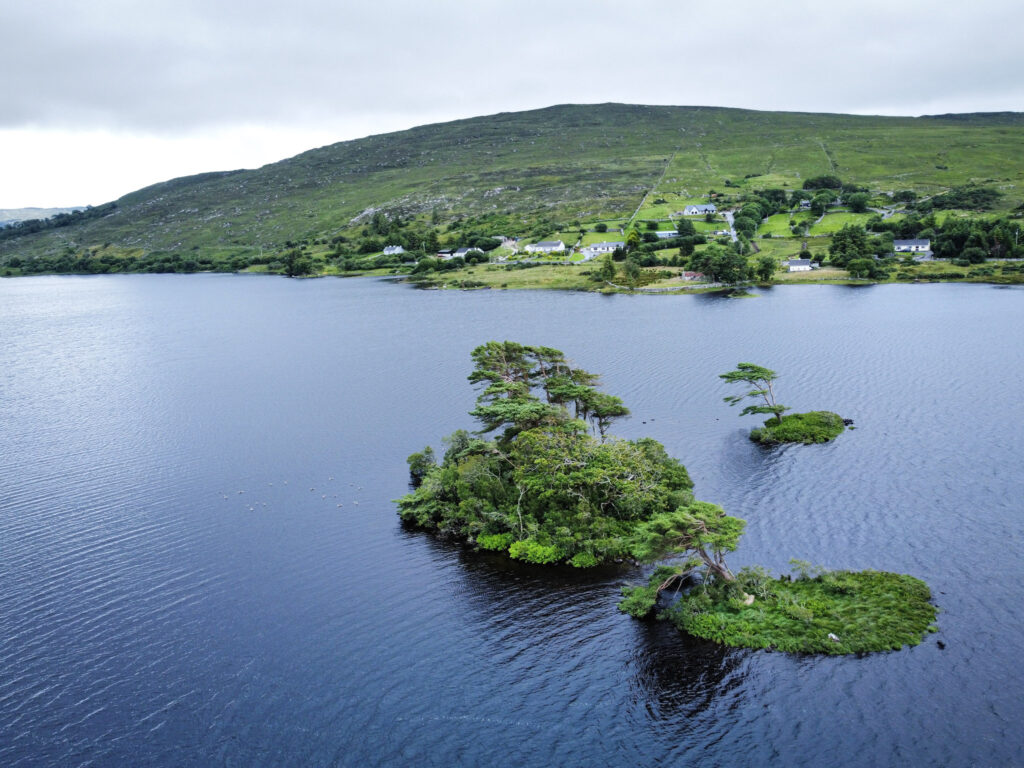
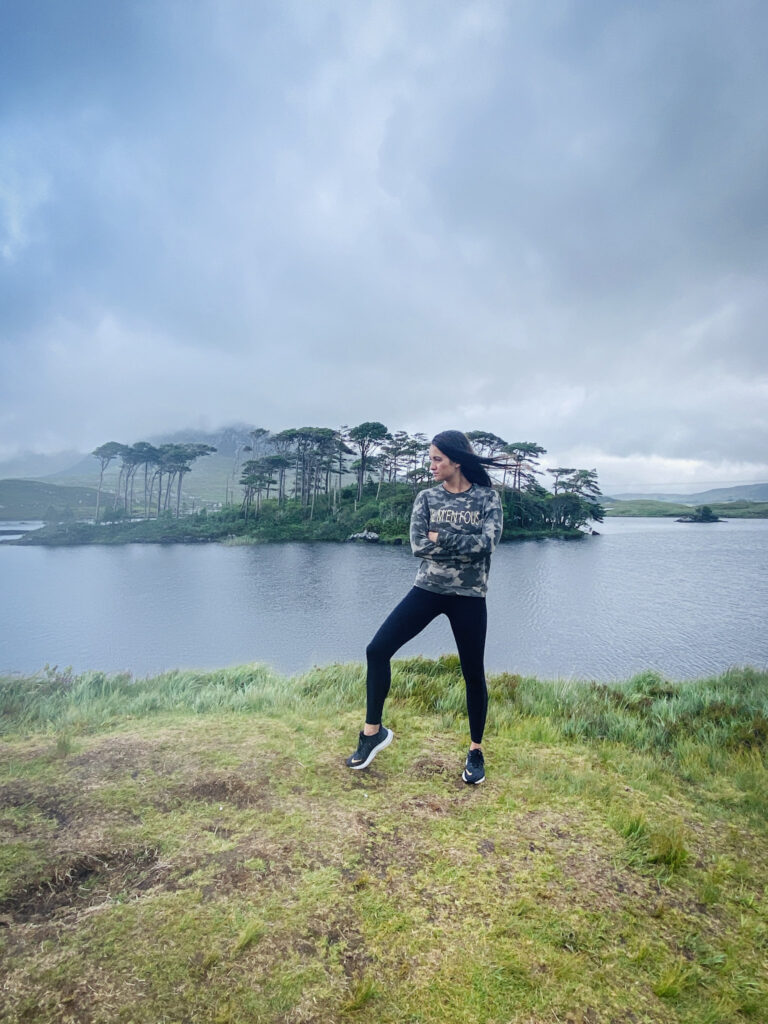
One of Ireland’s most photographed spots, and it’s easy to see why once you pull over. A small island crowded with dramatic Scots pine trees sits in the middle of Derryclare Lough, with the Twelve Bens mountain range rising up behind it. It’s right off the N59 through the Inagh Valley, so it’s an easy stop rather than a detour.
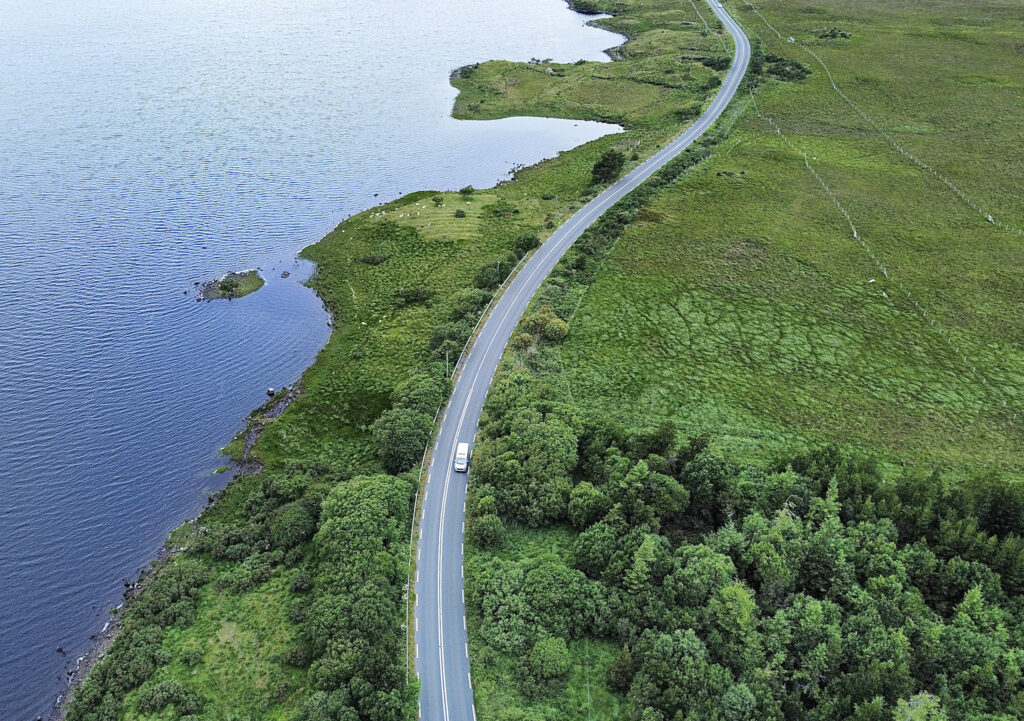
Jet Lag Jelly Tip: There's a small pull-in right along the N59 where most photos are taken from, so keep an eye out as you drive rather than expecting a signposted car park.
4. Beach Road, Clifden
A quieter, more peaceful alternative to the famous Sky Road loop out of Clifden. Instead of the dramatic clifftop views, Beach Road follows a gentler route along the water, described locally as one of the most serene walks in town. It’s a nice way to stretch your legs before or after driving the Sky Road itself.
5. Connemara National Park
2,000+ hectares of mountains, bogs, and grassland, including four peaks from the Twelve Bens range. The centerpiece is the Diamond Hill trail, with routes ranging from an easy 1km wander to the full 6-7km summit hike, rewarding you with views over Kylemore Abbey, Tully Mountain, and the Twelve Bens. Entry to the park and trails is free.
Jet Lag Jelly Tip: Parking at the visitor centre fills up fast between June and September, so arrive early if you don't want to end up parking along the approach road.
6. Kylemore Abbey & Walled Victorian Garden
A striking 19th-century castle set against the Twelve Bens and a loughside setting, built as a romantic gesture by a Liverpool merchant for his wife, and now home to a community of Benedictine nuns. Your ticket covers the restored abbey rooms, the neo-Gothic church, and the six-acre Victorian Walled Garden a mile away, one of the last of its kind built in Ireland and the only one built on bogland. A shuttle bus runs between the two.
Jet Lag Jelly Tip: Set aside the better part of a day here rather than a quick stop — between the abbey, the church, the garden, and the woodland walks around the estate, there's genuinely enough to fill several hours.
Coming down from Connemara, this route joins the Ring of Kerry, Ireland’s famous 179km circular drive around the Iveragh Peninsula. Several of the next stops sit right along it.
7. Kenmare
A small, colorful town at the southeast corner of the Ring of Kerry, nicknamed “the Little Nest” for its quaintness. The Kenmare Stone Circle is the main historic draw, an egg-shaped Bronze Age site made up of 15 boulders, one of the largest stone circles in southwest Ireland. It’s a short walk from the town center, alongside the equally photogenic Cromwell’s Bridge.
8. Killarney National Park & Upper Lake
Ireland’s first national park, spreading across 10,000+ hectares of lakes, oak woodland, and mountains, with the MacGillycuddy’s Reeks range as a backdrop. Ladies View is the classic stop, a viewpoint overlooking the Upper Lake, Muckross Lake, and Lough Leane, named after Queen Victoria’s ladies-in-waiting who admired it on her 1861 visit. Nearby, Torc Waterfall tumbles about 18 meters down through a wooded glen right beside the road.
Jet Lag Jelly Tip: Ladies View gets busy with tour buses, so if you want the photo without the crowd, arrive early morning or later in the afternoon.
9. Muckross House
A 19th-century Victorian mansion built as a hunting lodge for the Herbert family, later hosting Queen Victoria on her 1861 visit. Around 70% of the contents are original, including portraits, antique Killarney furniture, and silverware commissioned specifically for the royal visit. It sits right on Muckross Lake, with sloping gardens down to the water. Entry to the gardens and grounds is free, while the house itself costs around €7.
Jet Lag Jelly Tip: Jaunting cars (horse-drawn carriages) wait at the gate and can take you through the deer park and woodland to Torc Waterfall and Muckross Abbey, roughly €20 return per person.
10. Ross Castle
A 15th-century tower house on the shores of Lough Leane, likely built by the O’Donoghue Mór clan. It was the last stronghold in Munster to hold out against Cromwell’s forces, reportedly only falling after the attacking general fulfilled an old prophecy that the castle could only be taken by ship. Entry is by guided tour, around €5 per person, and runs about 45 minutes.
11. Glenbeigh
A small village known as “the Jewel in the Ring of Kerry,” tucked between Seefin Mountain and Dingle Bay. Its main draw is Rossbeigh Beach, a Blue Flag stretch of golden sand running 7km along the coast, with views across to Inch Beach and the Dingle Mountains. It’s popular for swimming, horse riding, and windsurfing, and quieter than the bigger towns further along the Ring.
12. Ballycarbery Castle
A dramatic, ivy-covered 16th-century ruin standing on a grassy hill above the coast near Cahersiveen, once a seat of the MacCarthy Mor clan before being badly damaged by cannon fire during Cromwell’s campaign in 1652. It’s free to visit and pairs well with the nearby stone forts of Cahergall and Leacanabuile, both a short walk away.
Jet Lag Jelly Tip: Golden hour makes this one — sunrise or sunset light on the ivy-covered stone is when photos of the castle look best.
13. Waterville
A seaside village on a narrow isthmus between Ballinskelligs Bay and Lough Currane, best known as Charlie Chaplin’s favorite Irish getaway. He and his family holidayed here for over a decade from 1959, staying at the Butler Arms Hotel, and a bronze statue of him stands on the seafront in his memory. There’s also an annual Charlie Chaplin Comedy Film Festival held in his honor.
14. Cobh & Kinsale
Two of Ireland’s most colorful port towns, both worth building into a day trip near Cork. Cobh (pronounced “Cove”) was the Titanic’s last port of call before it crossed the Atlantic in 1912, and the Titanic Experience museum tells the story from the original White Star Line ticket office. Its most photographed spot is the Deck of Cards, a row of colorful houses stacked up a hill with St. Colman’s Cathedral as a backdrop. About 30 minutes away, Kinsale is a smaller, food-focused harbor town with a marina and historic fortifications, often rated as the more polished, foodie-friendly option of the two.
15. Dublin
The trip’s finish line and Ireland’s capital. The Guinness Storehouse is the country’s most visited attraction, a seven-story tour through the brewing process ending at the Gravity Bar for a pint with a skyline view. Trinity College is home to the Book of Kells, a stunning illuminated 9th-century manuscript, and the Long Room library. Temple Bar is the liveliest nightlife district, though pricier than the rest of the city, worth wandering through during the day to browse its galleries and shops.
Getting There
Most people start this trip by flying into Dublin Airport and picking up a rental car, since Galway is about 2.5 hours west by road. If you’re doing the loop the way this list is ordered, you’ll end up back in Dublin at the end anyway, so renting from the airport and dropping off there works well. Compare car rental prices before you go.
Best Time to Visit Ireland
June to August is the warmest and longest-daylight window, with up to 17 hours of light, but also the busiest and priciest. Expect the Ring of Kerry and Cliffs of Moher to be genuinely crowded.
May and September hit a sweet spot: still mild, still relatively dry, but noticeably fewer tour buses on the narrow roads and better rates on hotels and car rental.
Spring (April-May) brings blooming gardens and quieter ruins, good timing for Kylemore Abbey’s gardens and Kenmare’s stone circle without the crowds.
Winter (December-February) is quiet and cheap, but many rural attractions close or run reduced hours, and daylight is short.
Jet Lag Jelly Tip: Ireland genuinely can throw four seasons at you in one day, no matter the month. Pack layers and a rain jacket regardless of when you go.
Useful Tips
Rent a car. This entire route depends on it — public transport won’t get you to Pine Island, Ballycarbery Castle, or most of the Ring of Kerry stops.
Drive the Ring of Kerry anti-clockwise if in a car. Tour buses run clockwise (via Killorglin first) because the roads are too narrow for buses to pass each other. Going the opposite direction as a car driver helps you avoid getting stuck behind them.
Book entry tickets online in advance for the Cliffs of Moher — it’s cheaper than paying at the gate and guarantees your parking spot.
Bring cash for smaller sights like the Kenmare Stone Circle area and rural parking, where card readers aren’t always available.
Budget a full day for Kylemore Abbey. Between the abbey rooms, church, walled garden, and estate walks, it’s easy to lose several hours here.
Watch the narrow roads. Sky Road near Clifden and the approach to Ballycarbery Castle are both single-track in places — drive slowly and expect to pull in for oncoming traffic.
Jet Lag Jelly Tip: If you're combining this with a Dublin stay at the end, book the Guinness Storehouse and Book of Kells tickets online ahead of time — both sell out on busy days, especially in summer.
FAQ
How many days do you need for this route? Ten to fourteen days lets you cover Galway through Dublin at a comfortable pace, with time to actually enjoy Killarney National Park and the Ring of Kerry rather than rushing through. It’s possible in a week if you’re willing to move fast.
Do I need to rent a car? Yes. Most of the stops on this list, from Pine Island to Ballycarbery Castle, aren’t reachable by public transport.
Is the Ring of Kerry doable in one day? Technically yes, and many tour buses do it as a single day trip from Killarney, but it means rushing past most of the highlights. Two days, with an overnight in Kenmare or Waterville, is a much better pace if you have it.
What’s the best month to visit? May and September offer the best balance of decent weather, longer days, and thinner crowds. July and August are warmest but busiest and most expensive.
Is Cobh or Kinsale better to visit? They’re different experiences. Cobh has more history (the Titanic connection, the Deck of Cards) while Kinsale is more polished and food-focused. Both are close enough to Cork to combine into one day if you’re short on time.
Do I need to book Cliffs of Moher tickets in advance? It’s not strictly required, but booking online is cheaper than paying at the gate and guarantees you a parking spot, especially during the busy 11am-4pm window from May to September.
Summary
This route strings together some of the best of Ireland’s west and south coasts: dramatic cliffs, mountain lakes, a Victorian castle turned convent, an actual Ring, and two of the country’s most photogenic port towns, before finishing in Dublin’s pubs and museums. It’s a lot of driving, but every stretch of road delivers another view worth pulling over for. Pack a rain jacket, rent a car, and give yourself more time than you think you need.
Sleep later. Explore now.
Loved this road trip? Check out my Top 5 Villages in the Cotswolds guide too if you’re planning more of the UK and Ireland.