
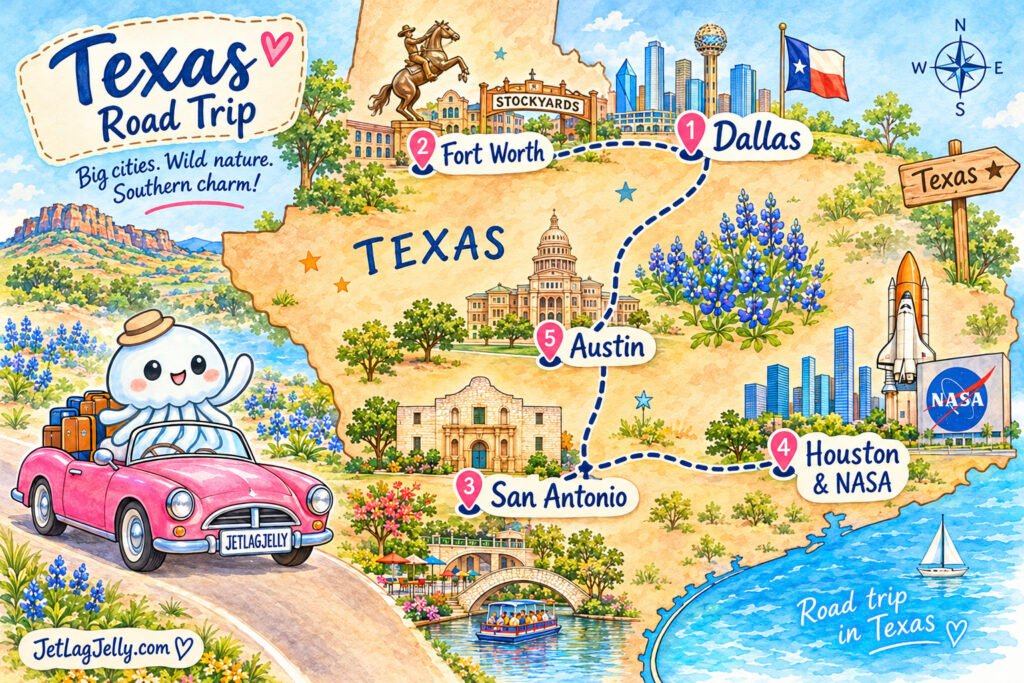
Texas is big, really big, and every city feels like a different world. In the north, there are the skyscrapers of Dallas and the Old West in Fort Worth. Further south, you can follow Houston’s space-age history at NASA, walk along the River Walk in San Antonio, and end the day with street art and boots in Austin.
We visited all five on our Texas and New Mexico road trip, and with country music on the radio, boots on my feet, and a hat on my head, I totally got the Texas vibe. In this post, I picked the top 5 cities we would recommend, with the best things to do in each one, where we stayed, and some tips to plan your own trip.
Top 5 Cities in Texas:
- Dallas
- Fort Worth
- San Antonio
- Houston
- Austin
1. Dallas
Dallas was the first stop of our trip, and we spent some time just walking around the city. It’s a big, modern city with a surprising amount of history and culture, so even a short visit is worth it. If you have a few hours, here are five places I’d recommend.
1. Dealey Plaza and The Sixth Floor Museum
This is where President John F. Kennedy was shot on November 22, 1963, while riding through Dallas in an open car. According to the official investigation, Lee Harvey Oswald fired from a sixth-floor window of the Texas School Book Depository, and he was arrested the same day. The building is now The Sixth Floor Museum, and the plaza outside is open to walk around. It’s one of the most visited places in Dallas.

Jet Lag Jelly Tip: You can book a Sixth Floor Museum ticket or a guided JFK tour with entry or buy directly on the museum’s website. Booking ahead is a good idea, since the museum is popular.

The Sixth Floor Museum is open Wednesday to Sunday, 10:00 AM to 5:00 PM, and it’s closed on Mondays and Tuesdays. Hours can change on holidays or for special events, so check the museum’s official website shortly before publishing and before your readers visit.
2. Reunion Tower
The tower is easy to spot on the skyline thanks to its ball-shaped top, and the GeO-Deck observation level gives you a 360-degree view of the city from about 470 feet (143 m). It’s best near sunset, when you can see the skyline in daylight and then watch the city lights come on.
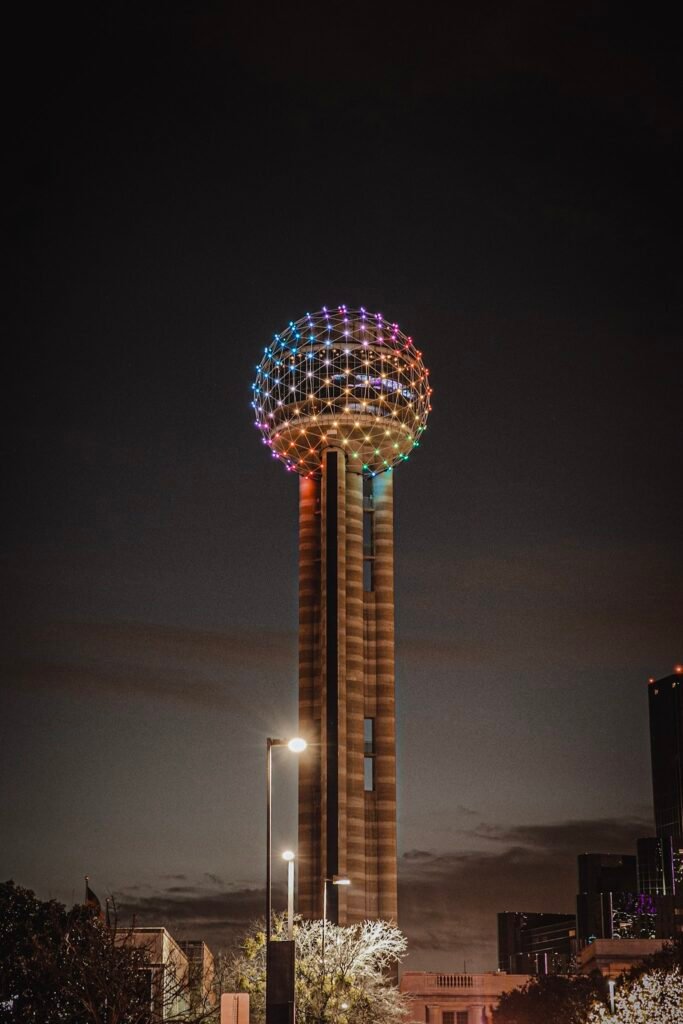
Jet Lag Jelly Tip: Book your ticket online in advance, since it’s usually cheaper than buying at the door, and it’s a timed ticket system, so arrive within your time slot. Online prices for a general admission ticket are roughly $20 to $25 per adult, and children 3 and younger are free.

The tower is open daily, but hours vary throughout the year because of holidays and special events, so check the Reunion Tower website for the current hours before you go. Plan to arrive about an hour before sunset to get the best light.
3. Klyde Warren Park
This park is built over a highway, connecting downtown to the Arts District. It’s a relaxed place to take a break, with green spaces, food trucks, and events.
Jet Lag Jelly Tip: Entry is free, so it’s an easy stop between sights. Come around lunchtime to try the food trucks, and check the park’s events calendar before you go, since there are often free activities. It’s right next to the Arts District, so you can combine both in one walk.
4. The Dallas Arts District
One of the largest urban arts districts in the country, with museums such as the Dallas Museum of Art and the Nasher Sculpture Center. The architecture alone is worth a walk, even if you don’t go inside.
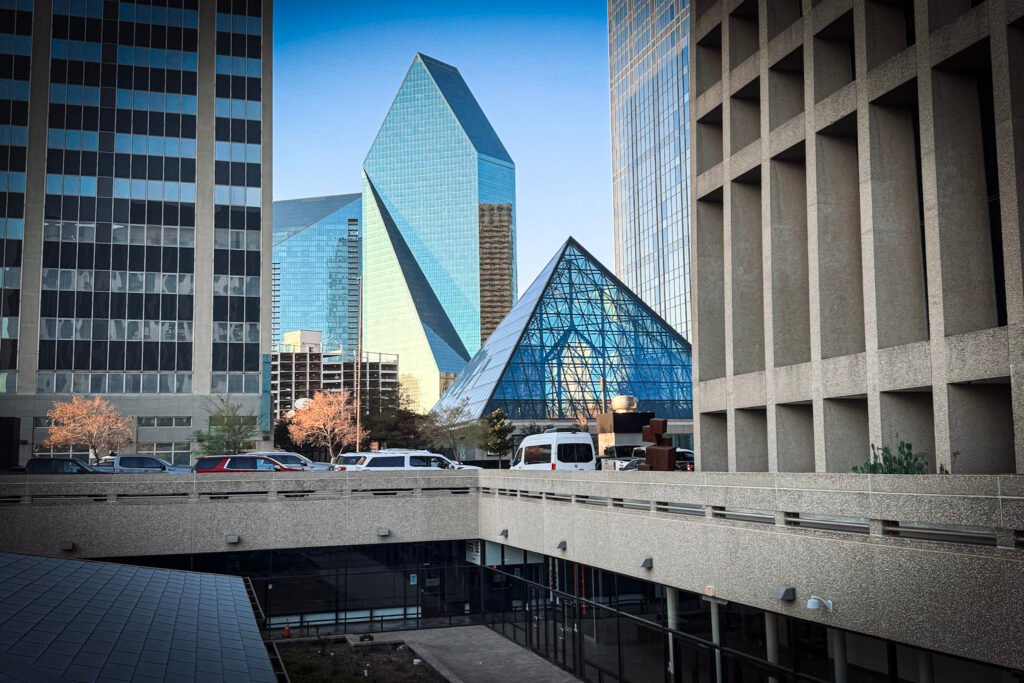
Jet Lag Jelly Tip: Walking around and enjoying the buildings is free, and it’s close to Klyde Warren Park, so you can combine both. If you want to go into a museum, check the opening hours first, since many are closed on Mondays.
5. Downtown Dallas
Downtown Dallas is a striking blend of sleek skyscrapers and historic architecture, where bold modernity meets a playful arts scene.
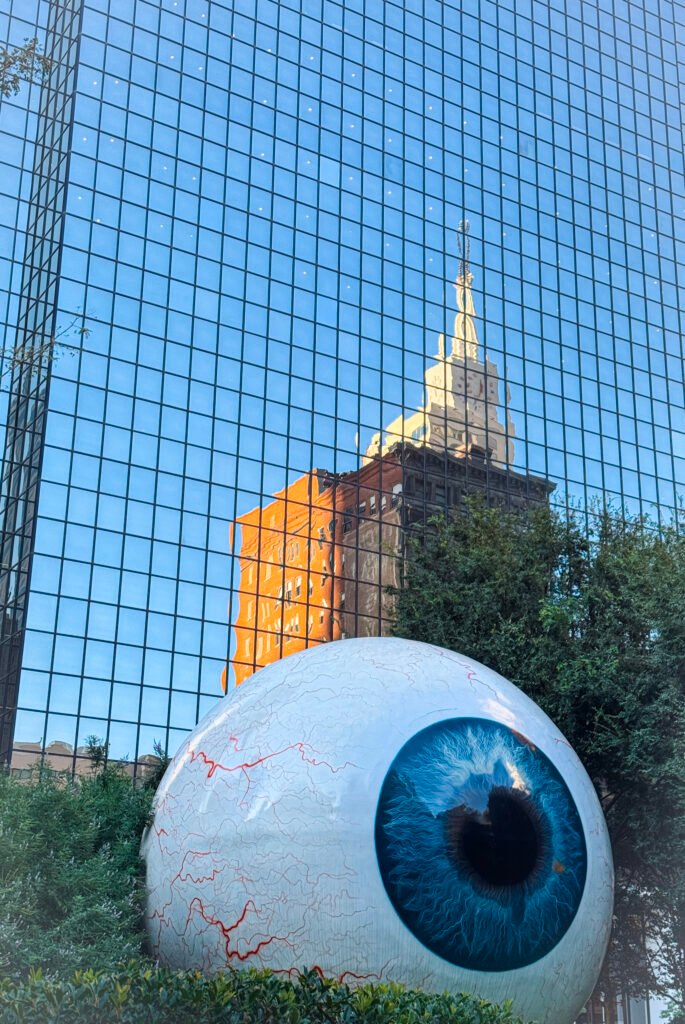
Its most famous hidden gem is the Giant Eyeball—a surreal, 30-foot-tall sculpture staring out from a lush garden across from The Joule Hotel. It’s a delightfully weird, hyper-realistic masterpiece that provides the ultimate Instagram backdrop and proves Dallas always keeps an eye out for the unexpected.
Jet Lag Jelly Tip: Book tickets for popular places like the Sixth Floor Museum and Reunion Tower in advance, and check opening hours before you go. Downtown Dallas is easy to explore on foot, but the heat can be strong in summer, so bring water.
2. Fort Worth
From Dallas, we continued to Fort Worth, where we stayed at a Radisson Hotel with a free shuttle to the Stockyards. That turned out to be a great choice.
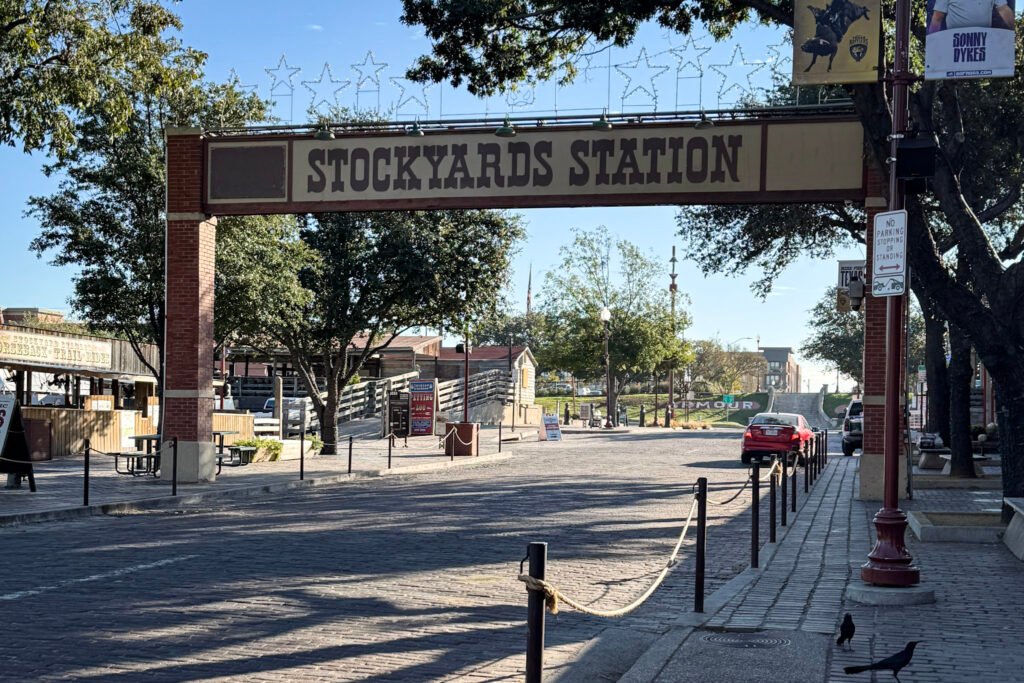
The Fort Worth Stockyards are the main reason to come to Fort Worth. This is a historic district that used to be the center of the cattle business, and it still feels like the Old West, with brick streets, wooden sidewalks, and cowboy hats everywhere. Here is what we recommend doing there.
Jet Lag Jelly Tip: Parking in the Stockyards is expensive and not easy, and the payment system needs a US phone number. If you don’t have one, a hotel with a free shuttle saves you a lot of stress.
1. The cattle drive
This is the highlight. Cowboys in period attire drive real Texas longhorns down Exchange Avenue, and it happens twice a day, at 11:30 AM and 4 PM, weather permitting. It’s free, and you just show up.
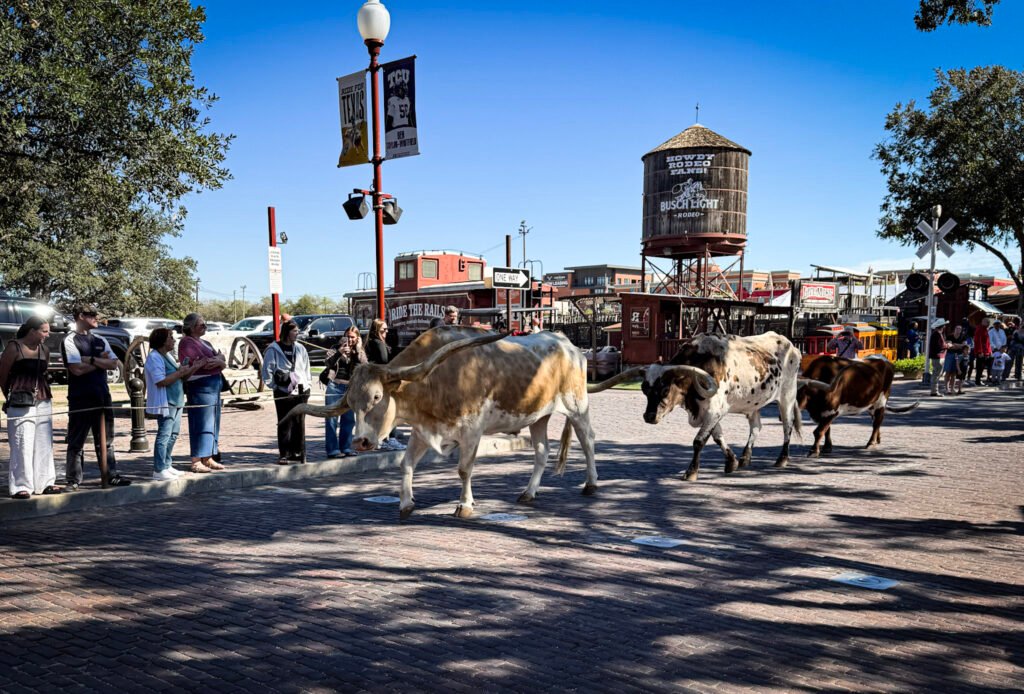
Jet Lag Jelly Tip: Arrive about 20 to 30 minutes early to get a good spot on the curb, because the crowds build up quickly. The drive is canceled in bad weather and the schedule can change, so check the Fort Worth Herd’s website or social media the same day. In the summer, bring water and sun protection, since there is little shade on the street.
2. Stockyards Station
A mix of Western shops, restaurants, and souvenir stores in the old livestock buildings. It’s a good place for lunch and some shopping.
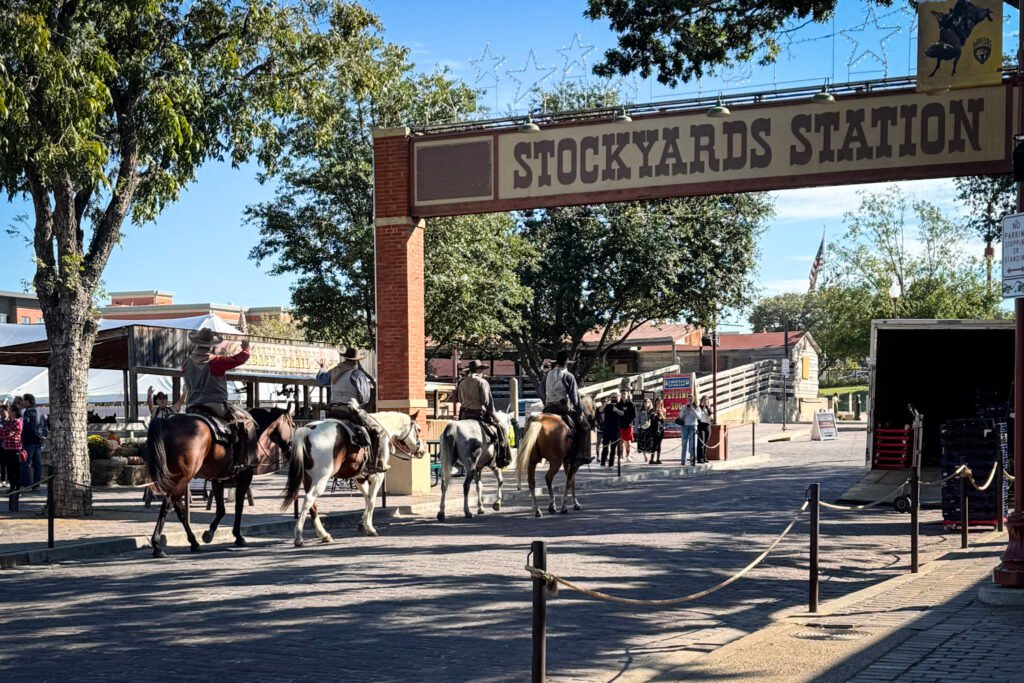
Jet Lag Jelly Tip: Plan your visit around the cattle drive: watch the 11:30 AM drive, then have lunch and browse the shops afterwards. It’s also a good place to cool down in the shade or in an air-conditioned store if it’s hot. Take your time before buying souvenirs, since you will see similar items in several shops.
3. Mule Alley
An entertainment district in the historic brick horse and mule barns, now converted into shops, restaurants, and live music venues. It’s fun to walk through, day or night.
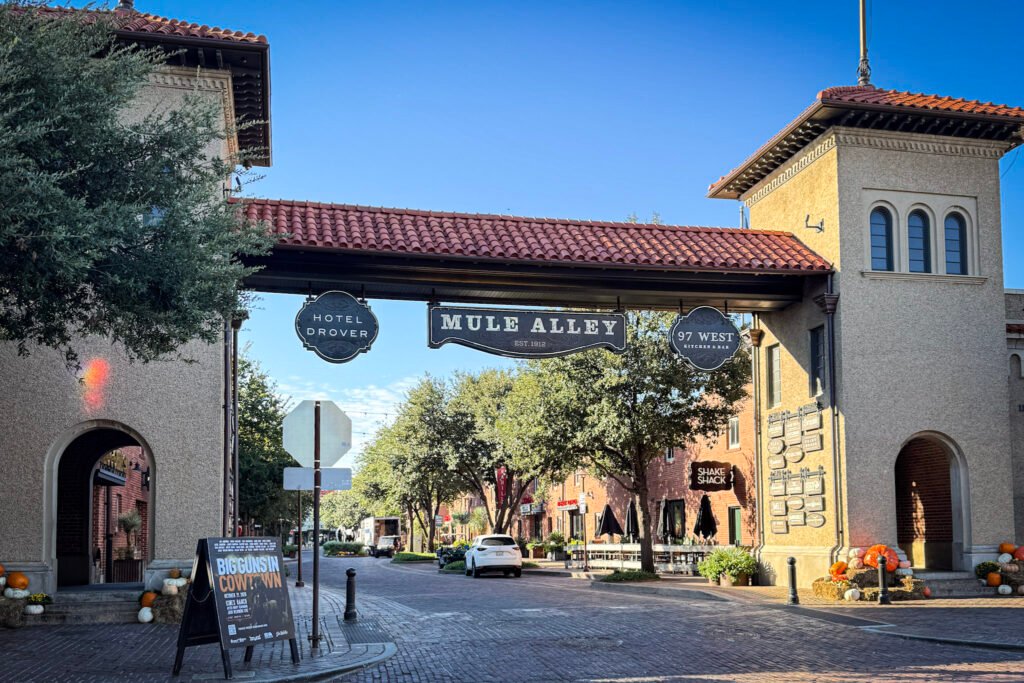
Jet Lag Jelly Tip: Mule Alley is right in the Stockyards, so it’s easy to combine with the cattle drive and Stockyards Station in the same visit. Come back in the evening if you can, since the atmosphere changes once the music starts and the lights come on. Check the venues’ schedules for live music before you go.
4. The neon signs
On the main road leading to the Stockyards, the neon signs light up at night and make a great photo.
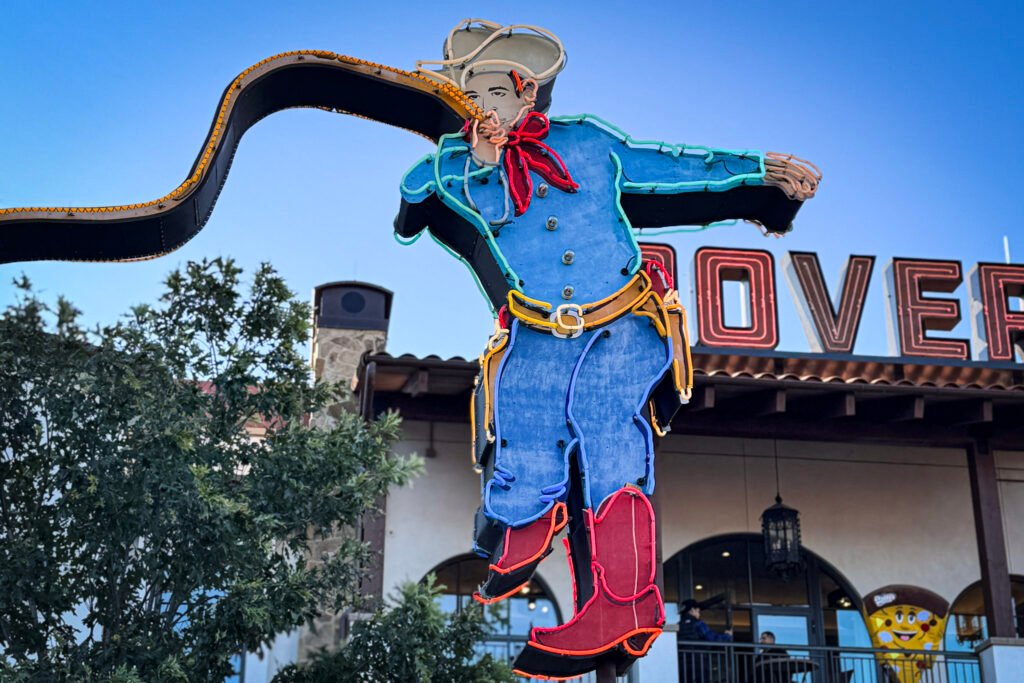
Jet Lag Jelly Tip: Come back after dark for the best photos, since the signs look much more impressive once the sky is dark. The intersection of Exchange Avenue and North Main Street is the best spot to start. It’s also an easy evening walk after dinner or before the rodeo.
5. A rodeo in the evening
If you have time, go. The Stockyards Championship Rodeo takes place at Cowtown Coliseum every Friday and Saturday night, with doors opening at 6 p.m. and competitions starting at 7:30. The coliseum is fully enclosed and air-conditioned, so you can enjoy the rodeo comfortably all year.
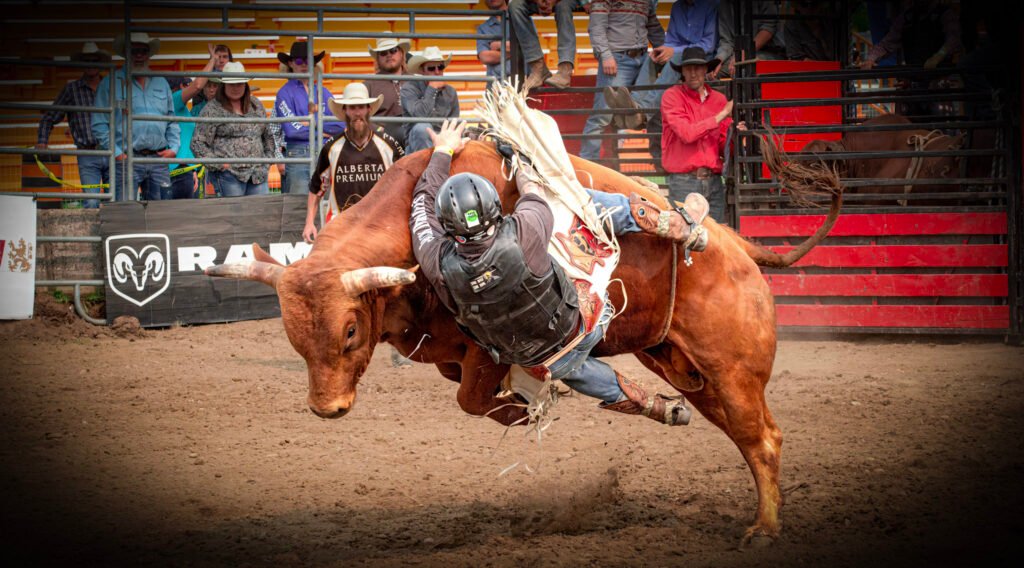
Jet Lag Jelly Tip: Book your tickets online in advance, especially for a weekend night, and check the schedule before you plan your evening, since the rodeo doesn’t run every day. Arrive a little early to find your seat and walk around the Stockyards before it starts. If you stay at a hotel with a shuttle, it’s also a convenient way to get back after the show.
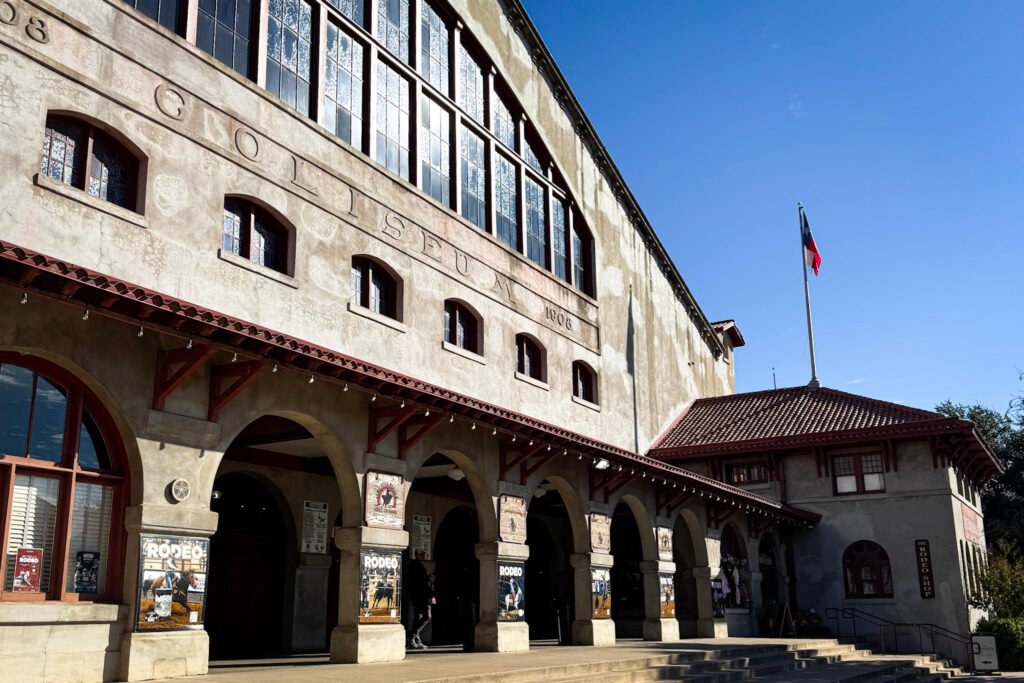
6. Cowtown Coliseum
It was built in 1908 and hosted the world’s first indoor rodeo.
You can take a tour that includes the Texas Rodeo Cowboy Hall of Fame and the Bull Riders Hall of Fame.
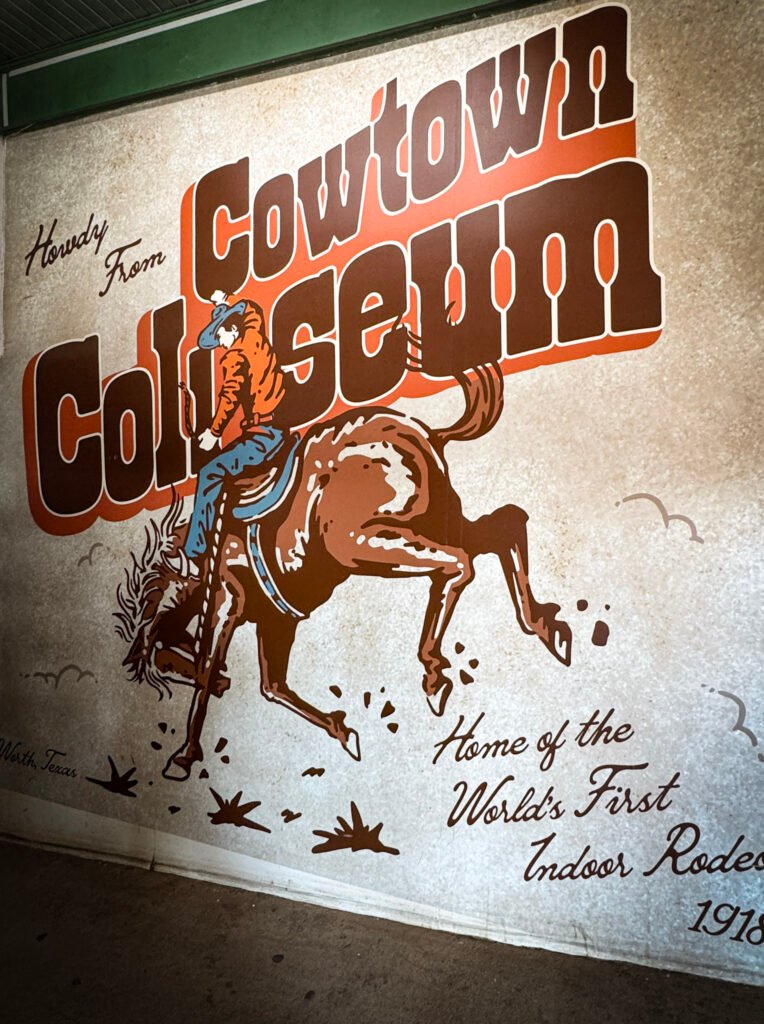
Jet Lag Jelly Tip: If you can’t make it to a rodeo night, the tour is a good alternative during the day. Check the tour times and prices on the Cowtown Coliseum website, since they can change. You can also combine it with the cattle drive and Mule Alley in the same visit, since everything is close together.
7. Billy Bob’s Texas
It’s known as the world’s largest honky-tonk, so it’s a fun place to experience Texas live music and dancing in the evening.
Jet Lag Jelly Tip: If your hotel offers a shuttle to the Stockyards, use it. Parking there is expensive, and the pay system requires a US phone number. Also arrive early for the cattle drive, because the crowds build up quickly.
3. San Antonio
San Antonio was a welcome change after the desert, and it’s a very walkable city. We visited three places, and they are all close together in the center.
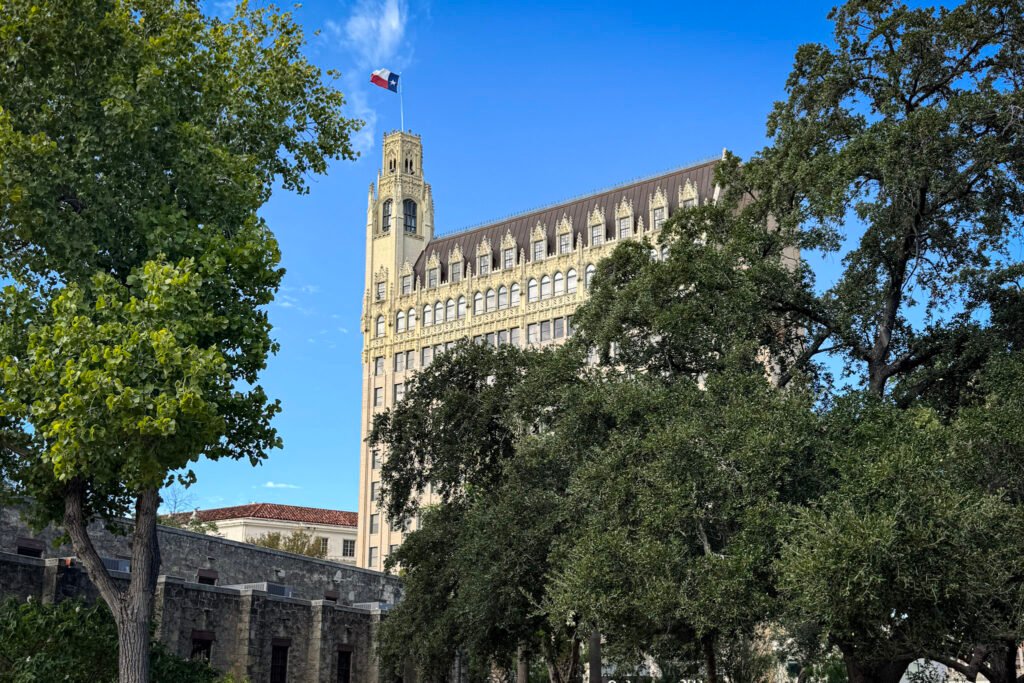
1. The Alamo
The Alamo is the historic mission and one of the most famous sites in Texas history. It began as Mission San Antonio de Valero, and it became famous in 1836, during the Texas Revolution, when a small group of defenders held the old mission for 13 days against a much larger Mexican army before it fell.
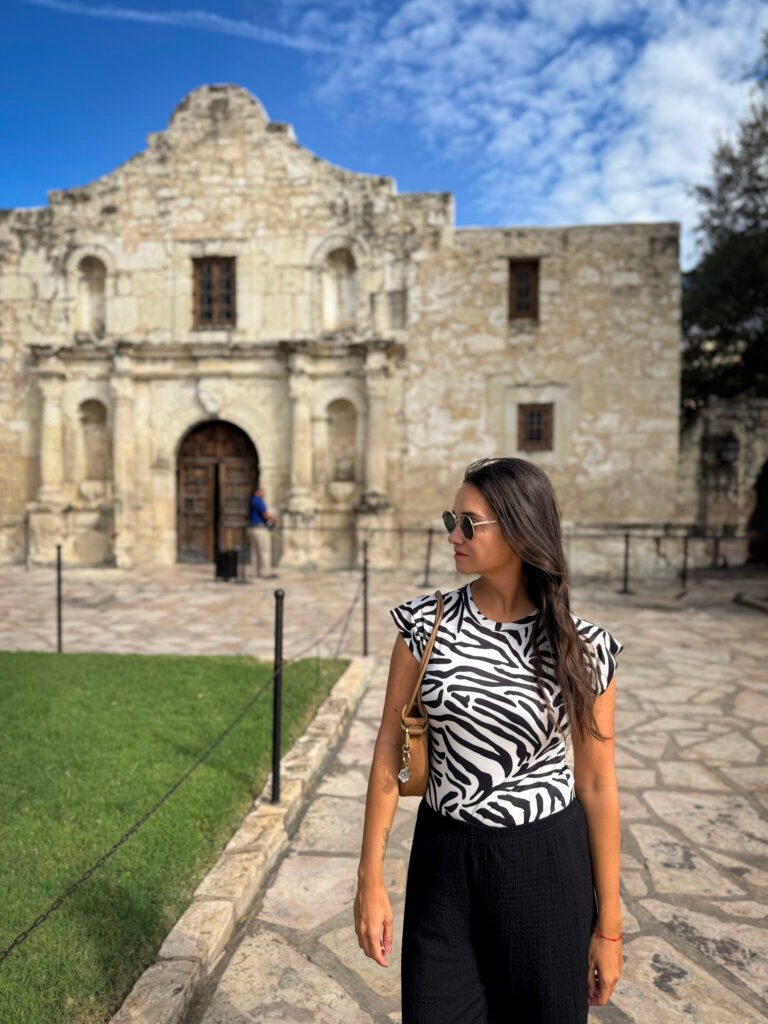
The phrase “Remember the Alamo” comes from this battle, and it’s still a powerful symbol in Texas today.
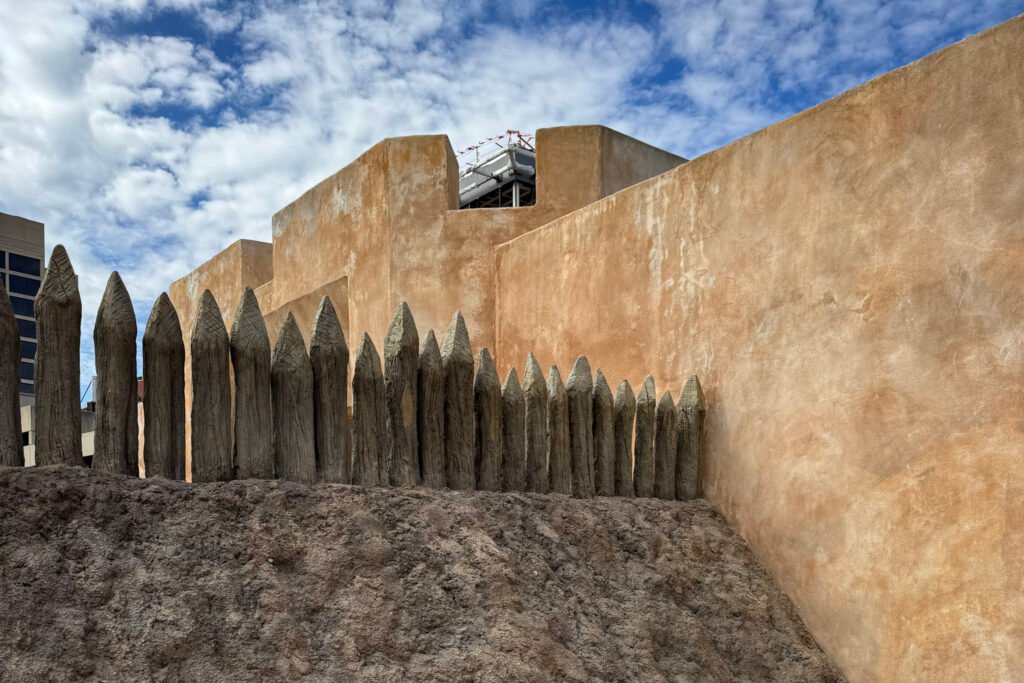
Jet Lag Jelly Tip: Entry to the Alamo Church and the Long Barrack is free, but you must reserve a timed-entry ticket, online or on-site, to keep the crowds small inside. Reserve your slot in advance, especially on weekends. If you have extra time, you can also book a ticket for the Alamo Exhibit, a separate museum behind the church with more than 500 artifacts, including the collection donated by musician Phil Collins. The grounds are also open for a walk around.
2. A River Cruise
A river cruise is a relaxed way to see the city from the water, and it’s a great way to rest your feet after walking.
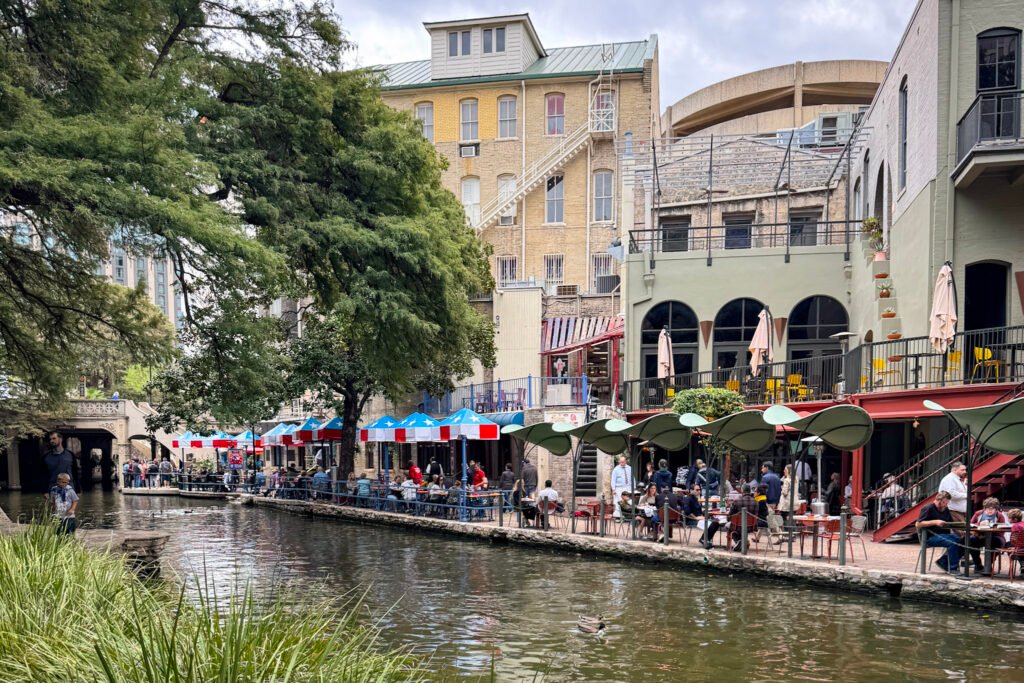
The cruise lasts about 35 minutes, and a guide explains the history and the buildings along the river as the boat passes under the bridges.
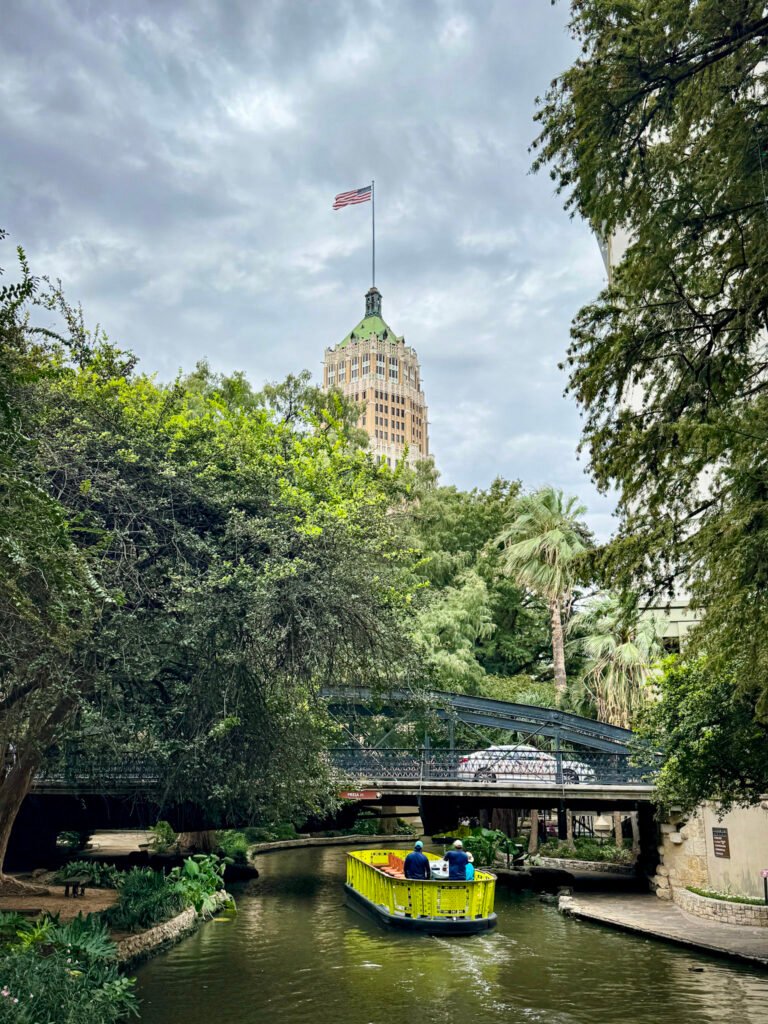
Jet Lag Jelly Tip: Book the cruise earlier in the day or around sunset, and sit on the side where you can take photos. The boats leave often from several points along the downtown stretch, so you don’t need to plan far ahead.
3. The River Walk
The River Walk is the lively path along the river, with restaurants, bars, and bridges. The whole River Walk extends about 15 miles in three distinctive sections, but the busiest part is the Downtown Reach, which is steps away from the Alamo.
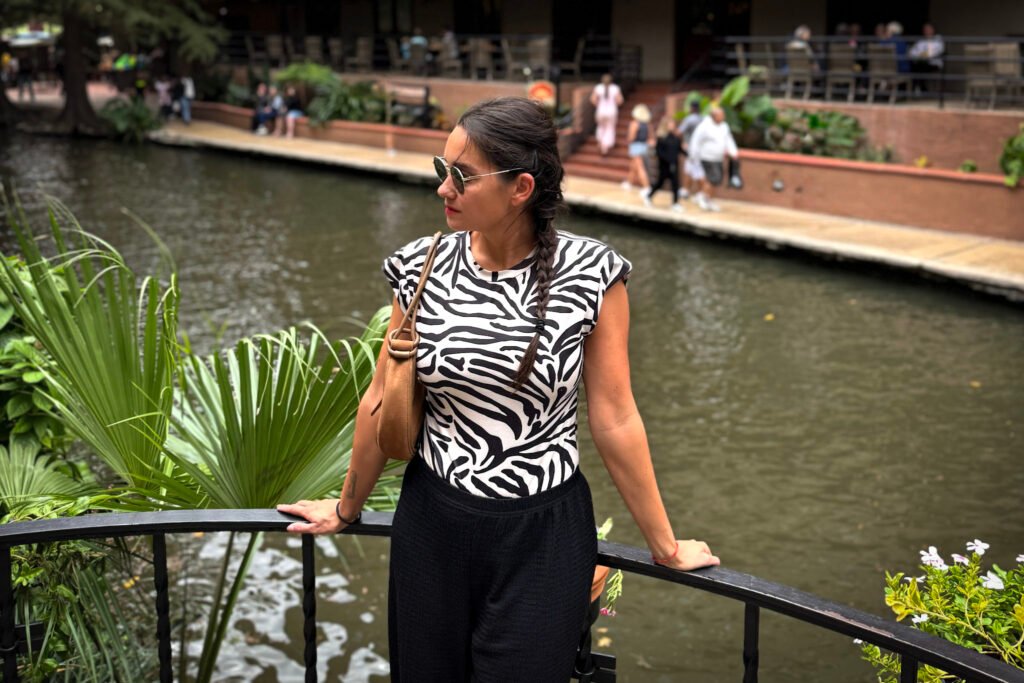
It’s lovely during the day, and it comes alive in the evening, when the lights come on and the restaurants fill up.
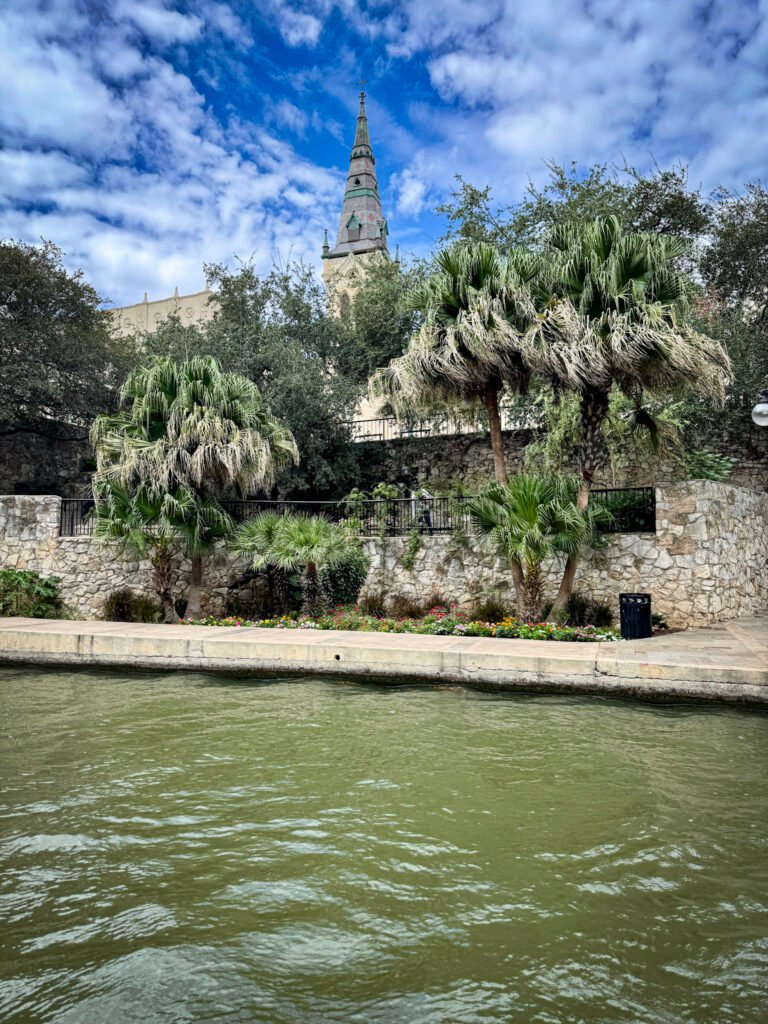
Jet Lag Jelly Tip: Come back in the evening, even if you walked it during the day, since the atmosphere changes completely after dark. The restaurants right on the water tend to be more expensive, so walk a little away from the busiest stretch if you want better prices.
4. Houston
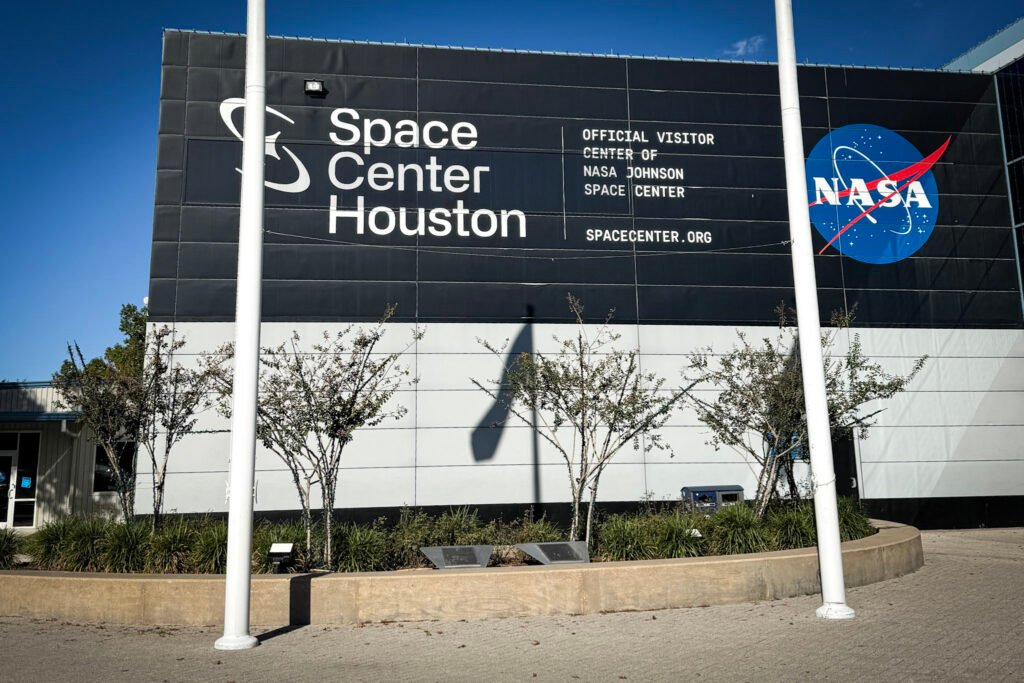
In Houston, we visited NASA, home of the Johnson Space Center and Mission Control. The visitor center is called Space Center Houston, and it sits about 25 miles southeast of downtown Houston, so plan some time for the drive.
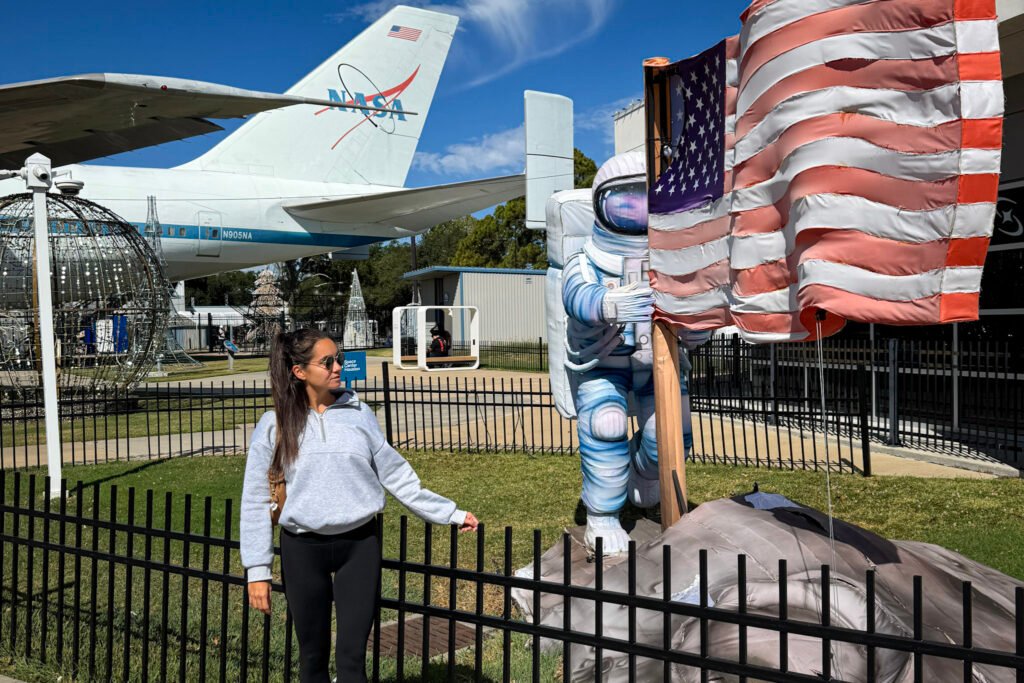
1. Historic Mission Control
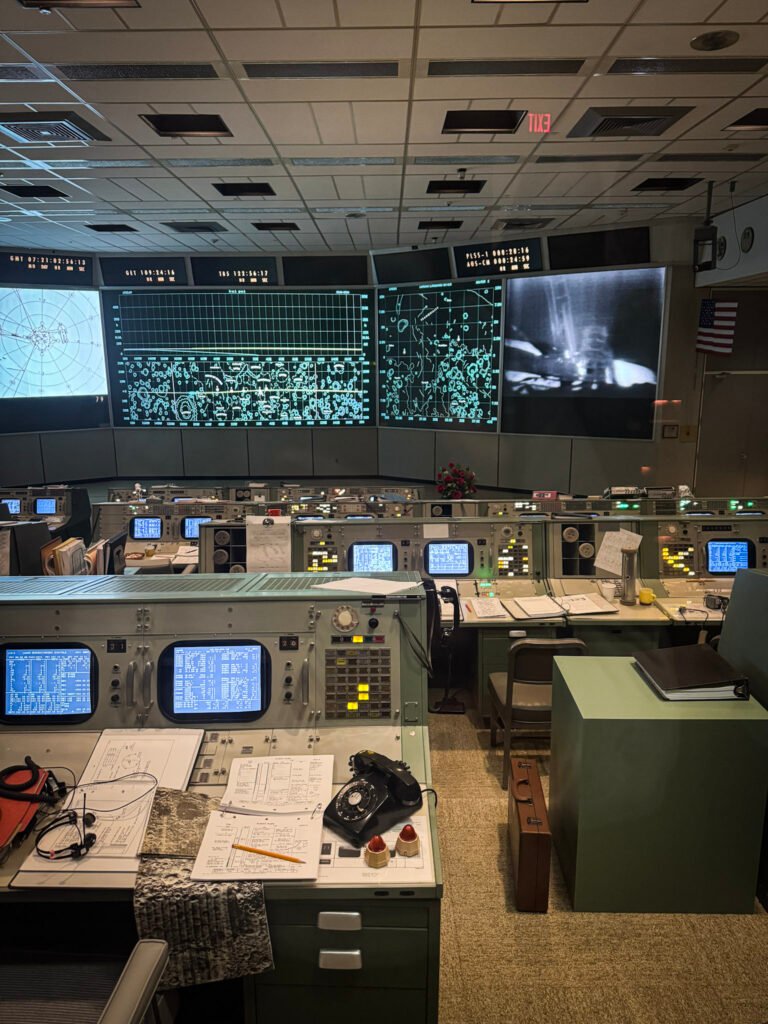
This is the highlight for many visitors. It’s the Mission Control where NASA monitored nine Gemini missions and all Apollo lunar missions, including the historic Apollo 11 journey to the moon.
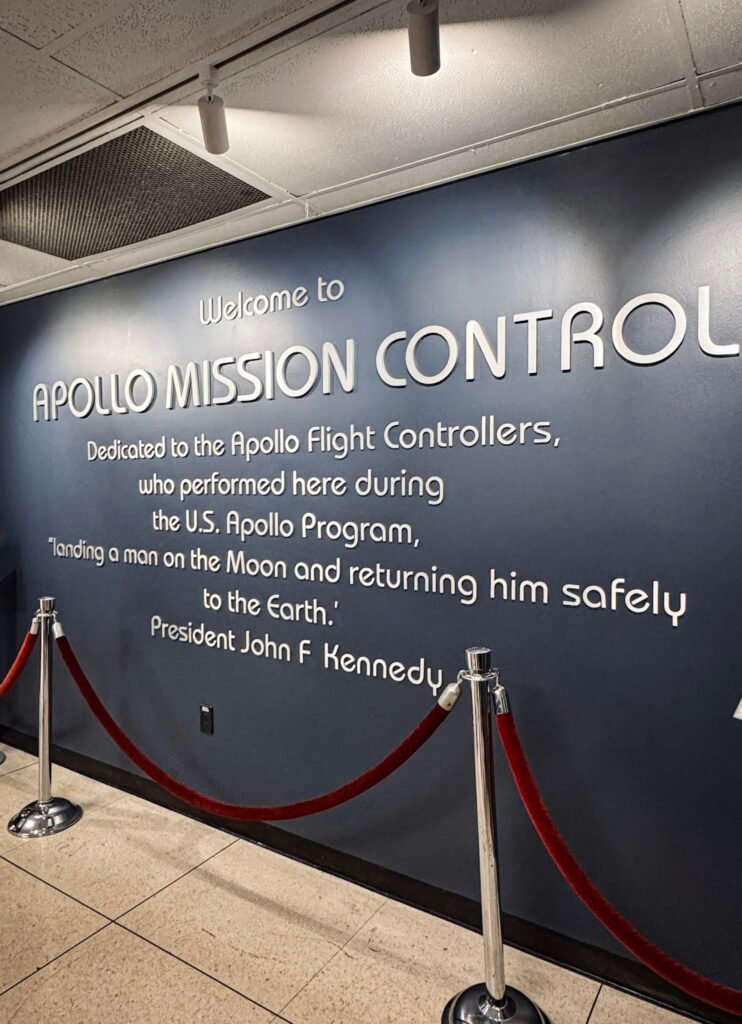
You reach it by tram, as part of the NASA Tram Tour.
2. Rocket Park and the Saturn V
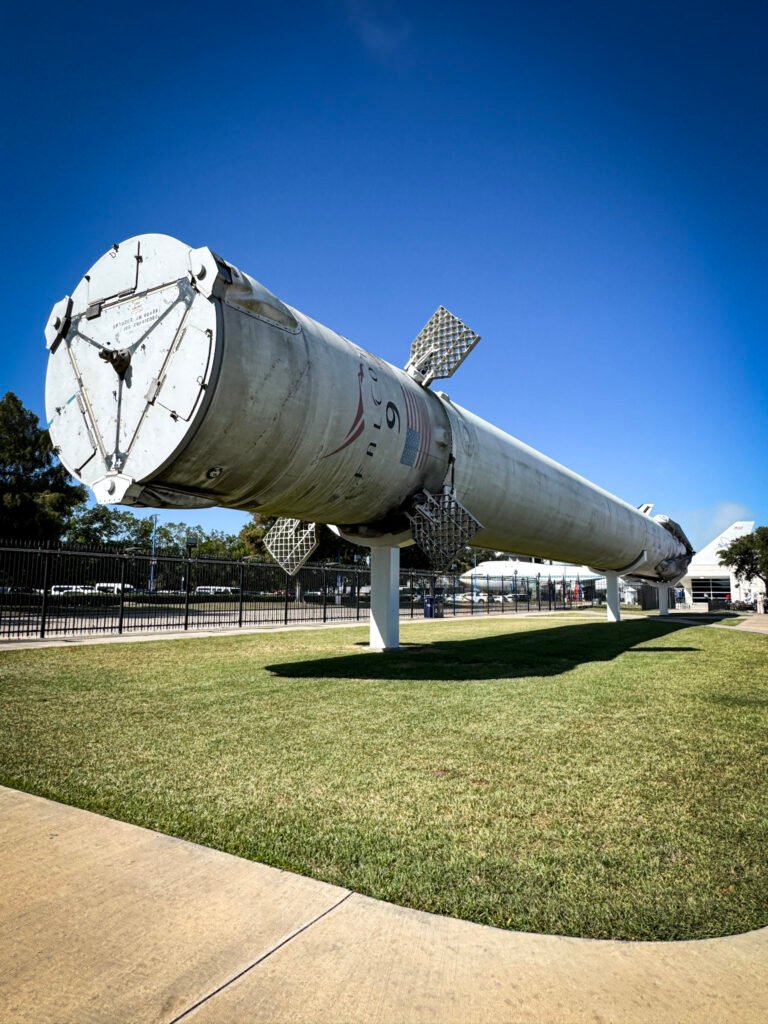
The tram tour includes the Saturn V rocket, one of only three flight-ready Saturn V rockets left.

It’s enormous, and it’s hard to understand its size until you stand next to it.

3. Independence Plaza
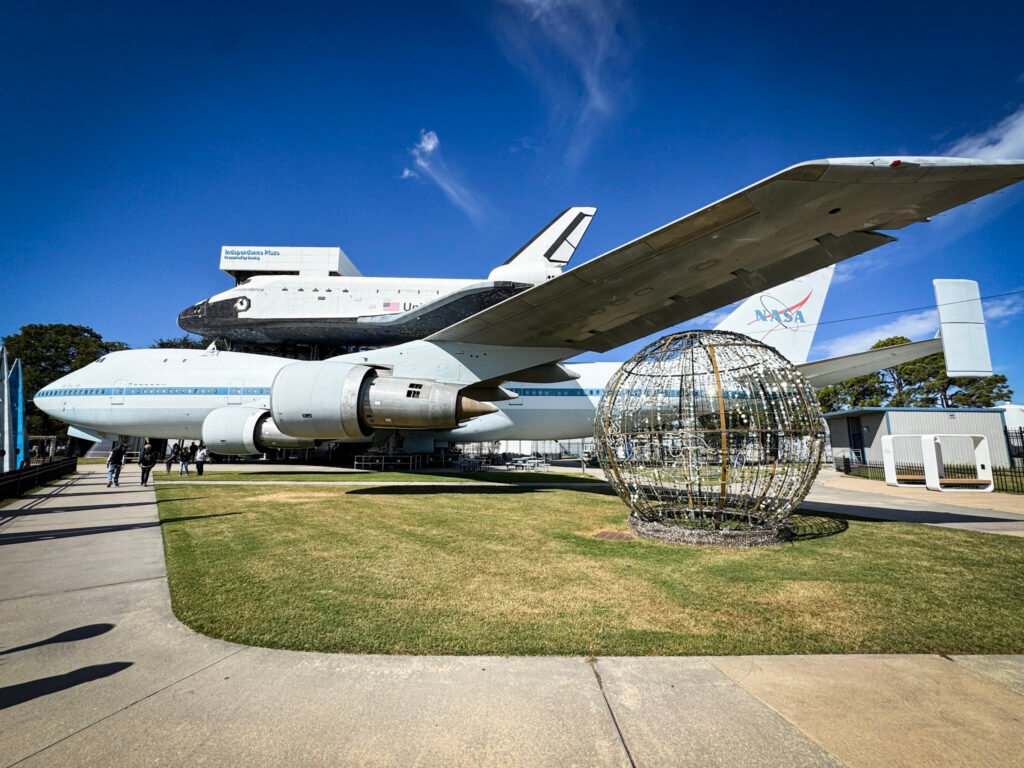
This is the only place in the world where you can walk through a full-scale shuttle replica mounted on top of an original NASA 747 shuttle carrier aircraft.
4. Starship Gallery and other exhibits
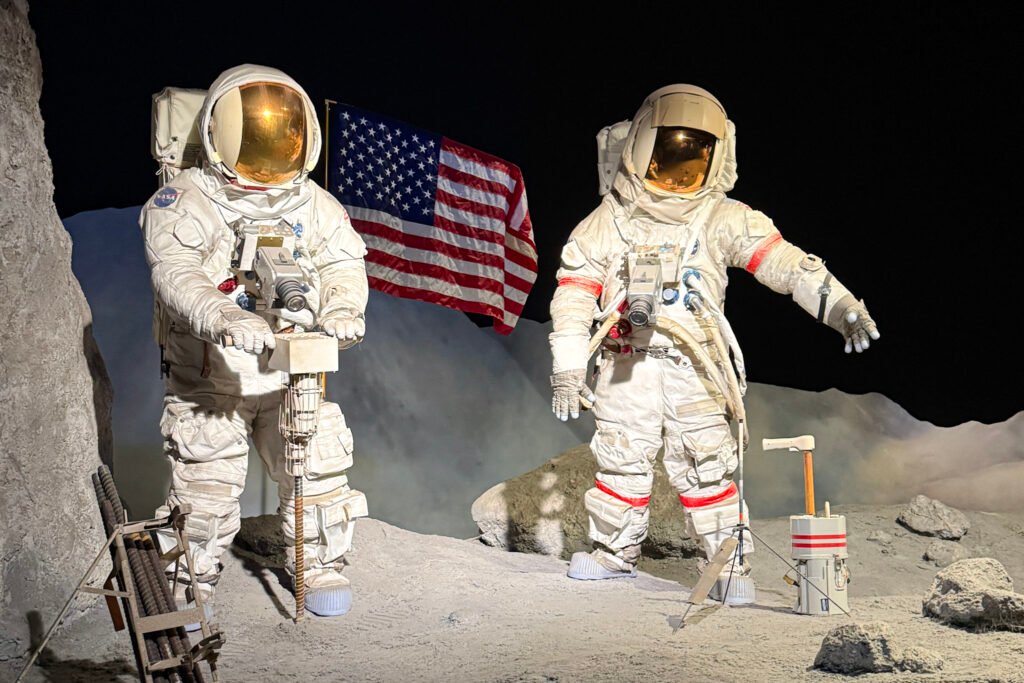
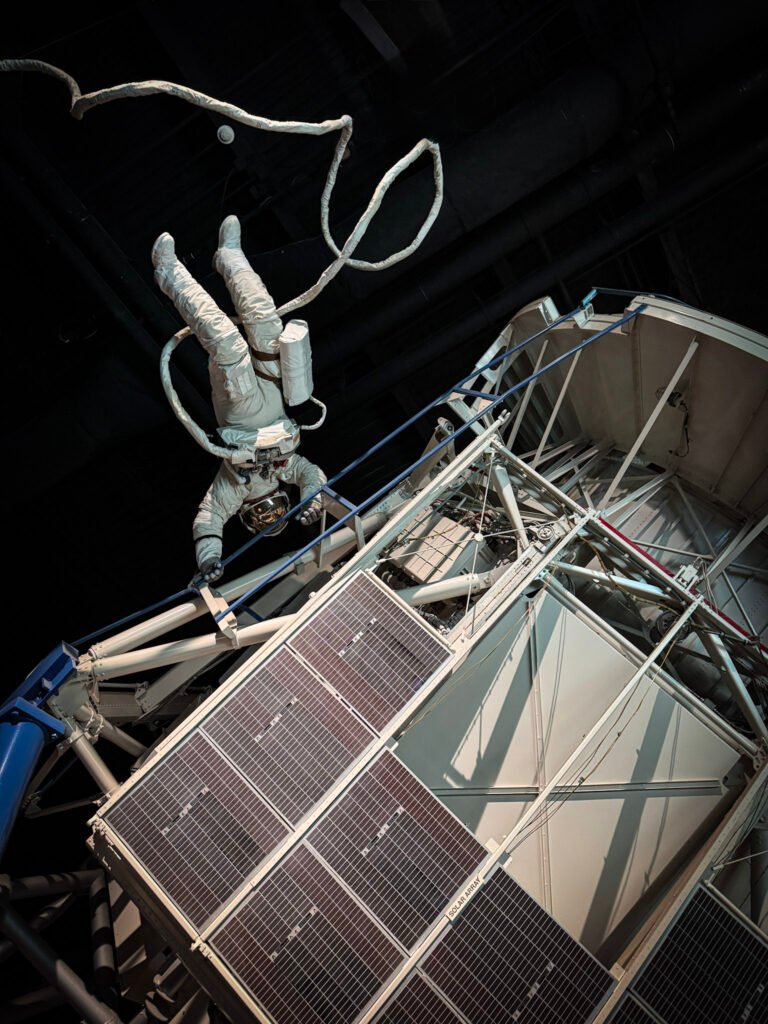
Inside the center, you can see real spacecraft and artifacts, and even touch a real moon rock.
Jet Lag Jelly Tip: Plan enough time, since at least 4 to 6 hours is recommended to see the main exhibits, ride the tram, and explore Independence Plaza. Book your ticket in advance, and choose your time slot for the Historic Mission Control room when you book, since timed tickets help you avoid long queues. NASA may cancel the Mission Control tram tour due to bad weather, so have a plan B for the day.
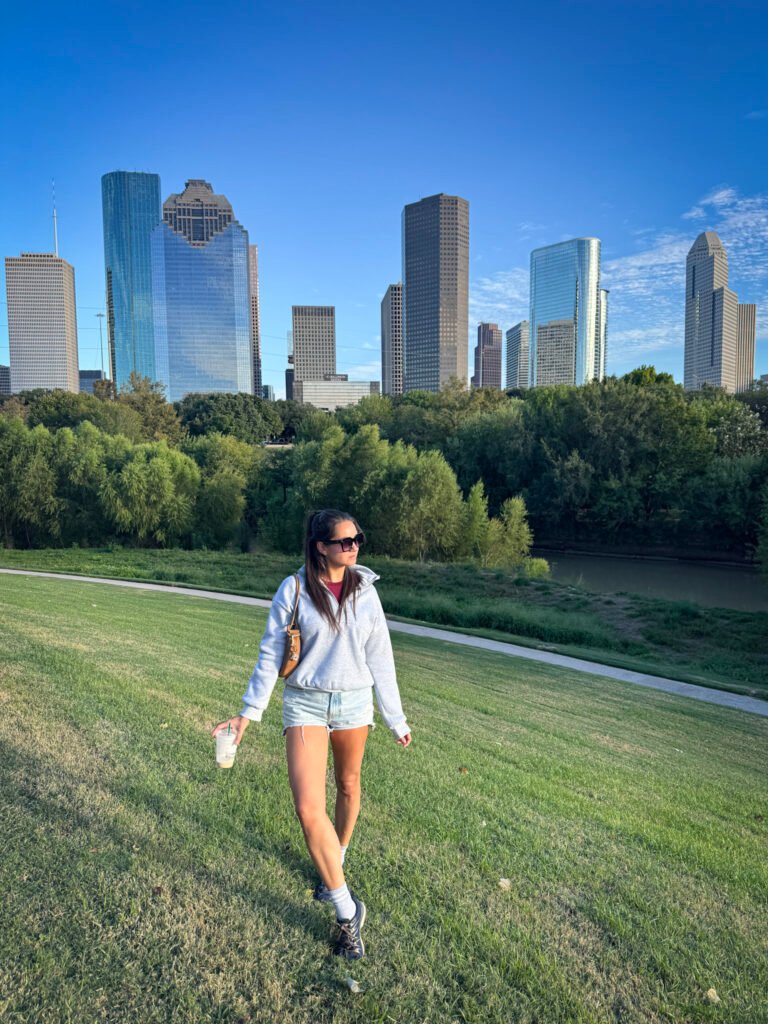
In the evening, we went to Buffalo Bayou Park, a green space right in the city with skyline views. The park stretches from Shepherd Drive to Sabine Street and offers 160 acres of green space along the bayou. After a long day at NASA, it was a relaxed way to end the day in Houston.
What to see:

- The skyline views: The stretch between Sabine Street and downtown has postcard-perfect views of Houston’s skyscrapers reflected in the bayou, especially at sunset.

- Trails and bridges: Paved and soft-surface trails run along both banks of the bayou and are linked by footbridges. On the Rosemont Bridge, local couples have attached hundreds of “love locks” to the railings.

- The Cistern: An underground water reservoir built in 1926 that once held 15 million gallons of water for the city and now houses immersive public art installations. It’s a surprising place to find in the middle of a park.

- The bats: At Waugh Drive, a colony of roughly 250,000 Mexican free-tailed bats emerges at dusk, and there’s a viewing platform for watching them. If you stay until sunset, it’s an unusual show for a city park.
Jet Lag Jelly Tip: Entry to the park is free, so it’s an easy evening stop. The park is open from 6 a.m. to 11 p.m. daily, but it’s best to arrive before sunset so you can enjoy the skyline in the golden light and still have time to walk. If you want to see the bats, arrive about half an hour before sunset at the Waugh Drive viewing platform, and check that the colony is active in the season you visit.
5. Austin
Our last big stop was Austin, where we spent a full day. Austin is known for its live music, barbecue, and relaxed, creative atmosphere, and it’s an easy city to explore in a day.
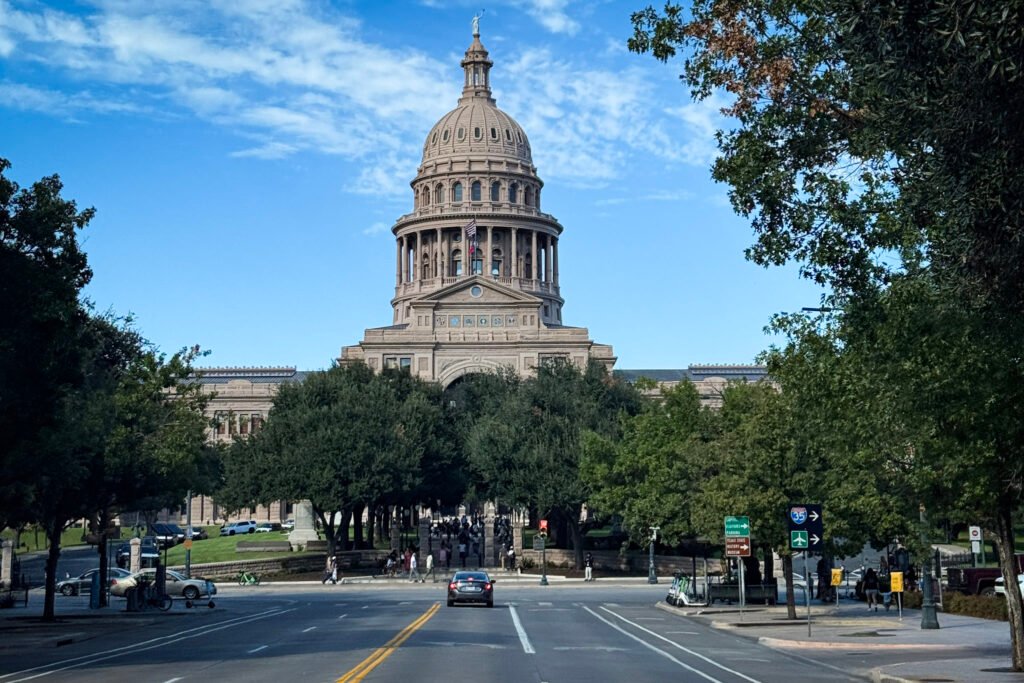
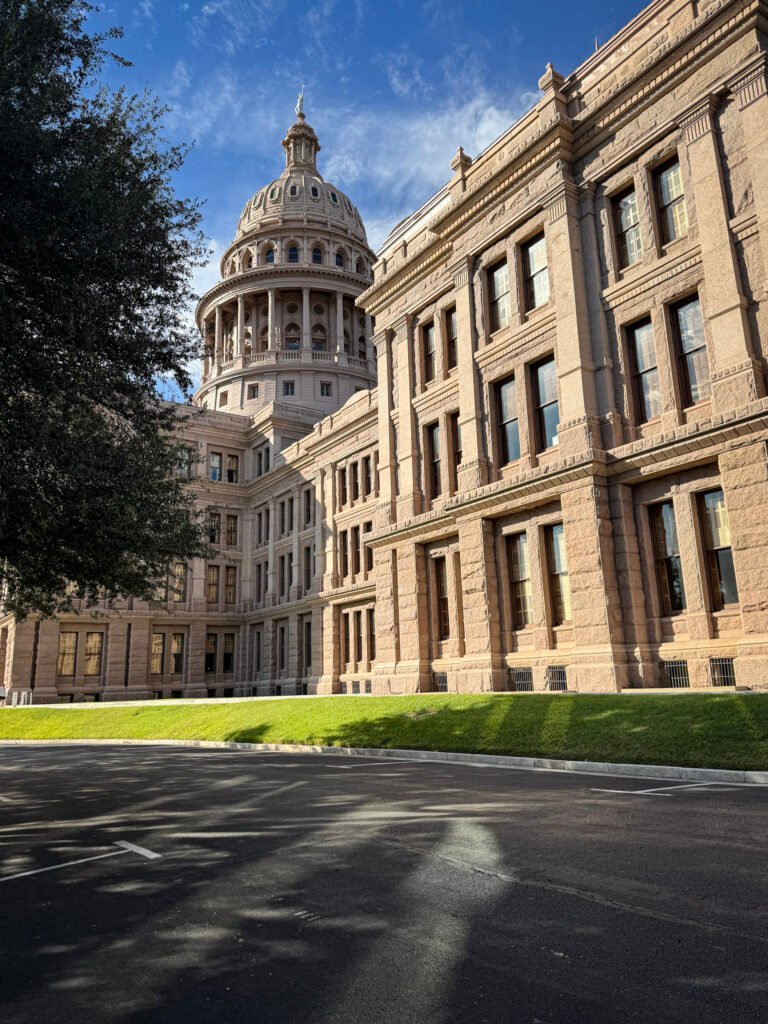
1. Texas State Capitol
The largest state capitol building in the U.S. by square footage, and 15 feet taller than the U.S. Capitol. You can catch one of the frequent free half-hour tours or pick up a self-guided tour pamphlet.
2. South Congress Avenue (SoCo)
Half a mile south of the Congress Avenue Bridge, the shops, restaurants, and nightspots of SoCo offer lots of shopping options and the city’s best concentration of good restaurants.
3. Boots Store
No trip to Texas feels complete without a visit to a cowboy boots store, and of course I bought a pair too. The shelves were full of boots in every color, from classic black to bright green and turquoise, with fancy stitching and even ostrich leather, so choosing was not easy. It’s a fun souvenir you can actually wear.
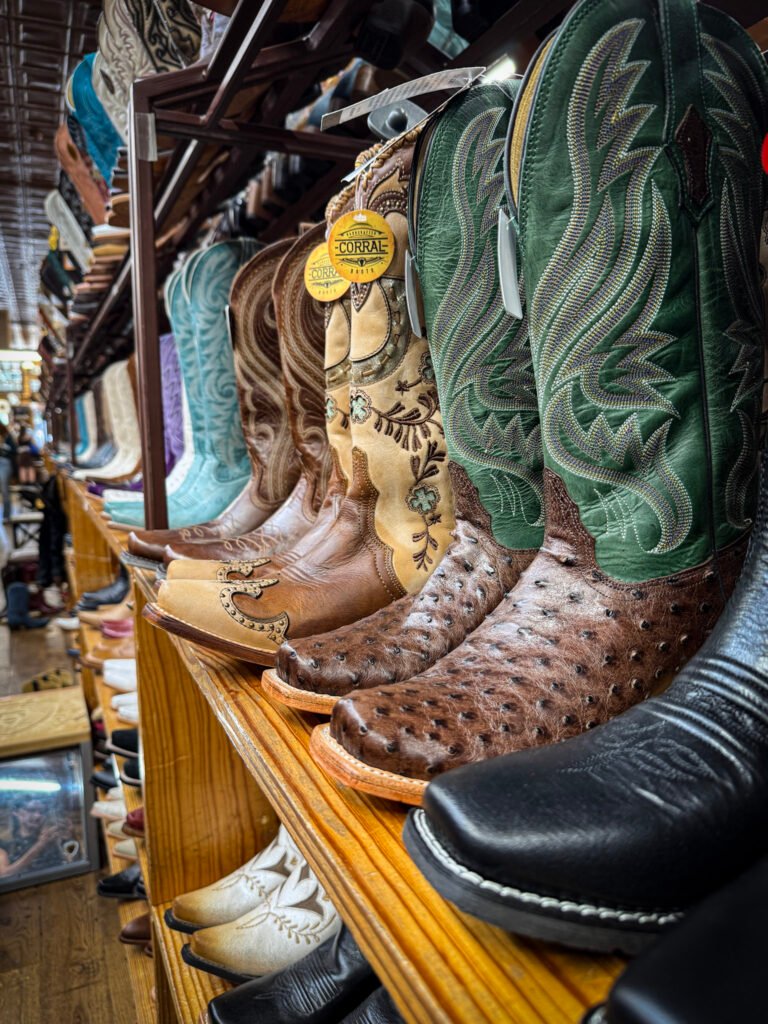
Jet Lag Jelly Tip: Boots can be pricey, so take your time and try on a few pairs before you decide. Walk around the store in them, since the fit matters more than the look. If you plan to fly home with them, wear them on the plane or pack them in your carry-on, so they don’t get lost or squashed.
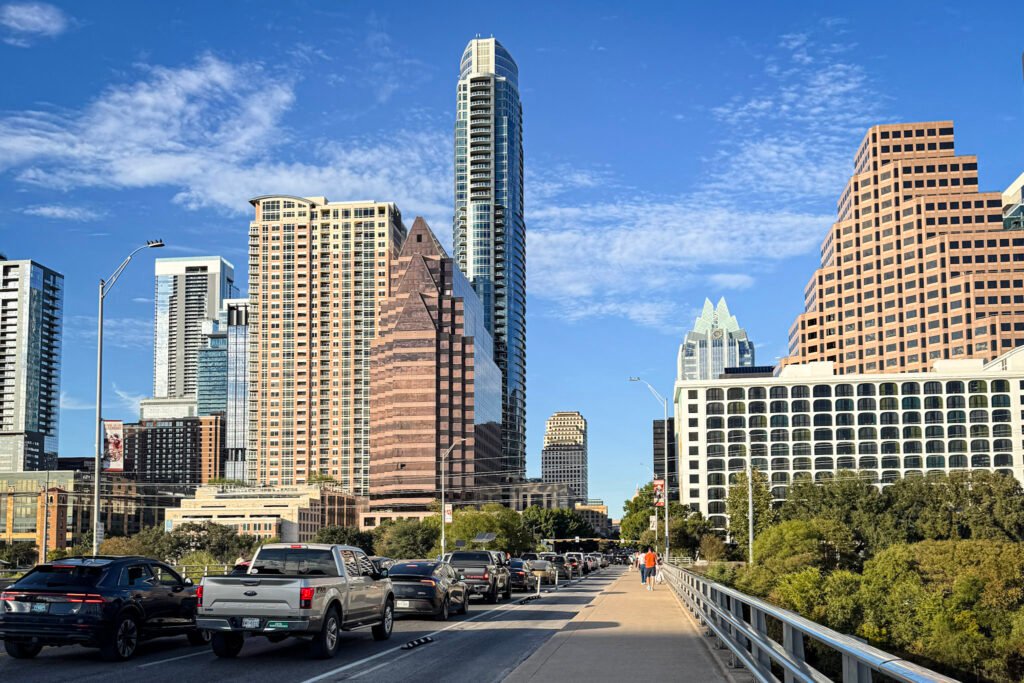
4. Congress Avenue Bridge and the view
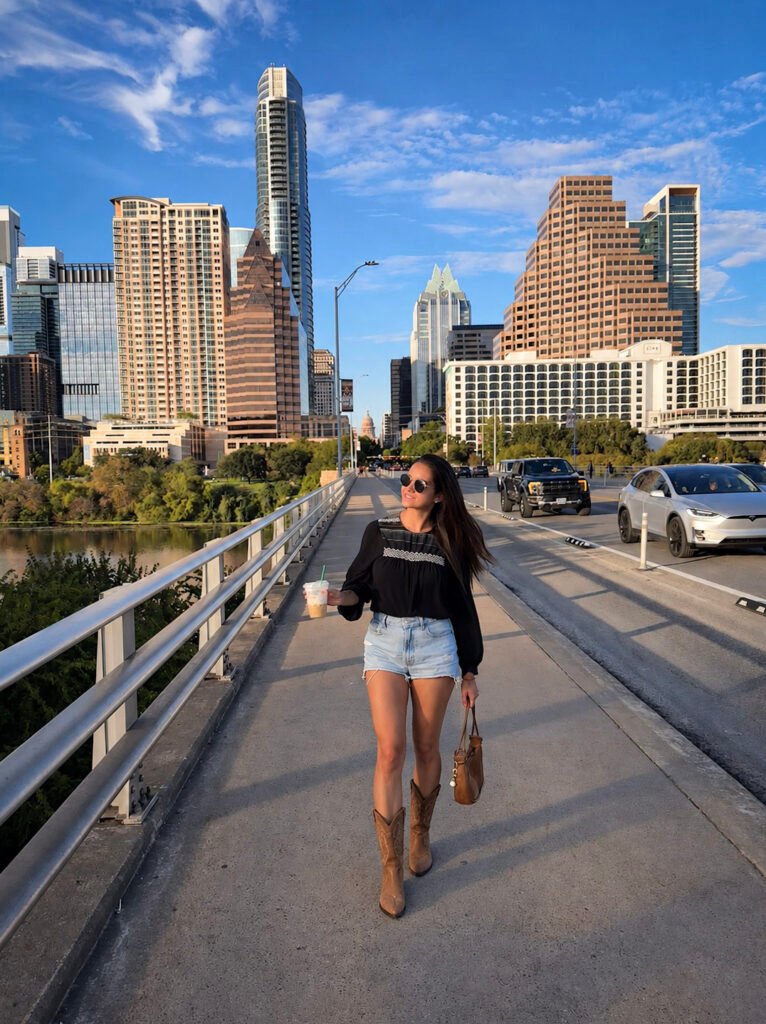
The bridge separates Congress Avenue from South Congress Avenue, and it’s the place for a stellar view of Congress Avenue and the Texas State Capitol.
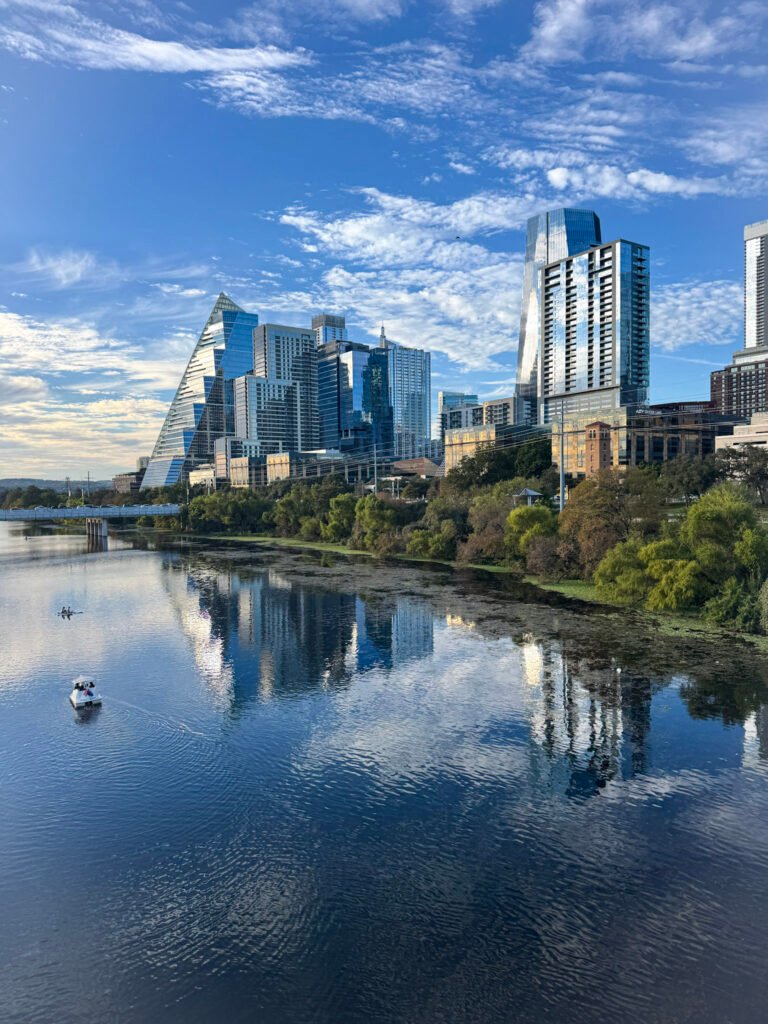
It’s also home to a famous bat colony. From late March through early November, the largest urban bat colony in North America, some 1.5 million Mexican free-tailed bats, swarms out from under the bridge around dusk.
5. Street art and murals
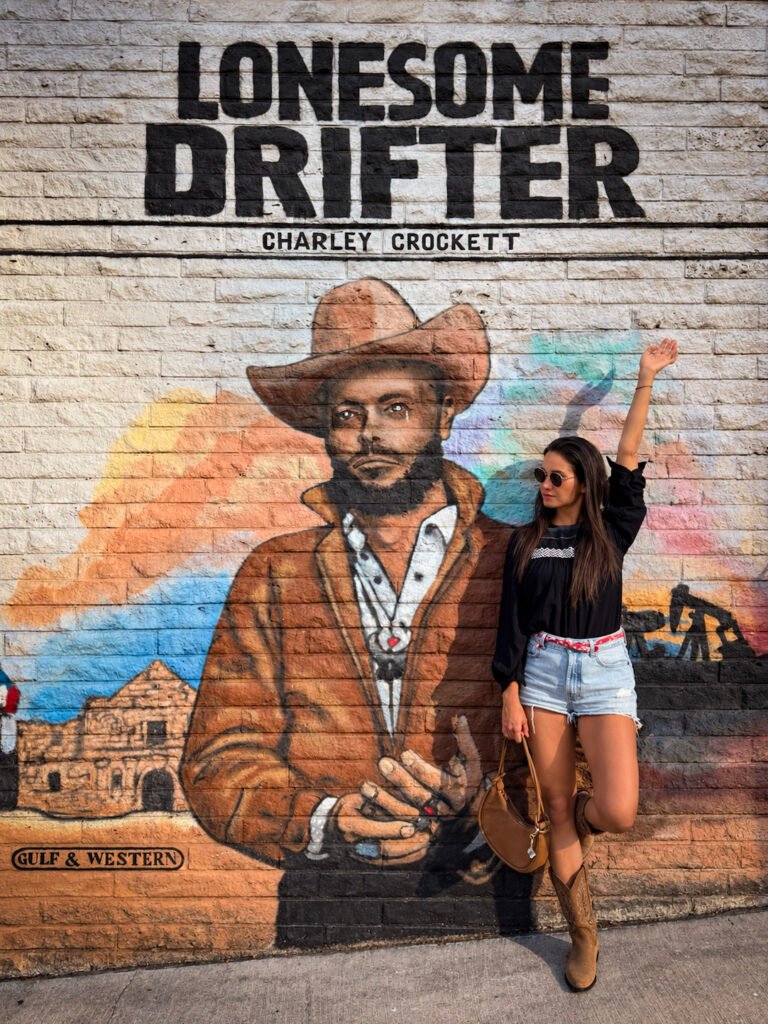
Austin is full of colorful murals, especially around South Congress. The best known is the “I Love You So Much” wall on the side of Jo’s Coffee at 1300 S Congress Avenue, and another popular stop is the “Greetings from Austin” postcard mural on South 1st Street.
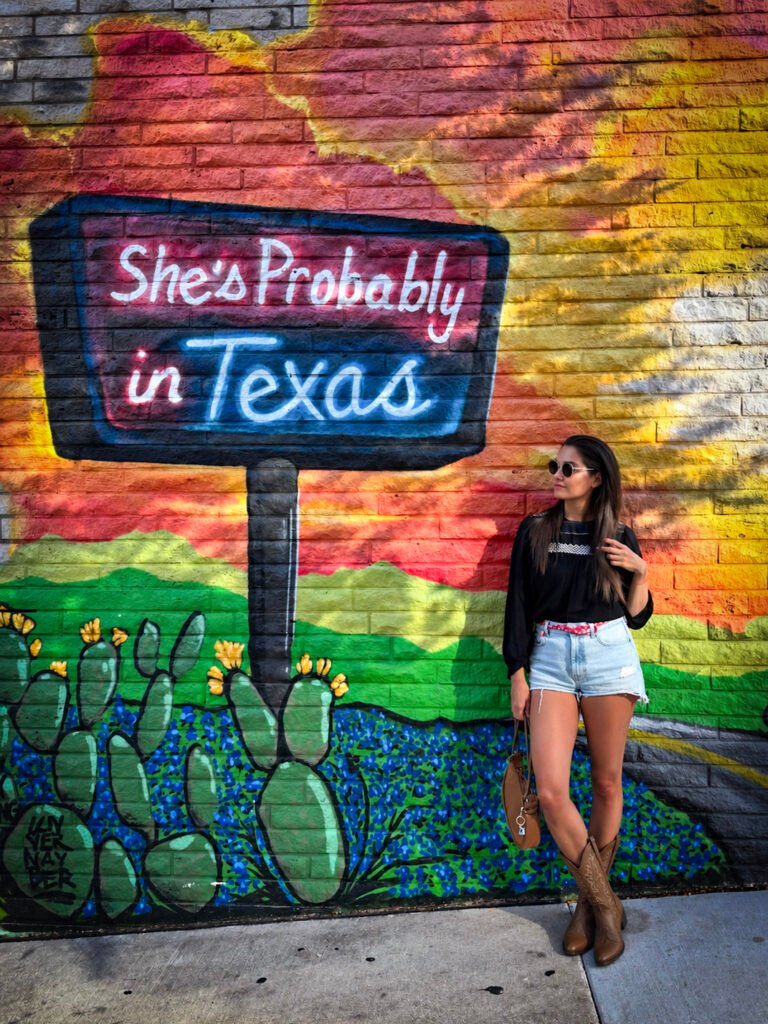
We also found two fun ones: the “She’s Probably in Texas” mural with cacti and bluebonnets, and a mural for the album Lonesome Drifter by Texas singer-songwriter Charley Crockett, which is a nice nod to the city’s music scene. They are free to see, so just walk around and enjoy.
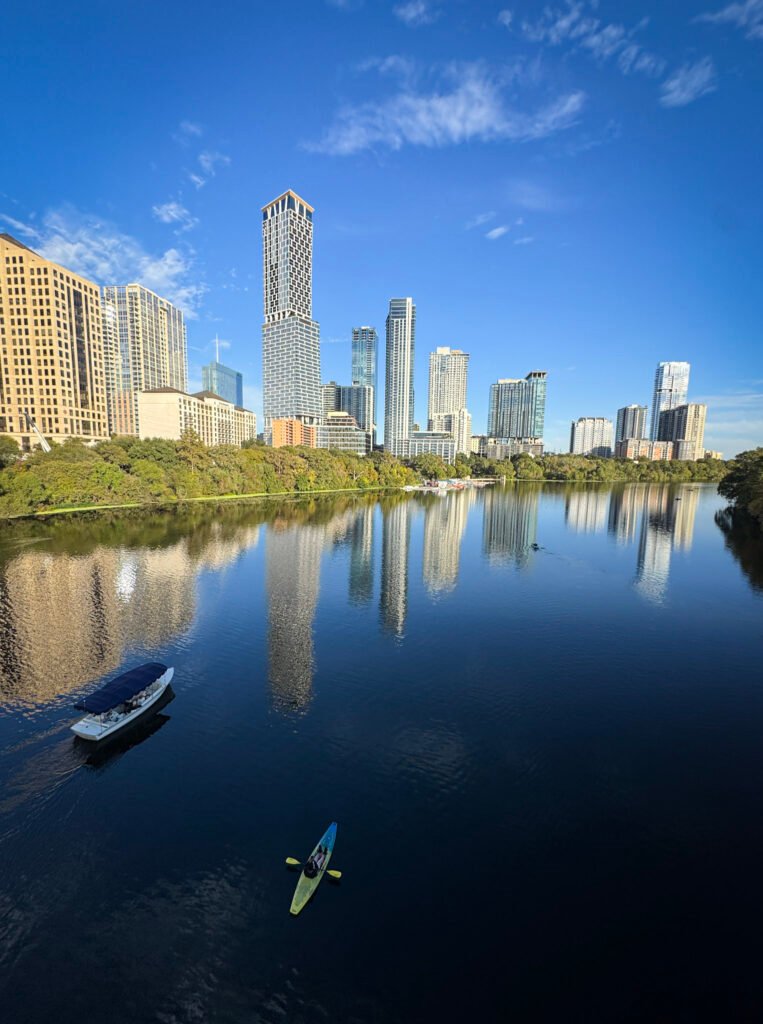
Jet Lag Jelly Tip: Austin is spread out, so pick two or three places instead of trying to see everything in one day. Start with the Capitol in the morning, take a lunch break at SoCo or a swim at Barton Springs, and finish at the Congress Avenue Bridge near sunset. For the bats, show up about 20 minutes before sunset to get a good spot on the bridge. Check the season, since the bats are only there for part of the year. If you stop at Allens Boots, look for the big red boot above the entrance, since it’s also a fun photo spot.
Where to Stay
Here is where we stayed in each city, and what to look for when you choose your own hotel.
Dallas: Hilton Garden Inn Downtown Dallas
I would recommend staying downtown, so you can explore on foot. This hotel is right in the center, close to the Dallas Museum of Art and the Arts District. I’d also choose a hotel with a swimming pool, so you can chill and relax after the jet lag and the long flight. Check the parking fees before you book, since downtown hotels often charge extra.
Fort Worth: Radisson Hotel Fort Worth North-Fossil Creek
We stayed at a Radisson Hotel with a free shuttle to the Stockyards, which saved us from the expensive and complicated Stockyards parking. It’s an easy choice if you plan to see the cattle drive and Mule Alley.
Houston: Super 8 by Wyndham Houston Webster NASA
We stayed at a hotel super close to NASA, which made our Space Center Houston day easy. It’s a simple budget motel, so it’s a good value if you only need a place to sleep. For the evening at Buffalo Bayou Park, you need to drive back into the city.
San Antonio: Sonesta ES Suites San Antonio Downtown
For first-time visitors, I’d stay downtown, close to the River Walk and the Alamo, so you can do most things on foot. Check the parking fees before you book, since they can be high at downtown hotels.
Austin: Hampton Inn & Suites Austin Downtown
I would recommend staying downtown in Austin, so you can walk to the Capitol, Lady Bird Lake, and the bridge. Downtown hotels often charge for parking, so compare the total price, not only the room rate.
Best Time to Go
We visited in October, and the weather was perfect: still warm, but totally bearable.
For the five Texas cities, the best seasons are spring (March to May) and fall (September to November), when the weather is comfortably mild and you avoid the intense heat of the Texas summer.
Spring (March to May)
Spring brings beautiful wildflowers, including the famous Texas bluebonnets. It’s the best season for Austin, where spring comes with SXSW, wildflower season, and warm days, though it’s also the busiest time of year. If you love rodeos, Rodeo Austin and the Houston Livestock Show and Rodeo are both held in spring.
Fall (September to November)
This is my pick, and it’s the season we chose. Once hurricane season winds down and the humidity drops, the cities become much more enjoyable. It’s also the season for events: the State Fair of Texas in Dallas runs from late September to late October. One guide even suggests a fall road trip with the State Fair in Dallas, ACL in Austin, and Día de los Muertos in San Antonio.
Summer (June to August)
It’s the season to avoid if you can. The heat can soar into the 100s °F, and hurricane season starts in June. Houston and San Antonio are especially tough, since temperatures can exceed 100 degrees Fahrenheit, and Houston adds high humidity. On the plus side, summer is the best time to see the bats and cool off at Barton Springs Pool in Austin.
Winter (December to February)
Winter is quieter and a good time to find deals. Winter is the best time to find deals on accommodations, and it’s when you can enjoy live music at the Austin honky-tonks without the summer heat. Pack layers, since the weather can change quickly.
Our pick: October, or March to April.
Jet Lag Jelly Tip: The cities are far apart, so check the forecast for each stop, and remember that Houston is much more humid than Dallas or Austin. If you want to see a big event, like the State Fair or a festival, book your hotels early, since prices go up and rooms sell out.
FAQ
Which Texas city is best for a first visit? It depends on what you like. Austin is great for live music, street art, and a relaxed atmosphere. San Antonio is the best for history and a walkable center, with the Alamo and the River Walk. Dallas and Fort Worth are perfect for cowboy culture and city sights, and Houston is the place for NASA.
How many days do you need? We spent about one day in each city, which was enough to see the main highlights. With two days in each, you’d have time for a slower pace.
Do you need a rental car? Yes, I recommend it. The cities are far apart, and some of the best places, like Space Center Houston, are outside the center. We rented a car in Dallas and returned it in the same city, since our route was a loop. Within the downtown areas of Dallas, San Antonio, and Austin, you can do a lot on foot.
How far apart are the cities? Dallas and Fort Worth are close, about 30 miles. Austin and San Antonio are around 80 miles apart, and the other drives are longer, between about 165 and 275 miles. Plan on 2 to 4 hours of driving between most of them. These are approximate numbers, so check your own route before you go.
Which airport should you fly into? We flew in and out of Dallas, since our trip was a loop. If you’d rather start somewhere else, Austin, Houston, and San Antonio all have international airports, so you could fly into one city and out of another. Compare prices, since a one-way car rental can cost extra.
Do you need to book tickets in advance? For some places, yes. The Alamo has a free timed-entry ticket for the church, and the Sixth Floor Museum, Reunion Tower, and Space Center Houston are better booked ahead, especially for the Mission Control tour. Check each website before you go, since rules can change.
Where should you stay in each city? Downtown is the best choice in Dallas, San Antonio, and Austin, so you can explore on foot. In Fort Worth, choose a hotel with a shuttle to the Stockyards, and in Houston, a hotel near NASA saves time on your Space Center day. See the Where to Stay section above.
Summary
Texas has five cities, and each one feels like a different world. Dallas gave us skyscrapers and a relaxed walk through the center, Fort Worth took us back to the Old West at the Stockyards, Houston was all about NASA and the skyline at Buffalo Bayou Park, San Antonio had the Alamo and a lively River Walk, and Austin finished the trip with street art, a view from the bridge, and a new pair of boots.
Some highlights for us:
- Dallas: the Sixth Floor Museum and a walk through downtown
- Fort Worth: the cattle drive at the Stockyards
- Houston: Historic Mission Control at Space Center Houston
- San Antonio: a river cruise and an evening on the River Walk
- Austin: the murals and the skyline view from the bridge
If you’re planning your own Texas trip, rent a car, stay downtown in the big cities, and book the popular tickets in advance. Have you been to any of these cities, or do you have a favorite? Let me know in the comments, and I’m happy to help with your itinerary!
Looking for more Texas inspiration? These cities were part of our Texas and New Mexico road trip, where we also visited Guadalupe Mountains, Carlsbad Caverns, and White Sands. If you love nature, read our guide to Big Bend National Park, the most beautiful national park in Texas.
Sleep later. Explore now.