
New Orleans is located in the state of Louisiana, in the southern United States, right where the Mississippi River curves toward the Gulf of Mexico. It is famous for jazz music, festivals like Mardi Gras and the Jazz & Heritage Festival, and some of the best Creole and Cajun cuisine you will ever eat.

It is also one of the most colorful cities in the country. Pastel houses, wrought iron balconies, brass bands on the street and a different story on every corner. Here are 10 top places that show you the many sides of New Orleans, from the French Quarter to alligators in the swamp.

New Orleans Itinerary
1. The French Quarter
2. Jackson Square & St. Louis Cathedral
3. Beignets at Café du Monde
4. Woldenberg Riverfront Park
5. Jazz on a Steamboat
6. Live Jazz on Frenchmen Street
7. Riding the St. Charles Streetcar
8. The Garden District
9. Oak Alley Plantation
10. Alligators on a Swamp Tour

1. The French Quarter
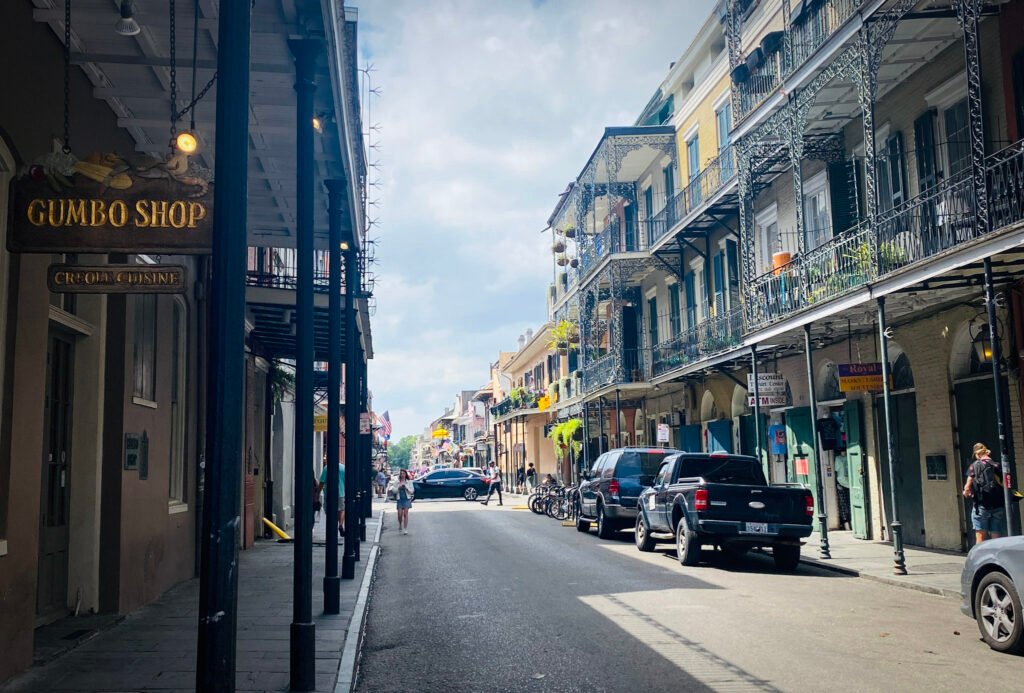
The French Quarter is the historic heart of New Orleans, and the best place to start. Walk the narrow streets and look up: French and Spanish colonial buildings, colorful facades and iron balconies covered in plants.


You will find street musicians, art galleries, small shops and more restaurants than you can possibly try in one trip.
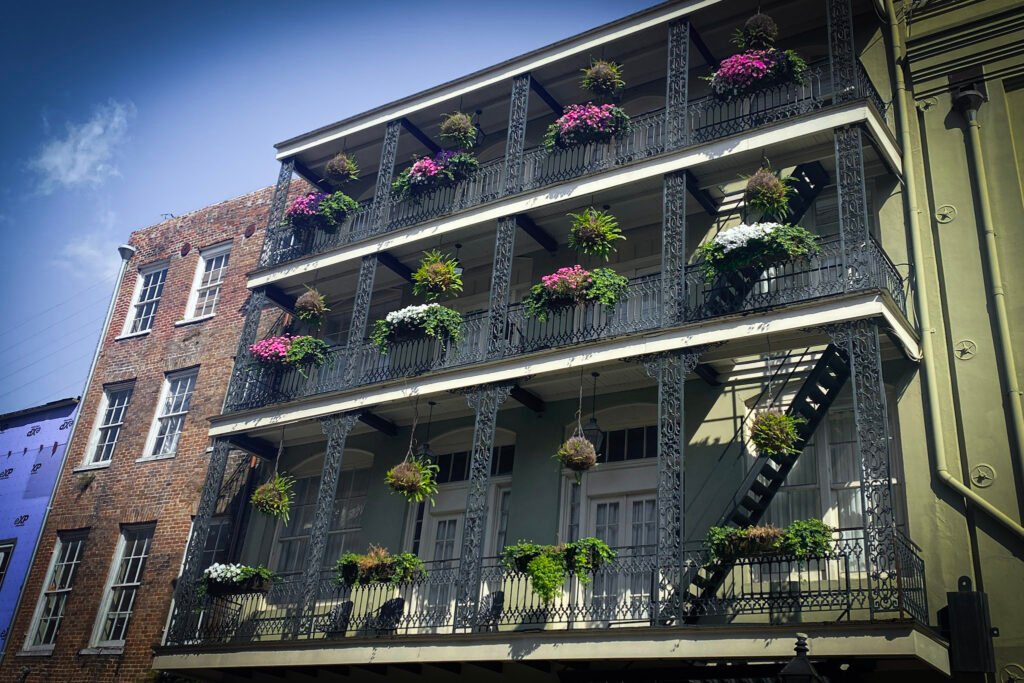
Jet Lag Jelly Tip: Explore in the morning, when it is quiet and the light is soft. At night the Quarter changes into a loud, lively party, which is fun, but a very different experience. If you want to hear the stories behind the buildings, join a French Quarter walking tour.
2. Jackson Square & St. Louis Cathedral
Jackson Square is the postcard center of the French Quarter. The white St. Louis Cathedral stands at the back, with artists, fortune tellers and street performers gathered in front of it.
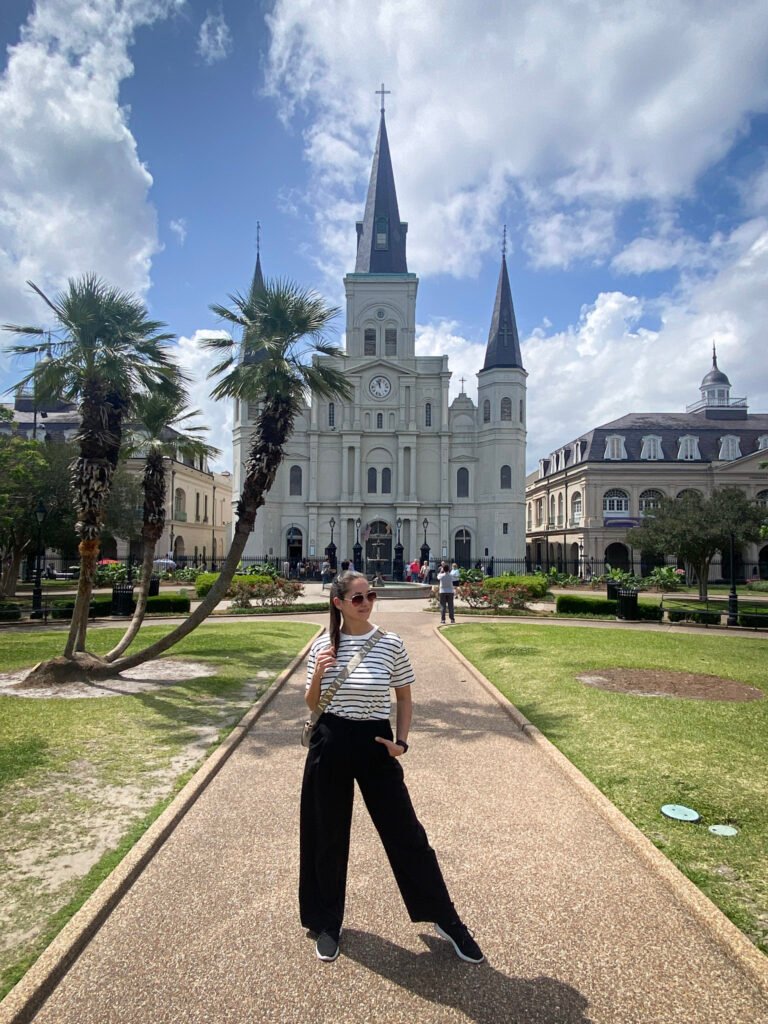
It is a great place to sit for a while and just watch the city go by.
Jet Lag Jelly Tip: For a relaxed way to see the historic streets around the square, book a French Quarter sightseeing carriage ride and learn about local history. You sit back, enjoy the colorful buildings and hear the stories along the way.
3. Beignets at Café du Monde
No visit is complete without beignets. Café du Monde is the most famous place to try them: hot, square doughnuts buried in powdered sugar, served with a strong café au lait. It sits just across the street from Jackson Square.

Expect a line, and expect sugar on your clothes. It is worth it.
Jet Lag Jelly Tip: Do not wear dark clothes. Powdered sugar gets everywhere, and a jellyfish dusted in white is not a good look. Check opening hours before you go.

If you would like to learn the history of the neighborhood as well, the French Quarter history tour with Café du Monde combines a guided walk with a stop at the famous café.
4. Woldenberg Riverfront Park
Right on the edge of the French Quarter, Woldenberg Riverfront Park is a green strip along the Mississippi River. It is a lovely place to walk, sit on the grass and watch the big ships and boats pass by.

It is also close to the Aquarium of the Americas and the steamboat dock, so it works well as a break between sights.
Jet Lag Jelly Tip: Bring a coffee or a snack and sit for a while. Come near sunset, when the river turns gold and the city lights start to come on.
5. Jazz on a Steamboat

New Orleans is the birthplace of jazz, so of course I had to hear it live. And what is a better stage than a steamboat gliding down the Mississippi River? A live band on deck, the skyline slowly drifting by and this jellyfish in full holiday mode.

Plot twist: it was my birthday! The vibe was already super great, and then the band started to play Happy Birthday just for me. I got goosebumps! Cue one very happy jellyfish. Best birthday soundtrack ever.

Jet Lag Jelly Tip: Book ahead, especially in busy season. Arrive early to board and find a good seat on the deck. A great option is the evening steamboat jazz cruise with optional dinner, where you can listen to live jazz as the city lights come on.
6. Live Jazz on Frenchmen Street
Want more music? Walk to Frenchmen Street, just outside the French Quarter, where small clubs and bars play live jazz almost every night. It feels more local and less crowded than Bourbon Street.

For a more traditional experience, look at Preservation Hall, a small, historic venue in the French Quarter devoted to traditional New Orleans jazz.
Jet Lag Jelly Tip: Walk in, listen for a song or two, and move on if you want to hear different bands. Many places have no cover charge, but a tip for the musicians is appreciated.
7. Riding the St. Charles Streetcar
One of the most charming ways to see New Orleans is by streetcar, or tram. The green St. Charles Streetcar is often called the oldest continuously operating streetcar line in the world, and the ride feels like traveling back in time.

It runs from the city center along tree-lined St. Charles Avenue, past grand mansions and through the Garden District. Sit by an open window and enjoy the show.
Jet Lag Jelly Tip: The fare is low, so check the current price and pass options on the website before you ride. Sit on the side with the best views and be ready for a slow, shaky and very photogenic ride.
8. The Garden District

The Garden District is full of grand 19th century mansions, big porches, wrought iron fences and gardens with old oak trees. It feels like a different New Orleans, quiet and elegant.

Get off the streetcar and wander the streets on foot, then stop on Magazine Street for small shops, cafés and restaurants. You can also join a guided walking tour to hear the history behind the houses.

Jet Lag Jelly Tip: Wear comfortable shoes and bring water. These are private homes, so admire them from the sidewalk. Go in the morning when it is cooler. If you want to hear the stories behind the mansions, the Garden District guided walking tour is a great way to explore the area.
9. Oak Alley Plantation
About an hour from New Orleans, Oak Alley Plantation is the kind of place that makes you stop and look. The big white house sits at the end of a green lawn, and with the blue sky above it, it looks like a postcard.

The real stars are the live oak trees. Some of them are huge, with wide branches that stretch out in every direction, and walking under them feels like entering another world.

The famous oak alley is a long brick path lined with oaks on both sides, leading straight to the house. It is the spot everyone wants a photo of, so take your time and enjoy the walk. It is beautiful, but it is also an important place to understand the history behind it.

The site tells the stories of the enslaved people who lived and worked here, so you can learn about the Black history that is part of Louisiana’s past. It is not a light visit, but it is a meaningful one.

Jet Lag Jelly Tip: Give yourself time, take the tour and read the exhibits. If you do not have a car, many organized tours include transport from New Orleans. A convenient option the Oak Alley Plantation and swamp airboat combo tour, which lets you see the plantation and the bayou in one trip.
10. Alligators on a Swamp Tour

A short drive outside the city, the Louisiana bayous feel like a different world. On a swamp tour, a boat takes you through quiet water, moss-covered cypress trees and wildlife, and yes, you will see alligators.
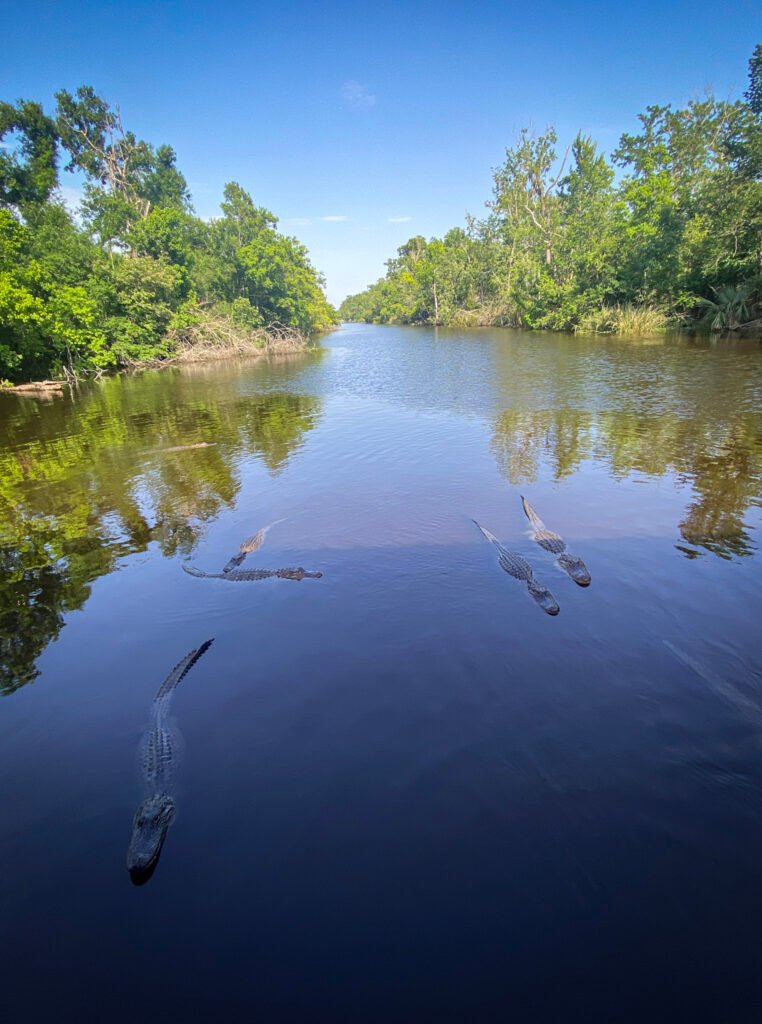

This was my favorite activity of the whole trip! We saw so many alligators that I dreamt about them the next day.
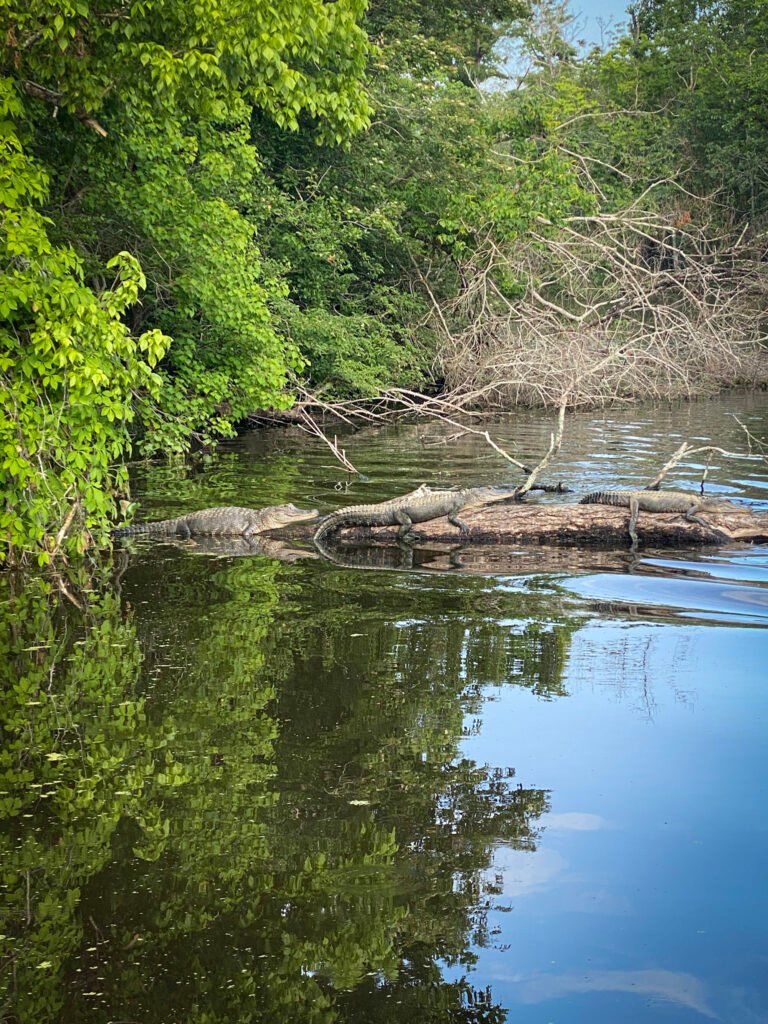
You may also spot herons, turtles and other birds. Some tours are on small boats and others are on airboats, so pick the style you prefer. For a more natural experience, you can also look at Jean Lafitte National Historical Park and Preserve.

Jet Lag Jelly Tip: Alligators are more active in warm months. Bring insect repellent, sunscreen and a camera with a good zoom, and keep your hands inside the boat. If you would like to ride an airboat, the airboat swamp tour just south of New Orleans is a great option.
How to Get There
New Orleans is served by Louis Armstrong New Orleans International Airport (MSY). From there, it is about a 30 minute ride to the French Quarter by taxi, ride share or airport shuttle.
Once you are in the city, the French Quarter is easy to explore on foot, and streetcars and ride shares help you get around beyond it. For Oak Alley Plantation and the swamp, join a tour or rent a car.
Where to Stay
For a first visit, stay in or near the French Quarter, so you can walk to the music, restaurants and Jackson Square. The Central Business District and the Garden District are quieter alternatives. You can browse hotels in the French Quarter on Booking.com and compare prices for your dates.
Best Time to Visit
Spring and fall are usually the best times, with warm, pleasant weather. Spring is festival season, including Mardi Gras and the Jazz & Heritage Festival, but it is also busy and prices go up.
Summer is hot and humid, and hurricane season runs from June to November, so check the weather forecast before you book.
FAQ
How many days do I need in New Orleans? Three days is a good length for the French Quarter, music, food and one day trip to a plantation or swamp.
Do I need a car? Not for the city center. For Oak Alley Plantation and the swamp, a tour or a rental car is easier.
Is New Orleans safe for tourists? It is a popular destination, but like any big city, stay in busy, well lit areas at night, keep your belongings close and use a ride share late in the evening.
What should I eat? Beignets, gumbo, jambalaya and a po’boy sandwich are a great start.
Summary
New Orleans mixes music, food, history and nature in a way no other US city does. Wander the French Quarter, listen to jazz on the river, learn the history at Oak Alley Plantation and meet an alligator in the swamp. Bring a good appetite.
Sleep later. Explore now.
Looking for more inspiration? If you enjoyed New Orleans, Louisiana is only one stop on our US trips. Read about our Texas and New Mexico Road Trip, have a look at our guide to Big Bend National Park, and see my Top National Parks from Las Vegas.