
This post contains affiliate links. If you book through one, I may earn a small commission at no extra cost to you — it helps keep Jet Lag Jelly running. Read my full affiliate disclosure for more.
Some trips have a clear highlight. Cambodia had two — and they couldn’t be more different from each other. A paradise island with glowing water on one end, and one of the greatest archaeological wonders on the planet on the other. Same country, completely different universe.
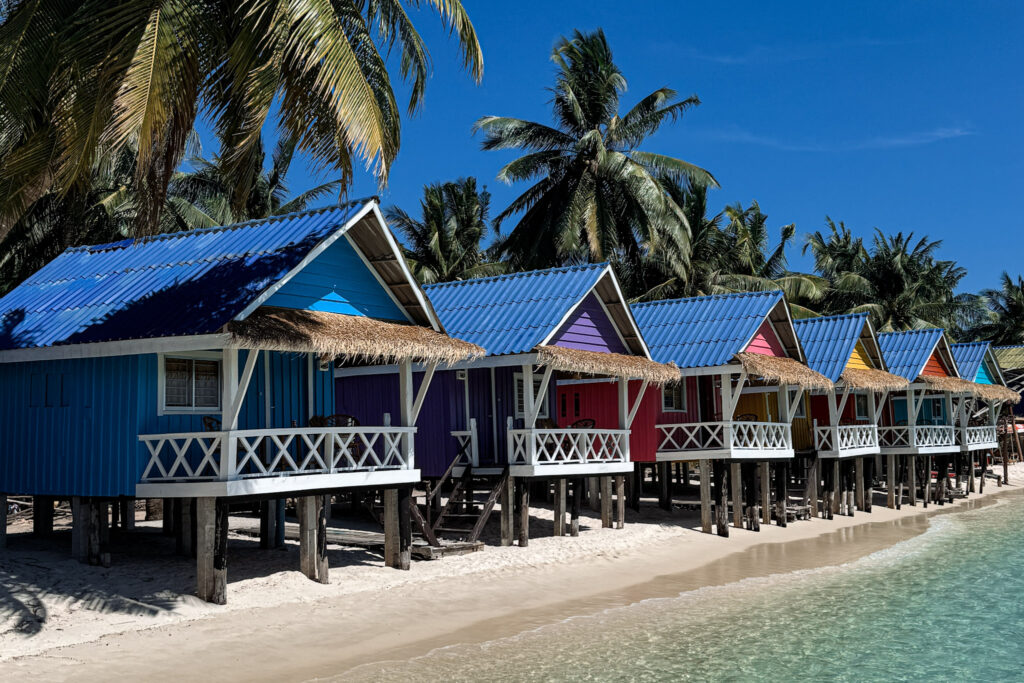
Cambodia doesn’t always get top billing on the Southeast Asia travel circuit. Thailand gets the beaches, Vietnam gets the food buzz, Bali gets the Instagram. And meanwhile Cambodia sits quietly in the background, doing absolutely extraordinary things and waiting for people to notice. Well. Consider me converted.
In one week, Cambodia managed to deliver the most beautiful beach I’ve ever stood on in 70 countries of travel, a night swim in glowing water that I still can’t fully explain to anyone who wasn’t there, and three days exploring one of the greatest archaeological wonders ever built by human hands. Not bad for a country that often gets skipped. If Cambodia has been sitting on your “maybe someday” list — move it. Move it now.
Getting to Koh Rong: Koh Rong is about 25 kilometres off the coast of Sihanoukville — and getting there is a two-step journey that's straightforward once you know what to expect.

Step 1 — Fly to Sihanoukville: There are direct flights from Phnom Penh (around 45 minutes) and Siem Reap (around 1 hour) to Sihanoukville International Airport with Cambodia Angkor Air and other regional carriers. If you're coming from further afield, Phnom Penh is the main international hub — fly into Phnom Penh, then connect to Sihanoukville. You can search and compare all flight options on Skyscanner to find the best deal for your dates. You can also take a bus from Phnom Penh to Sihanoukville (around 4–5 hours, very affordable) if you'd rather skip the domestic flight.

Step 2 — Take the Ferry: From Sihanoukville, multiple ferry operators run daily crossings to Koh Rong from the ferry terminal at the north end of Ochheuteal Beach. The speedboat crossing takes around 35–50 minutes. The main operators are Buva Sea Cambodia, Speed Ferry Cambodia, Island Speed Ferry, and GTVC — all running multiple crossings per day, typically from 8am to 5pm. Tickets start from around $14–20 USD one way and can be booked in advance through Ferryhopper or Direct Ferries, or bought at the pier on the day.

Note on which pier to use on Koh Rong: Different operators drop you at different piers on the island — Koh Touch (the main tourist hub) or Longset Beach (quieter, closer to the southern resorts). Check which pier your resort recommends before booking your ferry.

Jet Lag Jelly Tip: Book your ferry ticket in advance during peak season (November to April) — the boats fill up fast, especially on weekends. And arrive at the pier at least 30 minutes before departure to check in. Also note that there is no ATM on Koh Rong — bring enough cash from Sihanoukville before you board.
Day 1-2: Koh Rong — The Beach That Broke My Top 10
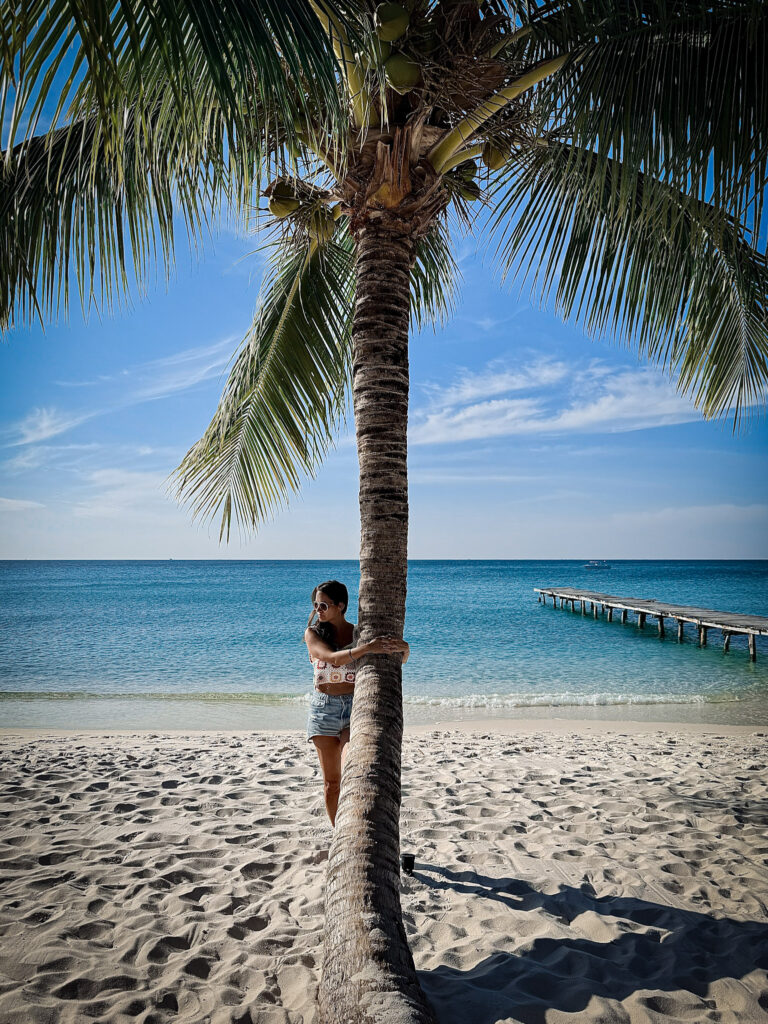
After visiting nearly 70 countries, I thought I had a pretty solid idea of what a beautiful beach looked like. Koh Rong’s Sok San Beach quietly destroyed that entire ranking system and rebuilt it from scratch.
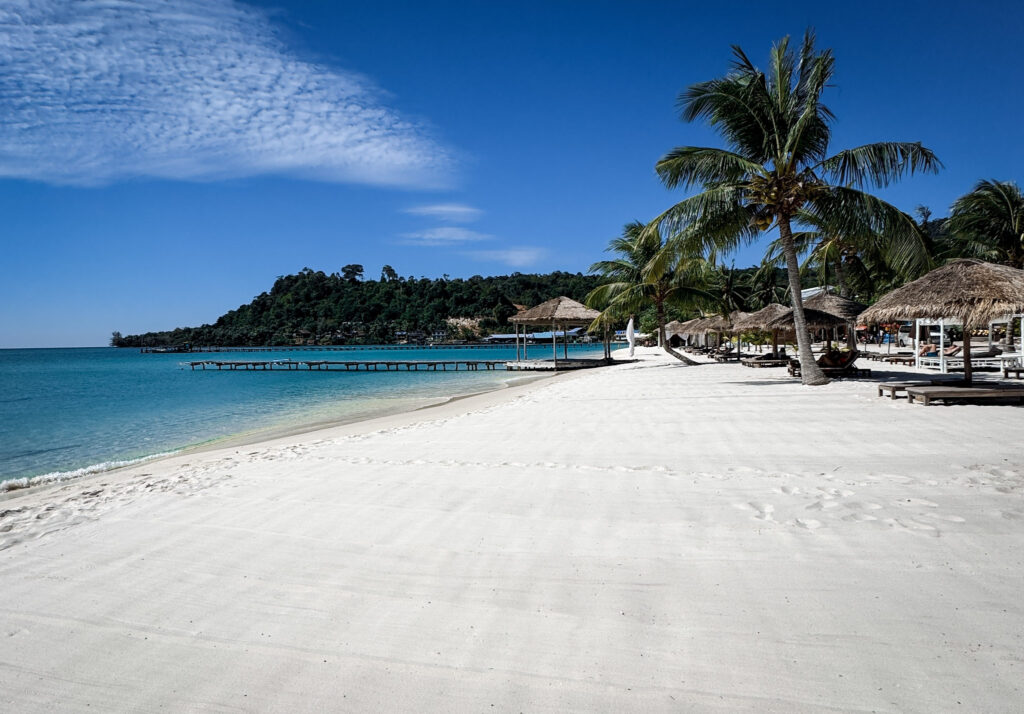
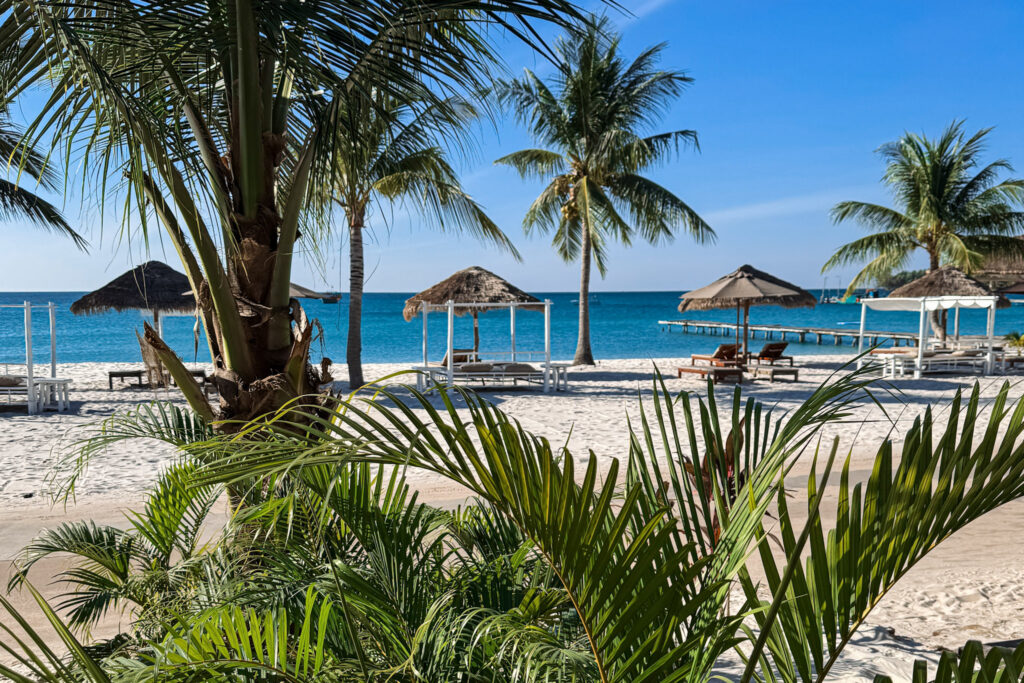
Crystal clear water shifting between turquoise and green. White sand so soft it feels unreasonable. Almost no one else around. Just you, the water, and the kind of silence that makes you realize how much noise you’d been carrying without even noticing. This is what pure paradise actually feels like.
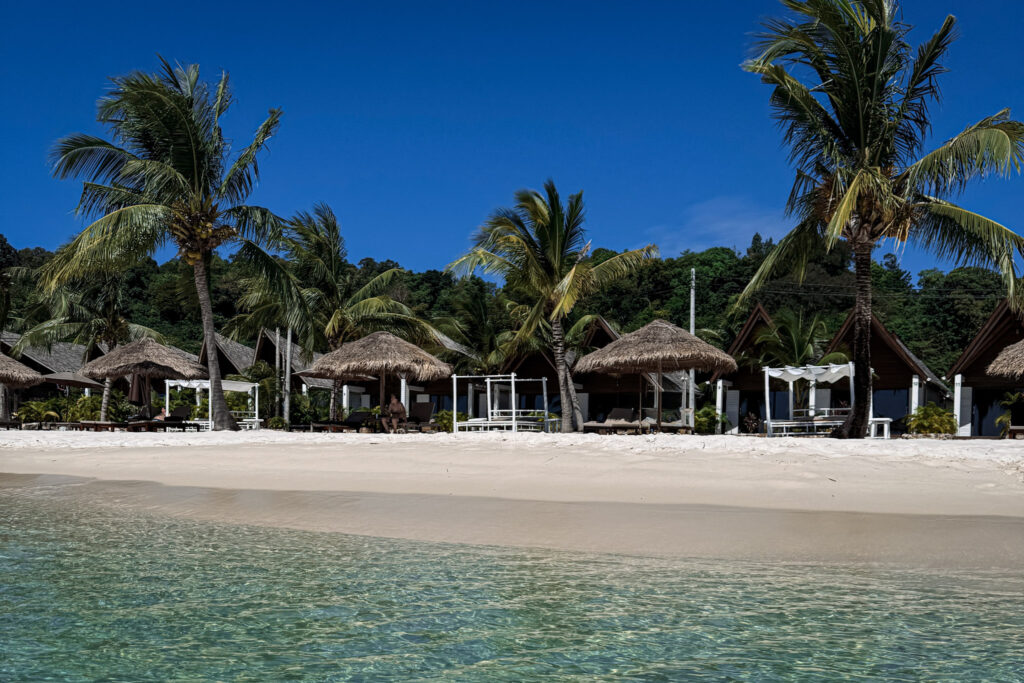
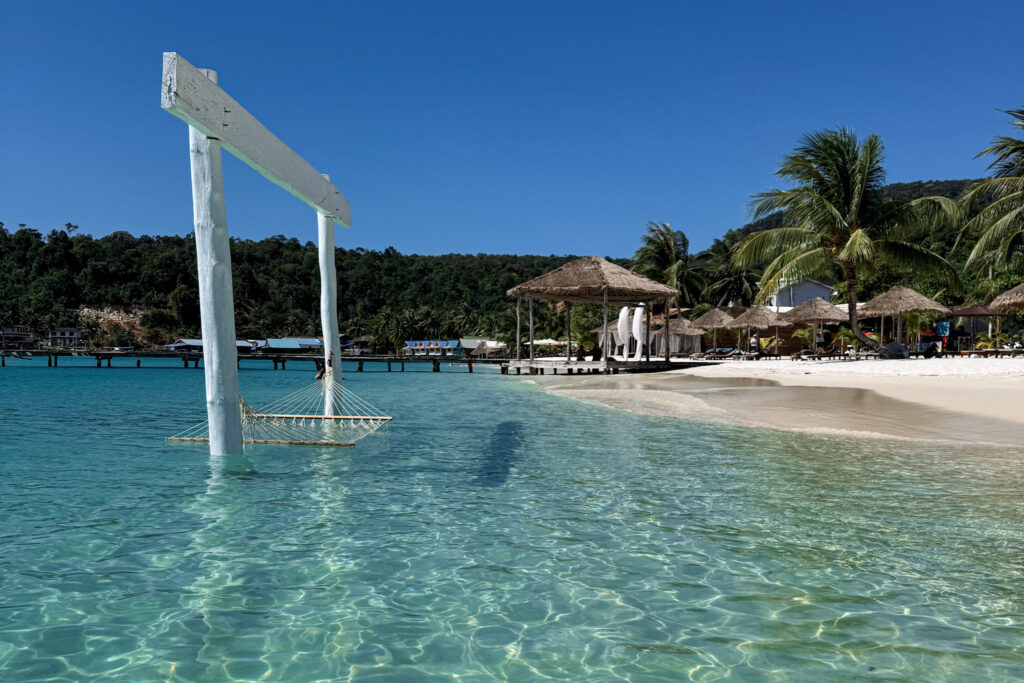
Time slowed down here in a way it rarely does. No city noise, no world problems, no notifications that felt urgent. Just warm sand, gentle waves, and a happiness that’s hard to explain but impossible to miss. The beach was almost empty — which after 70 countries and countless crowded tourist spots felt like the greatest luxury of all.
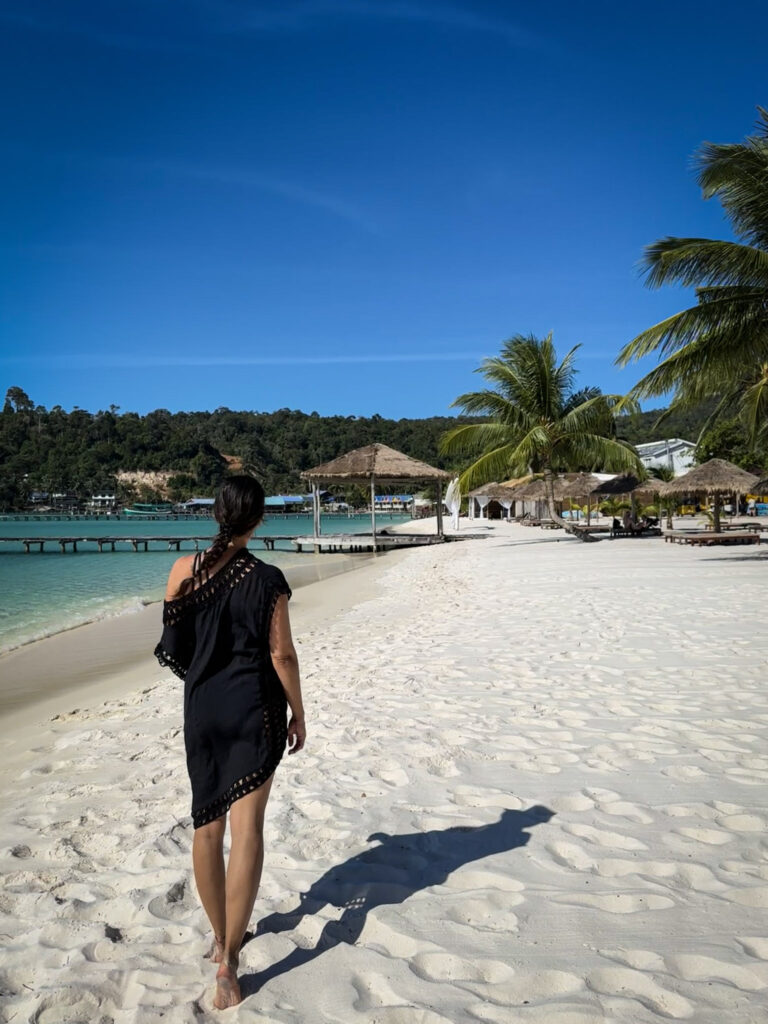
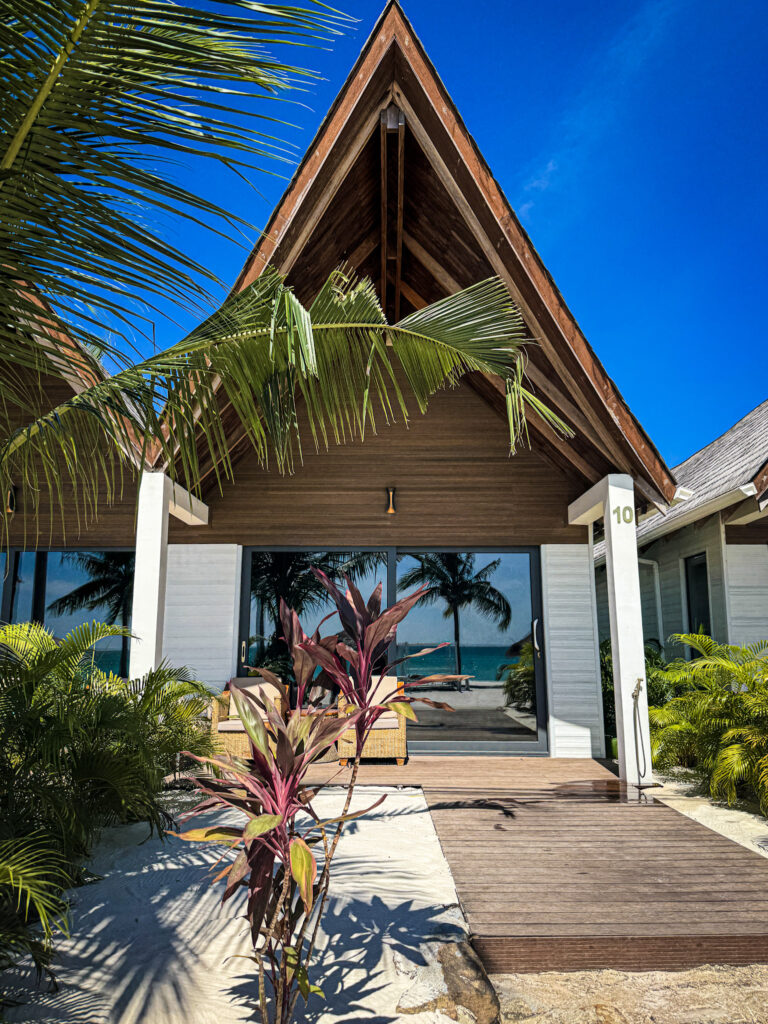
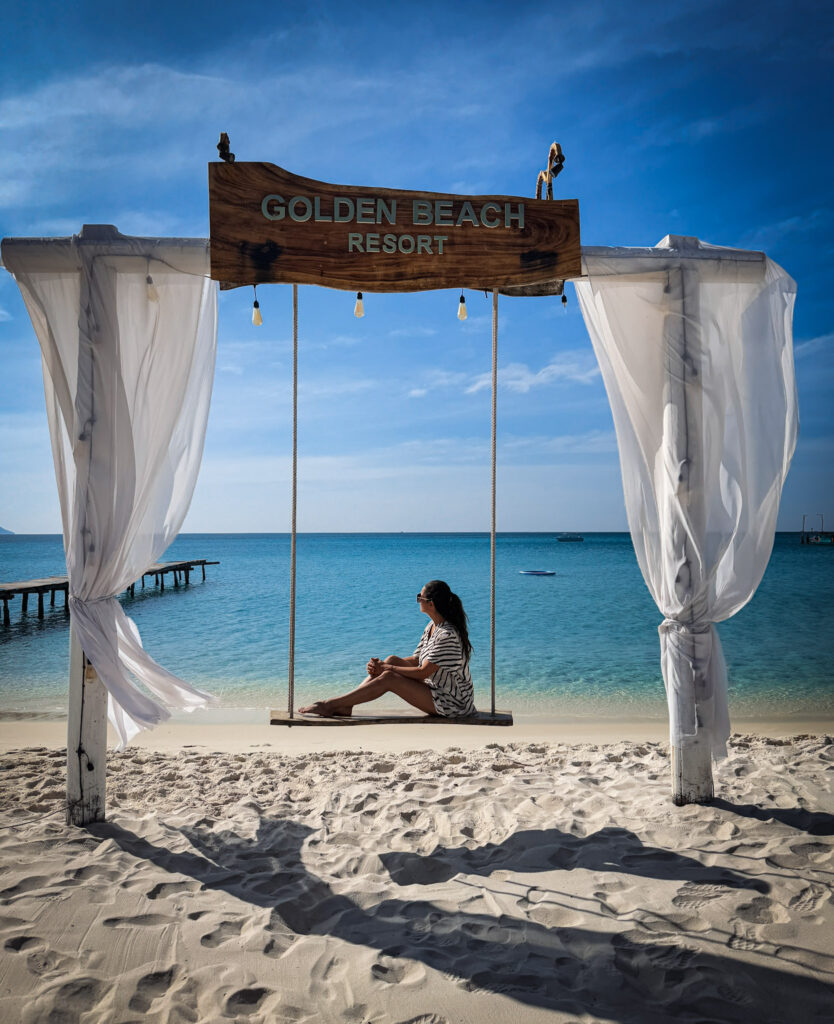
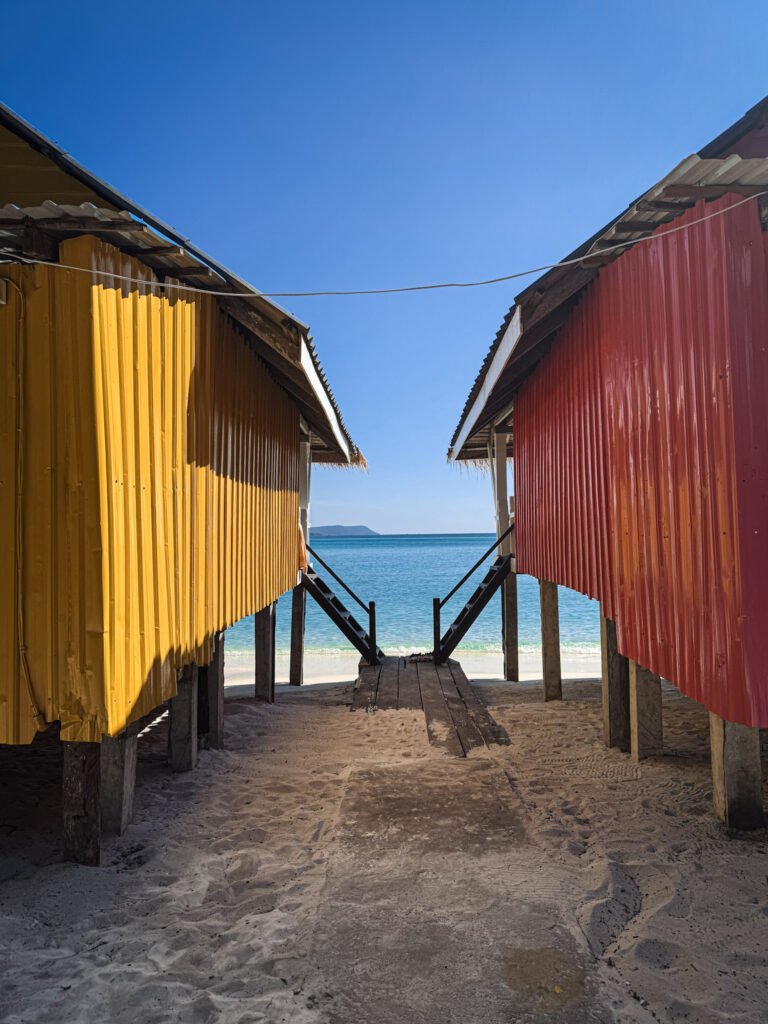
I stayed at Golden Beach Resort — and it was everything a five-star beach resort should be: beautiful, relaxed, and with food that felt like a greatest hits of Southeast Asian cuisine. Fresh, affordable, and delicious in the way that only beach food in this part of the world can be. Think Thailand vibes but quieter, less crowded, and with water that looks almost too beautiful to be real.
Useful Information: The resort sits right on Sok San Beach, about a 2-minute walk from the shoreline, with private beach access, three outdoor pools, a spa, and free kayaks and paddle boards included. Breakfast buffet is complimentary daily from 7:30am. Book through Booking.com or Agoda — both have good rates and flexible cancellation options.

Jet Lag Jelly Tip: Book a sea view room — the price difference is worth it for waking up to the ocean every morning. And bring cash — payments for most amenities on the island are cash only.
And then there was the pineapple chicken. Famous on the island for good reason — tender chicken served inside a whole pineapple, sweet and savory and completely addictive. The kind of dish that makes you order it twice just to make sure the first time wasn’t a dream. If you visit Koh Rong and don’t try the pineapple chicken, did you even go?
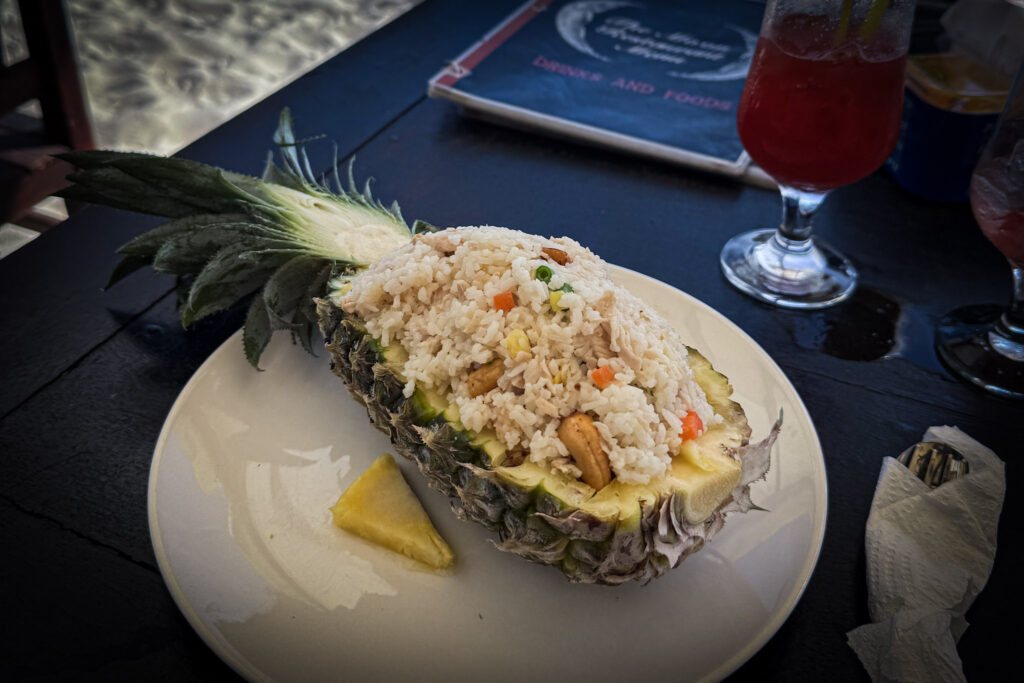
Days here had a very specific rhythm: wake up, beach, food, beach, pineapple chicken, sunset, repeat. Highly recommended. No notes.
Jet Lag Jelly Tip: Golden Beach Resort includes free kayak rentals — grab the transparent floor kayak first thing in the morning when the water is at its calmest and clearest. And order the pineapple chicken. Non-negotiable.
Day 3: Koh Rong — Glowing in the Dark
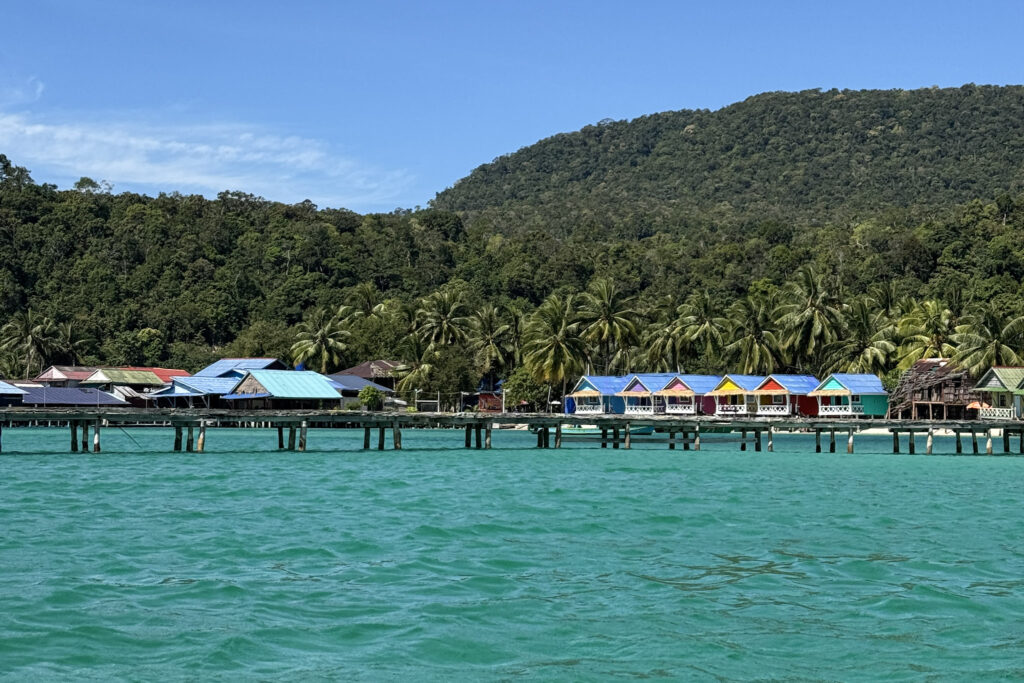
Because the water was so impossibly clear, kayaking here deserved its own special upgrade — transparent floor kayaks, available for free at the resort. Paddling through crystal clear turquoise water and being able to look straight down through the kayak floor at everything underneath is one of those simple experiences that turns out to be ridiculously fun. The kind of activity you think will be a quick 20 minutes and somehow turns into half the afternoon.
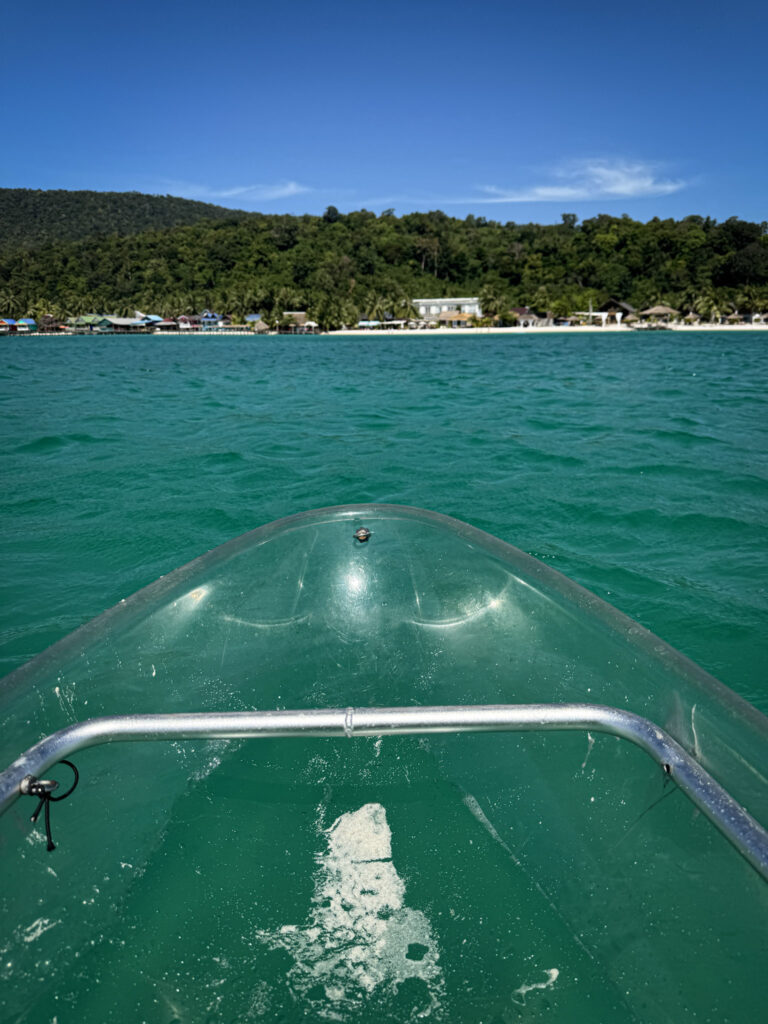
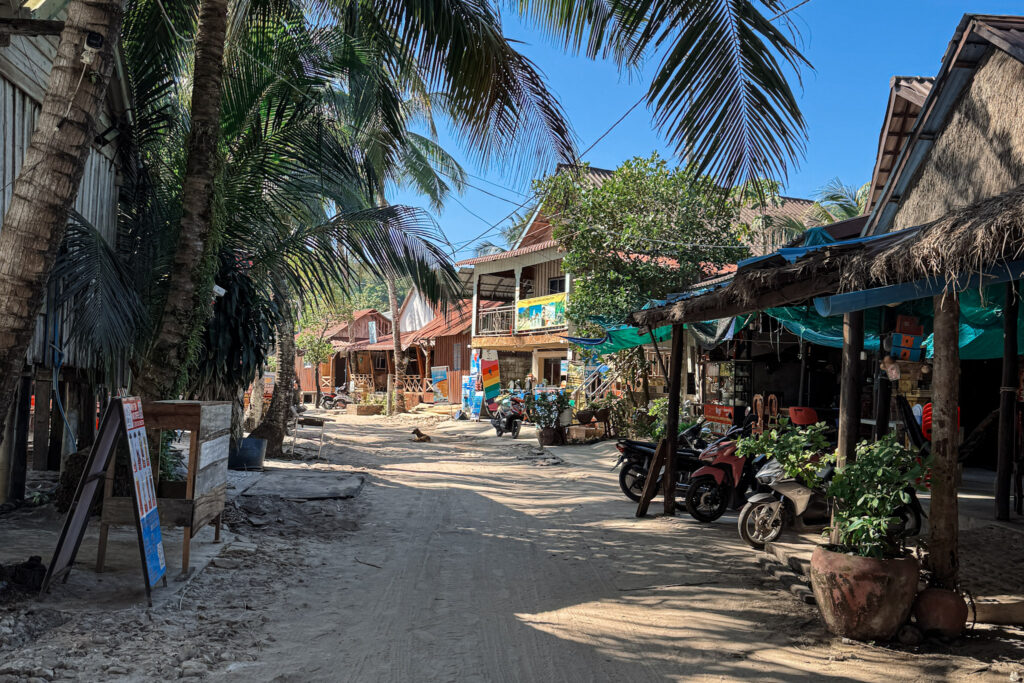
And it’s not just the beach. The village surrounding Sok San Beach is one of the most charming things about the whole experience. One single sandy street — no concrete, no asphalt, just sand underfoot and wooden houses on either side. Small, simple, and completely unhurried. The kind of place where life moves at its own pace and nobody seems to be in a rush about anything. Walking through it feels like stepping into a different era — in the best possible way.
The bioluminescent plankton tour was one of those experiences I’d seen on other people’s travel blogs and quietly filed under “probably overhyped.” Reader, it was not overhyped.
The tour takes you out by boat into the dark bay at night — and the real magic starts the moment you get in the water. Every movement creates a glow. Move your hands — yellow light. Kick your legs — yellow light. It’s like swimming inside a living light show, completely silent except for the water around you. From the boat it looks nice. In the water it looks otherworldly.
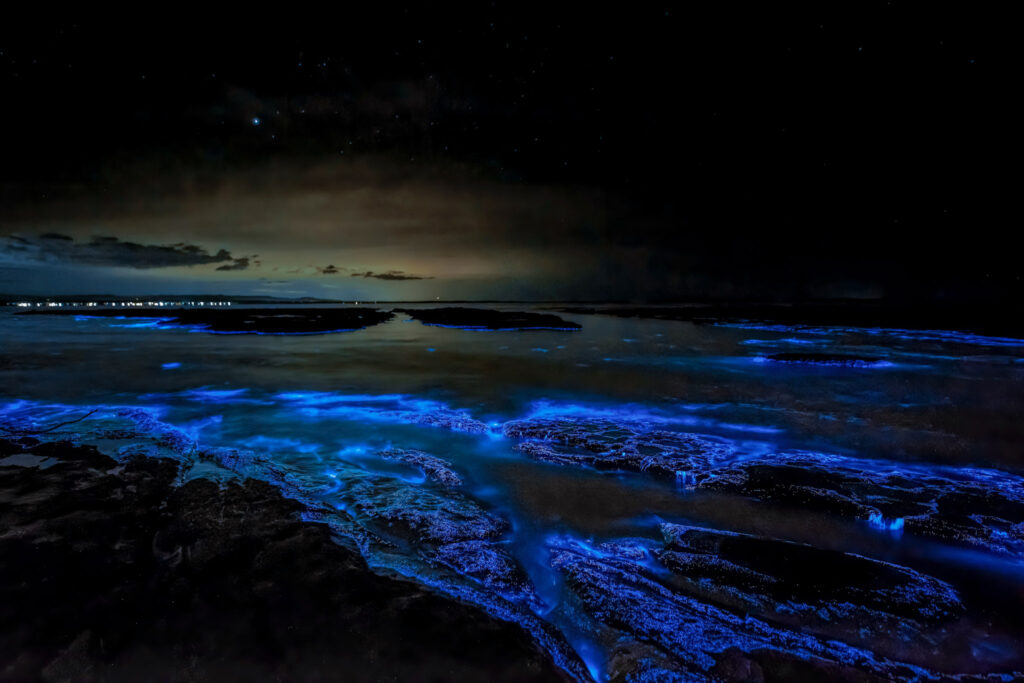
I swam for about 15-20 minutes and genuinely didn’t want to get out. Some experiences are hard to photograph and impossible to fully explain. This is one of them. Just go. Get in the water. Trust me.
Useful Information: Tours can be booked directly on the island — you'll see them advertised at almost every beach bar and guesthouse, typically running from around 7pm and costing $10–20 per person. You can also book in advance through GetYourGuide which lists the top-rated Koh Rong boat tours including plankton swimming. The best conditions are on moonless nights when there's no cloud cover — ask your resort or tour operator to check the moon phase before booking a specific date.

Jet Lag Jelly Tip: Get in the water — don't just watch from the boat. The difference between seeing it from above and being inside it is the difference between watching fireworks on TV and standing underneath them. Also bring a dry bag for your phone — you won't want to miss the moment, but you also really don't want to drop it overboard in the dark.
Day 4-5: Koh Rong — The Other Side of the Island
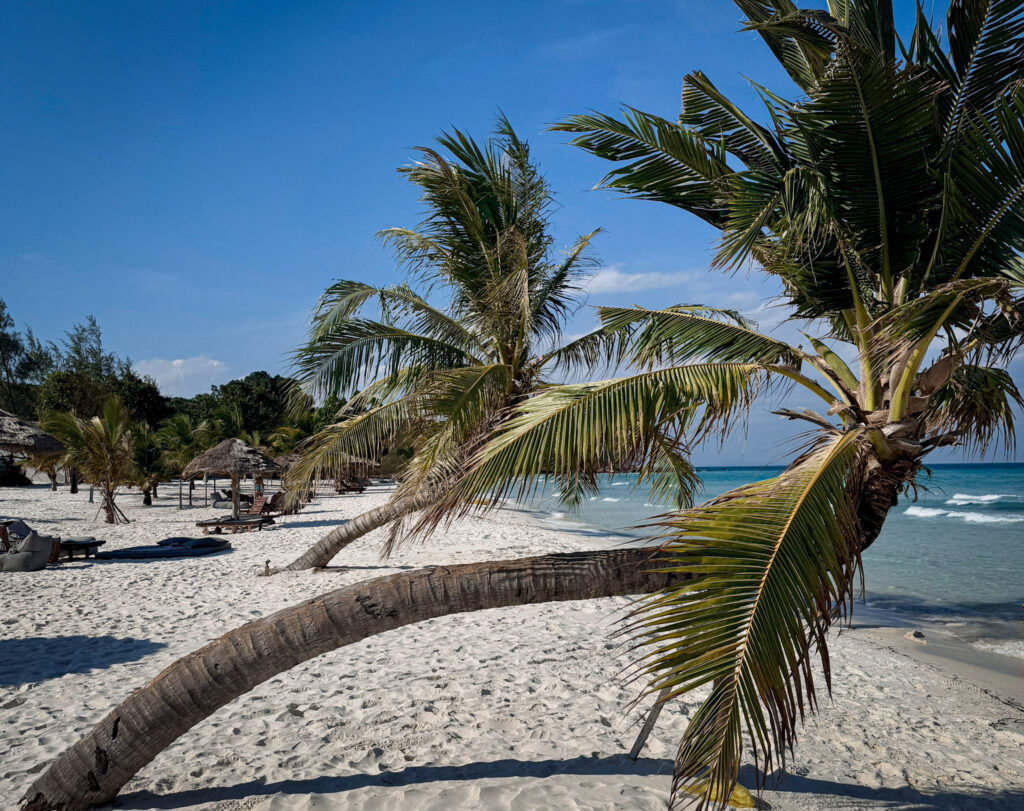
Curiosity won. A taxi across the island took us to You & Me Resort on the other side of Koh Rong — and what a different world it was. Pagoda Beach is quieter, cleaner, and somehow even more beautiful than the main tourist side — talcum powder white sand, crystal clear water, and a beach so well-maintained you feel slightly guilty leaving footprints on it. The resort itself sits right on the beachfront with two pools (one saltwater, one for kids), a beach bar with happy hour from 4–7pm, and the kind of staff that make you feel like you’ve been coming here for years.
Useful Information: You & Me Resort is a 4-star beachfront property on Pagoda Beach, consistently rated 9.3 on Booking.com. Book through Booking.com or Agoda — both have flexible cancellation options.
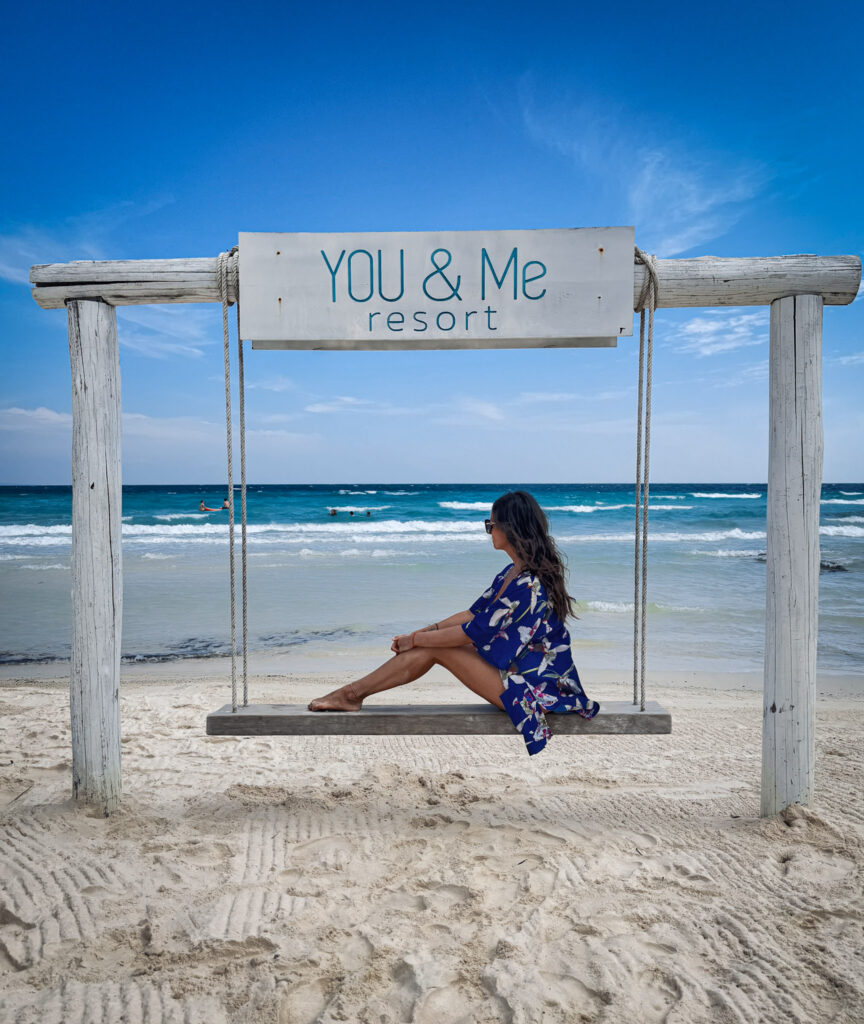
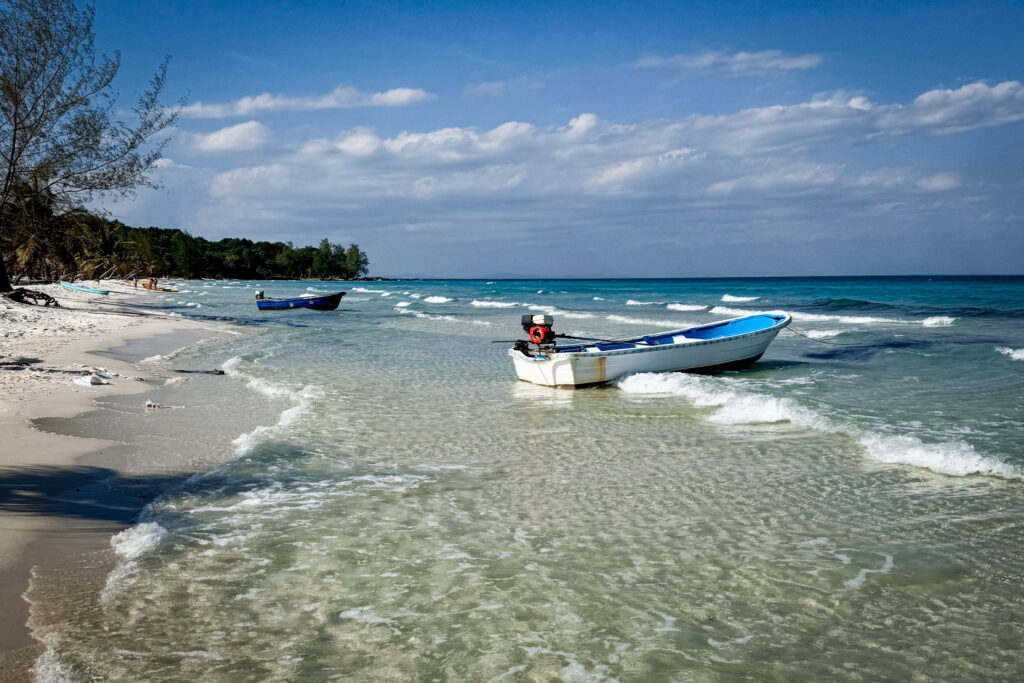
Where Golden Beach is calm and crystalline, this side of the island has a completely different energy. More rural, more wild, more untouched. Bigger waves rolling in, shells scattered everywhere across the white sand, warm water, and the kind of rugged natural beauty that feels completely unspoiled. Less polished, more raw — and honestly, beautiful in its own right.
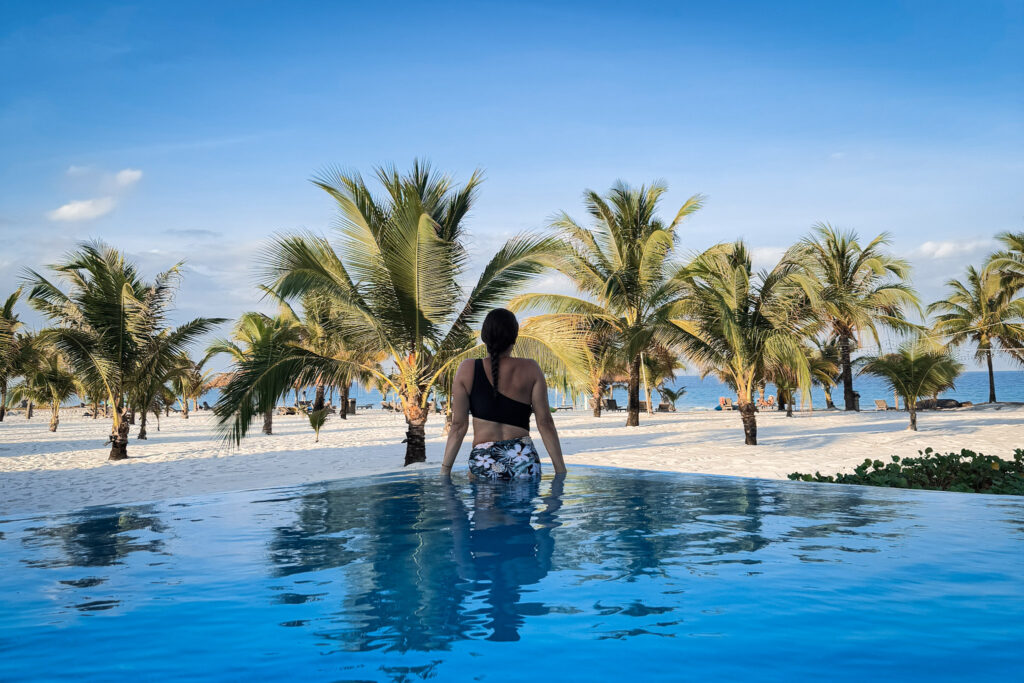
You and Me Resort itself was a lovely surprise. Beautifully designed bungalows that were comfortable, spacious, and felt like a proper island retreat. The staff were genuinely friendly and welcoming in a way that made you feel immediately at home. And the swimming pools — especially the main one with its unobstructed view directly out to the sea — were the kind of thing you photograph immediately and then spend the rest of the afternoon floating in.
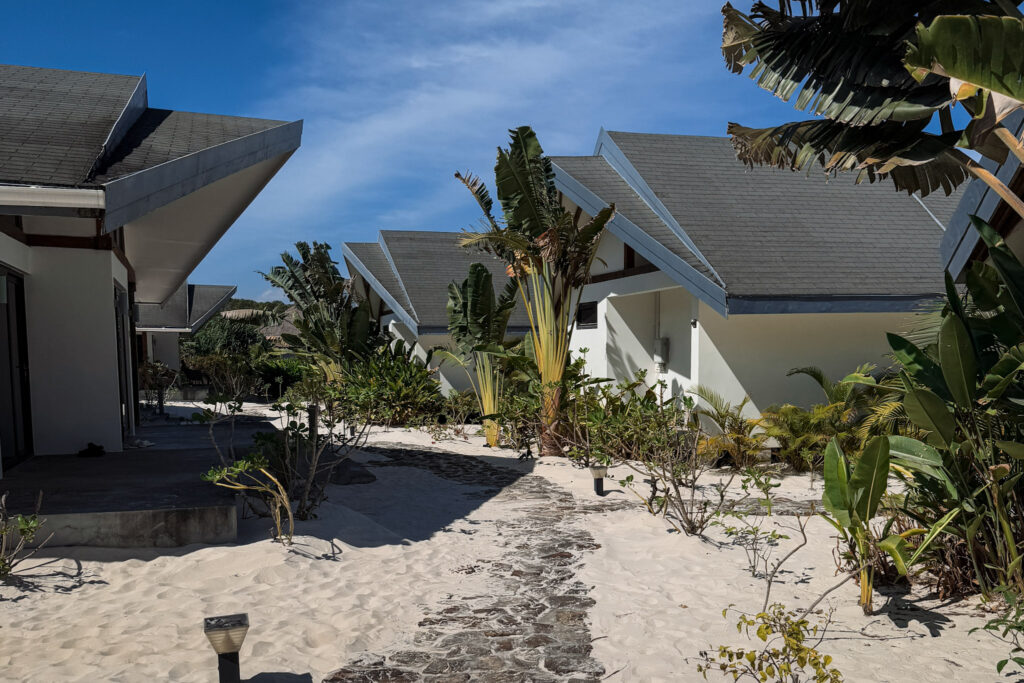
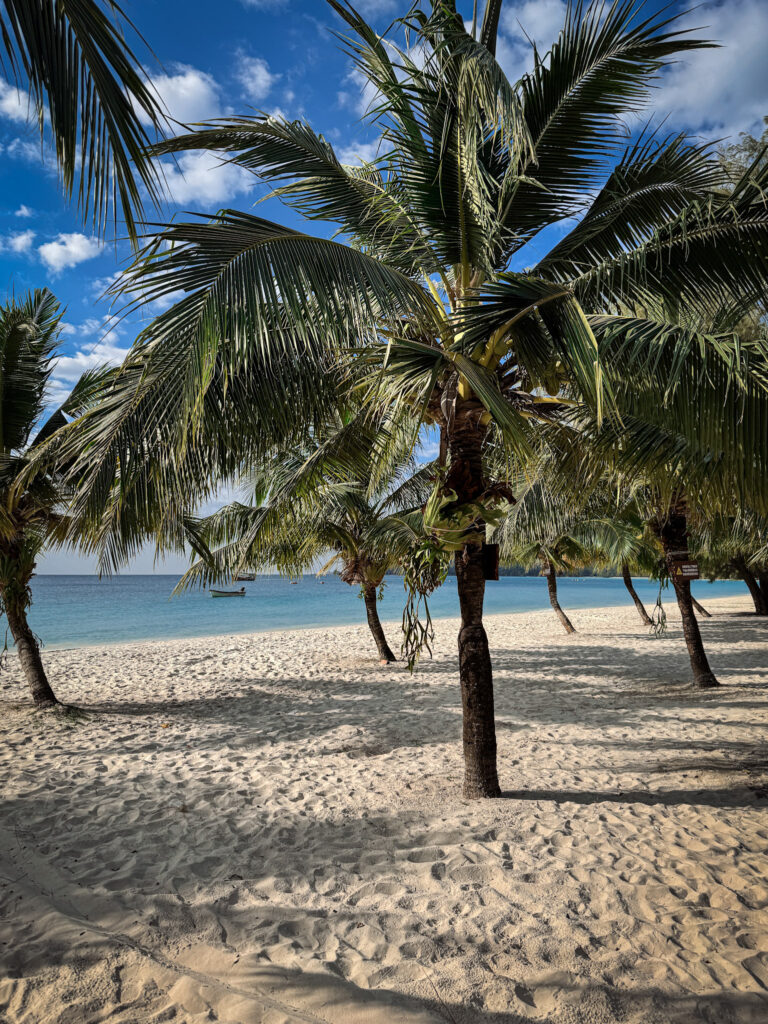
Two resorts, two completely different sides of the same island, two completely different experiences. Both worth it. Koh Rong just keeps giving.
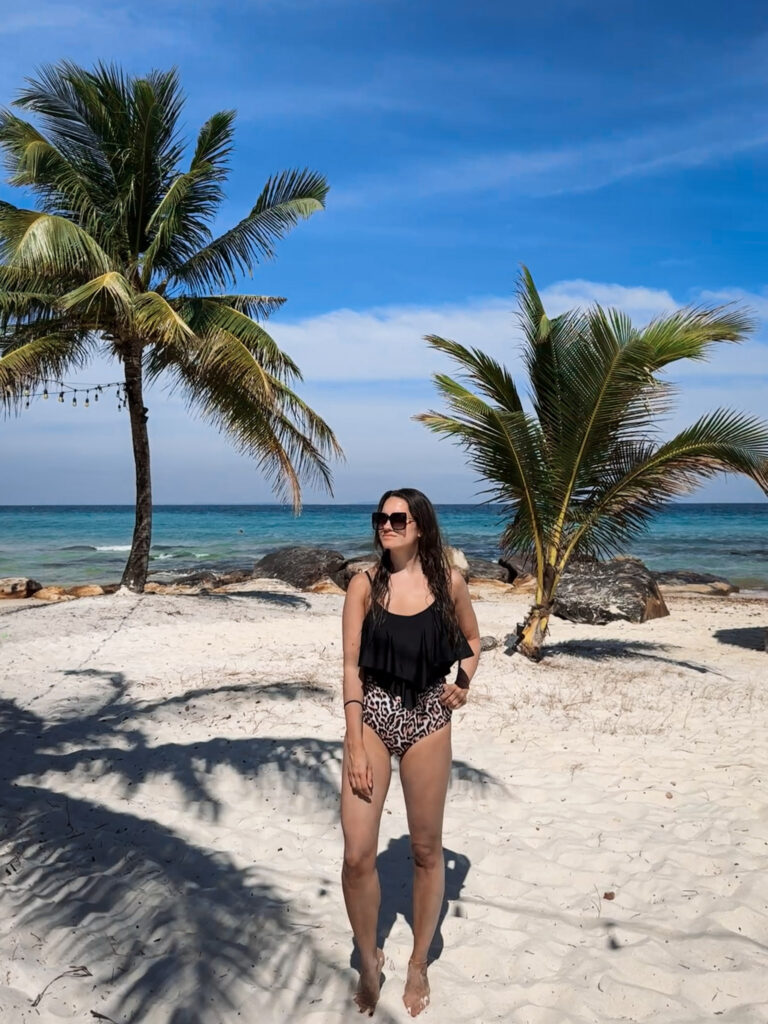
Jet Lag Jelly Tip: If you're choosing between the two sides of the island, You & Me on Pagoda Beach is the quieter, more resort-style option — perfect if you want a pristine beach without the backpacker party vibe of Koh Touch. Golden Beach Resort is great for a livelier atmosphere. Both are worth a visit — so if you're staying for a few days, take the taxi across and see both sides.
Best Time to Visit Koh Rong
December to February is the sweet spot — calm seas, reliable dry weather, and temperatures hovering around 25-28°C. It’s also peak season, so expect the highest prices and the most company on the beaches.
- November & March-April (shoulder season): Still dry and pleasant, with noticeably fewer crowds and better rates than peak December-February.
- May-August (green season): Rain becomes more frequent — short, heavy bursts rather than all-day downpours — but the jungle turns lush and green, and prices drop significantly. Workable if you don’t mind some rain interrupting beach days.
- September-October (avoid if possible): The wettest stretch of the year, with rough seas that can occasionally disrupt ferry crossings to and from the island. If your dates are flexible, this is the window to skip.
Jet Lag Jelly Tip: If seeing Koh Rong's bioluminescent plankton is on your list, good news — it's visible year-round, so that particular experience doesn't need to dictate your travel dates.
Day 6: Siem Reap — The Town That Surprised Me
A short flight from Sihanoukville and suddenly the beach was behind us, replaced by something completely different. Arriving in Siem Reap after the islands of Koh Rong felt like switching channels completely. From paradise beaches and swaying palm trees to a buzzing, vibrant town full of life, music, and some of the friendliest people I’ve encountered anywhere in Southeast Asia.
Siem Reap has a reputation as a gateway city — the place you pass through to get to Angkor Wat and its temples. What nobody tells you is that the town itself is absolutely worth your time.
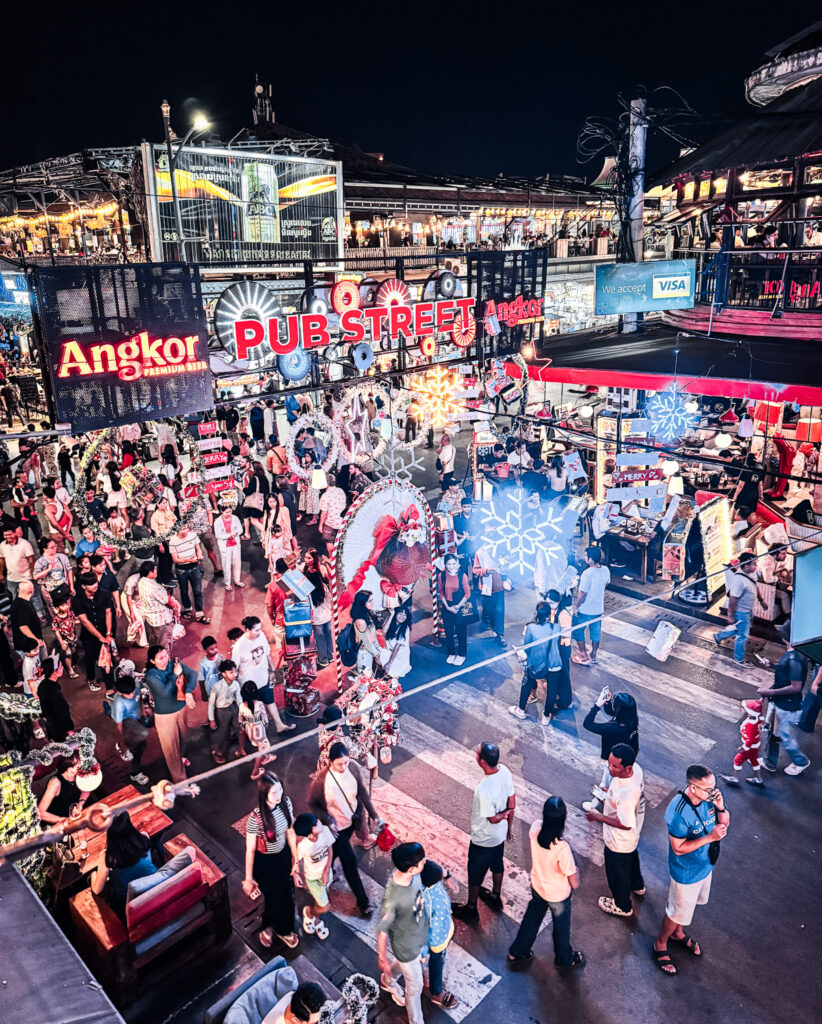
The center is alive in a way that’s warm rather than overwhelming — music spilling out of bars, people of every nationality wandering the streets, locals smiling and genuinely happy to have you there. The energy is infectious without being exhausting. A rare and wonderful balance.
Pub Street is the beating heart of Siem Reap’s nightlife — exactly what it sounds like, and exactly as fun as it sounds. Cold drinks, great food, live music, and the kind of crowd that’s in a permanently good mood. The surrounding streets are lined with restaurants serving Khmer cuisine — rich, aromatic, and completely delicious. Amok curry, lok lak, fresh spring rolls — if you haven’t tried Khmer food before, Siem Reap is the place to start. And then immediately order again.
After days of temple exploring, coming back to Siem Reap each evening felt like the perfect reward. The temples get the headlines. The town deserves its own round of applause.
Day 7: Angkor — The One That Lives Up to Every Expectation
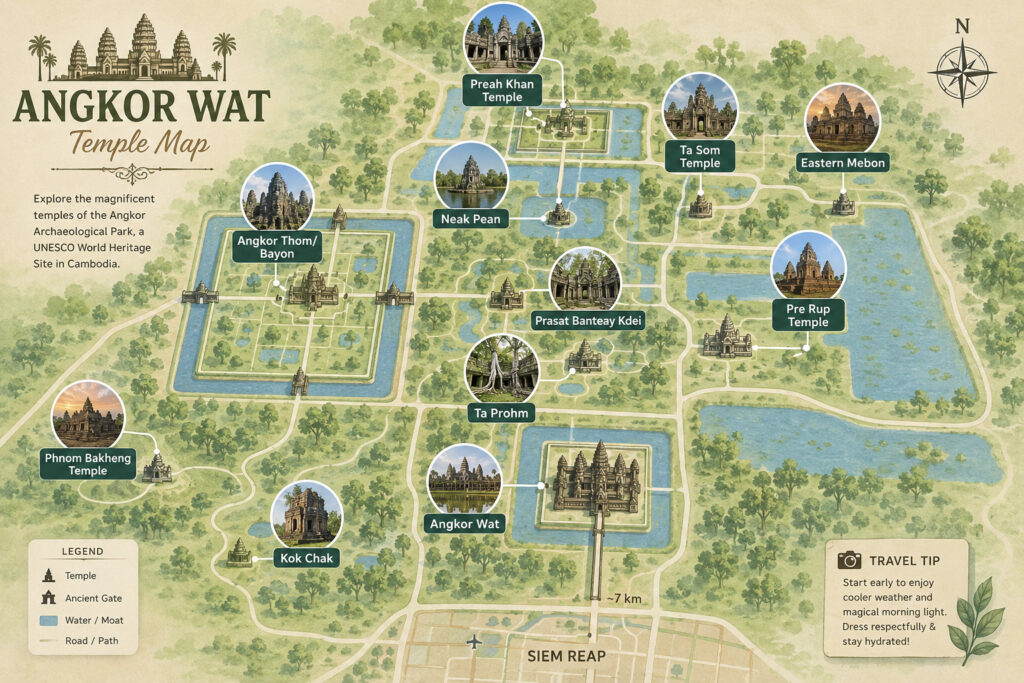
Angkor Itinery
1. Angkor Wat
2. Ta Prohm
3. Prasat Banteay Kdei
4. Angkor Thom/Bayon
5. Preah Khan Temple
6. Neak Pean
7. Ta Som Temple
8. Eastern Mebon
9. Pre Rup Temple
10. Phnom Bakheng Temple
11. Kok Chak
Before You Go — Tickets & Practical Info

Angkor Pass You can't buy tickets at the temples themselves, so sort this out the evening before or early morning before you head out.

Ticket prices in 2026 are $37 for 1 day, $62 for 3 days, or $72 for 7 days.
Since $2 from every ticket goes to a children's hospital, you can feel good about buying one.

1-Day Pass: $37 — good if you're tight on time or just want to hit the highlights (Angkor Wat, Bayon, Ta Prohm)
3-Day Pass: $62 — valid for any 3 days within a 10-day window, gives you a much more relaxed pace
7-Day Pass: $72 — valid for any 7 days within a 30-day window, ideal if you want to properly explore beyond the main circuit

Pro tip: buy your pass after 5PM the evening before — you can use it the following day AND get a free bonus entry that same evening. You can also buy online at least 24 hours in advance to skip 30-45 minutes of queue time, which matters a lot if you're planning an early sunrise visit.

Start time: Aim to leave your hotel by 5:00-5:30 AM for sunrise, or 7:00 AM for a regular day to beat the heat and crowds. With 4 temples on the itinerary, an early start is essential.

Useful tip: dress respectfully — shoulders and knees covered — as Angkor Wat is a sacred site. Carry water, sunscreen, and comfortable shoes.
1. Angkor Wat — The Main Event
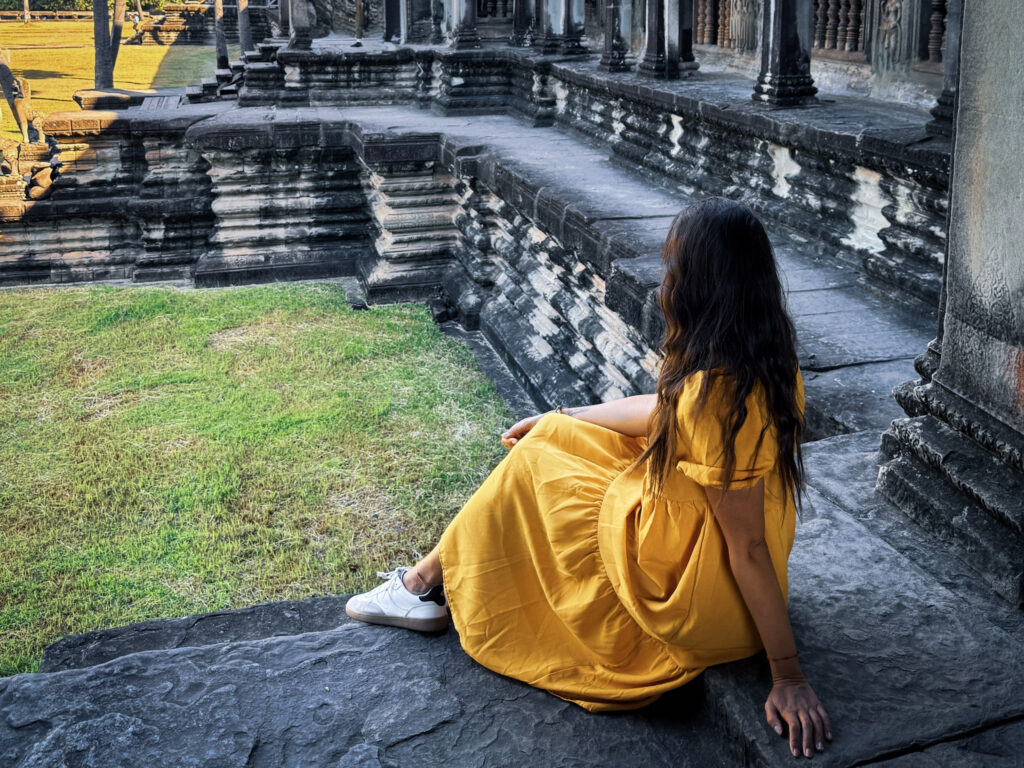
Some places are so famous that you almost talk yourself out of being impressed before you even arrive. Angkor Wat is not one of those places. It earns every bit of its reputation and then adds a little extra just to make sure.
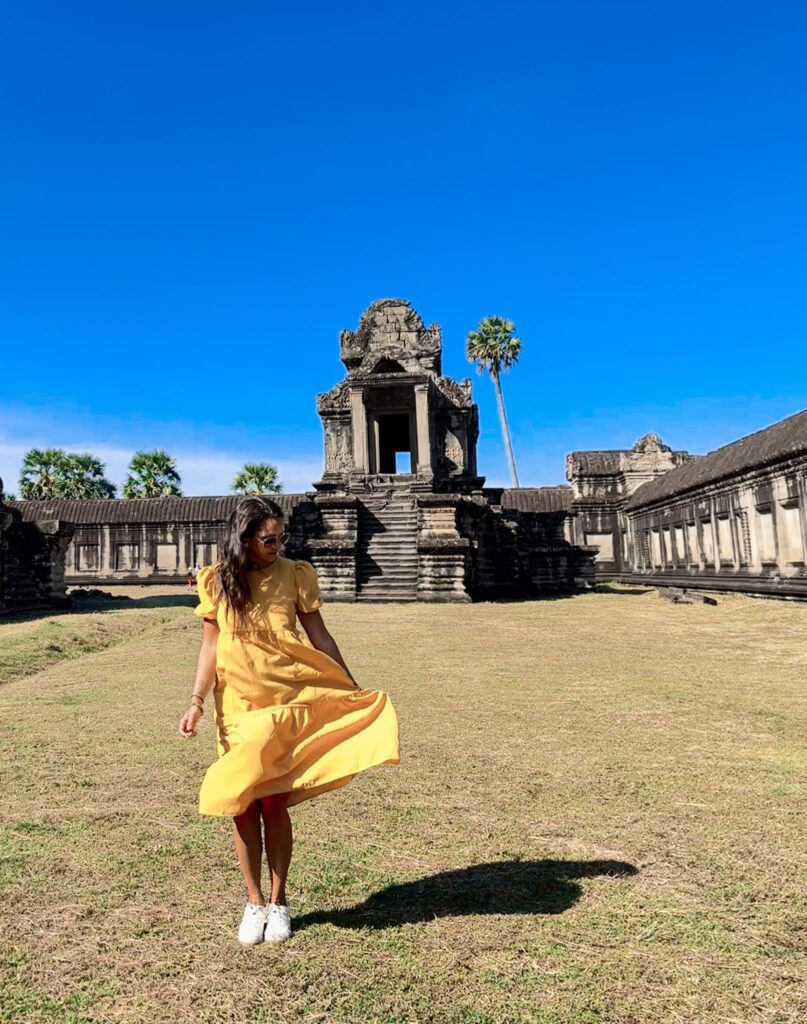
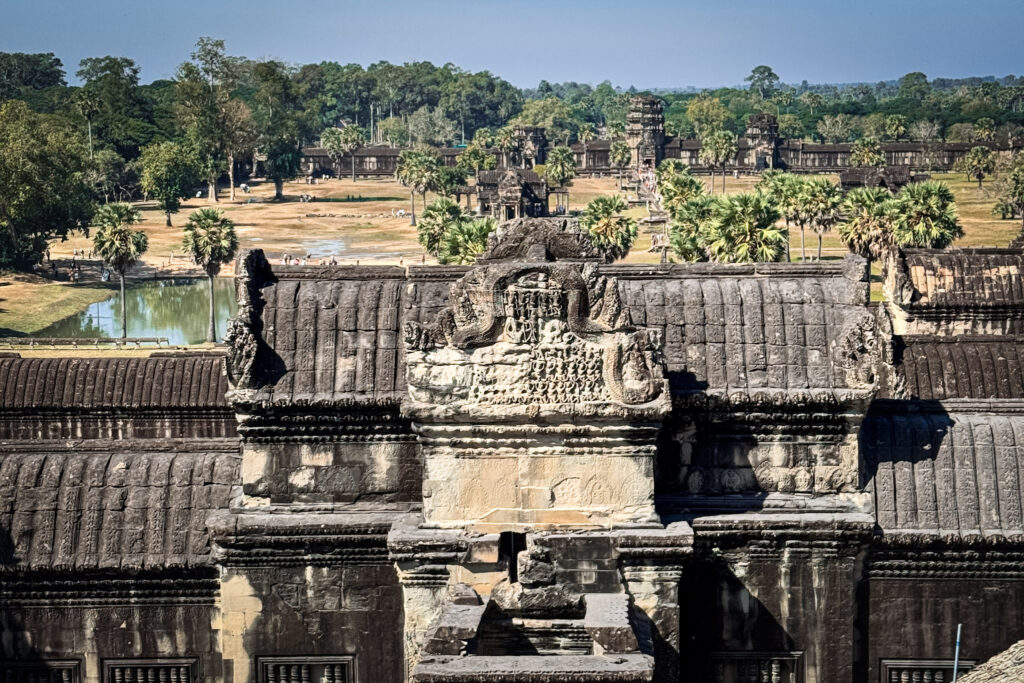
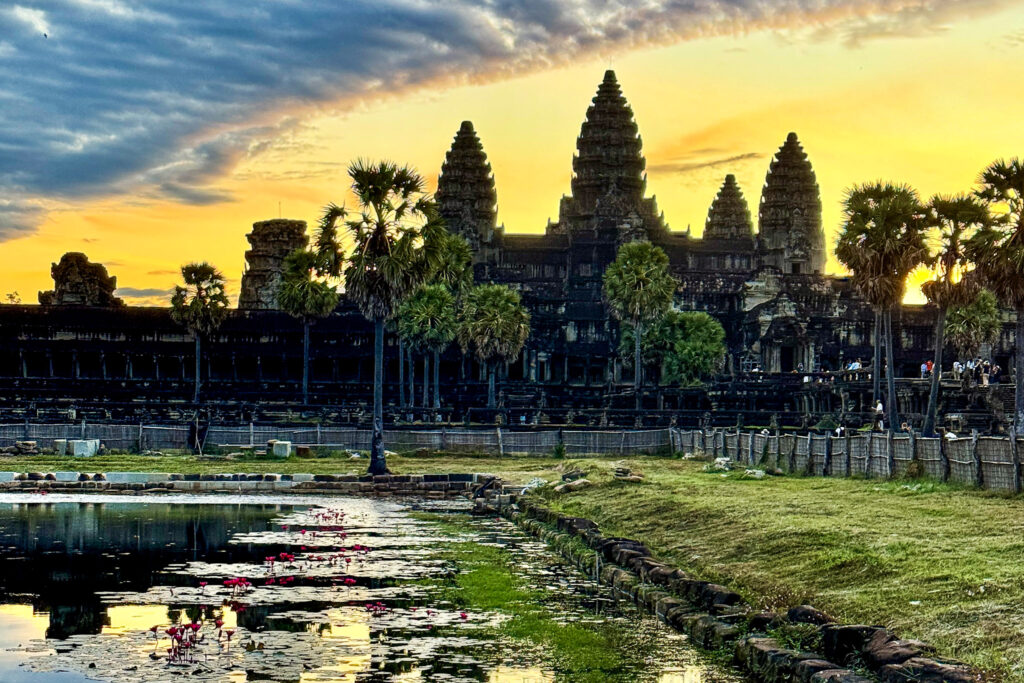
The morning was spent exploring Angkor Wat — the largest religious monument in the world and the undisputed headline act of the whole complex. Three to four hours here and it still didn’t feel like enough. The scale is genuinely hard to process in person — towers rising above the jungle canopy, intricate bas-relief carvings stretching along walls for hundreds of meters, reflecting pools that double the whole magnificent thing in perfect symmetry.
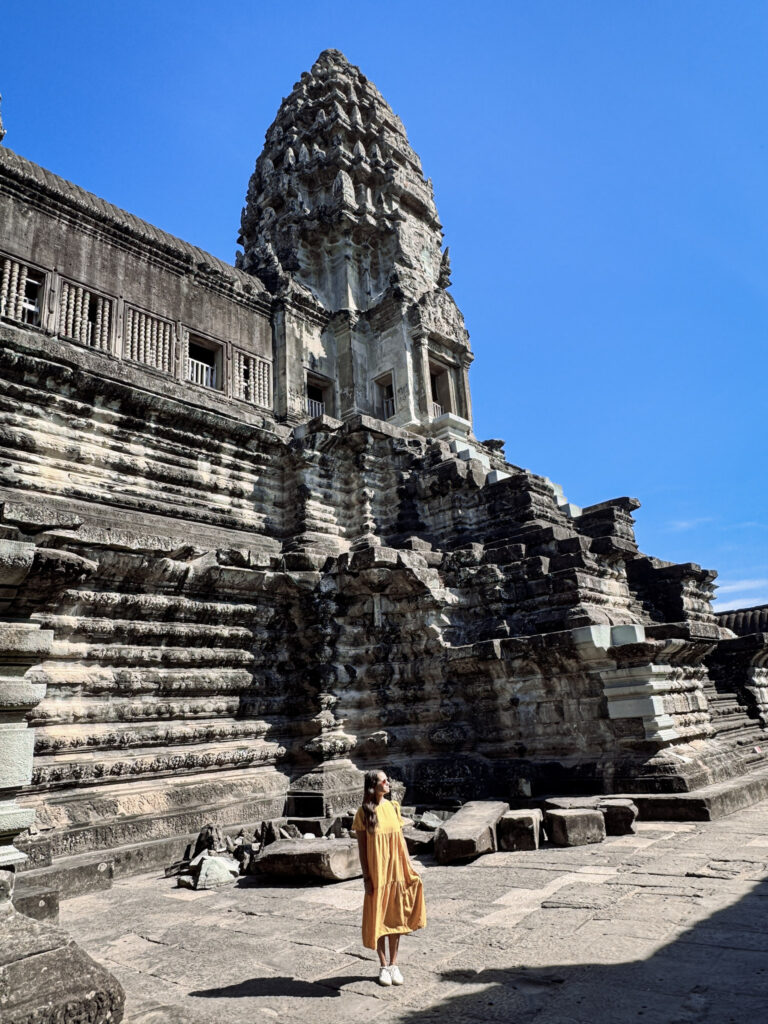
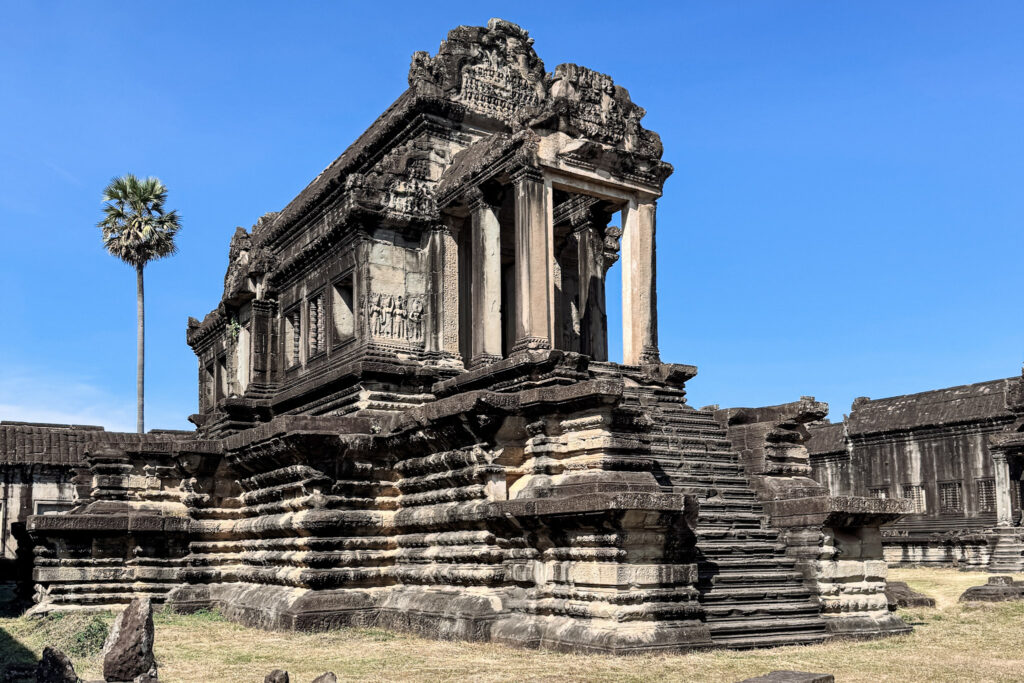
December was a great choice — comfortable temperatures, dry skies, and noticeably fewer crowds than peak season. Enough space to wander, explore, and actually take it all in without feeling like you’re in a queue.
Lunch Break — Curry Chicken in a Coconut
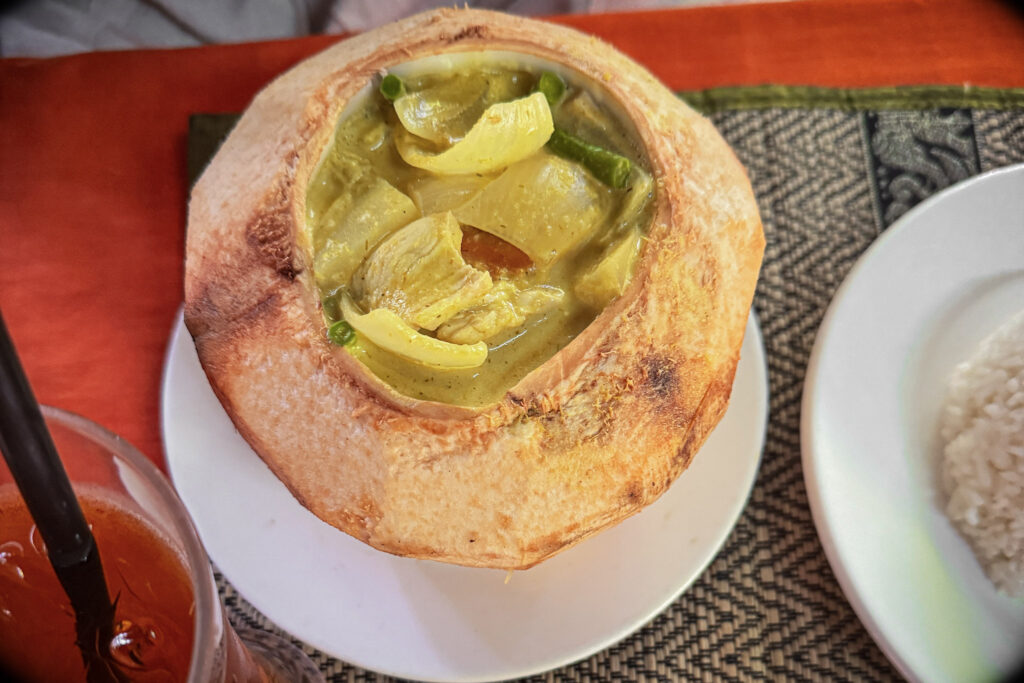
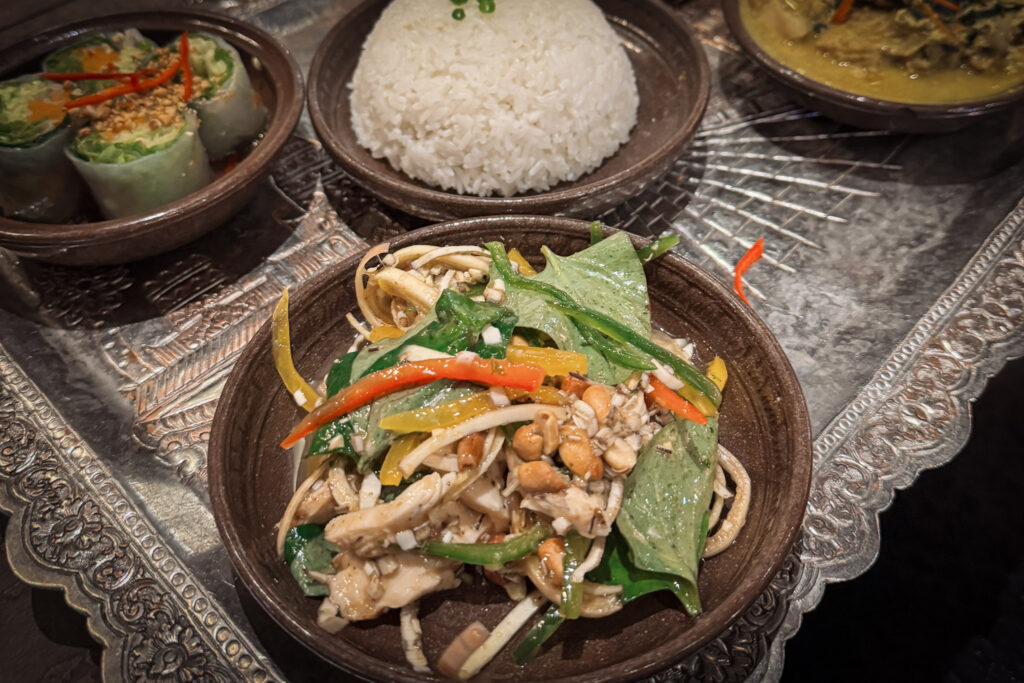
Lunch was a highlight all on its own — a local restaurant serving curry chicken inside a whole coconut, with bamboo napkins and the kind of no-frills charm that makes food taste better than it has any right to. Simple, delicious, and one of those meals you remember long after you’ve forgotten the fancier ones.
2. Ta Prohm — The Tomb Raider Temple
The afternoon belonged to Ta Prohm — and this one was my favorite of the entire trip.
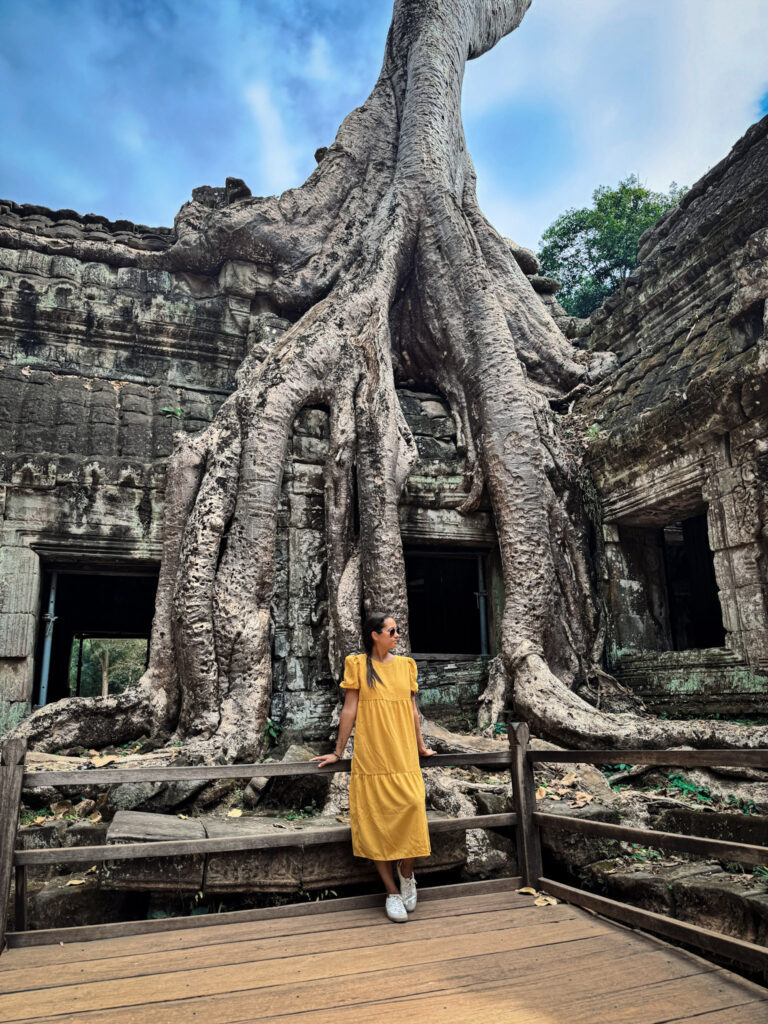
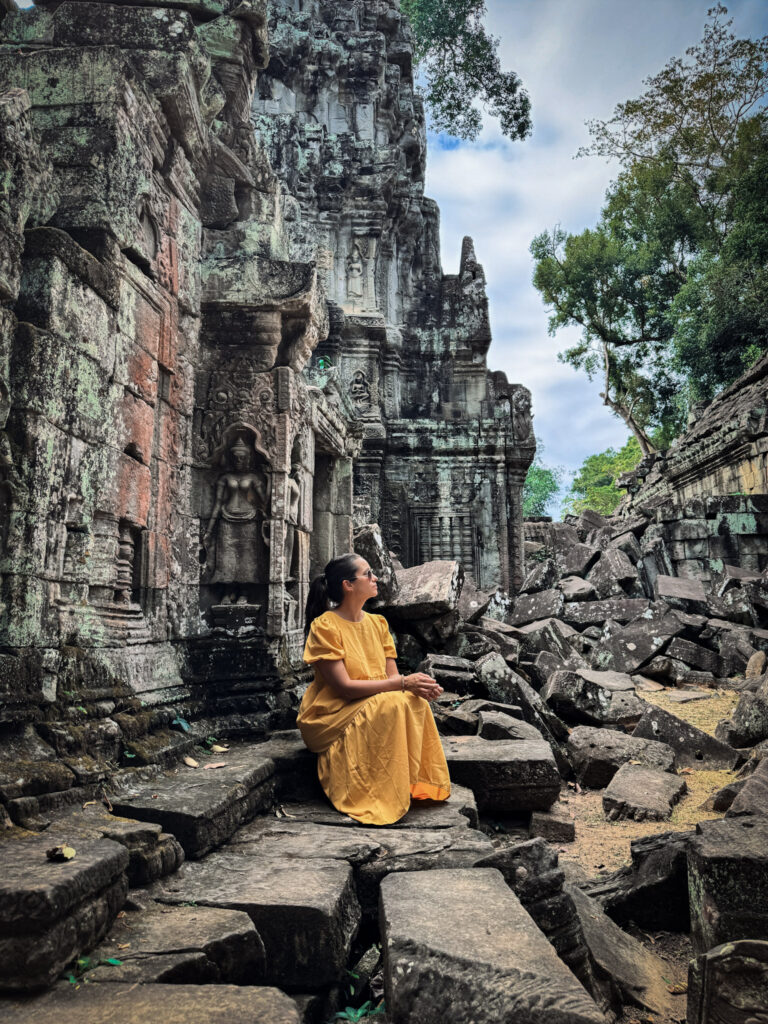
Ta Prohm is the temple where they filmed Tomb Raider, and the moment you walk in you completely understand why. Massive ancient stone structures slowly being consumed by enormous tree roots — silk-cotton and strangler fig trees growing directly out of the walls, their roots cascading down like frozen waterfalls of wood. And here’s the extraordinary thing: the trees weren’t cut down to build the temple. The temple was built around the trees. Centuries later, nature and architecture have become completely inseparable — each one holding the other up.
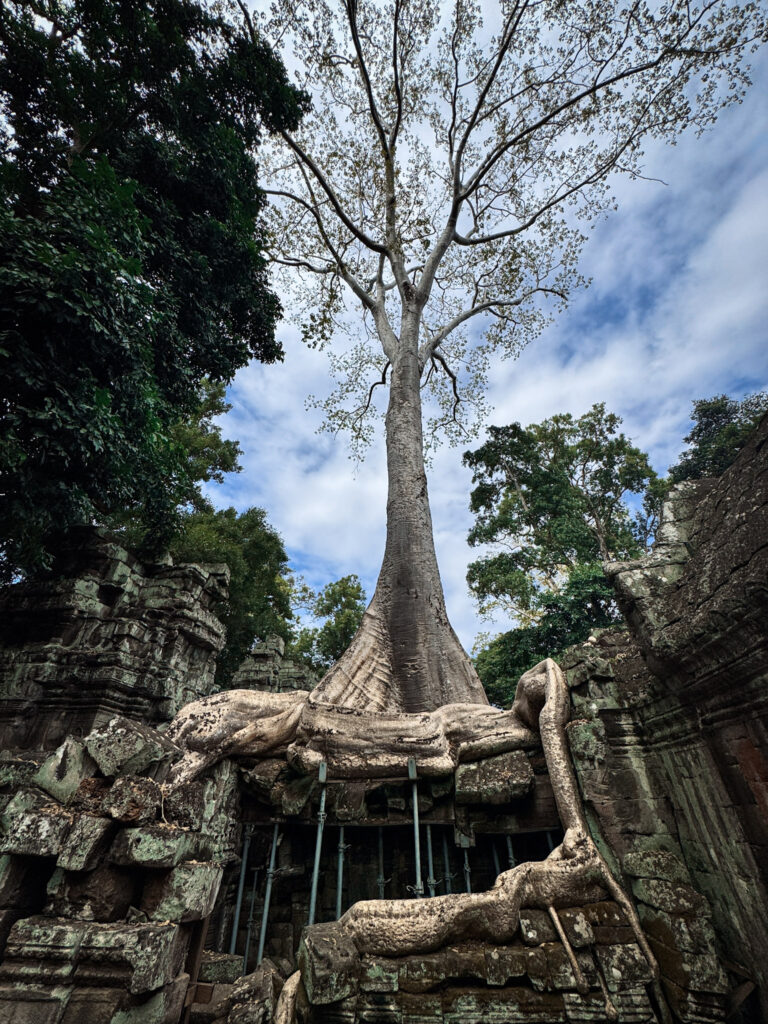
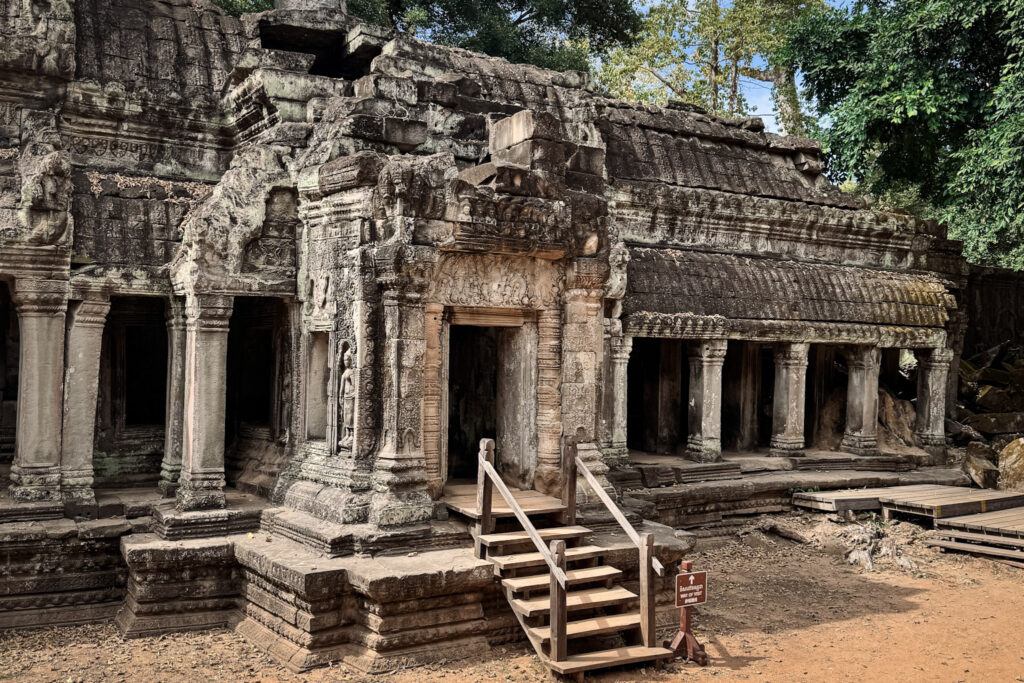
Magical is the only word for it. Quiet, atmospheric, and unlike anything else I’ve seen anywhere in the world.
3. Prasat Banteay Kdei
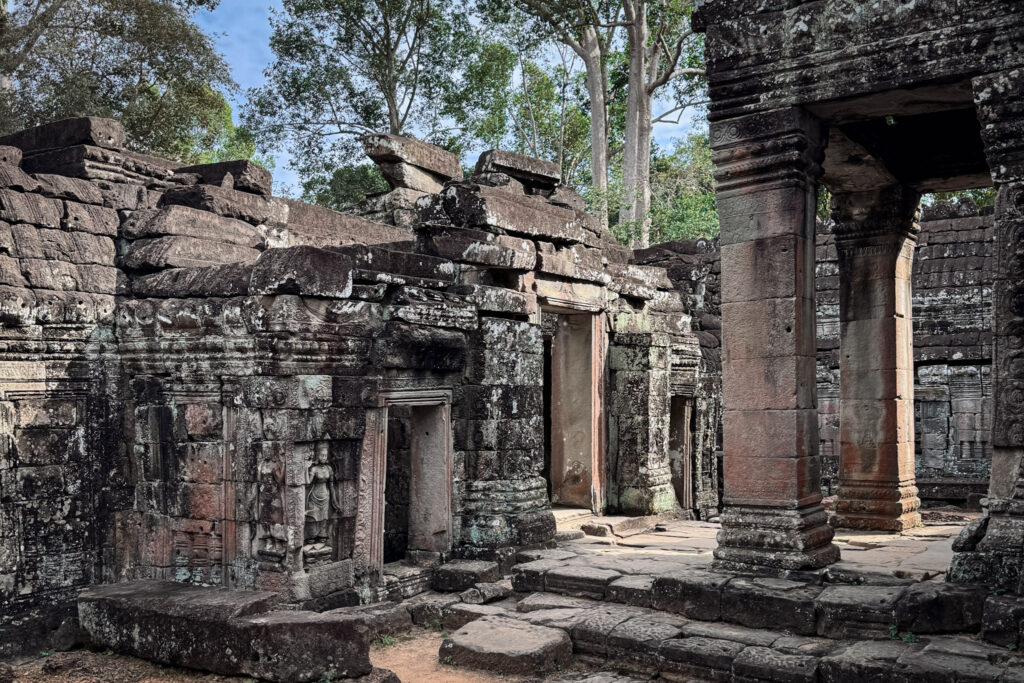
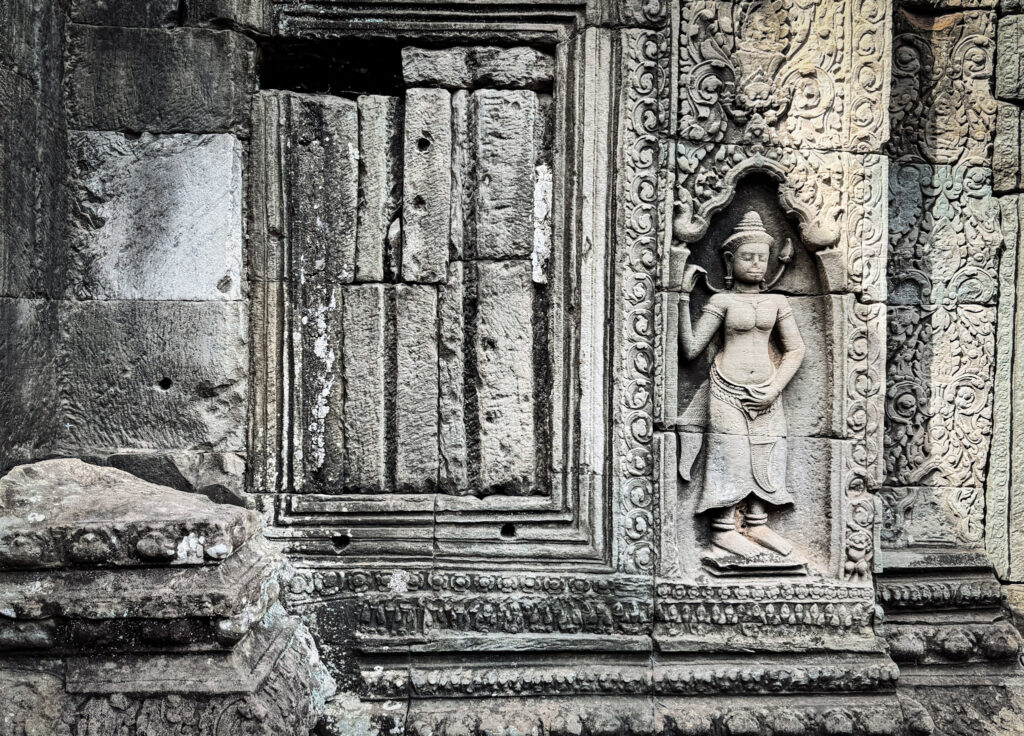
Just nearby, Prasat Banteay Kdei offered something Ta Prohm’s fame can’t always deliver — peace and quiet. A beautiful 12th century Buddhist temple with intricate Apsara carvings on the doorways, moss-covered stones, and almost nobody else around. One of those places that rewards you simply for showing up.
4. Angkor Thom/Bayon
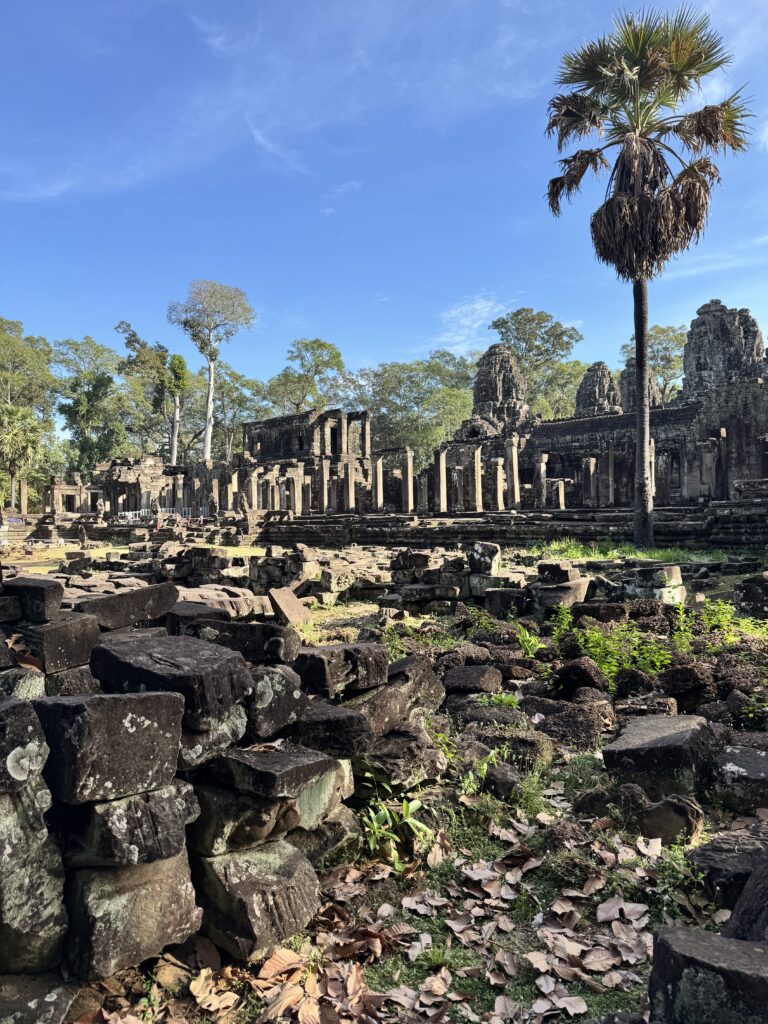
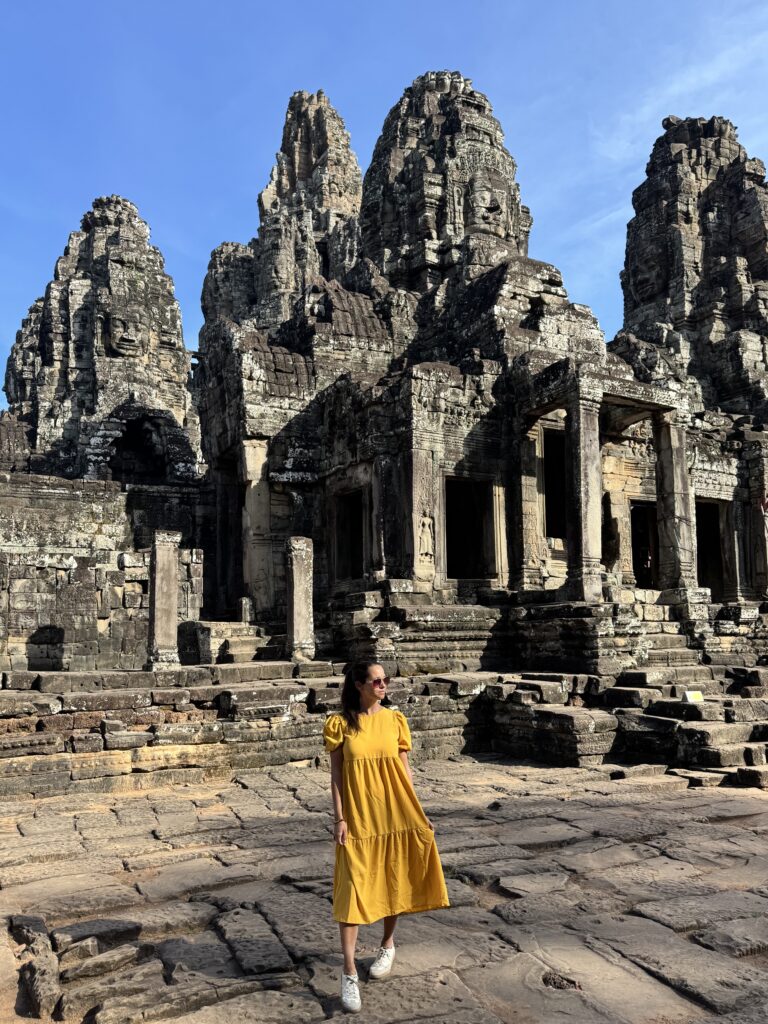
The final stop of the day was Angkor Thom — the last great capital of the Khmer Empire, a walled city covering 9 square kilometers. Inside, the famous Bayon Temple rises with its dozens of towers, each one carved with enormous serene stone faces staring out in every direction. Slightly surreal, deeply impressive, and impossible to photograph badly.
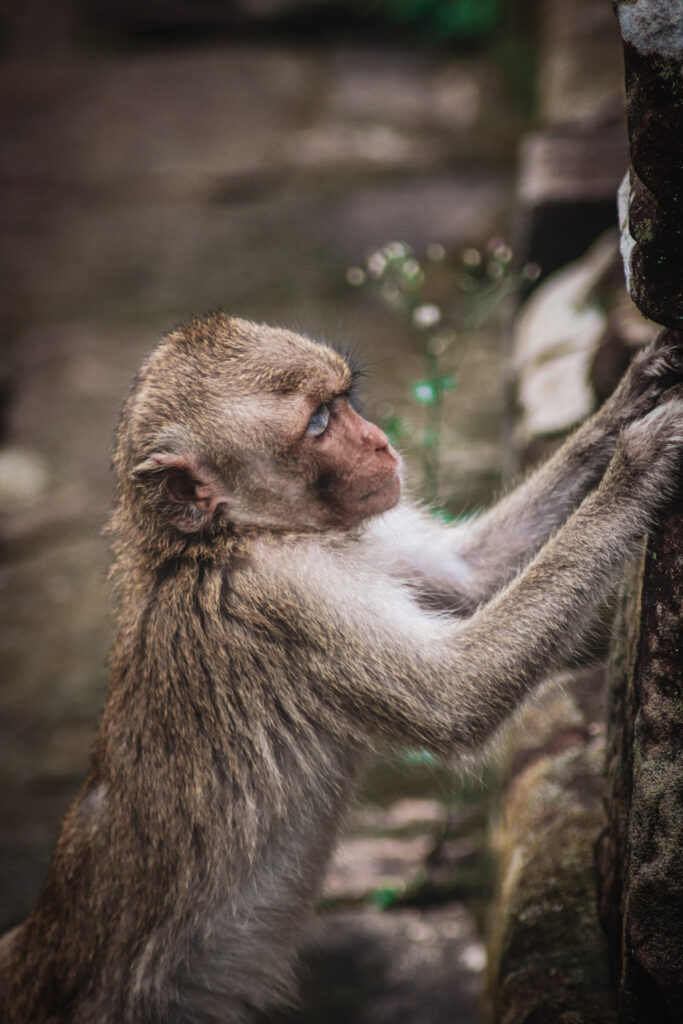
Oh, and the monkeys. Nobody mentions the monkeys. Angkor Thom has plenty of them — completely unbothered, wandering through ancient ruins like they own the place. Which, to be fair, they probably do at this point.
Jet Lag Jelly Tip: Buy the 3-day pass — it's much better value than single day tickets and gives you the flexibility to pace yourself across multiple days without rushing. Buy it the evening before at a self-service kiosk in town to skip the morning queue. And start early — by 7AM ideally. The temples are magical in the morning light and the heat builds quickly as the day goes on.
Day 8: Angkor — The Hidden Gems
If Day 7 was about the famous ones, Day 8 was about everything else — and everything else turned out to be absolutely extraordinary. The tuk tuk arrived early and we set off into the complex with a full day ahead. Six temples, one very authentic lunch, and the growing realization that Angkor is even bigger and more impressive than you initially thought.
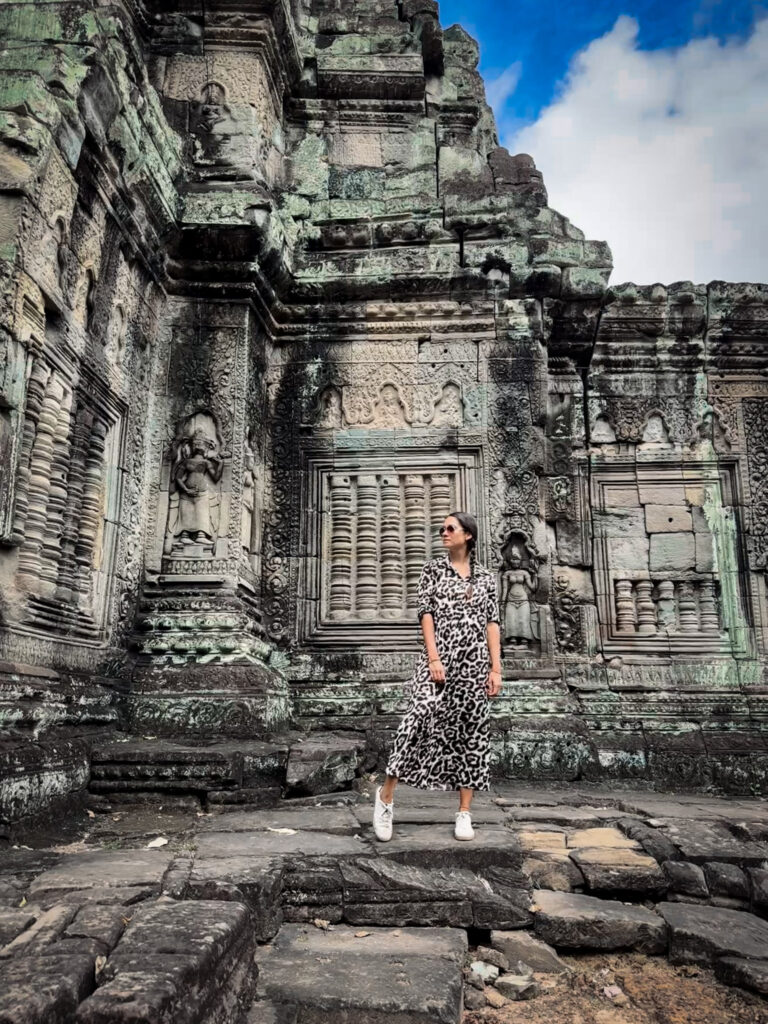
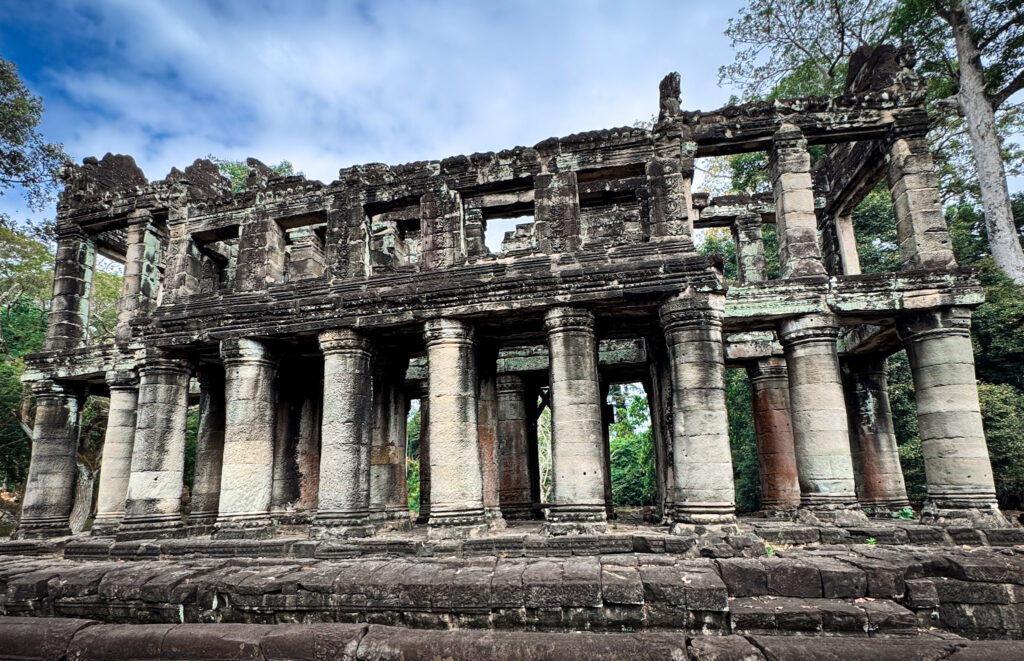
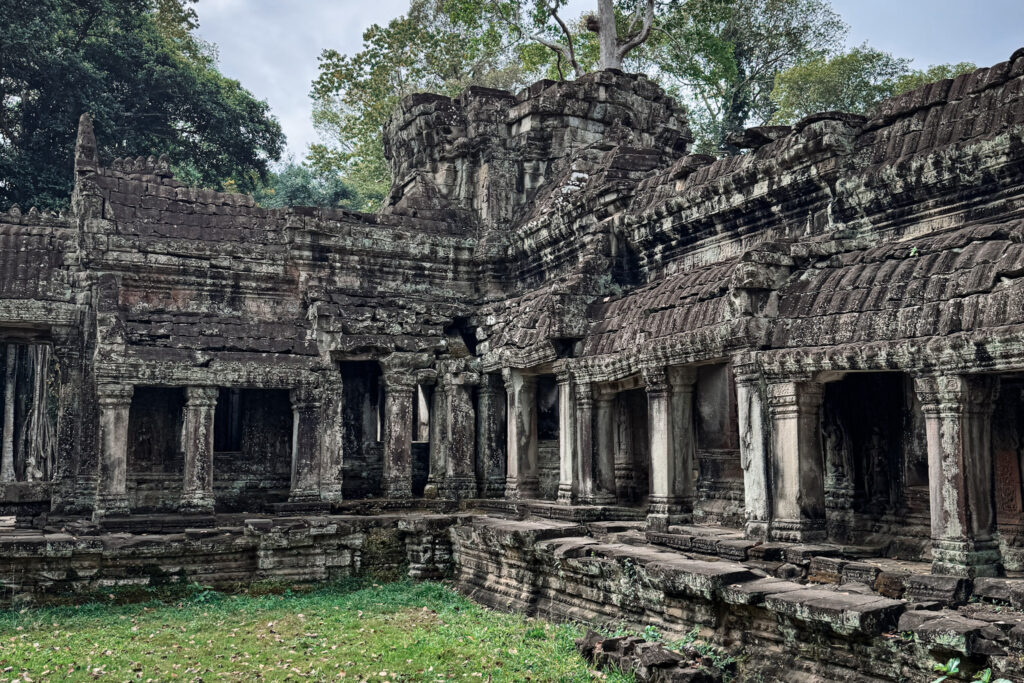
1. Preah Khan Temple
It was the perfect first stop — a vast 12th century temple complex built by King Jayavarman VII and dedicated to his father. Long atmospheric corridors, intricate carvings, and a wonderfully quiet atmosphere compared to the more famous temples. The kind of place where you can actually wander slowly and feel the history rather than navigate around crowds.
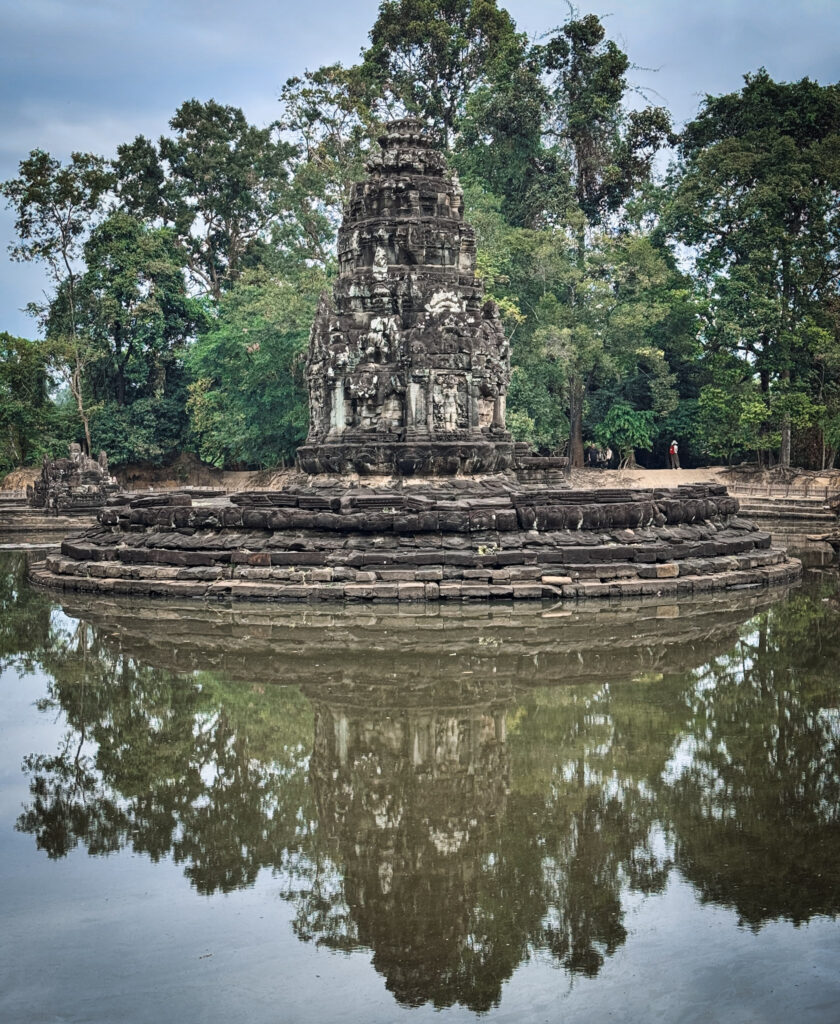
2. Neak Pean
Neak Pean offered something completely different — a small circular temple sitting on a tiny island in the middle of a still pond, its perfect reflection doubling the beauty. Originally built as a hospital in the 12th century, the surrounding pools were believed to have healing properties. Standing at the edge looking at that reflection, you can almost believe it.
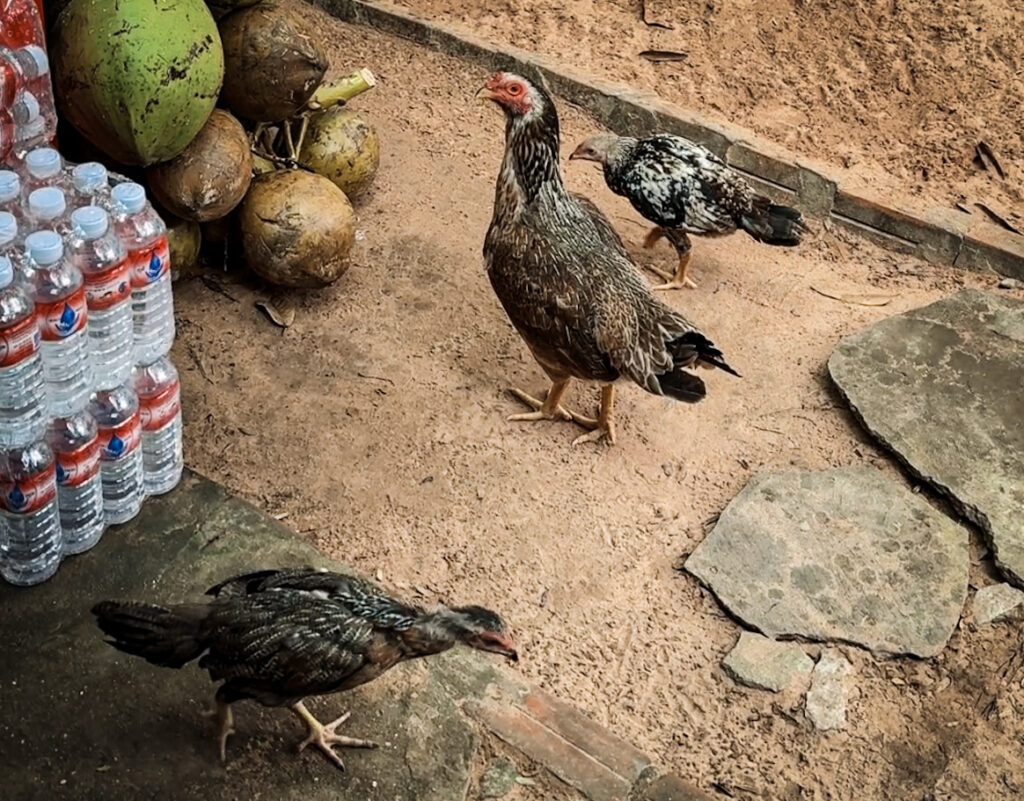
Then lunch. And this one deserves its own moment.
We stopped at a small family-owned restaurant — the kind of place where the same people cooking the food are also serving it, where the tables are simple and slightly sticky, where chickens wander freely underneath your chair completely unbothered, and where the food is absolutely, genuinely outstanding. Fragrant Khmer curry, steamed jasmine rice, fresh and simple and completely delicious. No fancy presentation, no tourist menu pricing — just real food made by real people in the most authentic setting imaginable. One of those meals that reminds you why eating locally always wins.
4. Ta Som Temple
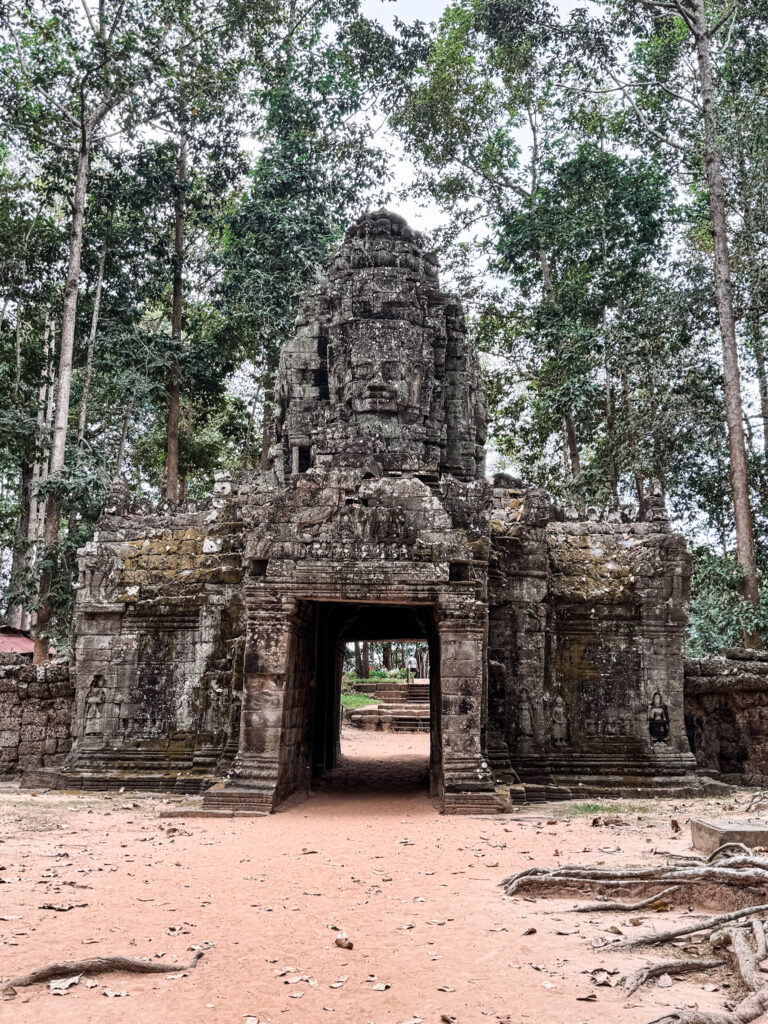
The afternoon continued with Ta Som Temple — quieter and less visited than Ta Prohm but with the same magical quality of ancient stone and encroaching jungle. The eastern gateway completely consumed by a massive strangler fig tree is one of those sights that stops you mid-step.
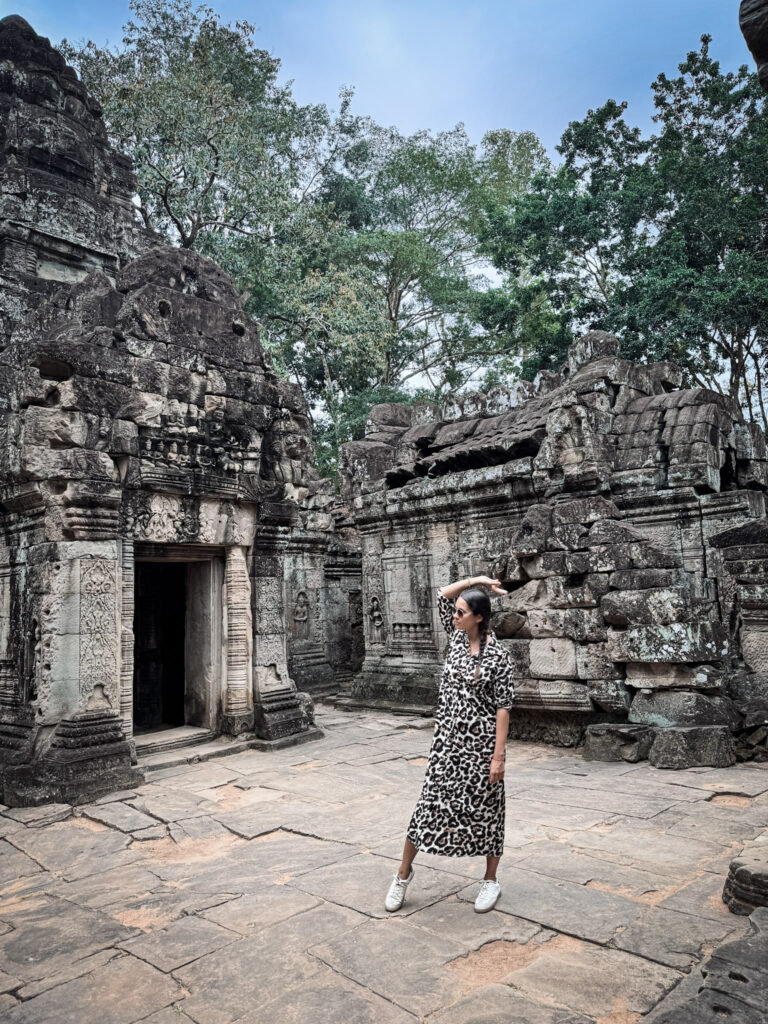
5. Eastern Mebon
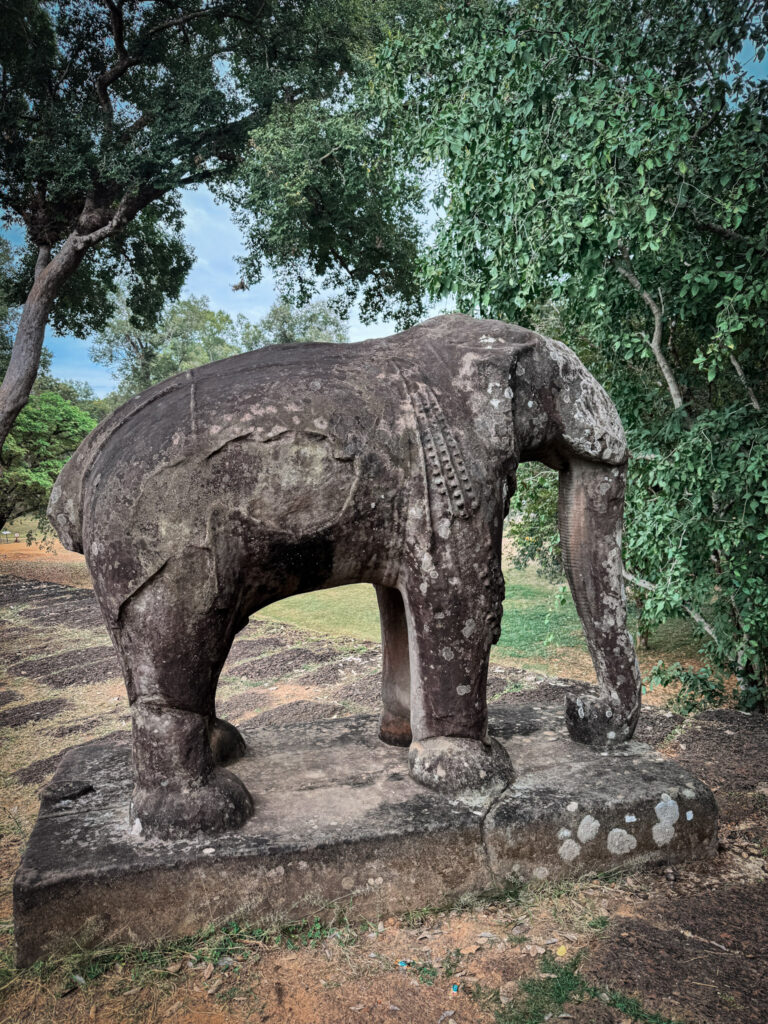
This temple brought the stone elephants — four magnificent elephant statues guarding the corners of this 10th century Hindu temple, originally built on an island in a vast reservoir that has long since disappeared. The elephants remain, still standing watch after a thousand years.
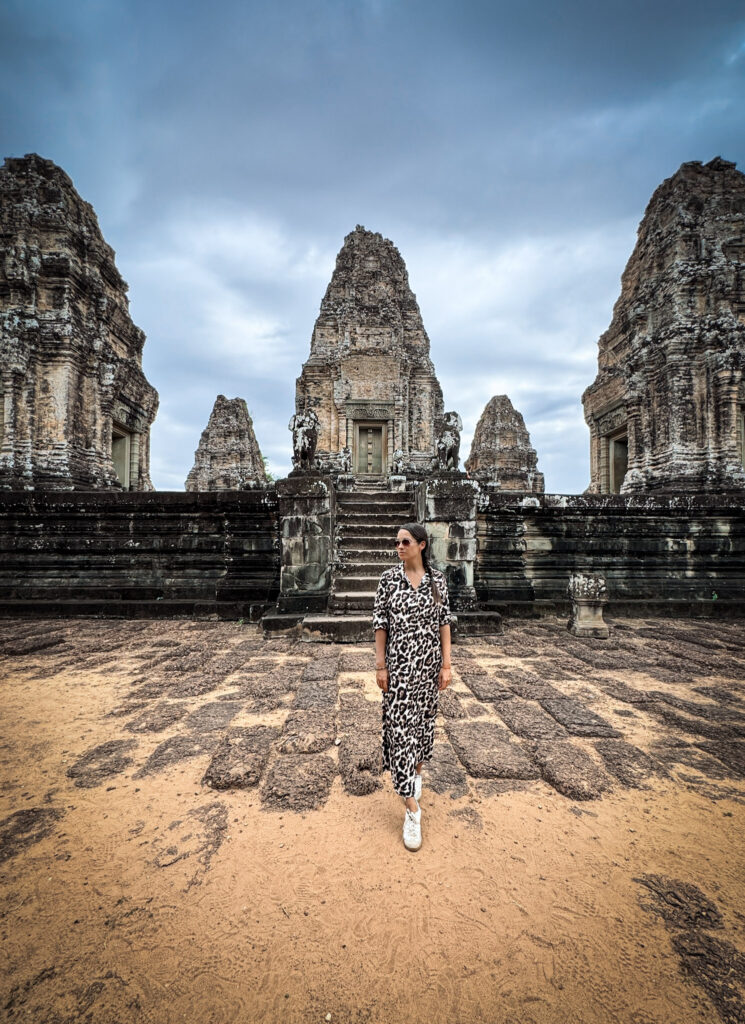
6. Pre Rup Temple
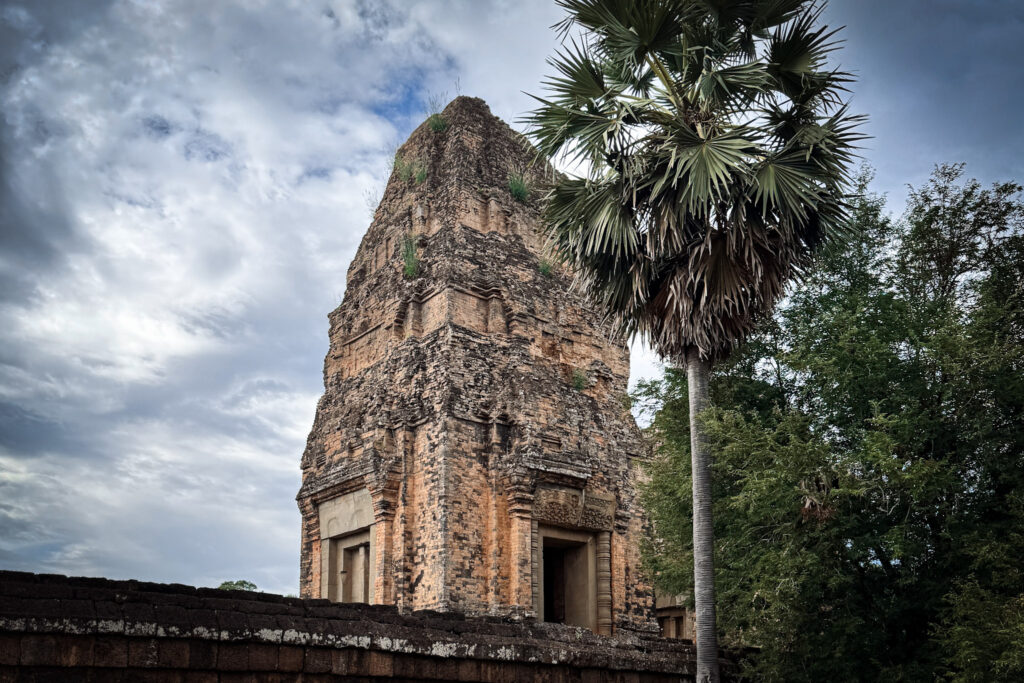
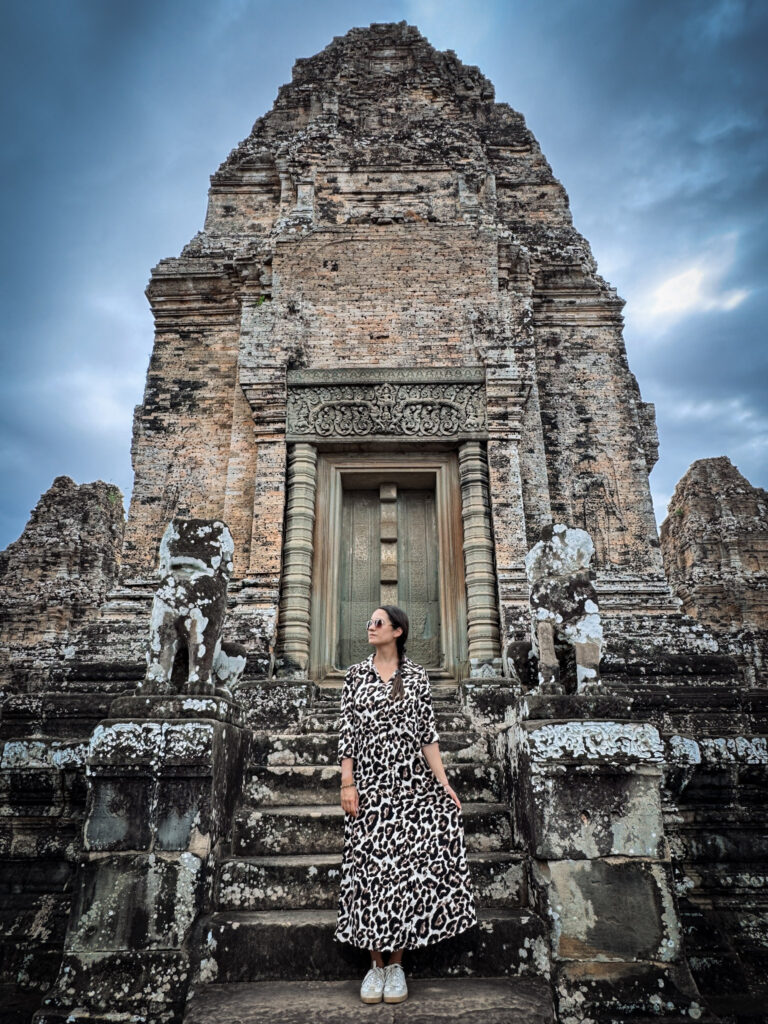
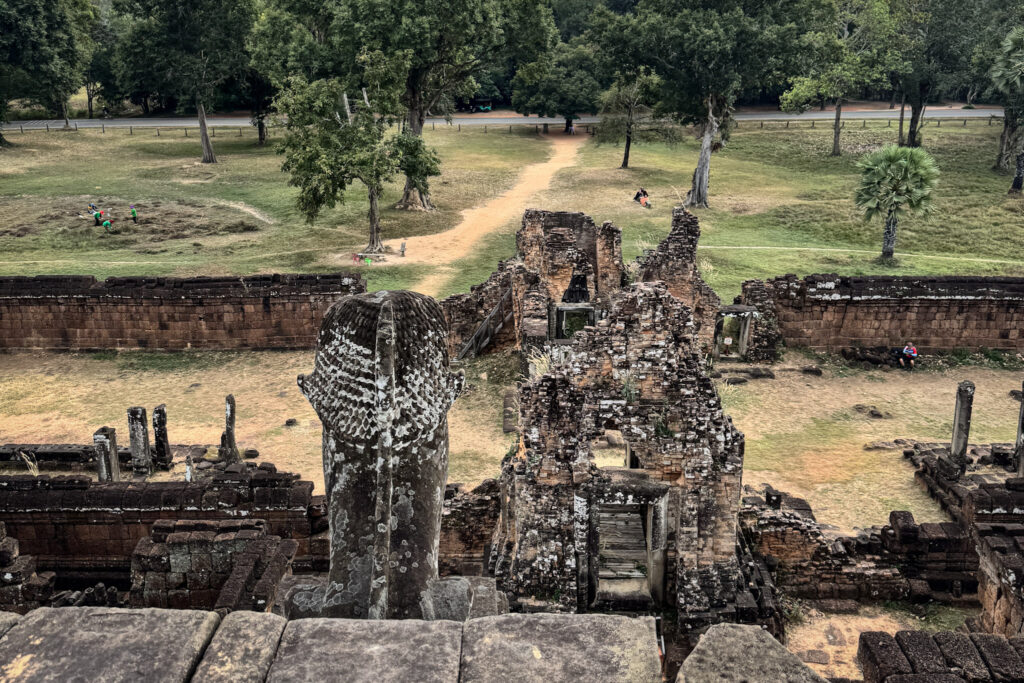
The day ended at Pre Rup Temple — and what an ending. Climbing to the top of this dramatic reddish-pink brick temple rewards you with sweeping views over the surrounding jungle in every direction. The warm tones of the laterite brick against the dramatic December sky made for some of the best photos of the entire Angkor visit. Six temples, one sticky-tabled lunch, zero regrets.
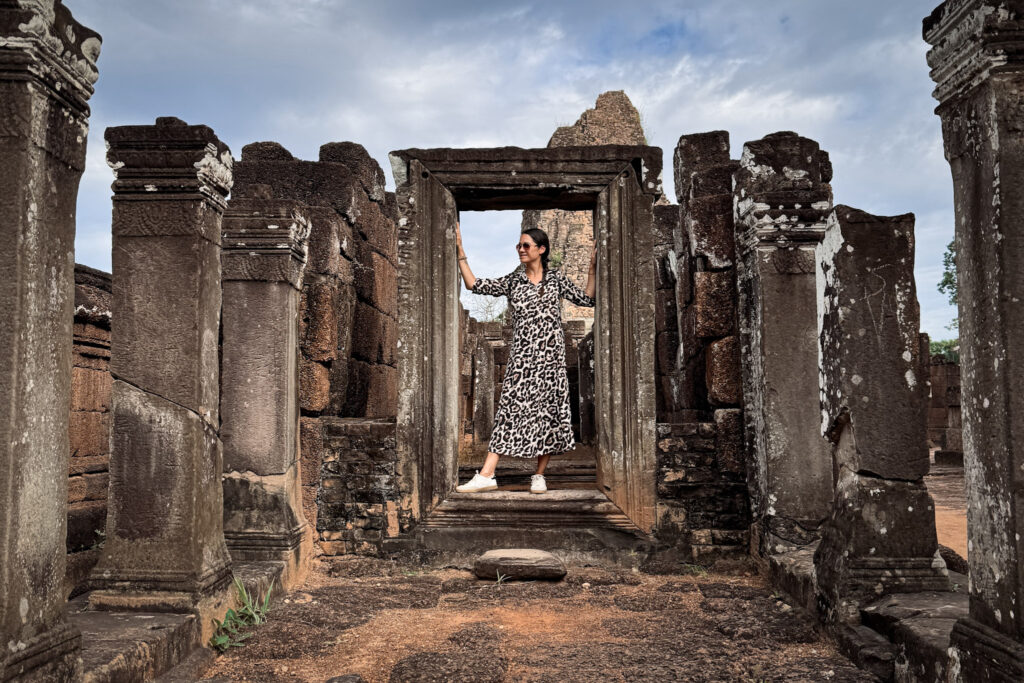
Jet Lag Jelly Tip: Don't skip the smaller, lesser-known temples in favor of only the famous ones — places like Preah Khan, Neak Pean and Ta Som are every bit as impressive and far less crowded. The Angkor complex rewards the curious.
Day 9: Angkor — Sunrise, Jungle Temples & A Well-Earned Pool Day
1. Chasing sunrise at Angkor Wat
The alarm went off early — earlier than any human should reasonably accept — and the tuk tuk was waiting. Because some things are worth the sacrifice of sleep, and sunrise at Angkor Wat is absolutely one of them.
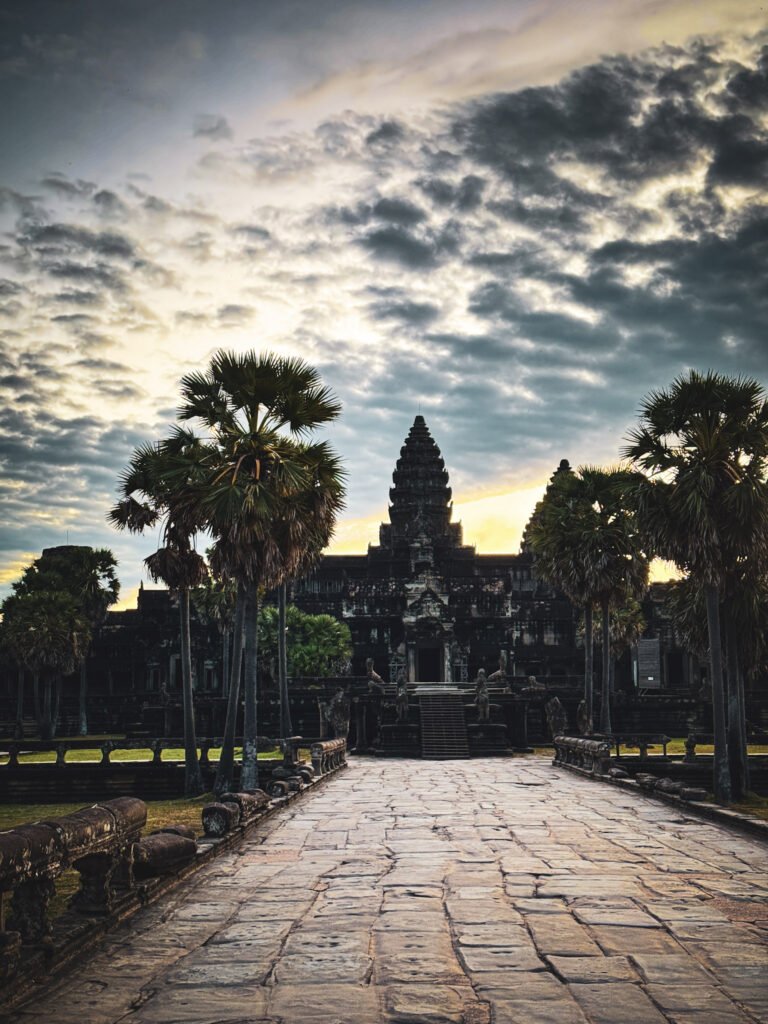
Standing in front of the world’s largest religious monument as the sky slowly shifts from dark to pink to gold, the reflecting pools mirroring the whole spectacular scene — it’s one of those travel moments that genuinely lives up to every expectation. Yes it was busy. Yes everyone had the same idea. And yes, it was still completely worth every lost minute of sleep.
2. Phnom Bakheng Temple
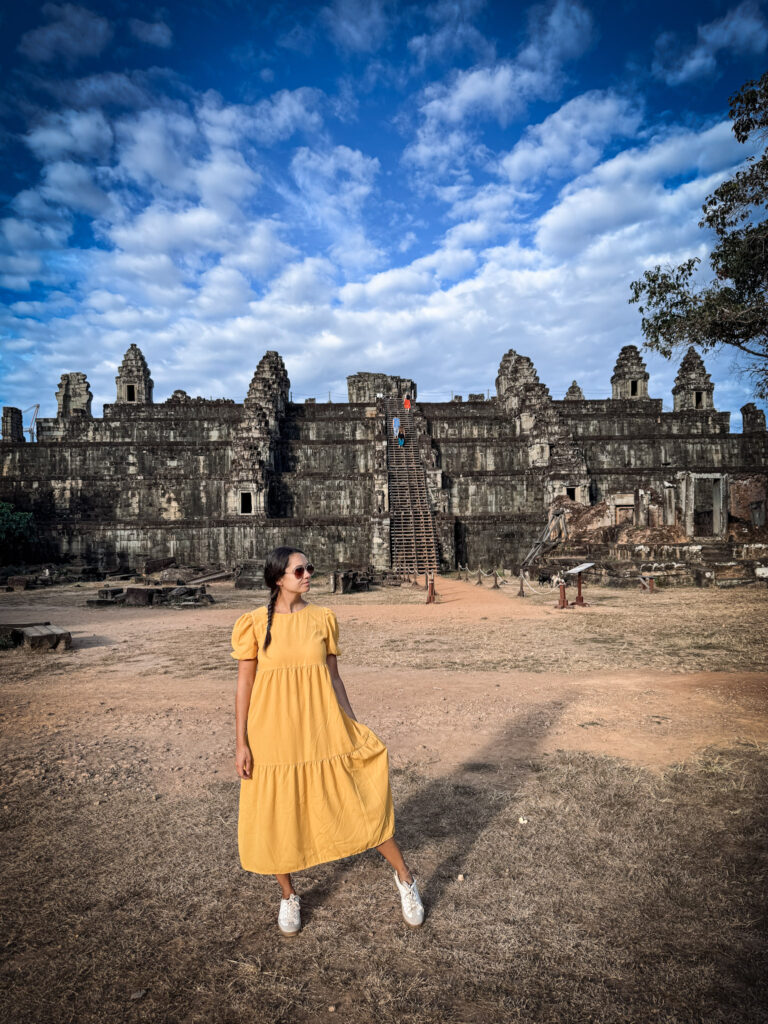
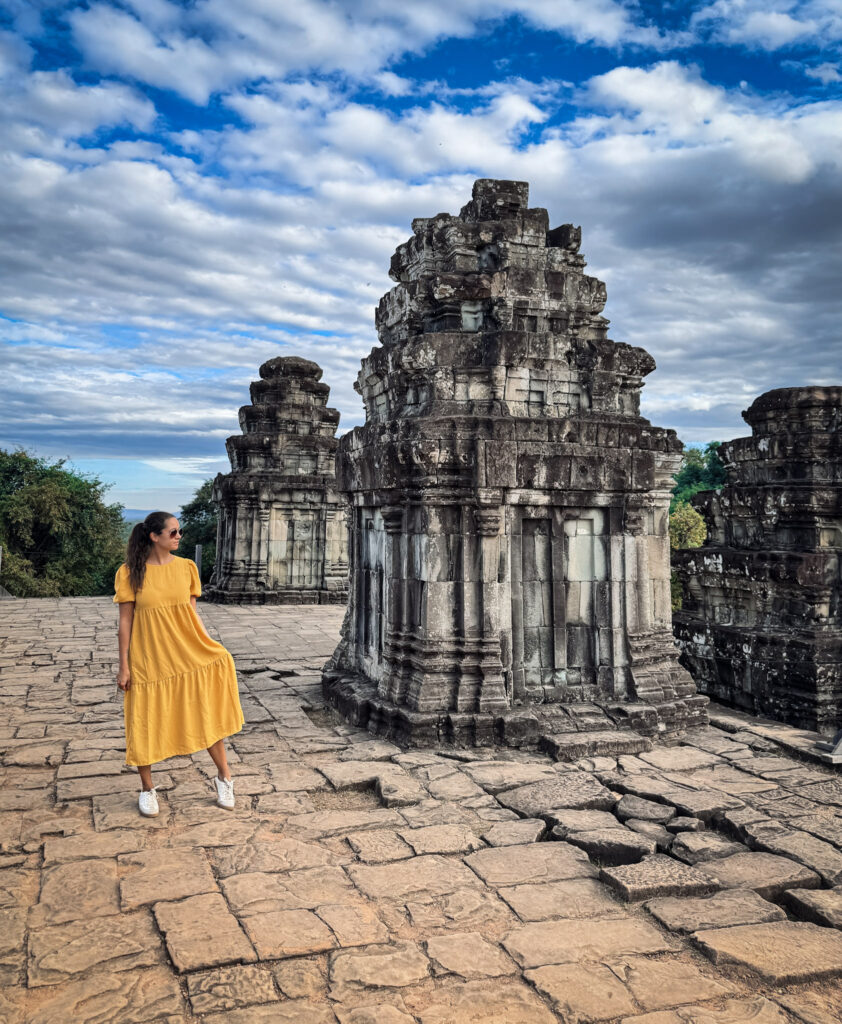
From there, Phnom Bakheng Temple — one of the oldest temples in the entire Angkor complex, built in the 9th century on top of a natural hill. Climbing up in the early morning light with the jungle stretching endlessly in every direction from the top is a completely different experience from the busier temples. Quiet, atmospheric, and with some of the best panoramic views in all of Angkor.
3. Kok Chak
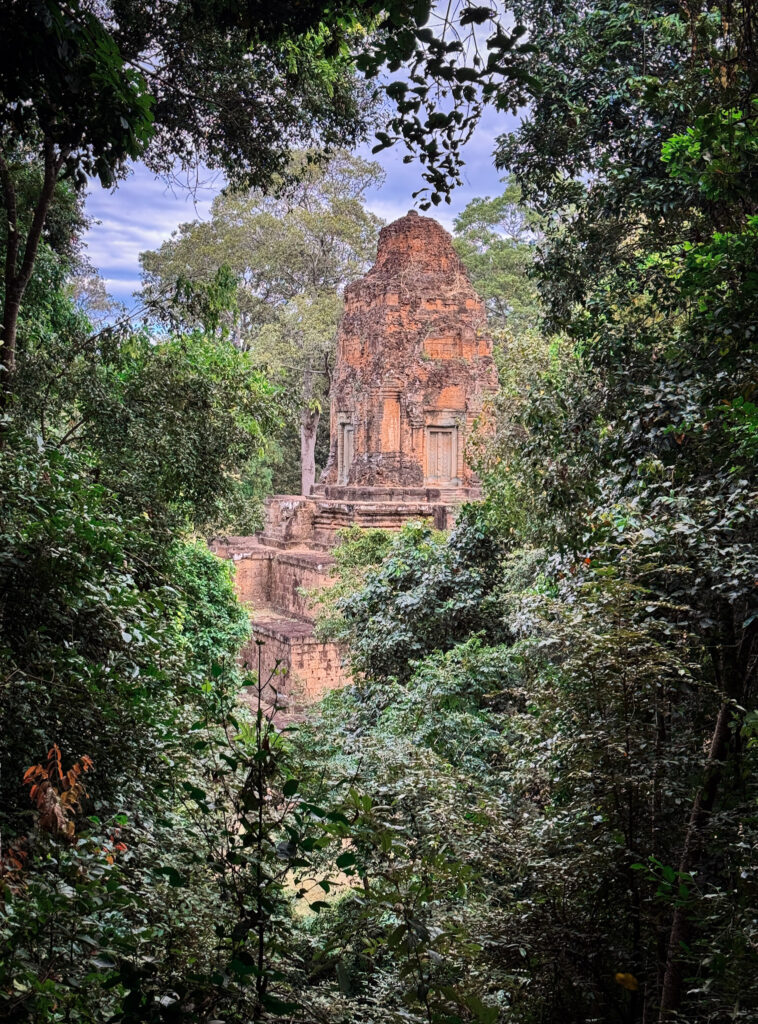
The final temple of the trip was a smaller jungle temple in the Kok Chak area — and it might have been the most photogenic of all. A reddish brick tower completely framed by lush tropical jungle, barely visible through the trees until you’re almost upon it. Almost nobody else around. Just ancient stone, green jungle, and morning light filtering through the canopy. The kind of discovery that makes you feel like an explorer rather than a tourist.
Jet Lag Jelly Tip: After a sunrise start and a full morning of temple hopping, you've earned the afternoon off — and I mean that literally. By the time you've walked Angkor Wat at dawn, navigated the jungle paths of Ta Prohm, and climbed every staircase Bayon has to offer, your legs will have a very strong opinion about what happens next. Mine voted unanimously for the hotel pool. A cold drink, horizontal position, zero archaeological significance — the perfect counterbalance to one of the most intense mornings of the whole trip. Book a hotel with a pool for your Siem Reap nights and thank yourself later.
Best Time to Visit Angkor
November to February is the ideal window — cooler, drier air makes a real difference when you’re climbing temple staircases and walking for hours in the sun. Expect daytime temperatures in the high 20s°C, without the brutal humidity of the hotter months.
- March-May: Hot and dry, with temperatures regularly climbing into the mid-30s°C — doable, but genuinely draining if you’re spending full days out at the temples.
- June-October (rainy season): Bigger crowds thin out and the surrounding jungle turns a deeper green, but expect afternoon downpours and higher humidity. Mornings tend to stay dry, so an early temple start works well in this window.
Jet Lag Jelly Tip: Since Koh Rong and Angkor sit at opposite ends of Cambodia's dry/wet season sweet spots (both peak in the same window, conveniently), a trip timed for December-February works well for covering both stops on this itinerary in one go.
Day 10: Tonle Sap Lake — Life on the Water
The last day in Cambodia was saved for something completely different.
A morning tour took us out to Tonle Sap Lake — the largest freshwater lake in Southeast Asia and home to one of the most extraordinary communities I’ve ever encountered anywhere in the world.
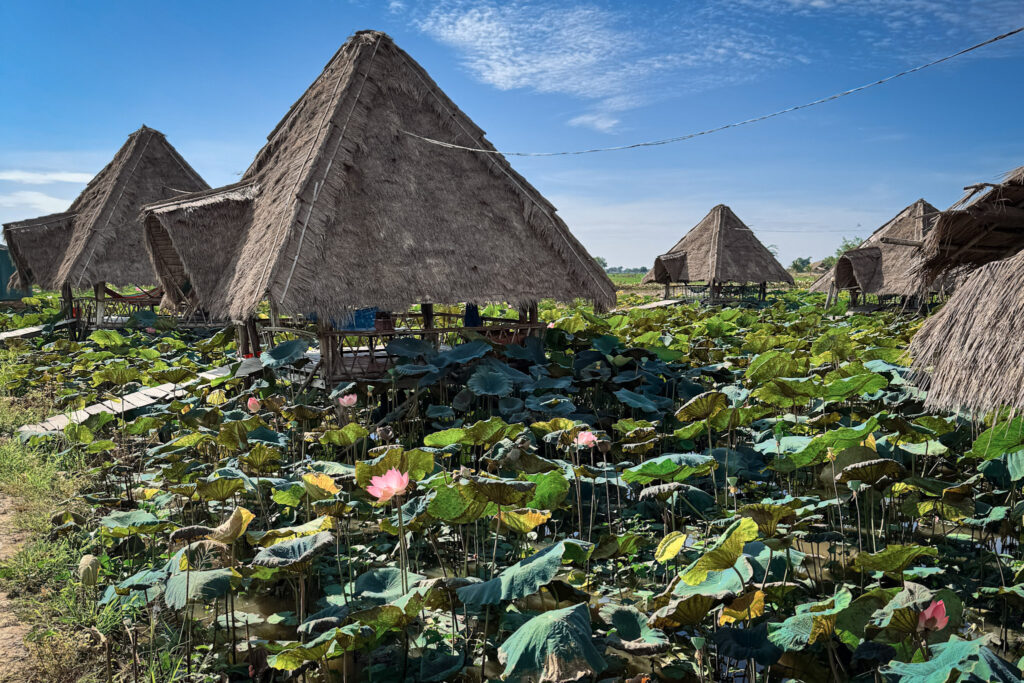
The journey there passed through Lotus Flower Fields stretching as far as the eye could see — pink blossoms rising above giant green leaves, traditional thatched roof huts dotted between them, a perfect blue December sky above. The kind of scene that makes you reach for your camera before you’ve even stopped moving.
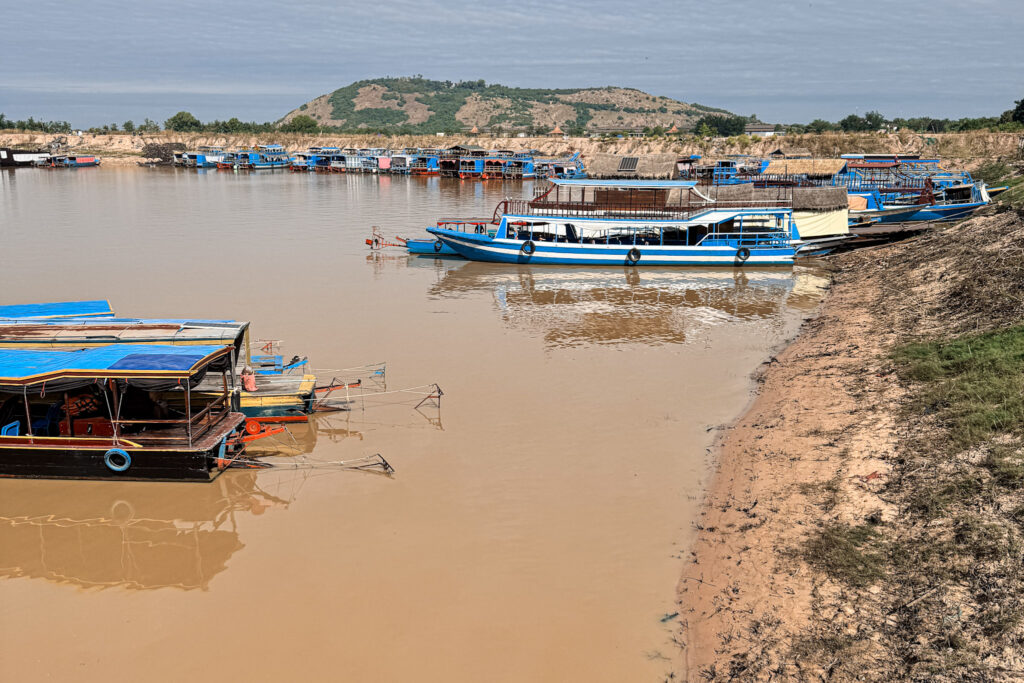
At the lake, colorful fishing boats lined the muddy shoreline before we headed out onto the water toward Chong Khneas floating village. And nothing quite prepares you for what you see.
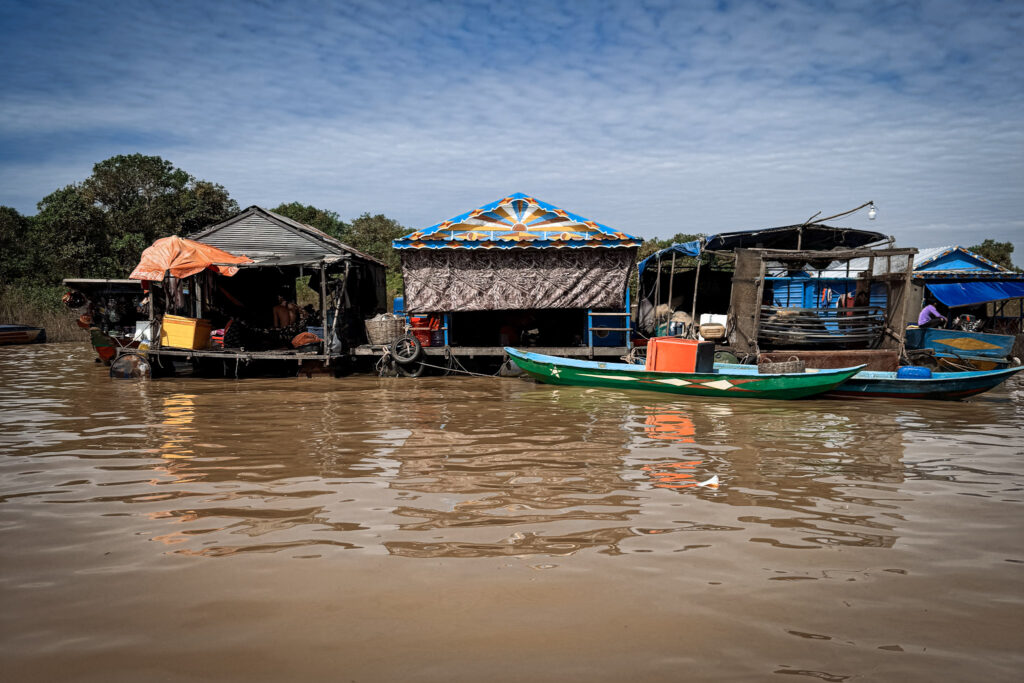
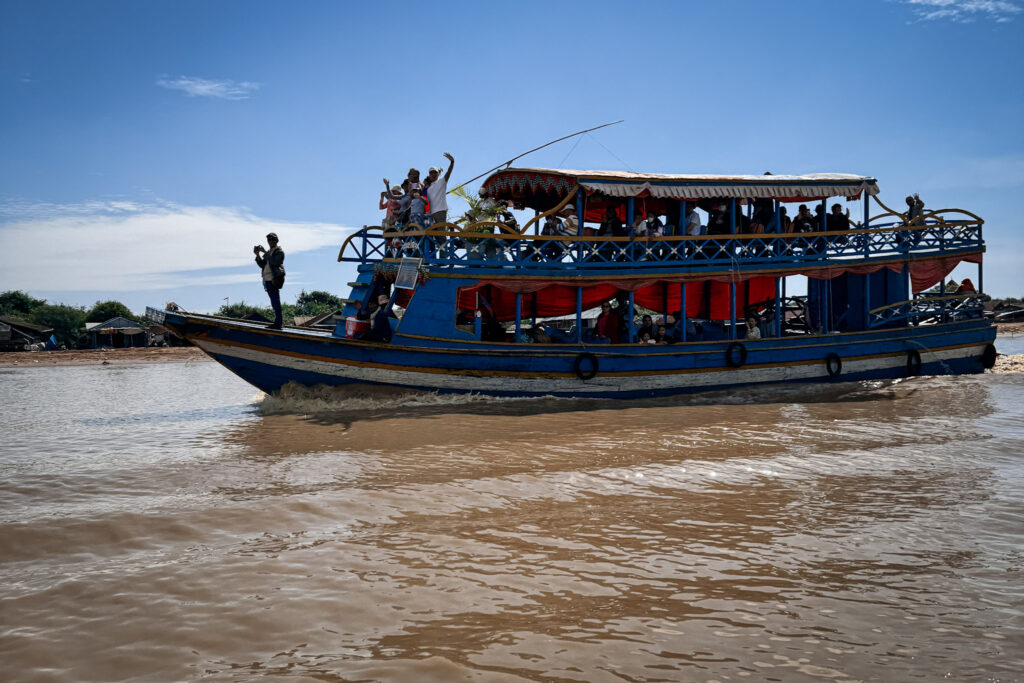
Entire communities living completely on the water. Colorful wooden houses floating on the lake — homes, shops, schools, churches, all bobbing gently on the surface of Tonle Sap. Generations of families who have never known any other life, for whom the water is simply home.
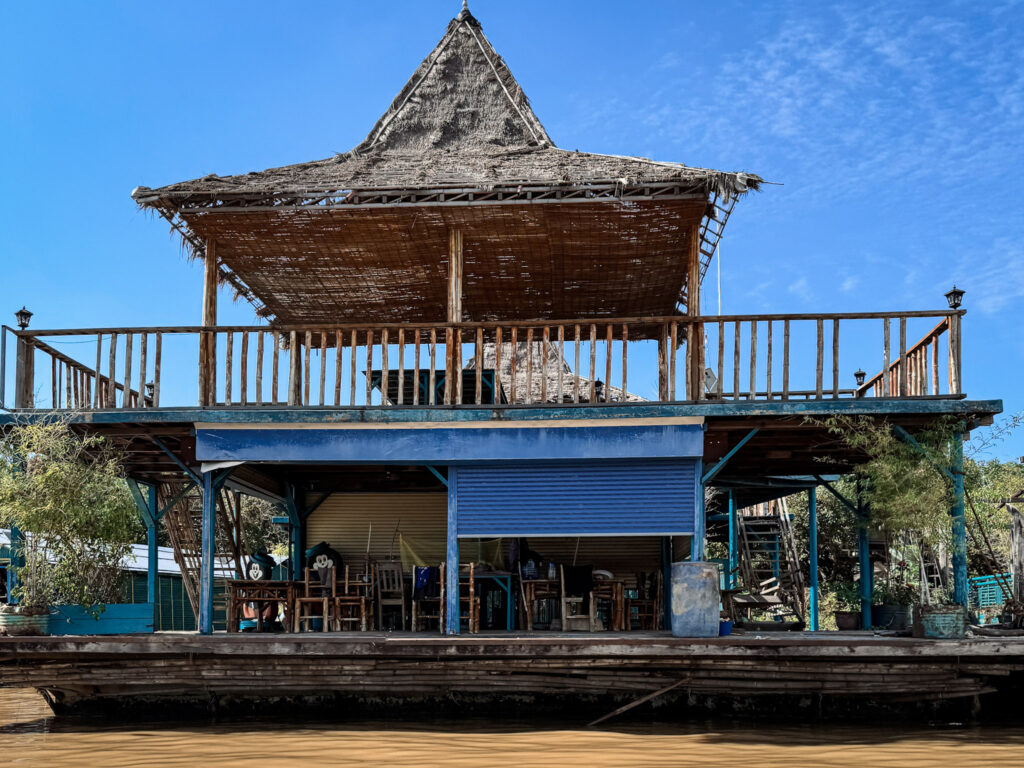
Here’s the part that genuinely amazed me — these houses aren’t fixed in place. Tonle Sap’s water level can rise and fall dramatically between the dry and wet seasons, so the entire village is built to move with it. Houses float, and when the water rises, the whole community essentially shifts position to adapt. An entire neighborhood that relocates itself with the seasons. It’s hard to fully comprehend until you see it.
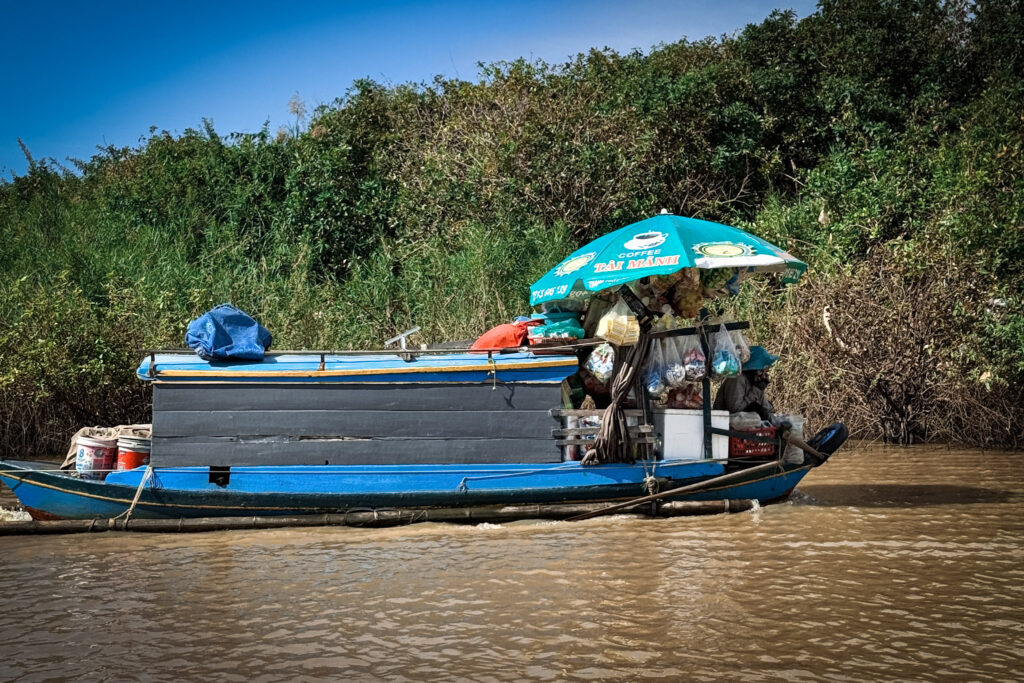
Life on the water means everything happens on the water too. Women paddled past us in small wooden boats loaded with fruit, bottled water, and snacks — a floating convenience store, going door to door, or rather, boat to boat. No roads, no shops, just the lake serving as the street, the market, and the meeting point all at once.
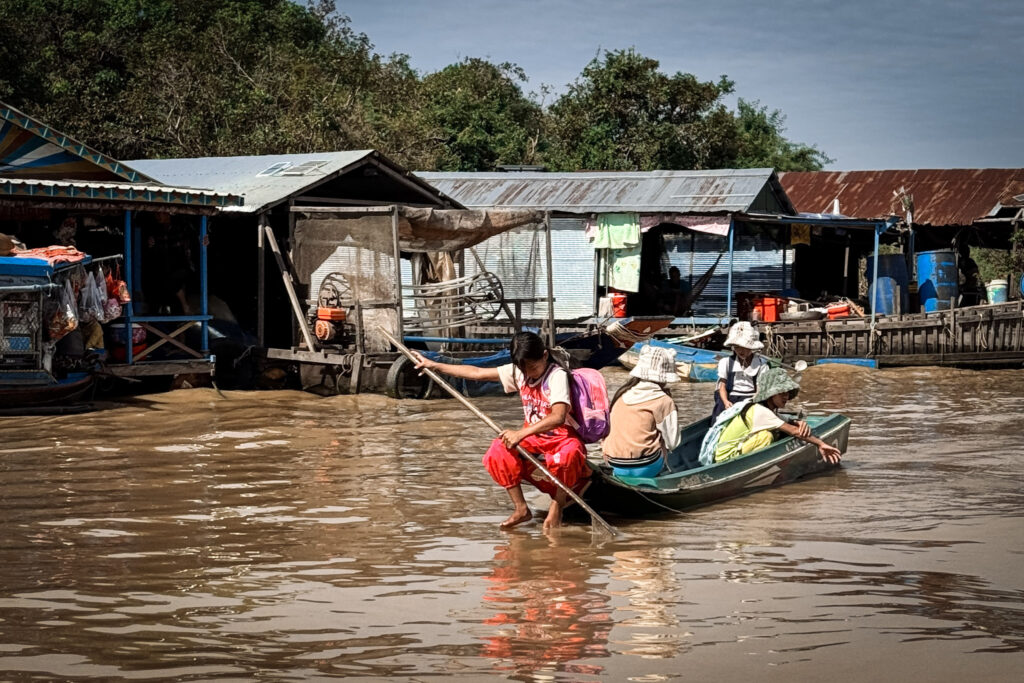
The moment that stopped me completely was a young girl in a bright pink outfit, rowing herself across the village in a small wooden boat — confident, capable, completely unbothered. Going to school. Her morning commute. Just another day. It’s the kind of sight that stays with you long after you’ve left.
After exploring the floating village we stopped at a wonderfully quirky lakeside spot — a converted stationary boat turned café, with upcycled tire chairs, wagon wheel tables, and a red wooden deck looking straight out over the lake. We sat with cold drinks, watching the floating village life drift by, and let it all sink in.
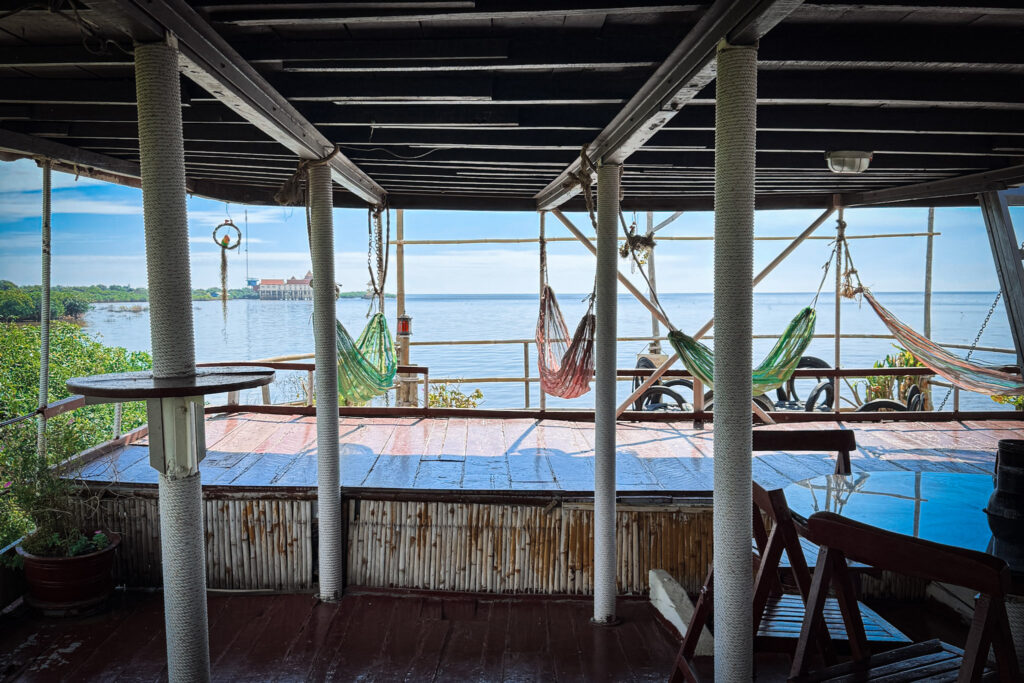
Simple, quiet, and one of the most memorable mornings of the entire trip.
By lunchtime we were back at the hotel — one last meal, one last look around the beautiful lobby, and then the familiar routine of zipping up suitcases that somehow needed to contain more than they did on arrival.
Jet Lag Jelly Tip: Book a tour to Tonle Sap Lake and Chong Khneas floating village — it's a completely different side of Cambodia that most people miss by spending all their time at Angkor. Go in the morning when the light is beautiful and the village is alive with daily activity. Bring your camera and your patience — and let yourself be moved.
FAQ
How many days do you need for Koh Rong and Angkor Wat? Around 7–9 days is ideal if you want to experience both Koh Rong and Angkor Wat without rushing. I spent several days on Koh Rong, followed by time in Siem Reap exploring Angkor, which gave me enough time to enjoy the beaches as well as the temples.
Is Koh Rong worth visiting? Absolutely. Koh Rong is one of the most beautiful islands I’ve visited, with white-sand beaches, crystal-clear water and bioluminescent plankton. If you want a quieter alternative to some of Southeast Asia’s more developed islands, Koh Rong is definitely worth adding to your Cambodia itinerary.
How do you get from Koh Rong to Siem Reap? The easiest option is to take a ferry from Koh Rong to Sihanoukville and then fly to Siem Reap. The ferry crossing takes around 35–50 minutes, depending on the operator and sea conditions. From Sihanoukville, there are flights to Siem Reap, making this the quickest way to connect the island with Angkor Wat.
What is the best time to visit Koh Rong and Angkor Wat? December to February is generally the best time for this itinerary. Koh Rong has its driest weather and calmer seas, while Siem Reap is cooler and more comfortable for exploring the temples. I visited in December and found the weather particularly good for both beach days and long days at Angkor.
How many days do you need at Angkor Wat? I recommend at least 3 days if you want to properly explore the Angkor Archaeological Park. One day is enough for the major highlights, but having several days allows you to visit quieter temples such as Preah Khan, Neak Pean, Ta Som, Eastern Mebon and Pre Rup without rushing.
Can you swim with bioluminescent plankton in Koh Rong? Yes! Swimming with bioluminescent plankton was one of my favorite experiences on Koh Rong. Tours usually take place after dark, when the water is completely black and the plankton glows whenever you move through it. For the best conditions, choose a night with little or no moonlight.
Which beach is best in Koh Rong? If you’re looking for beautiful, peaceful beaches, Sok San Beach and Pagoda Beach are two excellent choices. Sok San was my personal favorite for its incredibly clear water and peaceful atmosphere, while Pagoda Beach felt quieter and more secluded. The two sides of the island offer noticeably different experiences.
Is Cambodia good for a beach and culture trip? Absolutely. That’s actually one of the reasons I loved this itinerary. You can spend several days doing almost nothing on a tropical island, then switch completely to exploring ancient temples and Khmer history around Siem Reap. Few destinations offer such a dramatic contrast within one trip.
Summary
Cambodia had been on my list for a while. But if I’m honest, I wasn’t fully prepared for how much it would deliver.
I expected Angkor Wat. I didn’t expect to stand in front of it at sunrise and feel genuinely speechless. I expected nice beaches. I didn’t expect Koh Rong to become the most beautiful beach of my entire life after 70 countries of travel. I expected an interesting trip. I didn’t expect a little girl rowing herself to school on a lake to become one of the most moving moments I’ve encountered anywhere in the world.
Cambodia has a quiet confidence about it. It doesn’t try to impress you — it just does. Ancient temples swallowed by jungle. Floating villages where entire generations have lived on water. Paradise islands where time moves differently. A nightlife scene in Siem Reap that somehow manages to be buzzing and welcoming at the same time.
And the people. Genuinely, consistently, warmly friendly. Smiling not because it’s their job but because it seems to be their nature.
If Cambodia has been sitting somewhere on your maybe someday list — move it. Move it now. Go before everyone else figures out what an extraordinary place it is.
Because they will figure it out. And you’ll want to say you were there first.
Sleep later. Explore now.
Part of my Southeast Asia coverage — check out my Northern Vietnam Itinerary: Hanoi, Sapa & Ha Long Bay, Japan in 12 Days: Worth the Jetlag, and Angkor Wat & Beyond: My Favorite 10 Temples, Ranked posts too if you’re planning a bigger trip across the region.