
This post contains affiliate links. If you book through one, I may earn a small commission at no extra cost to you — it helps keep Jet Lag Jelly running. Read my full affiliate disclosure for more.
From Tokyo’s neon-soaked streets to Kyoto’s ancient temples, here’s exactly how I spent 12 unforgettable days exploring Japan—and why it completely exceeded every expectation. There are some trips that stay with you forever. Japan is one of them. Maybe it’s the way centuries-old shrines sit quietly beneath skyscrapers. Maybe it’s the spotless bullet trains that arrive with almost supernatural precision. Or maybe it’s because one minute you’re standing in the world’s busiest pedestrian crossing and the next you’re feeding crackers to bowing deer in a peaceful park. Whatever the reason, Japan has a way of making you feel wonderfully jet-lagged and completely alive at the same time.
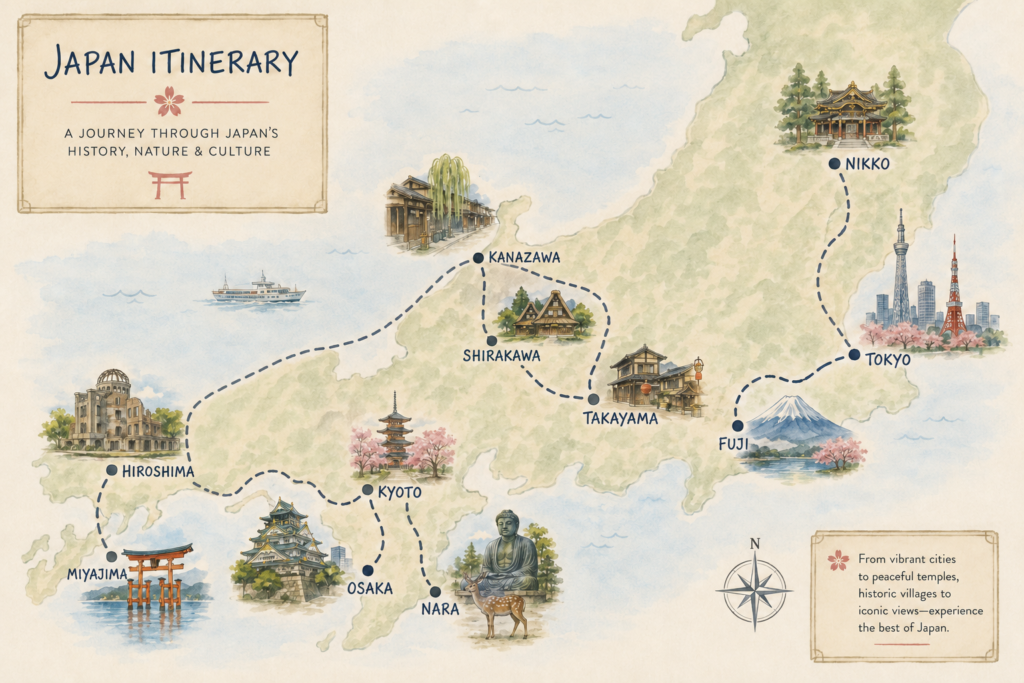
Japan 12-Day Itinerary
1. Tokyo: Tokyo Tower, Shibuya Sky, teamLab, Sensō-ji Temple, Meiji Jingu Shrine — the electric, sprawling capital that never quite slows down
2. Nikko: A day trip into the mountains, home to elaborately carved shrines and dense forest trails
3. Mount Fuji: Japan’s most iconic peak, best seen (and photographed) from the surrounding Fuji Five Lakes region
4. Kanazawa: A beautifully preserved samurai and geisha district, plus one of Japan’s most celebrated gardens
5. Shirakawa-go: A UNESCO village of steep thatched-roof farmhouses tucked into the mountains
6. Takayama: An atmospheric old town known for its preserved Edo-period streets and morning markets
7. Hiroshima: A city defined by resilience, home to the Peace Memorial Park and Museum
8. Miyajima: Home to the iconic “floating” torii gate of Itsukushima Shrine
9. Osaka: Japan’s food capital, all neon, street food, and unapologetic energy
10. Kyoto: Thousands of temples, shrines, and the unmistakable Fushimi Inari torii gates
11. Nara: Ancient temples and hundreds of freely roaming, deer that bow for crackers
Did You Know?
- Japan has 47 prefectures, and this itinerary alone crosses through five of them — Tokyo, Yamanashi, Ishikawa, Gifu, and Hiroshima
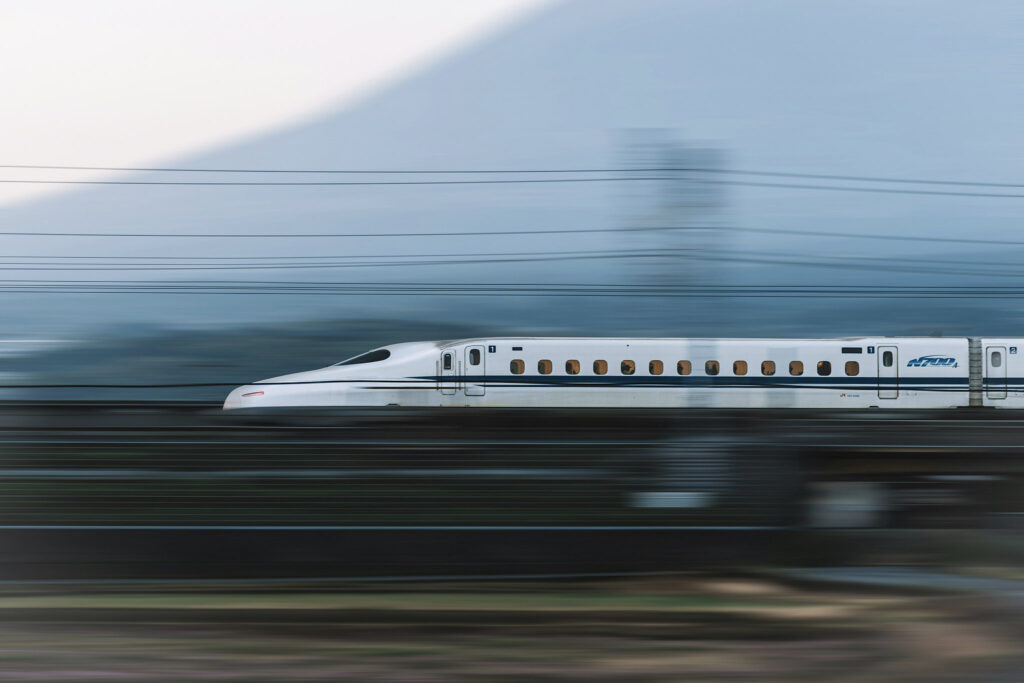
- The Shinkansen (bullet train) network, which connects most of this route, can reach speeds of up to 320 km/h (200 mph) on some lines
- Shirakawa-go’s steep thatched roofs are specifically angled to withstand the region’s heavy snowfall, which can exceed 2-3 metres in winter
- Nara was Japan’s first permanent capital, established in 710 AD, decades before Kyoto took over the role
- The deer of Nara Park are considered sacred messengers of the gods in Shinto belief, and have roamed the park freely for centuries
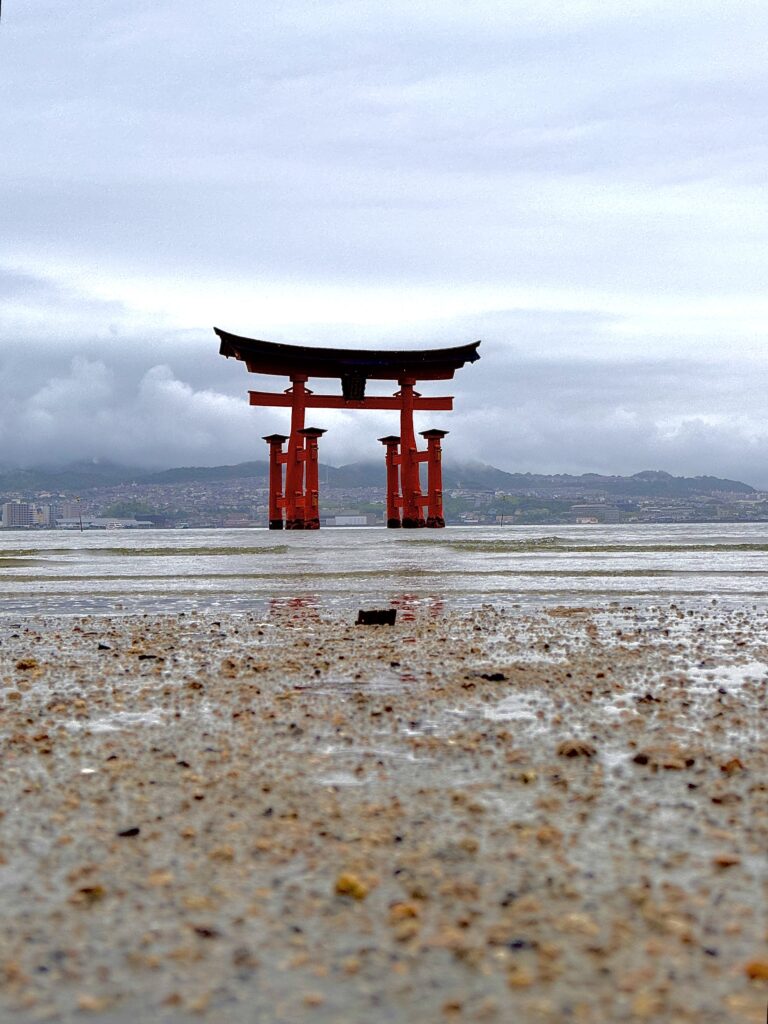
- Miyajima’s famous torii gate appears to “float” only at high tide — at low tide, visitors can actually walk right up to its base
- Hiroshima’s Atomic Bomb Dome is one of the few structures left standing near the 1945 blast’s hypocenter, and remains deliberately unrestored as a permanent memorial
For years, Japan sat stubbornly at the top of my travel bucket list. So when I finally landed in Tokyo for a 12-day adventure across the country, I was equal parts excited, overwhelmed, and operating on approximately three hours of sleep. This itinerary took me through Tokyo, Mount Fuji, Nikko, Kanazawa, Shirakawa-go, Hiroshima, Miyajima, Osaka, Kyoto, and Nara—covering many of Japan’s most iconic destinations while still leaving room for unexpected discoveries. If you’re planning your first trip to Japan and wondering how to see the highlights in less than two weeks, this route offers the perfect mix of modern cities, cultural landmarks, natural beauty, and unforgettable food. So grab a matcha latte, ignore your body clock, and let’s dive into the ultimate Japan itinerary.
Day 1: Tokyo Hits Different
Nothing prepares you for your first glimpse of Tokyo.
After checking into the hotel and attempting to convince my brain that it wasn’t still somewhere over Europe, I headed straight to Shibuya—the beating heart of modern Tokyo. The famous Shibuya Crossing is one of those places you’ve seen a thousand times online, but standing there in person feels completely different. Every light change unleashes a perfectly choreographed human wave, somehow chaotic and orderly at the same time.
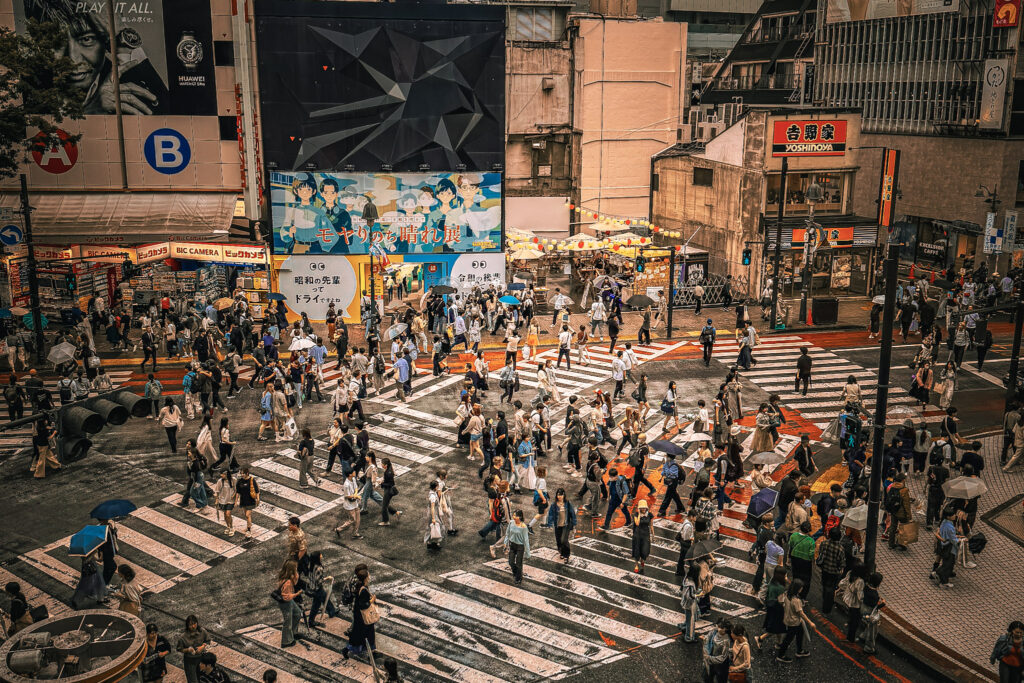
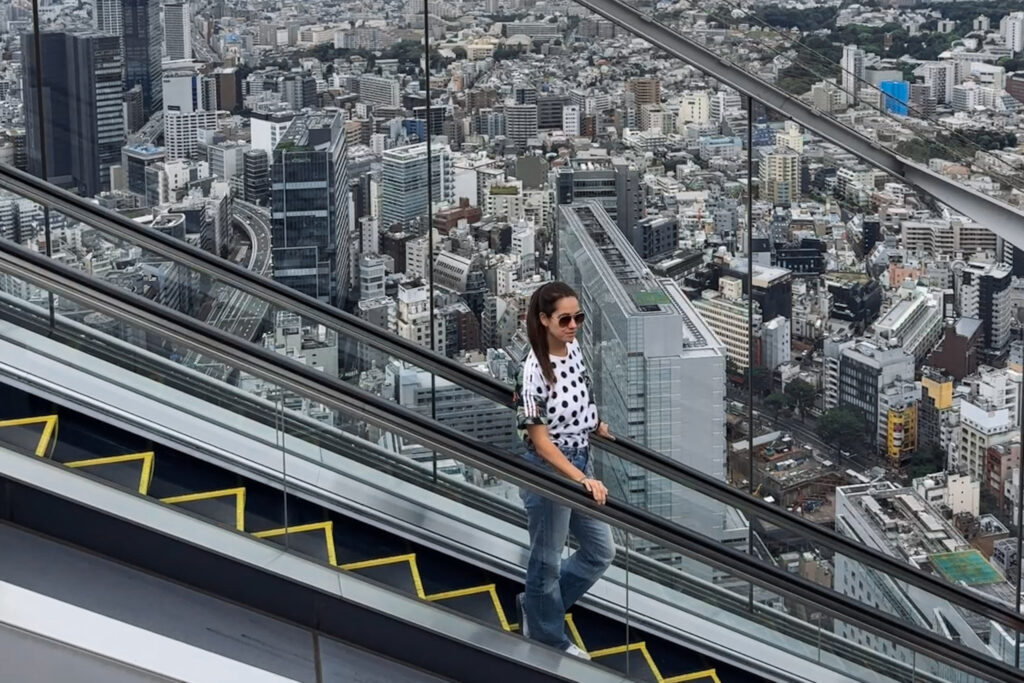
For the best view, head up to Shibuya Sky. Watching the sun sink behind an endless skyline of glass towers and flashing billboards is the kind of travel moment that makes you forget about jet lag entirely.
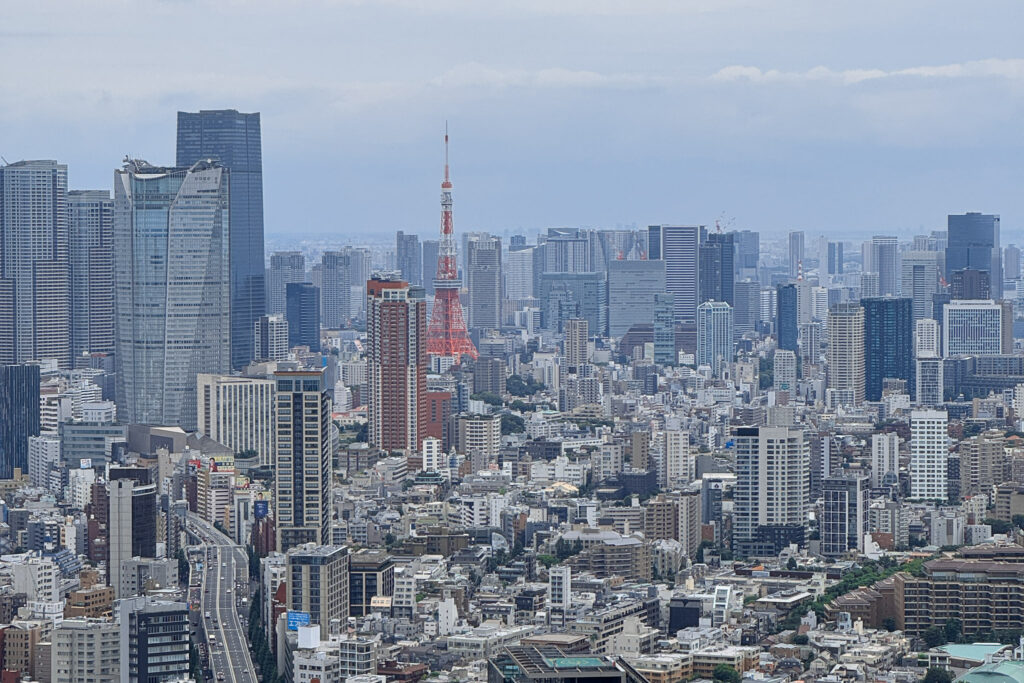
The rooftop deck is fully open-air, no glass or netting between you and the view, which somehow makes 229 meters up feel both exhilarating and slightly terrifying in the best possible way. There are giant beanbags scattered around up there too, because apparently someone decided the best way to take in one of the most famous skylines on Earth is lying down. I did not argue with this decision.
Below you, the Shibuya Scramble Crossing looks less like an intersection and more like a synchronized dance of thousands of tiny people, all somehow avoiding each other in real time. It’s genuinely mesmerizing to watch from above, especially once the neon starts flickering on as the sky shifts from orange to that deep Tokyo blue-black.
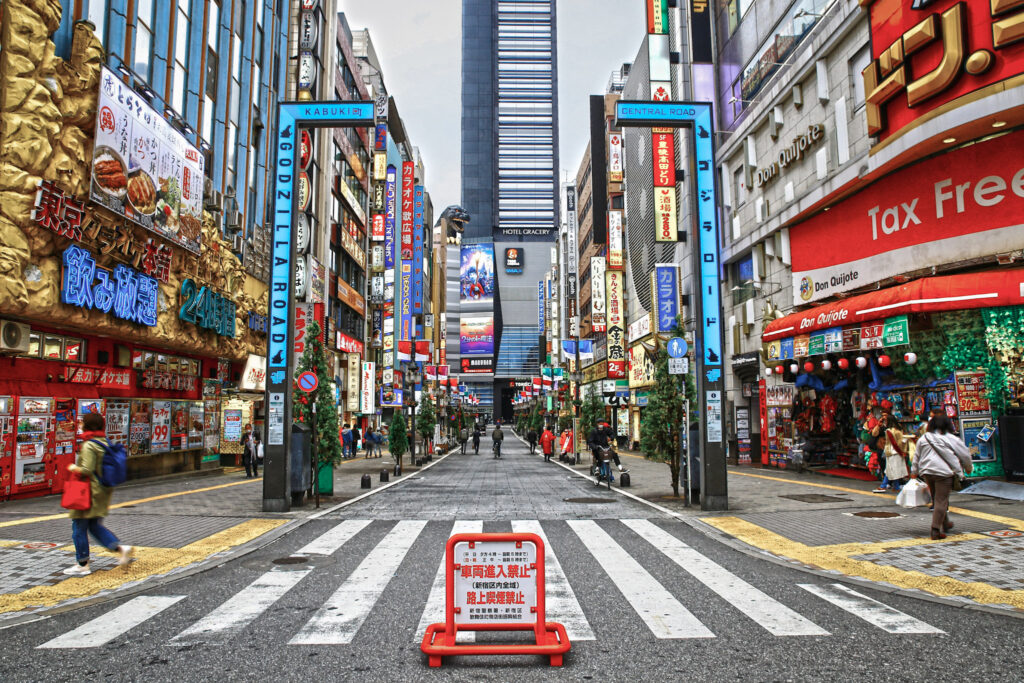
Of course, no first day in Tokyo would be complete without getting hopelessly distracted inside Don Quijote , Japan’s legendary discount megastore. I walked in for snacks and emerged forty minutes later carrying matcha Kit Kats, a tiny lucky cat, and absolutely no memory of how it happened.
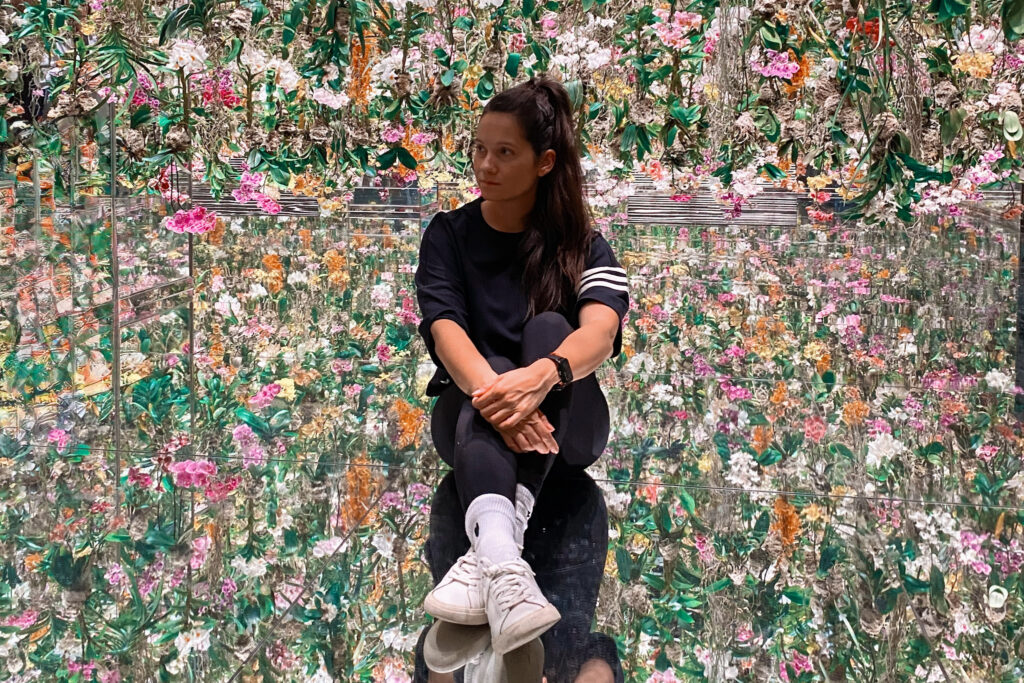
The evening ended at teamLab Planets, Tokyo’s mind-bending digital art museum. Imagine walking barefoot through glowing water, mirrored worlds, and rooms that look like they’re pulled from a dream. It’s immersive, surreal, and one of the most unique experiences in Japan.
Tokyo actually has two teamLab museums — teamLab Planets in Toyosu and teamLab Borderless in Azabudai Hills. They’re different experiences: Planets follows a set route where you go barefoot through water, while Borderless is open-concept with no fixed path, so you wander freely between rooms. I ended up choosing Planets for this trip, but both museums are seriously cool and highly recommended — you really can’t go wrong with either.
Jet Lag Jelly Tip: Book teamLab and Shibuya Sky tickets well in advance — sunset slots for Shibuya Sky especially are popular and tend to sell out quickly. For the classic golden hour view there, aim for 30-60 minutes before sunset; if you'd rather skip the crowds, an early slot before noon gets you a quieter (and often clearer) view instead.

If Planets isn't fully booked or you want the other side of teamLab, check availability for teamLab Borderless too.
Day 2: Temples, Traditions & Tokyo Tower
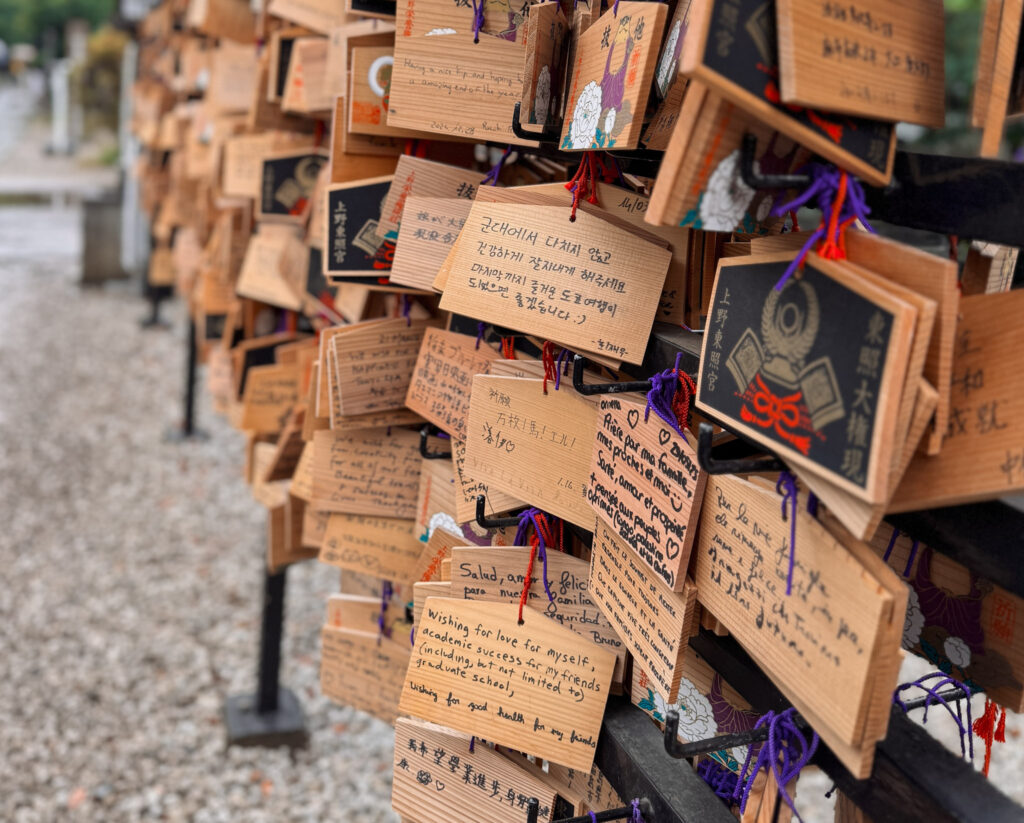
Tokyo may be famous for technology, but some of its most magical moments happen in places that have existed for centuries. Turns out, ancient and chaotic can coexist beautifully.Getting up early paid off — and as someone who treats mornings as a personal enemy, that’s not something I say lightly. Before the crowds arrived, I wandered through Senso-ji Temple in Asakusa, Tokyo’s oldest Buddhist temple. The giant red lantern at Kaminarimon Gate stopped me in my tracks, and the traditional stalls along Nakamise Street were dangerous — I went in for a look and came out somehow holding three souvenirs and a bag of sesame crackers.
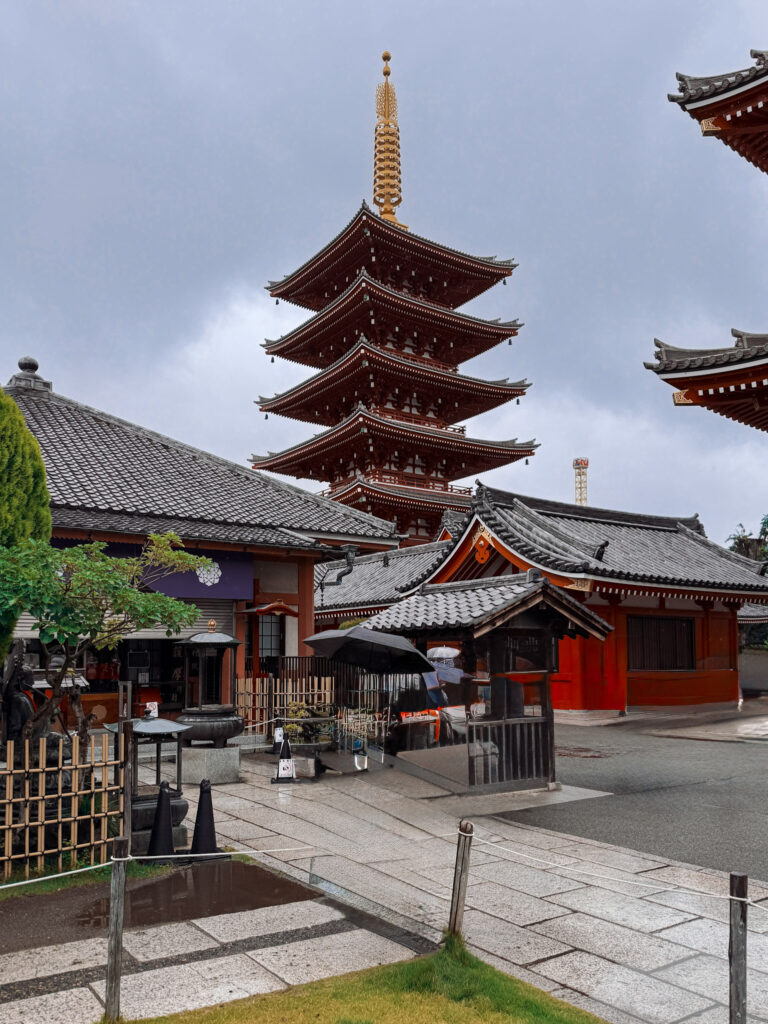
Later, Meiji Jingu Shrine delivered something completely unexpected — silence. Just minutes from some of Tokyo’s busiest shopping districts, the forest surrounding the shrine felt like someone had pressed mute on the entire city. Highly recommend.
The day ended high above the city at Tokyo Tower, watching the lights slowly flicker on across one of the world’s largest metropolitan areas. One of those views where you just stand there, phone down, and actually take it in. And just like that, I was already falling for Japan.
Jet Lag Jelly Tip: Hit Senso-ji early — ideally before 8am. The difference between crowds and no crowds is genuinely the difference between magical and chaotic.
Day 3: Chasing Mount Fuji (And Finding Much More)
If there is one image that instantly comes to mind when people think of Japan, it’s Mount Fuji. The challenge? Fuji likes to play hide-and-seek. We got lucky — just enough breaks in the clouds to catch views that made the whole trip worthwhile.
First stop was the tiny but ridiculously charming village of Fujikawaguchiko-Saiko — proof that small places can completely steal the show.
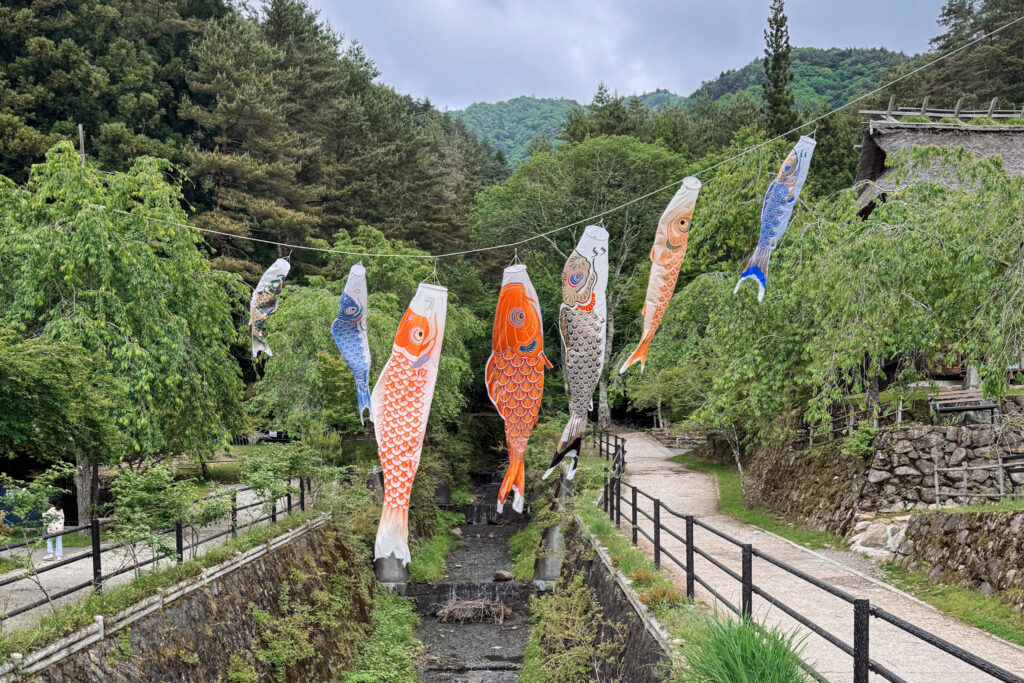
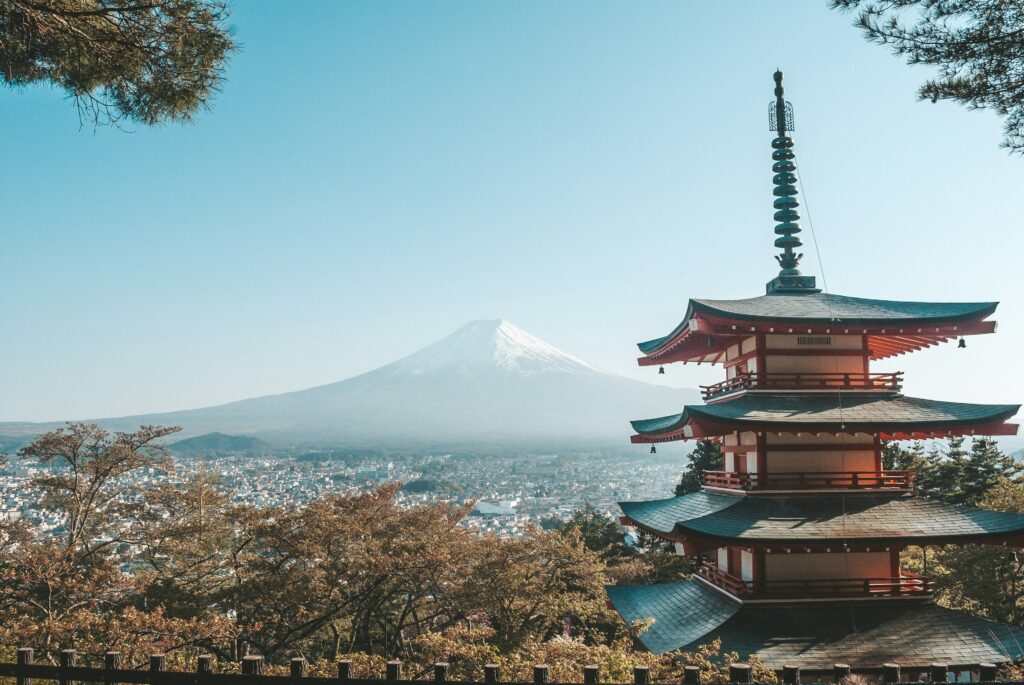
Then came Arakurayama Sengen Park and the iconic Chureito Pagoda. If you’ve saved a Japan bucket list photo on Instagram, chances are it was taken here. The stair climb is a workout. The view at the top is worth every step.
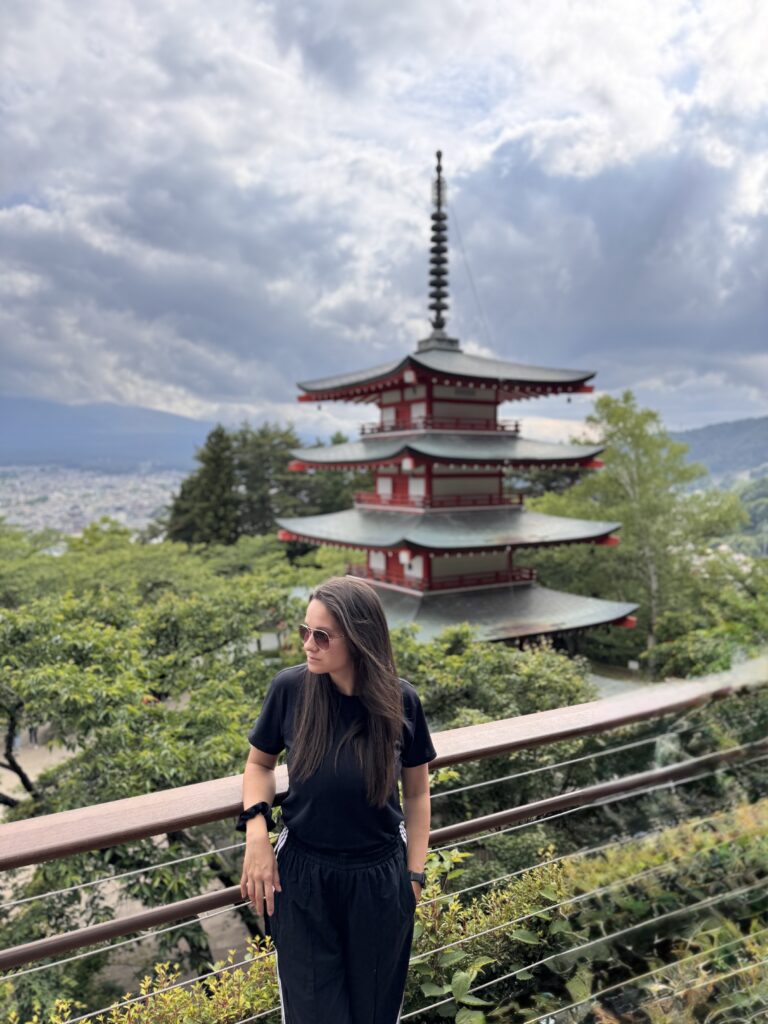
Next came a quick stop at the charming Hikawa Clock Shop area, one of those hidden corners of Japan that somehow feels untouched by time. Traditional streets, local businesses, and a perfectly framed Fuji backdrop made it one of the day’s most unexpected highlights.
At Oshino Hakkai, crystal-clear ponds fed by melted snow from Mount Fuji create an almost magical atmosphere. The water is so clear that it barely looks real.
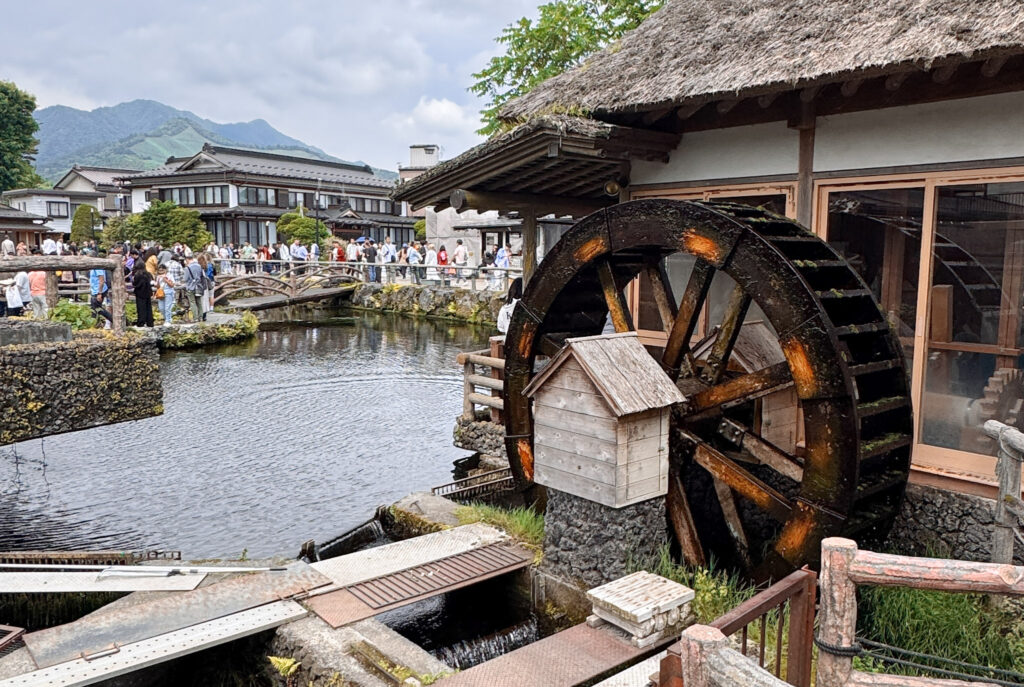
Oshino Hakkai served up something almost unreal — crystal-clear ponds fed by melted snow from Mount Fuji. The water is so clear it looks photoshopped. It isn’t.
The day ended at Oishi Park, seasonal flowers blooming along the lakeshore, Mount Fuji towering behind them. The kind of scene that makes you question whether you’re actually in real life.
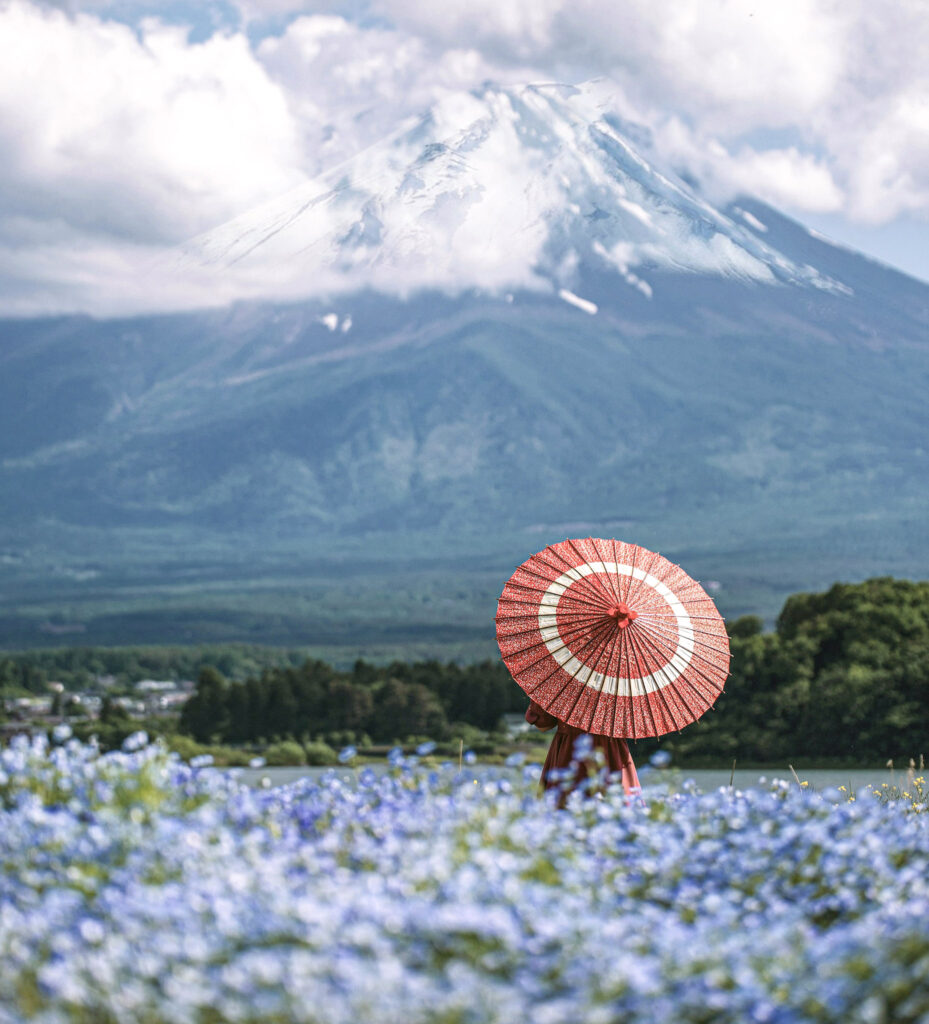
Jet Lag Jelly Tip: Book an organized tour for the Fuji area — navigating trains and buses solo is doable but stressful. Let someone else handle the logistics and just enjoy the views. I booked through GetYourGuide and it made the whole day completely stress-free — just show up and follow the guide.
Weather can completely change your Fuji experience. If possible, build flexibility into your Japan itinerary and choose a clear day for this excursion.
Day 4: Nikko—Japan’s Most Beautiful Day Trip?
Ask ten travelers for the best day trip from Tokyo, and Nikko will appear on most lists. After visiting, I completely understood why.
I booked an organized tour through GetYourGuide — and honestly, best decision ever. Navigating the trains to Nikko solo would have been an adventure in itself, and not necessarily the fun kind. Sometimes letting someone else handle the logistics is just the smarter move. No shame.
The day started at the elegant Shinkyo Bridge, one of Japan’s most photographed bridges. Its bright red color contrasts beautifully against the surrounding forest and river below.
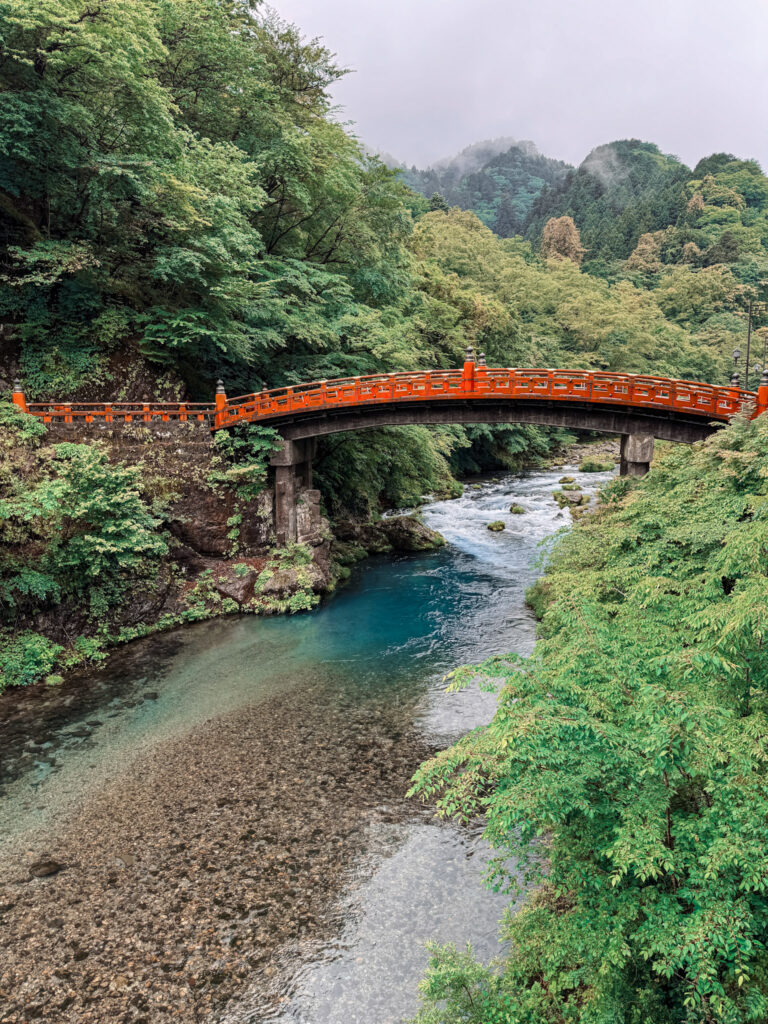
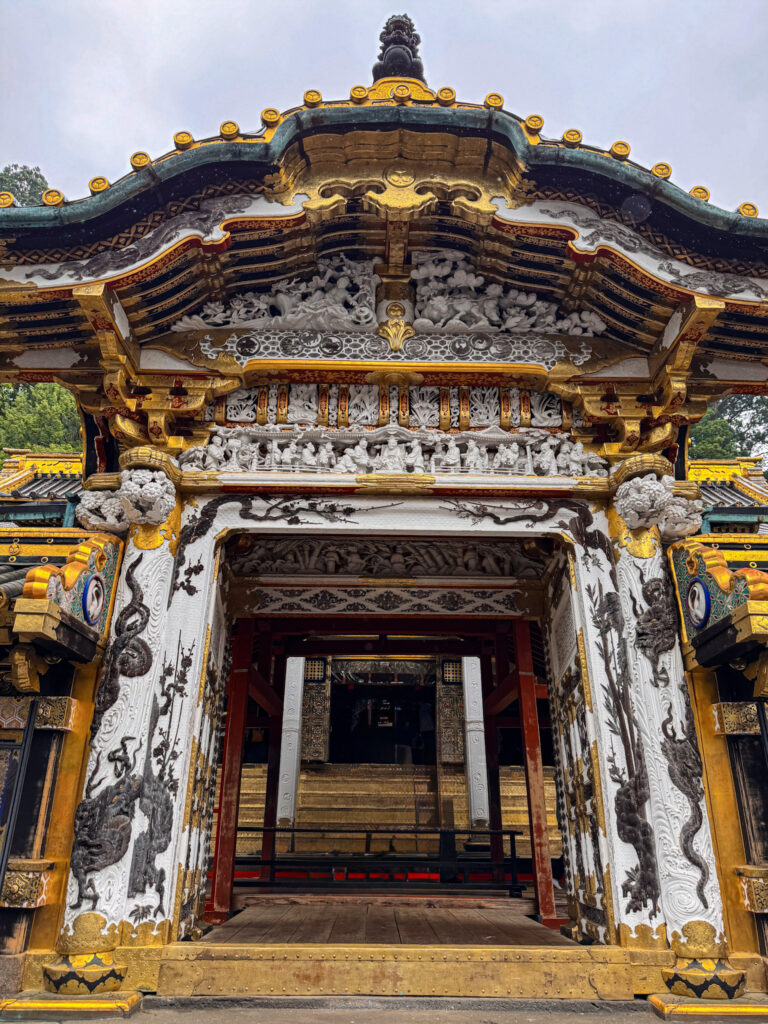
But the true star of Nikko is Toshogu Shrine.
Unlike the minimalist aesthetic often associated with Japanese temples, Toshogu is extravagant. Gold leaf, intricate carvings, colorful decorations, and centuries of history make it one of the country’s most spectacular religious sites. Oh, and the famous ‘See No Evil, Hear No Evil, Speak No Evil’ monkeys? Also here. Iconic for a reason.
Later, nature took center stage. Kegon Falls crashes dramatically into the valley below and is considered one of Japan’s most impressive waterfalls. Nearby Lake Chuzenji offered a completely different mood—peaceful, serene, and surrounded by forested mountains.
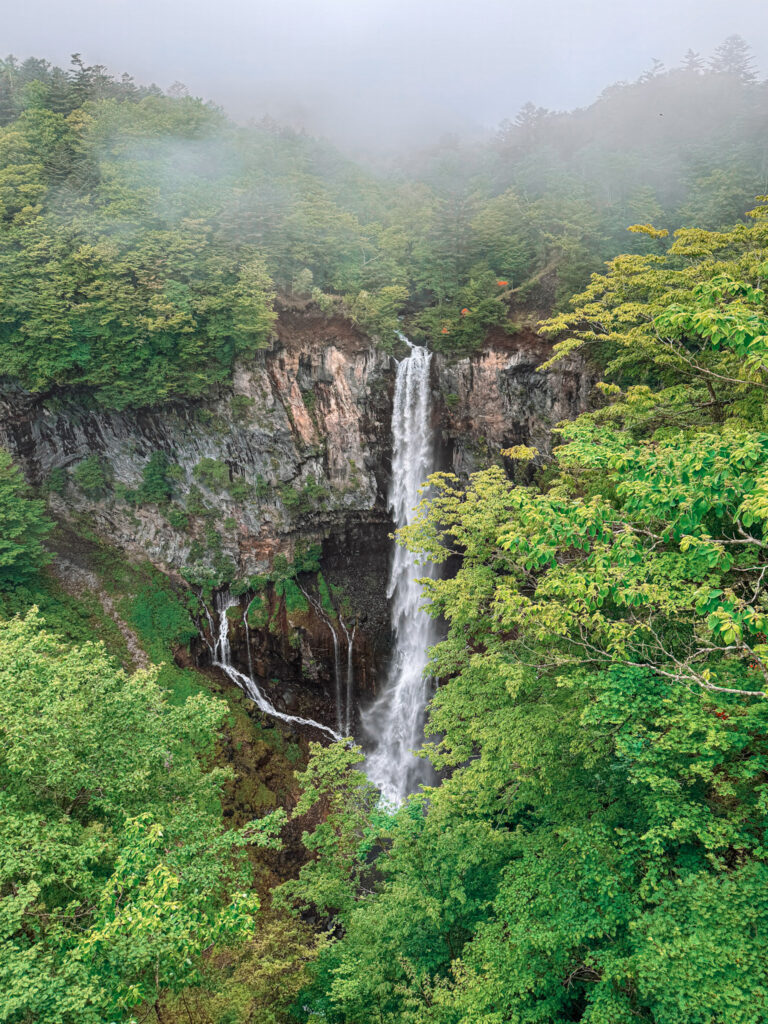
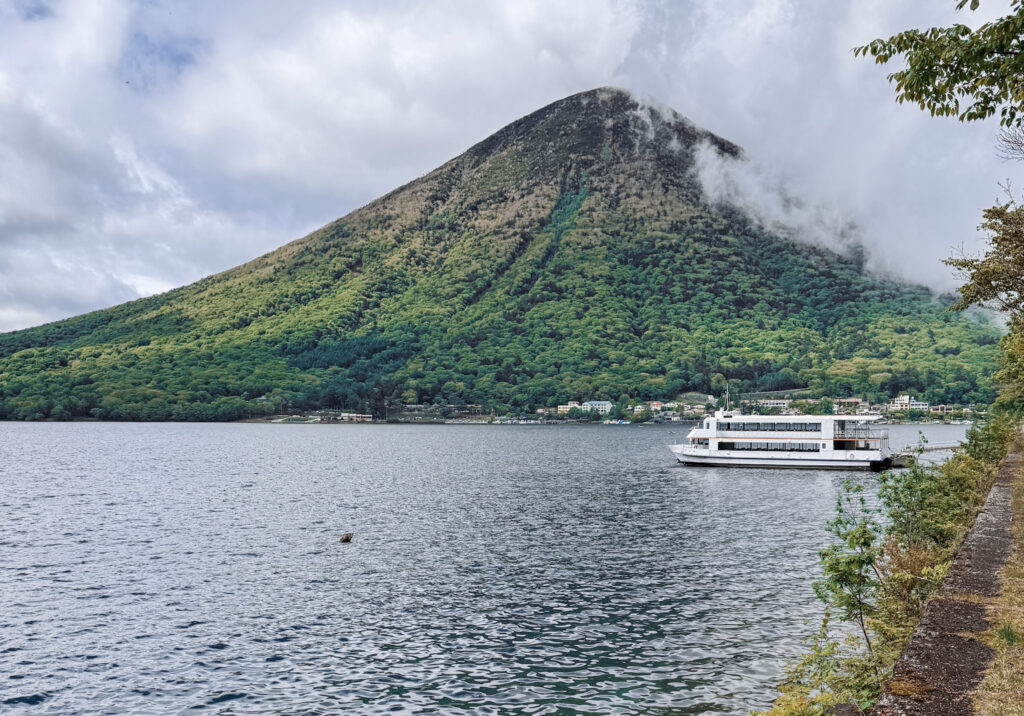
By the time we returned to Tokyo, Nikko had firmly secured its place among my favorites — and had me quietly googling “how long is too long to stay in Nikko.”
Day 5: Kanazawa—Japan’s Best-Kept Secret
While Tokyo and Kyoto often steal the spotlight, Kanazawa quietly became one of the biggest surprises of the entire trip. Nobody warned me it would be this good. Rude. After a comfortable train journey, I arrived in a city that somehow feels both sophisticated and deeply traditional at the same time.
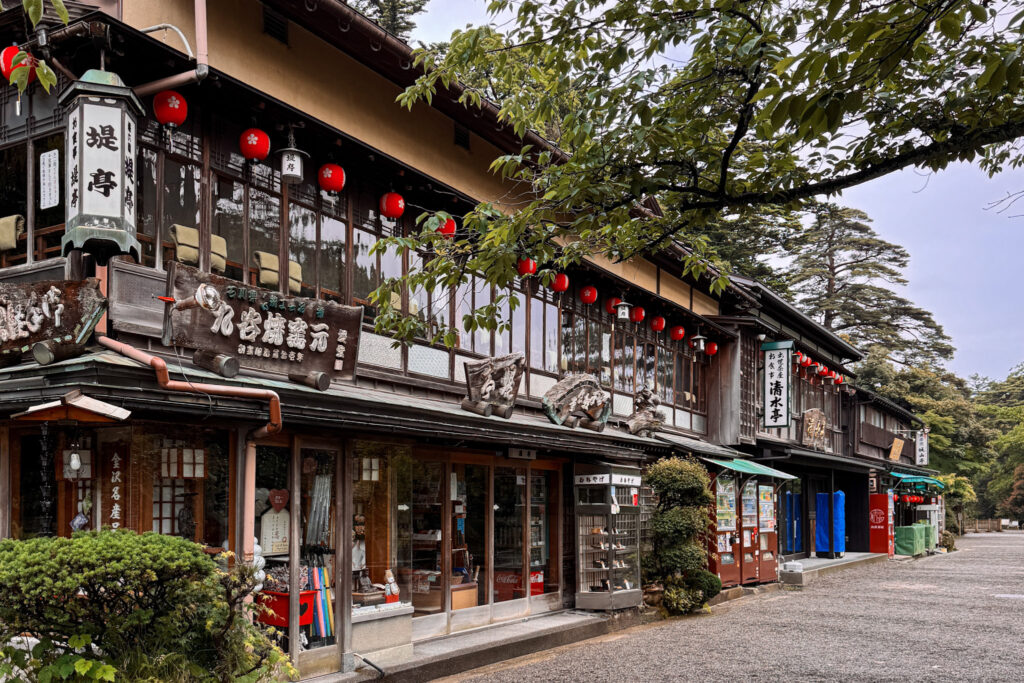
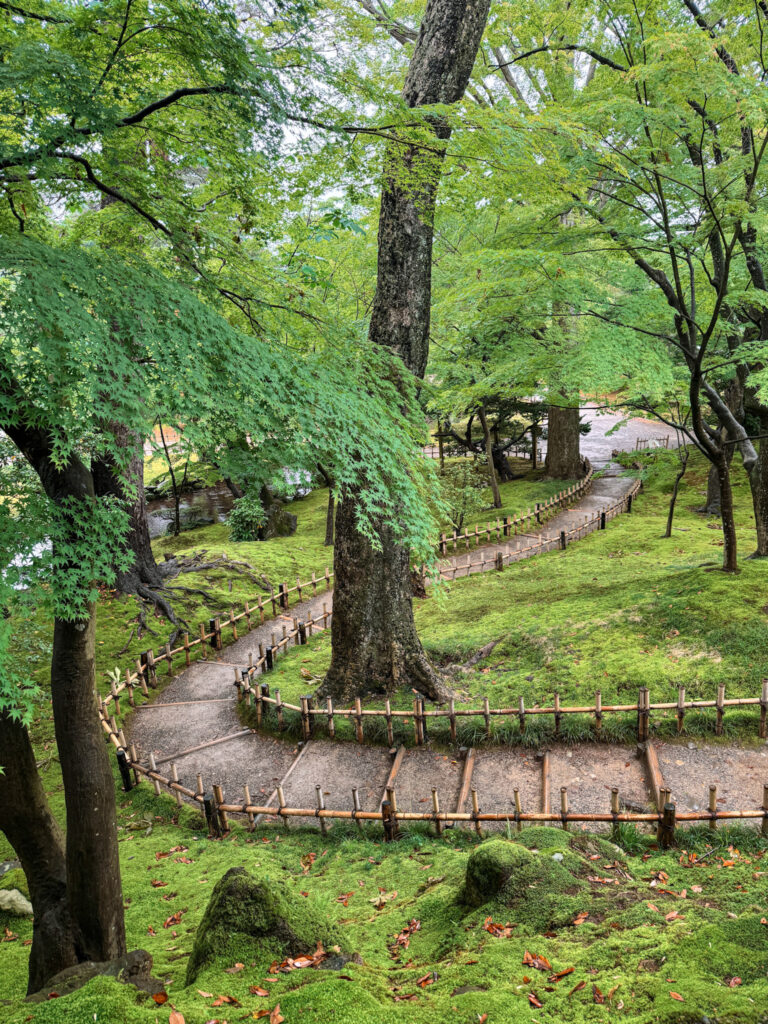
Kenroku-en Garden is widely considered one of the three most beautiful gardens in Japan — and walking through it, you completely understand why. Every corner is almost unreasonably photogenic.
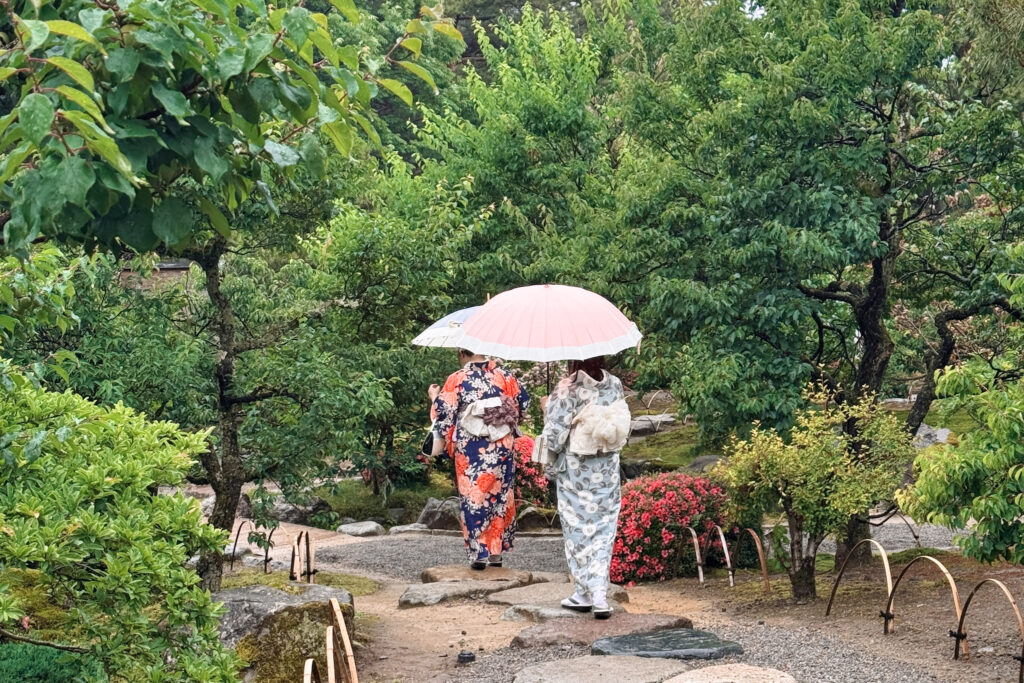
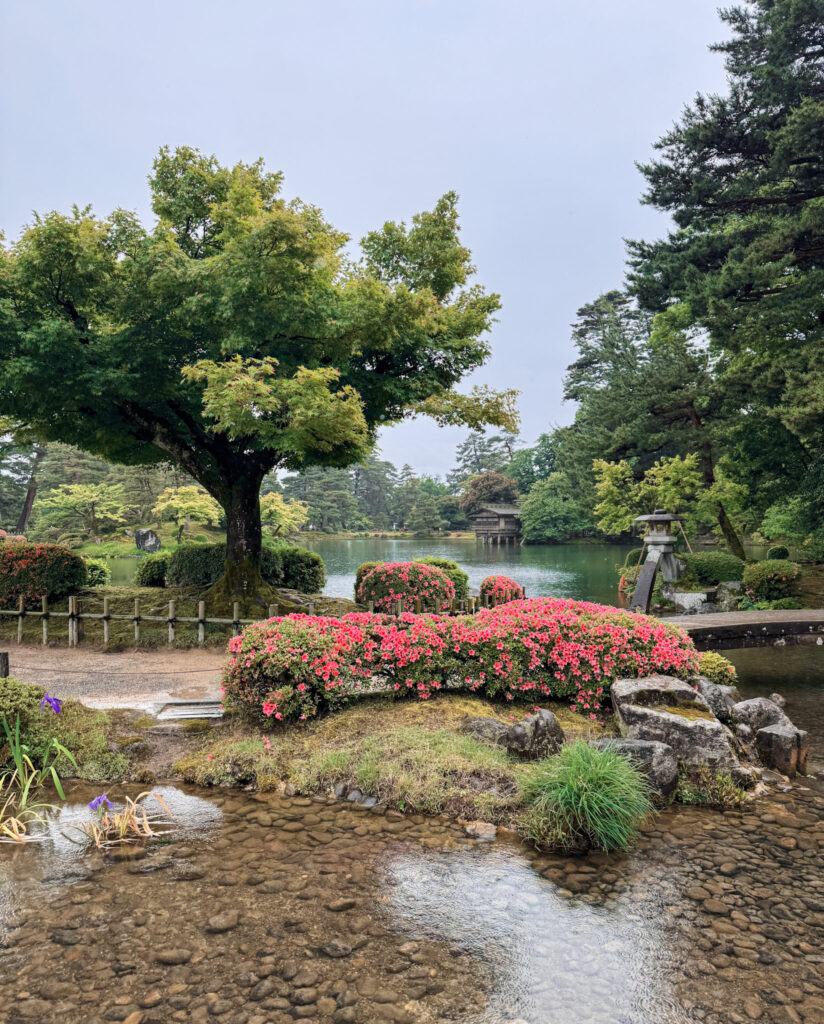
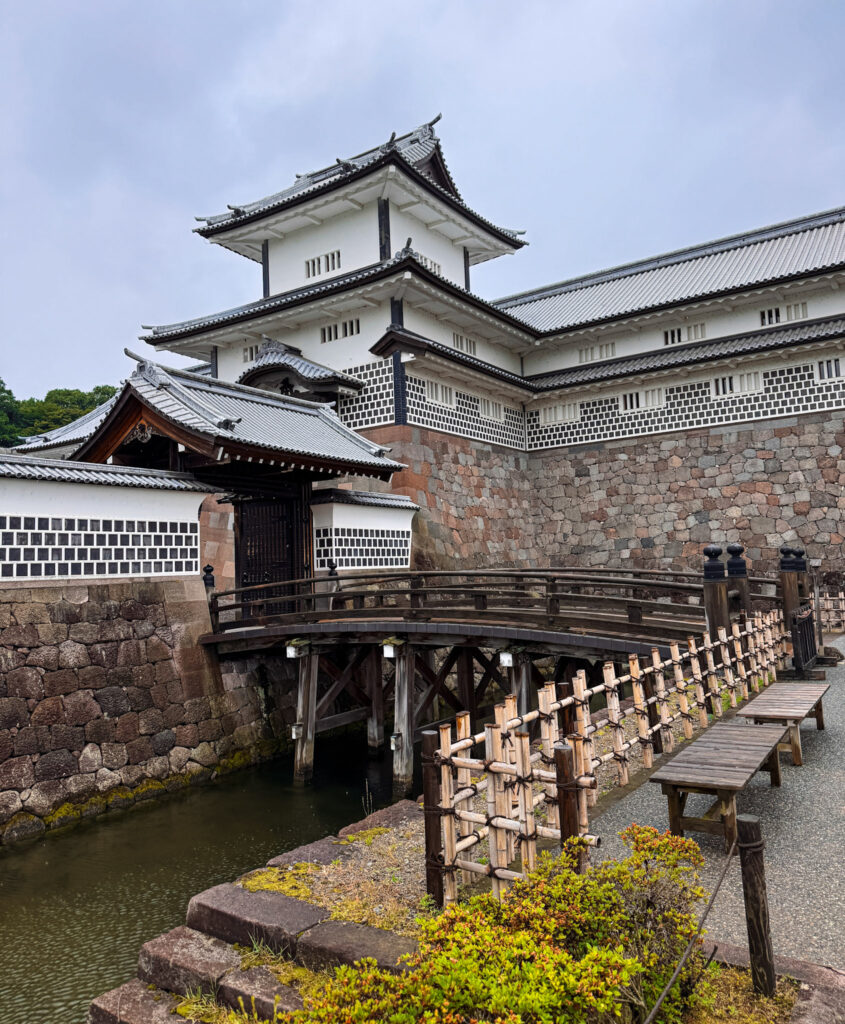
A short walk away, Kanazawa Castle delivers feudal Japan in full — massive stone walls, restored wooden structures, and the kind of atmosphere that makes you feel like you’ve wandered onto a movie set.
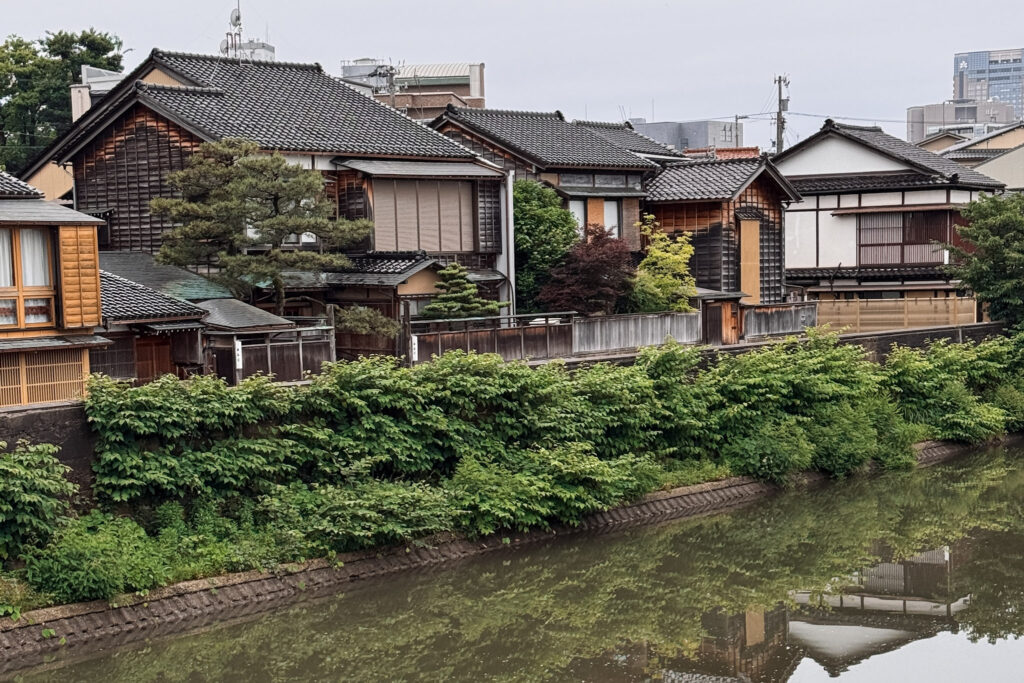
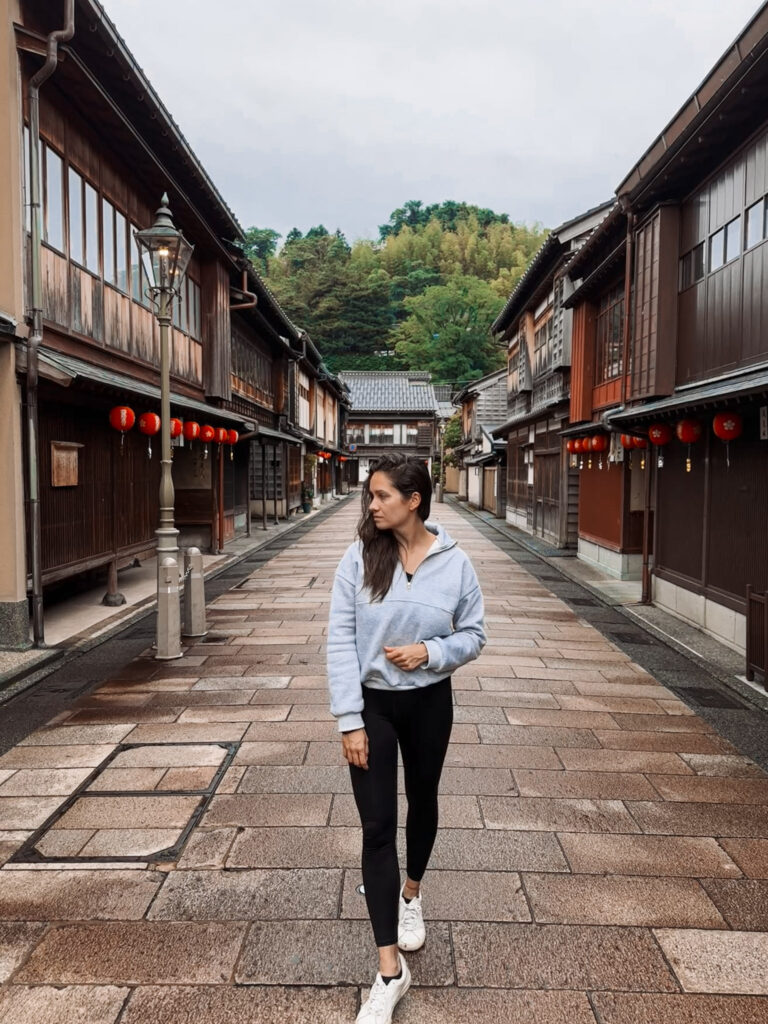
As the sun began to set, I wandered into Higashi Chaya District — Kanazawa’s historic geisha quarter. Beautifully preserved wooden buildings, traditional tea houses, narrow lantern-lit streets. It felt less like sightseeing and more like stepping into another century.
Getting There: Kanazawa is easily reachable from Tokyo by the Hokuriku Shinkansen — the fastest option is the Kagayaki train, which takes just 2 hours 28 minutes from Tokyo Station to Kanazawa Station. The slower Hakutaka takes around 3 hours but makes more stops and has unreserved seating options. A standard reserved seat costs around ¥14,380 (approximately $96 USD) in 2026. If you have a JR Pass, this route is fully covered — just reserve your seat free at any JR green window counter. You can check timetables and book tickets online at NAVITIME Japan Travel.

Useful Information: The Kagayaki is fully reserved — no walk-on seats available, so book in advance. The window seat on the right side of the train departing from Tokyo offers the best views of the Japanese Alps along the way.

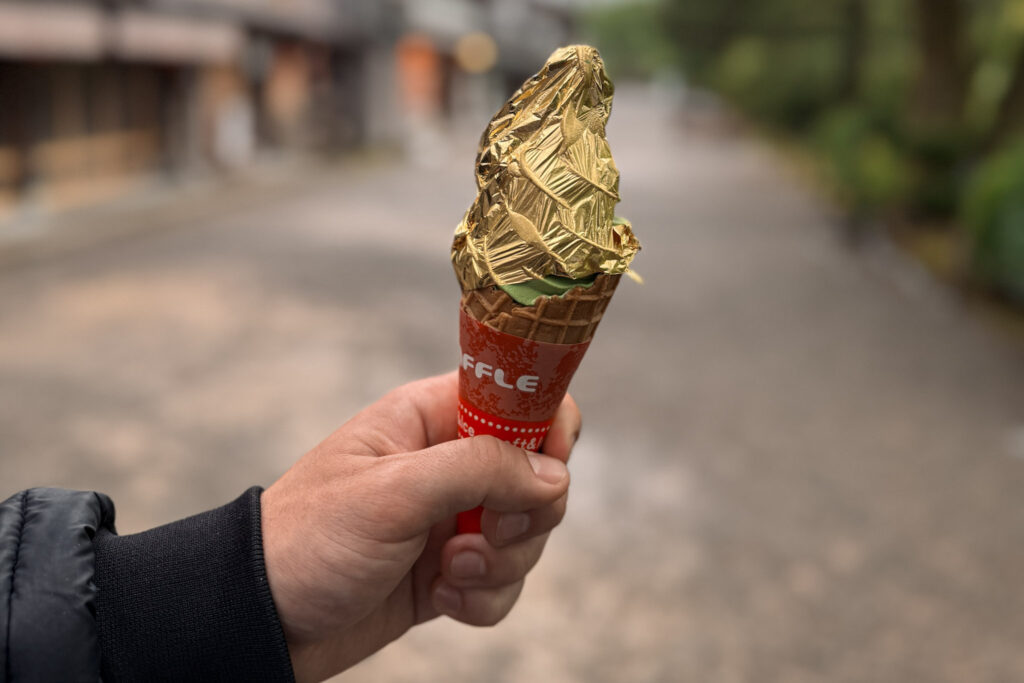
Jet Lag Jelly Tip: Get the gold-leaf ice cream. Kanazawa produces nearly all of Japan's gold leaf, and yes, people really eat it. Yes, it's worth it. Yes, you will take seventeen photos of it before eating.
Day 6: Storybook Villages in Shirakawa-go & Takayama
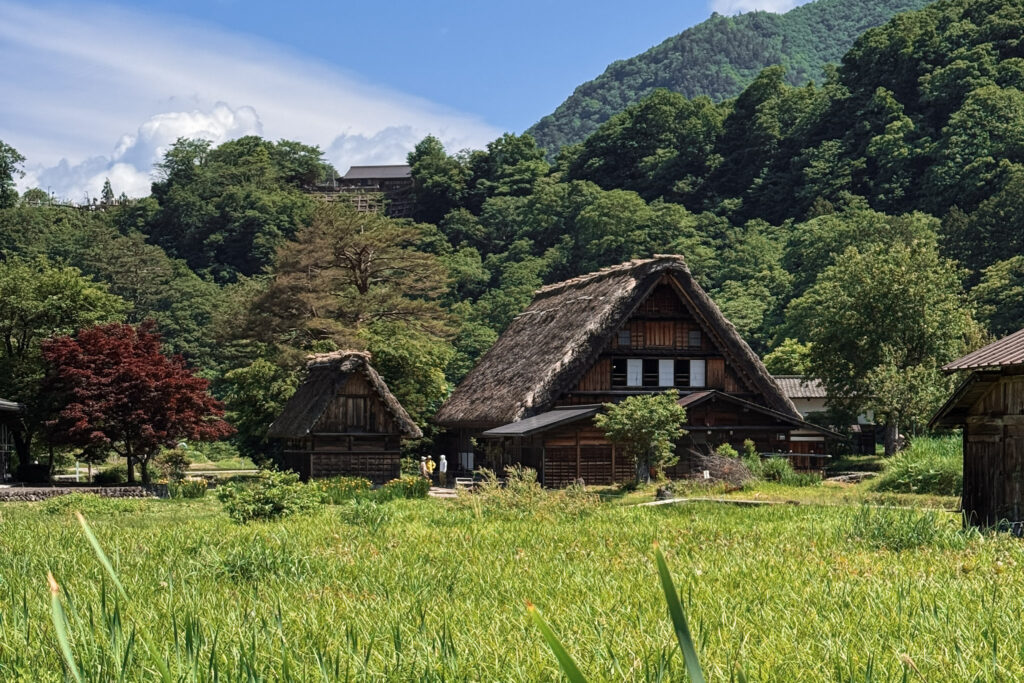
Some places feel too picturesque to be real. Shirakawa-go is definitely one of them. I joined an organized daily tour for this one, which turned out to be a very good decision—because getting out here on your own involves more planning than my jet-lagged brain was prepared to handle at this point in the trip. The bus did the thinking, I just showed up and tried not to fall asleep during the scenic parts.
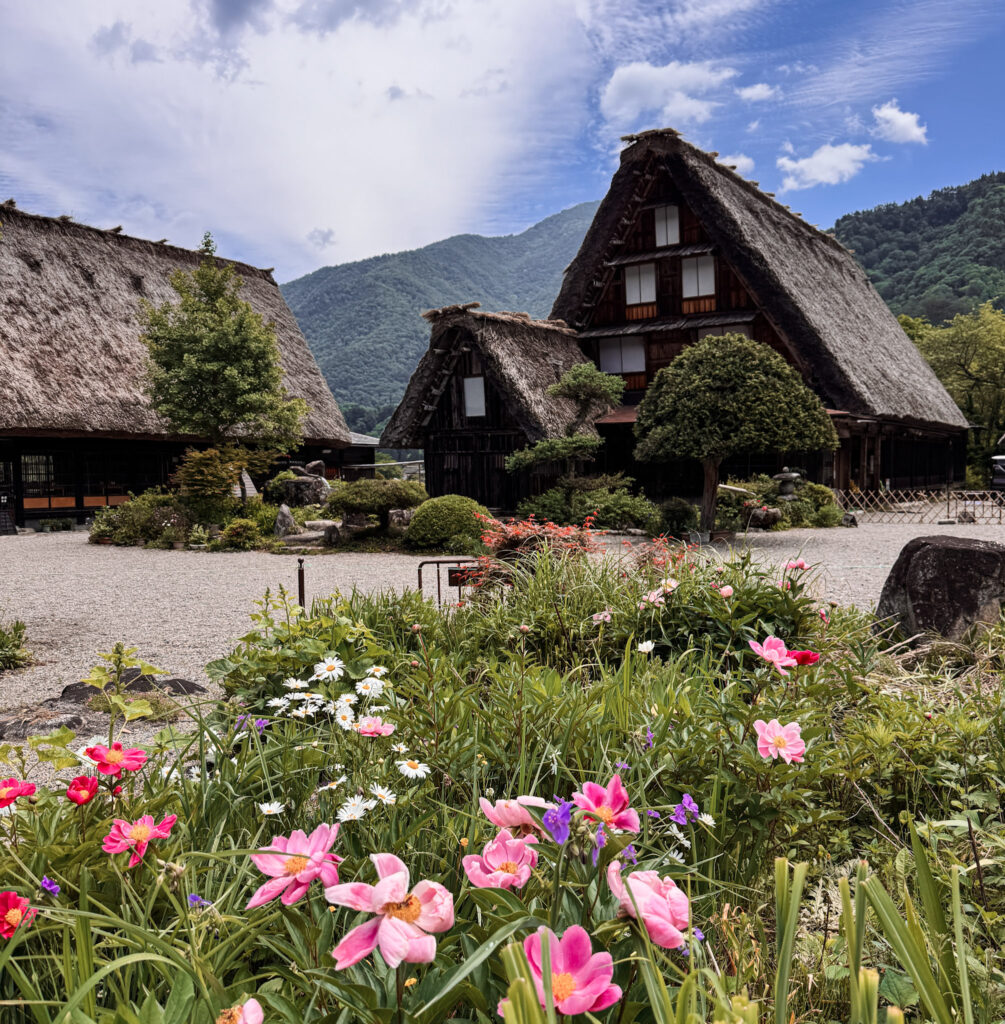
Shirakawa-go is a UNESCO World Heritage village tucked into the mountains, famous for its gassho-zukuri farmhouses—those steep thatched roofs shaped like hands pressed together in prayer. It’s the kind of place where you keep expecting a movie crew to yell “cut,” but nothing happens. It just exists like that.
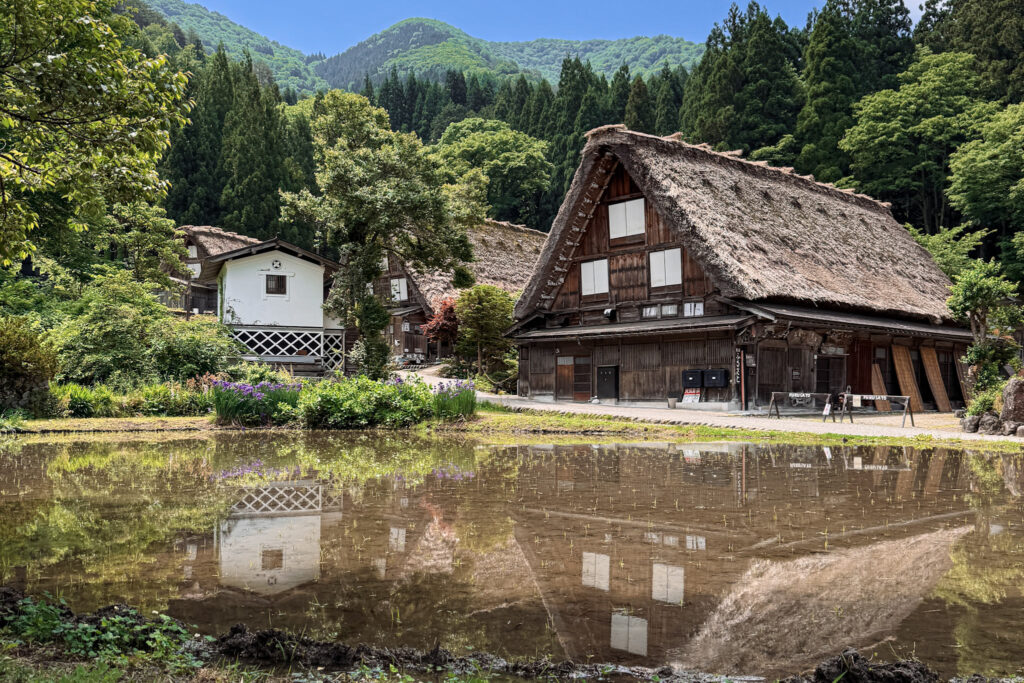
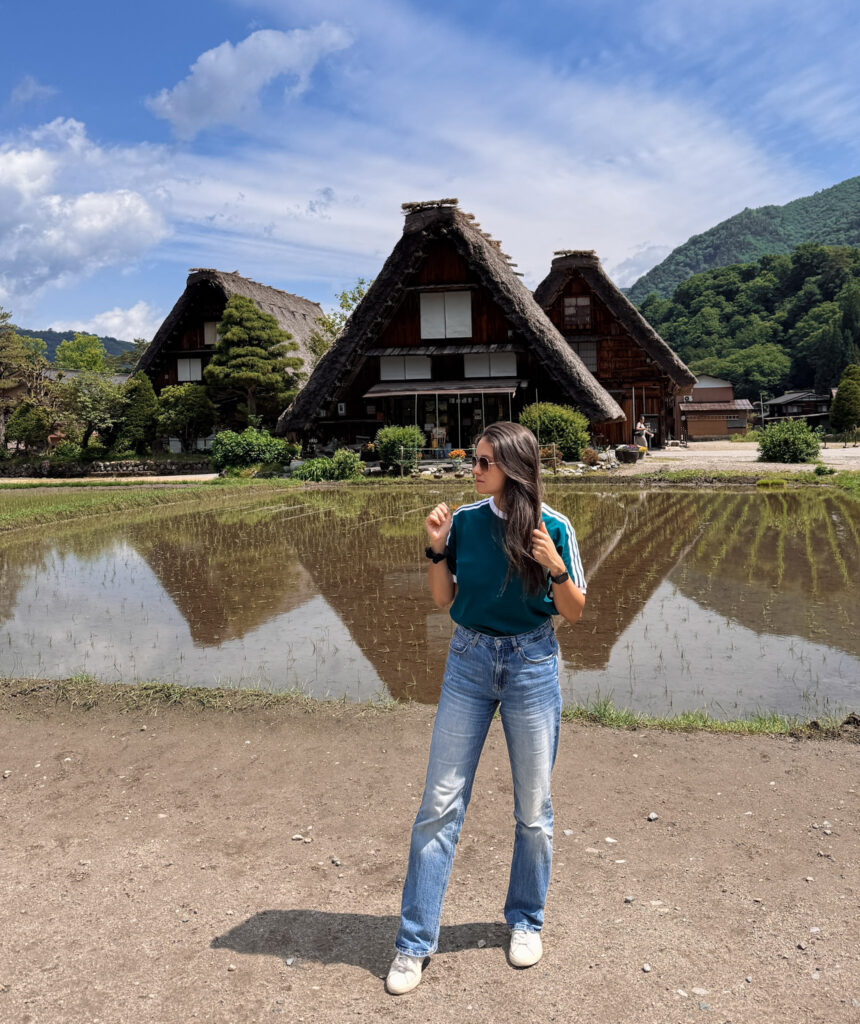
Whether dusted in snow or surrounded by summer green, it looks aggressively storybook in the best possible way. Almost unfairly photogenic.
Later, we rolled on to Takayama. Takayama slows everything down in a way your body doesn’t fully agree with at first, especially if you’ve been hopping between cities for days. The old town is beautifully preserved—wooden merchant houses, sake breweries, and streets that seem allergic to modern chaos.
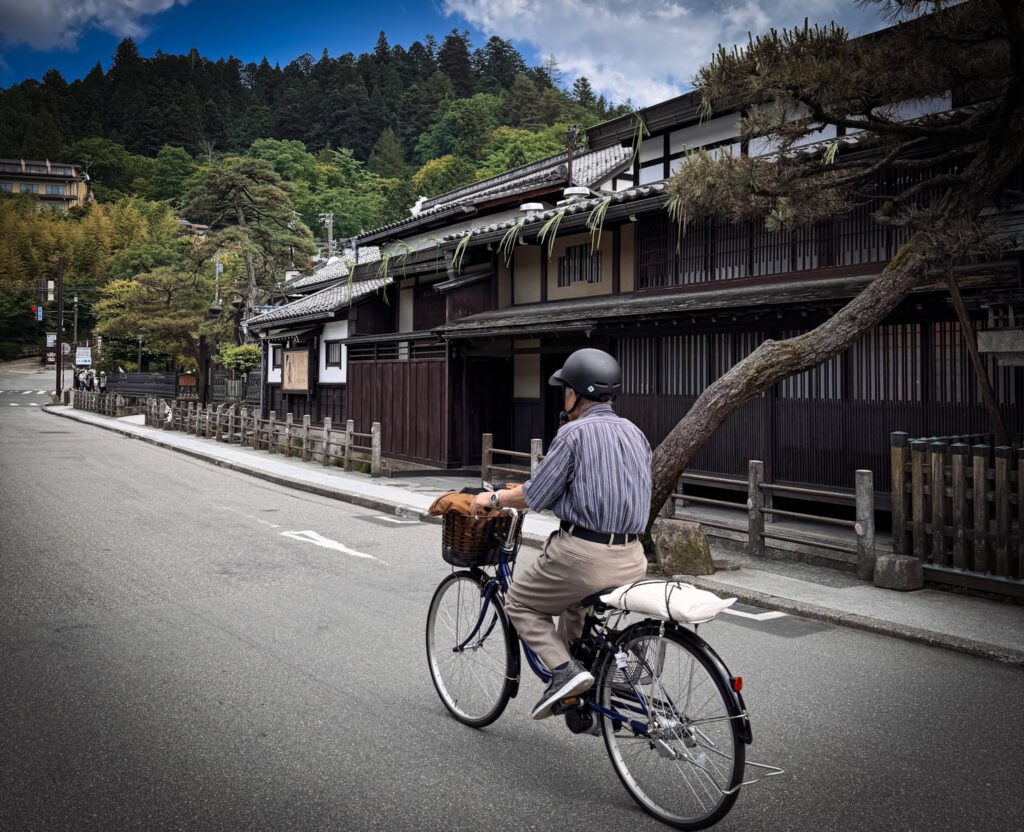
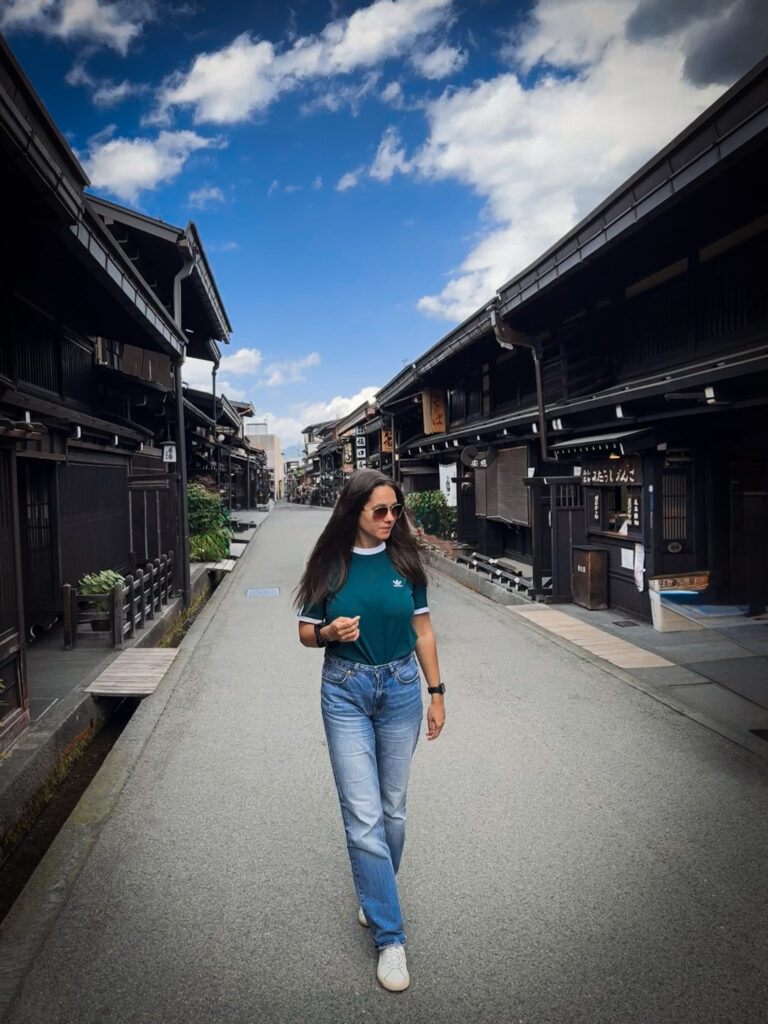
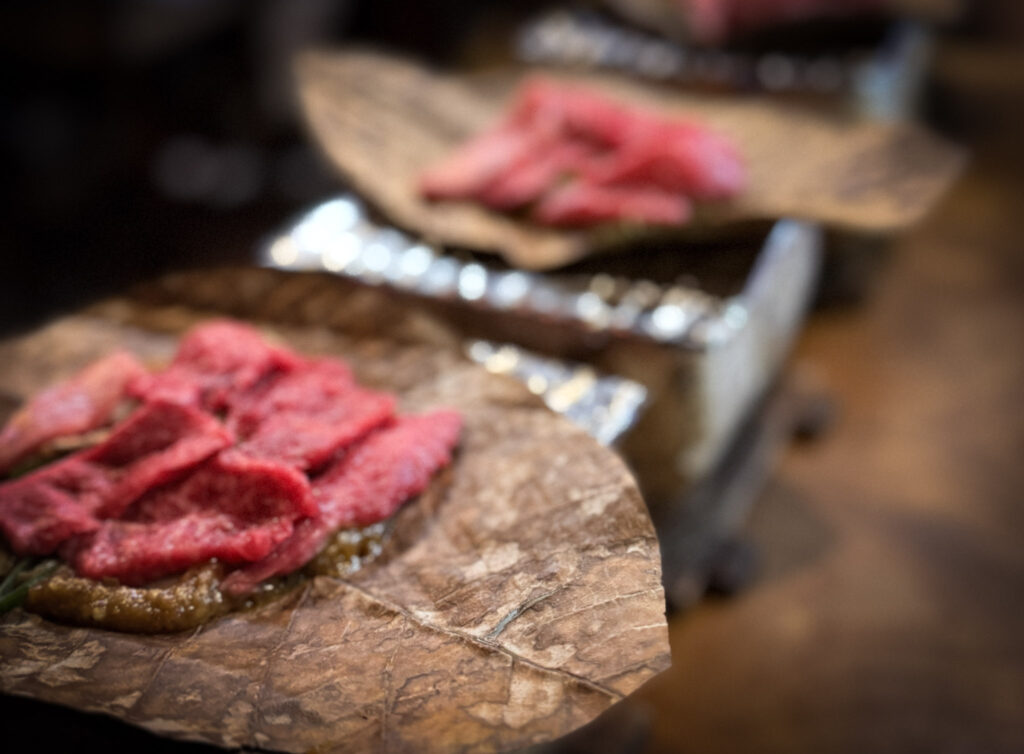
It’s also one of the best places in Japan to try Hida beef, often considered a rival to Kobe beef. At this point in the trip, I had stopped asking too many questions about food and just accepted that everything would be excellent. Lunch confirmed that theory.
Another day, another reminder that organized tours are secretly just time machines for efficient sightseeing—especially when your internal clock is still somewhere over the Pacific.
Jet Lag Jelly Tip: Book an organized tour for Shirakawa-go — getting there independently involves multiple buses and a lot of planning that your trip-tired brain will not thank you for. I used GetYourGuide and it was seamless. Show up, look around, eat Hida beef, repeat.
Day 7: Hiroshima—A Day That Stays With You
Getting Hiroshima from Kanazawa: There's no direct train from Kanazawa to Hiroshima — you'll need two transfers, but the journey is well-signposted and straightforward. The fastest route takes around 3 hours 48 minutes: Kanazawa → Tsuruga on the Hokuriku Shinkansen, then Tsuruga → Kyoto on the Thunderbird limited express, then Kyoto → Hiroshima on the Sanyo Shinkansen.

Total cost is around ¥18,200 for a reserved seat. If you have a JR Pass, all three legs are covered — just reserve your seats free at any JR green window counter. You can book tickets in advance at Shinkansen-Ticket.com.
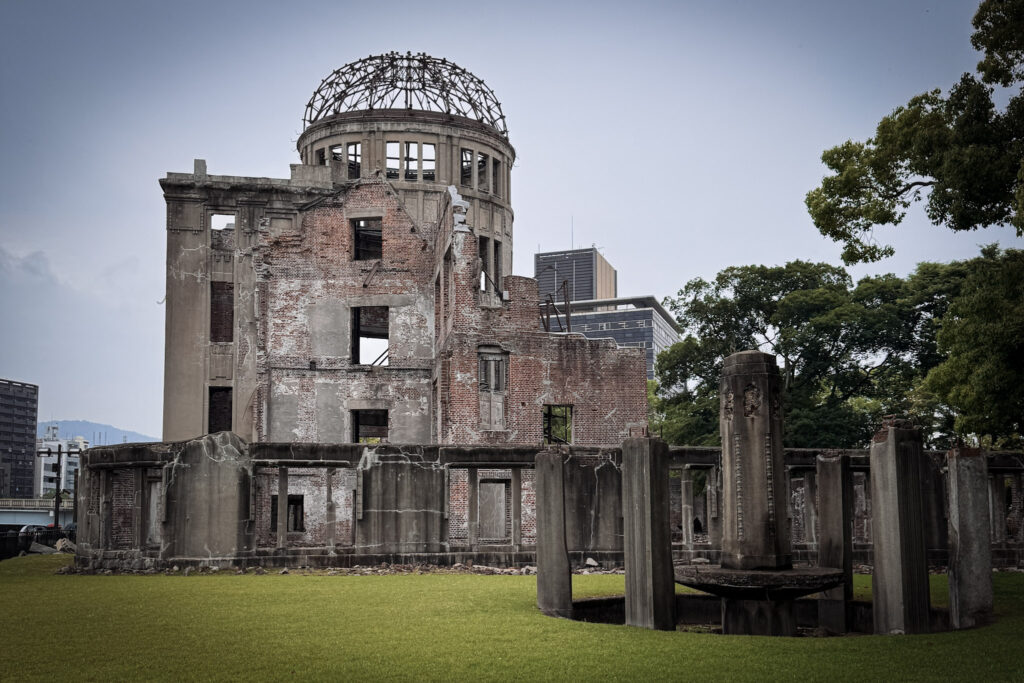
Some days on a trip are about sightseeing. This one was about something more. Hiroshima Peace Memorial Park is not just a tourist attraction. It is a place of remembrance, education, and hope — and one of those stops that genuinely changes you a little. Walking through the park and visiting the Peace Memorial Museum hits harder than you expect. I went in knowing the history. I still wasn’t fully prepared.
The Atomic Bomb Dome stands as a silent reminder of tragedy, but the city surrounding it tells a completely different story — one of resilience, rebuilding, and refusing to be defined by its darkest moment.
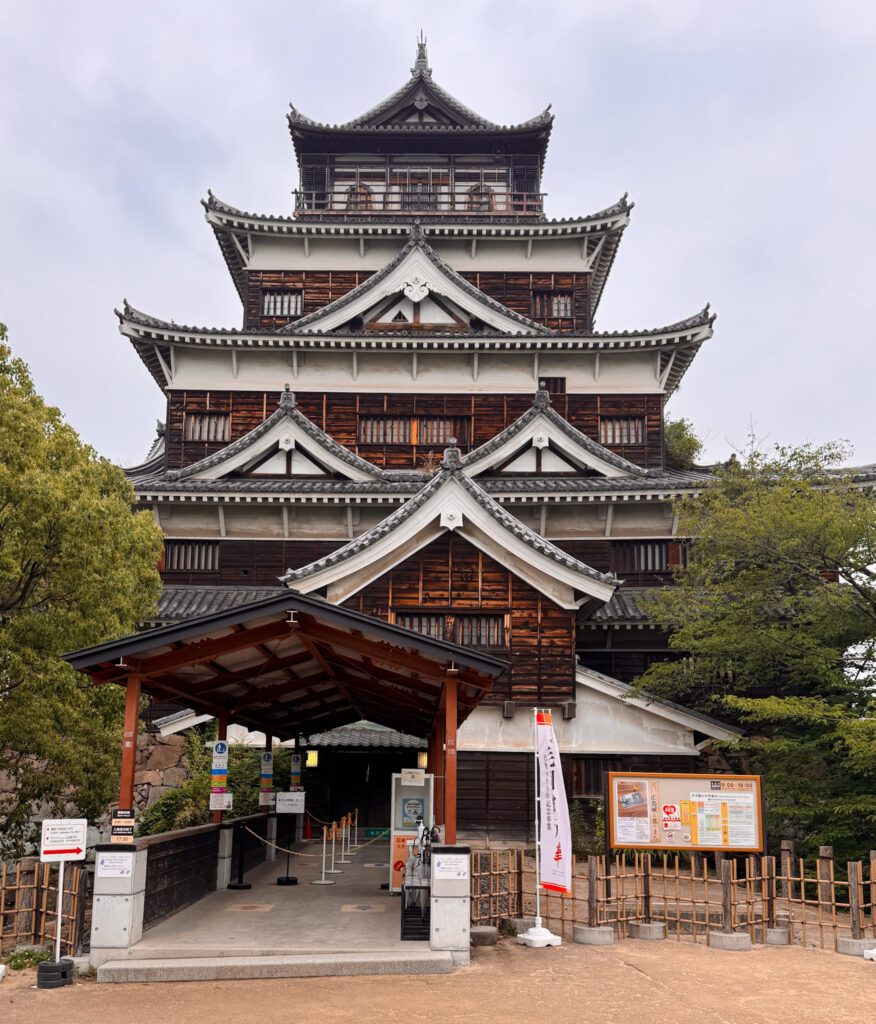
Speaking of rebuilding — just a short walk away stands Hiroshima Castle, also known as Carp Castle. Originally built in the 1590s, destroyed by the bomb, and rebuilt in 1958. Much like Hiroshima itself: knocked down, built back up, and more beautiful for it.
Today, Hiroshima is vibrant, welcoming, and full of life. Impossible to leave without a deeper appreciation for both history and humanity — and maybe a quiet moment of gratitude for the world we live in now.
Jet Lag Jelly Tip: Visit the Peace Memorial Museum early and give yourself more time than you think you need. It's not a quick walk-through — the exhibits are detailed, emotional, and worth every minute. Also, maybe don't plan anything too upbeat immediately after. You'll need a quiet moment to process.
Day 8: Miyajima’s Floating Torii and Friendly Deer
If Japan had a “most photogenic island” competition, Miyajima would probably win. A short ferry ride from Hiroshima brought us to one of the country’s most iconic locations — and getting there is actually part of the experience.
Getting There: There are three main ways to reach Miyajima from Hiroshima.

The most straightforward option is to take the JR Sanyo Line from Hiroshima Station to Miyajimaguchi Station (about 25 minutes, ¥420 one way, covered by JR Pass), then walk a few minutes to the ferry terminal and hop on the JR West Miyajima Ferry — a 10-minute crossing for just ¥200 one way. Ferries run approximately every 15 minutes during the day, no reservation needed. If you have a JR Pass, the ferry is completely free — just show your pass at the gate. Between 9:10am and 4:10pm, selected JR ferries take a special route that swings closer to the iconic floating torii gate — one of the best free photo opportunities of the entire trip, so position yourself on the right side of the boat.

The more scenic alternative is the Aqua Net direct ferry from Motoyasu Pier, right beside the Peace Memorial Park — a 45-minute crossing for ¥2,200 one way that lets you see Hiroshima from the water. More expensive and not covered by JR Pass, but a beautiful way to connect two of Hiroshima's most important sites in one journey. You can check the Aqua Net World Heritage Sea Route for timetables and booking.

If you'd rather not plan any of this yourself, a guided day tour from Hiroshima to Miyajima handles transport, ferry tickets, and often a local guide who can point out details you'd otherwise miss — a good option if you're short on time or traveling without a rail pass.
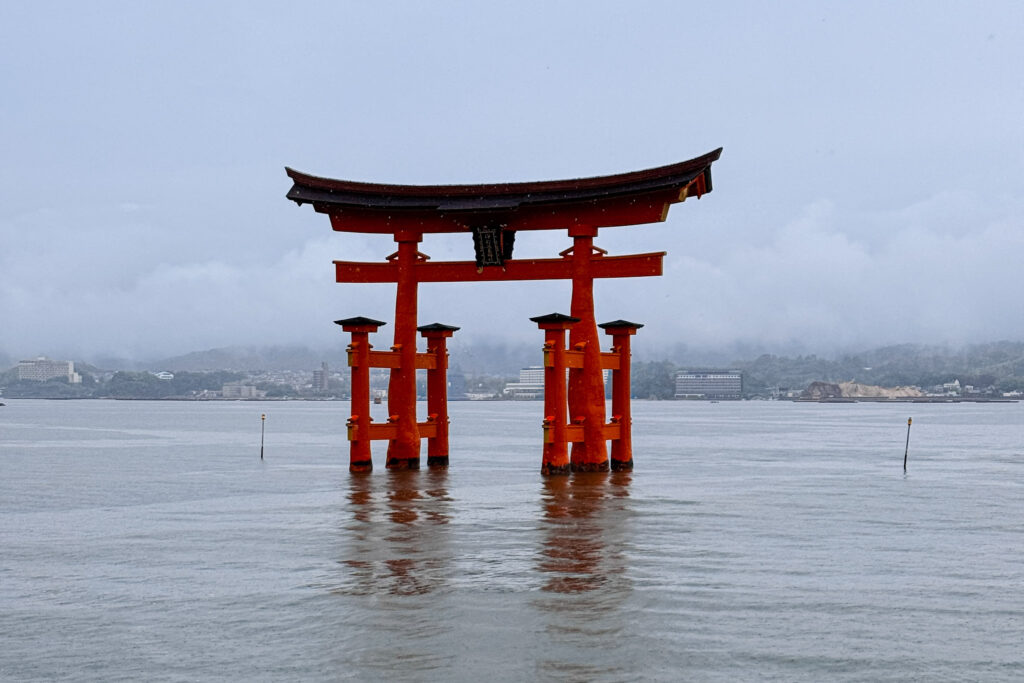
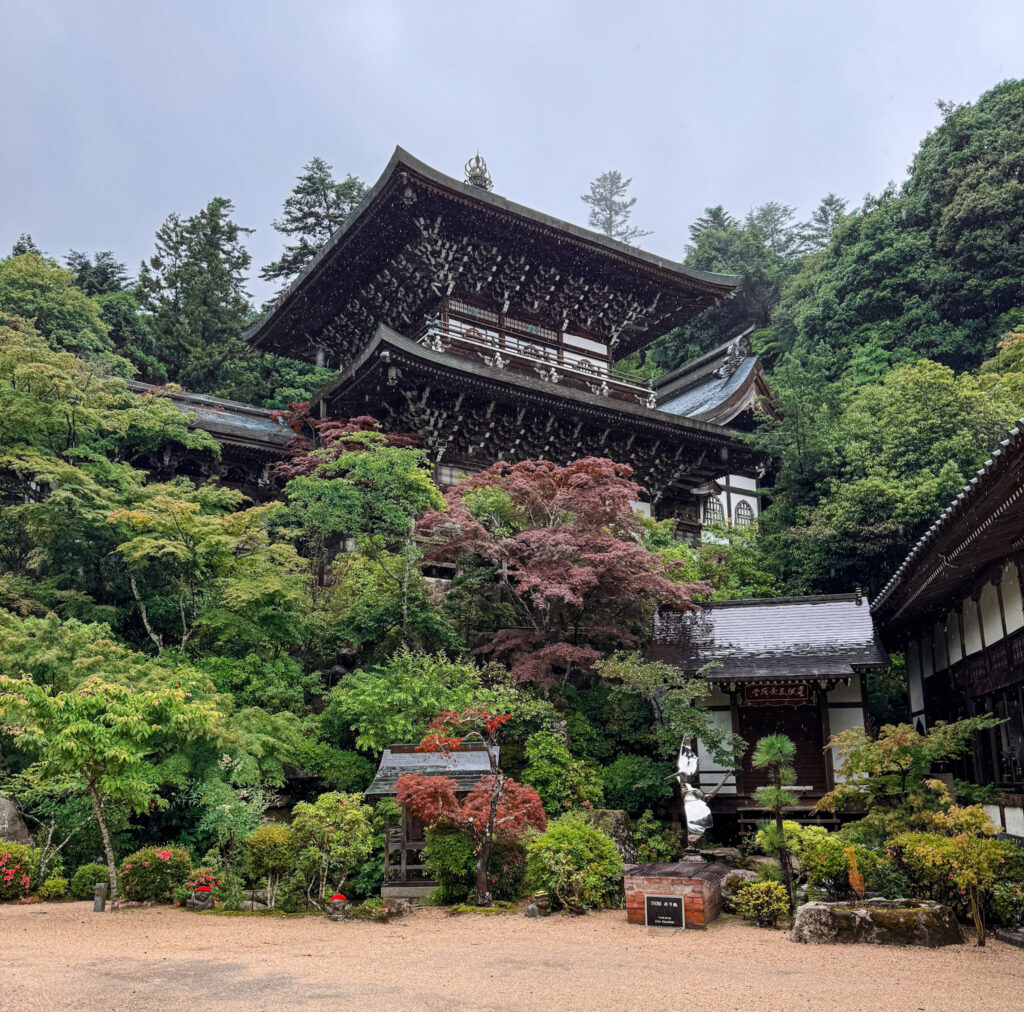
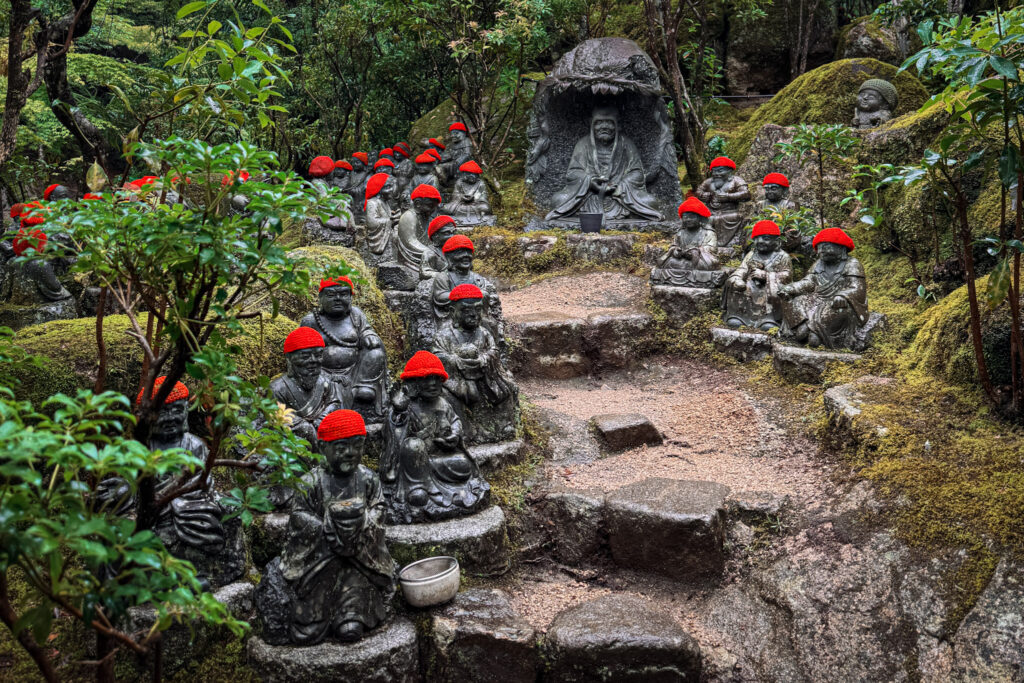
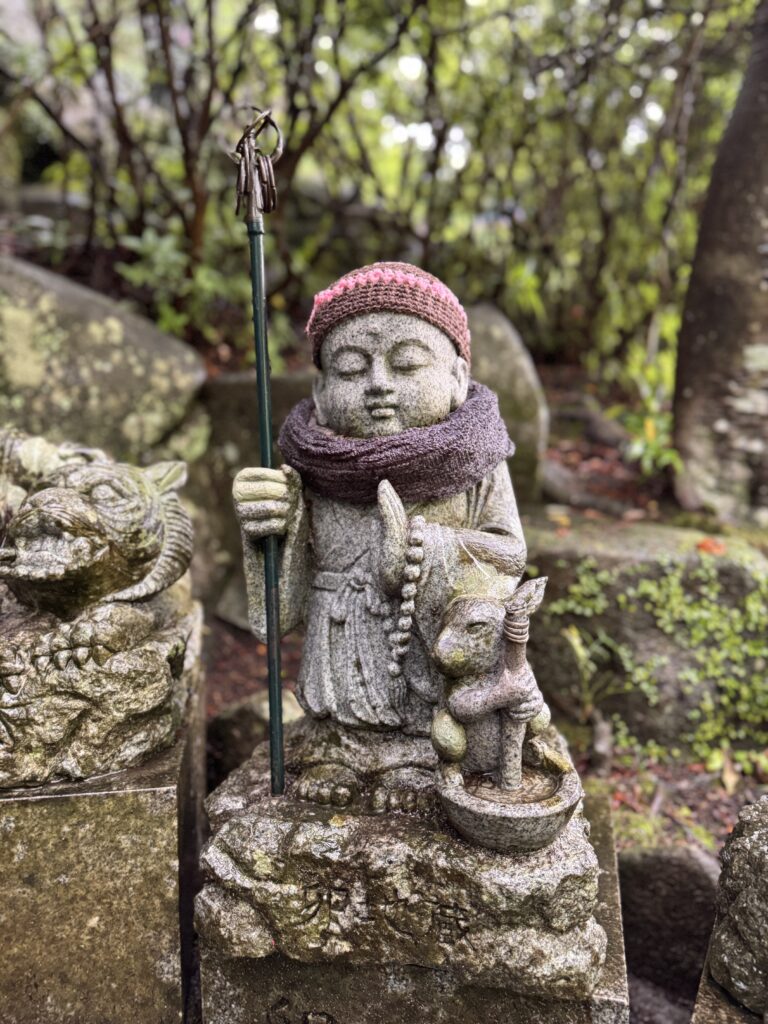
Beyond the famous shrine, Miyajima offers plenty to explore. Daisho-in Temple became one of my favorite temple visits of the trip thanks to its peaceful atmosphere, beautiful gardens, and hundreds of stone statues hidden throughout the grounds.
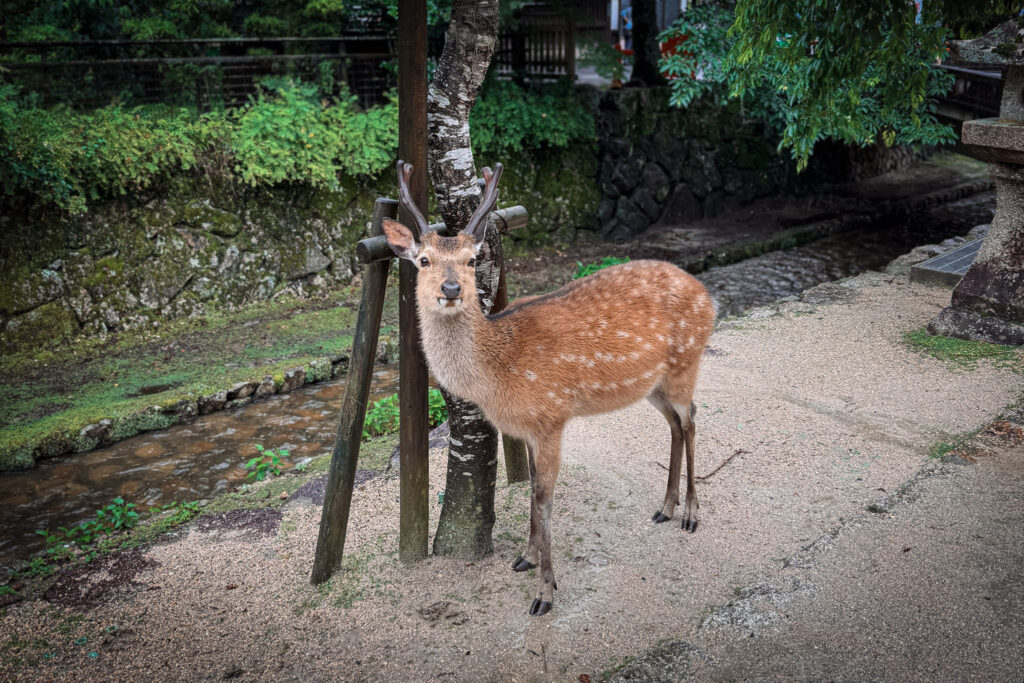
And then there are the deer. Unlike their cousins in Nara, Miyajima’s deer are generally a bit more relaxed, happily wandering through streets, parks, and temple grounds. After lunch and souvenir shopping along Omotesando Street — dangerous, very dangerous — it was time to say goodbye to possibly the prettiest island I’ve ever visited and head onward to Osaka. Which, spoiler, has its own very compelling argument for best destination in Japan.
Useful Information: If you have a JR Pass, the Miyajimaguchi route makes the whole journey essentially free and is the fastest option. If you don't have a pass and want a more memorable experience, the Aqua Net ferry from Peace Park is worth the extra cost — departing from right next to the Atomic Bomb Dome and arriving at Miyajima is a genuinely moving way to connect the two experiences.

Jet Lag Jelly Tip: Check the tide times before you go — the floating torii gate looks completely different at high tide vs low tide. High tide is the iconic look. Plan accordingly!
Day 9: Osaka—Japan’s Food Capital
Getting Osaka from Hiroshima: Hiroshima to Osaka is one of the easiest legs of the whole Japan trip — a straightforward Shinkansen ride with no transfers needed. From Hiroshima Station, take the Sanyo Shinkansen to Shin-Osaka Station — the fastest option is the Nozomi, which covers the journey in just 1 hour 19 minutes. The Sakura train is slightly slower at around 1 hour 30 minutes but is covered by the JR Pass (the Nozomi is not fully covered by the standard JR Pass — pass holders need to use the Sakura or Hikari services instead). A standard reserved seat costs around ¥9,500 to ¥13,200 depending on the train type.

Useful Information: Note that the Shinkansen arrives at Shin-Osaka Station, not Osaka Station — they are different stations. From Shin-Osaka, it's just a short subway or JR ride into the city centre.
You can check timetables and book tickets in advance on NAVITIME Japan Travel or at any JR green window counter in Japan.

Jet Lag Jelly Tip: If you have a JR Pass, take the Sakura — it's only about 10 minutes slower than the Nozomi and saves you having to buy a separate supplement ticket. Trains run very frequently so there's no need to stress about timing — just show up and take the next one.
If Tokyo is Japan’s brain, Osaka is definitely its stomach. And my stomach was very happy about it.
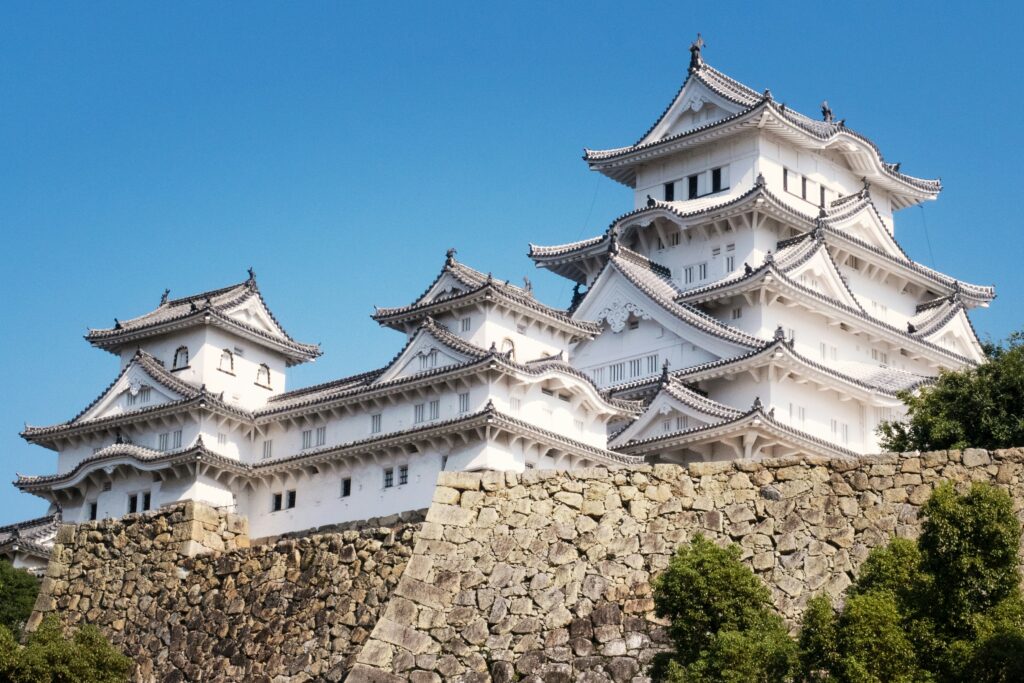
The day started with a side trip to Himeji Castle — nicknamed the White Heron Castle for its impossibly elegant appearance. It’s widely considered Japan’s most beautiful castle, and standing in front of it, you completely understand why. It looks almost too perfect to be real.
Useful Information:
- Admission is ¥2,500 for adults (from March 2026) — or ¥2,600 for a combo ticket including the nearby Koko-en Garden which is worth adding.
- Tickets can now be bought online in advance which helps skip the queue — especially useful during busy periods.
- The castle keep is built on a hill with steep stairs and no elevators — comfortable shoes are essential.
- Allow 1.5 to 2 hours to explore properly.
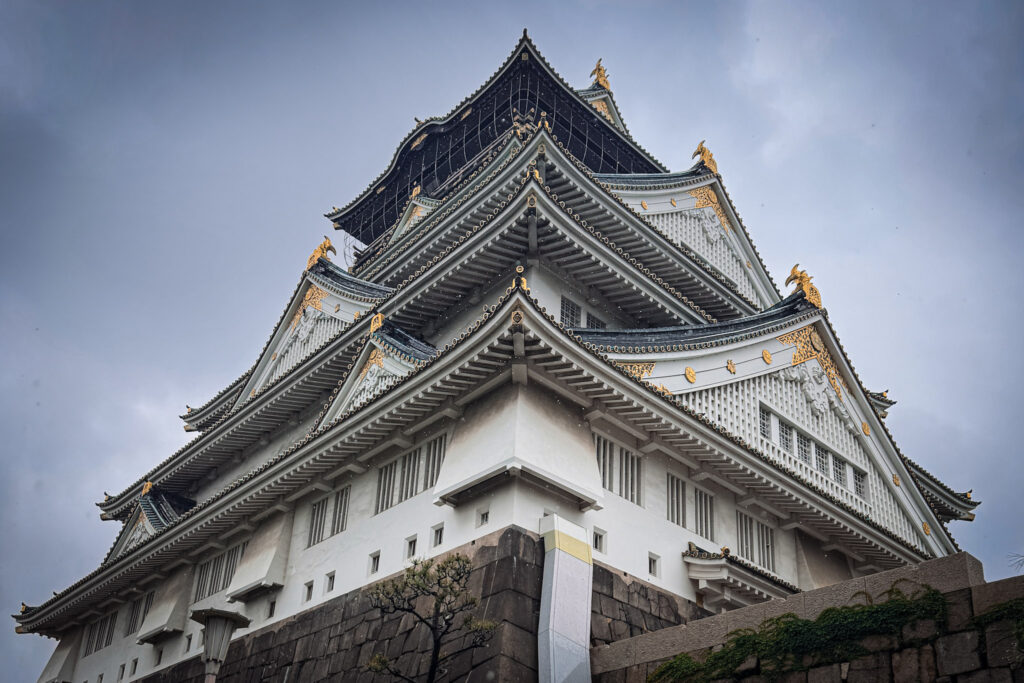
Back in Osaka, the city wasted no time making its personality known. Osaka Castle sits proudly in the center of a large park — impressive, historic, and surrounded by locals doing their Saturday jog completely unbothered by the 400-year-old fortress next to them. Very Osaka energy. The castle grounds are free to wander, but entry to the main tower — which houses a museum across 8 floors with samurai armor, weapons and artifacts, topped by a panoramic observation deck — costs ¥1,200 per adult. Worth it for the views alone. Buy your tickets online in advance to skip what can be a very long queue, especially on weekends.
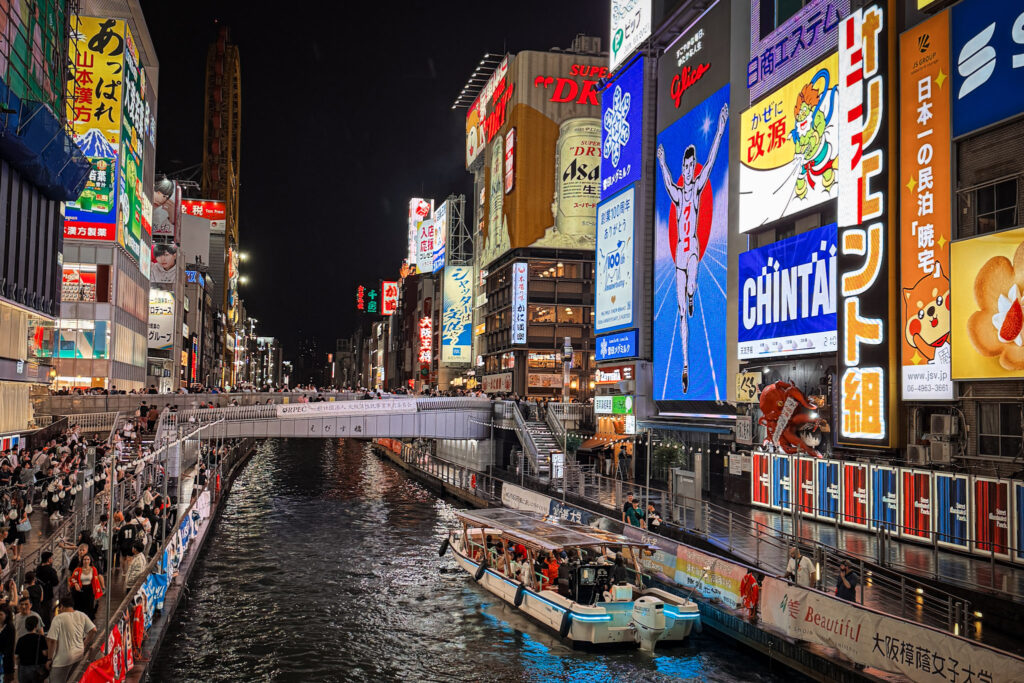
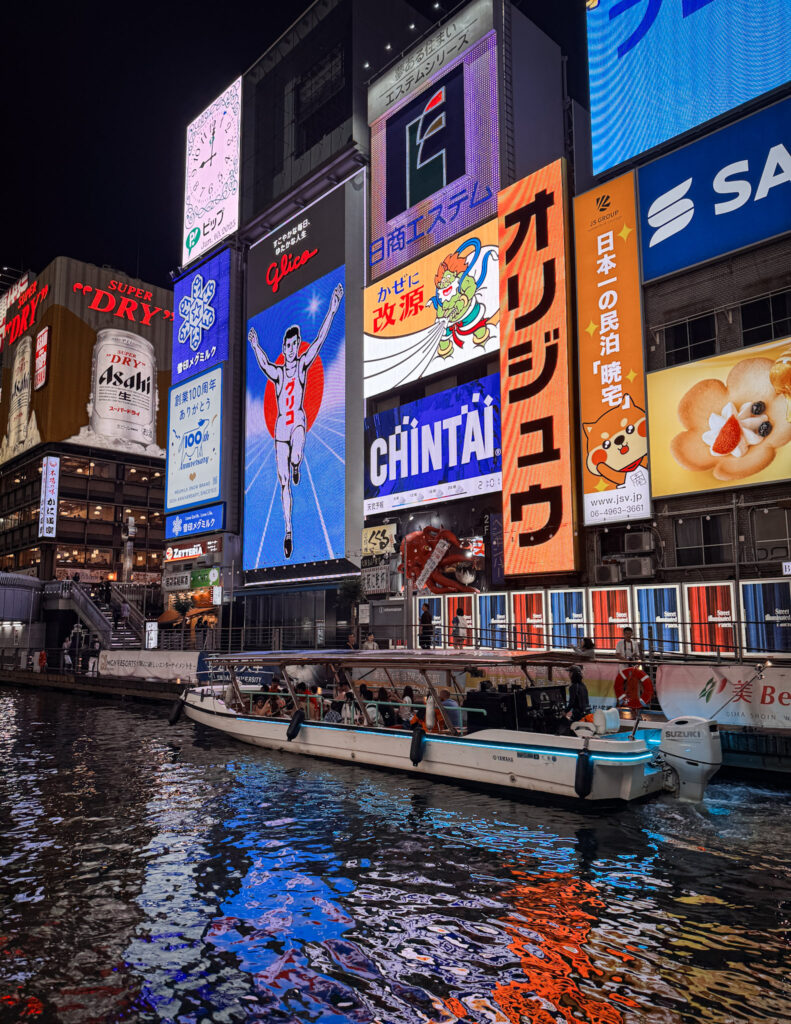
But the real magic happened after dark. Dotonbori is everything you imagine when you think of modern Japan — giant neon signs, buzzing crowds, and street food absolutely everywhere. Takoyaki, okonomiyaki, and more snacks than I care to admit. If you want a guided introduction to the best spots, a Dotonbori food tour is a great way to navigate the chaos without missing anything. Osaka didn’t just feed me. It converted me.
If you have extra time, Universal Studios Japan and the Osaka Aquarium Kaiyukan are both worth adding to your itinerary — especially if you’re traveling with kids or just need a break from temples. No judgment either way. One important note for USJ: physical ticket booths closed in 2025, so you must buy tickets online in advance — same-day gate purchases are no longer possible.
Jet Lag Jelly Tip: Go to Dotonbori hungry. Seriously. Don't eat beforehand. You'll want the full stomach capacity for what awaits.
Day 10: Kyoto—The Japan You Dream About
Getting Kyoto from Osaka: Osaka to Kyoto is one of the easiest and most frequent train connections in Japan — the two cities are only 55 kilometres apart and well served by multiple lines. The best option for most visitors is the JR Special Rapid Service on the JR Kyoto Line from Osaka Station to Kyoto Station — just ¥580 one way, takes about 29 minutes, runs every 15 minutes, and is covered by the JR Pass. No reservation needed, just hop on.

If you're on a tight budget, the Hankyu Kyoto Line from Osaka-Umeda Station to Kyoto-Kawaramachi Station is the cheapest option at just ¥410 — about 45 minutes and drops you right in the heart of downtown Kyoto near Gion rather than at Kyoto Station.

If you have a JR Pass and want the fastest option, the Tokaido Shinkansen from Shin-Osaka to Kyoto takes just 13 to 15 minutes for ¥1,450 — but honestly, for such a short distance, the JR Special Rapid is the smarter choice unless you're in a real rush.

Jet Lag Jelly Tip: Since the journey is so short and trains run so frequently, there's no need to plan this one in advance — just show up at Osaka Station when you're ready to go and take the next Special Rapid. You'll be in Kyoto before you've finished your coffee.
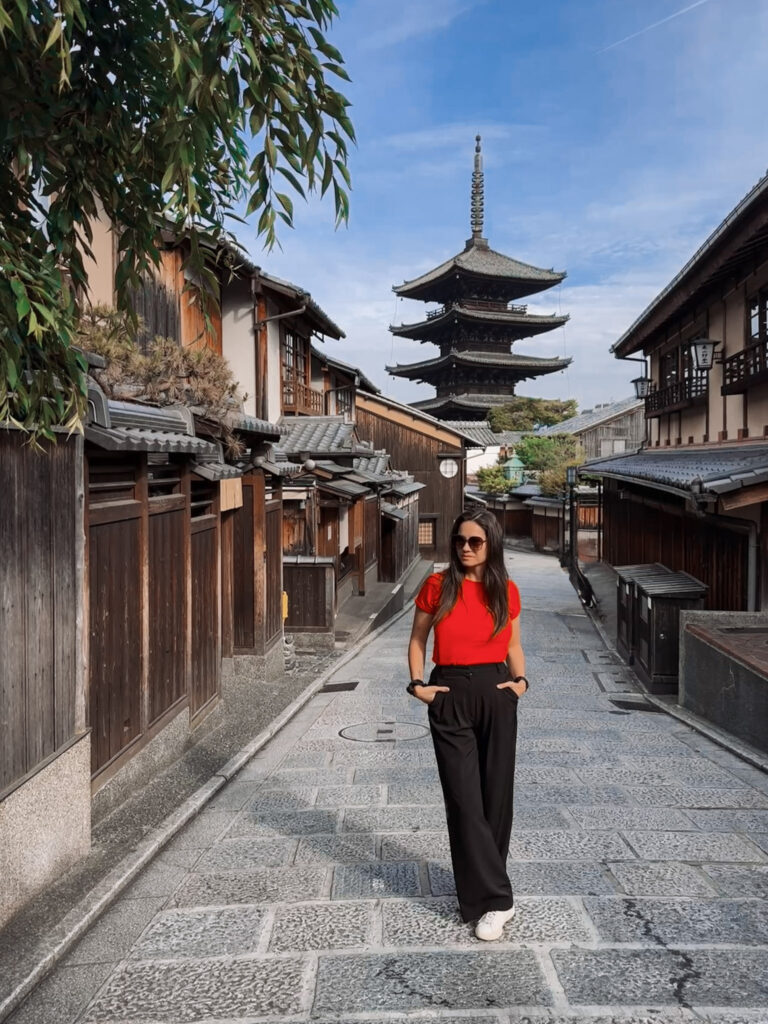
Arriving in Kyoto felt like entering the Japan I had imagined long before booking this trip. Traditional wooden buildings, ancient temples, quiet alleyways, and centuries of history around every corner. The afternoon began in the charming Sannenzaka and Ninenzaka districts, where cobblestone streets wind past tea houses and souvenir shops.
And then, at the end of one of those narrow lanes, the Yasaka Pagoda appeared — five stories of ancient architecture framed by traditional wooden townhouses on both sides. One of those moments where you stop walking and just stare. No filter needed, no editing required. Japan really does look like that.
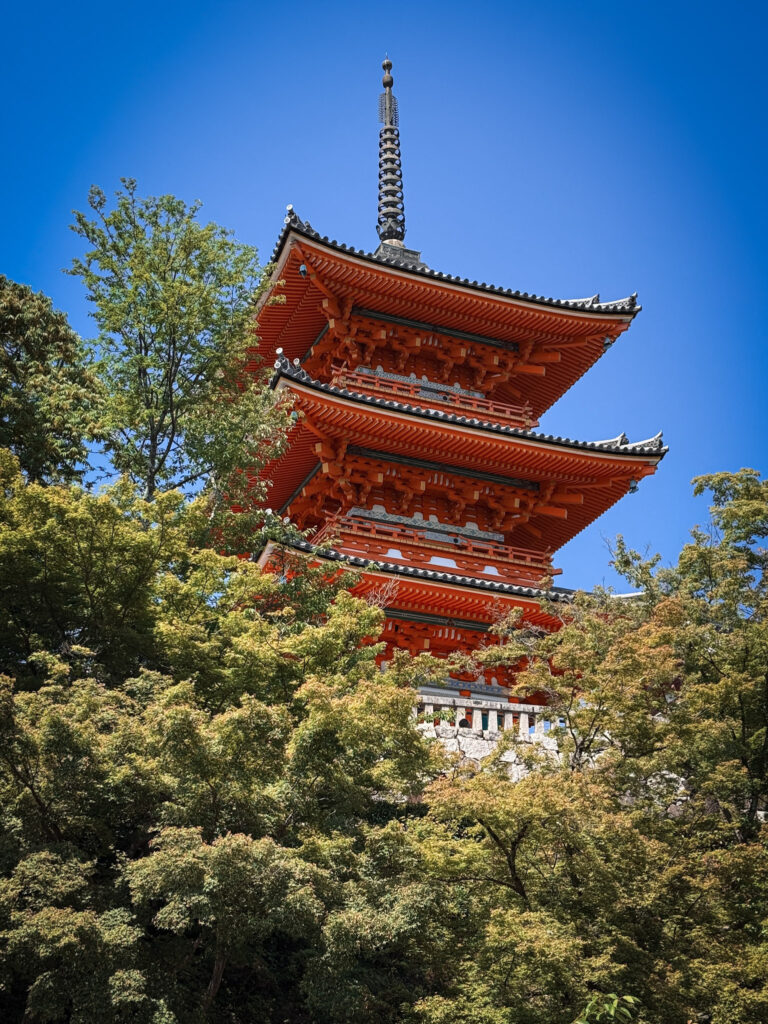
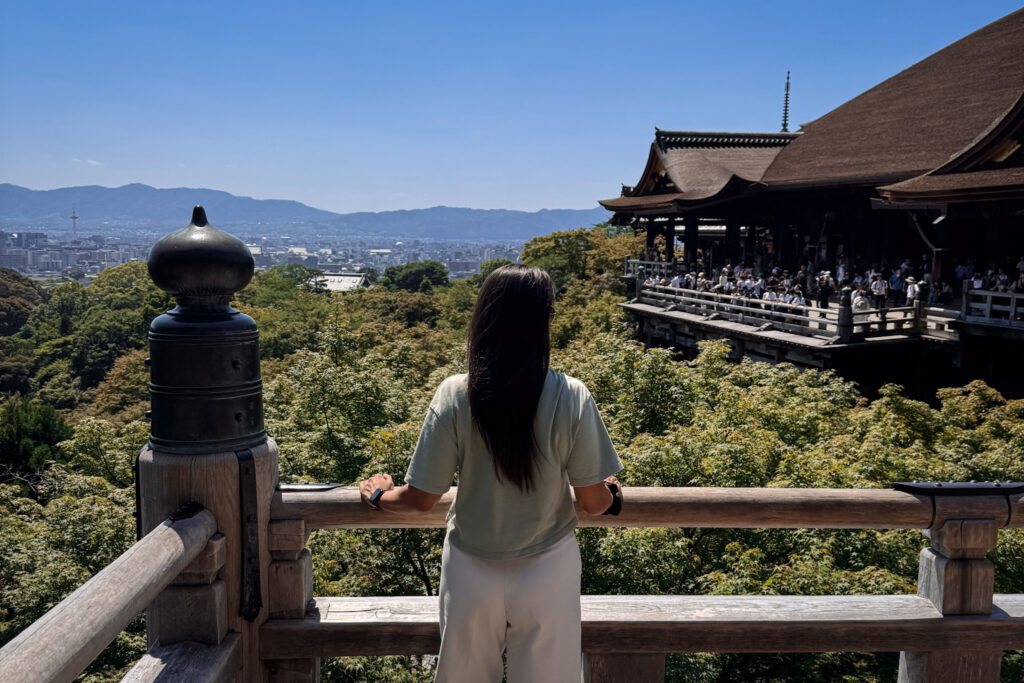
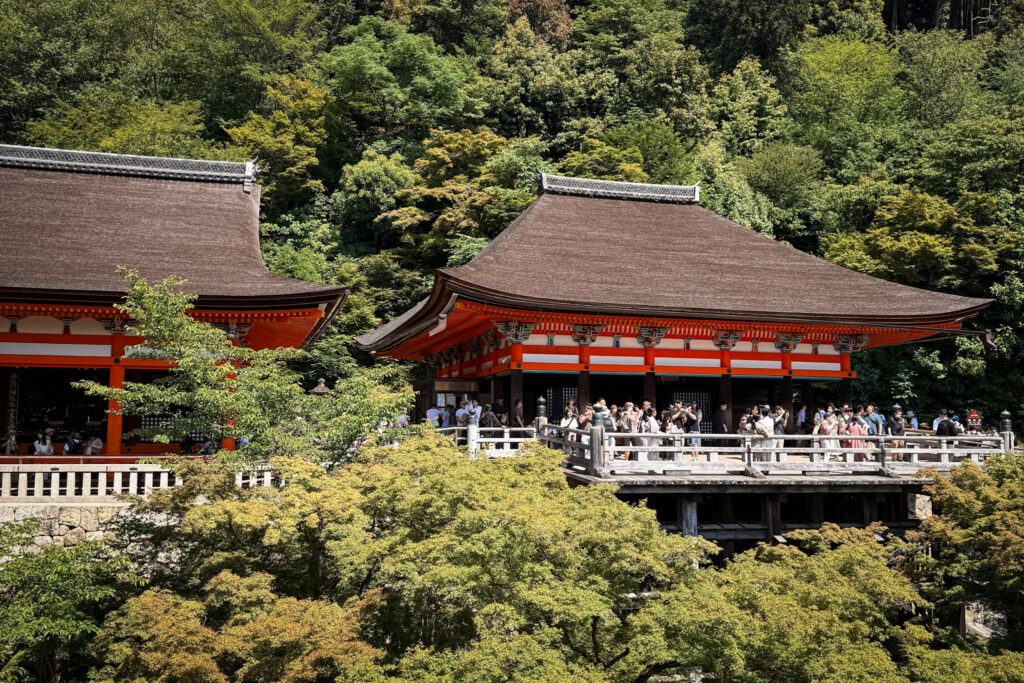
Just up the hill sits Kiyomizu-dera Temple — a UNESCO World Heritage Site famous for its wooden stage jutting out over the hillside with sweeping views over Kyoto. The striking red pagoda surrounded by lush green trees is one of the most iconic sights in the city. Somehow even more beautiful in person.
Useful Information: Admission is ¥500, opens at 6am — arrive early to beat the crowds. Bus 100 or 206 from Kyoto Station drops you at Kiyomizu-michi stop, then a 10-minute uphill walk.
The day continued with a visit to Heian Shrine — a grand vermilion-colored shrine built in 1895, dedicated to the first and last emperors of Kyoto. The main courtyard is free to enter and already impressive, but the real hidden gem is just behind it: the Shin-en Garden, a stunningly serene Japanese garden where a wooden bridge pavilion reflects perfectly in the still pond, framed by Japanese maple trees. The kind of place where you accidentally spend an hour just sitting and staring. Garden entry is ¥600 — and worth every yen.
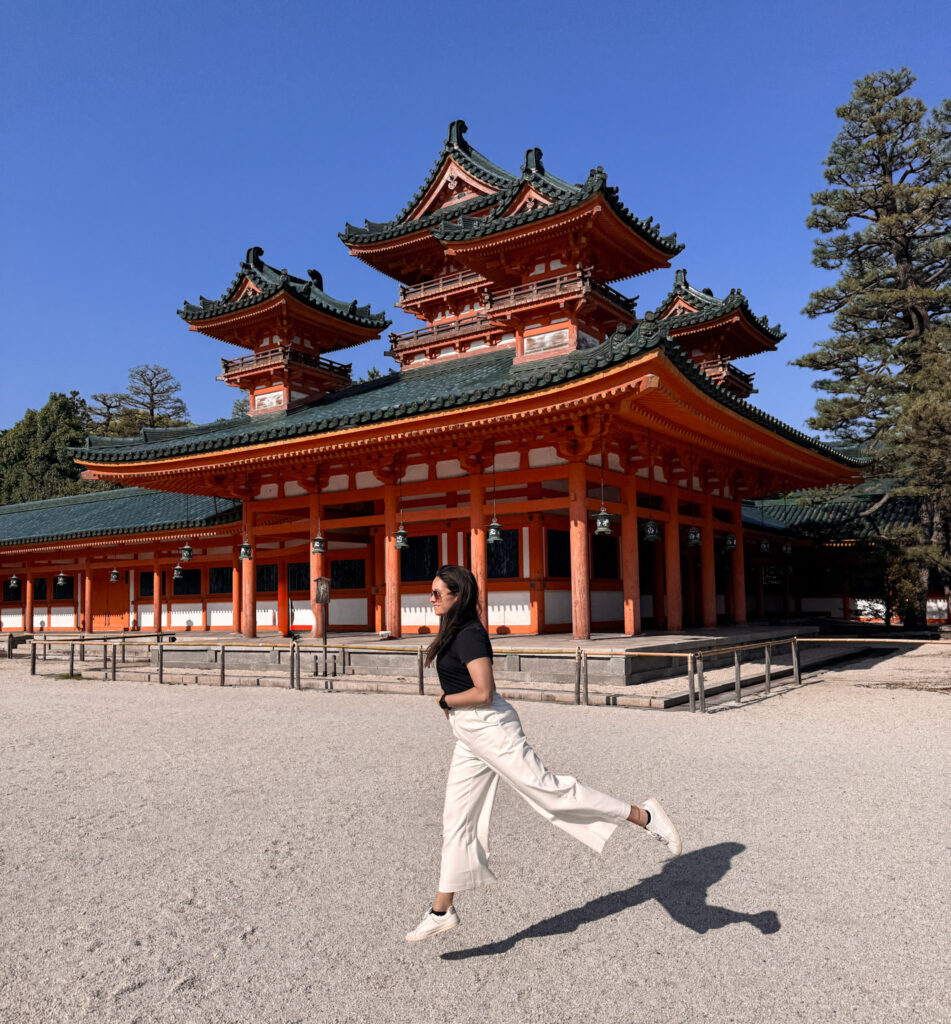
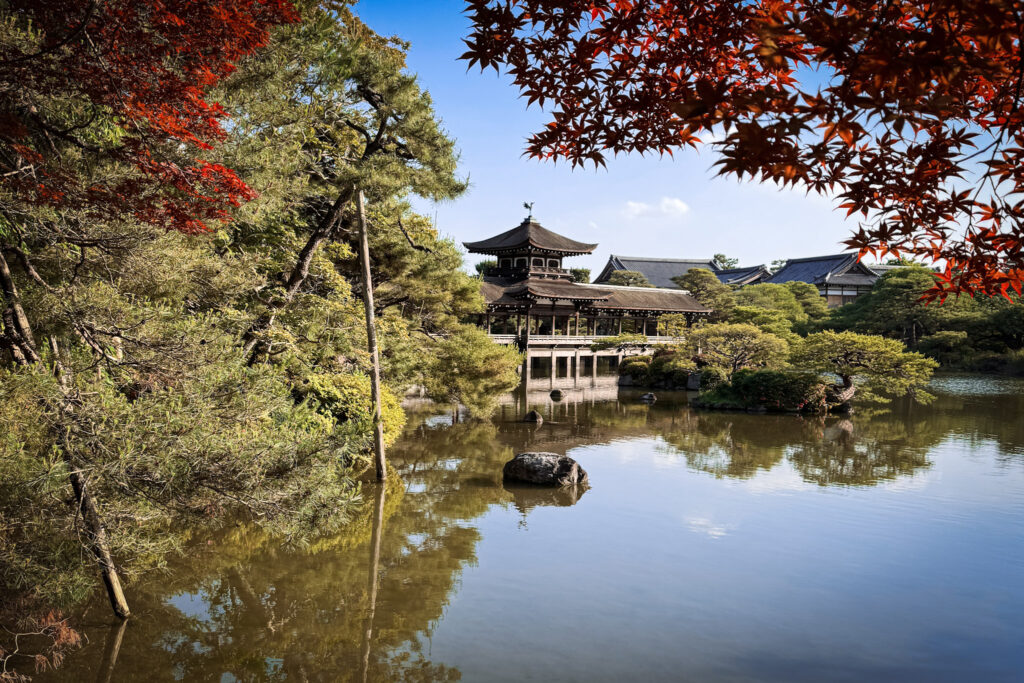
From there, it was time for one of Japan’s most iconic sights — Kinkaku-ji, the Golden Pavilion. And yes, it really is that gold. Photos don’t exaggerate it — if anything they undersell it. A three-story Zen temple covered in gold leaf, sitting on the edge of a reflective pond surrounded by manicured gardens. The kind of sight that makes you question whether you’re in real life or inside a postcard.
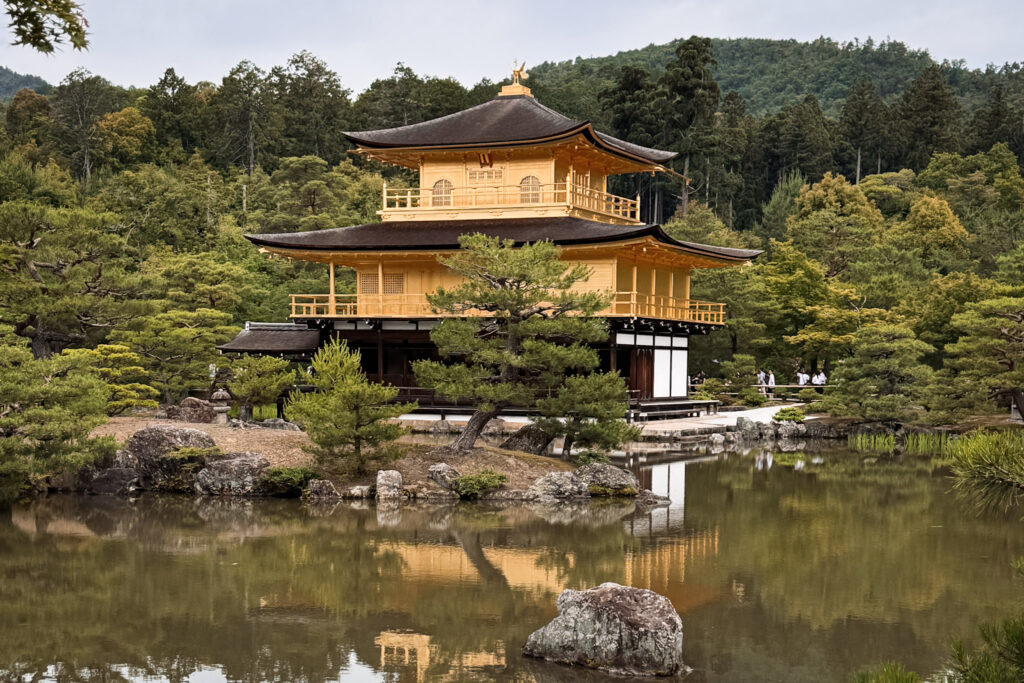
Useful Information: Entry is ¥500 per adult. The site is open daily from 9am to 5pm. No reservations needed — just show up, but go early as this is one of the most visited sites in all of Japan and the main viewpoint gets very crowded by mid-morning.

Jet Lag Jelly Tip: Give yourself more time in Kyoto than you think you need. It's the kind of city where the best moments happen between the sights — a quiet temple tucked down a side street, a matcha soft serve from a tiny shop on the way up to Kiyomizu-dera, a garden you wandered into by accident. Build in some unplanned time and just walk. Kyoto rewards slow travel more than almost anywhere else in Japan.
Day 11: Torii Gates, Bamboo Forests & 1,200 Tiny Stone Friends
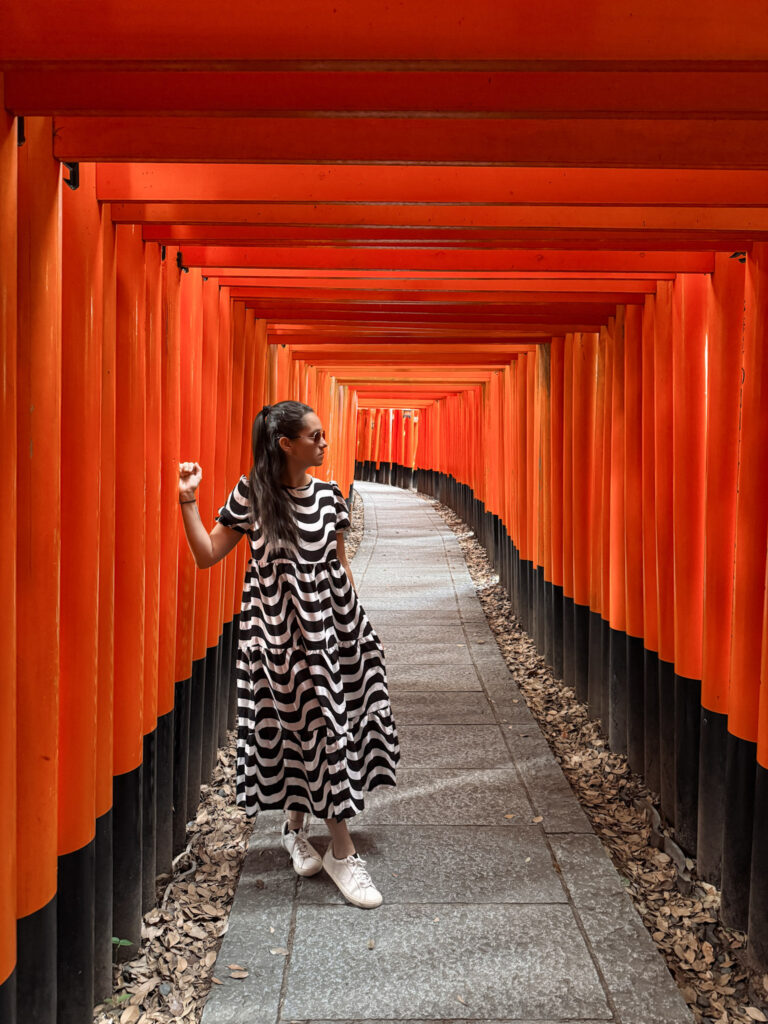
Kyoto somehow manages to save some of its most iconic sights for last. The day began before sunrise at Fushimi Inari Taisha. Arriving early is worth every lost minute of sleep. Walking through thousands of vermilion torii gates before the crowds arrive feels almost spiritual — one of those rare travel moments where you genuinely forget to take photos because you’re too busy just experiencing it.
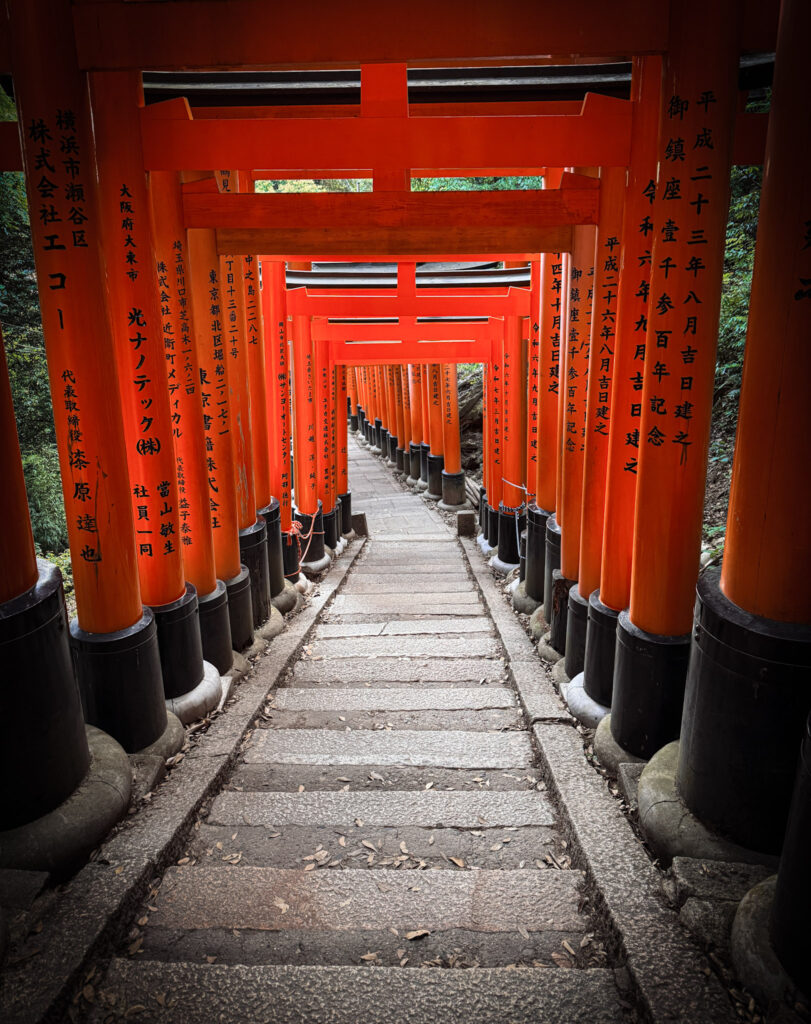
Useful Information: Free entry, open 24 hours. Take the JR Nara Line from Kyoto Station to Inari Station — just 5 minutes and ¥150, with the shrine right outside the exit. The full hike up Mount Inari takes 2 to 3 hours return, but even 30 minutes into the gates gives you the full effect.

Jet Lag Jelly Tip: Get there by 6am — seriously. This is one of the most visited attractions in Japan and by 9am the torii gates are packed with people and tour groups. The early morning light filtering through the orange gates is also genuinely magical in a way that midday light just isn't. Set the alarm, lose the sleep, gain the experience.
Heading west toward Arashiyama, Otagi Nenbutsu-ji Temple completely stole the show. A hillside covered in over 1,200 moss-covered stone statues, each with a completely different expression. Some look wise, some peaceful, some look like they’re trying not to laugh. Wandering among them feels like stumbling into another world — quiet, atmospheric, and a little bit magical. Definitely one of those places that wasn’t on my original itinerary but became one of my favorite memories of the entire trip.
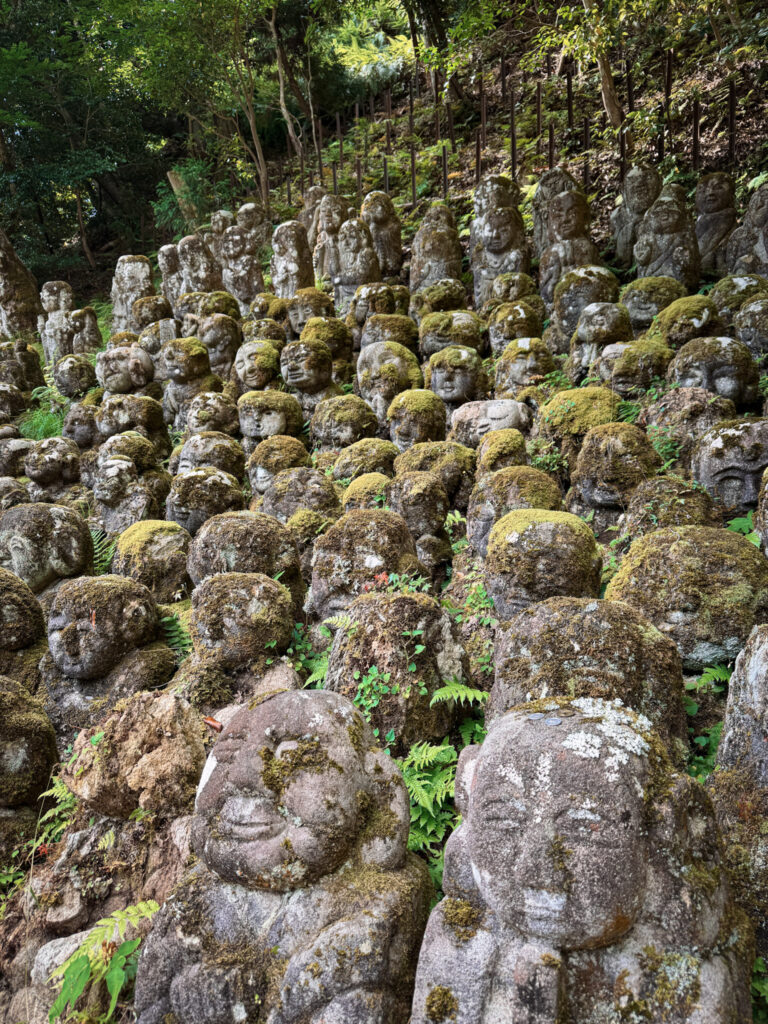
Useful Information: Entry is ¥400, open 9am to 4:15pm, closed Wednesdays. From Saga-Arashiyama Station, it's either a 30-minute walk through the beautiful Saga Toriimoto preserved street — which is worth it in itself — or a 5-minute taxi for around ¥1,500.

Jet Lag Jelly Tip: Start here first if you're doing Arashiyama for the day — it's at the top of the hill, so you can walk downhill from the temple through the preserved village street all the way to the bamboo forest and Togetsukyo Bridge. Much better than going uphill at the end of a long day.
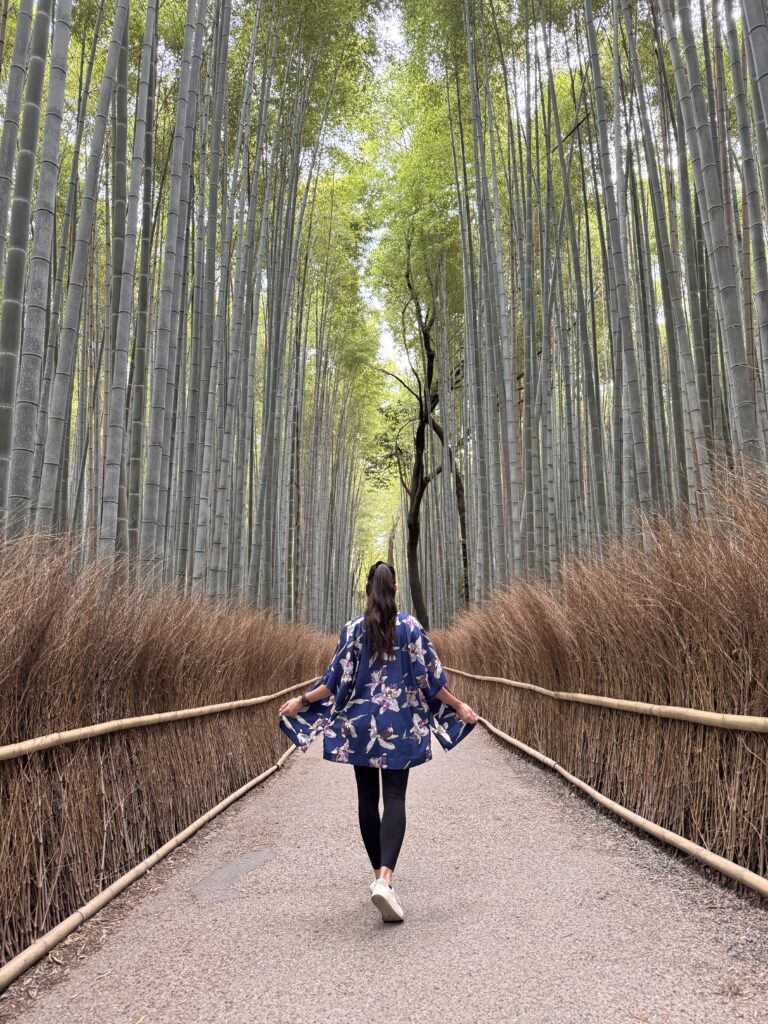
Just nearby, the Arashiyama Bamboo Grove delivered exactly what it promised — towering bamboo stalks stretching endlessly upward, filtering the light in the most otherworldly way. Yes, it’s crowded. Yes, it’s touristy. And yes, it’s still absolutely worth it. Sometimes the famous spots are famous for a reason.
Useful Information: Free to visit, open 24 hours. No tickets, no barriers — just walk straight in.

Jet Lag Jelly Tip: Go early — and I mean really early, ideally before 7am. By mid-morning the grove is packed shoulder to shoulder and the magic disappears fast. The early morning light filtering through the bamboo is also at its most ethereal before the sun gets too high. Since you're already in the area for Otagi Nenbutsu-ji, combining the two in one early morning visit makes perfect sense — bamboo grove first, then up the hill to the statues, or vice versa.
The day concluded at Daigo-ji Temple — a UNESCO World Heritage Site that spreads across an entire mountainside in southeastern Kyoto, with over 80 buildings including Kyoto’s oldest surviving wooden structure, a five-storey pagoda built in 951. After the bustle of Arashiyama, the relative quiet of Daigo-ji felt like a reward. Entry is ¥1,000, open 9am to 5pm.
The day — and honestly, the whole Kyoto chapter — ended with a traditional Japanese tea ceremony. Sitting quietly, watching every movement performed with complete intention and grace — it’s the kind of experience that slows everything down in the best possible way. After days of bullet trains and packed itineraries, it felt like exactly the right way to say goodbye to Kyoto.
Jet Lag Jelly Tip: Do Fushimi Inari before 6am if you can. The difference between an empty torii gate path and a crowded one is genuinely the difference between magical and a queue.
Day 12: Nara, Deer & Saying Goodbye
Every great adventure eventually comes to an end. Before returning to Tokyo for the flight home, there was one final stop: Nara.
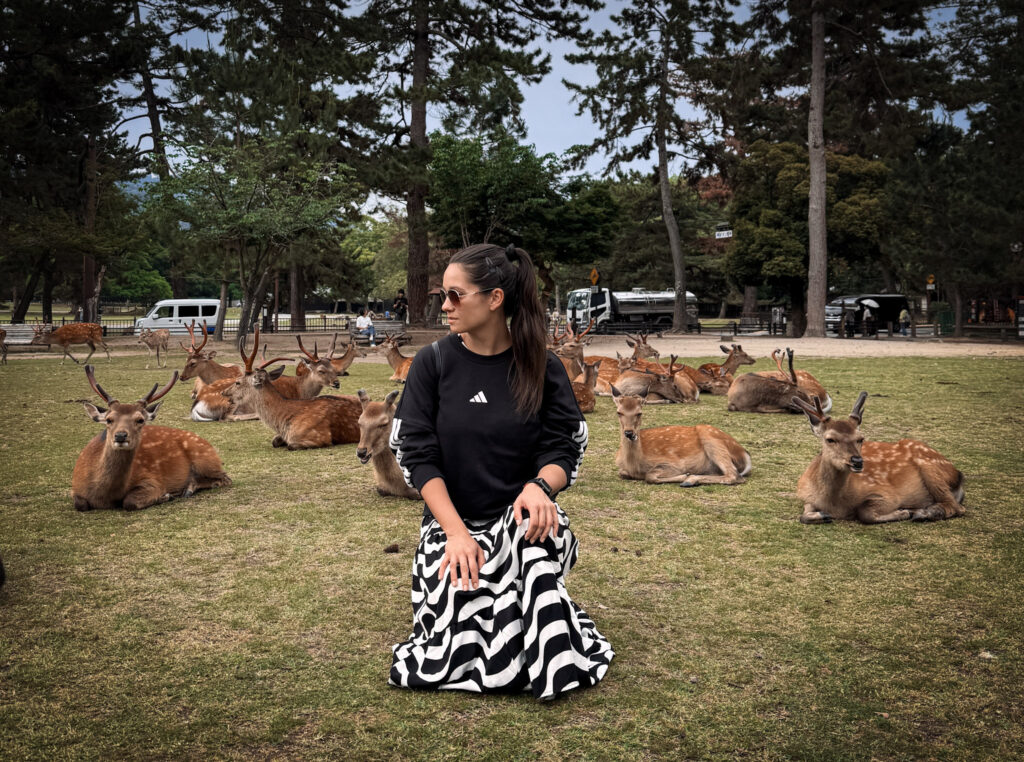
Getting There from Kyoto: Nara is one of the easiest day trips from Kyoto — just 45 kilometres away and well connected by two train lines.

The best option depends on whether you have a JR Pass. With a JR Pass: take the JR Miyakoji Rapid from Kyoto Station to JR Nara Station — 45 minutes, ¥720 without a pass, covered free with the pass. Trains run every 30 minutes. Check timetables on JR West.

Without a JR Pass: the Kintetsu Line from Kintetsu Kyoto Station is actually the better choice — the express takes 45 minutes for ¥760, and crucially, Kintetsu Nara Station drops you much closer to Nara Park and the main sights than JR Nara Station does, saving you a 15-20 minute walk.

Jet Lag Jelly Tip: If you're not using a JR Pass, take the Kintetsu — it's the same price as JR, same journey time, and you arrive right next to the deer.
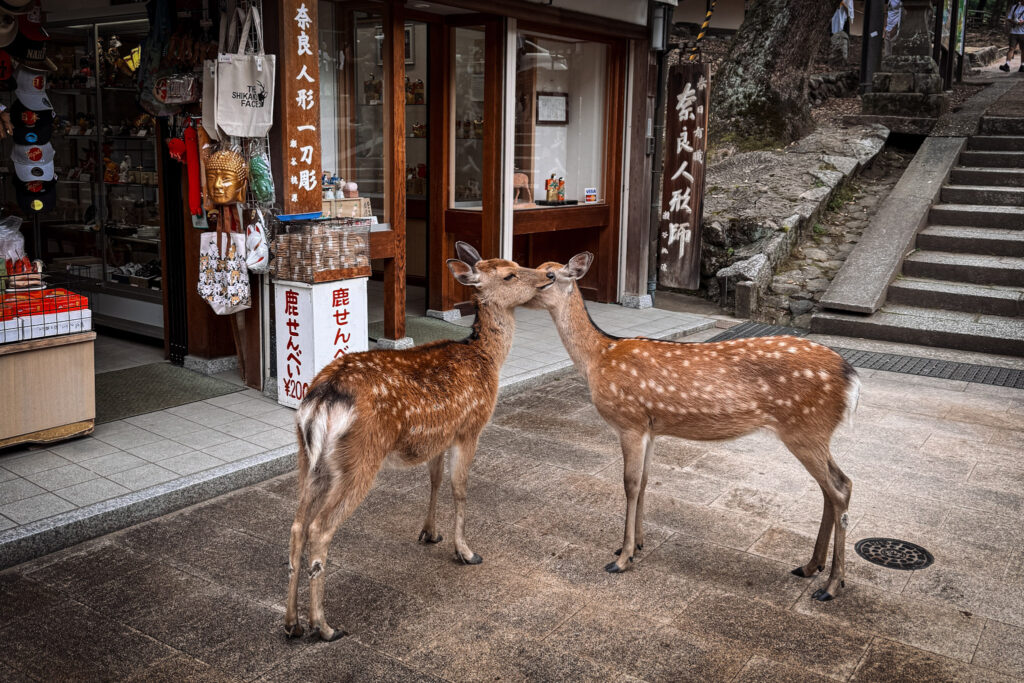
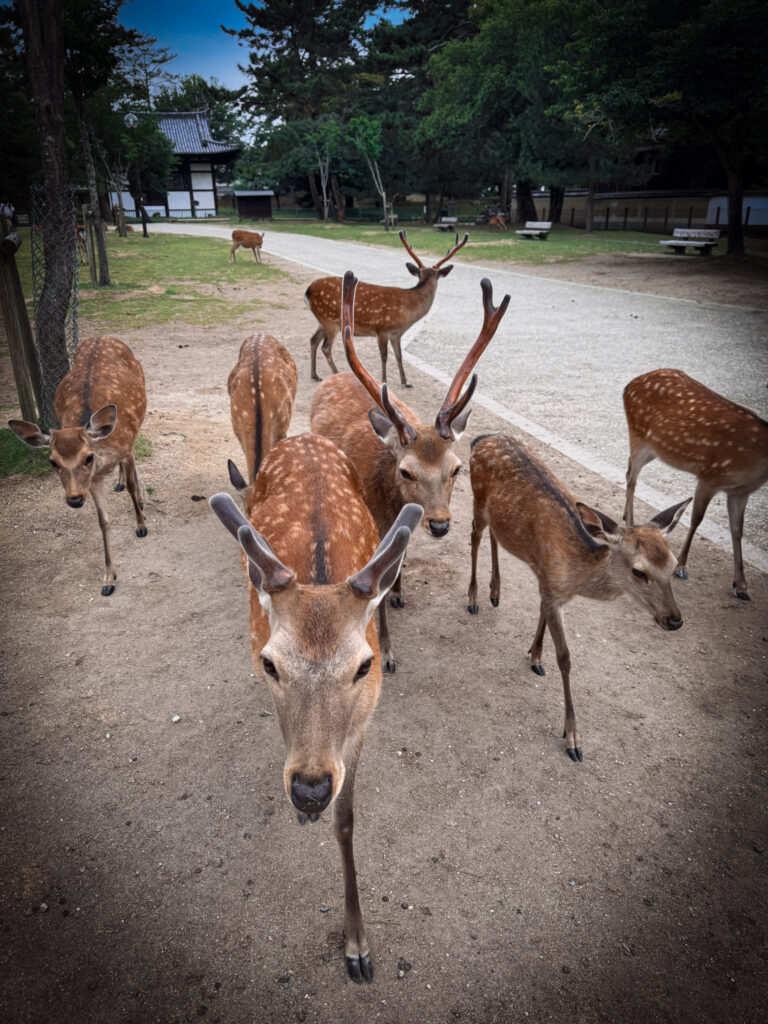
Japan’s first permanent capital is famous for one thing above all else — its deer. Thousands roam freely through Nara Park, bowing to visitors in exchange for special deer crackers. It’s charming, slightly chaotic, and undeniably memorable. They will absolutely try to eat your map. You will absolutely let them.
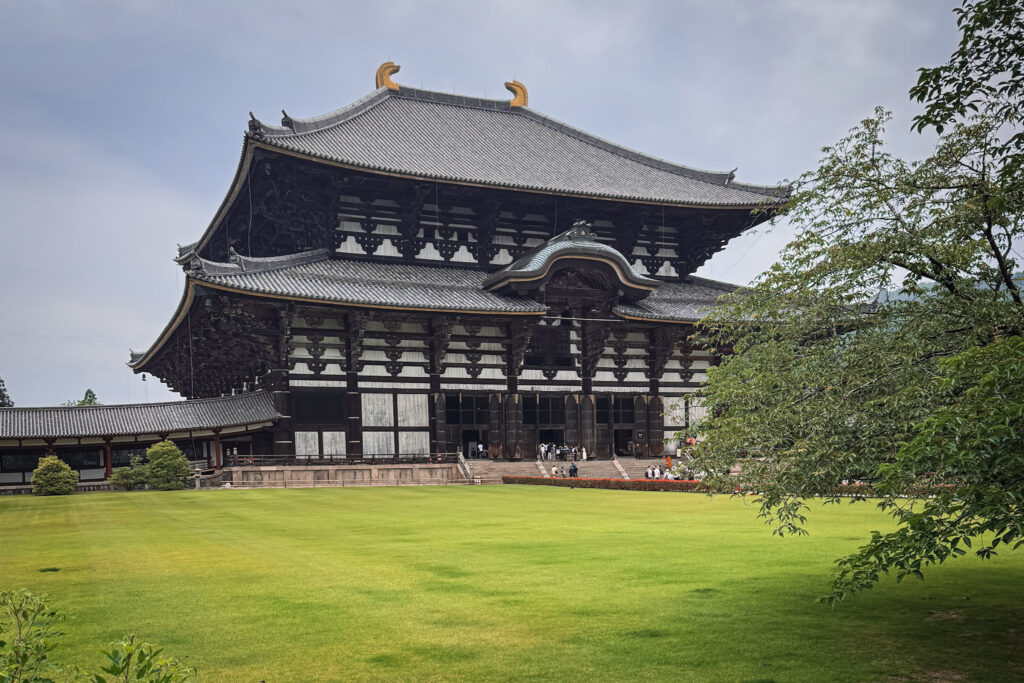
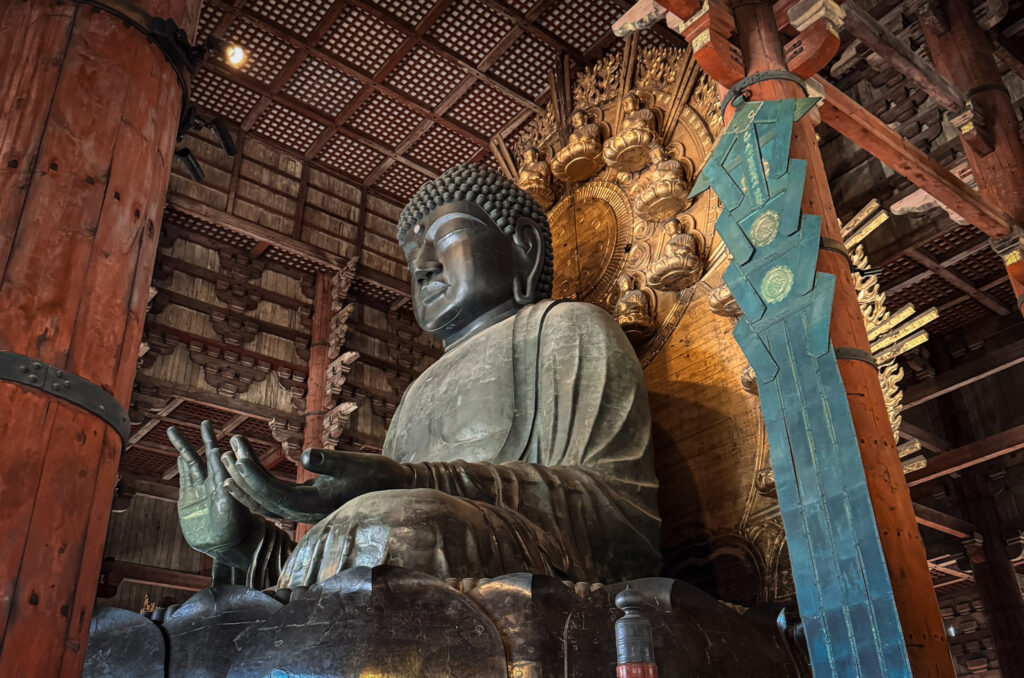
Beyond the deer, Nara’s history runs deep. Tōdai-ji Temple houses the Great Buddha Hall — the largest wooden building in the world — with a 15-meter bronze Buddha inside that stops you in your tracks. You walk in expecting to be impressed. You leave genuinely humbled. Entry to the Great Buddha Hall is ¥800, open from 7:30am — worth arriving early before the tour groups arrive.
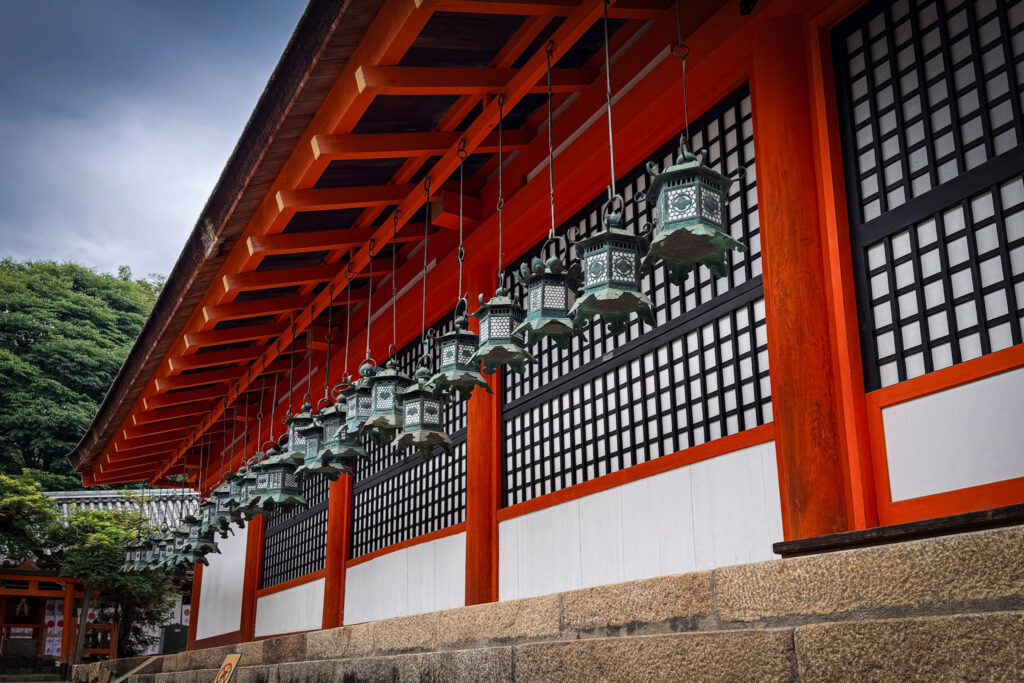
Nearby, Kasuga Taisha Shrine is draped in over 3,000 hanging bronze lanterns donated by worshippers over centuries, giving it an atmosphere unlike anything else in Japan. The shrine grounds are free to enter — the inner sanctuary costs ¥500 but is worth it for the lantern-lined corridors alone.
Jet Lag Jelly Tip: Buy the deer crackers. Hand them out one at a time. Make eye contact. It's the purest joy you'll experience in Japan.
Where to Stay
Tokyo: Shinjuku or Shibuya are the classic first-timer bases — both are major transit hubs with easy access to everything on this list (Shibuya Sky, Meiji Jingu, and a short ride to Sensō-ji/Asakusa). Asakusa itself is a quieter alternative if you want to be right next to the temple and wake up in a more traditional neighborhood. Browse hotels in Tokyo
Fuji Five Lakes: Kawaguchiko is the most popular base — it has the best lake-facing Fuji views, a good range of hotels and ryokans, and easy access back toward Tokyo or onward to Kanazawa. Browse hotels in Kawaguchiko
Kanazawa: stay near Kenrokuen Garden or the Higashi Chaya geisha district for easy walking access to the main sights and a proper old-town atmosphere in the evenings. Browse hotels in Kanazawa
Takayama: basing yourself here also sets you up for the Shirakawa-go day trip — stay near the old town (Sanmachi Suji) for the morning market and Edo-period streets right outside your door. Browse hotels in Takayama
Hiroshima/Miyajima: most visitors base in Hiroshima city (close to the Peace Memorial Park, with a quick ferry to Miyajima), though staying overnight on Miyajima itself lets you see the floating torii gate without the day-trip crowds. Browse hotels in Hiroshima
Osaka: Namba or Dotonbori put you right in the middle of the food and neon-light scene this city is known for. Browse hotels in Osaka
Kyoto: basing here also covers your Nara day trip — stay near Kyoto Station or Gion for good transit access and proximity to Fushimi Inari. Browse hotels in Kyoto
Final Thoughts: Is 12 Days Enough for Japan?
Twelve days is enough to experience many of Japan’s greatest highlights, from Tokyo’s futuristic energy and Mount Fuji’s natural beauty to Kyoto’s timeless temples and Hiroshima’s moving history.
Will you see everything? Not even close.
But you’ll leave with unforgettable memories, a camera full of photos, and a strong desire to return.
Trust me—I was already planning my next trip before the plane even took off. Until the next adventure.
Before You Go: Essential Japan Travel Tips
Planning a trip to Japan can feel overwhelming at first. Between bullet trains, regional passes, cultural etiquette, and dozens of incredible destinations, it’s easy to spend weeks researching. Here’s everything I wish I knew before my first trip.
When Is the Best Time to Visit Japan?
The good news? Japan is a year-round destination.
Spring (March–May) 🌸

Best for: Cherry blossoms, pleasant temperatures, photography
Spring is arguably the most popular season to visit Japan. Temperatures are comfortable, parks burst into color, and cherry blossom season transforms the country into a pink-and-white dreamscape.

Average temperatures:
Tokyo: 10–22°C (50–72°F)
Kyoto: 8–23°C (46–73°F)

Pros:
Sakura season
Comfortable weather
Beautiful parks and gardens

Cons:
Highest hotel prices
Popular attractions can be crowded
Autumn (October–November) 🍁

Best for: Fall foliage, mild weather, fewer crowds
Many experienced travelers actually prefer autumn over spring. The maple trees turn brilliant shades of red, orange, and gold, while temperatures remain ideal for sightseeing.

Average temperatures:
Tokyo: 12–24°C (54–75°F)
Kyoto: 10–23°C (50–73°F)

Pros:
Stunning autumn colors
Comfortable temperatures
Less crowded than cherry blossom season
Summer (June–August) ☀️

Summer is festival season in Japan, but it can also be extremely hot and humid.

Expect temperatures above 30°C (86°F), especially in Tokyo, Osaka, and Kyoto.

The upside? Spectacular fireworks festivals, vibrant summer celebrations, and fewer international visitors outside holiday periods.
Winter (December–February) ❄️

Winter offers excellent value and fewer crowds.

Cities remain accessible, while northern regions and the Japanese Alps become a paradise for skiers and snowboarders.

Mount Fuji is often most visible during winter thanks to clearer skies.
How Much Does a 12-Day Japan Trip Cost?
Japan is no longer as expensive as many travelers expect.
Budget Traveler
€1,500–2,200 per person
Includes:
- Budget hotels or hostels
- Local restaurants
- Public transportation
- Basic sightseeing
Mid-Range Traveler
€2,500–4,000 per person
Includes:
- Comfortable hotels
- Shinkansen travel
- Guided day trips
- Temple admissions
- Some fine dining experiences
Comfort / Premium Traveler
€4,500+ per person
Includes:
- Premium hotels
- Private tours
- Ryokan stays
- Luxury dining experiences
For this itinerary, expect approximately €2,800–4,000 per person depending on travel season and flight prices.
Is the Japan Rail Pass Worth It?
This is one of the most common questions first-time visitors ask. Since the major price increase in 2023, the nationwide Japan Rail Pass is no longer automatically the best deal — and another price increase is coming in October 2026 for passes bought through travel agencies (though the official JR website price stays the same).
For this itinerary, compare:

Individual Shinkansen tickets — best if your route is focused in one region or you're not doing many long-distance journeys.

Regional rail passes — the JR Kansai Area Pass covers Kyoto, Osaka, Nara, Hiroshima and more at a fraction of the national pass price, and is often the smarter choice for this kind of Southwest Japan itinerary.

National Japan Rail Pass — worth it if your trip covers long distances across multiple regions (Tokyo + Kanazawa + Kyoto + Hiroshima is the sweet spot where it pays off). A 7-day pass costs ¥50,000 in 2026 — buy through the official JR website to lock in the current price before the October increase.
Always calculate the total cost before purchasing.
Routes Covered in This Itinerary:

Tokyo → Kanazawa
Kanazawa → Hiroshima
Hiroshima → Osaka
Osaka → Kyoto
Kyoto → Nara
Kyoto → Tokyo
Depending on current prices and travel dates, individual tickets can sometimes be cheaper than a nationwide pass.
How Easy Is It to Travel Around Japan?
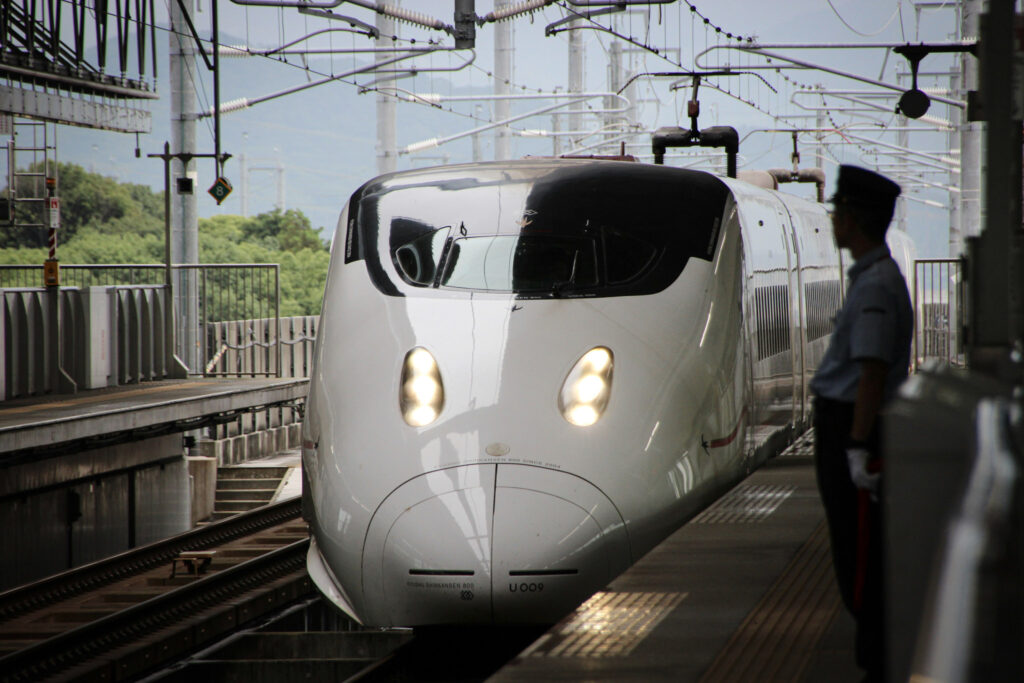
Japan has one of the world’s best transportation systems.
My Top Train Tips:
✔ Download Google Maps before arrival — works offline and is the most reliable navigation tool in Japan
✔ Reserve Shinkansen seats during busy seasons via the official JR reservation site
✔ Arrive early at major stations such as Tokyo Station and Kyoto Station — both are enormous and easy to get lost in
✔ Travel with light luggage whenever possible — Japanese trains have limited overhead storage and large bags can be a real problem during rush hour
✔ Consider luggage forwarding services if carrying large suitcases — Yamato Transport (Kuroneko) is the most popular and reliable option, delivering your bags from hotel to hotel overnight for around ¥2,000 per bag
Japan’s train stations can be enormous, and navigating them becomes much easier with a smaller bag.
Cash or Card?
Japan is increasingly card-friendly, especially in major cities. However, I still recommend carrying some cash for: public transports, small restaurants, temple donations, rural areas, local markets. Convenience stores such as 7-Eleven usually offer reliable international ATM access.
Essential Apps for Japan
These apps will save you countless hours during your trip:
Google Maps — download offline maps for each city before you arrive; works without data and handles train, walking and bus directions seamlessly.

Google Translate — the camera translation feature is invaluable for menus, signs and anything written in kanji; download the Japanese language pack for offline use.

Suica or IC Card mobile app — add to Apple Wallet or Google Pay and tap in and out of every train and bus in Japan without buying individual tickets; also works at convenience stores and vending machines.

Japan Travel by NAVITIME — the best train route planner in Japan, more reliable than Google Maps for complex transfers and gives you exact platform numbers and connection times.

Uber — available in Tokyo, Osaka and some other cities, though taxis are often just as easy to find and flag down on the street.
FAQ
Is 12 days enough to visit Japan? Yes, 12 days is enough to see many of Japan’s highlights, especially if it’s your first trip and you’re happy with a fairly fast-paced itinerary. This route covers Tokyo, Mount Fuji, Nikko, Kanazawa, Shirakawa-go, Takayama, Hiroshima, Miyajima, Osaka, Kyoto and Nara. You’ll see a lot, but you definitely won’t see everything Japan has to offer.
What is the best itinerary for Japan in 12 days? For a first trip, a great route is Tokyo → Mount Fuji → Nikko → Kanazawa → Shirakawa-go & Takayama → Hiroshima → Miyajima → Osaka → Kyoto → Nara. It combines Japan’s modern cities, traditional towns, temples, mountains, food and some of the country’s most iconic sights.
How many days do you need in Tokyo? I recommend spending at least 2–3 days in Tokyo. Even with several days, you’ll only scratch the surface of the city. For a first visit, make time for Shibuya, Senso-ji, Meiji Jingu, Tokyo Tower and one of the city’s famous observation decks or teamLab experiences.
Is Mount Fuji worth adding to a Japan itinerary? Absolutely. Mount Fuji was one of the highlights of this trip, but keep in mind that the mountain is often hidden behind clouds. If seeing Fuji is important to you, try to keep some flexibility in your itinerary and choose the clearest day for your Fuji excursion.
Is Nikko worth visiting as a day trip from Tokyo? Yes. Nikko makes an excellent day trip from Tokyo and offers a completely different atmosphere from the capital. The combination of Toshogu Shrine, Shinkyo Bridge, Kegon Falls and Lake Chuzenji makes it particularly worthwhile if you want to add nature and history to your Japan itinerary.
Should you visit Kanazawa and Takayama? If you have enough time, definitely. Kanazawa and Takayama offer a quieter side of Japan compared with Tokyo, Osaka and Kyoto. Kanazawa is known for Kenroku-en Garden and its historic geisha district, while Takayama is famous for its beautifully preserved old town and Hida beef.
Is Shirakawa-go worth visiting? Yes. Shirakawa-go is one of the most unique stops on this itinerary, especially if you love photography. The UNESCO-listed village is famous for its traditional gassho-zukuri thatched-roof houses and dramatic mountain setting. An organized day tour can make visiting Shirakawa-go and Takayama much easier.
How do you get around Japan? Japan’s train network makes traveling between major cities surprisingly easy. The Shinkansen is ideal for longer distances, while local trains and buses connect smaller destinations. For some excursions, such as Mount Fuji, Nikko and Shirakawa-go, I found organized tours particularly convenient because they saved time and simplified the logistics.
How many days should you spend in Kyoto? I would recommend at least 2–3 days in Kyoto if possible. There is far more to see than the famous Fushimi Inari gates, including Kiyomizu-dera, Gion, Arashiyama and countless temples and shrines. Kyoto is one place where adding an extra day can make the itinerary feel much less rushed.
Is Japan expensive to visit? Japan can be expensive, but it doesn’t have to be. Transportation and accommodation will probably be your biggest expenses, while convenience-store food, casual restaurants and local experiences can be surprisingly affordable. Planning your route efficiently can also help keep transportation costs under control.
What is the best time to visit Japan? Spring and autumn are generally among the most popular times to visit, thanks to comfortable temperatures and beautiful scenery. Cherry blossom season is spectacular but extremely busy, while autumn brings colorful foliage. Summer can be hot and humid, and winter is colder but offers a completely different experience, especially in mountain areas.
Summary
Japan has absolutely exploded in popularity over the last couple of years, and yeah—you feel it. Famous spots aren’t exactly “hidden gems” anymore, they’re more like “everyone on your Instagram feed had the same idea at the same time” situations. Crowds are basically part of the scenery now, whether you planned for them or not.
It can get a bit overwhelming when you’re trying to soak in a view and end up also soaking in someone else’s selfie stick.
But here’s the cheat code: wake up early. Like, 5 AM early. Painful? Yes. Questionable life choices at the time? Also yes. But that’s when Japan quietly resets itself. Streets are empty, light is soft, and even the most photographed places suddenly feel like they’re yours for a brief, slightly surreal moment before the tour buses arrive and reality kicks back in.
Part of my Asia coverage — check out my Koh Rong & Angkor Wat: Cambodia’s Greatest Hits, Angkor Wat & Beyond: My Favorite 10 Temples, Ranked, and Northern Vietnam Itinerary: Hanoi, Sapa & Ha Long Bay posts too if you’re planning a bigger trip across the region.