
This post contains affiliate links. If you book through one, I may earn a small commission at no extra cost to you — it helps keep Jet Lag Jelly running. Read my full affiliate disclosure for more.
There are places you visit and places that visit you back. Angkor is firmly in the second category.
Spread across more than 400 square kilometers of Cambodian jungle, the Angkor Archaeological Park is one of the most extraordinary sites on the planet — over a thousand temples, sanctuaries and monuments built between the 9th and 15th centuries by the Khmer Empire. UNESCO World Heritage Site, one of the Seven Wonders of the World, and genuinely impossible to do justice to in a single visit.
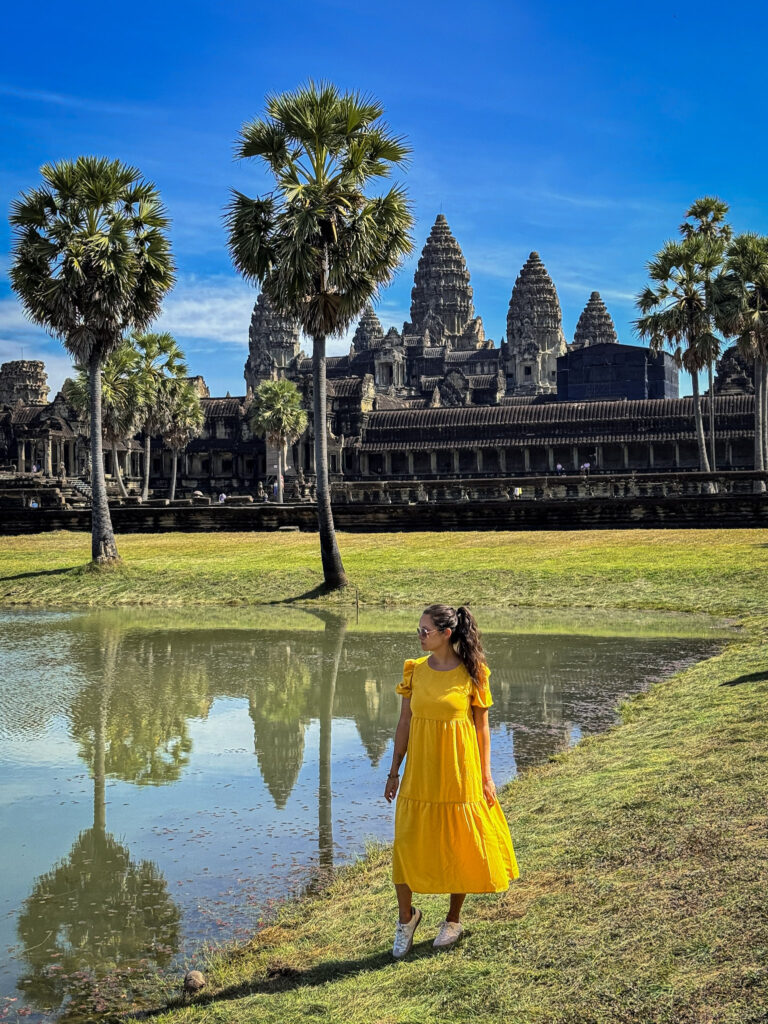
I spent 3 days here in December 2024 with a 3-day pass, a different tuk tuk driver each day, and absolutely no regrets. I visited more than 10 temples in total — some famous, some hidden, some completely unexpected. December turned out to be a brilliant time to visit — dry season, comfortable temperatures, and noticeably fewer crowds than peak season. The sunrise at Angkor Wat was busy. Almost everything else? Blissfully quiet. Here are my personal top 10 (plus 2 additional ones)— ranked honestly, with no filter.
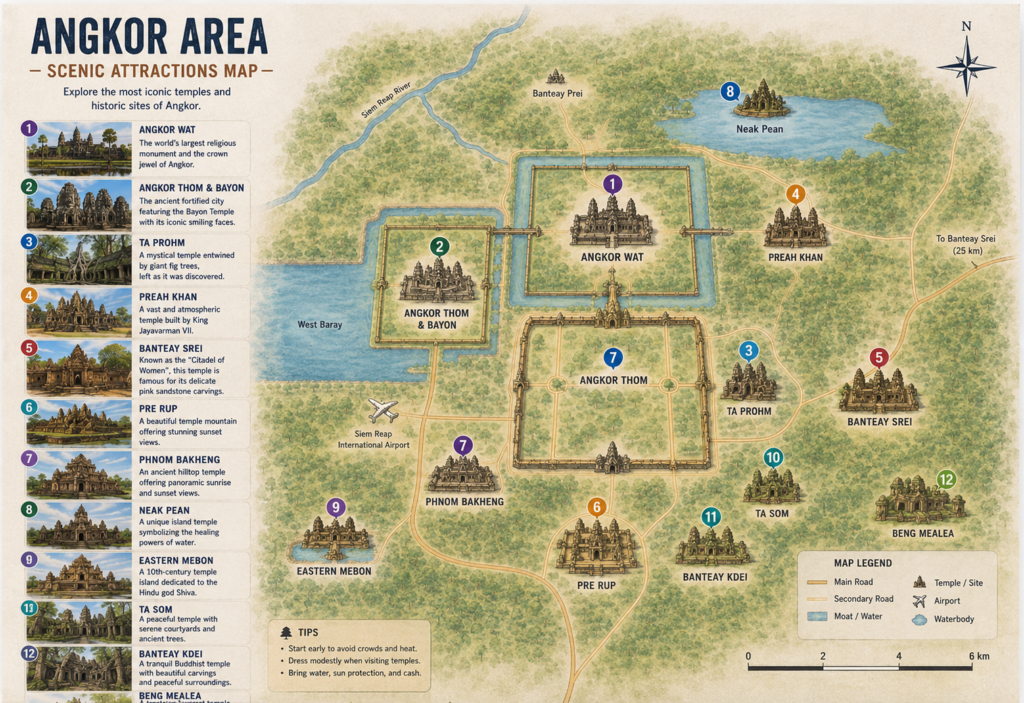
Angkor Archaeological Park Itinerary
1. Angkor Wat: The world’s largest religious monument and the crown jewel of Angkor
2. Angkor Thom & Bayon: The ancient fortified city featuring the Bayon Temple with its iconic smiling faces
3. Ta Prohm: A mystical temple entwined by giant fig trees, left as it was discovered
4. Preah Khan: A vast and atmospheric temple built by King Jayavarman VII
5. Banteay Srei: Known as the “Citadel of Women,” famous for its delicate pink sandstone carvings
6. Pre Rup: A beautiful temple mountain offering stunning sunset views
7. Phnom Bakheng: An ancient hilltop temple offering panoramic sunrise and sunset views
8. Neak Pean: A unique island temple symbolizing the healing powers of water
9. Eastern Mebon: A 10th-century temple dedicated to the Hindu god Shiva
10. Ta Som: A peaceful temple with serene courtyards and ancient trees
11. Banteay Kdei: A tranquil Buddhist temple with beautiful carvings and peaceful surroundings
12. Beng Mealea: A remote, jungle-swallowed temple left largely unrestored
Before You Go — Tickets & Practical Info

Angkor Pass You can't buy tickets at the temples themselves, so sort this out the evening before or early morning before you head out.

Ticket prices in 2026 are $37 for 1 day, $62 for 3 days, or $72 for 7 days.
Since $2 from every ticket goes to a children's hospital, you can feel good about buying one.

1-Day Pass: $37 — good if you're tight on time or just want to hit the highlights (Angkor Wat, Bayon, Ta Prohm)
3-Day Pass: $62 — valid for any 3 days within a 10-day window, gives you a much more relaxed pace
7-Day Pass: $72 — valid for any 7 days within a 30-day window, ideal if you want to properly explore beyond the main circuit

Pro tip: buy your pass after 5PM the evening before — you can use it the following day AND get a free bonus entry that same evening. You can also buy online at least 24 hours in advance to skip 30-45 minutes of queue time, which matters a lot if you're planning an early sunrise visit.

Start time: Aim to leave your hotel by 5:00-5:30 AM for sunrise, or 7:00 AM for a regular day to beat the heat and crowds. With 4 temples on the itinerary, an early start is essential.

Useful tip: dress respectfully — shoulders and knees covered — as Angkor Wat is a sacred site. Carry water, sunscreen, and comfortable shoes.
Jet Lag Jelly Tip: Skip the organized tours and just hire a tuk-tuk driver for the day — most hotels can arrange one for you, usually around $15-25 USD for a full day covering the Small Circuit (Angkor Wat, Bayon, Angkor Thom, Ta Prohm, and similar).
Your driver won't go into the temples with you — they'll drop you at each entrance, wait, and take you to the next one whenever you're ready. It's more flexible than a group tour and honestly nicer than back-to-back air-conditioned taxi rides, since the open-air ride between temples is part of the experience.
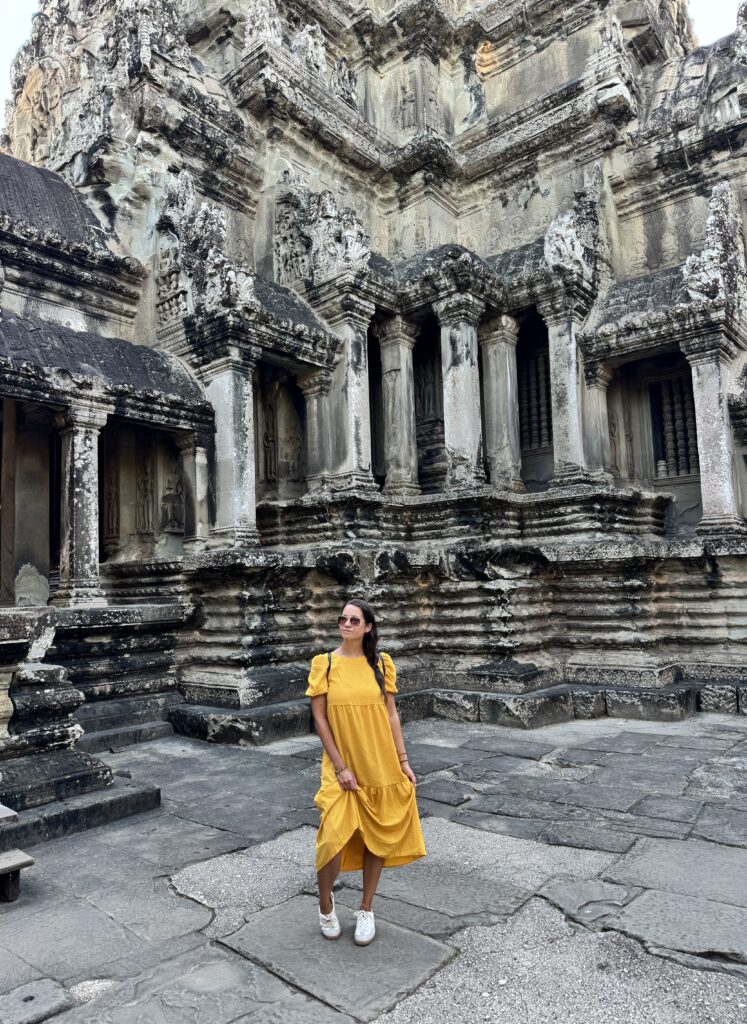
Did You Know?
- Angkor Wat was originally built in the early 12th century as a Hindu temple dedicated to Vishnu, before gradually transforming into a Buddhist site by the end of the century
- The entire Angkor Archaeological Park spans roughly 400 square kilometres, making it one of the largest religious monument complexes in the world
- Angkor Wat’s five iconic towers are meant to represent the five peaks of Mount Meru, the mythical center of the universe in Hindu and Buddhist cosmology
- Ta Prohm was deliberately left largely unrestored by archaeologists, so the massive silk-cotton and strangler fig trees remain intertwined with the ruins exactly as they were found
- Angkor Thom, the last great capital of the Khmer Empire, was home to an estimated 80,000-150,000 people at its peak — making it one of the largest pre-industrial cities in the world
- The Bayon Temple at the center of Angkor Thom features 216 enormous carved stone faces, believed to represent either the bodhisattva Avalokiteshvara or King Jayavarman VII himself
- Angkor Wat appears on the Cambodian national flag, the only building in the world to be featured on a national flag
1. Angkor Wat: The one that earns every superlative
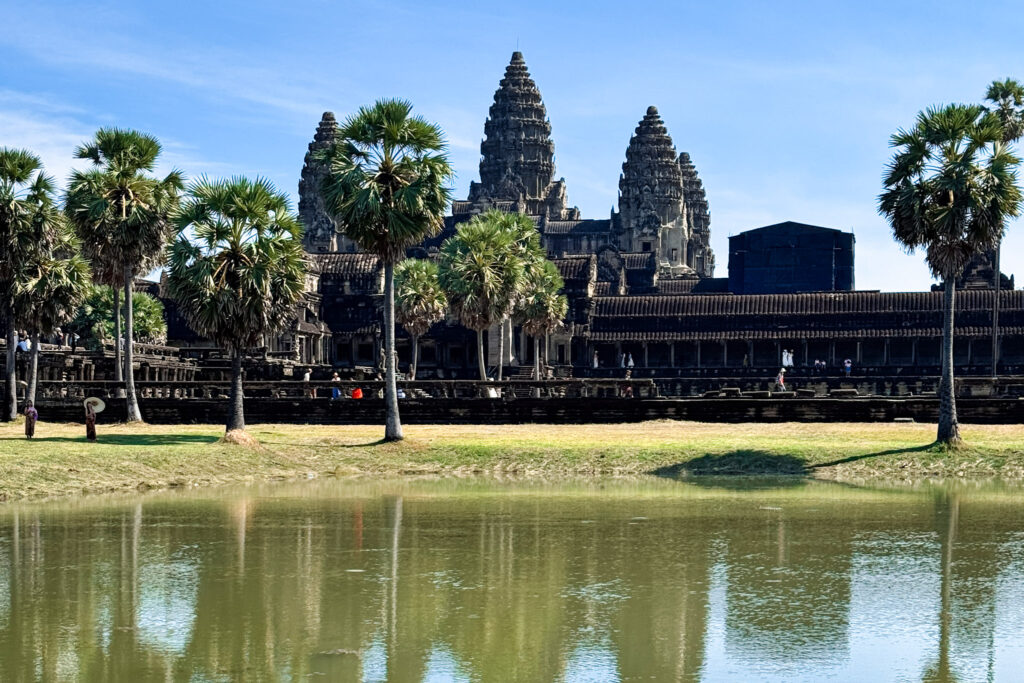
Let’s start with the obvious — because sometimes the obvious is obvious for very good reasons.
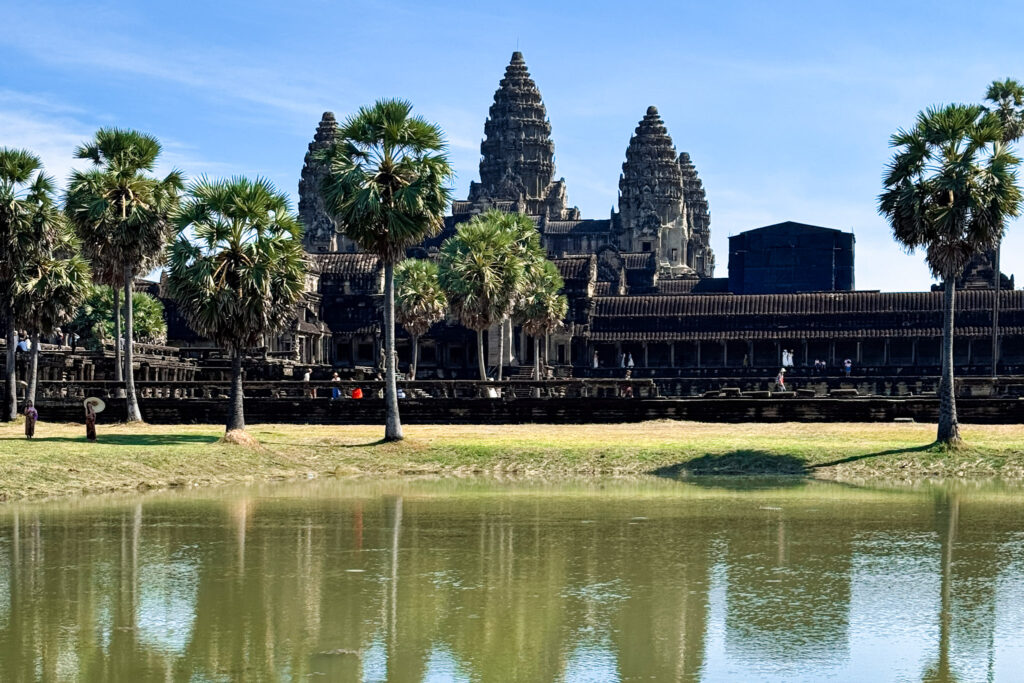
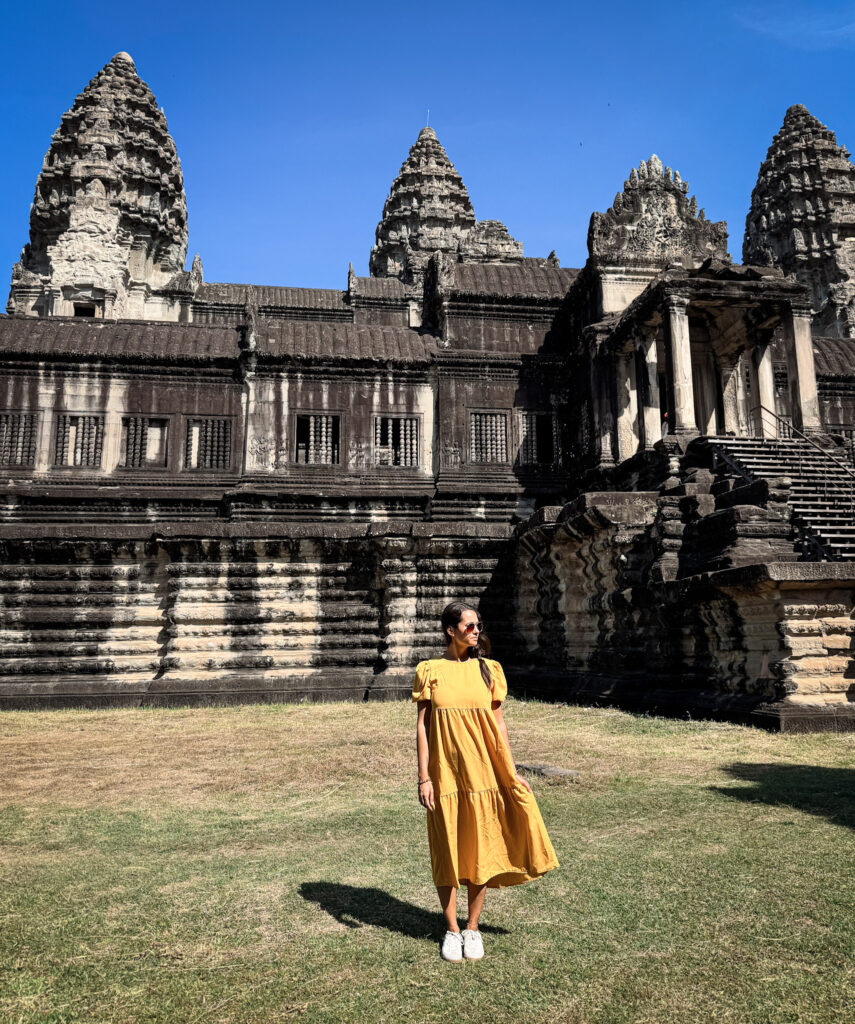
Angkor Wat is the largest religious monument in the world. Built in the early 12th century and dedicated to the Hindu god Vishnu, it covers an area of over 400 acres and took an estimated 300,000 workers and 6,000 elephants to build. Numbers that genuinely don’t compute until you’re standing in front of it.
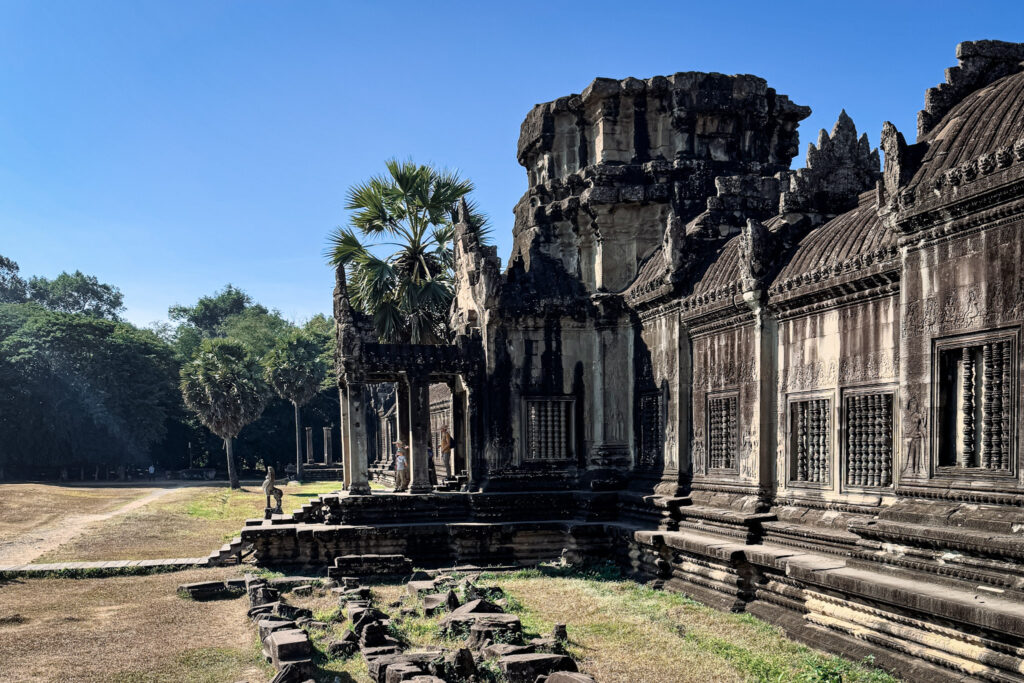
I visited twice — once for sunrise and once during the day — and both were completely different experiences. The sunrise visit was busy, yes, but watching the sky turn pink and gold above those iconic towers reflecting in the still pools below is one of those travel moments that justifies every early alarm.
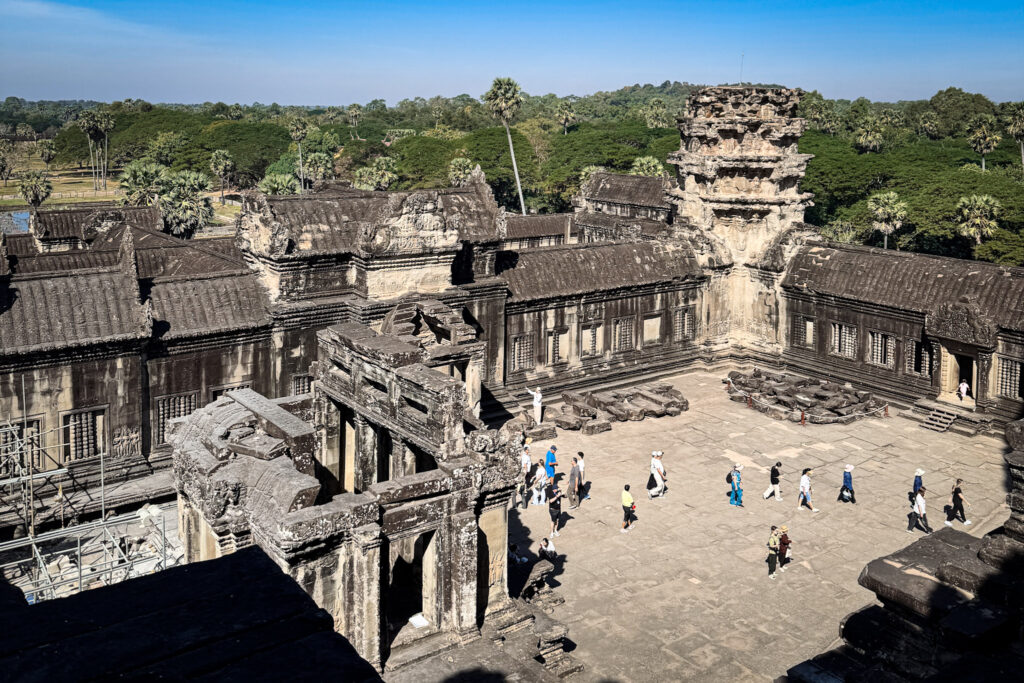
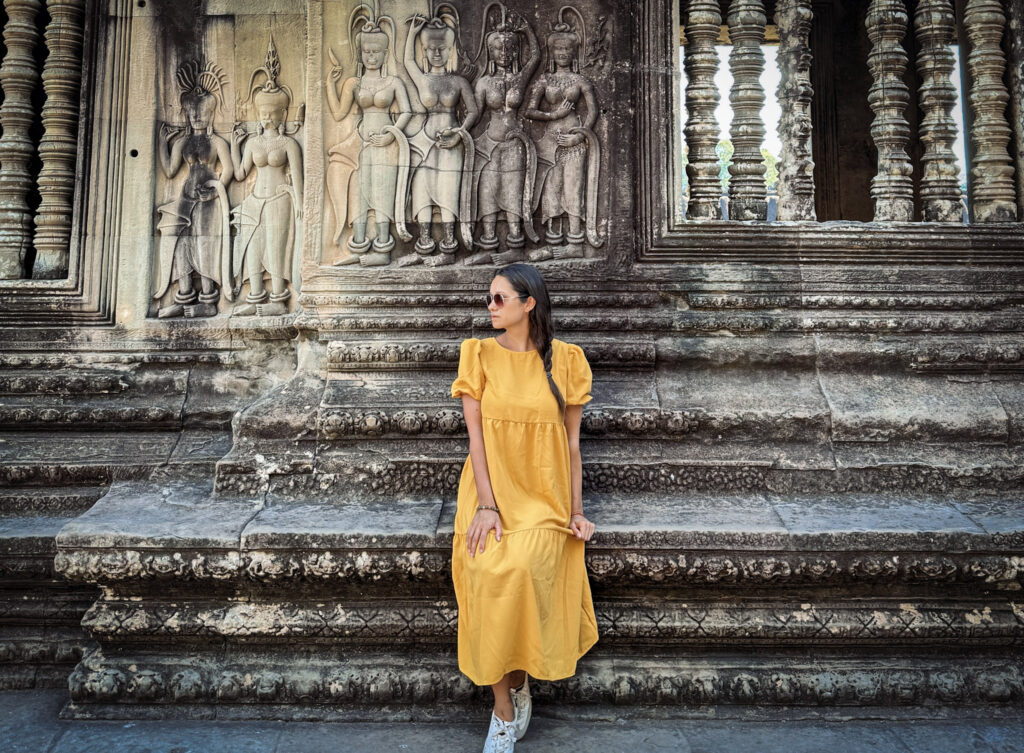
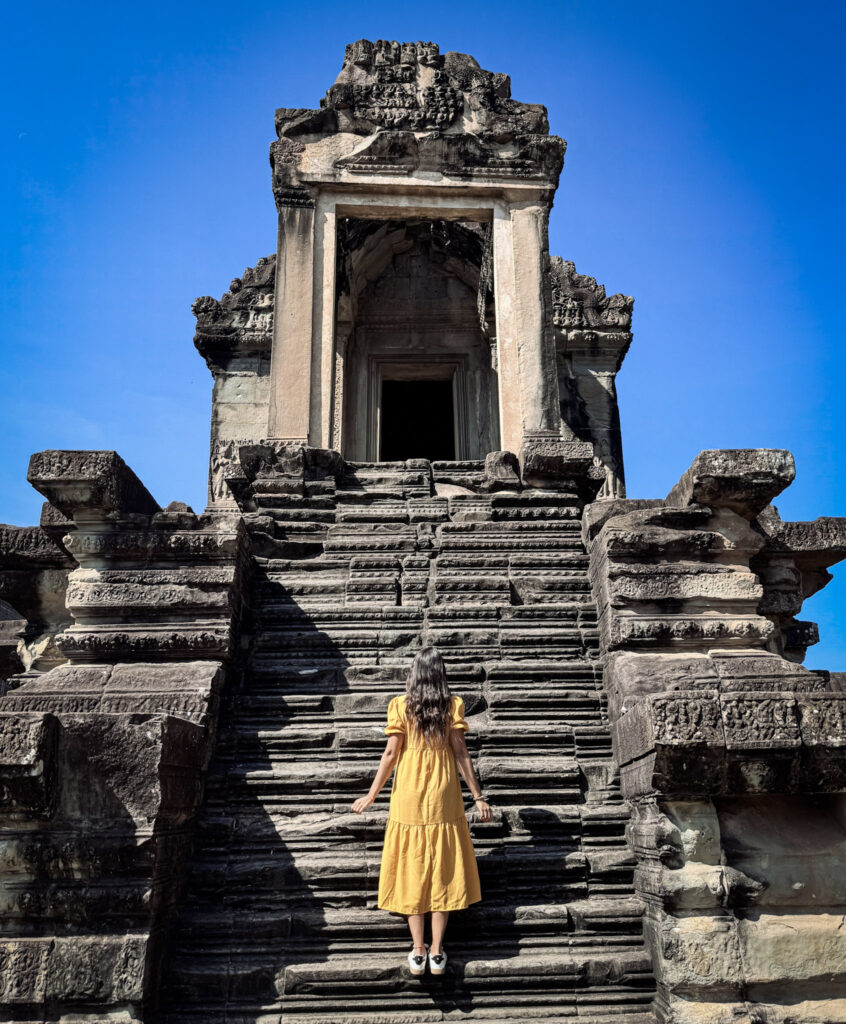
The daytime visit allowed for proper exploration — the intricate bas-relief carvings stretching along the walls for hundreds of meters, the steep staircases leading to upper levels, the sheer scale of it all slowly sinking in. Three to four hours here minimum. Don’t rush it. This one deserves your full attention.
Jet Lag Jelly Rating: 10/10

Time needed: 3-4 hours minimum

Best photo spot: The reflecting pools at sunrise

Tip: Visit at sunrise AND during the day — they're genuinely two different experiences. Buy your ticket the evening before to skip the morning queue.
2. Ta Prohm: The famous Tomb Raider place
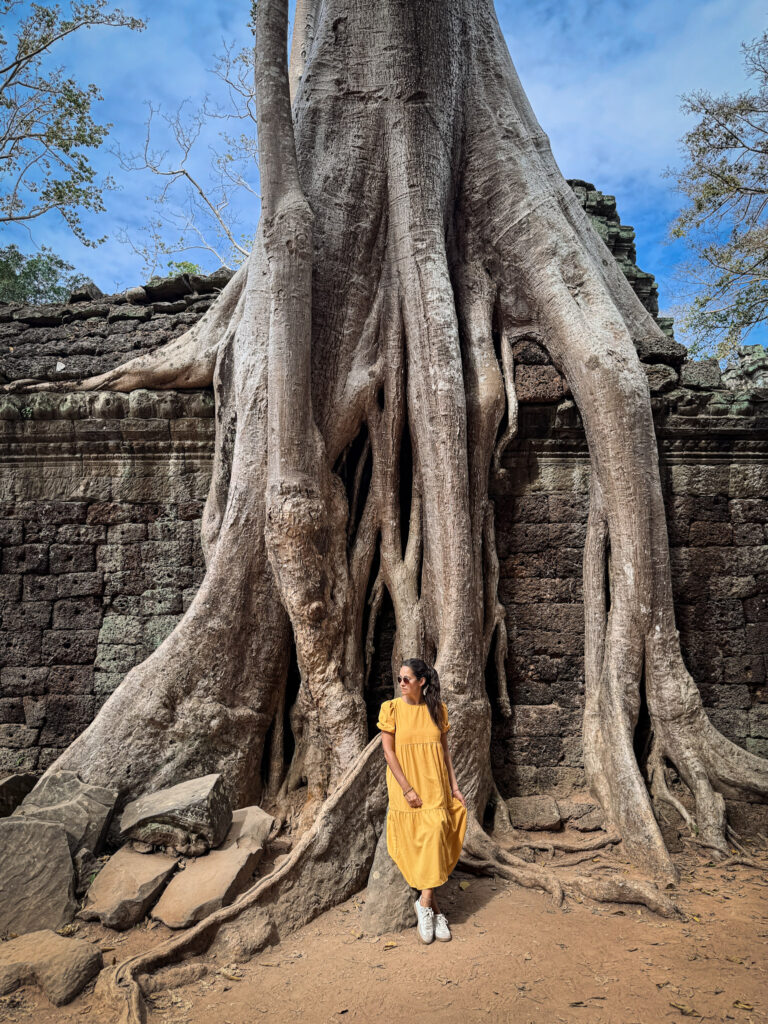
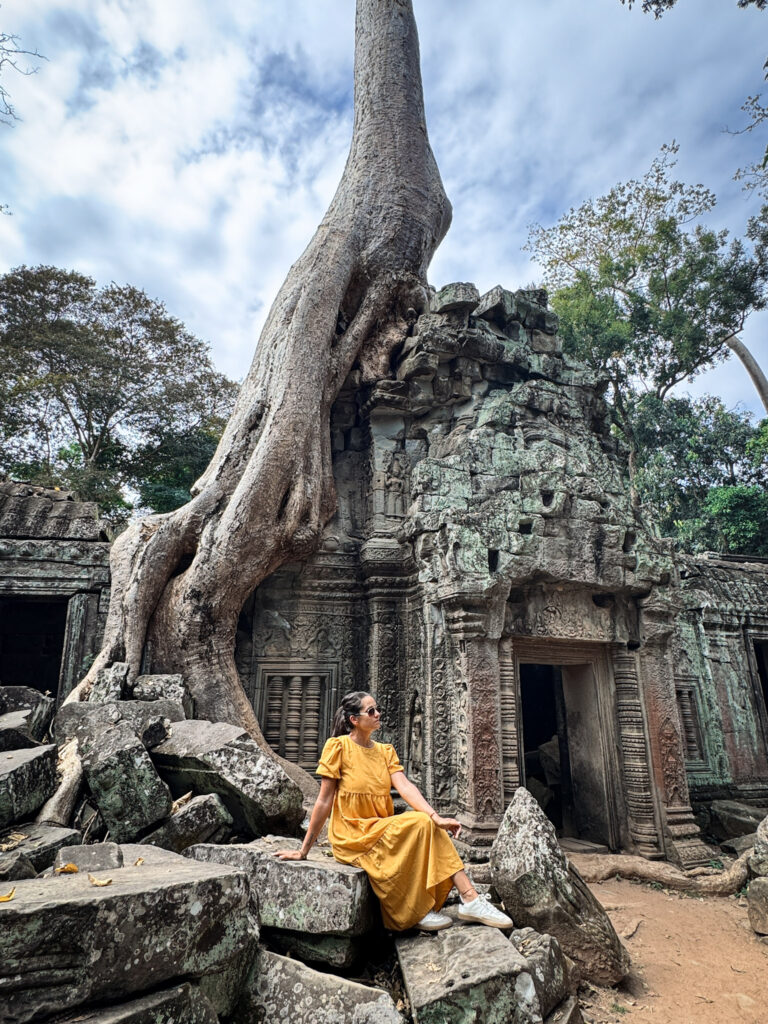
My personal favorite and the one I still think about most. Ta Prohm is what happens when you build a magnificent 12th century Buddhist temple in the jungle and then leave it alone for a few centuries. Silk-cotton and strangler fig trees have grown directly out of the walls, their massive roots cascading down ancient stone like frozen waterfalls of wood. The temple and the jungle have become completely inseparable — each one holding the other up in a delicate, extraordinary balance.
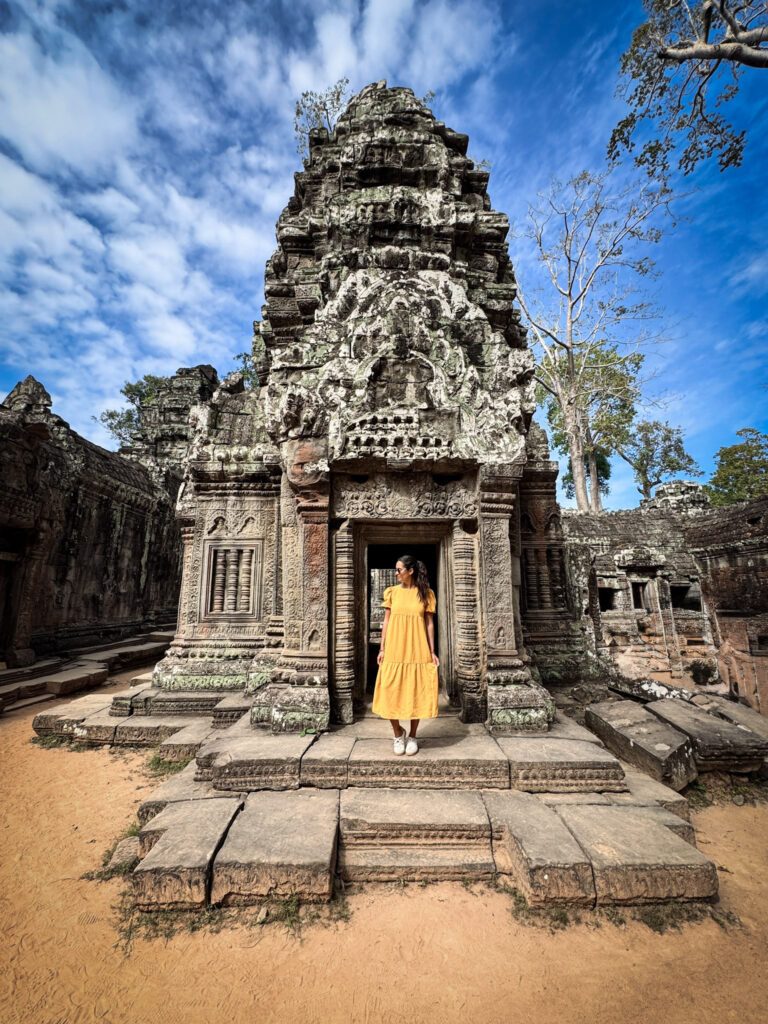
Yes, this is where they filmed Tomb Raider. But forget the movie — the real thing is so much better. Walking through narrow stone corridors with roots snaking overhead, stumbling into hidden courtyards where enormous trees burst through the walls, finding quiet corners where barely anyone else is around — it’s one of the most atmospheric places I’ve ever been.

The secret? Go deeper into the complex away from the main entrance. The further in you go, the fewer people you’ll find and the more magical it becomes.
Jet Lag Jelly Rating: 10/10

Time needed: 1.5-2 hours

Best photo spot: The famous tree root doorways deeper in the complex

Tip: Visit in the late afternoon when the light filters through the canopy — the atmosphere is completely otherworldly.
3. Preah Khan: The hidden gem that deserves more attention
Preah Khan was one of those happy discoveries that happens when you venture beyond the famous names.
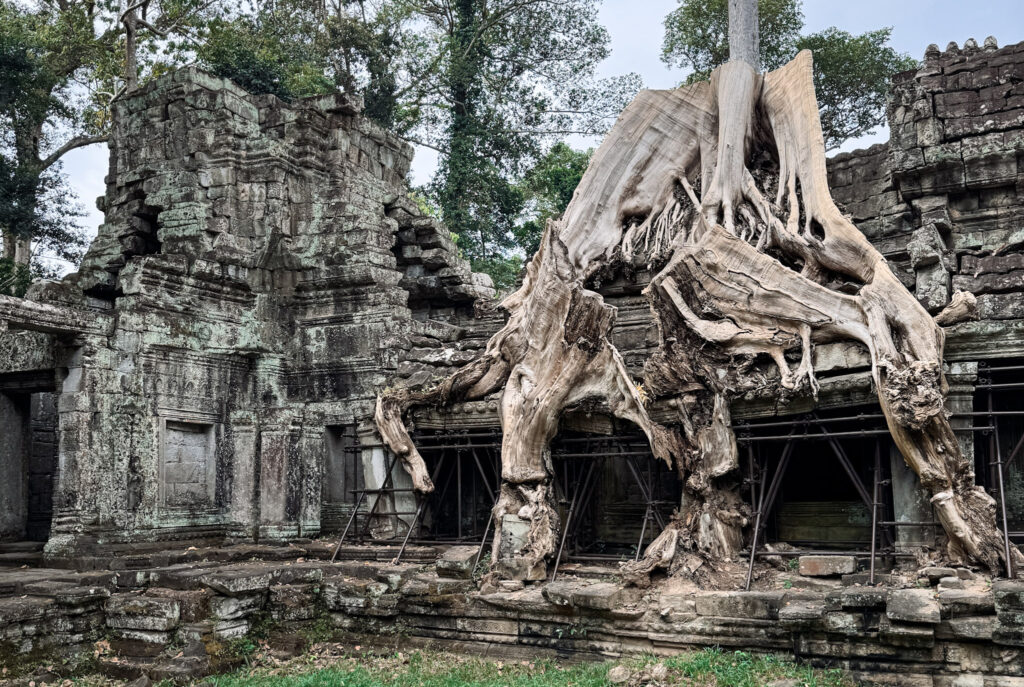
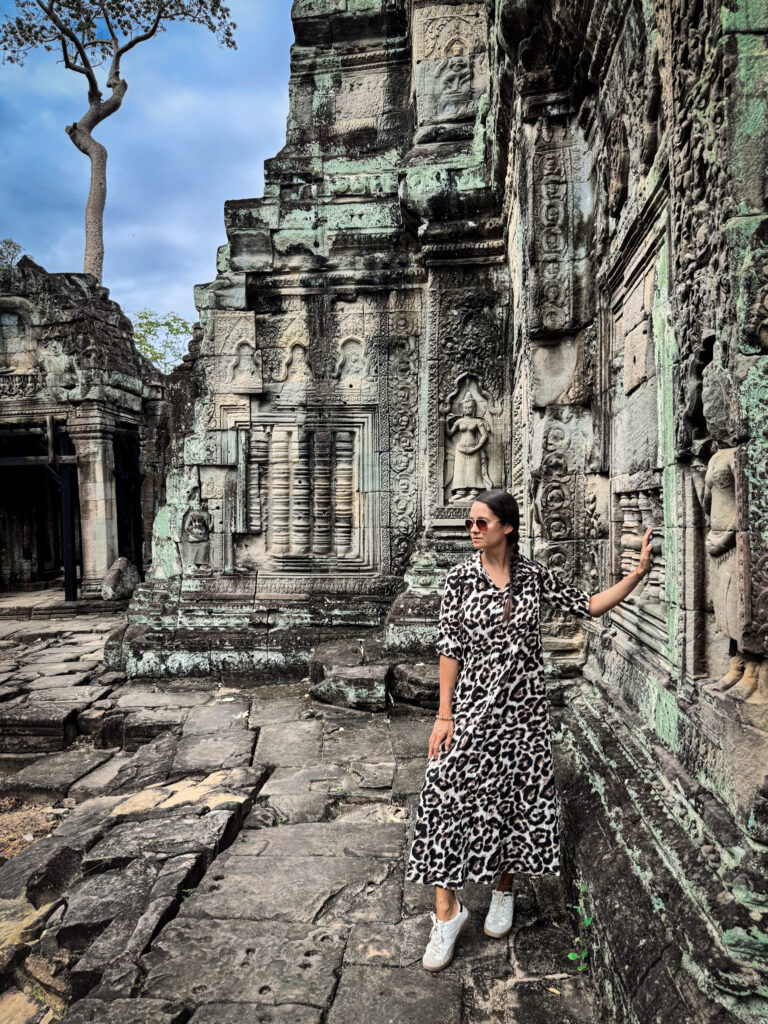
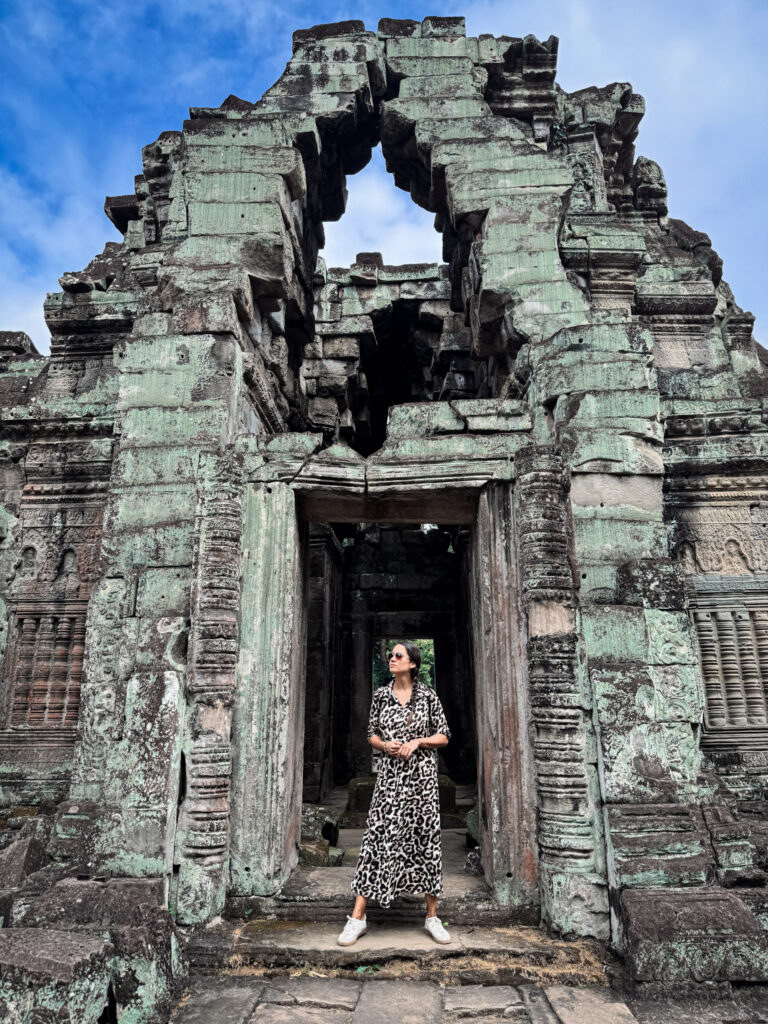
Built in the late 12th century by King Jayavarman VII and dedicated to his father, Preah Khan is a vast temple complex with long atmospheric corridors, intricate Apsara carvings, and a wonderfully quiet atmosphere. Where Ta Prohm can get busy, Preah Khan tends to be significantly quieter — which means you can actually wander slowly, get lost in the labyrinthine passageways, and feel the history rather than navigate around crowds.
The scale is impressive — this was once a small city in itself, home to nearly 100,000 people. Walking through it, that’s actually easy to believe.
Jet Lag Jelly Rating: 9/10

Time needed: 1-1.5 hours

Best photo spot: The long straight corridors with light streaming through

Tip: Combine with Neak Pean nearby — they work perfectly together as a half day.
4. Phnom Bakheng: The oldest and most underrated view in Angkor
Phnom Bakheng doesn’t get the attention it deserves — possibly because it’s sandwiched between the famous names and gets overlooked.
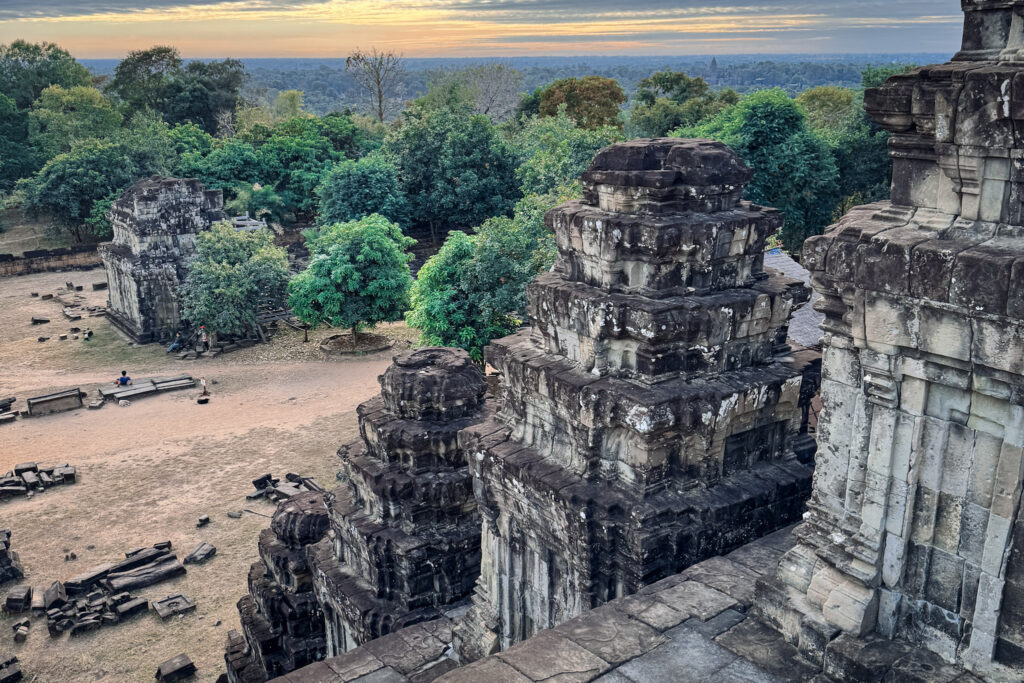
Built in the late 9th century — predating Angkor Wat by over 200 years — it sits on top of a natural hill and offers some of the best panoramic views in the entire complex. We visited at sunrise, climbing up in the early morning light with the jungle stretching endlessly in every direction from the top. Quiet, atmospheric, and completely beautiful.
It’s also one of the oldest surviving temple mountains in Angkor — the history here runs even deeper than most.
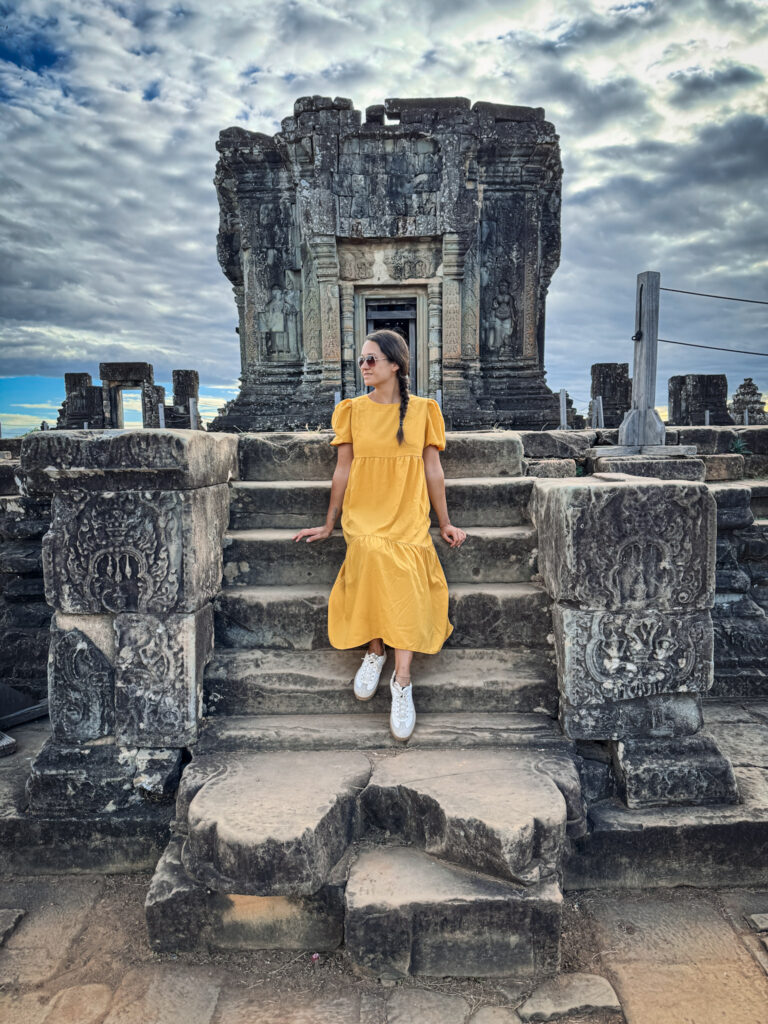
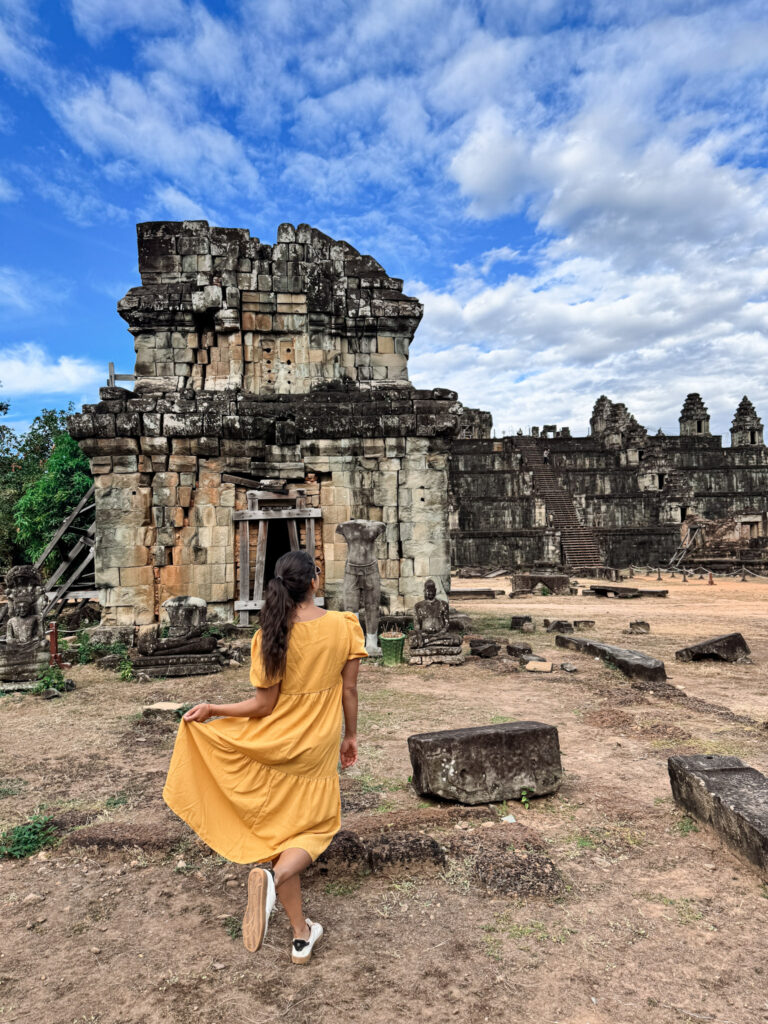
Jet Lag Jelly Rating: 8.5/10

Time needed: 45 minutes - 1 hour

Best photo spot: The top level looking out over the jungle canopy

Tip: Visit at sunrise or sunset for the best views — and arrive early because numbers are limited at the top.
5. Neak Pean: The most unique temple in the whole complex
If you asked me which temple surprised me most, Neak Pean would win without hesitation.
A small circular temple sitting on a tiny island in the middle of a large pond — its perfect reflection doubling the beauty in the still water below. Built in the 12th century as a hospital, the surrounding pools were believed to have miraculous healing properties. Standing at the water’s edge looking at that reflection on a clear December morning, it genuinely felt like it could still work.
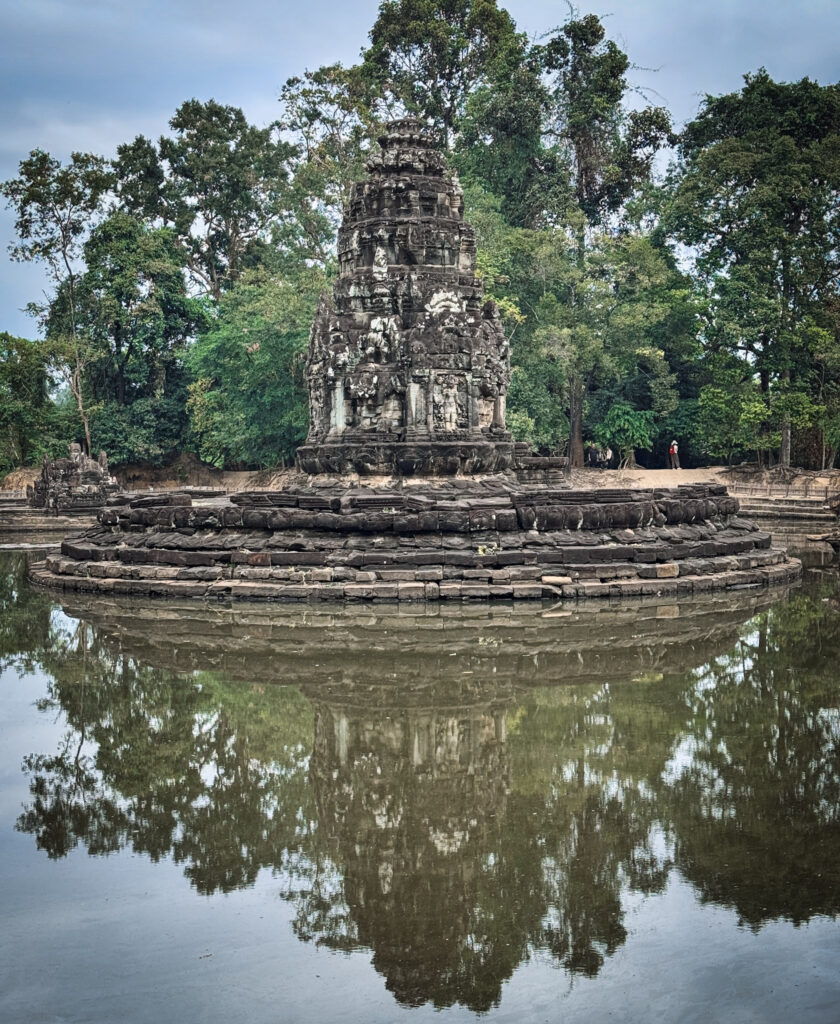
Unlike most Angkor temples, Neak Pean is viewed from a distance across the water — which somehow makes it even more beautiful. Simple, serene, and completely unlike anything else in the complex.
Jet Lag Jelly Rating: 8.5/10

Time needed: 30-45 minutes

Best photo spot: The wooden walkway looking directly at the temple reflection

Tip: Visit in the morning when the water is still and the reflection is perfect.
6. Angkor Thom & Bayon: Giant stone faces and unexpected monkey encounters
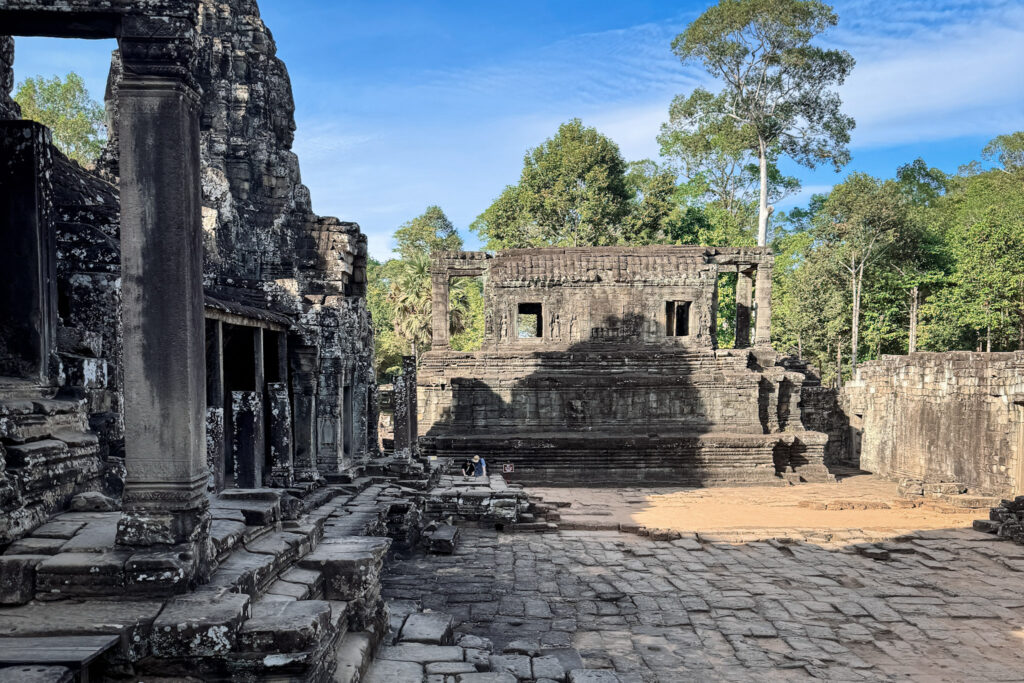
Angkor Thom is not just a temple — it’s an entire walled city covering 9 square kilometers, the last great capital of the Khmer Empire. The approach alone is worth the visit — a dramatic stone causeway lined with gods on one side and demons on the other, leading to a massive gate tower rising above the jungle.
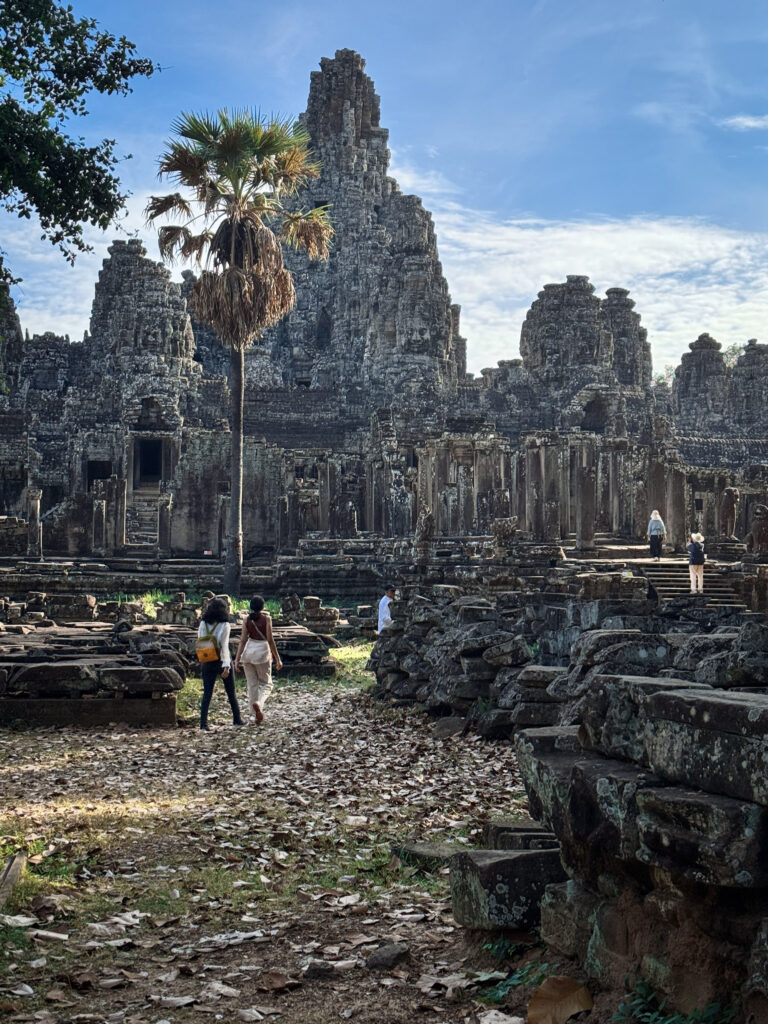
Inside, Bayon Temple is the star — dozens of towers each carved with enormous serene stone faces staring out in every direction. Slightly surreal, deeply impressive, and impossible to photograph badly. Standing among those faces, you genuinely can’t decide which direction to look.
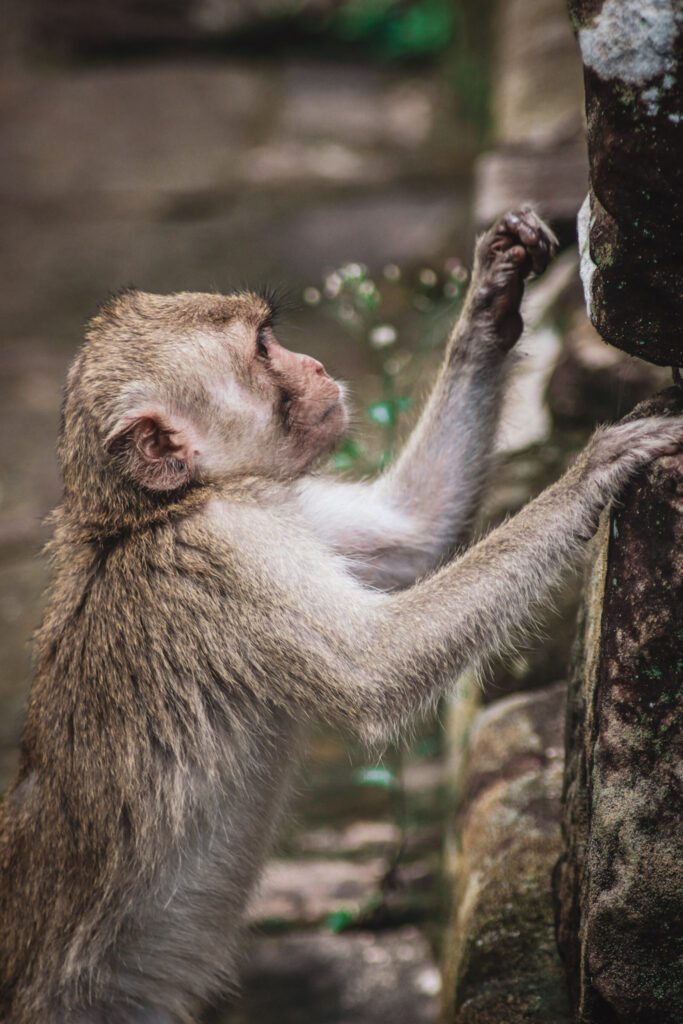
Oh, and the monkeys. Angkor Thom has plenty of them — wandering through ancient ruins completely unbothered, as if the Khmer Empire was built specifically for their convenience.
Jet Lag Jelly Rating: 8.5/10

Time needed: 1.5-2 hours

Best photo spot: Up close with the giant Bayon stone faces

Tip: Watch your belongings around the monkeys — they're bold and have no concept of personal property.
7. Pre Rup: Climb up. The view is worth it
Pre Rup is one of those temples that rewards the effort.
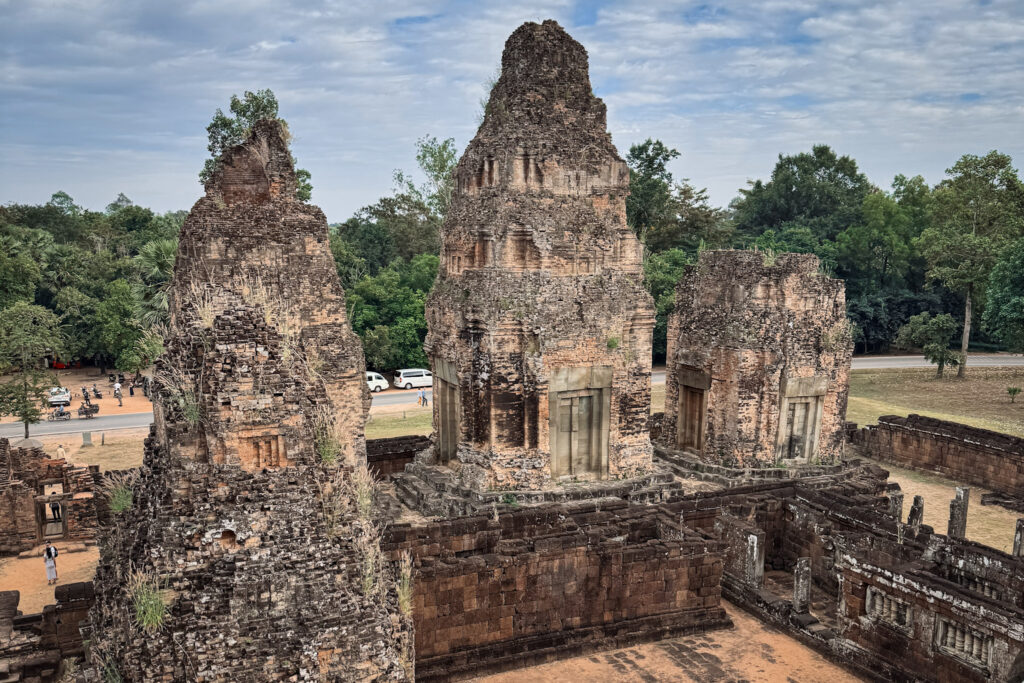
A 10th century Hindu temple built from warm reddish-pink laterite brick and sandstone, Pre Rup rises in steep terraces to a dramatic upper level. The climb is steep — genuinely steep — but the panoramic views from the top over the surrounding jungle in every direction make every step completely worth it.
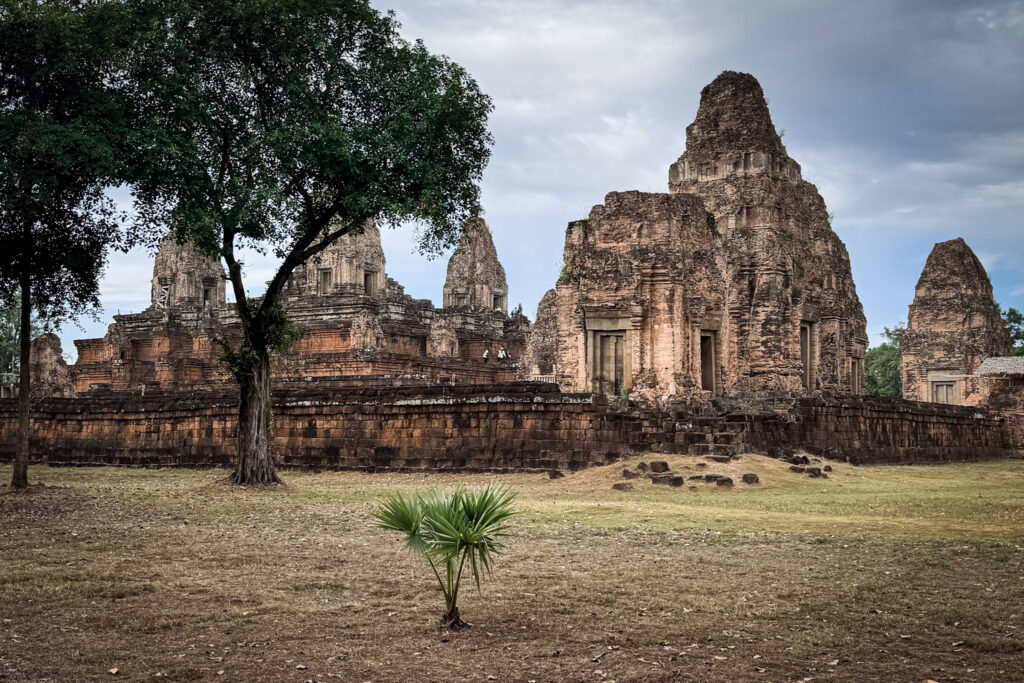
The warm tones of the brick against a dramatic December sky made for some of the best photos of the entire Angkor visit. Less visited than the big names, quietly impressive, and with views that rival anything in the complex.
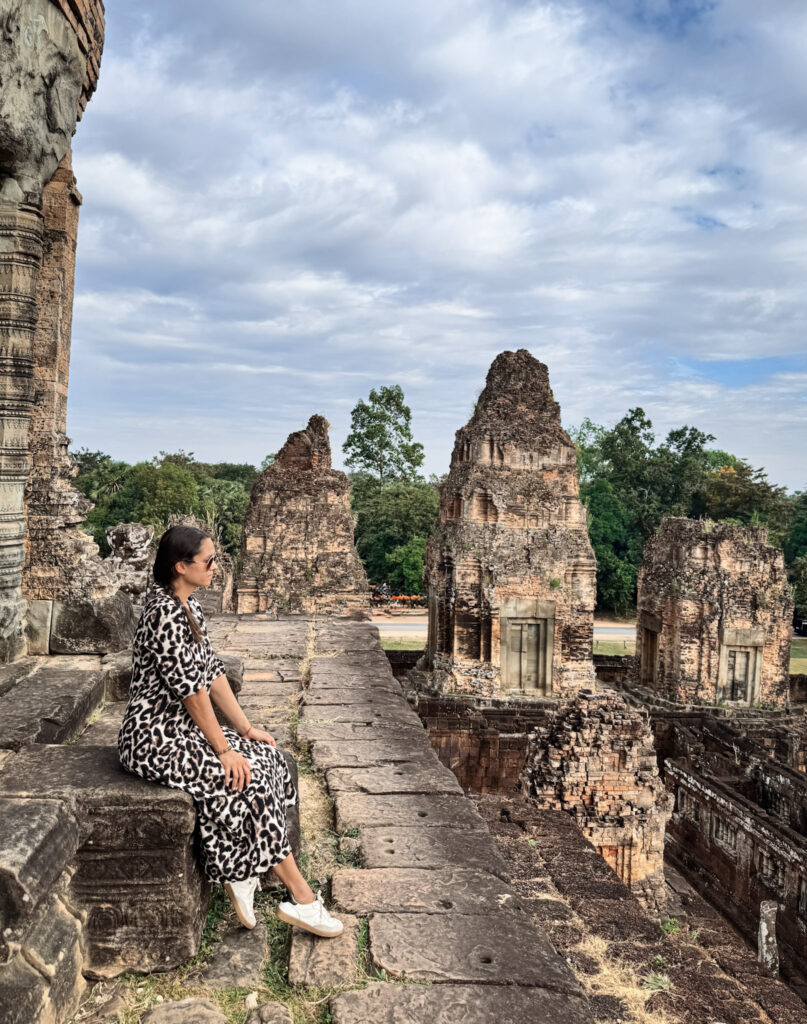
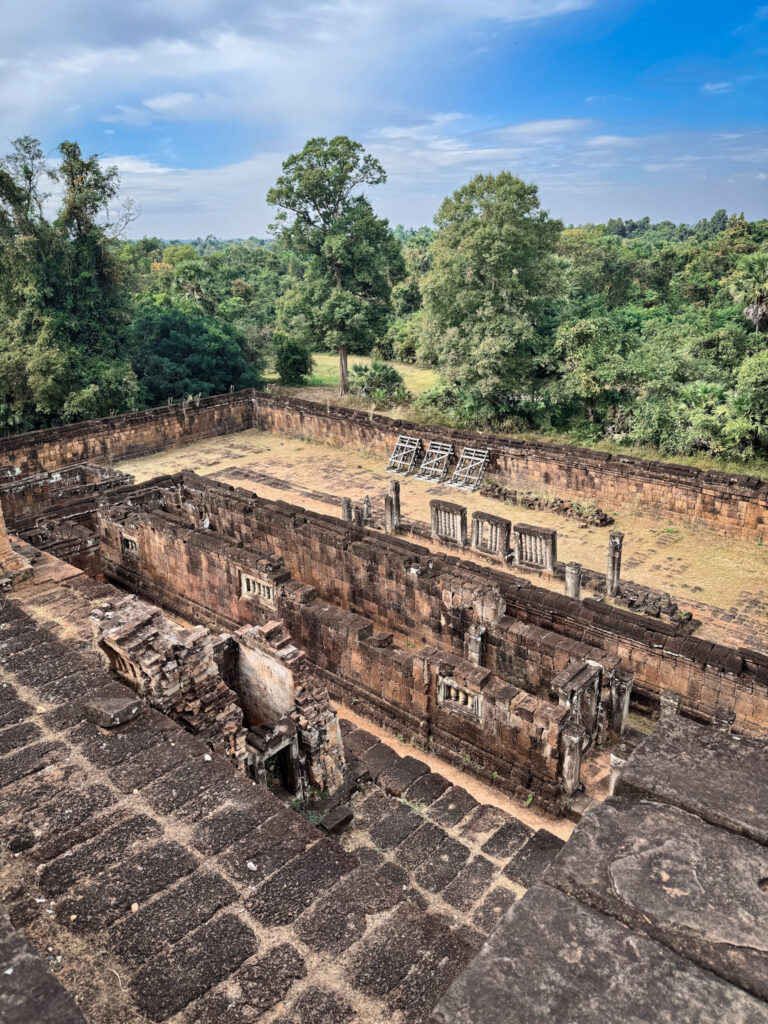
Jet Lag Jelly Rating: 8/10

Time needed: 45 minutes - 1 hour

Best photo spot: The upper level looking out over the jungle

Tip: Pre Rup is also famous as a sunset spot — the warm brick tones glow beautifully in the late afternoon light.
8. Eastern Mebon: The temple with elephant guardians
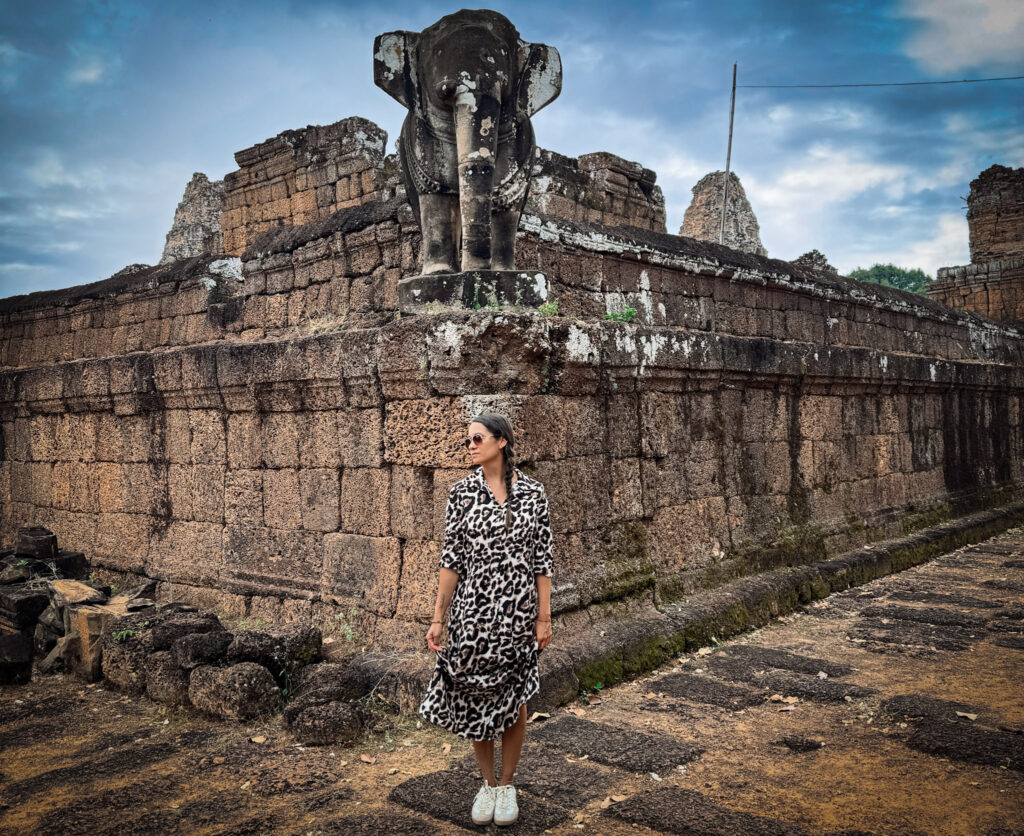
Eastern Mebon doesn’t always make it onto highlight lists — which is exactly why it should be on yours.
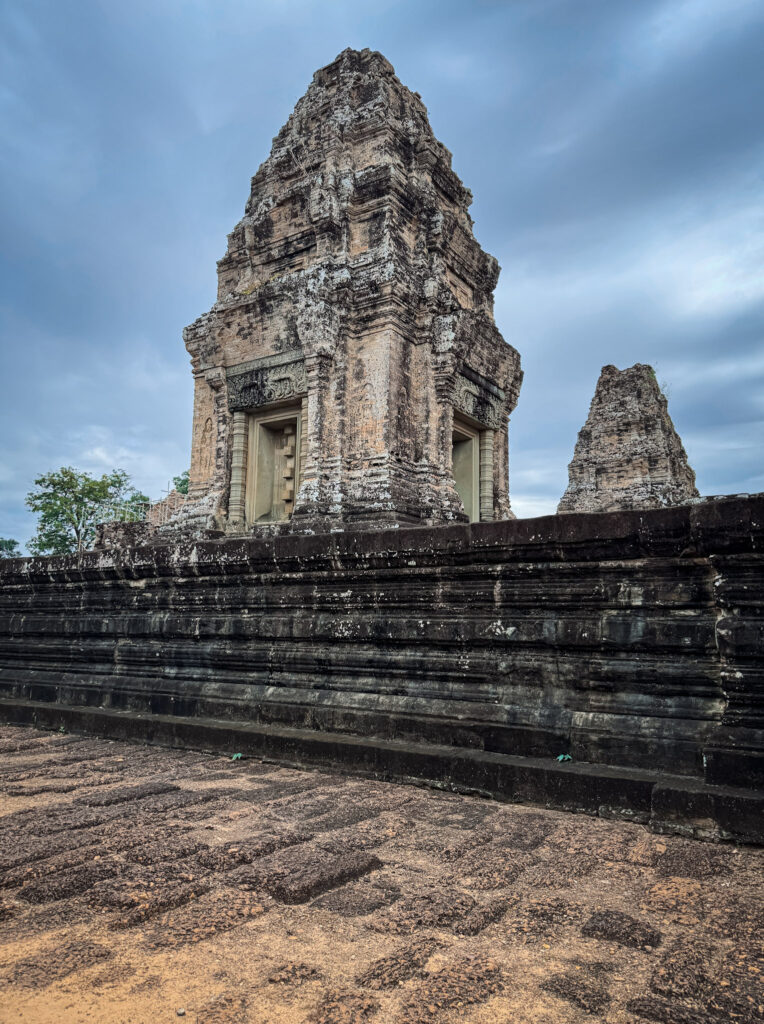
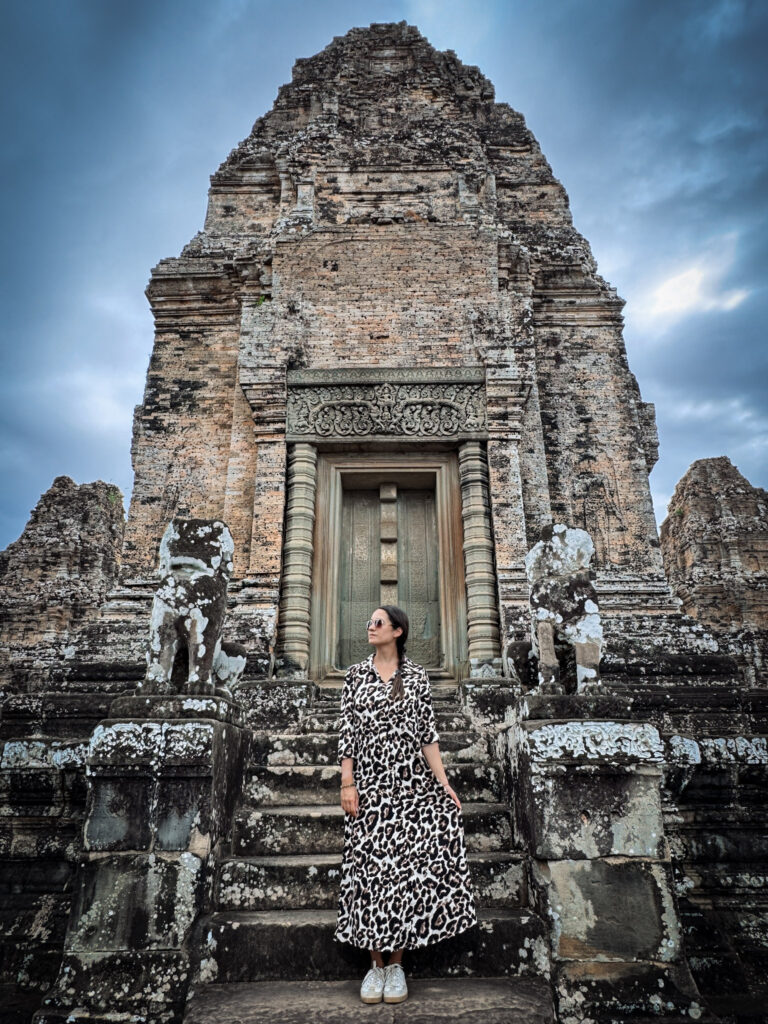
Built in the 10th century and dedicated to the Hindu god Shiva, Eastern Mebon was originally constructed on an island in the middle of a vast reservoir — the water disappeared long ago but the temple remains. What makes it instantly distinctive are the four magnificent stone elephant statues guarding each corner of the temple — still standing watch after over a thousand years, beautifully preserved and completely charming.
Jet Lag Jelly Rating: 7.5/10

Time needed: 45 minutes

Best photo spot: The corner elephant statues up close

Tip: Combine with Pre Rup nearby — they make a natural pairing.
9. Ta Som: Small but perfectly formed
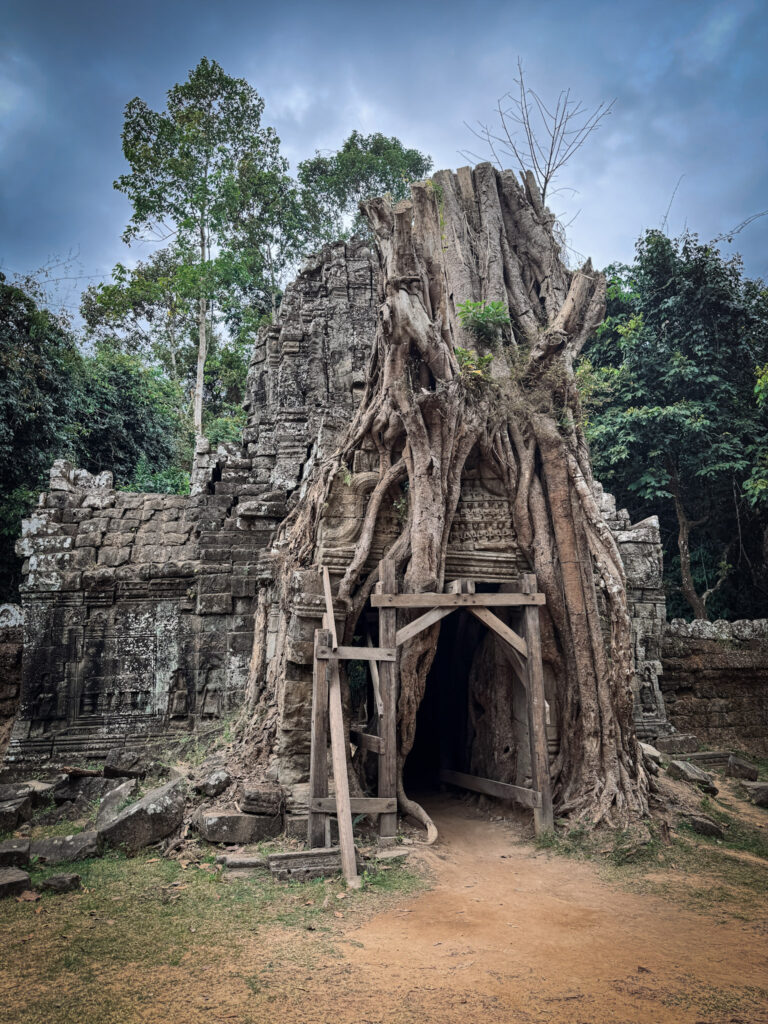
Ta Som is the quiet achiever of the Angkor complex — small, less visited, and completely lovely. A late 12th century Buddhist temple also built by King Jayavarman VII, Ta Som has that same magical quality as Ta Prohm — ancient stone slowly being reclaimed by jungle — but without the crowds. The eastern gateway is completely consumed by a massive strangler fig tree, its roots cascading over the ancient stonework in a beautiful, dramatic embrace.
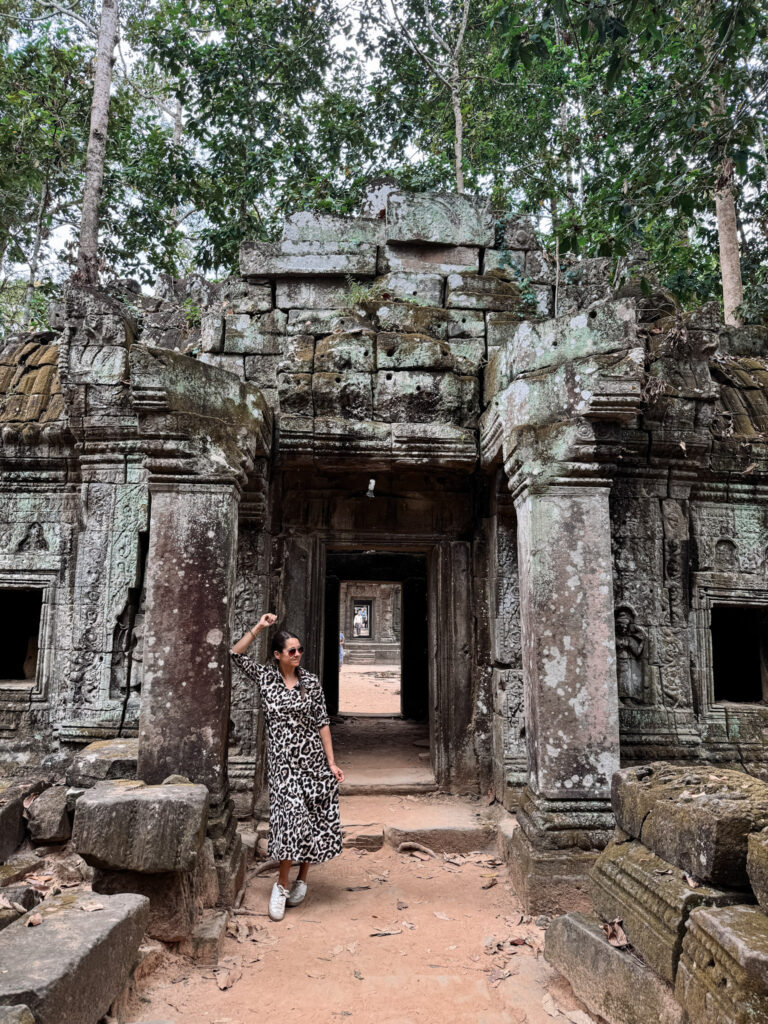
If you want the Ta Prohm atmosphere without the people — Ta Som is your answer.
Jet Lag Jelly Rating: 7.5/10

Time needed: 30-45 minutes

Best photo spot: The eastern gateway consumed by tree roots

Tip: This is one of the quieter temples — go at any time of day and you'll likely have it almost to yourself.
10. Banteay Kdei: The peaceful one
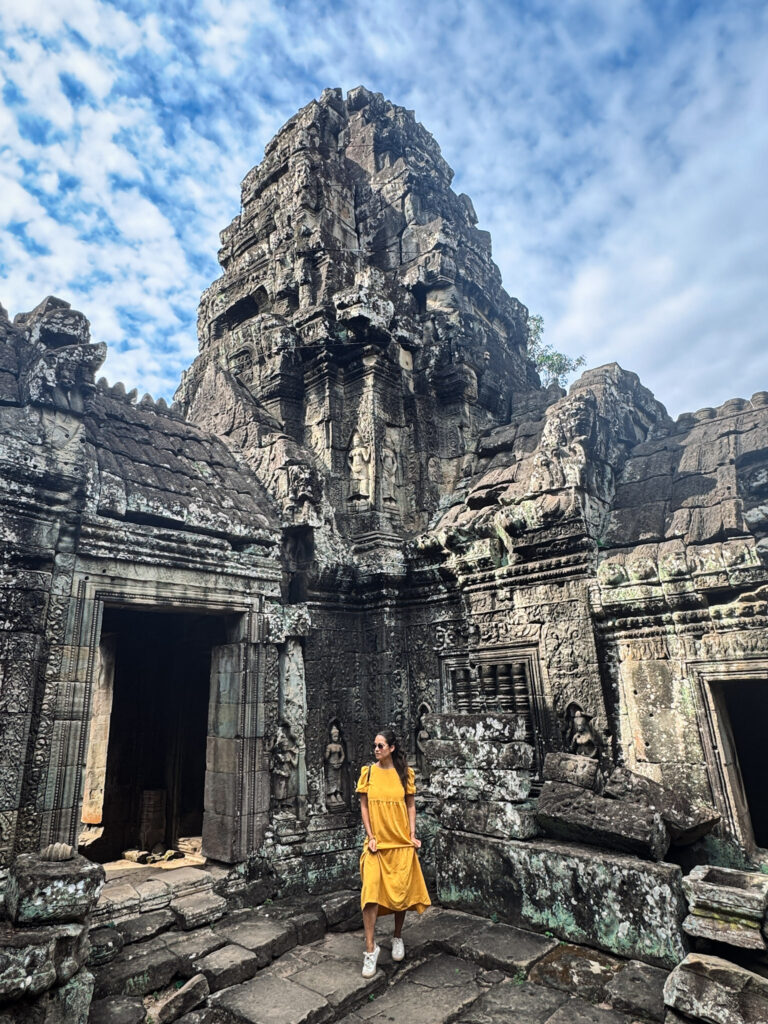
Banteay Kdei rounds out the top 10 as the most peaceful temple of the whole visit. A beautiful 12th century Buddhist temple with intricate Apsara dancer carvings on the doorways and a wonderfully serene atmosphere. Less dramatic than some of the others but genuinely lovely — the kind of place where you slow down, look carefully at the details, and appreciate the extraordinary craftsmanship that went into every single stone.
Jet Lag Jelly Rating: 7/10

Time needed: 45 minutes

Best photo spot: The ornate carved doorways

Tip: Srah Srang — a beautiful royal bathing pool — is right next door and worth a quick visit.
Bonus: Temples I Didn’t Visit But You Should
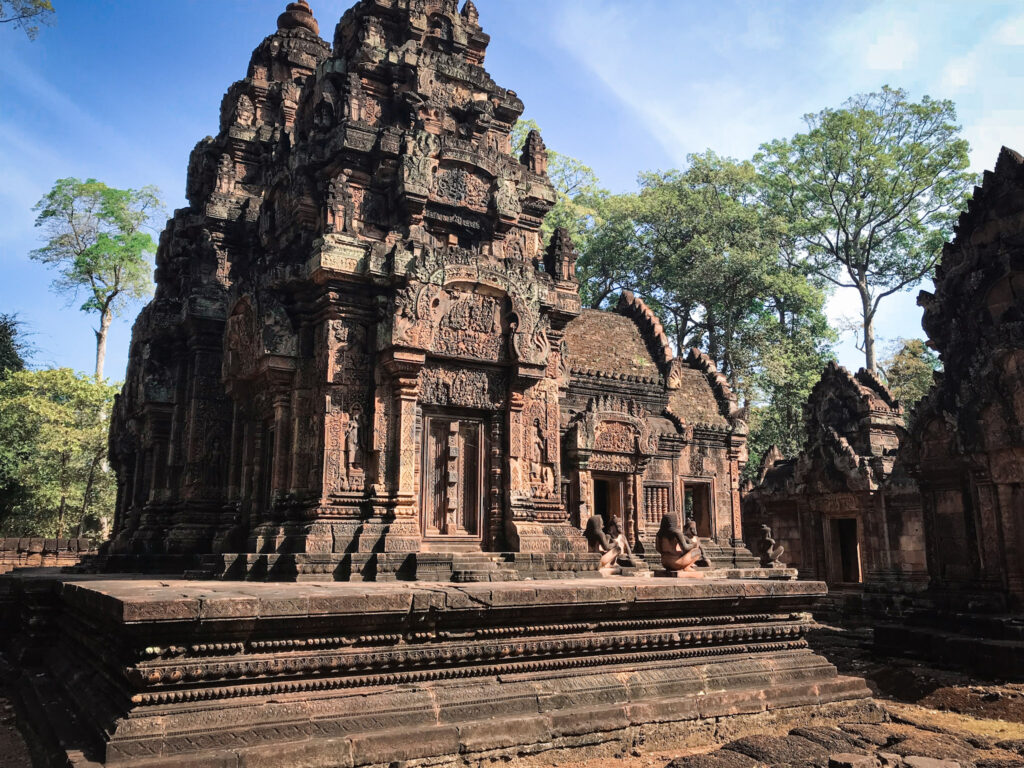
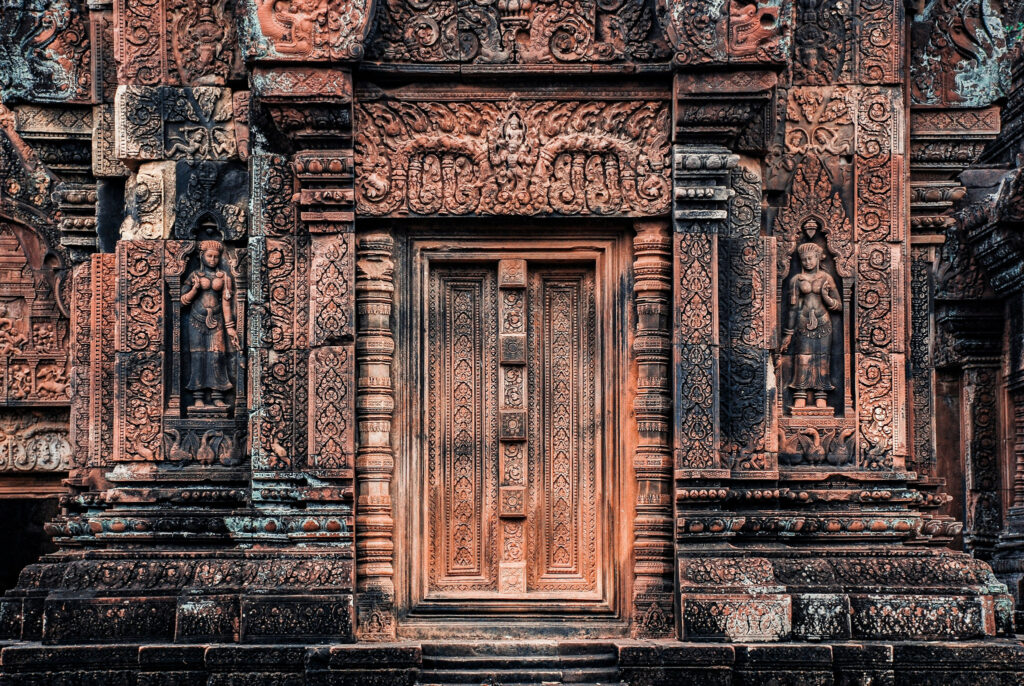
No Angkor guide would be complete without mentioning the ones that got away: Banteay Srei — Often called the “Jewel of Khmer Art”, this 10th century temple is famous for its incredibly detailed pink sandstone carvings — considered the finest in the entire Angkor complex. Smaller than most but absolutely extraordinary. On my list for next time.
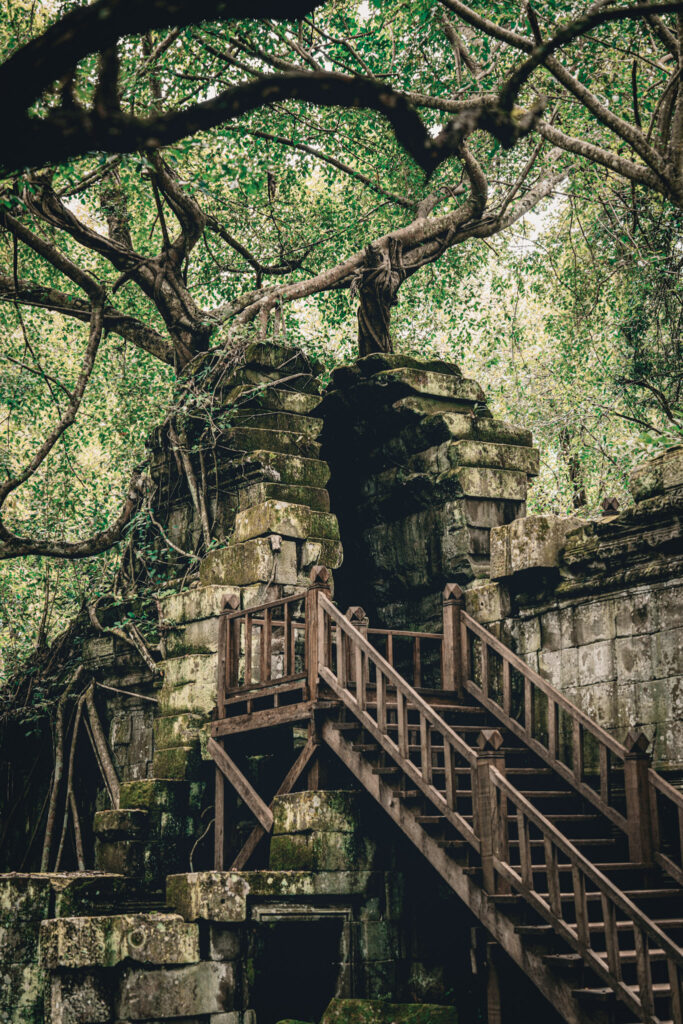
Beng Mealea — A jungle temple so overgrown it makes Ta Prohm look tidy. Located about 40km from Siem Reap, it requires a separate trip but by all accounts is absolutely worth it for the truly adventurous temple explorer.
Best Time to Visit Angkor
November to February is the ideal window — cooler, drier air makes a real difference when you’re climbing temple staircases and walking for hours in the sun. Expect daytime temperatures in the high 20s°C, without the brutal humidity of the hotter months.
- March-May: Hot and dry, with temperatures regularly climbing into the mid-30s°C — doable, but genuinely draining if you’re spending full days out at the temples.
- June-October (rainy season): Bigger crowds thin out and the surrounding jungle turns a deeper green, but expect afternoon downpours and higher humidity. Mornings tend to stay dry, so an early temple start works well in this window.
Jet Lag Jelly Tip: Since Koh Rong and Angkor sit at opposite ends of Cambodia's dry/wet season sweet spots (both peak in the same window, conveniently), a trip timed for December-February works well for covering both stops on this itinerary in one go.
Where to Stay
Angkor Wat itself has no accommodation — you’ll base yourself in Siem Reap, about 20-30 minutes from the temple complex.
Old French Quarter: the most popular base for first-timers — centrally located, walking distance to the Old Market, and well connected to Angkor Wat by tuk-tuk. Expect a mix of colonial-era architecture and a good range of hotels across budgets.
Pub Street/Night Market area: right in the thick of Siem Reap’s nightlife and restaurant scene — great if you want to be close to the action in the evenings, though it’s noisier than other options.
Charles de Gaulle Boulevard: the road leading toward Angkor Wat itself, lined with higher-end resorts — worth it if you want a quieter, more luxury-focused stay closer to the temples.
Browse hotels in Siem Reap to compare options across all these areas.
Budget
Cambodia remains one of the best-value destinations in Southeast Asia. Rough daily estimates per person, excluding international flights:
- Backpacker: $25-35/day — dorm beds or basic guesthouses, street food, tuk-tuks and local buses
- Mid-range: $60-100/day — private AC rooms, a mix of local and Western meals, tuk-tuk day rates for temple touring
- Comfort/luxury: $150+/day — boutique hotels or Koh Rong resorts with overwater bungalows, private drivers, premium tours
- bungalows, private drivers, premium tours
A few costs specific to this itinerary: the Angkor Archaeological Park pass runs $37 for one day, $62 for three days, or $72 for seven — the multi-day passes are much better value if you’re spending more than a single day at the temples. Ferries between Sihanoukville and Koh Rong run around $15-30 round trip depending on operator and speed. Cambodia runs on a dual-currency system — USD is used for most transactions, with Cambodian riel handling small change under $1, so you don’t need to worry much about currency exchange.
Jet Lag Jelly Tip: Skip the single-day Angkor pass if you're spending more than one day at the temples — the 3-day pass costs less than two single-day tickets and gives you way more flexibility to pace yourself instead of rushing.
FAQ
How many days do you need to visit Angkor Wat? Three days is ideal if you want to see more than just Angkor Wat, Bayon and Ta Prohm. A 3-day pass gives you enough time to explore the main temples without rushing and also visit some of the quieter temples further from the main circuit.
Is Angkor Wat worth visiting? Absolutely. Angkor Wat is one of those places that lives up to the hype. But the real magic is exploring the entire Angkor Archaeological Park rather than visiting Angkor Wat alone. Temples like Ta Prohm, Preah Khan, Neak Pean and Ta Som were some of my personal highlights.
What time should you visit Angkor Wat? For the best experience, start early in the morning. If you want to see sunrise at Angkor Wat, you’ll need to leave Siem Reap around 5:00–5:30 AM. Even if sunrise isn’t your priority, starting around 7:00 AM helps you avoid the worst heat and some of the larger crowds.
How much does the Angkor Wat ticket cost? In 2026, the Angkor Pass costs $37 for one day, $62 for three days, or $72 for seven days. The 3-day pass is the best option for most visitors who want to explore the temples at a relaxed pace.
Do you need a tour guide for Angkor Wat? No, you don’t necessarily need an organized tour. I visited with a private tuk-tuk driver, which gave me much more flexibility to decide how long to spend at each temple. Your driver takes you between the temples and waits while you explore, so you can create your own itinerary without being tied to a group.
What should you wear to Angkor Wat? Angkor Wat is a sacred religious site, so shoulders and knees should be covered. You’ll also be walking and climbing a lot, so comfortable shoes, sunscreen and plenty of water are essential.
Which Angkor temples should you not miss? If it’s your first visit, I would prioritize Angkor Wat, Ta Prohm, Bayon and Angkor Thom. But if you have three days, definitely go beyond the famous three. Preah Khan, Neak Pean, Pre Rup and Ta Som were among my favorite discoveries during my visit.
Summary
Three days, twelve temples, one 3-day pass, and a different tuk tuk driver each morning. Was it enough time? Honestly — no. Angkor is the kind of place that could absorb a week and still leave you wanting more. But if three days is what you have, use every minute of it. Start early, go deep into the complexes away from the crowds, eat lunch at local restaurants, and let yourself be genuinely amazed. Because Angkor is genuinely amazing. Every single temple.
Jet Lag Jelly Tip: Get the 3-day pass — it's far better value than single day tickets and gives you the flexibility to pace yourself properly. Buy it the evening before at a self-service kiosk to skip the morning queue. Start each day by 7am — the light is beautiful, the heat is manageable, and the crowds are thinner. And always, always book a tuk tuk for the full day.
Part of my Southeast Asia coverage — check out my Koh Rong & Angkor Wat: Cambodia’s Greatest Hits post for the full Cambodia itinerary, or my Northern Vietnam Itinerary: Hanoi, Sapa & Ha Long Bay and Japan in 12 Days: Worth the Jetlag posts if you’re planning a bigger trip across the region.