
This post contains affiliate links. If you book through one, I may earn a small commission at no extra cost to you — it helps keep Jet Lag Jelly running. Read my full affiliate disclosure for more.
Alicante doesn’t shout for attention the way some of Spain’s bigger names do, and that’s exactly the appeal. It’s a proper Mediterranean city with a castle on a hill, a palm-lined seafront, and a laid-back energy that makes it an easy place to base yourself — but the real magic happens when you start exploring outward. Alicante sits right at the heart of the Costa Blanca, Spain’s “White Coast,” and within an hour or two in almost any direction you’ll find whitewashed villages, dramatic mountain lookouts, Roman ruins, and beaches that somehow still feel uncrowded.
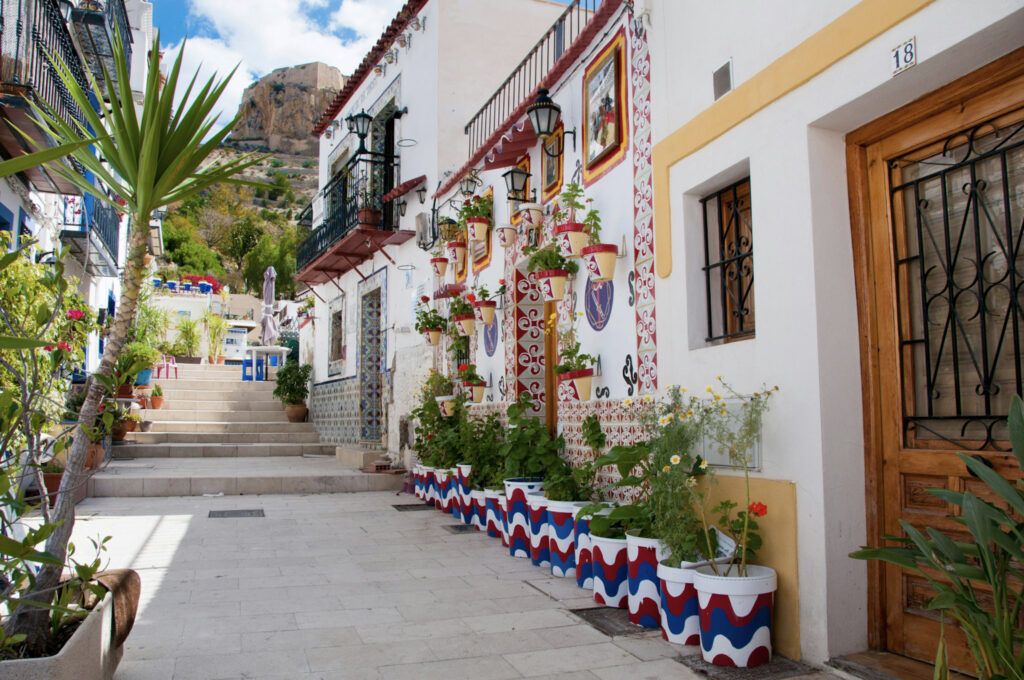
Costa Blanca Itinerary
1.Alicante
2. Altea
3. Calpe
4. Guadalest & El Castell de Guadalest
5. Benidorm
6. Villajoyosa
7. Elche
8. Murcia
9. Santa Pola
10. Cartagena
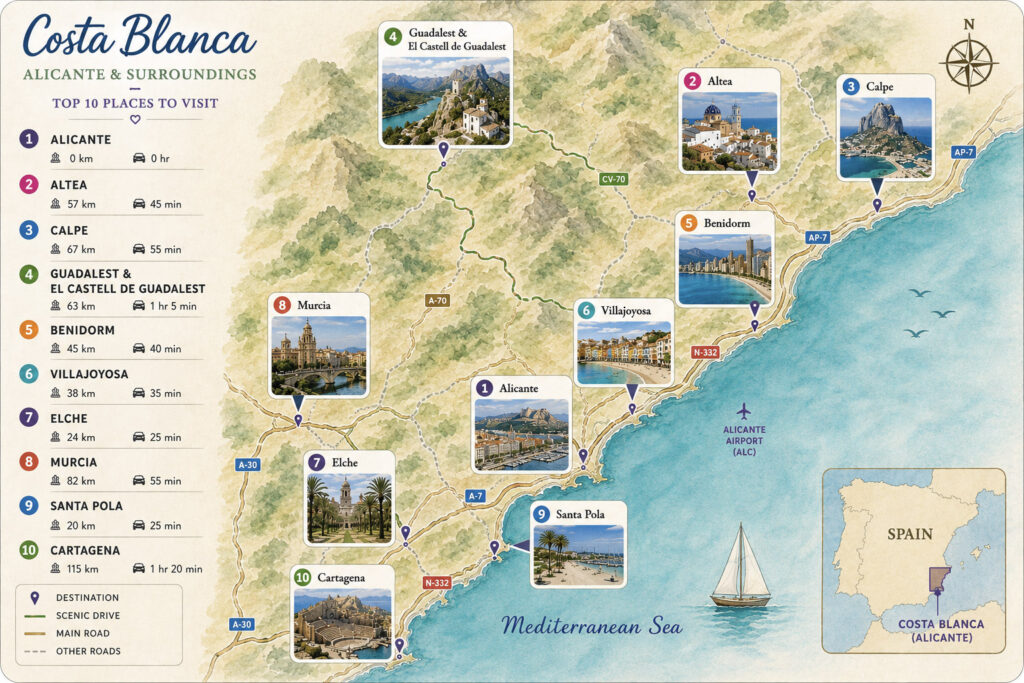
Here’s our pick of the 10 best places to build a Costa Blanca trip around.
1. Alicante
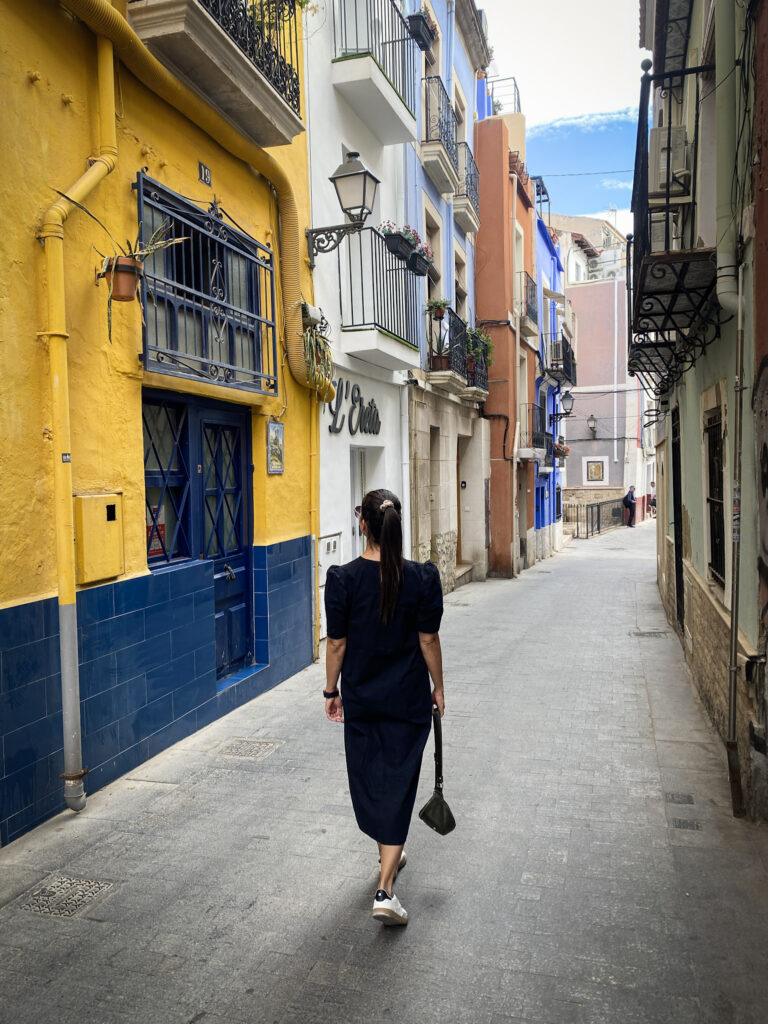
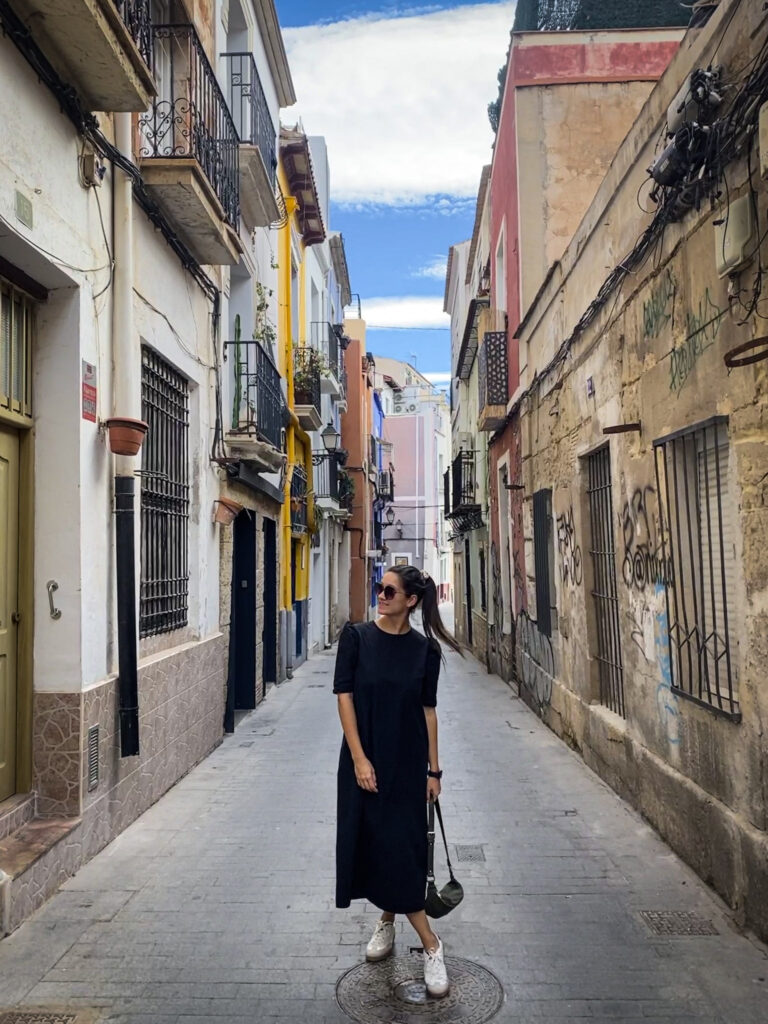
The city itself, and the perfect home base. Start with the Castillo de Santa Bárbara, perched on a hill above the city with sweeping views over the coastline — you can hike up, drive, or take the paid lift from the beach side if the heat’s not on your side (entry to the castle itself is free). Check current hours and lift tickets on the official Castillo de Santa Bárbara site.
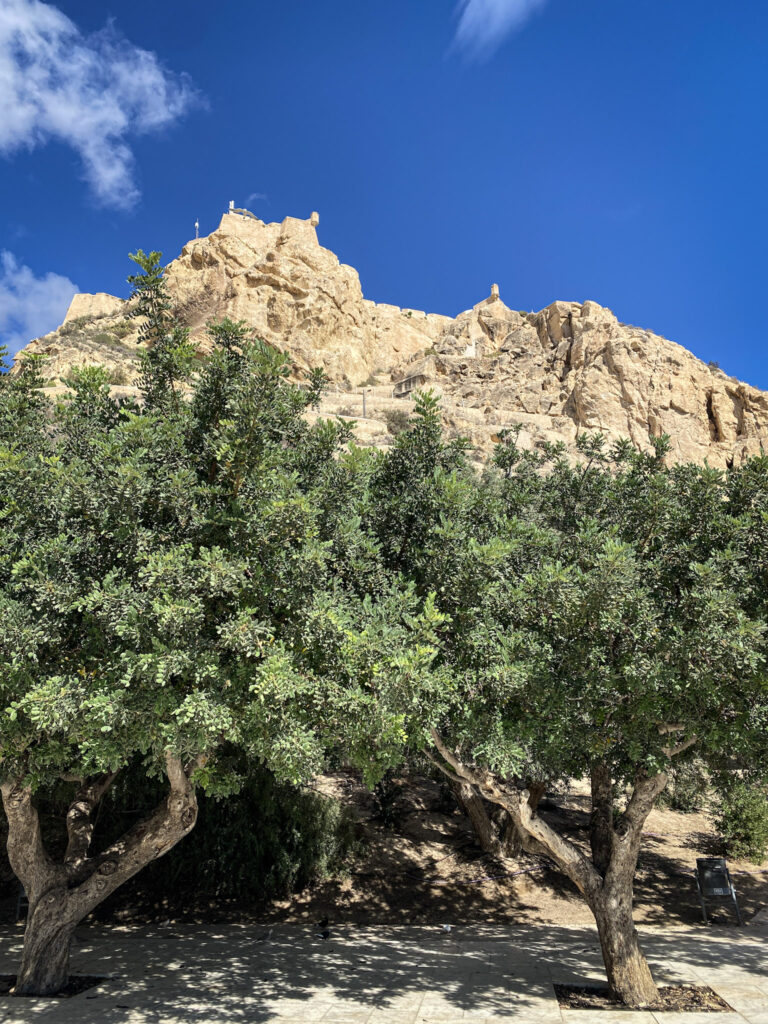
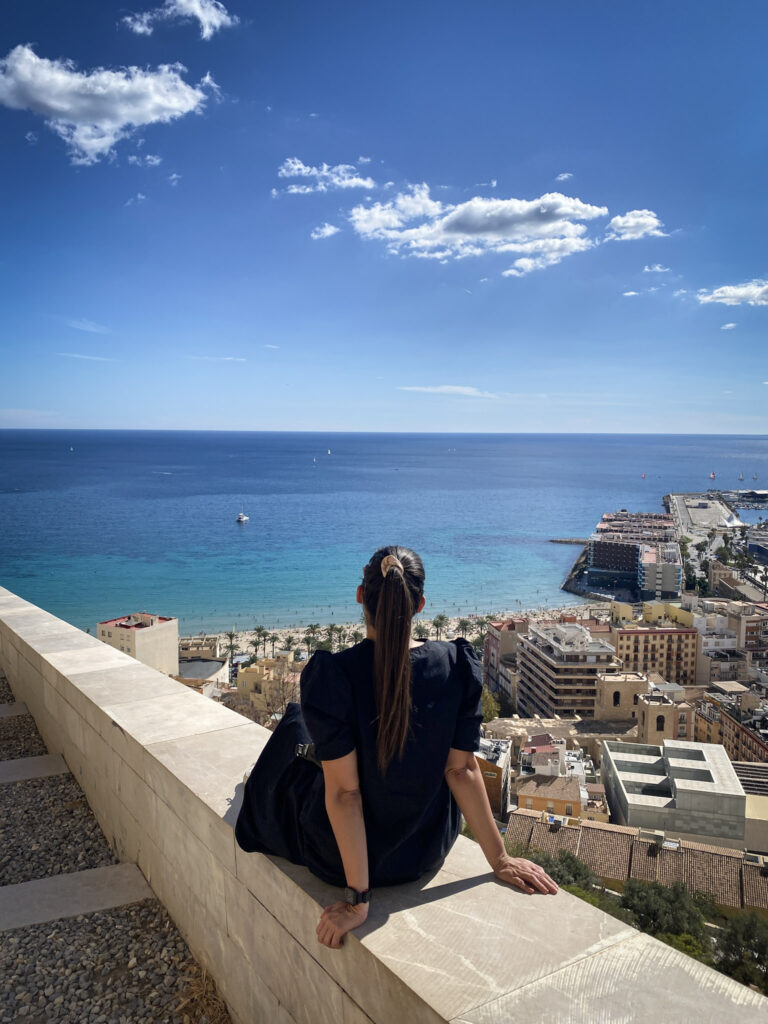
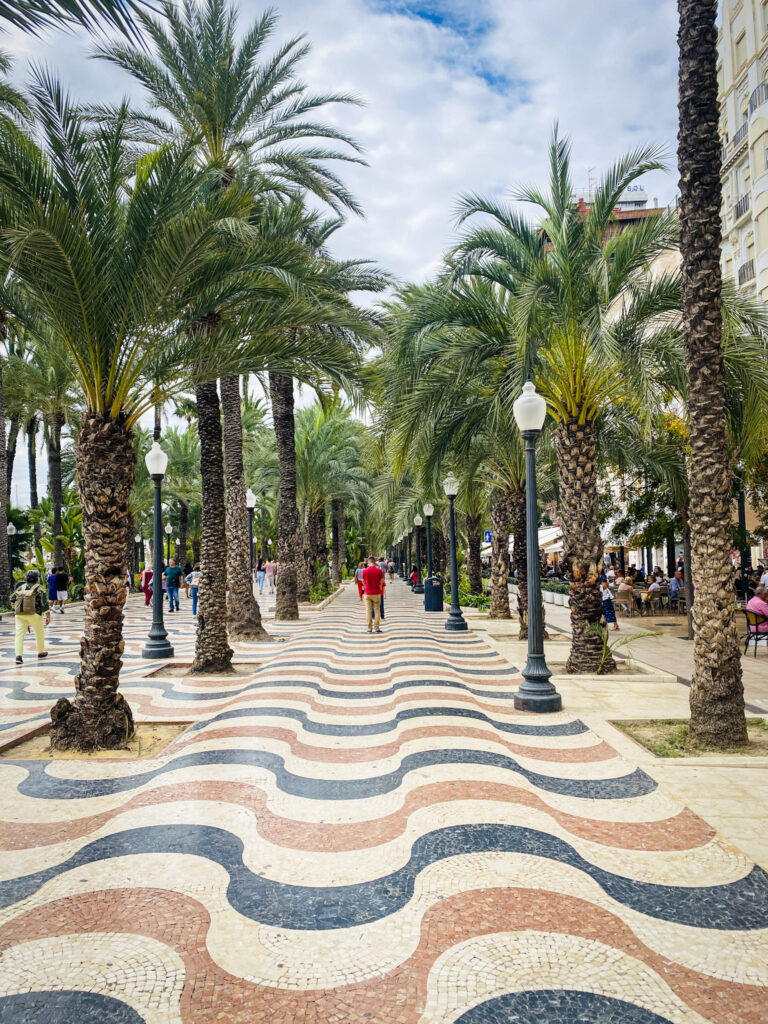
From there, wander down into the old town (El Barrio), all narrow streets and tucked-away tapas bars, before finishing at the Explanada de España, the wave-patterned marble promenade running along the seafront.
Don’t skip Calle San Francisco, better known as “Mushroom Street” — a pedestrian lane in the old town lined with giant, colorful toadstool sculptures. It’s a bit of a fairytale detour in the middle of an otherwise very Mediterranean city, and it’s an easy, fun stop whether or not you’ve got kids in tow.
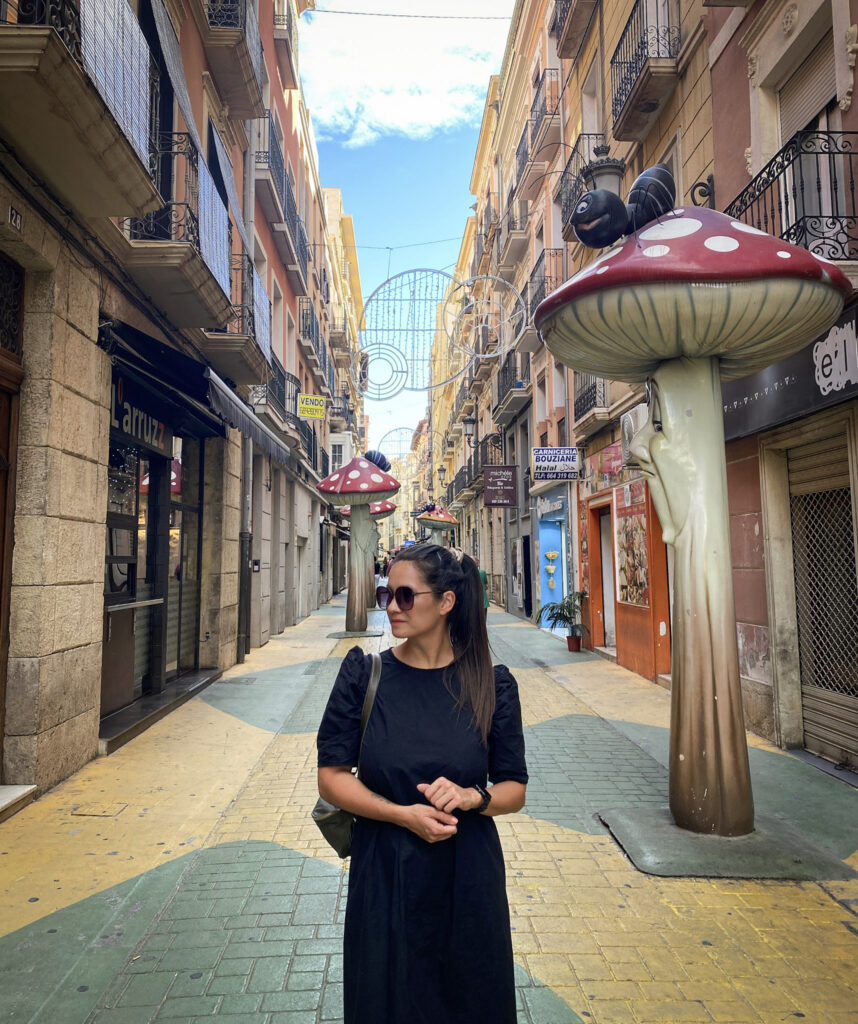
Jet Lag Jelly Tip: Time your castle visit for late afternoon — the light over the harbor at sunset is worth the climb on its own. And if you want Mushroom Street without the crowds, go early morning or later in the evening — it gets busy with photo-takers by midday.
2. Altea
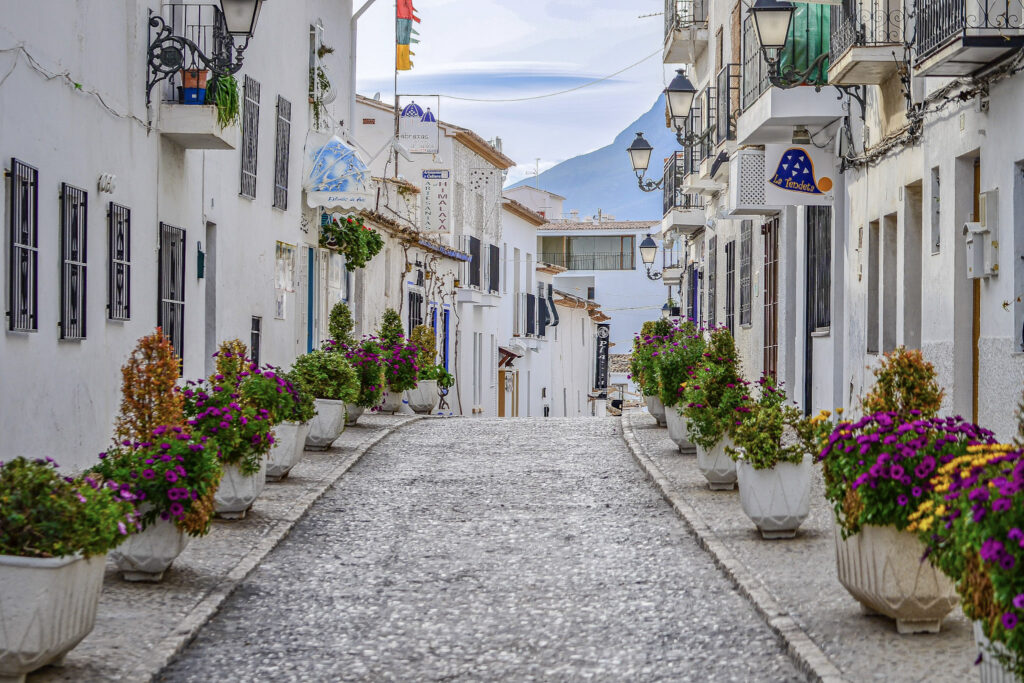
The whitewashed hilltop village everyone photographs. Altea’s old town climbs up toward a blue-domed church, with narrow cobblestone streets, art galleries, and enough photogenic corners to fill a memory card. It’s touristy, but in the charming way rather than the overrun way.
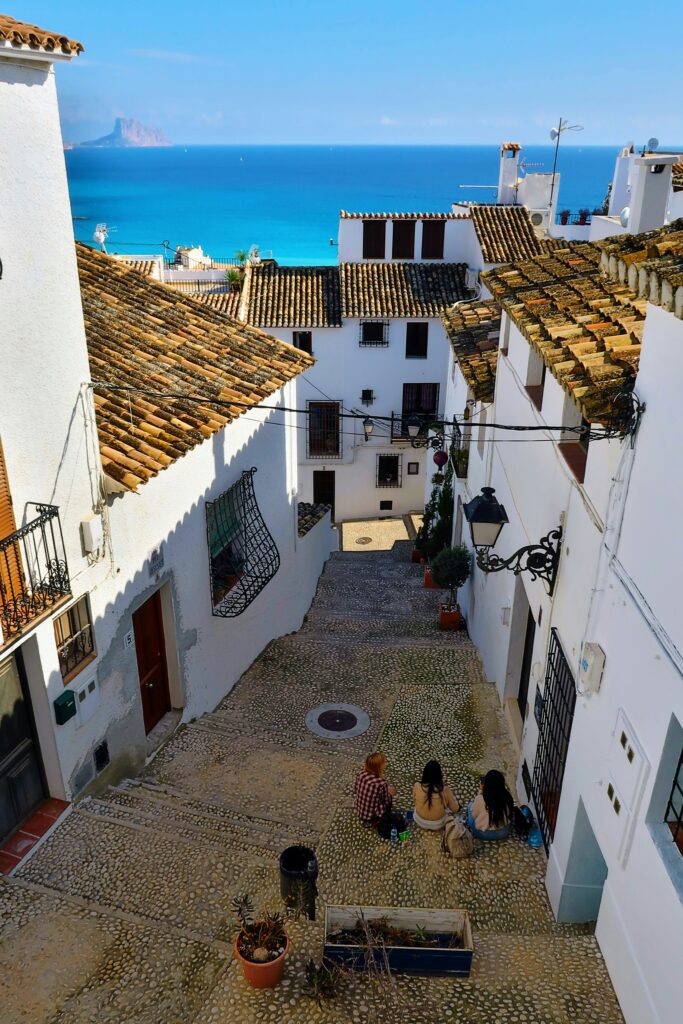
Jet Lag Jelly Tip: Skip the main square for lunch and wander a street or two back — the food's just as good and noticeably cheaper.
3. Calpe
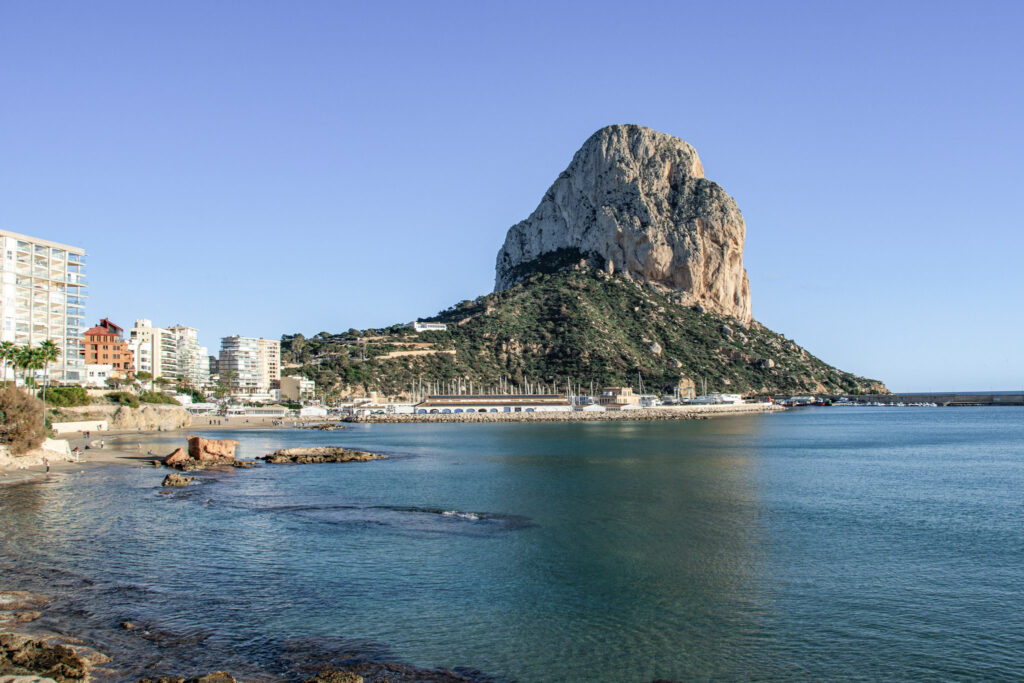
Home to one of the Mediterranean’s most striking natural landmarks. The Peñón de Ifach, a massive limestone rock, juts straight out of the sea and dominates Calpe’s entire skyline. You can hike up it for sweeping views, or just admire it from one of the town’s beaches.
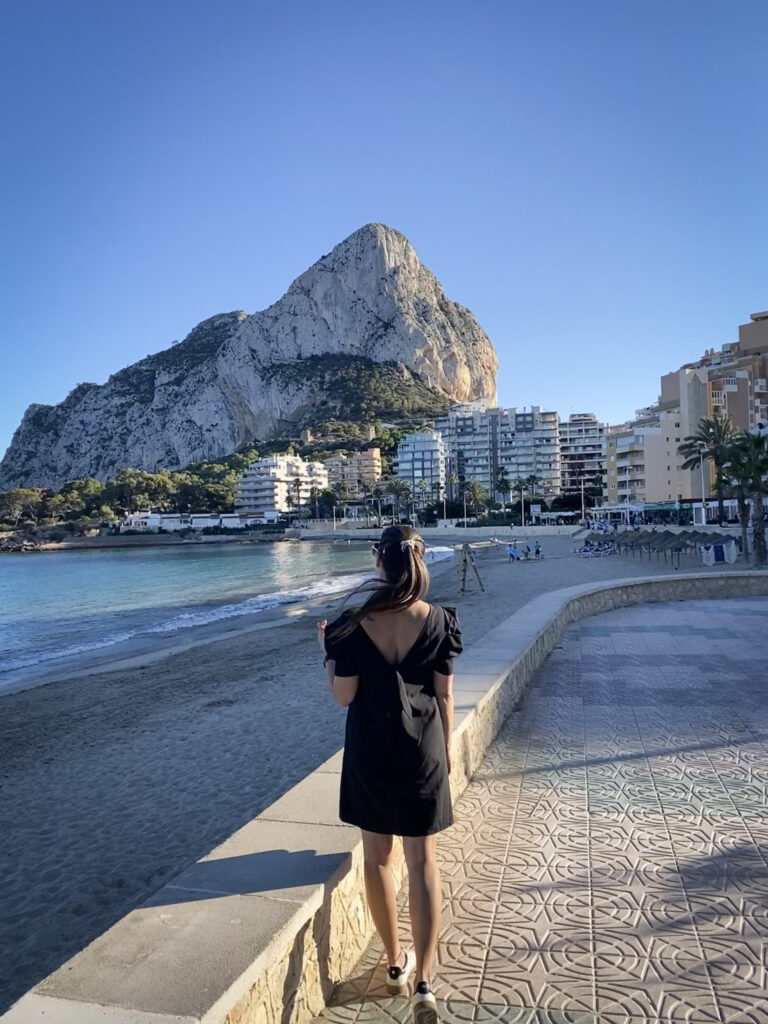
Jet Lag Jelly Tip: The hike up Peñón de Ifach involves a tunnel partway through — not ideal if you're claustrophobic, but the summit view makes up for it.
4. Guadalest & El Castell de Guadalest
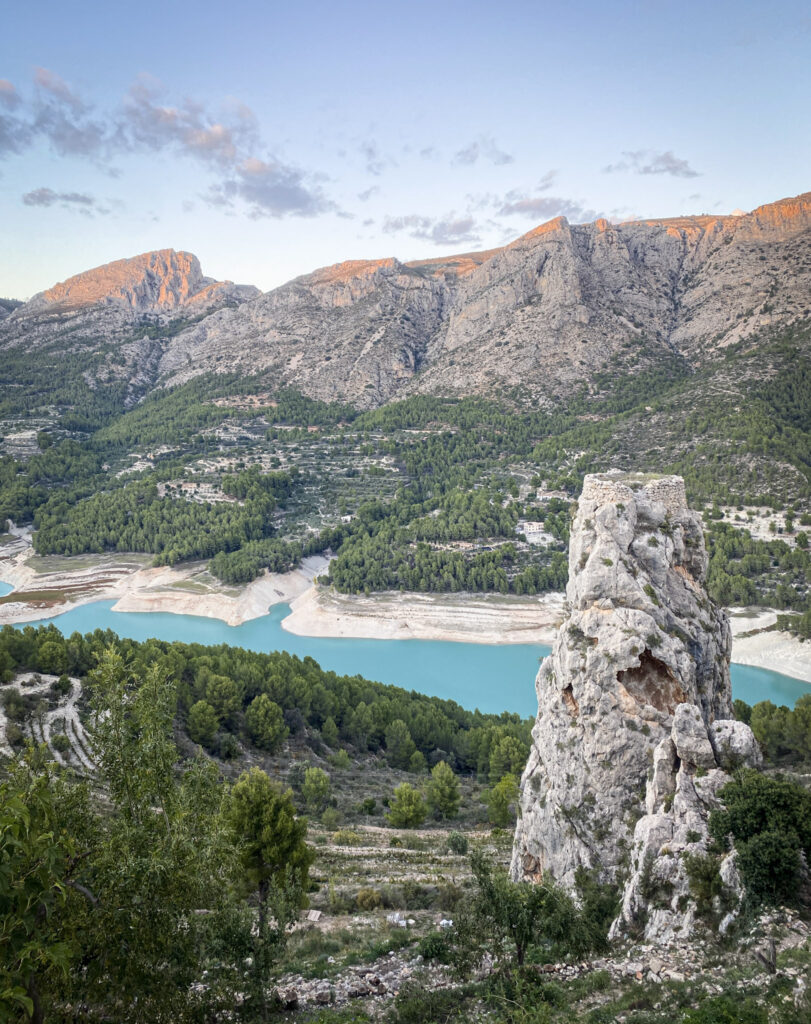
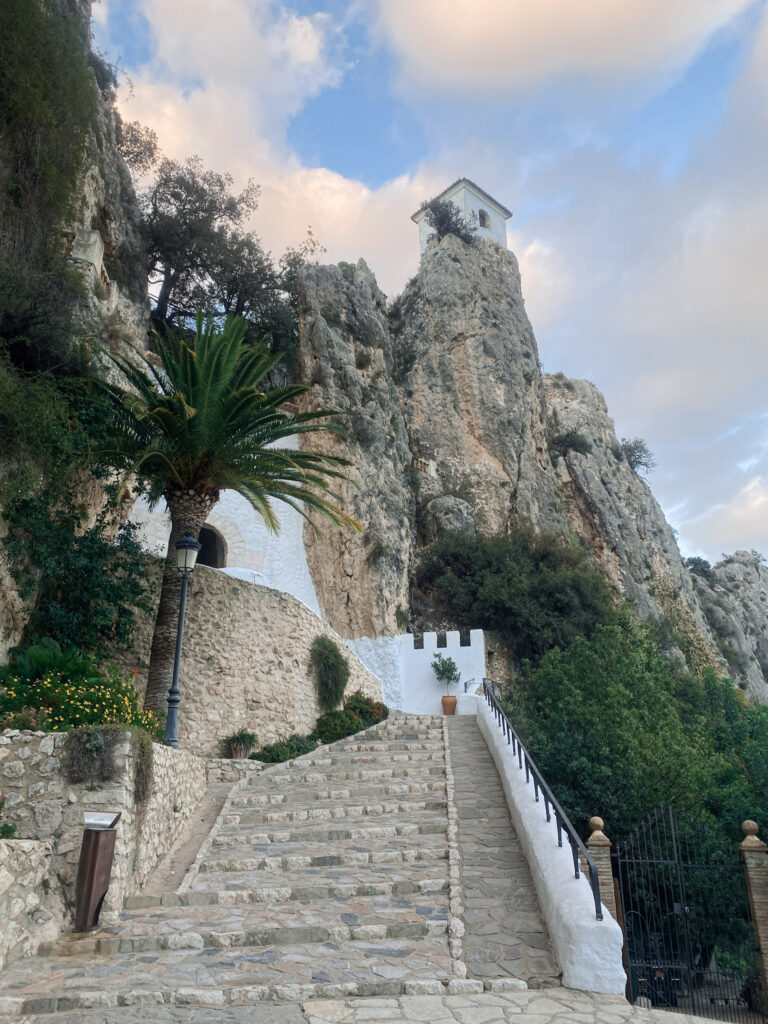
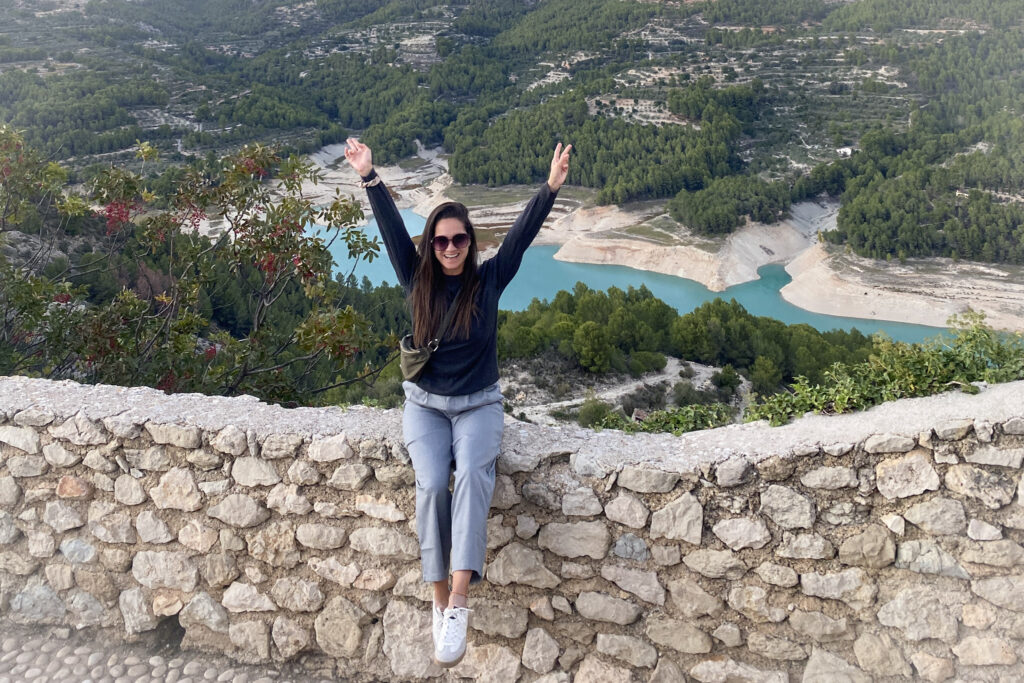
A village that feels like it was carved into the mountain itself. Guadalest clings to a rocky ridge overlooking a strikingly turquoise reservoir, with El Castell de Guadalest — a fortress reached through a tunnel cut straight into the rock — sitting right at the heart of the village. It’s one of the most photographed inland spots in the whole region, and it earns the hype.
Jet Lag Jelly Tip: Combine it with a stop at the nearby Fuentes del Algar waterfalls, just 15 km away — a nice contrast after all that dramatic stone and mountain scenery.
5. Benidorm
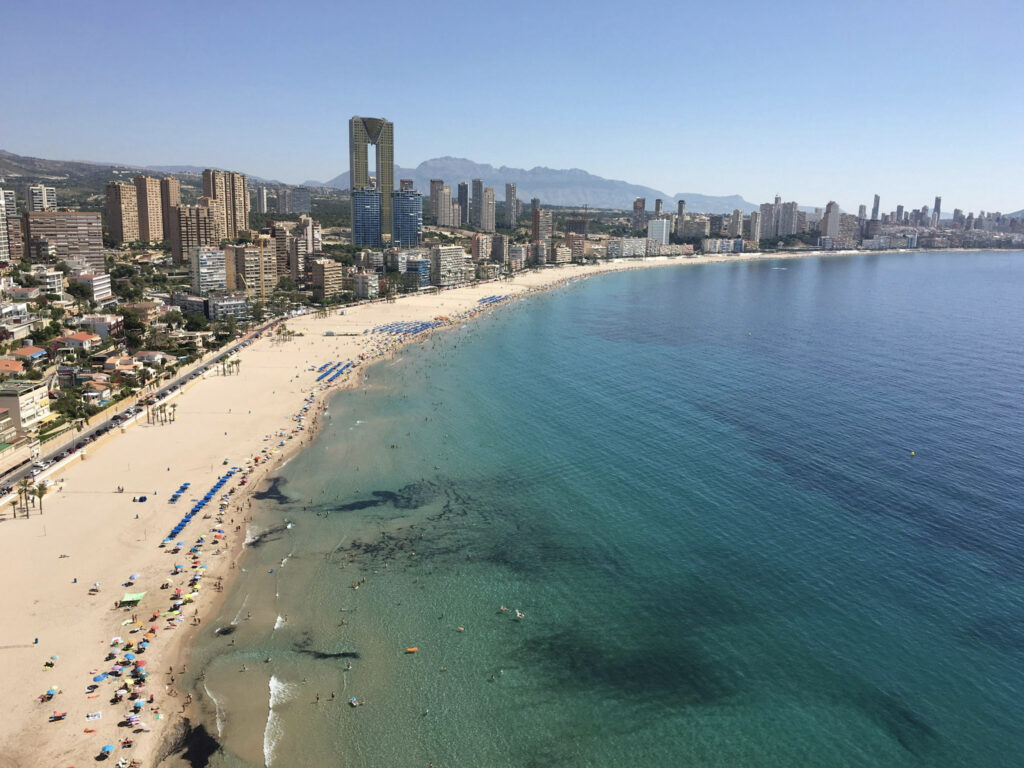
Costa Blanca’s high-rise beach resort, and a totally different energy. Nicknamed the “Manhattan of Spain” thanks to its skyline of beachfront towers, Benidorm is all about big beaches, big nightlife, and big fun — a deliberate contrast to the quiet villages elsewhere on this list.
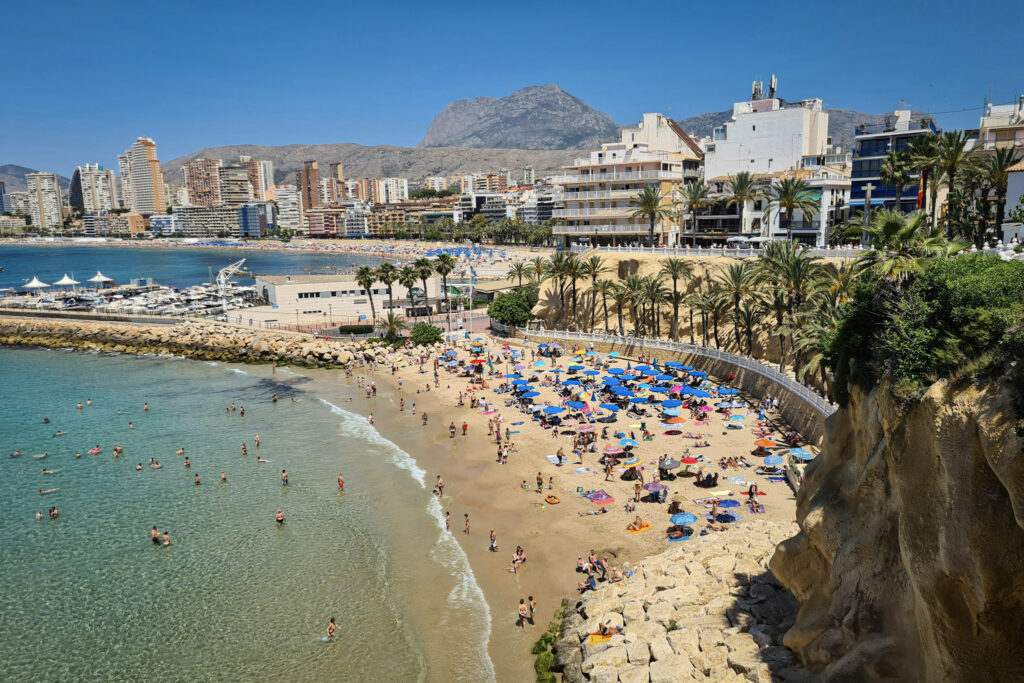
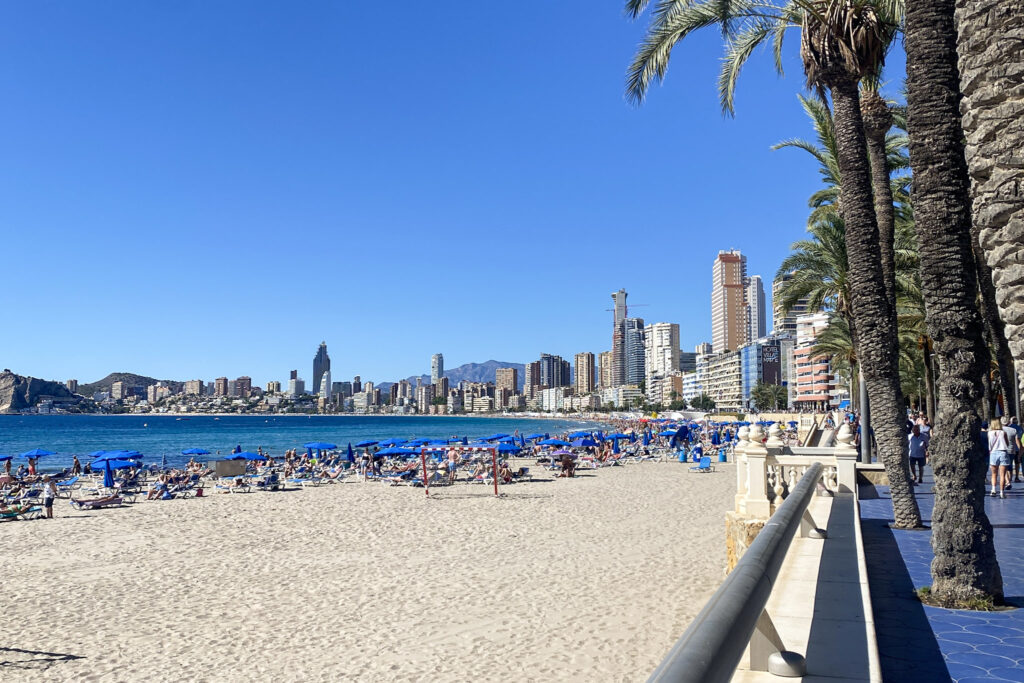
Jet Lag Jelly Tip: If the high-rise skyline isn't your scene, the old town core near Plaza de la Iglesia is a small but charming pocket of old Benidorm, easy to miss if you stick to the beachfront.
6. Villajoyosa
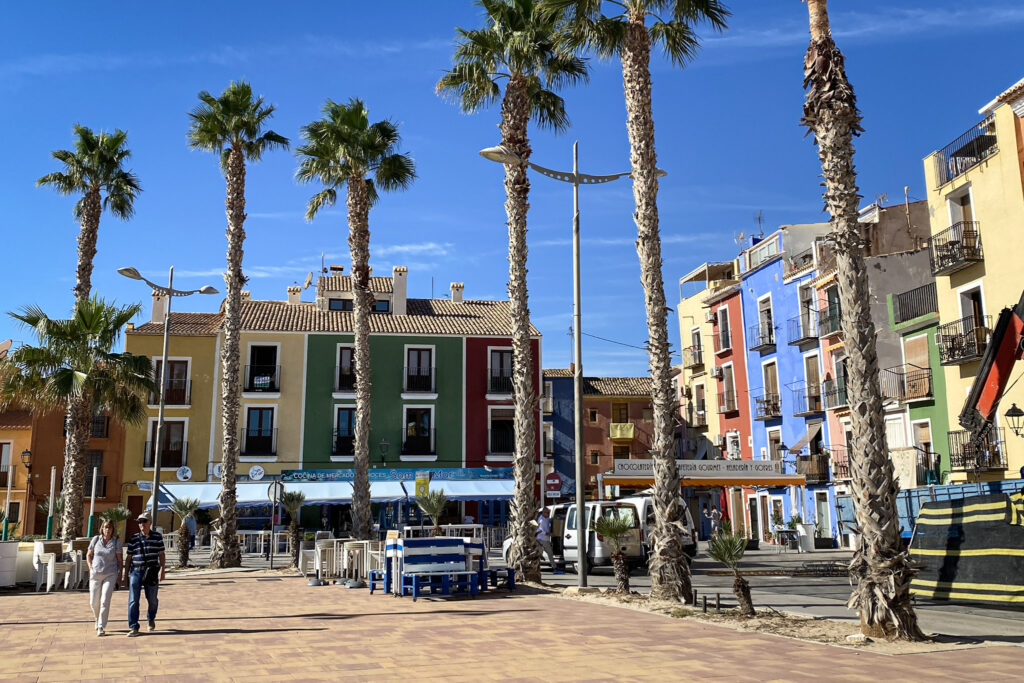
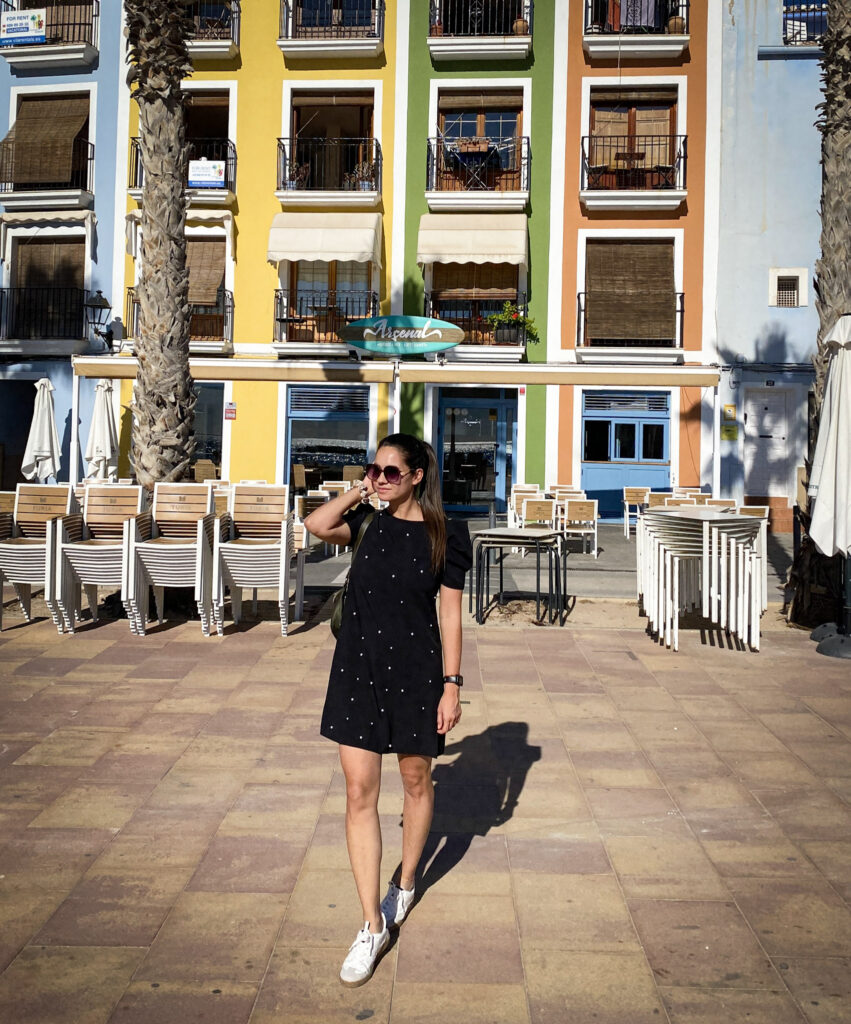
Rows of candy-colored houses along the seafront. Local legend says the houses were painted in different colors so fishermen could spot their home from out at sea — true or not, the result is one of the most photogenic waterfronts on this whole coast.
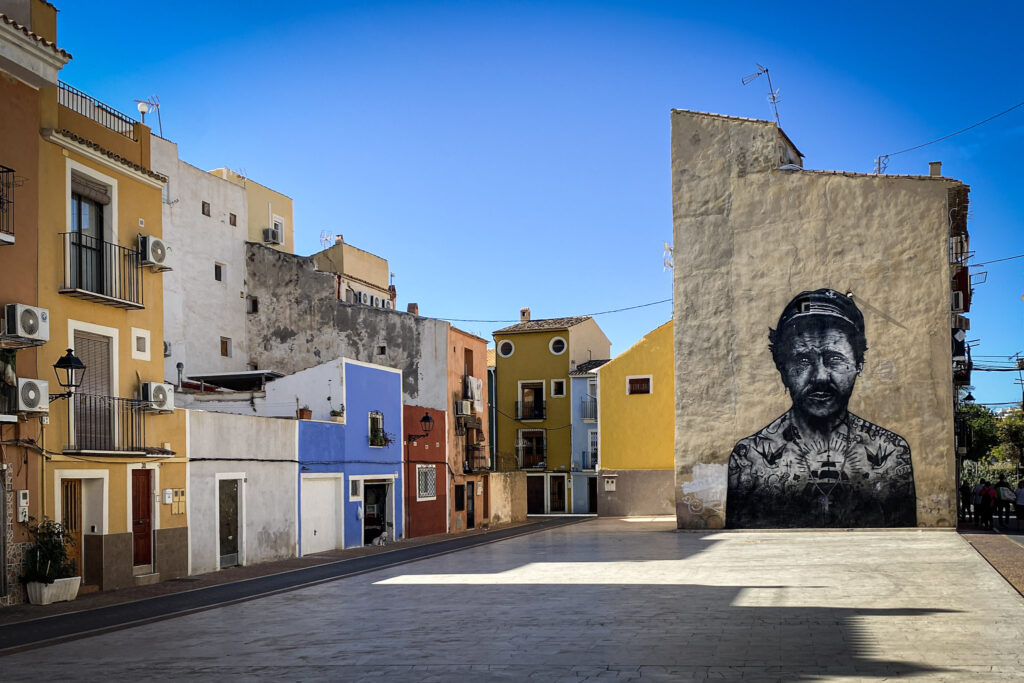
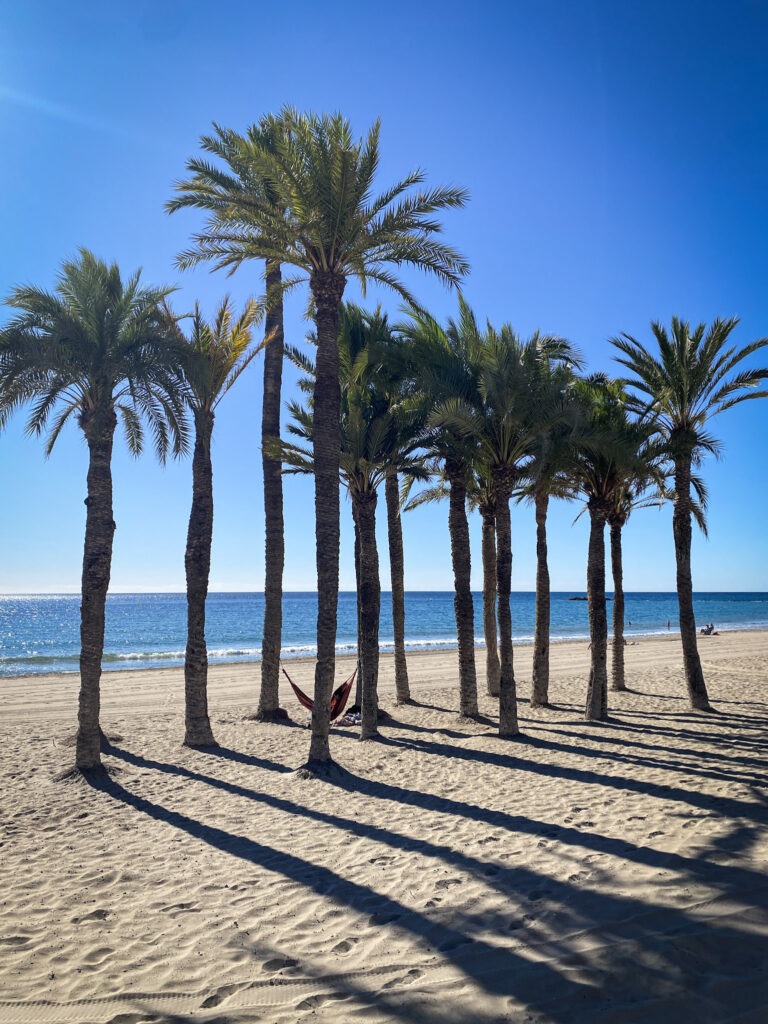
Jet Lag Jelly Tip: Villajoyosa is also home to Valor, one of Spain's oldest chocolate factories — worth a stop if you want a sweet souvenir that isn't a fridge magnet.
7. Elche
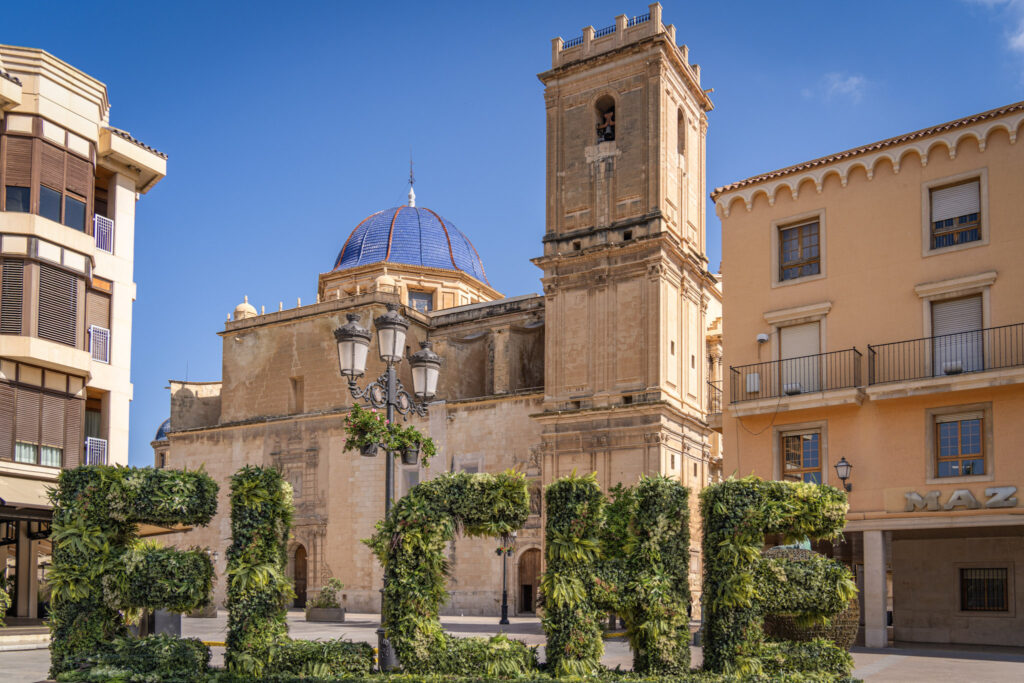
Europe’s largest palm grove, right in the middle of a Spanish city. With over 200,000 palm trees, Elche’s UNESCO-listed palm groves give the city a genuinely unique, almost oasis-like feel that stands apart from the coastal towns nearby.
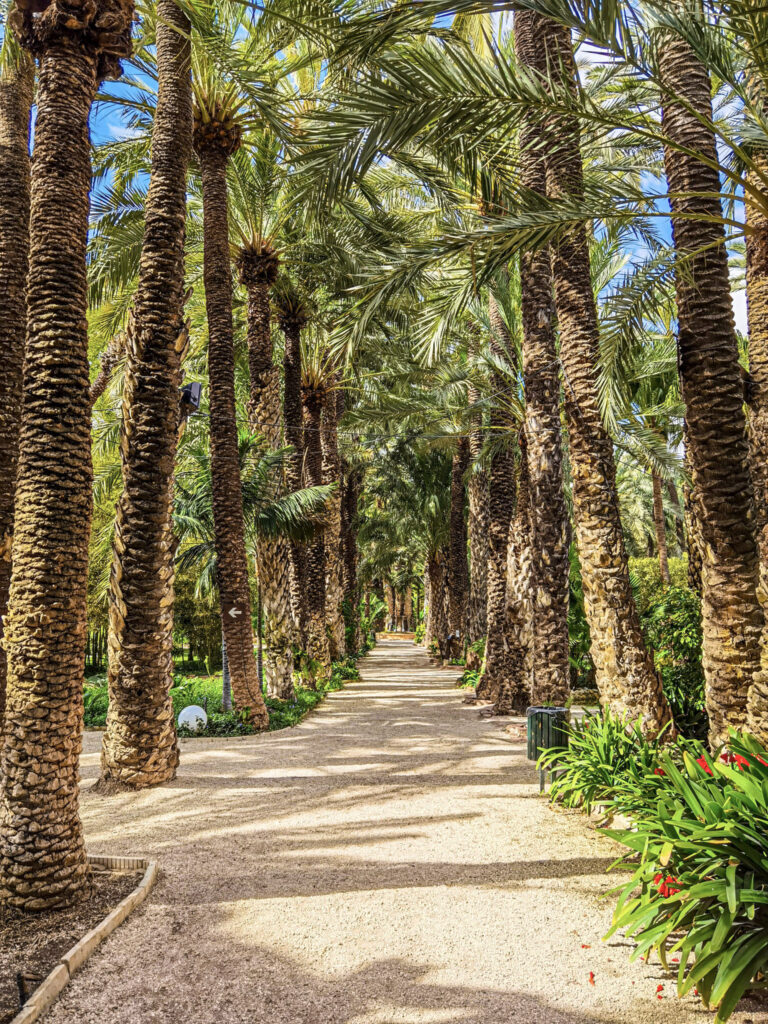
Jet Lag Jelly Tip: Visit the Huerto del Cura, a smaller botanical garden within the palm grove — it's compact but packed with character, including a palm tree with seven trunks.
8. Murcia
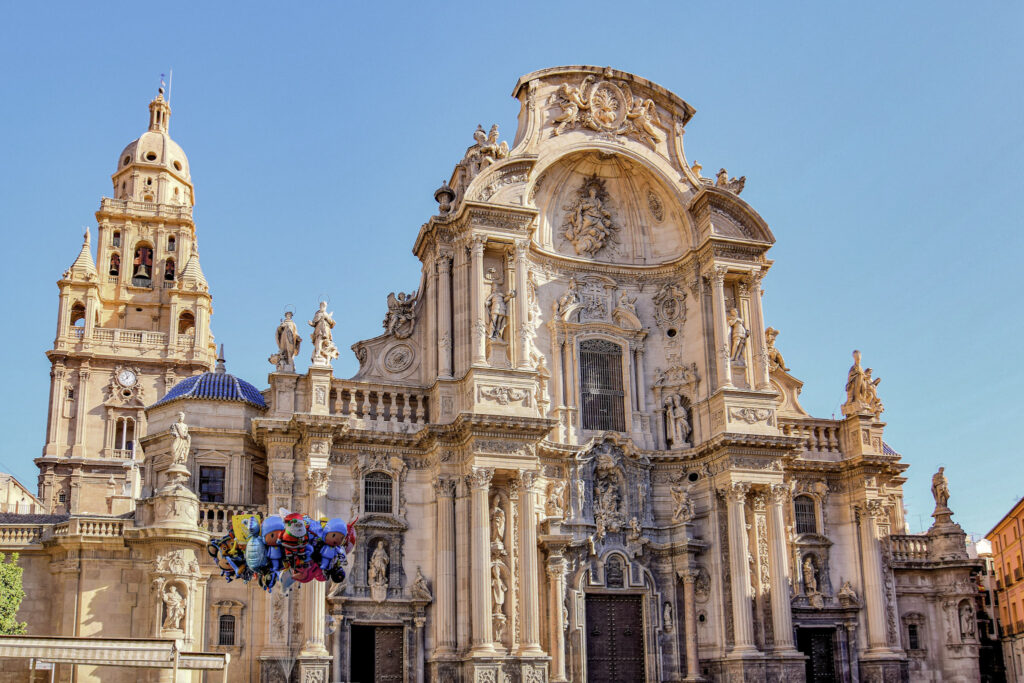
A proper historic city, just a short drive inland. Murcia doesn’t get nearly the attention of Alicante or the coastal towns nearby, which is exactly why it’s worth the detour — a striking baroque cathedral, a lively old town built for wandering, and a completely different pace from the beach-town energy that dominates the rest of this list.
Jet Lag Jelly Tip: Climb the cathedral's bell tower for one of the best rooftop views over the city — just be ready for a fair number of stairs.
9. Santa Pola
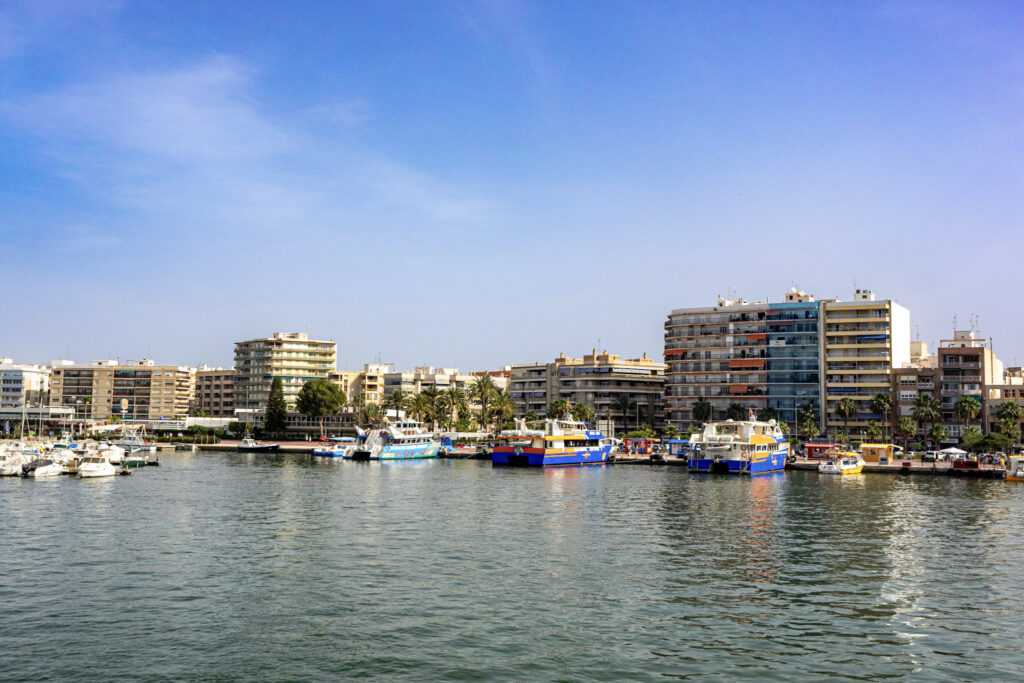
A relaxed beach town without a long list of “must-see” boxes to tick. Santa Pola is the kind of place you go to actually slow down — a working fishing port, a hilltop castle with small museums inside, and a long stretch of beach that doesn’t feel overrun even in high season.
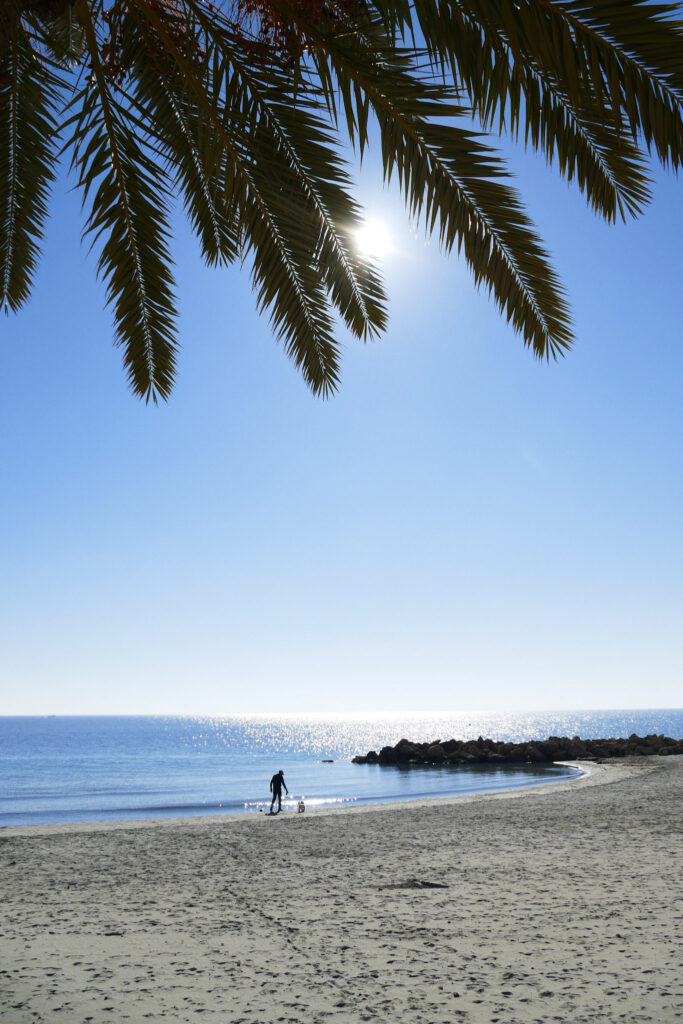
Jet Lag Jelly Tip: If you're curious about Tabarca Island, this is the place to catch the ferry — it's a popular jumping-off point even if you're not stopping in Santa Pola itself. Book your crossing on Nueva Tabarca's official site.
10. Cartagena
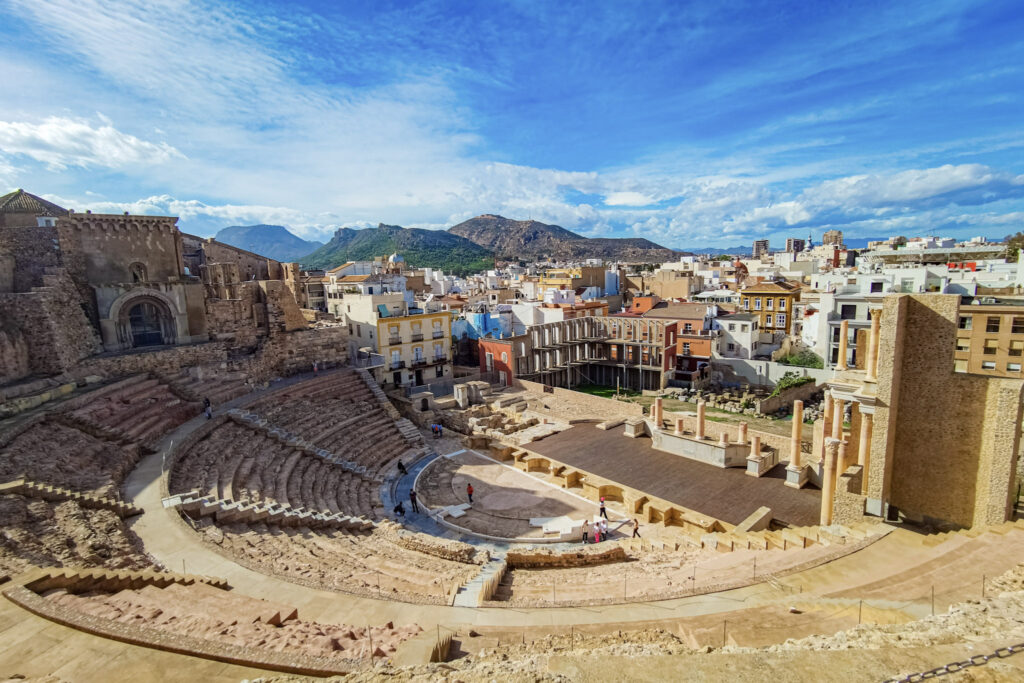
A proper history lesson, and further afield than most of this list. Cartagena’s Roman amphitheater, built to hold 7,000 spectators, is one of the largest and best-preserved in Spain, and the city’s nickname — “Little Rome” — isn’t an exaggeration.
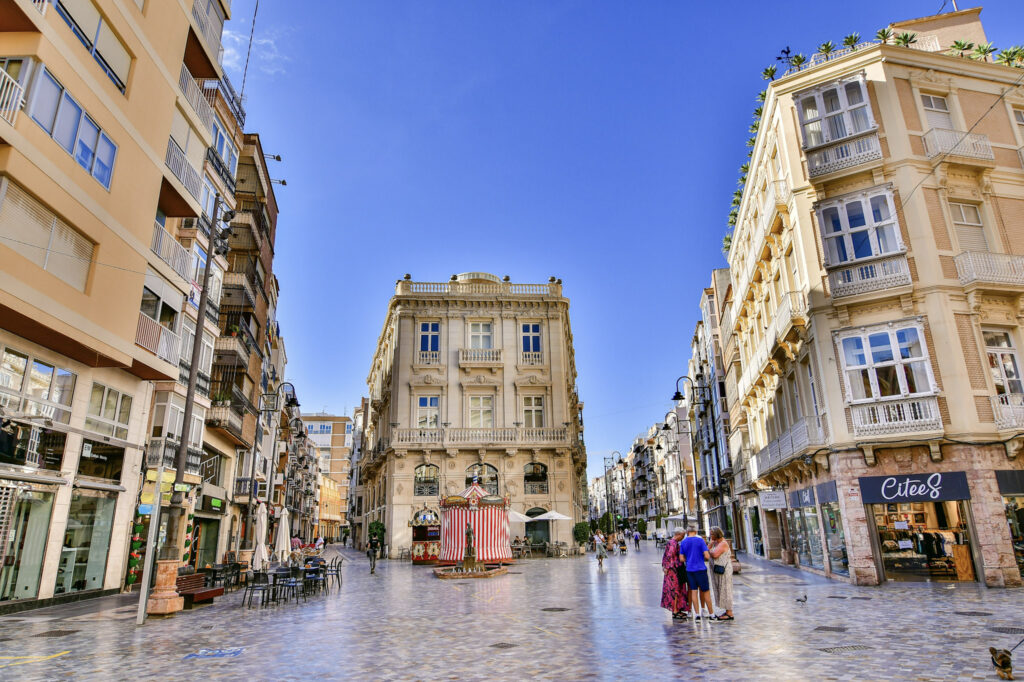
Jet Lag Jelly Tip: Pair the amphitheater with the Casa de la Fortuna nearby, a preserved Roman house that gives a surprisingly detailed look at everyday domestic life at the time.
Best Time to Visit
Costa Blanca is a year-round destination, but late spring (May–June) and early autumn (September–October) are the sweet spot — warm enough for beach days, cool enough that you’re not melting while climbing to a castle. Expect highs around 24–28°C and noticeably thinner crowds than peak summer.
July and August bring the heat (and the crowds) — this is when Benidorm and the coastal towns are in full swing, prices spike, and you’ll want to plan around the midday sun. Great if you want the buzzing, festival energy; less great if you hate queuing for a sunbed.
Winter (November–March) is mild by northern European standards — daytime temps often still hit 15–18°C — and a great time for exploring inland spots like Guadalest or Murcia without the heat or the tourist traffic. Some beach towns feel a bit sleepy off-season, though, so check that restaurants and attractions are actually open before you plan around them.
Jet Lag Jelly Tip: If you want the turquoise water without the sardine-tin beaches, aim for the first two weeks of June or the second half of September.
Budget
Costa Blanca is generally more affordable than the Balearics or the French Riviera, but prices vary a lot by town — Benidorm and Alicante city run higher than Villajoyosa or Santa Pola.
- Budget traveler: €50–70/day — hostel or budget apartment, self-catering or menu del día lunches (€10–14), free beaches and old-town wandering.
- Mid-range: €100–150/day — 3-star hotel or nice Airbnb, sit-down dinners, a few paid attractions (castle entries, boat trips, car rental).
- Higher-end: €200+/day — beachfront hotel, fine dining, private tours, and days built around the Peñón de Ifach or Guadalest with a driver instead of public transport.
Jet Lag Jelly Tip: Renting a car for a few days is worth it if you're hopping between towns — buses connect the coast fine, but Guadalest and inland spots are much easier (and faster) with your own wheels.
Where to Stay
With so many towns spread along this stretch of coast, picking one solid base and day-tripping from there makes far more sense than hopping hotels every night.
Alicante is the easiest choice — it’s central, well-connected by road to almost everything on this list, has its own airport, and gives you a proper city to come back to each evening (plus that castle sunset). If you’d rather stay somewhere quieter and more resort-y, Altea or Calpe both make good alternatives, especially if beach time matters as much as day trips — both sit roughly in the middle of the coast, cutting down drive times to Guadalest, Benidorm, and Villajoyosa.
If Murcia and Cartagena are a priority, it might be worth splitting your stay — a few nights around Alicante for the northern half of this list, then relocating south for a night or two to cut down on long drives.
Book your places to stay in Alicante, Altea, or Calpe.
FAQ
What’s the best town to stay in for exploring Costa Blanca? Alicante makes the easiest base — it’s central, well-connected to every town on this list, has its own airport, and gives you a proper city to return to each evening. Altea or Calpe are good alternatives if you want a quieter, more resort-y feel.
Do I need a car to get around Costa Blanca? It’s worth renting one for a few days if you’re hopping between towns. Buses cover the coast fine, but inland spots like Guadalest are much easier and faster with your own wheels. Picking up a rental car at Alicante Airport is the easiest way to sort this out as soon as you land.
When is the best time to visit Costa Blanca? Late spring (May–June) and early autumn (September–October) — warm enough for the beach, cool enough for castle climbs, with noticeably thinner crowds than peak summer.
How much does a Costa Blanca trip cost? Budget travelers can get by on €50–70/day; mid-range trips run €100–150/day; higher-end travel with private tours and beachfront hotels starts around €200+/day.
Is Costa Blanca expensive compared to other parts of Spain? It’s generally more affordable than the Balearics or the French Riviera, though prices vary by town — Alicante and Benidorm run higher than smaller towns like Villajoyosa or Santa Pola.
Summary
Costa Blanca packs an impressive range into a relatively small stretch of coastline — mountain villages, Roman ruins, palm groves, and beach towns that range from postcard-quiet to full resort energy. Alicante makes the perfect base for all of it, close enough to reach most of these spots in a day trip, with plenty of its own charm to come back to each evening.
Sleep later. Explore now.
Exploring more of Spain? Check out my The Best Places to Visit Near Málaga & Costa del Sol and Top 10 Beaches in Tenerife guides too.