
This post contains affiliate links. If you make a booking or purchase through one of these links, I may earn a small commission at no extra cost to you. Your support helps keep Jet Lag Jelly running. Thank you!
Nobody warned me Toronto would be this good. I’d built it up in my head as the “boring, sensible” Canadian city — turns out it’s got castles, sharks, championship sports teams, and an island getaway all within a 20-minute subway ride of each other, plus a food scene that pulls from basically every culture on earth. Here are the best things to do in Toronto that made the cut.
Toronto Itinerary
1. CN Tower
2. Toronto Islands
3. Casa Loma
4. Royal Ontario Museum
5. University of Toronto
6. Distillery District
7. Ripley’s Aquarium
8. Yorkville
9. Scotiabank Arena
10. Rogers Centre

1. CN Tower
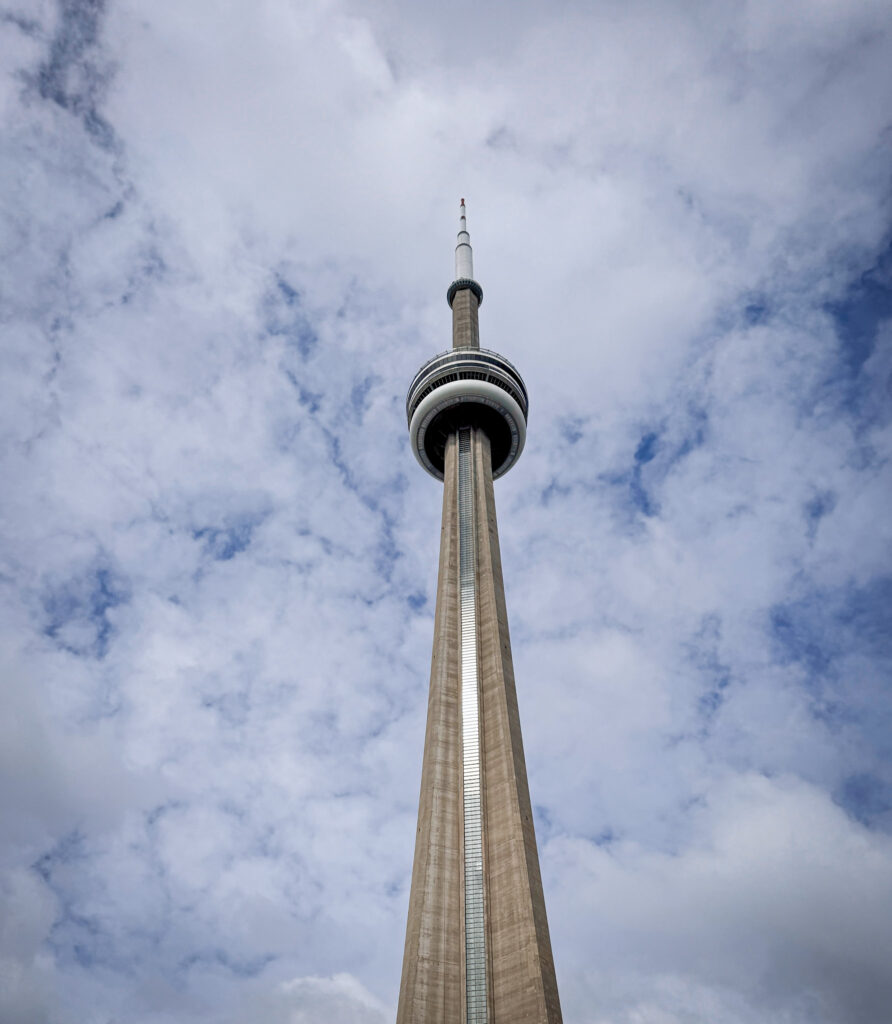
CN Tower is Torontos’s icon. At 553 metres, it dominates the skyline, and standing on the glass floor 342 metres up is touristy in the best possible way. It held the title of world’s tallest free-standing structure for 32 years before being overtaken in 2007 — and even now, it’s still the tallest structure in the Western Hemisphere.
Useful Information:

- Tickets start around $43 CAD for the main observation deck and glass floor
- Add-on to The Top (the highest platform) is +$12
- Book online in advance — walk-up lines in summer can hit 45-60 minutes
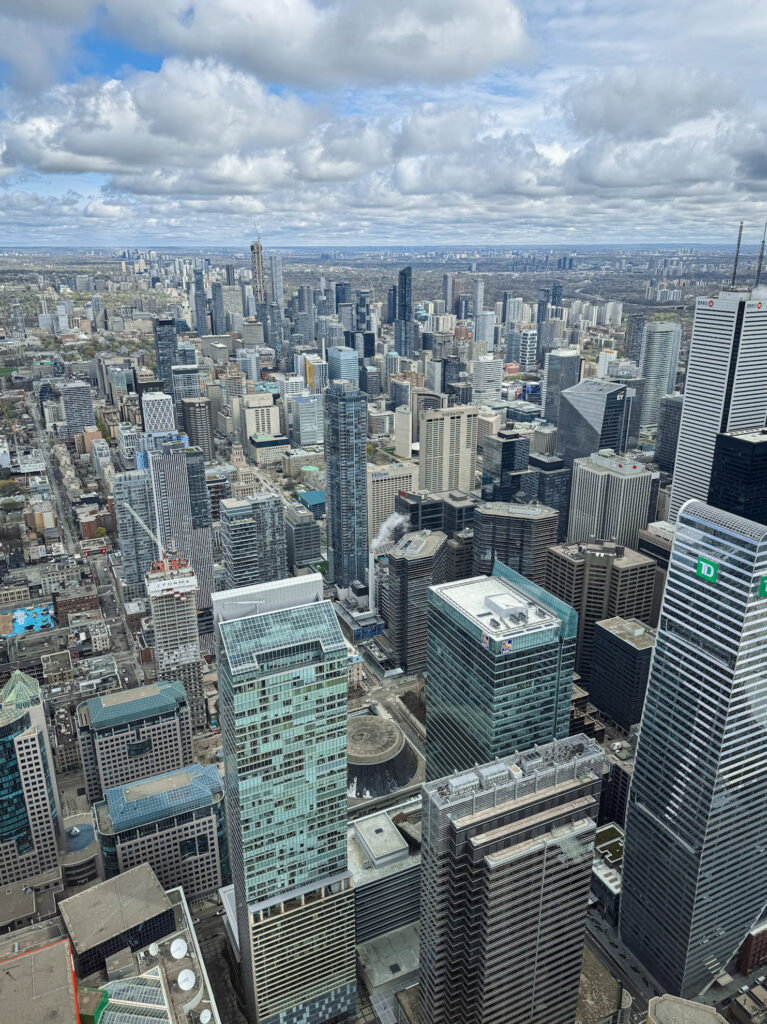
- On a clear day you can see all the way to Niagara Falls, 50km away
- If heights genuinely don't bother you, EdgeWalk lets you walk the outer rim of the tower's main pod, hands-free, 356 metres up — it's a separate paid add-on and not for the faint of heart

Jet Lag Jelly Tip: Hit it before 11am or after 7pm for the same view with a fraction of the crowd
2. Toronto Islands
A short ferry ride from downtown trades the skyscrapers for something that barely feels like the same city. The islands are actually a cluster of three connected landmasses — Centre, Ward’s, and Algonquin — so you can walk or bike the whole thing without needing multiple boat transfers, but each part has its own personality.
No cars are allowed anywhere on the islands, which changes the whole pace of the visit — it’s just bikes, wagons, and people walking, with none of the usual city noise. Ward’s Island in particular feels like its own tiny village: a genuine residential community of a few hundred people living in small cottages along quiet, tree-lined lanes, with front-yard gardens and a real neighbourhood feel that’s completely at odds with the skyline you can still see across the water.
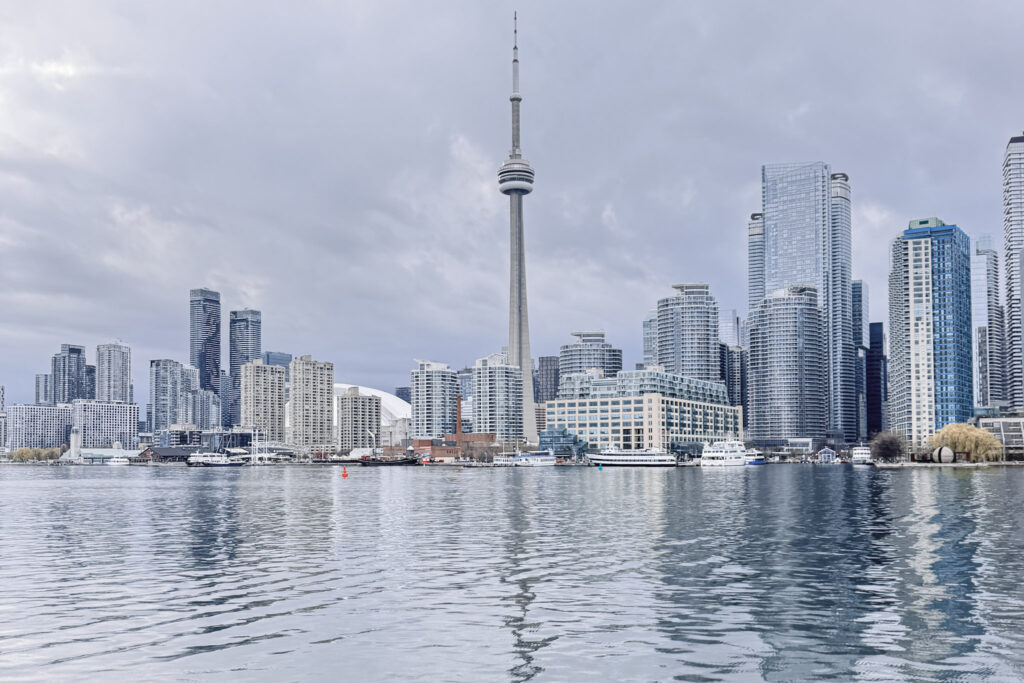
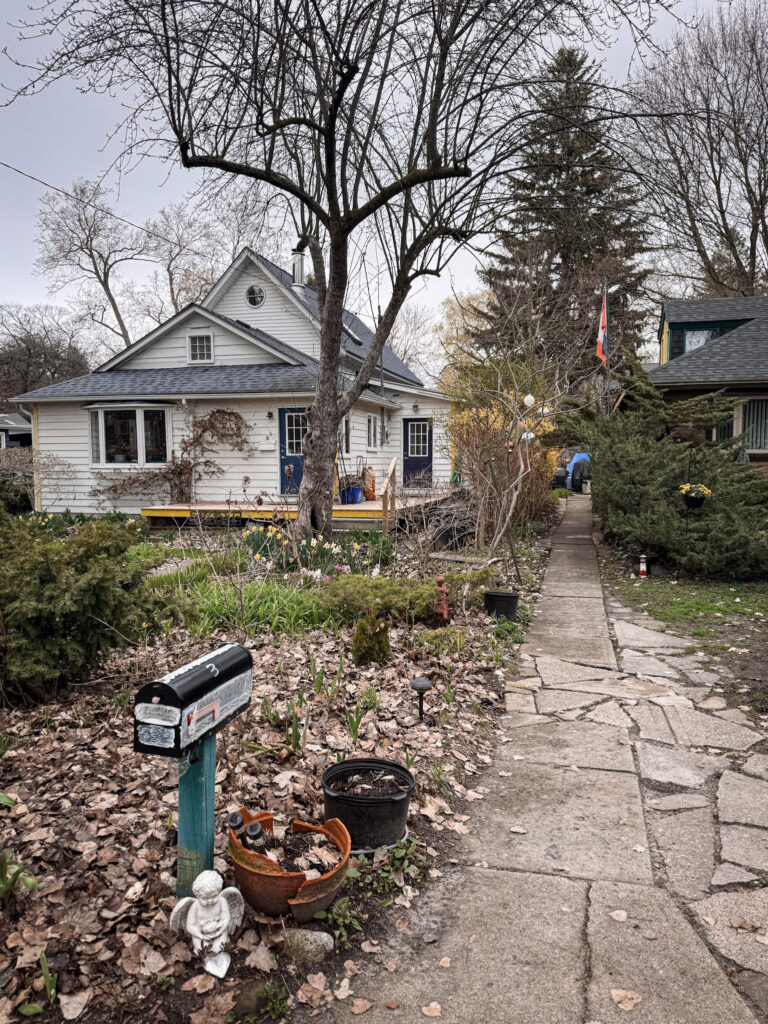
Centre Island is where the energy picks up — it’s home to Centreville Amusement Park, a small, old-fashioned theme park with a carousel, ferris wheel, and rides geared mostly toward younger kids, plus paddle boats on the lagoon. It’s the part of the islands that feels the most “day out” rather than “escape the city.”
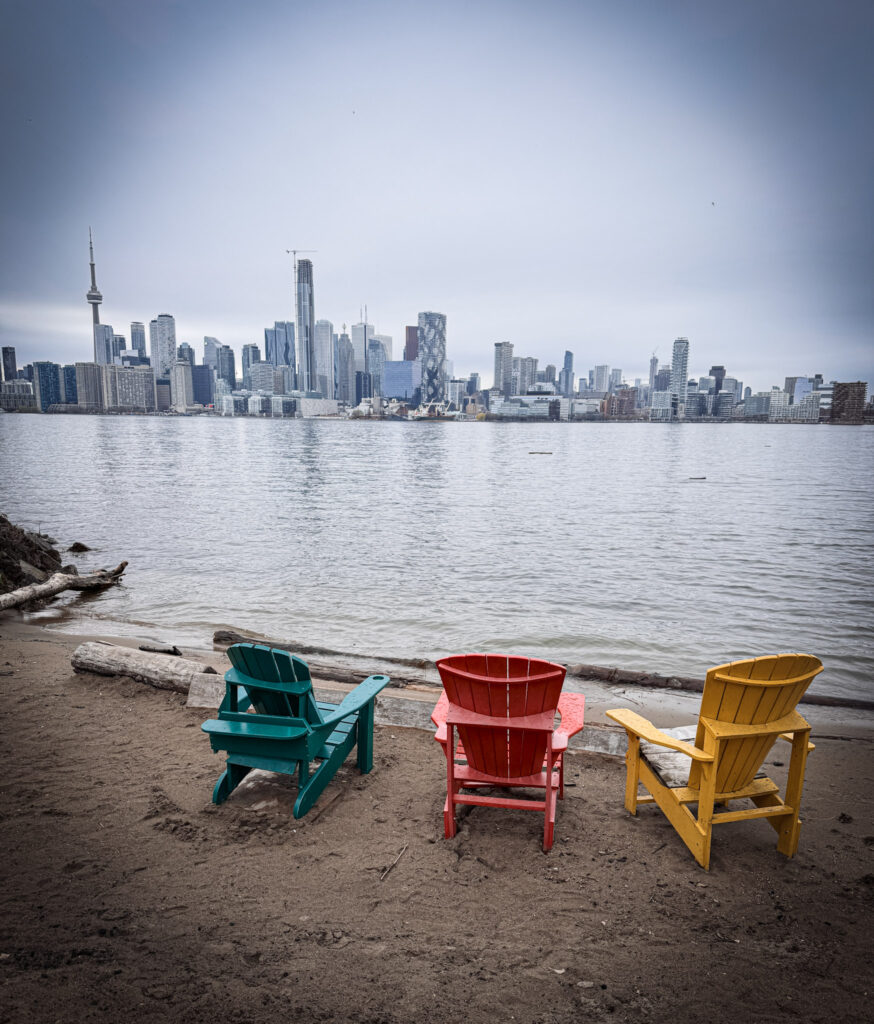
And then there are the beaches. Hanlan’s Point, Centre Island Beach, and Ward’s Island Beach all offer sand, swimming, and skyline views across the harbour — genuinely one of the best ways to spend a hot summer day in Toronto, and a world away from the downtown concrete just 15 minutes behind you. The view back toward the city from the island side is spectacular — the entire downtown skyline, CN Tower included, rising up across the water, and it’s easily one of the best photo opportunities in the whole trip.

Useful Information:

- Tickets for ferry round-trip: around $10 CAD, departing from the Jack Layton Ferry Terminal, roughly a 15-minute crossing
- Three separate ferry docks serve different parts of the island (Centre Island, Ward's Island, Hanlan's Point) — check which one gets you closest to what you want to do
- Bring or rent a bike — there's a lot of ground to cover, and the car-free islands make cycling genuinely pleasant
- Beaches are busiest June-August; shoulder season gets you the same views with way fewer people
- Prefer to see the islands from the water instead? A Toronto Islands boat tour is a relaxed alternative to the ferry, often combined with skyline views of downtown

Jet Lag Jelly Tip: If you're visiting in summer, pack a swimsuit and treat it as a full beach day rather than a quick stopover — it's easy to spend 4-5 hours here once you factor in the ferry, the beaches, and just wandering Ward's Island's quiet streets.
3. Casa Loma
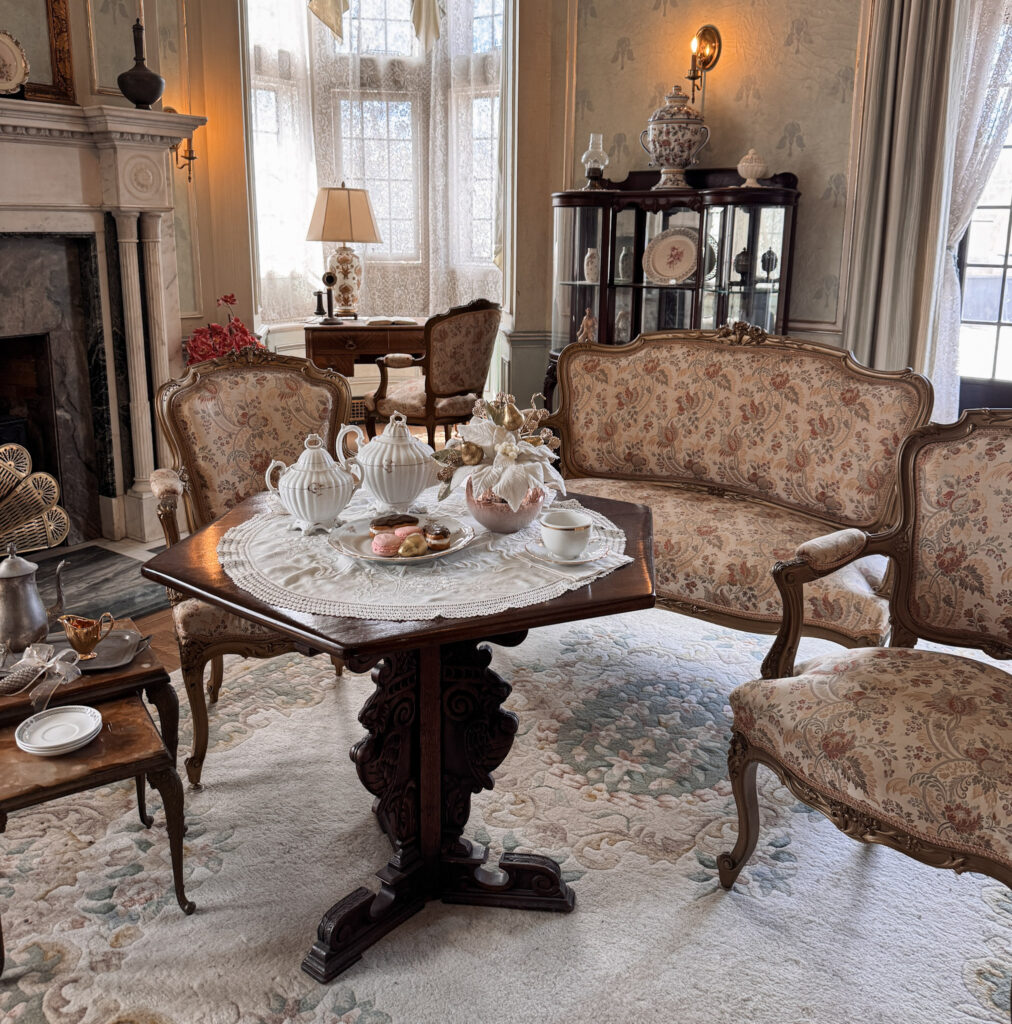
Toronto has an actual castle, and it catches almost everyone off guard. Built between 1911 and 1914 for financier Sir Henry Pellatt, Casa Loma is a Gothic Revival mansion with 98 rooms, 30 bathrooms, secret passages, an 800-foot underground tunnel connecting the main house to the horse stables, and towers with sweeping views over midtown.
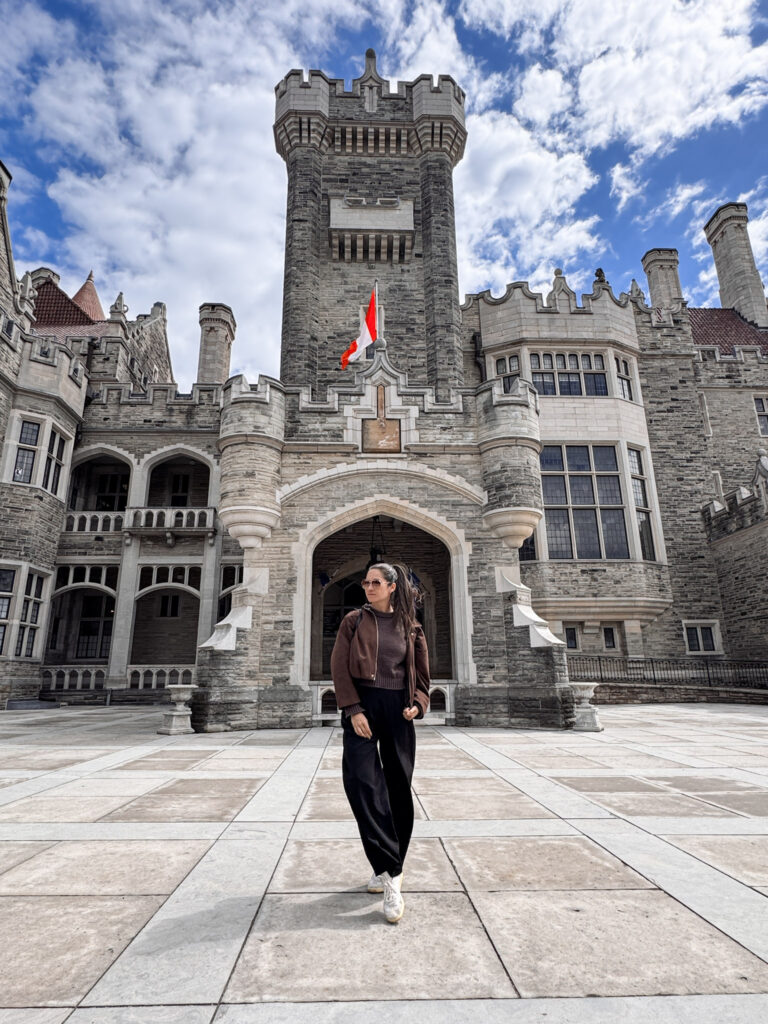
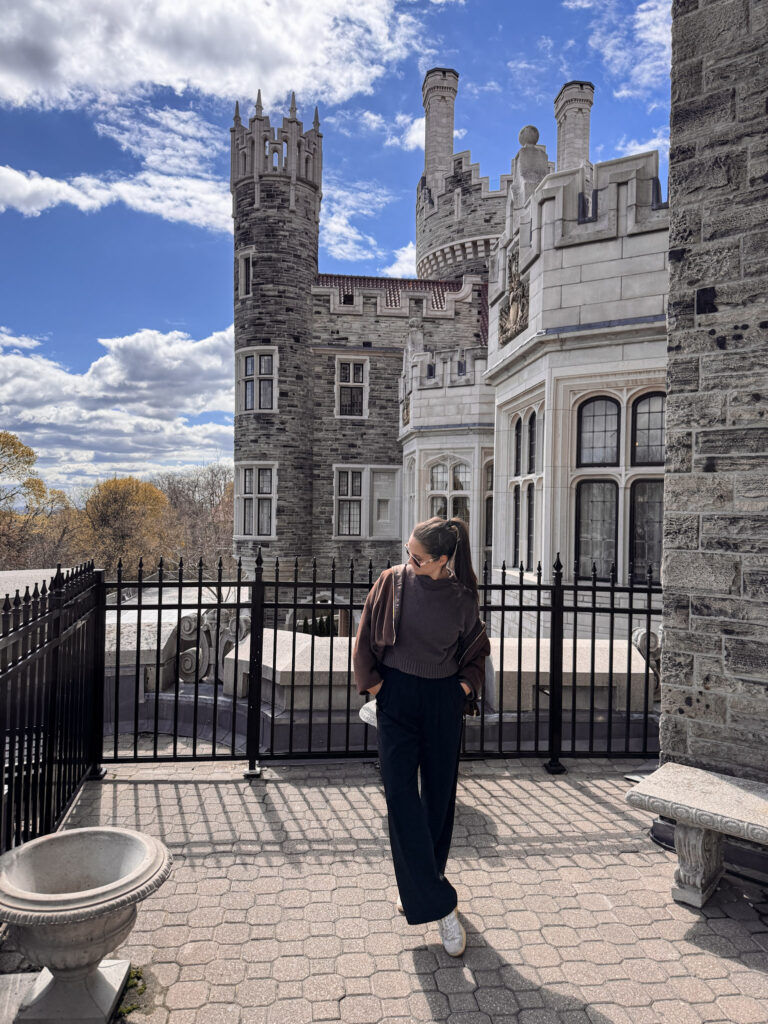
The story behind Casa Loma is almost more fascinating than the castle itself. Electricity pioneer Sir Henry Pellatt spent $3.5 million (about $100 million today) building his European dream home, complete with a stained-glass conservatory and mahogany stables with horses’ names spelled in 18-karat gold. War and mounting debts forced him out just nine years later, and the castle eventually opened as a public landmark in the 1930s.
Useful Information:

- Ticket: $45 CAD (plus tax)
- Open daily 9:30am–5pm, last entry 4pm
- Time needed: 2-3 hours
- Toronto CityPASS bundles Casa Loma with several other attractions — up to 38% savings if you're doing 3+
- Don't skip the tunnel walk to the stables — it doubles as a small museum on Toronto's prohibition-era history, with vintage movie posters showing which films were shot on-site along the way
- The five acres of gardens are worth a slow lap in warmer months, especially around the Conservatory

Fun Fact: Casa Loma has appeared in X-Men, Chicago, and The Recruit, among others

Jet Lag Jelly Tip: If castle-and-history is more your thing than horror, "Escape from the Tower" (the WWII sonar one) is the pick — it's built directly into the real history you'll have just learned on the main tour, so it doubles as a fun extension rather than a separate unrelated activity
4. Royal Ontario Museum
Instantly recognizable by “The Crystal,” its angular glass extension jutting out of the original heritage building, the ROM is Canada’s largest museum — 18 million artifacts, fossils, artworks, and specimens spread across 40 galleries, covering everything from 4.5 billion years of natural history to world cultures across four continents.
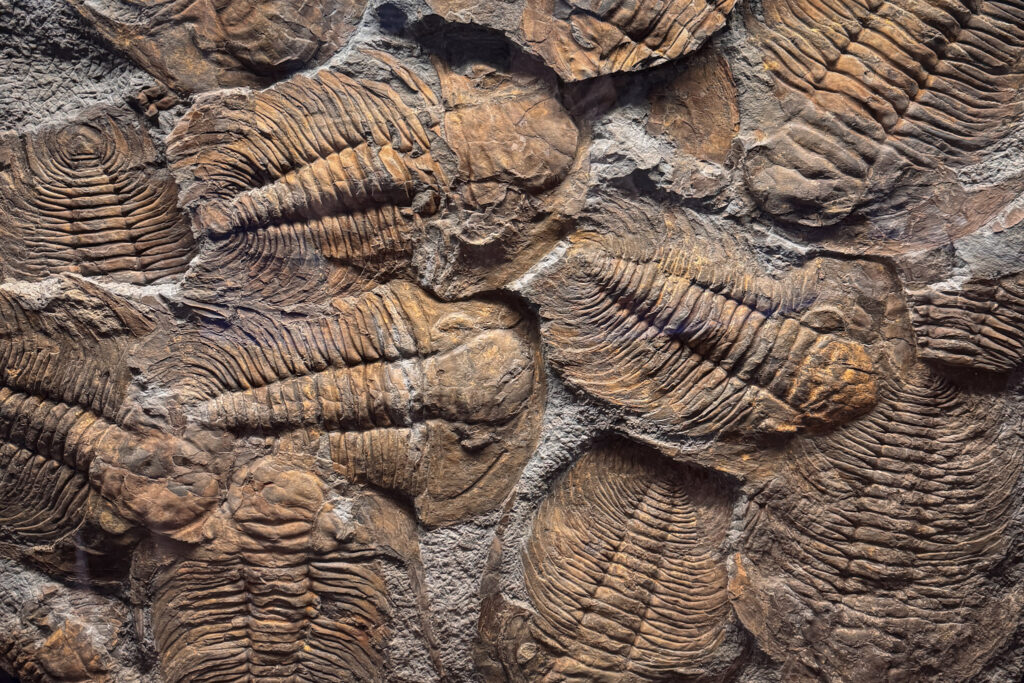
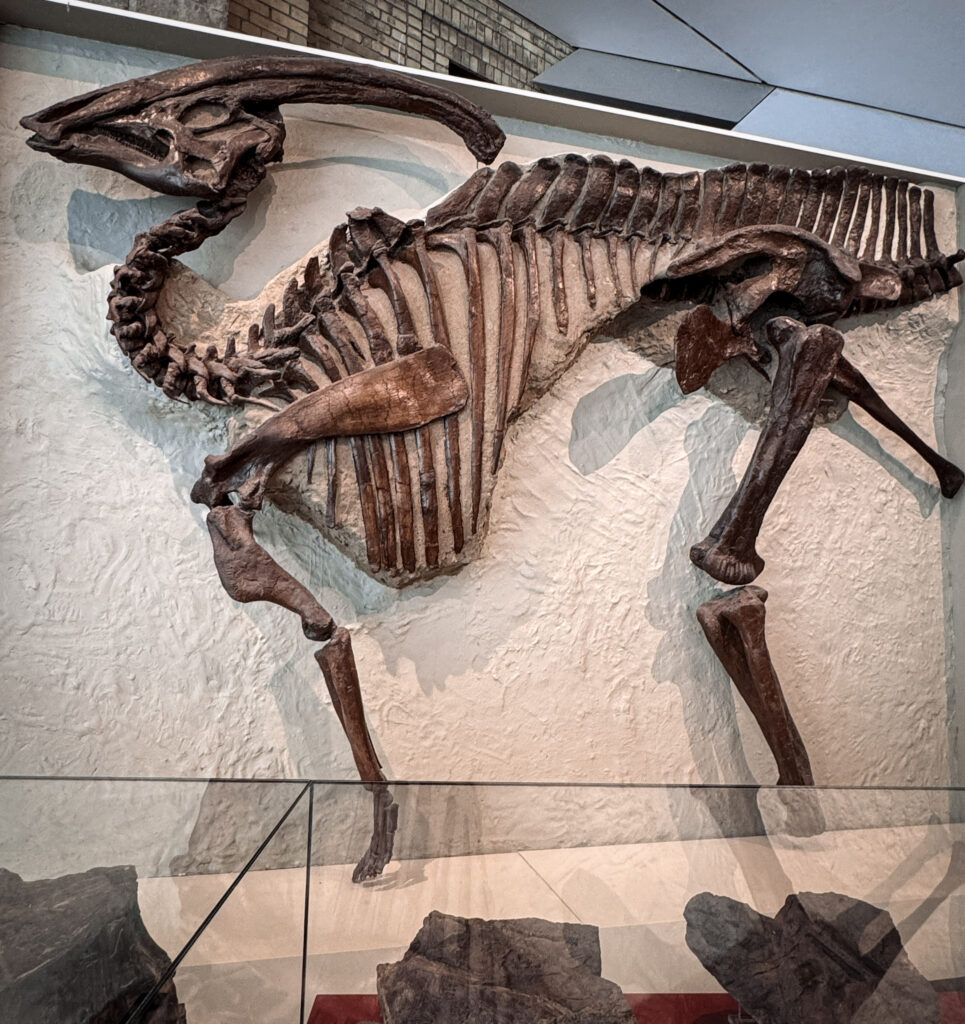
The dinosaur galleries are the deserved headline act. The Age of Dinosaurs galleries reopened in late 2025 after a major renovation, and now hold 50+ specimens, including a full-mounted T. rex, Triceratops, and “Gordo” — a 27.5-metre Barosaurus and the largest dinosaur skeleton on display in Canada. There’s also Zuul, an exceptionally well-preserved armoured dinosaur (one of the rare fossils that even preserved fossilized skin), shown in a dramatic staged confrontation with a Gorgosaurus.
Beyond the dinosaurs, the Bat Cave is a genuinely immersive walk-through recreation of a real Ontario bat cave, the Egyptian galleries and mummies draw steady crowds, and the biodiversity gallery has full mounted specimens of elephants, polar bears, and a Bengal tiger alongside Canadian wildlife dioramas.
Useful Information:

- Open Tuesday–Sunday, 10am–5:30pm (closed Mondays); stays open until 8:30pm on the third Tuesday of each month for a free-admission evening
- Ticket: general admission starts around $26 CAD booked in advance online — ROM uses "Plan Ahead Pricing," so booking early is cheaper. Tickets can also be purchased in person at the museum, but expect to pay more (closer to $35 CAD) since walk-up/same-day pricing sits at the top of the scale
- Time needed: 2-3 hours minimum; museum lovers can easily lose half a day across the 40 galleries
- Don't miss the dinosaur gallery, the Bat Cave, and the Crystal itself — the architecture is as much the exhibit as anything inside it
- If you're 19+ and want a different kind of night out, ROM After Dark runs periodically — a nighttime event with live music, DJ sets, and access to the galleries after hours

Fun Fact: The Crystal — that angular glass extension — was designed by architect Daniel Libeskind and looks like nothing else on the Toronto skyline. It's genuinely divisive among locals, but you can't miss it.
5. University of Toronto
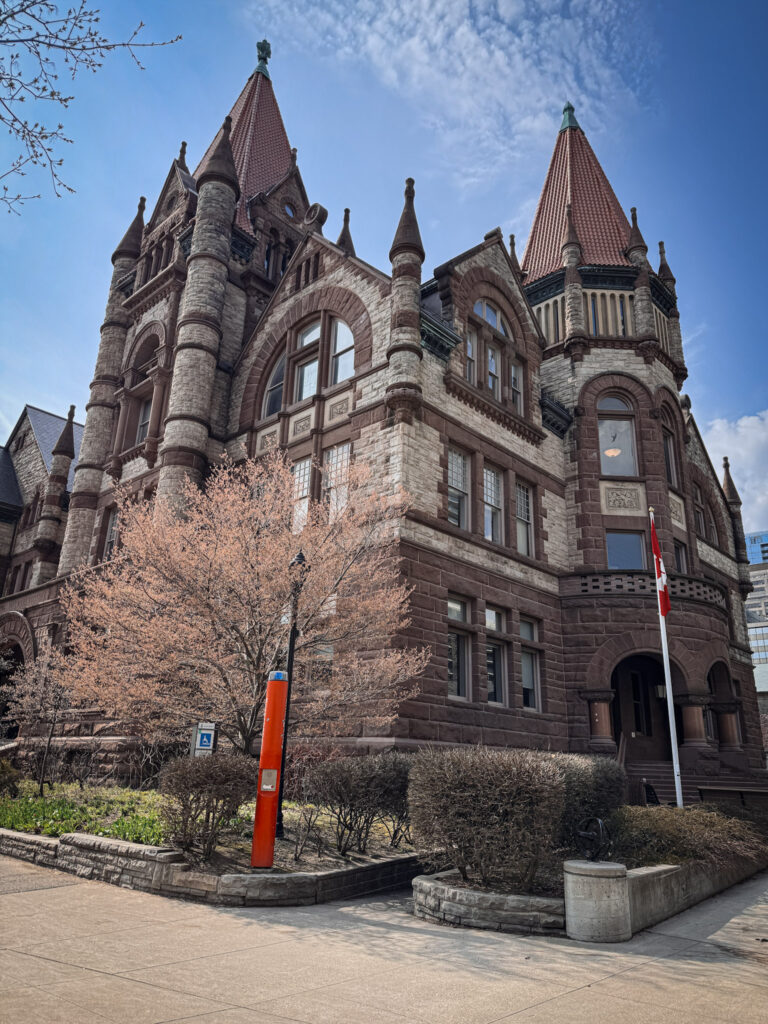
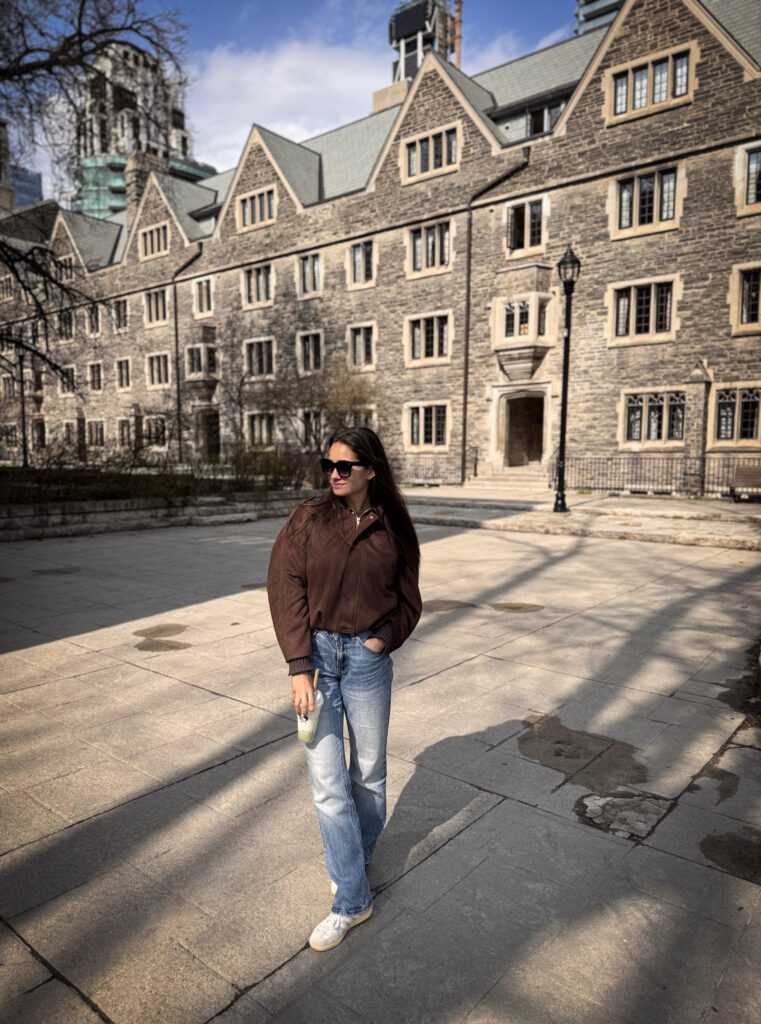
The downtown campus is worth a wander even if you’re not academically inclined — the Gothic-style buildings around King’s College Circle look more Oxford than Ontario. U of T is consistently ranked among the top universities globally, and the campus doubles as a favourite filming location, standing in for everywhere from Ivy League colleges to European settings on screen.
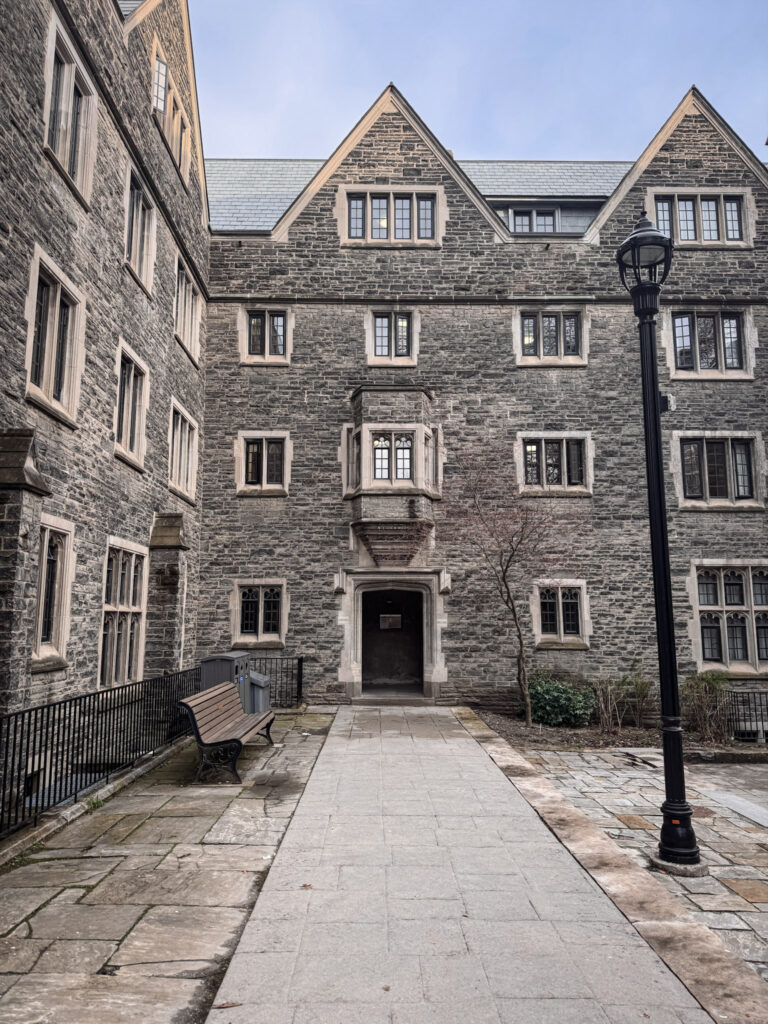
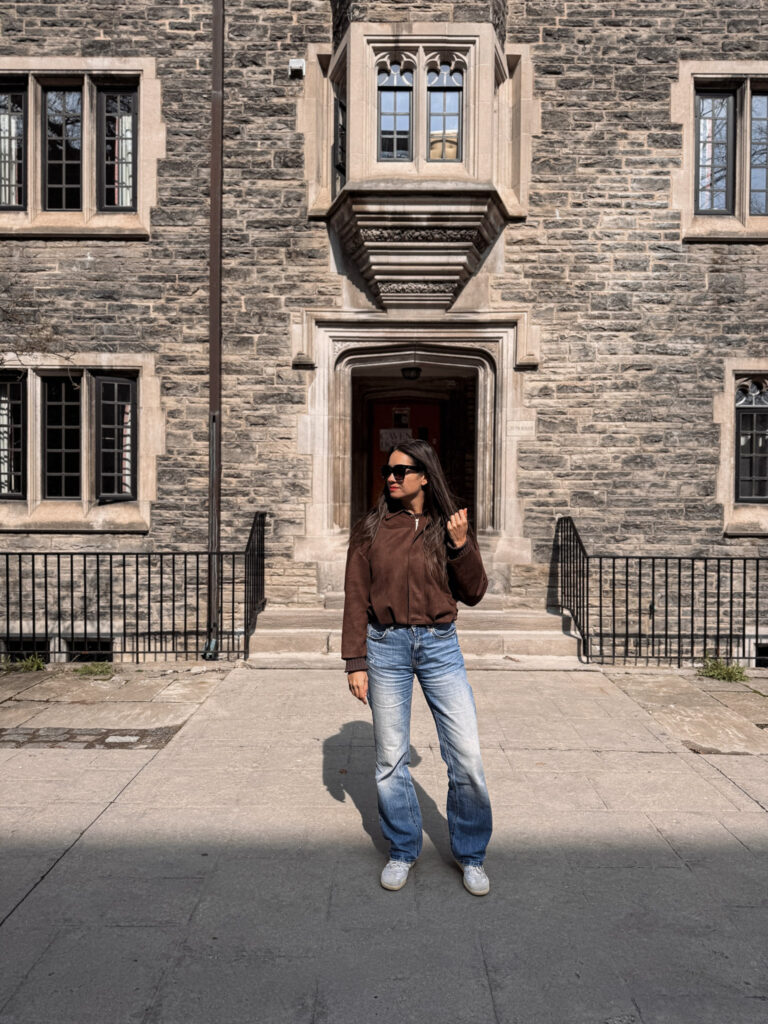
- Free to wander; the campus is fully open to the public
- Hart House and University College are the standout architectural highlights
- Guided historical walking tours run seasonally if you want more context than a self-guided stroll. It's about $8 CAD, ~90 minutes, run seasonally with a local historian guide.
6. Distillery District
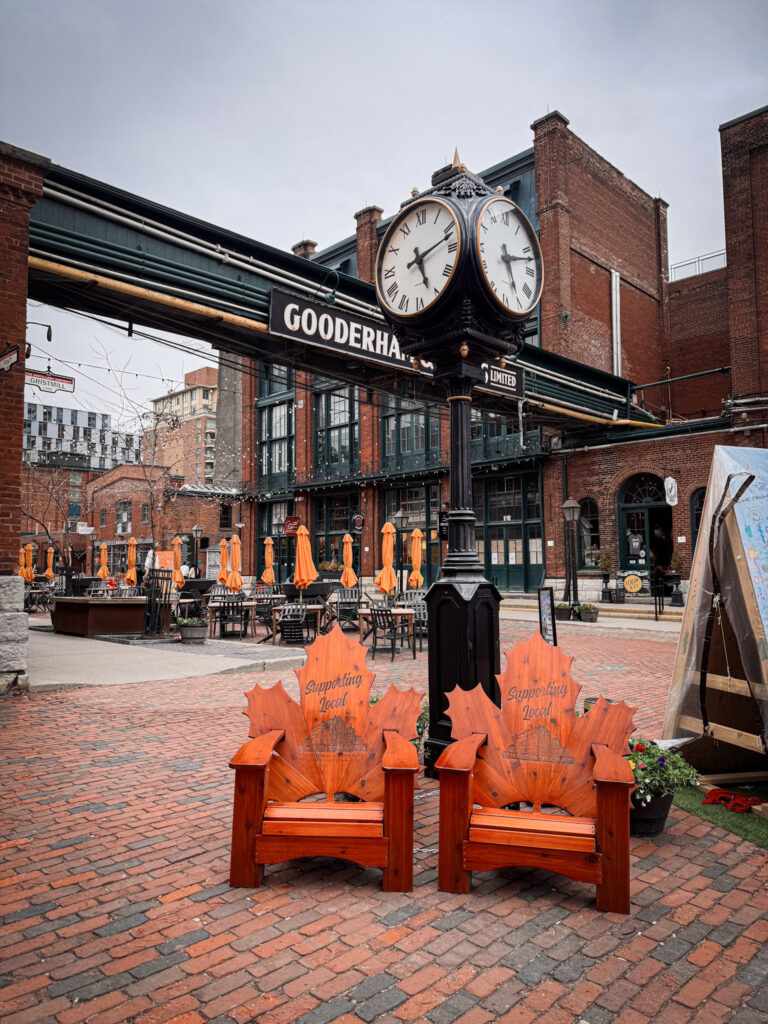
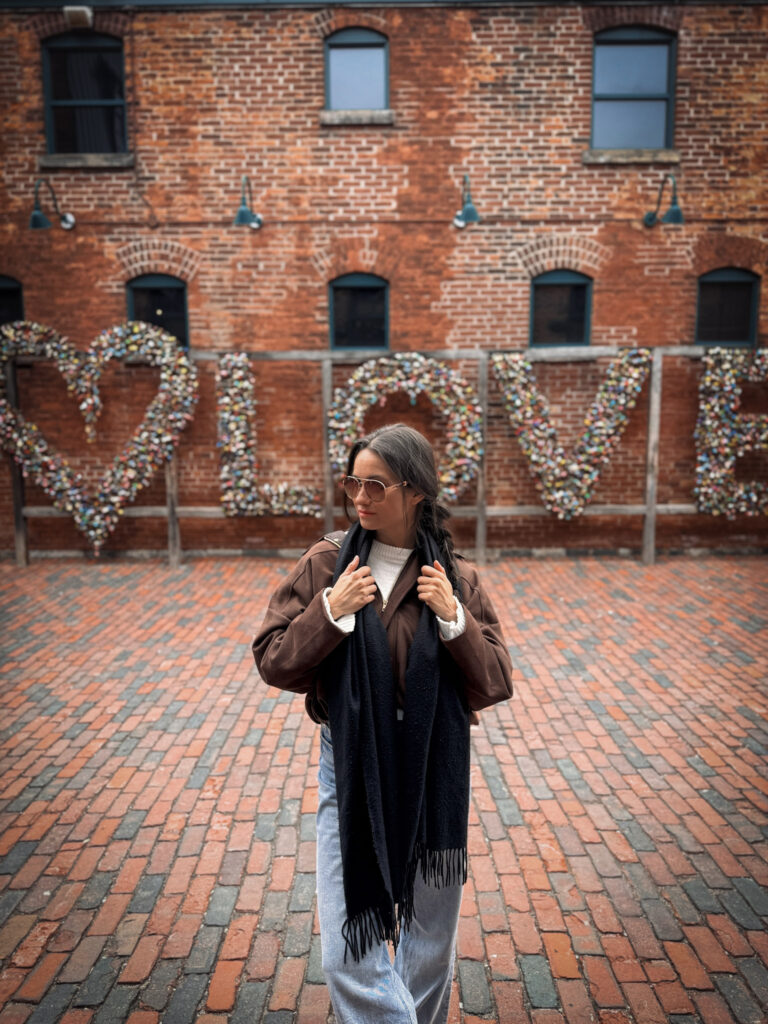
A pedestrian-only neighbourhood of restored Victorian industrial buildings turned galleries, boutiques, and cafés — 13 acres, 40+ heritage buildings, and 10 cobblestoned streets that make up the largest collection of Victorian-era industrial architecture in North America. Cars aren’t allowed anywhere in the core, which along with the exposed brick and old rail-era details gives the whole place a genuinely different feel from the rest of downtown.
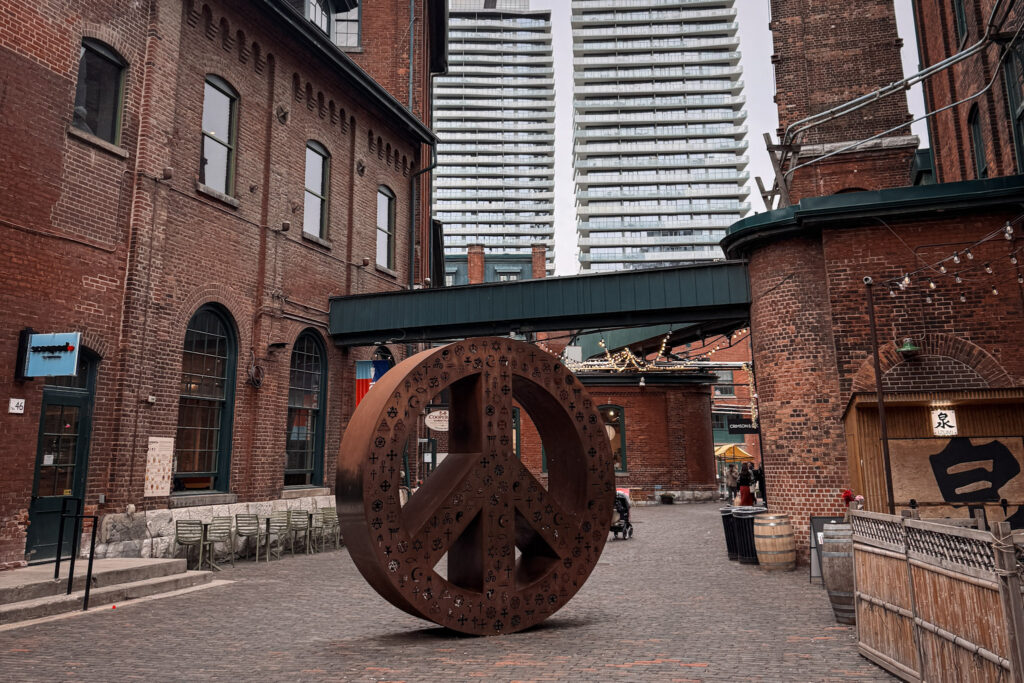
Fun Fact: Founded in 1832 as Gooderham & Worts, this was once the largest whiskey distillery in the British Empire, cranking out over 2 million gallons a year. Before its 2003 restoration, its empty 19th-century streets served as a backdrop for dozens of movies, including X-Men

Entry: Free to enter and wander — some galleries, tours, and events have separate admission

Useful Information: Seasonal events run year-round: the Sunday Market and free outdoor movie nights in summer, Oktoberfest in fall, and the Distillery Winter Village (a proper Christmas market with an ice rink and light displays) from late November through early January

Tours: Mill Street Brewery, home of Ontario's first organic beer, runs daily brewery tours and has a patio worth lingering on

Jet Lag Jelly Tip: Go in the early evening — you get the golden hour light on the red brick, the string lights start coming on, and the patios are just filling up for the night without being packed yet.
7. Ripley’s Aquarium of Canada
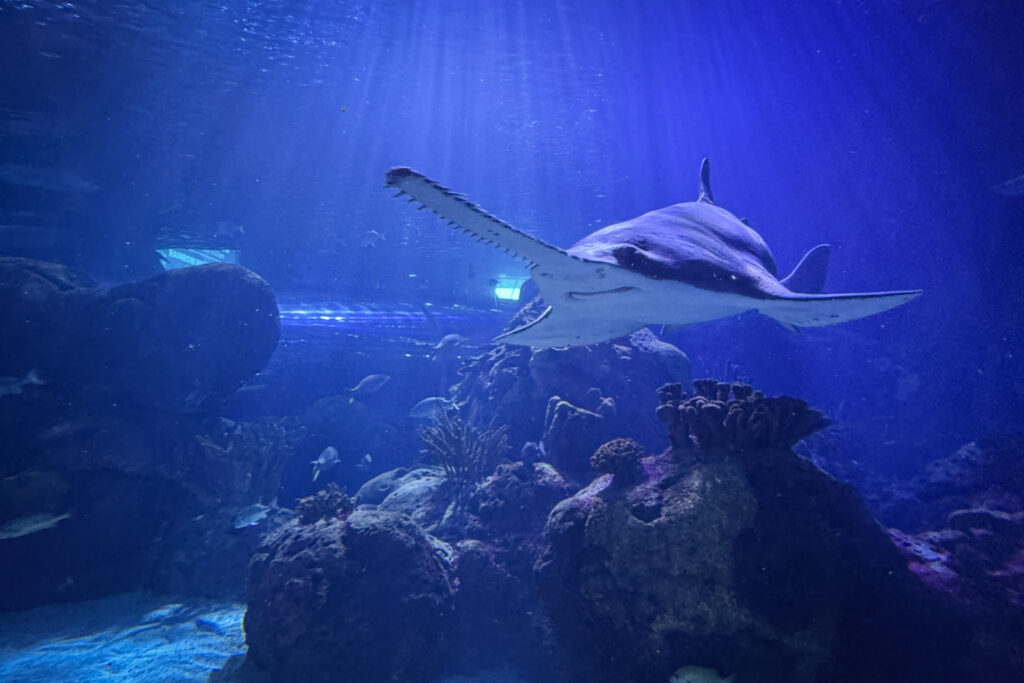
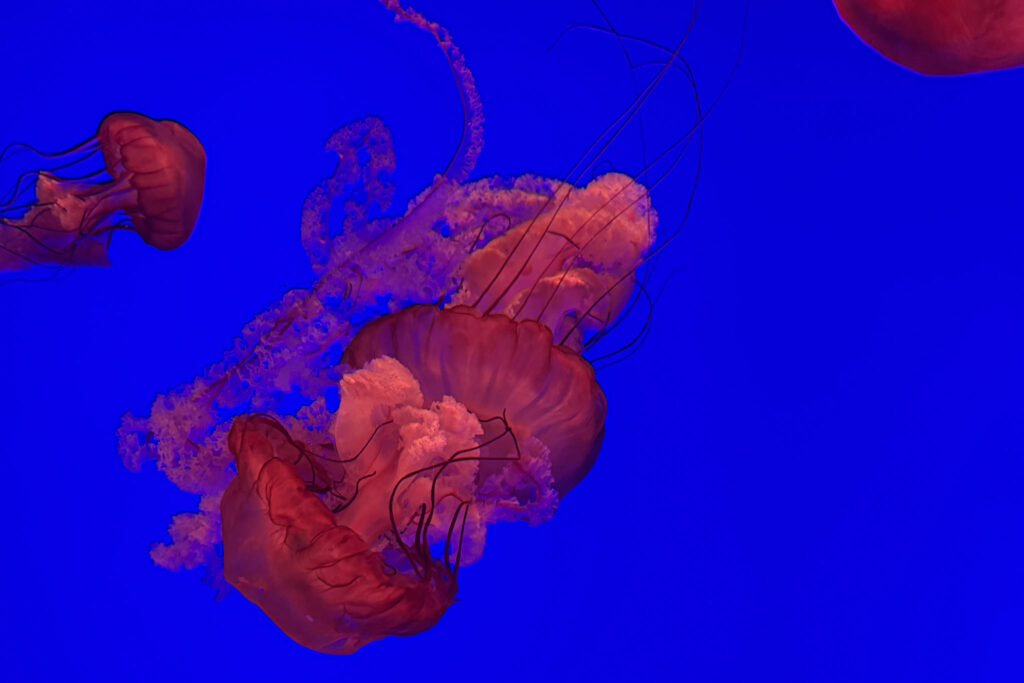
A 96-metre underwater glass tunnel putting you eye-level with sand tiger sharks, rays, and sea turtles — the aquarium holds over 20,000 marine animals across 50 living exhibits, in 5.7 million litres of water. Right by the CN Tower, and stays open late.
Useful Information:

-Adult tickets start around $30-35 CAD booked online in advance (pricing is dynamic — weekday/shoulder-hour visits are cheaper than weekend afternoons)
-Open daily, generally 9am-9pm (hours shift for special events, so check ahead)
- Time needed: 2-3 hours
- Don't miss the Dangerous Lagoon (the shark tunnel), Planet Jellies, and Ray Bay's touch pools
- Combo tickets bundling Ripley's + CN Tower (same plaza) typically save 10-15% over buying separately

Jet Lag Jelly Tip: Target the shoulder hours — 9-10am or after 7pm — for a noticeably quieter visit.
8. Yorkville
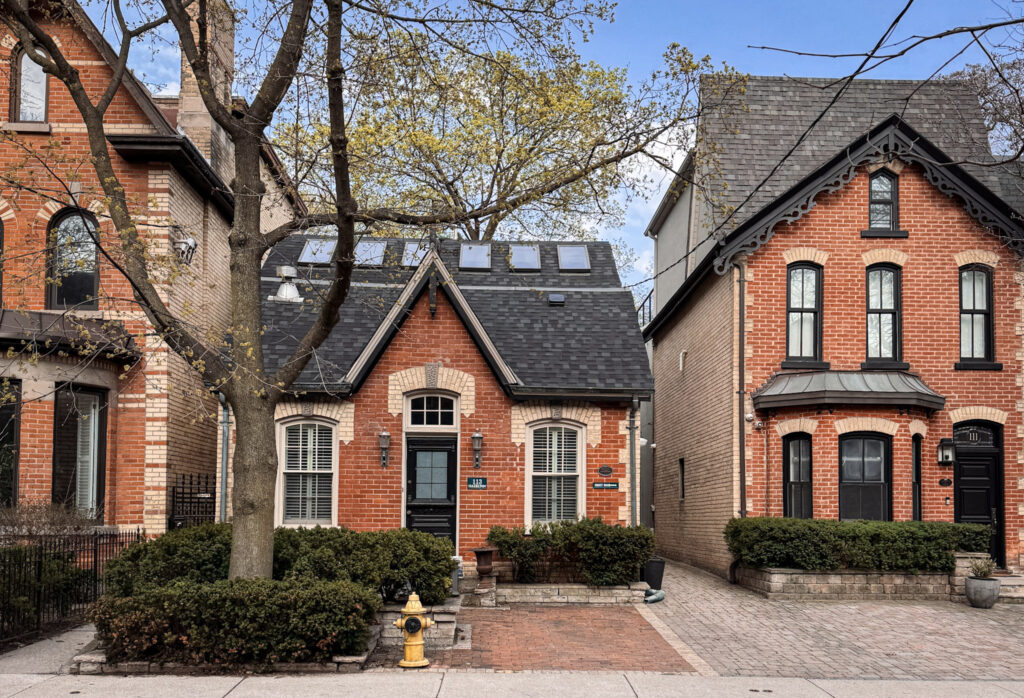
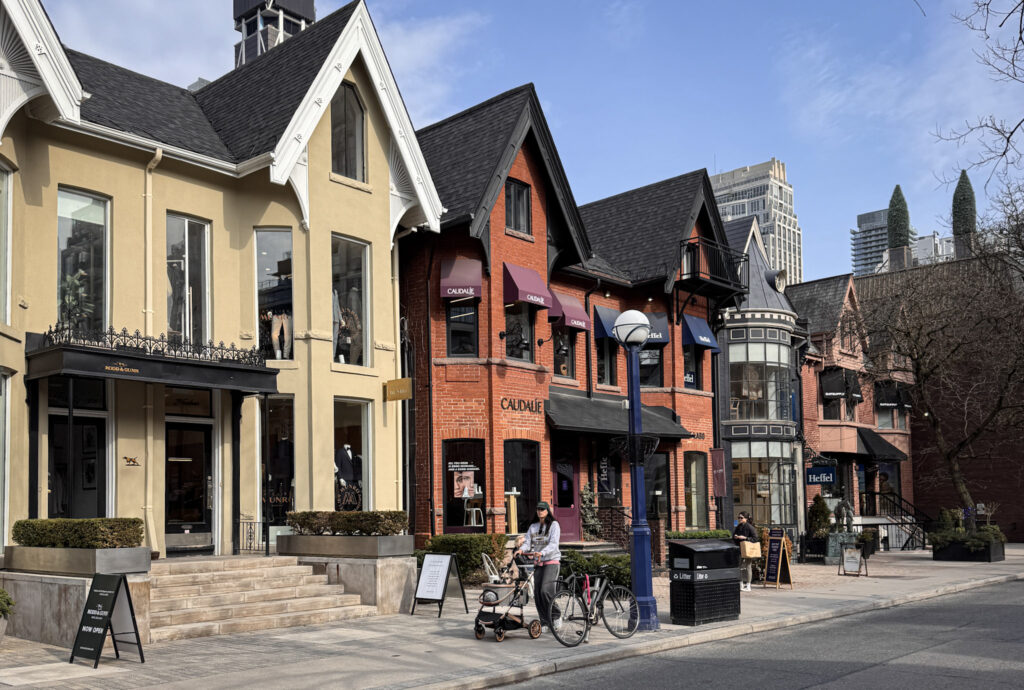
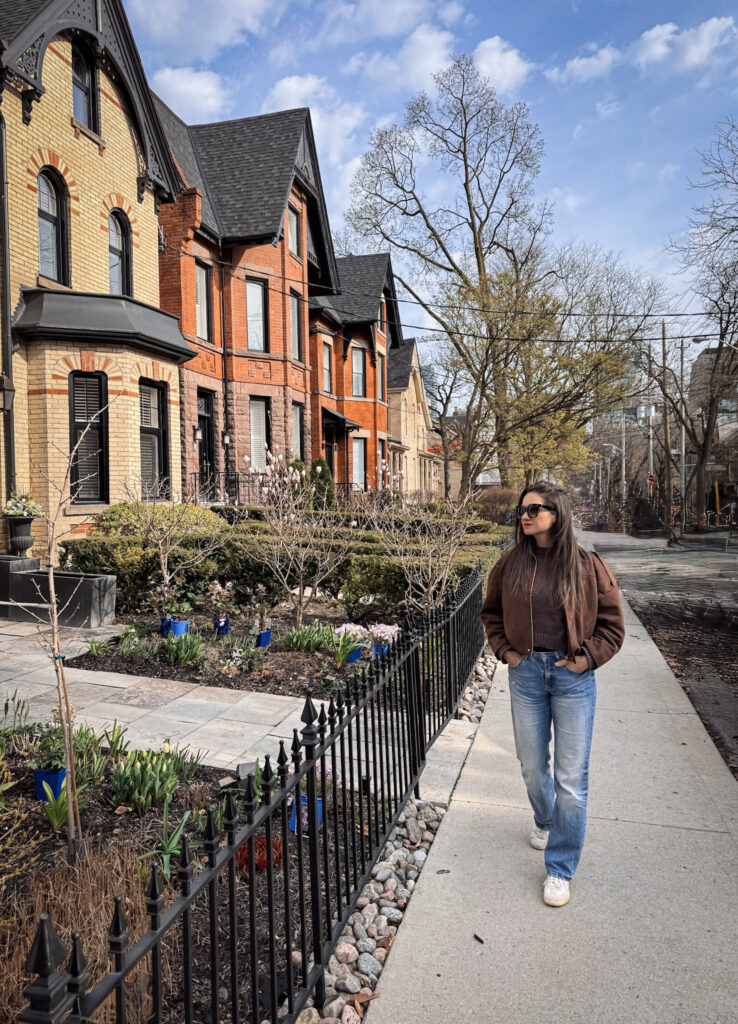
Yorkville is Toronto’s upscale shopping and dining district, lined with designer boutiques and patio cafés. In the 1960s, though, it was Canada’s hippie capital, where cheap folk clubs like the Riverboat Coffee House launched Joni Mitchell, Neil Young, and Gordon Lightfoot before rising rents turned it into one of North America’s priciest shopping streets.
Useful Information:

- Free to wander; best explored on foot over an afternoon
- Bloor Street, aka the "Mink Mile" (between Yonge and Avenue Road), is the luxury core — Chanel, Hermès, Louis Vuitton, and Holt Renfrew all run flagship stores here
- Cumberland Street and Yorkville Avenue have the smaller, quieter independent boutiques and art galleries, especially around Hazelton Avenue
- Village of Yorkville Park, a small public park built to represent different Canadian landscapes across a single city block (including an actual 650-ton Canadian Shield granite outcrop), makes a nice quiet break mid-wander
- The Bata Shoe Museum, a five-storey building shaped like a shoebox, holds over 13,000 shoes spanning 4,500 years of footwear history — an unexpectedly fun stop if you're already in the area
- If you're visiting during TIFF (Toronto International Film Festival, every September), Yorkville becomes unofficial celebrity-watching ground — hotels like The Hazelton and restaurants like Sassafraz and Trattoria Nervosa are known spots

Fun Fact: Despite the total 180 in vibe, Yorkville never fully lost its creative roots — several of the small galleries around Hazelton Avenue trace back to the same bohemian energy that drew artists here in the '60s, just with considerably higher price tags now.
9. Catch a Game: Raptors, Maple Leafs, or Blue Jays
If any of Toronto’s three major teams are playing at home during your trip, go. It’s one of those “when in Rome” experiences that gives you a completely different read on the city than museums and castles do.
I got lucky and managed to catch a Raptors game while I was there — my first NBA game ever, and it did not disappoint. The atmosphere inside Scotiabank Arena was honestly electric — the crowd noise, the music between plays, the whole arena erupting on a big dunk. If you’ve never been to an NBA game before, Toronto is a genuinely great place to have your first one.

Useful Information:

- Raptors & Maple Leafs both play at Scotiabank Arena, right downtown
- Blue Jays play at Rogers Centre, next to the CN Tower — notable for its retractable roof, one of the first of its kind when it opened in 1989

Jet Lag Jelly Tip: Check the Raptors, Maple Leafs, and Blue Jays schedules before booking your trip dates — ticket prices swing wildly by opponent, and Leafs tickets in particular can be pricier given Toronto's famously passionate (and famously long-suffering) hockey fanbase.
10. Go to the Theatre
Toronto has the third-largest English-language theatre scene in the world after London and New York. The Theatre District’s historic venues are worth the ticket price for the architecture alone, whether it’s a touring Broadway production or something homegrown.

Useful Information:

- Mirvish Productions runs most of the big touring Broadway shows across several historic downtown venues (Princess of Wales Theatre, Royal Alexandra Theatre, Ed Mirvish Theatre)
- The Distillery District's Young Centre is a good option for something more independent/homegrown
- Book ticket ahead for anything popular — touring productions sell out, especially on weekends
Activites I’d Recommend
If you want to lock in your tickets ahead of time or add a guided day trip outside the city, these six options cover Toronto’s top sights and nearby escapes:
- Toronto: CN Tower Ticket to Main & Lower Observation Levels (timed entry to the Main and Lower Observation Levels, including the Glass Floor and outdoor terrace)
- Toronto: Scenic Harbor Cruise with Lunch, Brunch, or Dinner (a 2- to 2.5-hour dining cruise across Toronto Harbour with skyline views and freshly prepared meals)
- Toronto CityPASS®: Save up to 38% at 5 Top Attractions (a 9-day pass covering admission to the CN Tower and Ripley’s Aquarium of Canada, plus your choice of three more spots like the Royal Ontario Museum, Casa Loma, or a harbour cruise)
- Toronto: Maple Syrup Farm Tour + St Jacobs Farmers Market (a seasonal day trip featuring an all-you-can-eat pancake breakfast, maple taffy on snow, the Maple Syrup Museum of Ontario, and browsing over 300 vendors at Canada’s largest year-round farmers’ market)
- Toronto: Algonquin Park and Ragged Falls Day Trip (a full-day nature excursion from Toronto with park entry, a guided hike to a scenic lookout, canoeing on the Oxtongue River, and a stop at Ragged Falls)
- Toronto: City Walking Tour (a 3-hour small-group walking tour covering downtown landmarks like the CN Tower and Rogers Centre, the waterfront, the underground PATH walkway, and Old Toronto)
FAQ
Is Toronto worth visiting for a weekend? Yes — Toronto packs enough into a weekend to feel like a proper trip: historic architecture in Yorkville, the Distillery District’s cobblestone charm, world-class museums, and a skyline view from the CN Tower. Pair it with Niagara Falls and you’ve got a complete week, not just a stopover.
What’s the best neighborhood to stay in Toronto? Stick close to Line 1 (the yellow subway line) — areas like Union, King, Queen, or College put you within easy reach of downtown, the Distillery District, and the underground PATH system, so you can skip the car entirely and just hop on the subway. Browse hotels in downtown Toronto to find something along the Line 1 corridor.
Do you need a car to get around Toronto? Not at all — we relied entirely on public transit and Uber, even for trips outside downtown. It’s more convenient than dealing with parking, and Line 1 plus streetcars cover the city well; for Niagara Falls or other day trips, Uber or a tour shuttle works just as easily. That said, if you’re planning to explore further afield in Ontario, renting a car from Toronto Pearson Airport gives you more flexibility.
What’s the best time of year to visit Toronto? Spring and early fall hit the sweet spot — mild weather, blooming trees around downtown, and none of the summer crowds or winter cold.
Summary
Toronto is easy to underestimate on paper and hard to leave once you visit. Between its historic castle, world-class museum, car-free island beaches, former hippie neighborhood, and electric sports crowds, it has endless range. Plan three or four days for the essentials, or five to enjoy its quiet neighborhoods, food markets, and Distillery District corners—it is far more than a stopover city.
Sleep later. Explore now.
Planning a longer trip? Check out my Toronto & Niagara Falls itinerary for a full multi-day plan covering both.