
This post contains affiliate links. If you book through one, I may earn a small commission at no extra cost to you — it helps keep Jet Lag Jelly running. Read my full affiliate disclosure for more.
I didn’t just visit Kuala Lumpur. I moved in for a month, unpacked my bags, and started calling a rooftop pool “my regular spot.” A month is enough time to stop being a tourist and start being a very confused local. Long enough to realize every Grab driver I had was somehow lovely, long enough to try food I still can’t pronounce or identify, and long enough to fall completely, embarrassingly in love with this city.
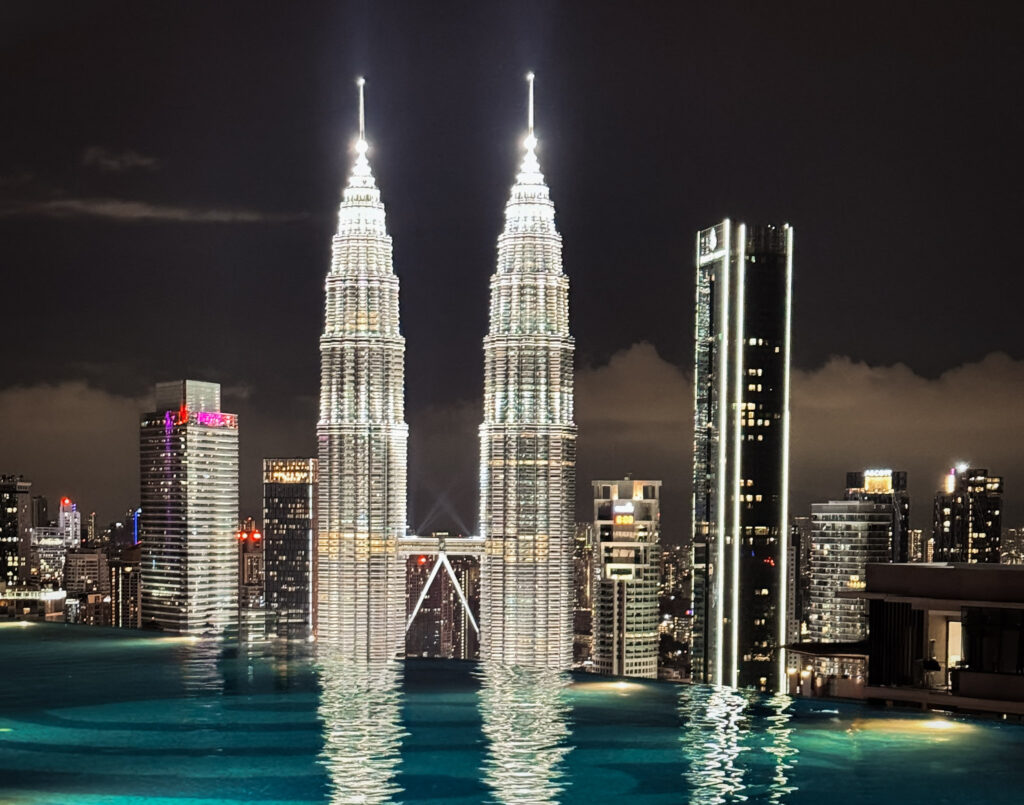
KL has a vibe. People here are warm in that effortless, doesn’t-feel-forced way. I never even needed to ask a stranger for directions — Grab is so cheap I just hopped in one whenever I needed to get somewhere. But everyone around me just looked happy and chill, the kind of energy that makes you genuinely comfortable being outside — walking the streets, shopping, grabbing food, whatever. It rubs off on you.
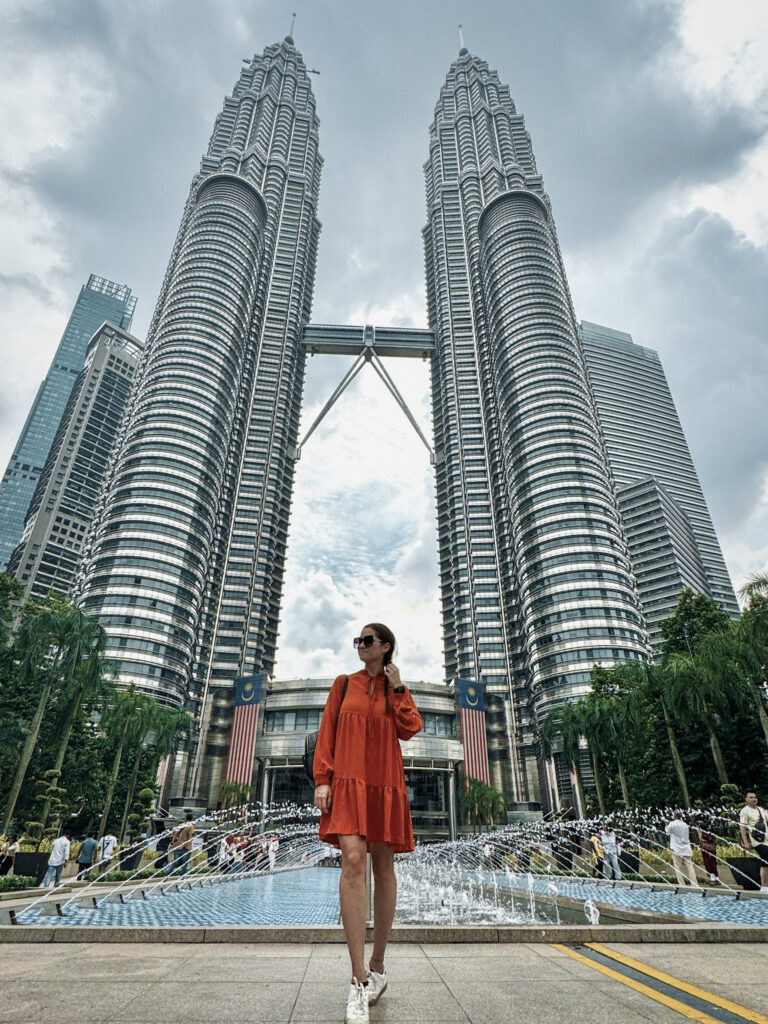
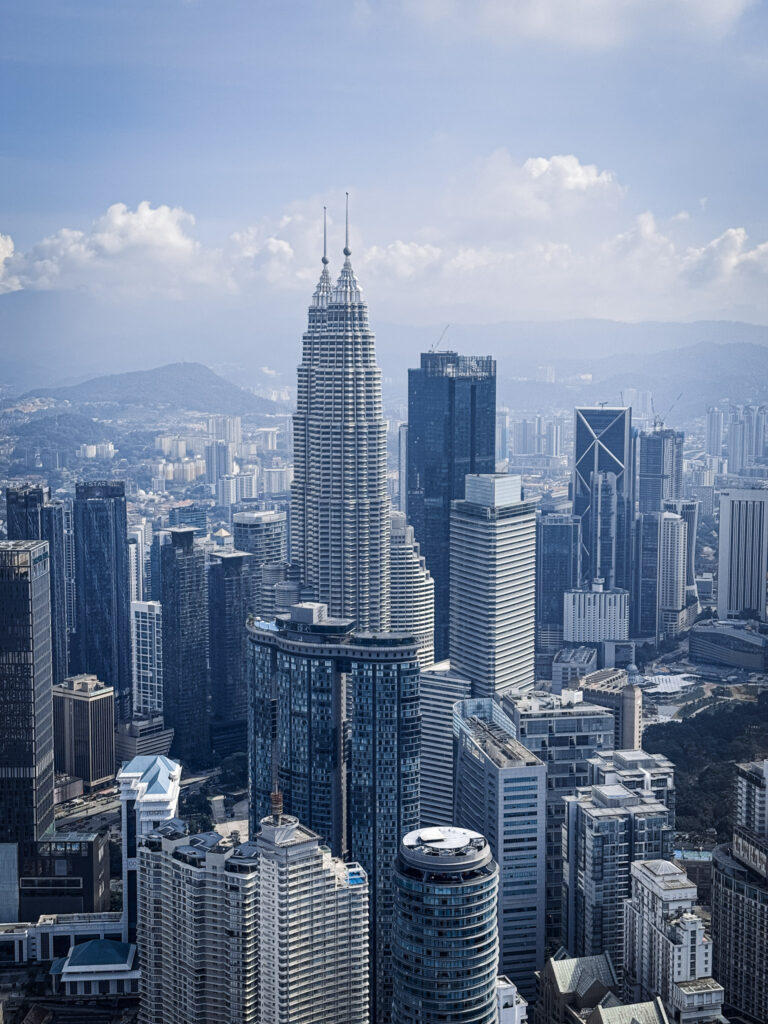
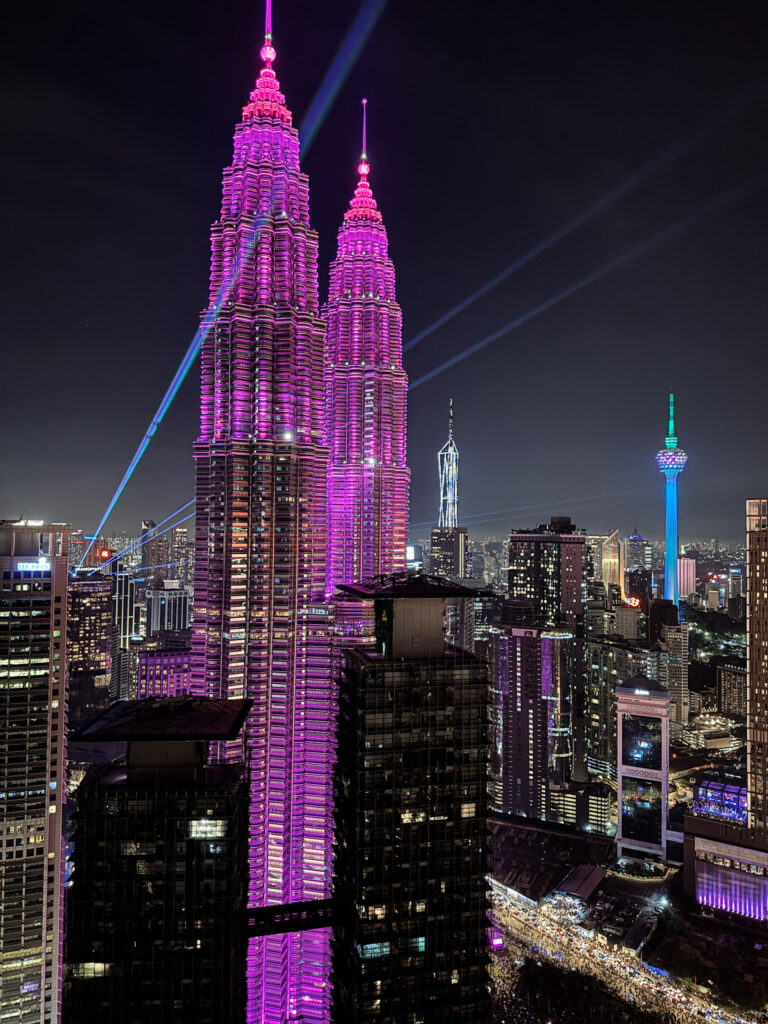
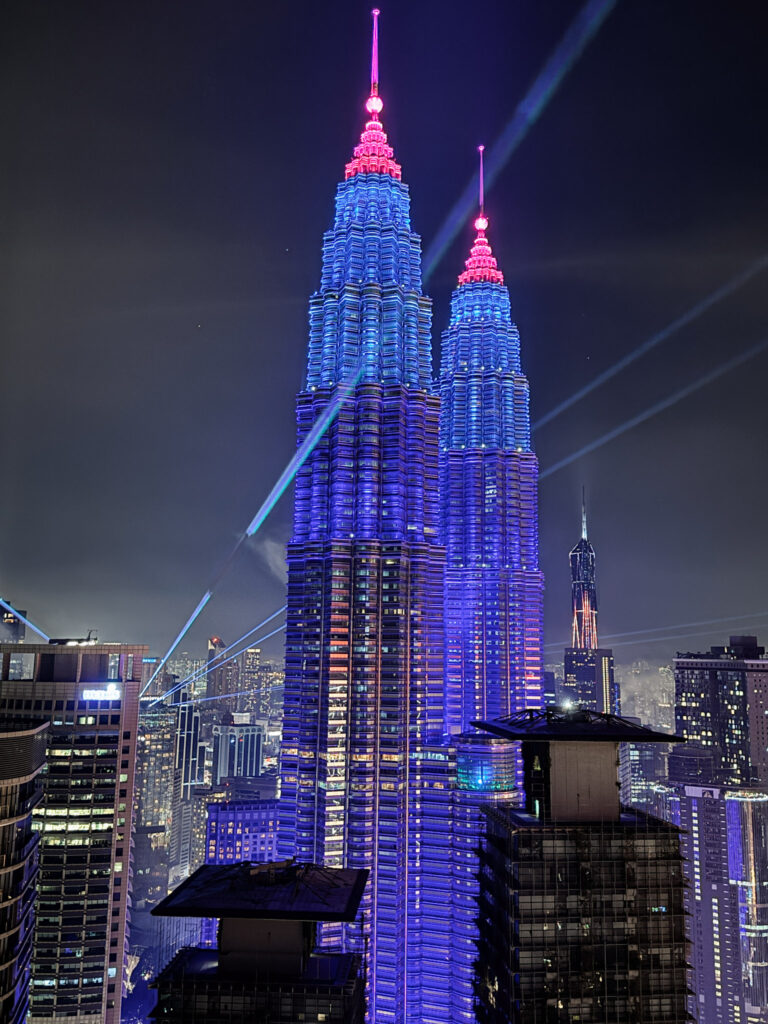
And then there are the Petronas Towers. I walked past them more times than I can count and never once got bored of looking up. By day they’re sleek and silver and slightly intimidating. By night, the light show practically dances across the towers’ walls, and I’d just stand there with my neck craned like a tourist on day one, even on week four.
What still blows my mind: this city has a literal rainforest sitting in the middle of it. One minute you’re dodging traffic downtown, the next you’re under a canopy of trees listening to actual jungle sounds. Add in one of the biggest Buddha statues I’ve ever stood under, and shopping malls so massive they rival anything else in Asia — KL is a city that refuses to be just one thing.
Honestly? As a digital nomad, I’ve started doing the math on what it would take to actually move here. That should tell you everything.
So instead of a day-by-day itinerary, here’s my list of the top things to do in Kuala Lumpur — the stuff that made a month feel like it still wasn’t enough.
Kuala Lumpur Itinerary
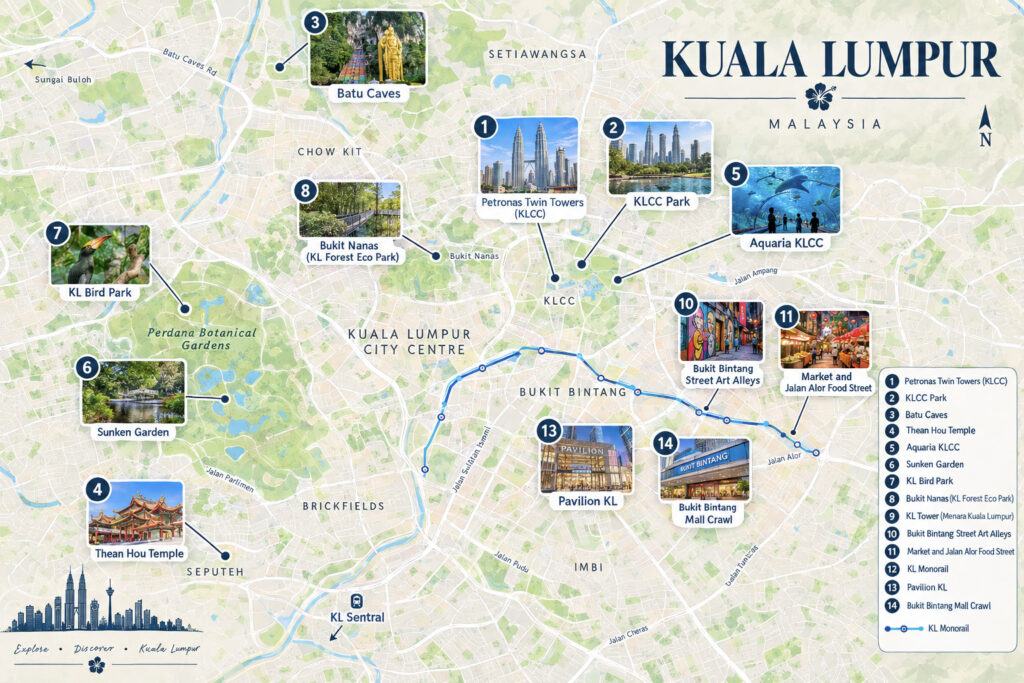
1.Petronas Twin Towers
2. KLCC Park
3. Batu Caves
4. Thean Hou Temple
5. Aquaria KLCC
6. Sunken Garden
7. KL Bird Park
8. Bukit Nanas (KL Forest Eco Park)
9. KL Tower
10. The Bukit Bintang Street Art Alleys
11. Market and Jalan Alor Food Street
12. KL Monorail
13. Shopping Mall: Pavilion KL
14. Shopping Mall: Bukit Bintang Mall Crawl
1. Petronas Twin Towers
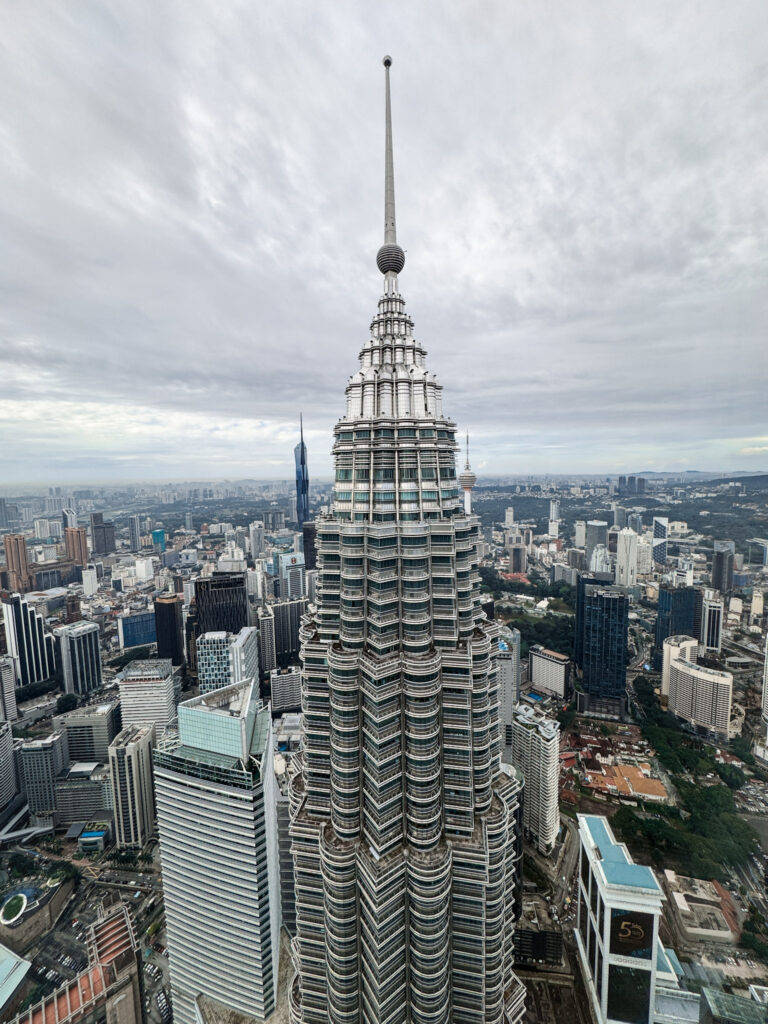
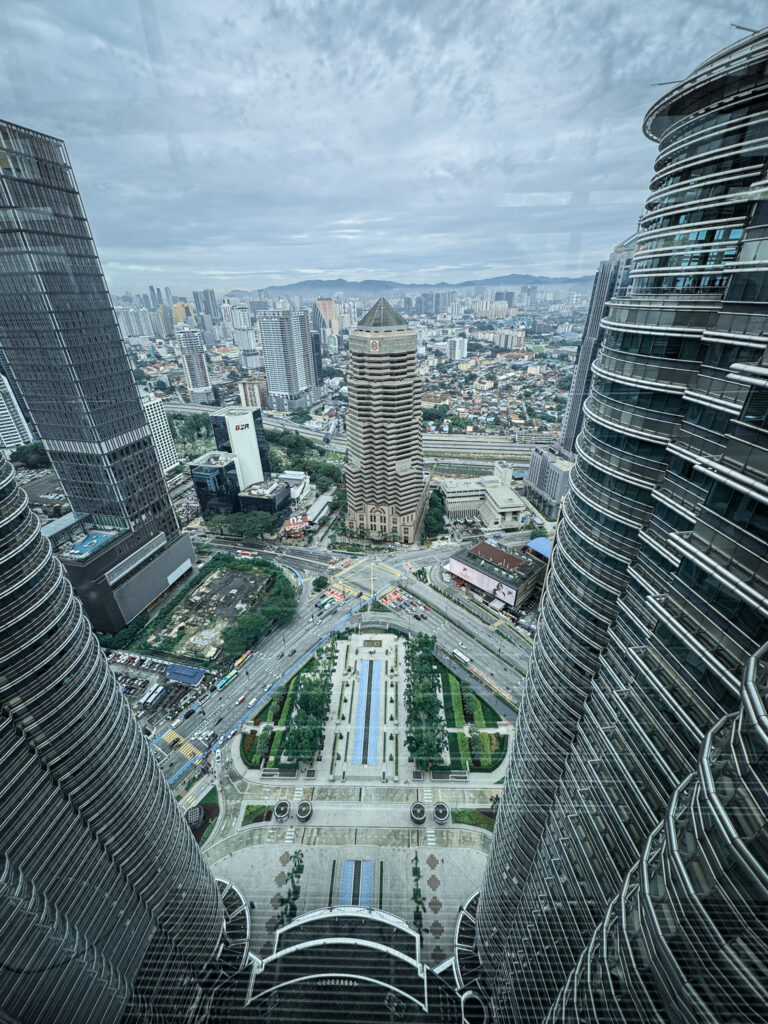
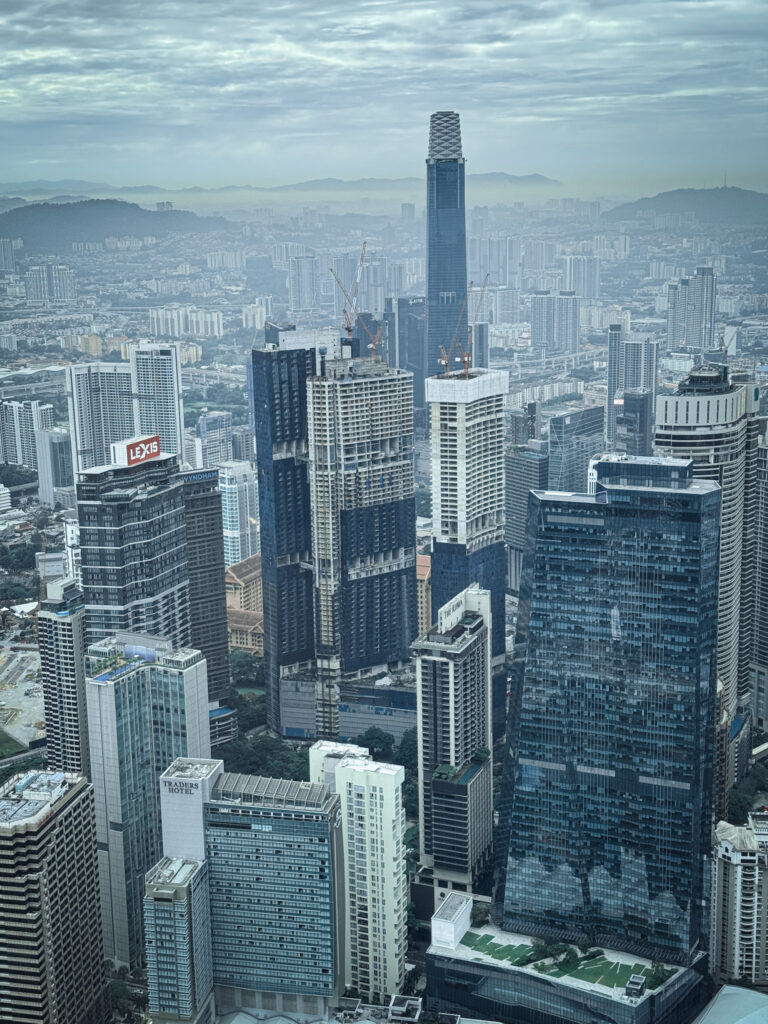
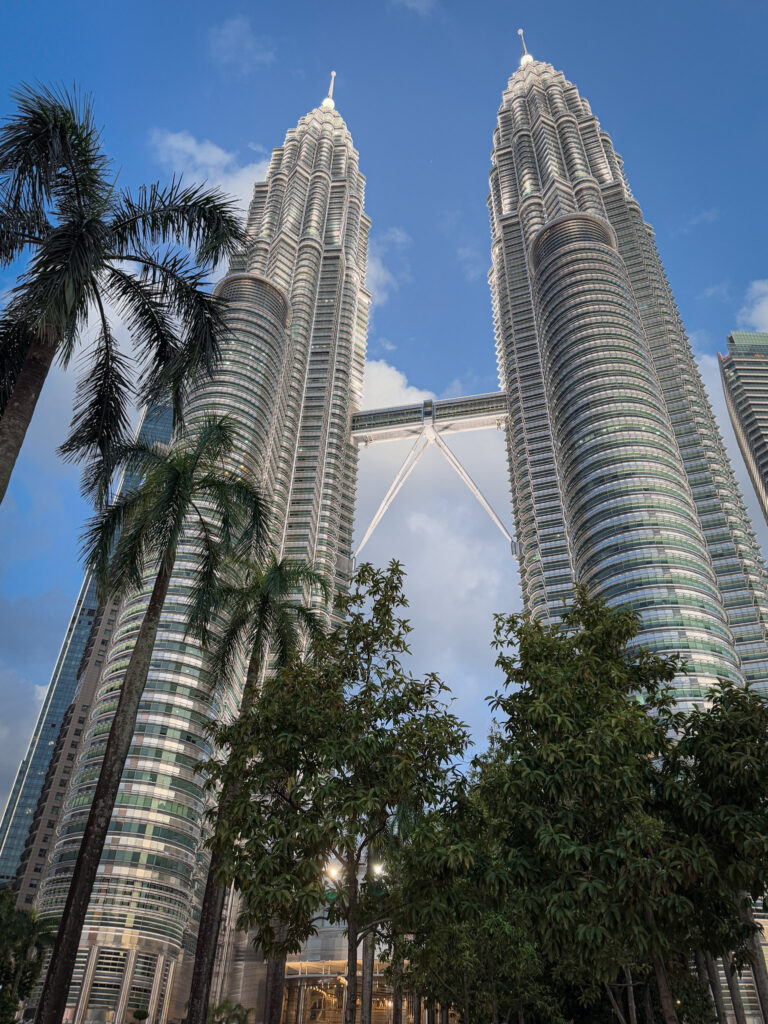
You can’t talk about Kuala Lumpur without talking about the Petronas Twin Towers. At 451.9 meters, they were the tallest buildings in the world from 1998 to 2004, and even now that they’ve been bumped down the list, they’re still the tallest twin towers on the planet. I walked past them more times than I can count during my month here and never once got bored of looking up. By day they’re sleek and silver and slightly intimidating. By night, the light show practically dances across the towers’ walls — worth timing your evening walk for.
Fun fact: Petronas, the Malaysian oil and gas company that owns the towers, is also the title sponsor of the Mercedes F1 team. As a huge Formula One fan, I may have spent an unreasonable amount of time just looking up at the Formula 1 car hanging from the ceiling inside.

Useful information:

- You can visit the Skybridge (41st-42nd floor, the double-decker bridge connecting the two towers) and the Observation Deck (86th floor)

- Tickets sell out fast — book online in advance, ideally a few days ahead, especially for sunset slots

- Entry is timed, so you'll get a specific slot when you book

- KLCC Park right at the base is free and gives you the best ground-level photo spots

Jet Lag Jelly Tip: Go for a sunset slot if you can get one. You get the golden-hour skyline view from up top, then the light show kicks in just as you're heading back down — basically a two-for-one show.
2. KLCC Park — A Different View of the Towers
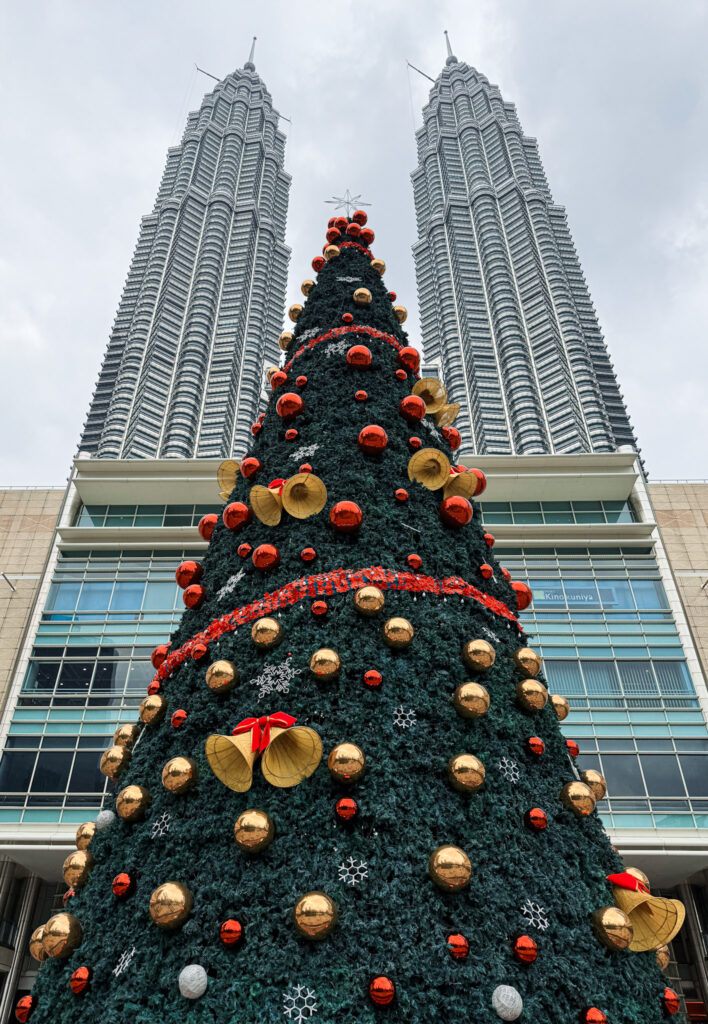
After admiring Kuala Lumpur from above, it felt right to see the Petronas Towers from below too. KLCC Park sits right at the foot of the towers — a beautifully landscaped green space with walking paths, a large lake, and one of the best photo spots in the entire city. Since it was December, a huge Christmas tree stood proudly in front of the towers — a slightly surreal but very charming mix of tropical palm trees, a towering skyscraper, and Christmas decorations all in one frame. Very Kuala Lumpur.
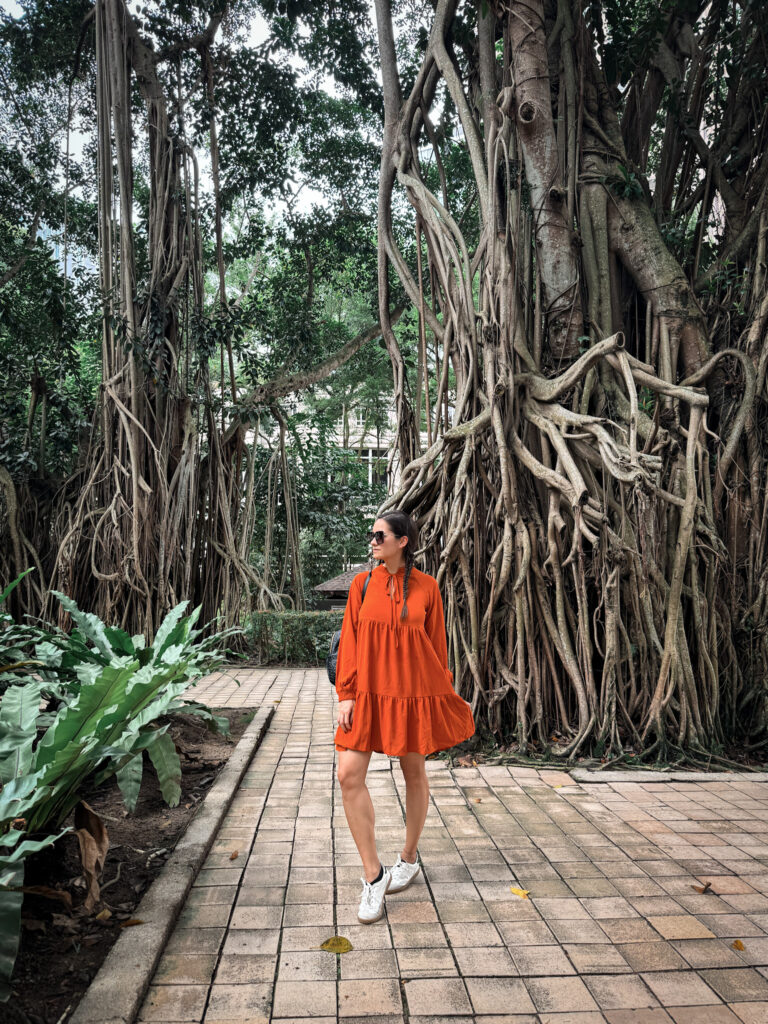
Tucked into another corner of the park is a small patch of forest with massive banyan trees, their roots cascading down like something out of a fairy tale. Walking through this shaded path felt like I’d been teleported from a city park straight into a jungle — yet another reminder that KL has a way of squeezing rainforest right into the middle of everything.
The park’s centerpiece is the Lake Symphony fountain — no light show during my visit, but the lake itself was lovely to walk around, dotted with cute little whale and dolphin statues poking out of the water.
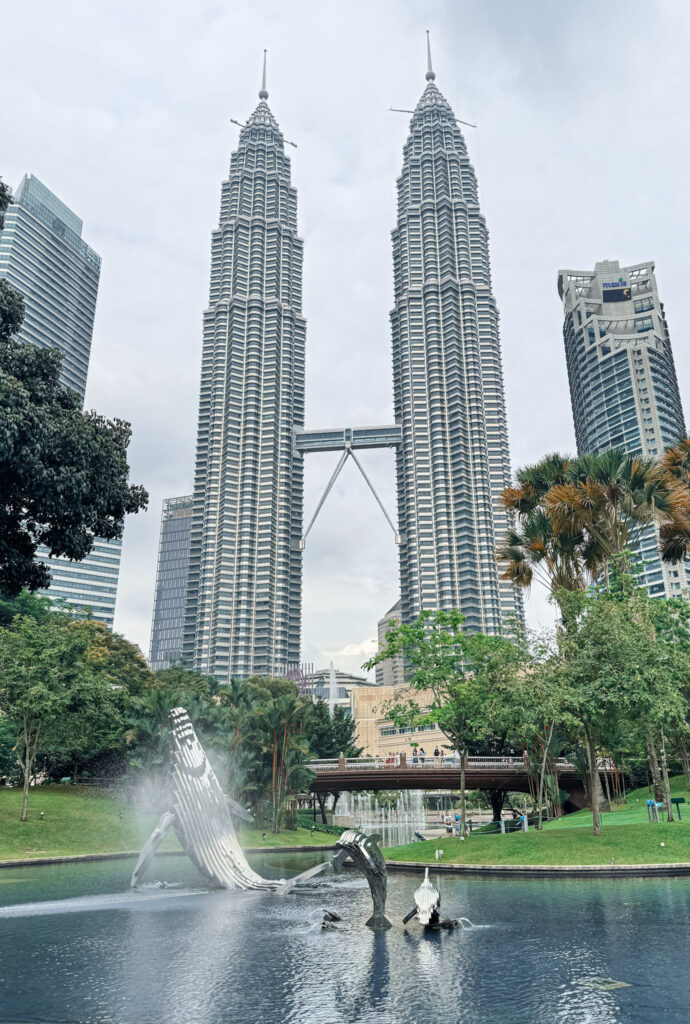
The best moment of the visit was standing right in front of the fountain with the twin towers rising dramatically behind me — one of those simple but perfect travel photos that ends up being your favorite from the whole trip.
Fun fact: The Lake Symphony fountain show used to run with music and lights almost every evening — definitely worth checking if it's back on schedule before you go, since timing can change.

Useful information:

- KLCC Park is open daily, roughly 6am–10pm, and entry is free

- The Lake Symphony fountain typically runs shows in the evening (check current times locally, schedules shift)

- Best photo spot: the walkway directly facing the towers, near the fountain — it's where everyone ends up, for good reason

- The banyan tree path is tucked in a quieter corner — worth seeking out if you want a break from the crowds by the lake

- The park connects directly to Suria KLCC mall if you want to duck in for AC or food after

Jet Lag Jelly Tip: If you want to catch the Lake Symphony fountain show, check the schedule in advance — it runs at specific times in the evening. Either way, the park is worth a visit any time of day for the unbeatable tower views.
3. Batu Caves
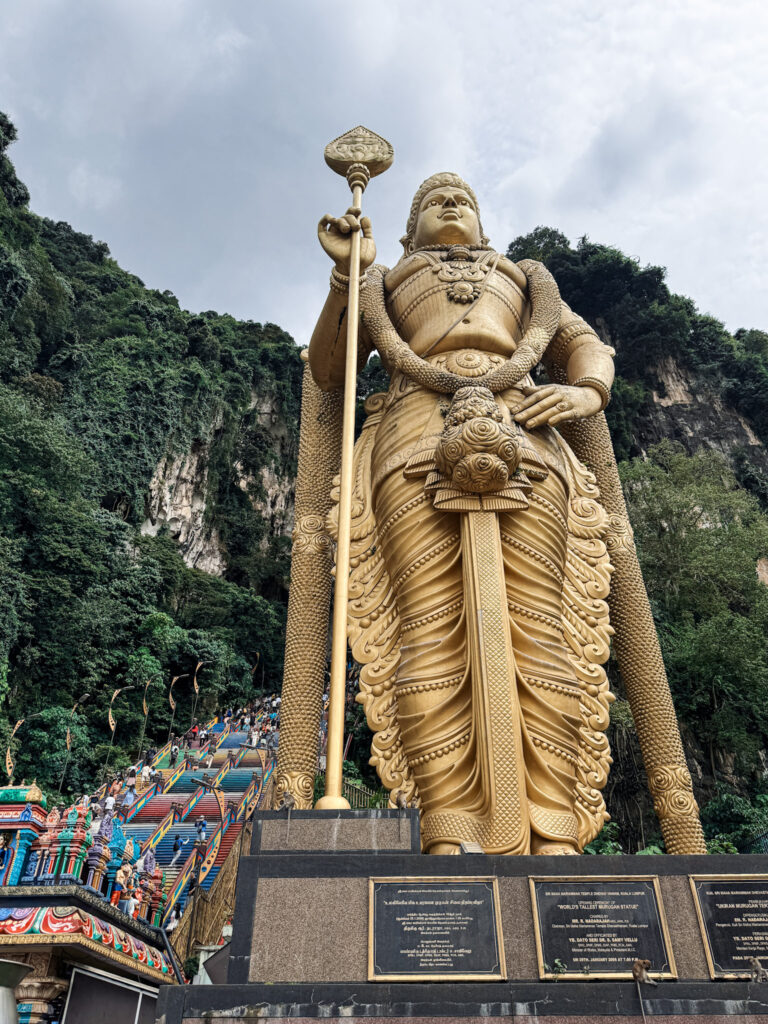
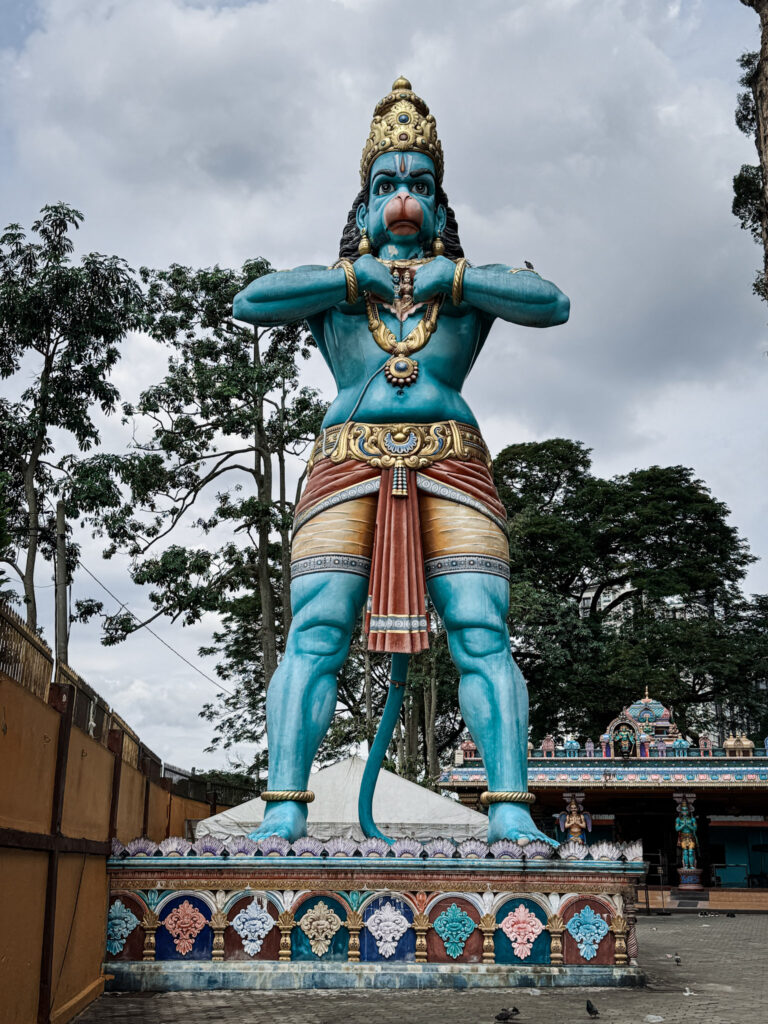
If KLCC Park is KL’s calm, manicured green space, Batu Caves is its wild, dramatic cousin. About 13km north of the city center, this limestone cave temple complex is guarded by a massive golden statue that towers over everything around it — and yes, it’s every bit as impressive in person as it looks in photos.
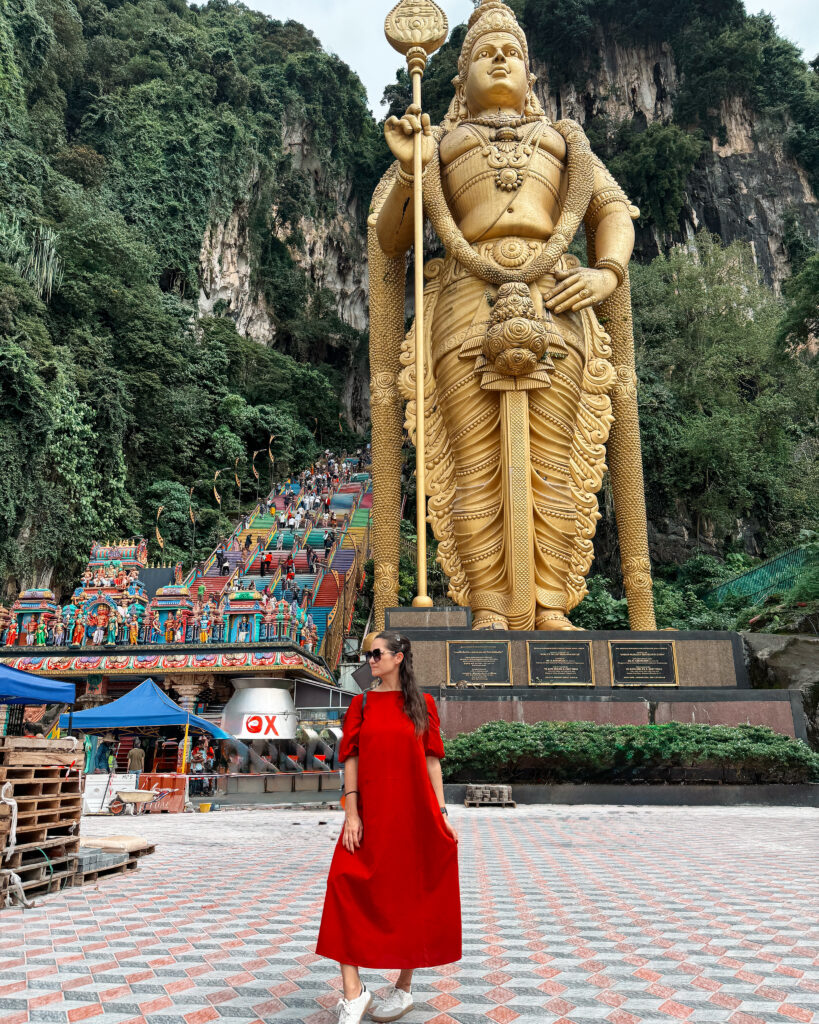
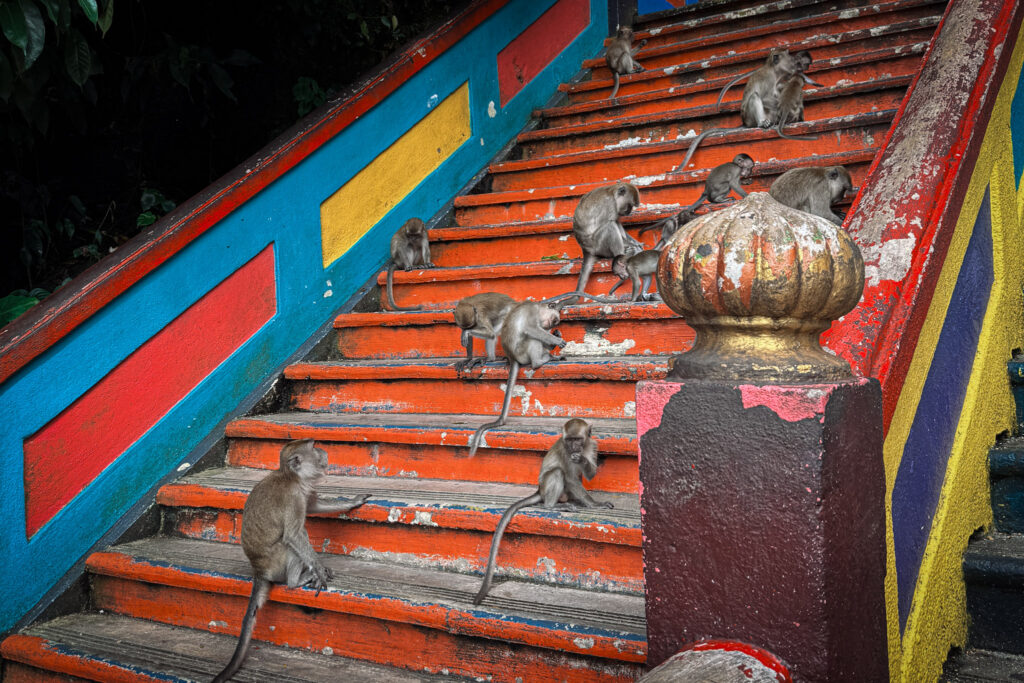
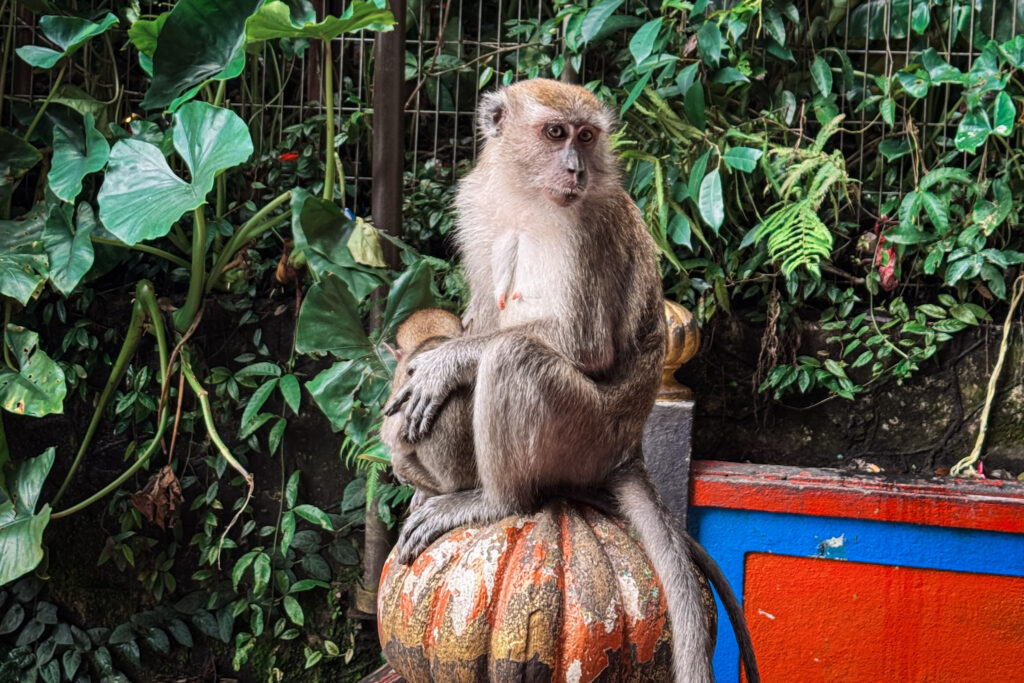
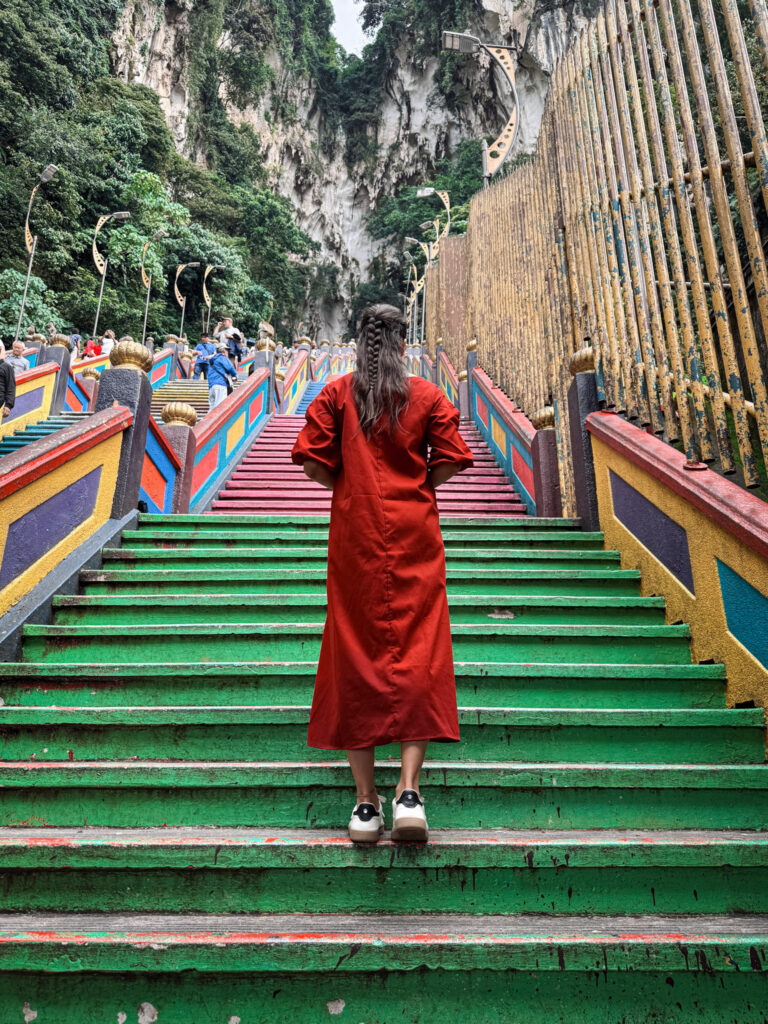
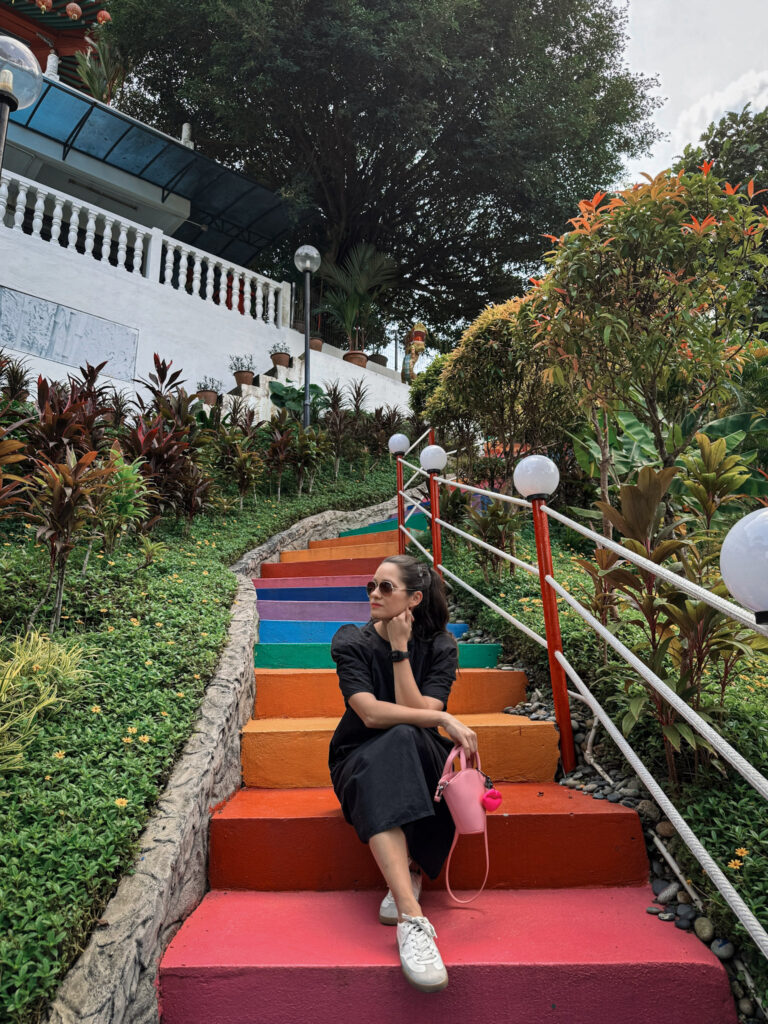
Getting there means climbing 272 steeply colorful steps (rainbow-painted since 2018), and let me tell you, the monkeys here are not shy. They’re everywhere around the base of the caves and especially along the colorful staircase, and they know exactly what they’re doing. I watched one casually snatch a water bottle right out of a girl’s hand like it was nothing. Hold onto your stuff, and whatever you do, don’t eat anything on the way up.
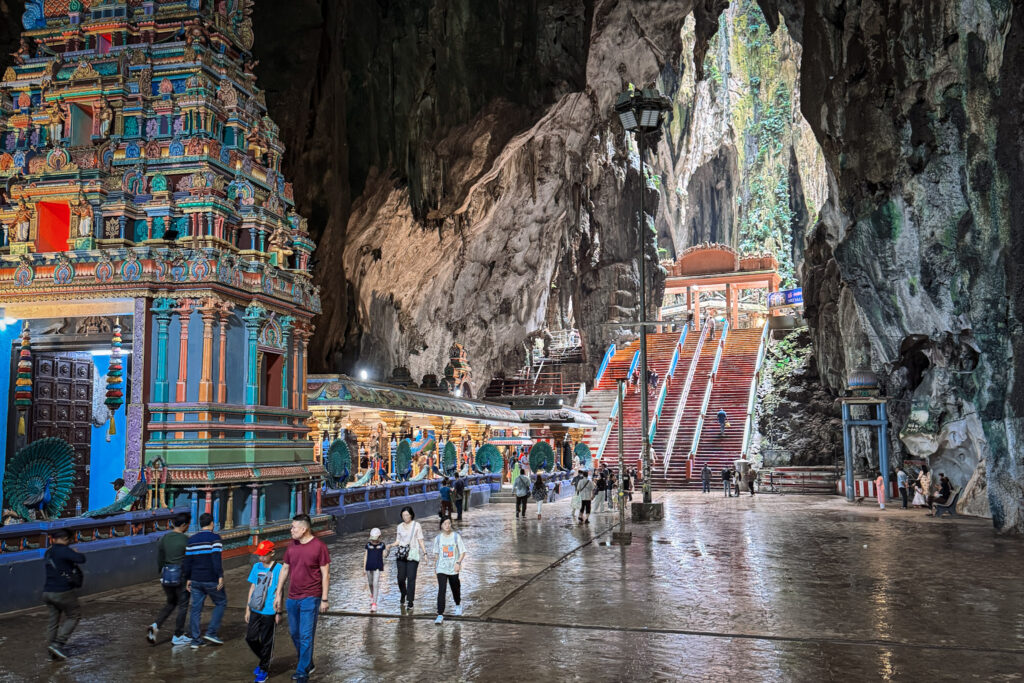
Once you reach the top, you’re in the cavernous Temple Cave — a massive natural cavern filled with shrines, ancient stalactites, and a strange, sacred kind of stillness despite the crowds.
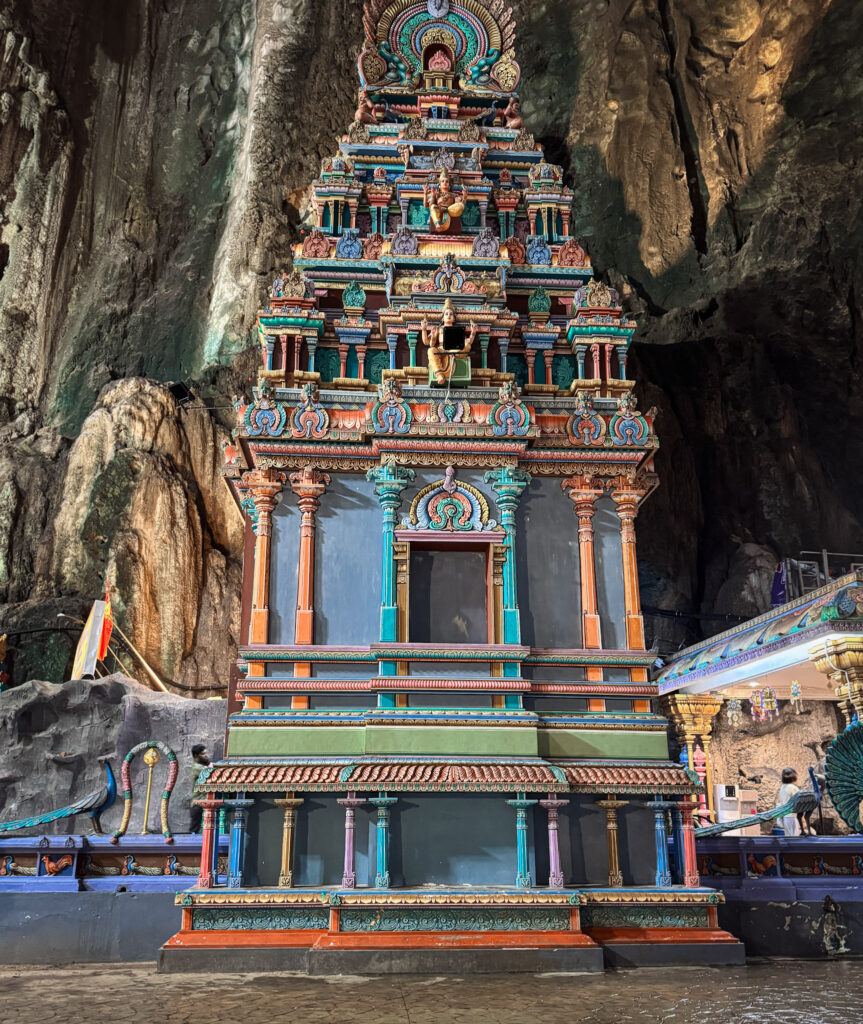
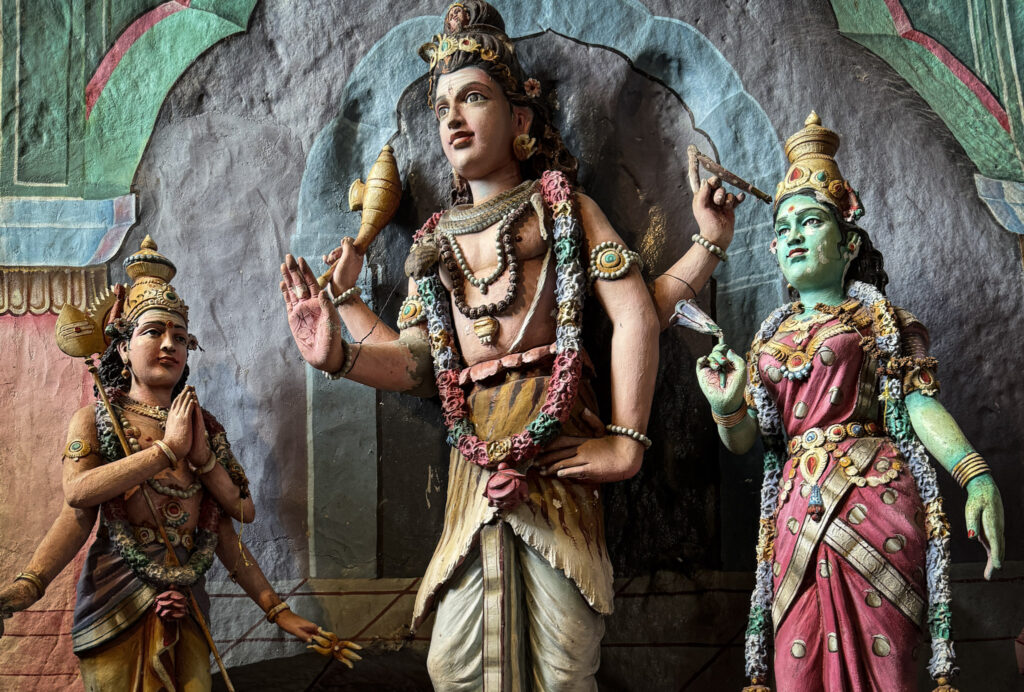
We also paid the small extra fee to visit Cave Villa, tucked at the base of the complex, and honestly it was just as memorable as the main event — and noticeably quieter, with way fewer people than the main staircase area. A raised walkway winds you past a pond with genuinely giant koi fish, past little waterfalls, statues, and a smaller cave carved into the cliff, all set against the same dramatic limestone backdrop. It’s its own little hidden temple garden right next to the main attraction.
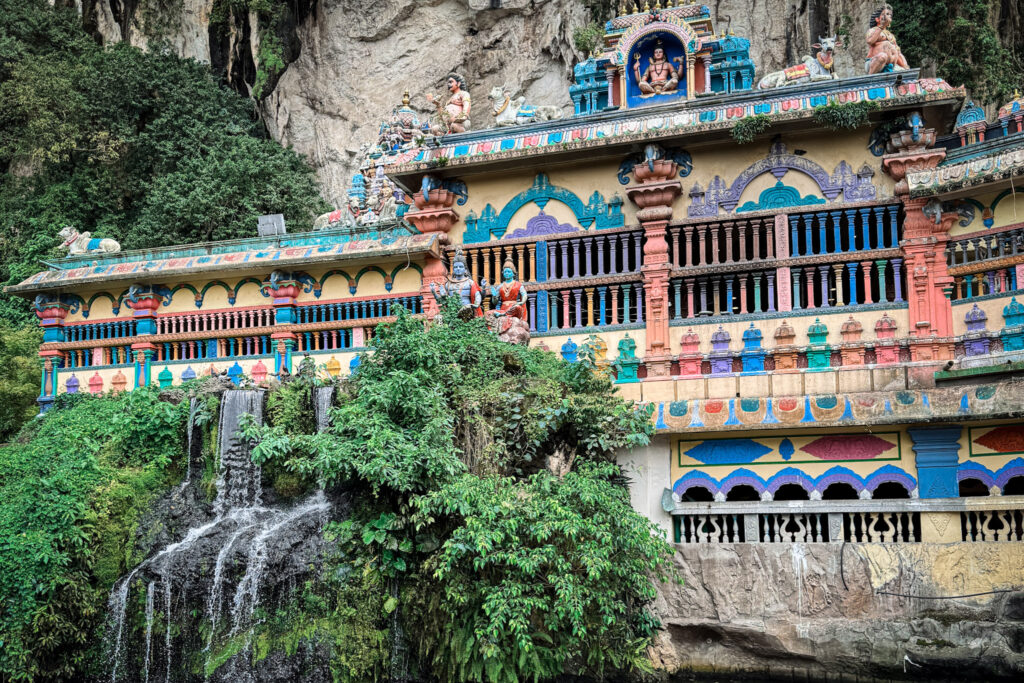
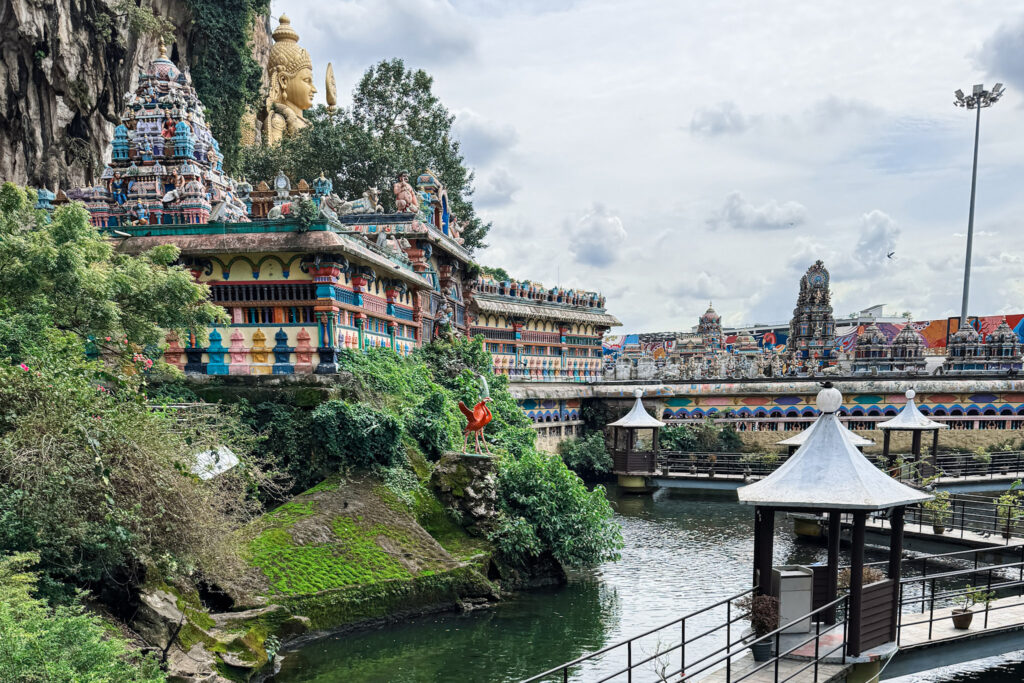
Overall, this place is just unique — genuinely unlike anything I’d seen before. Hot, sweaty, a little chaotic with the monkeys, but absolutely one of the top attractions in KL, hands down.
Fun fact: The golden statue isn't actually Buddha — it's Lord Murugan, the Hindu god of war, and at over 42 meters tall, it's one of the largest statues of a Hindu deity anywhere in the world.

Useful information:

- Entry to the main Temple Cave is completely free

- Open daily, roughly 7am–9pm (hours can shift slightly, so it's worth double-checking before you go)

- Cave Villa has a separate small entrance fee — quieter than the main area, and well worth it for the pond, statues, and extra cave

- Easiest way to get there: KTM Komuter train from KL Sentral — cheap, easy, and drops you right at the entrance

- Dress code is enforced: shoulders and knees must be covered, or you'll need to rent a sarong on-site

- Watch your belongings closely, and don't eat on the way up — the monkeys are bold, fast, and very used to stealing food, bottles, and anything that looks grabbable

Jet Lag Jelly Tip: Don't skip Cave Villa thinking it's just a side attraction — it's quieter, the giant koi pond and waterfalls tucked against the cliff make it feel like its own secret garden, and it was one of my favorite calm moments of the whole visit. Just budget a little extra time (and zero snacks in hand) for the monkey gauntlet on your way up to the main cave.
4. Thean Hou Temple
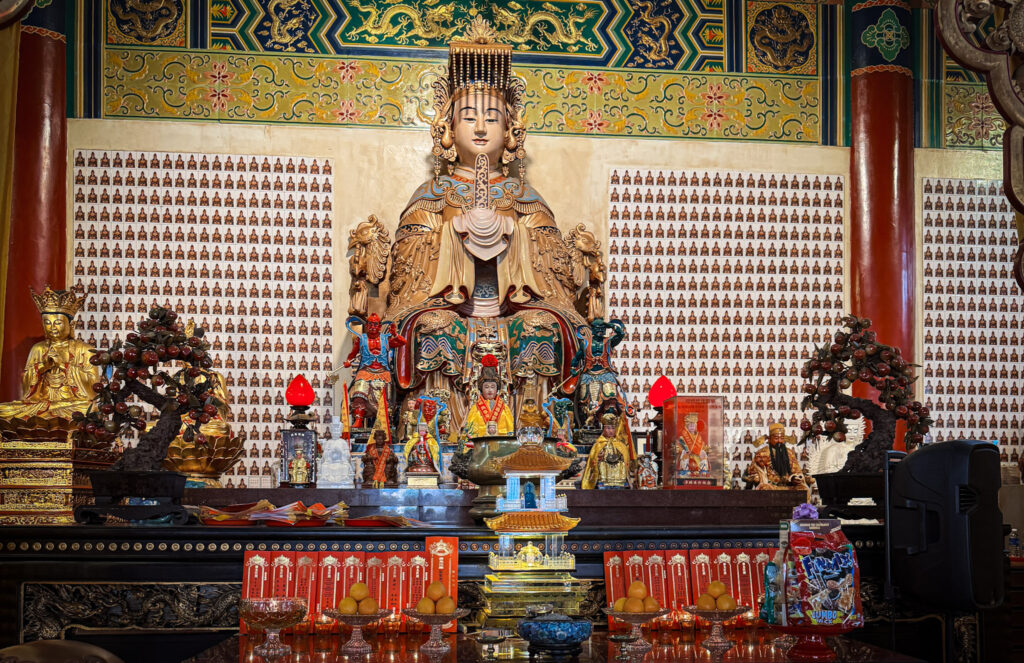
Perched on top of a hill called Robson Heights, Thean Hou Temple is basically what happens when a Chinese temple decides it also wants to be a viewpoint, a garden, and a wedding venue. It’s six tiers tall, painted in every shade of red and gold you can imagine, and dedicated to Mazu, the Chinese sea goddess — which is a little funny given KL isn’t exactly a coastal town, but here we are.
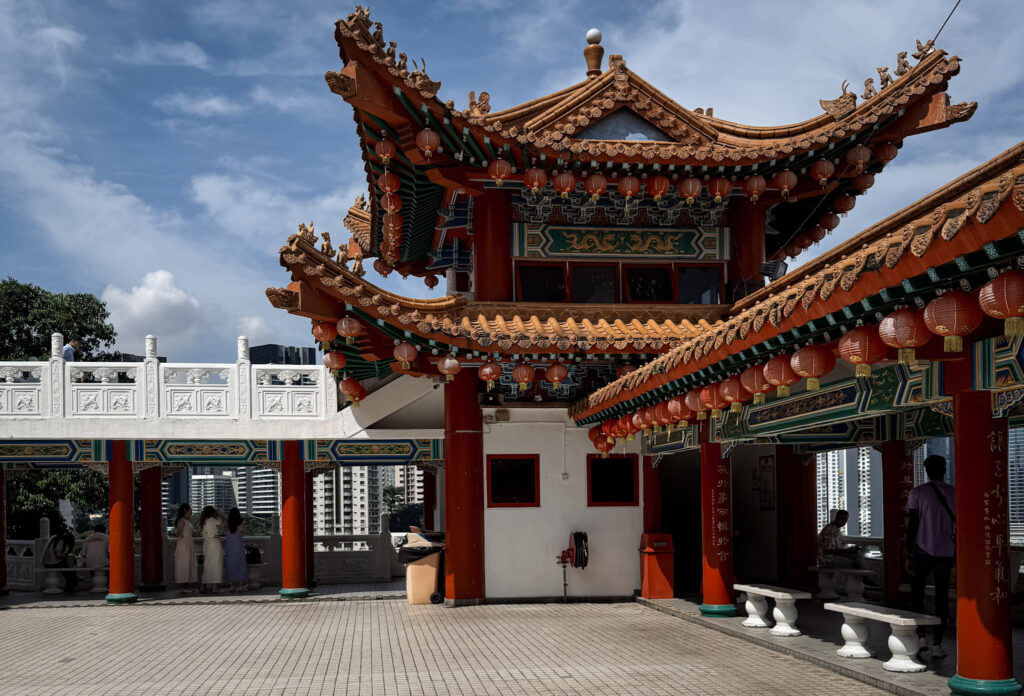
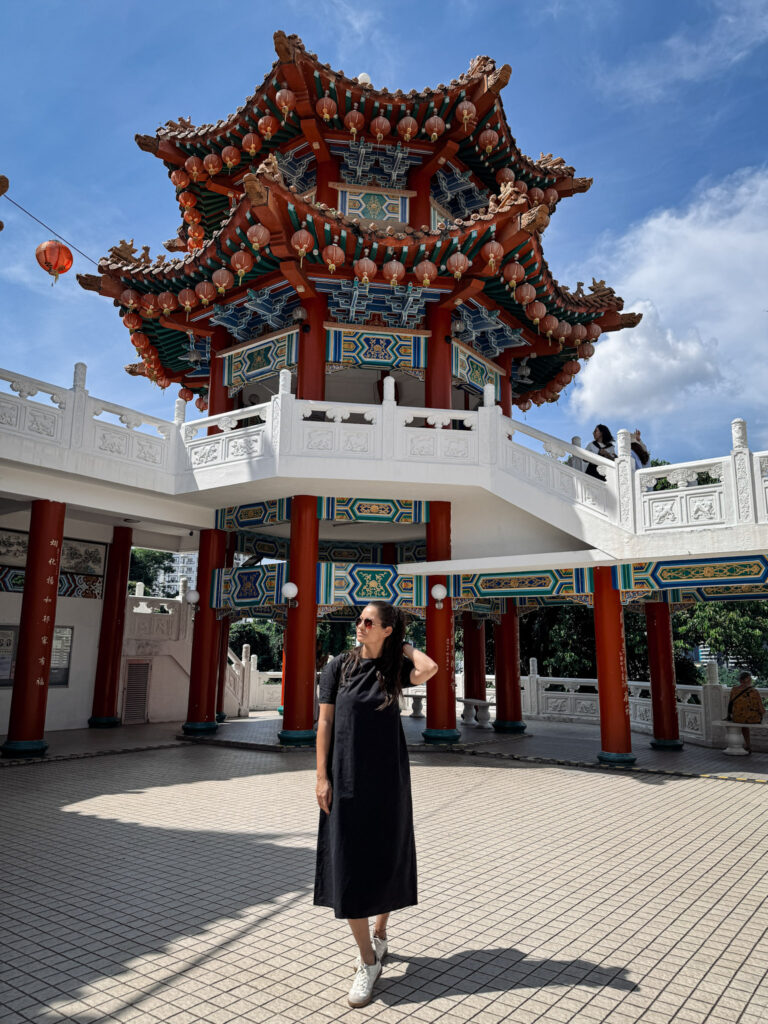
It was built entirely by Kuala Lumpur’s Hainanese community, construction ran from 1981 to 1987, and it’s considered one of the biggest Chinese temples in Malaysia — some say in all of Southeast Asia. So yes, your gut feeling was correct.
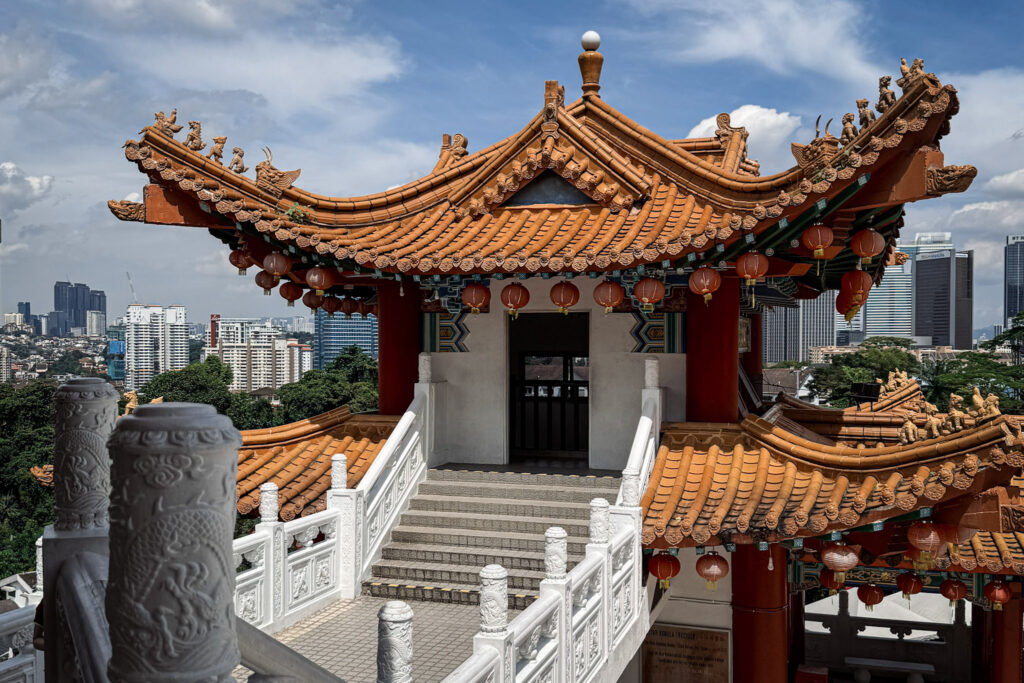
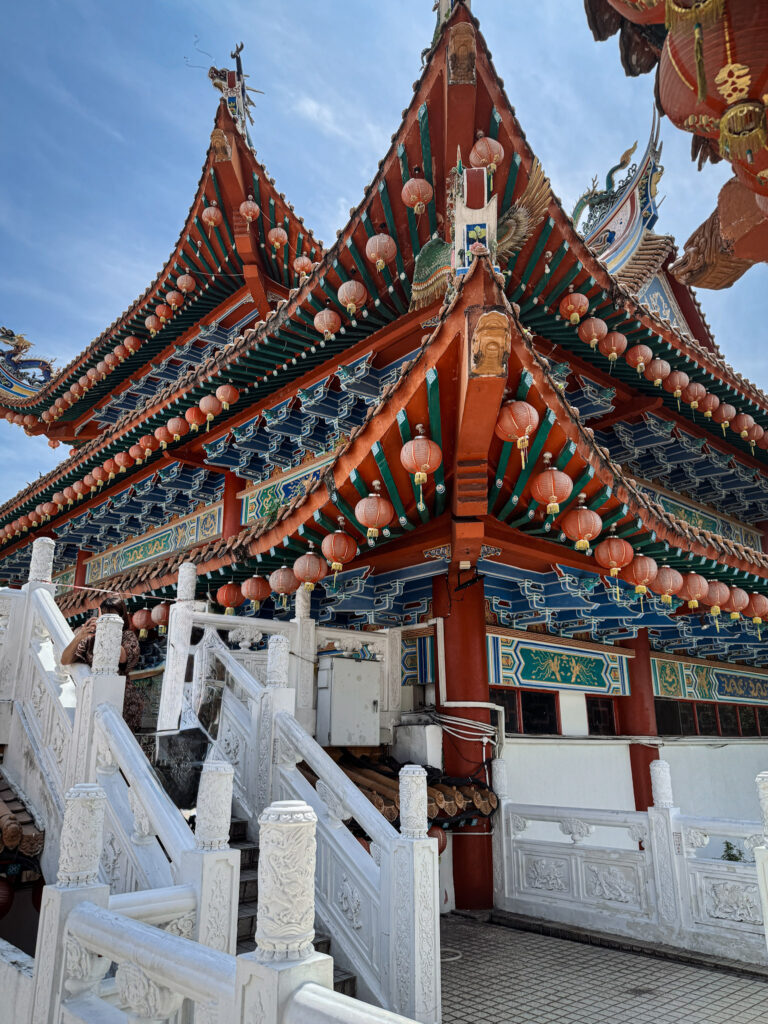
When I was there, I stumbled across a couple doing a photoshoot in full traditional Chinese wedding attire, against the red pillars and golden roofs. Whether it was an actual wedding or just a styled shoot, I have no idea, but it instantly made the whole place feel ten times more photogenic. 10/10 backdrop choice, honestly.
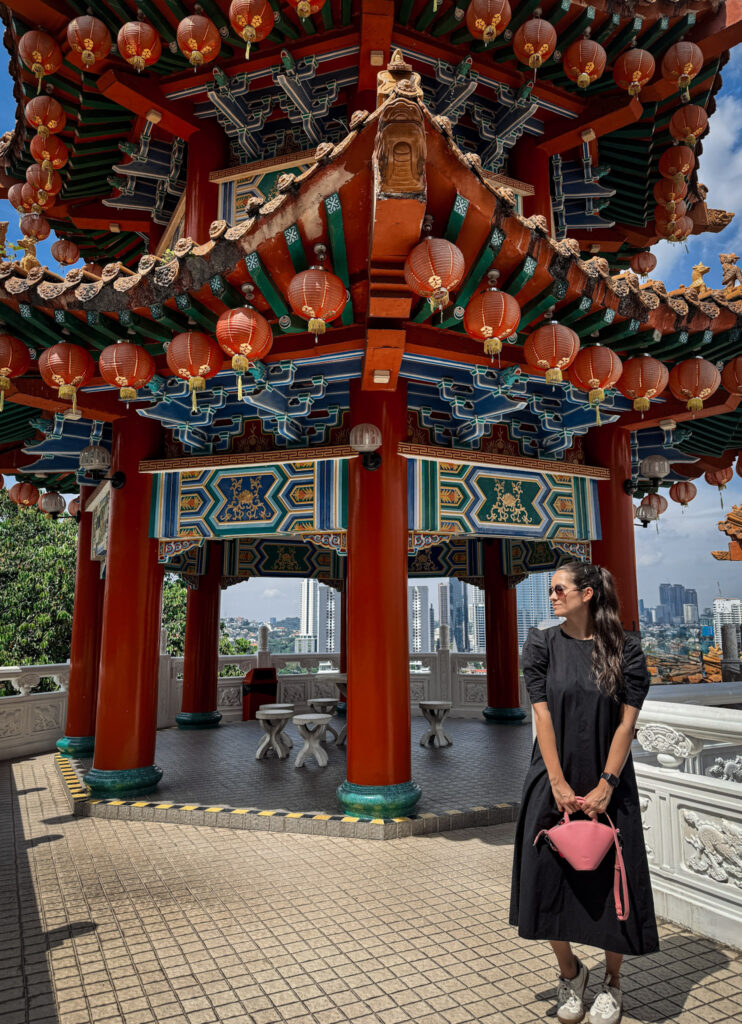
You don’t just look at this temple, you walk through it. There’s a courtyard, a prayer hall with three altars, a garden with statues of all 12 Chinese zodiac animals, and a pond full of tortoises that couldn’t care less about your existence. Climb up far enough and you get a proper skyline view of KL — skyscrapers in one direction, incense smoke in the other.
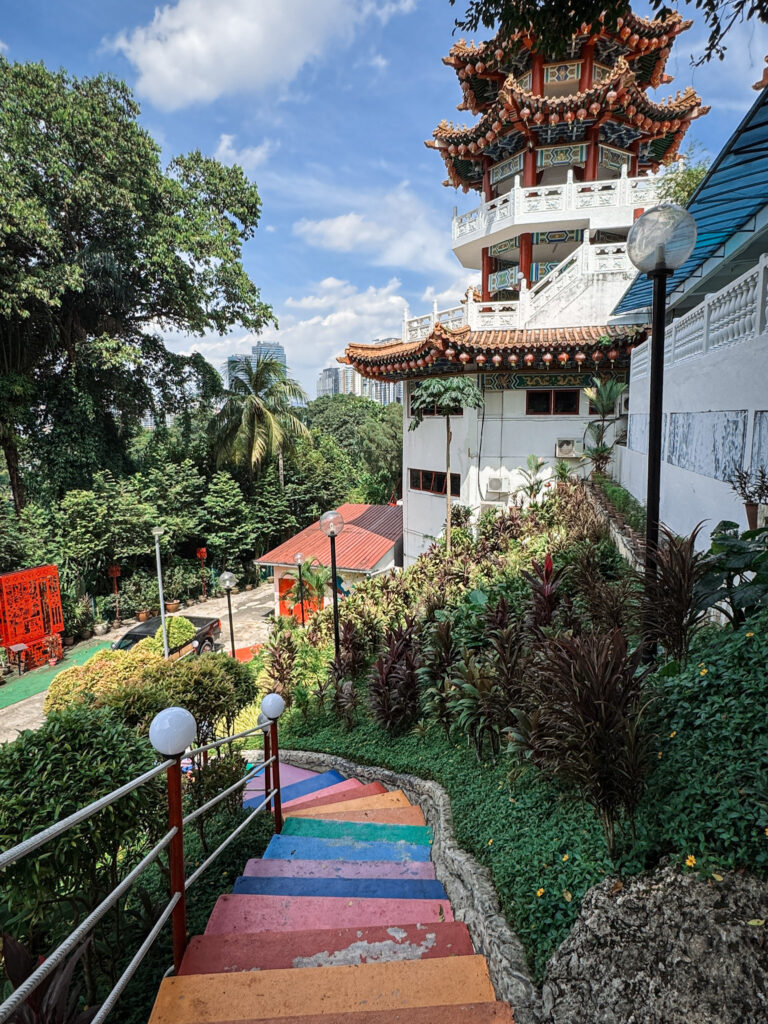
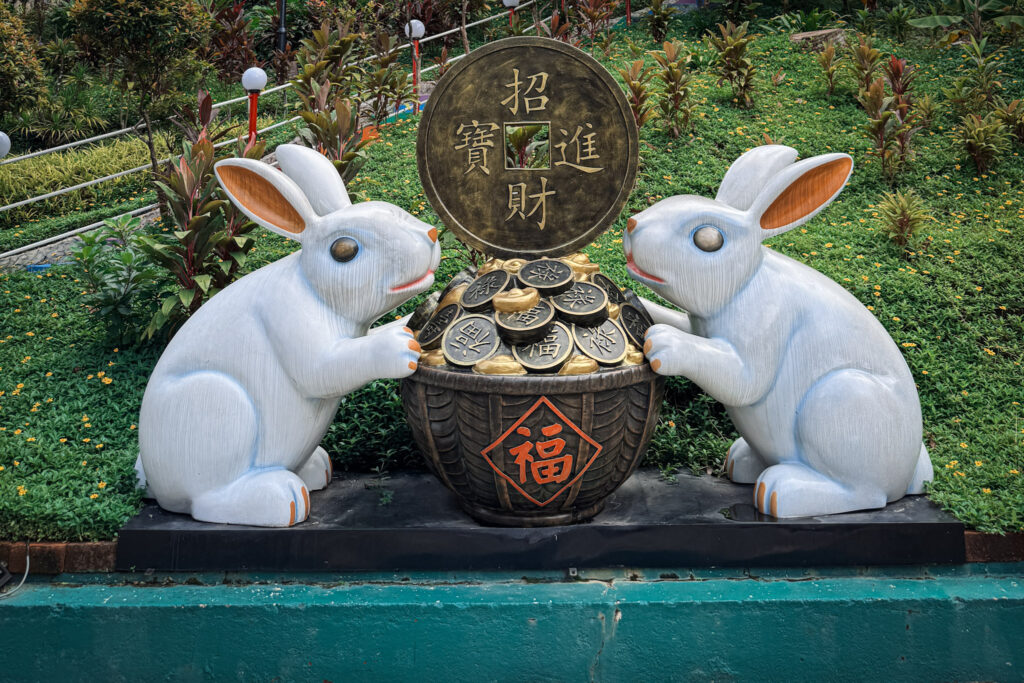
Useful information: Entry is free (small donations welcome), it's open daily roughly 8am–8/10pm, and remember to take your shoes off before entering the actual prayer hall. It's also a popular spot for civil weddings and bridal photoshoots, so don't be surprised if you photobomb someone's big day.

Jet Lag Jelly Tip: Go in the late afternoon. The light hits the roofs just right, the heat finally backs off a little, and you might catch the lanterns lighting up if you stay till dusk. And keep an eye out for wedding couples — they tend to pick the best-lit corners, so just follow them for free photo inspiration.
5. Aquaria KLCC
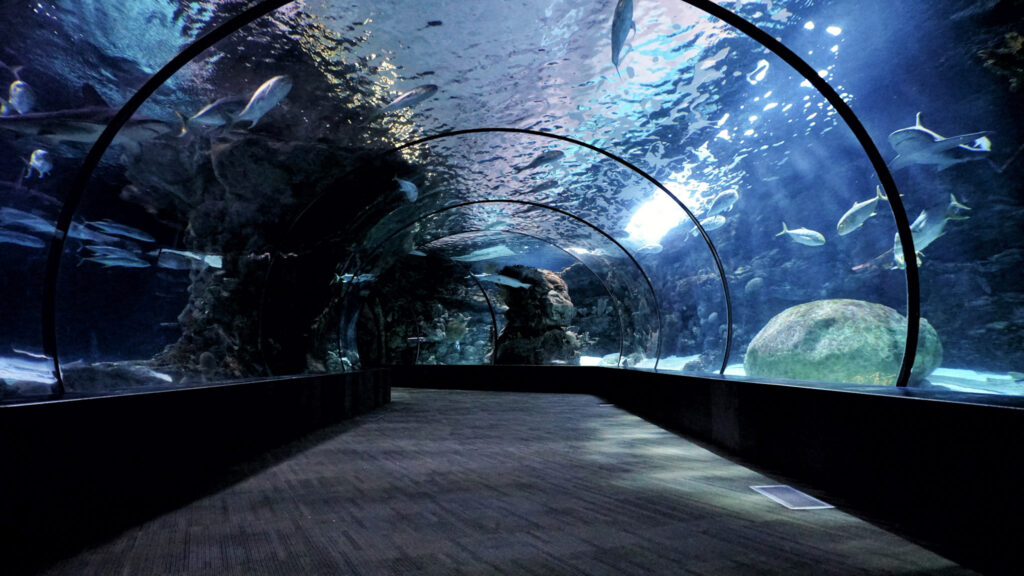
Hidden underneath the KL Convention Centre, a few minutes’ walk from the Petronas Twin Towers, is an entire underwater world you’d probably miss if you didn’t know it was there. Aquaria KLCC doesn’t really have a flashy entrance — you just sort of descend into it via an escalator and suddenly you’re surrounded by sharks.
The star of the show is a 90-metre transparent tunnel where you stand on a moving walkway while sand tiger sharks, giant stingrays, and sea turtles glide above and around you. It’s the kind of “wait, am I actually underwater right now” moment that makes for great photos and slightly nervous laughter.
Beyond the tunnel, there are sections dedicated to Malaysian river habitats, touch pools with starfish, and feeding shows that turn into mini crowd events. It’s compact enough that you won’t get lost, but packed enough that you’ll still spend a good hour or two in there.
Fun fact: Aquaria KLCC is home to over 5,000 aquatic and land creatures across more than 250 species, and its underwater tunnel is the longest in Malaysia.

Useful information: Open daily from 10am–8pm (last entry 7pm). Tickets aren't free (expect around RM50–80 depending on age/nationality), and it's worth booking online in advance, especially on weekends, to skip the queue. Feeding shows usually run in the early-to-mid afternoon.

Jet Lag Jelly Tip: Combine it with the Petronas Towers visit since they're right next to each other — that way you get skyscrapers and sharks in the same afternoon. Also, no flash photography, so don't be that person blinding the turtles for a better Instagram shot.
6. Sunken Garden (Perdana Botanical Gardens)
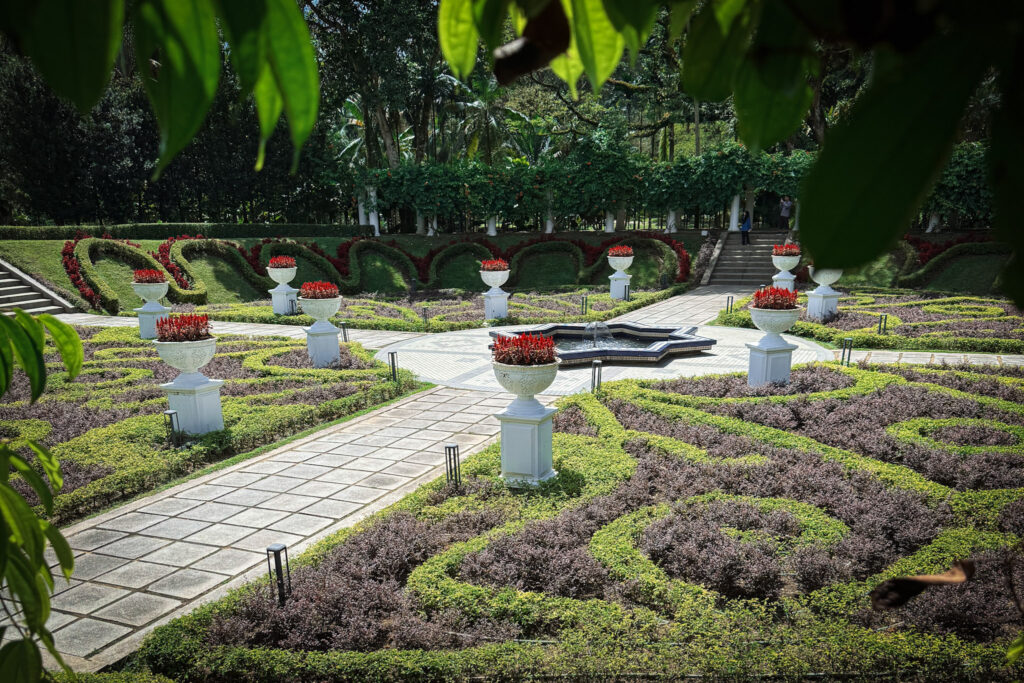
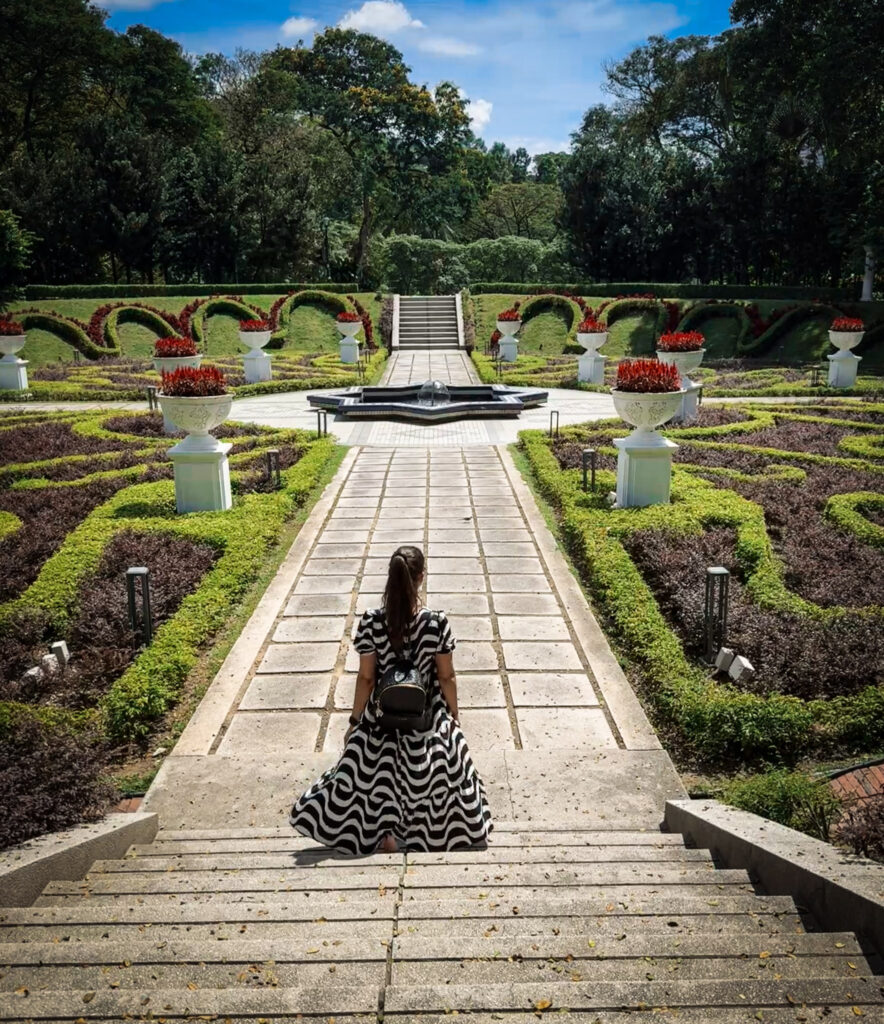
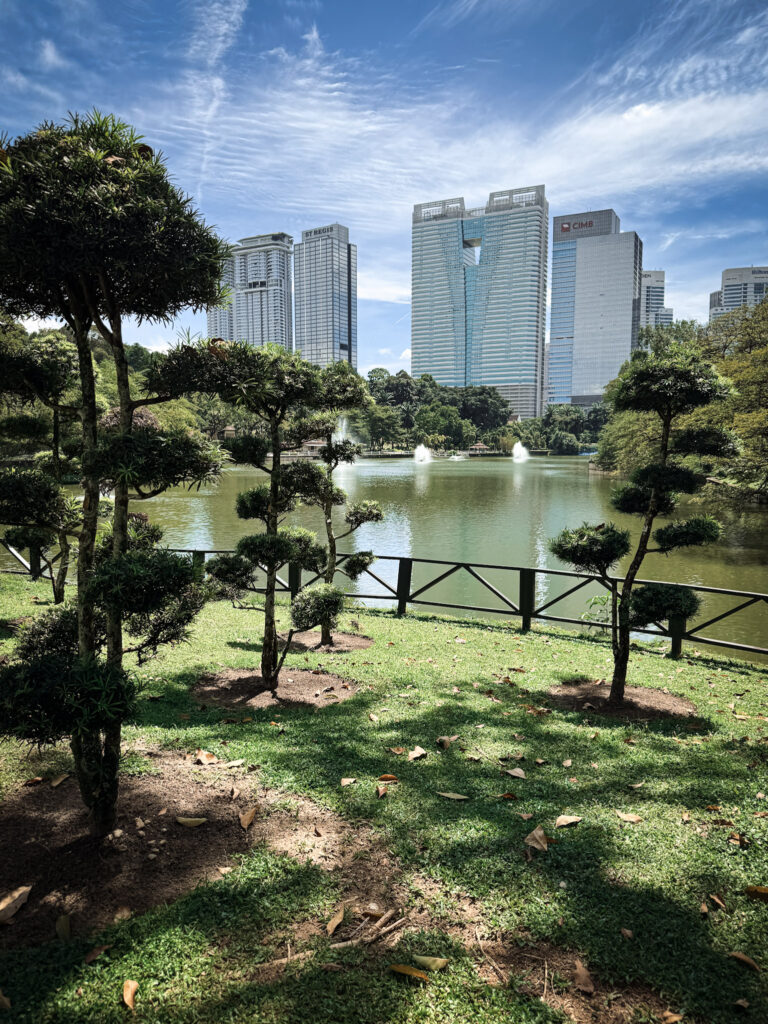
If you need a break from temples, towers, and traffic, this is where you go. The Sunken Garden is part of KL’s much bigger Perdana Botanical Gardens — also known as Taman Botani Perdana, or the Lake Gardens if you’re going by its older name — and it’s basically the city’s green lung. Think winding paths, a lake with a fountain, manicured flower beds, a handful of Japanese bonsai trees doing their slow, dramatic thing, and a white bridge that’s straight-up romantic-movie material.
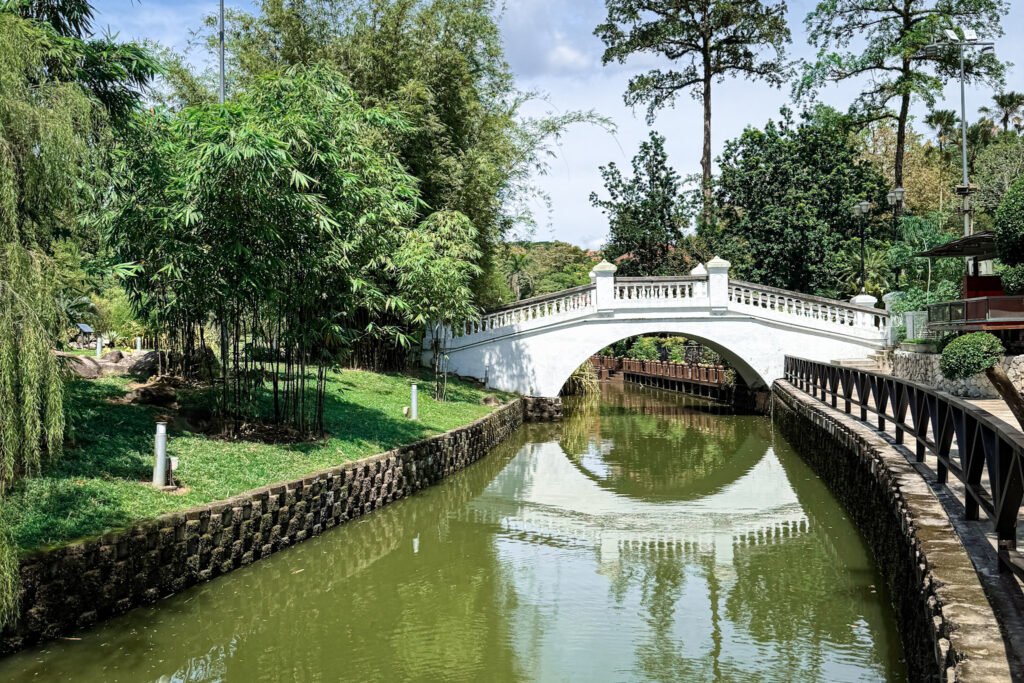
I went early in the morning and it was the right call — quiet, cool, and full of that soft golden light that makes everything look like a postcard. You could easily spend a couple of hours just wandering without a real plan. And of course, because this is KL, you can’t actually escape the skyscrapers — they just quietly photobomb the skyline behind all that green, which honestly might be my favorite thing about this city. Jungle in front, skyline in the back.
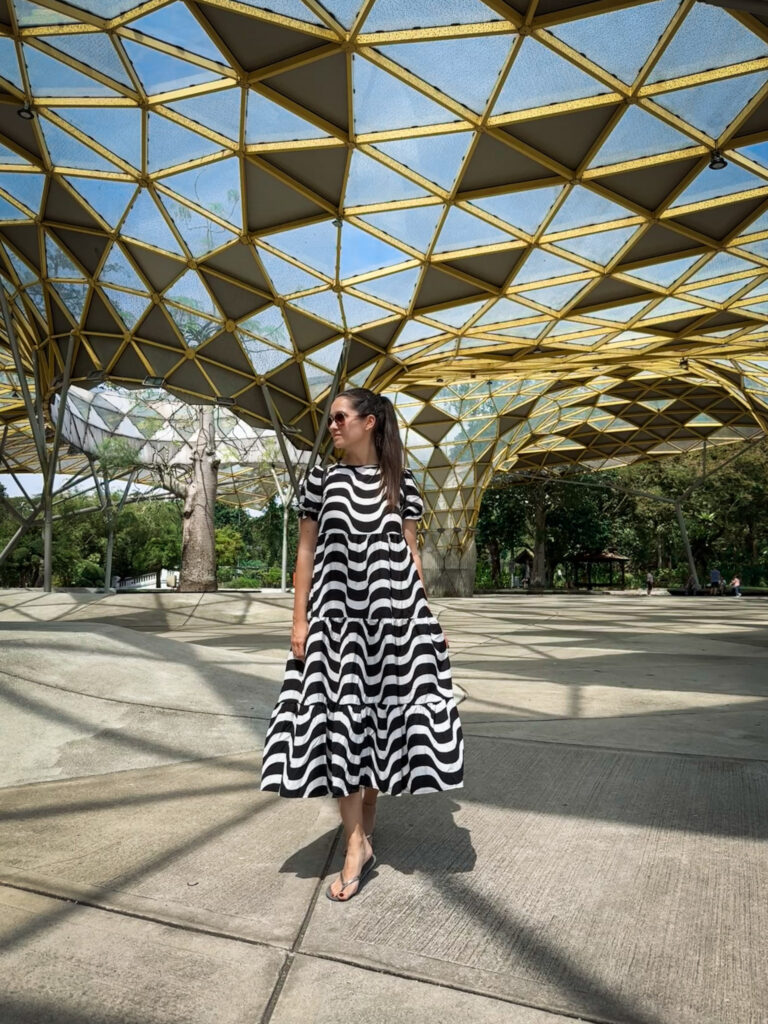
The structure with the yellow honeycomb roof you see in my photo is the Laman Perdana canopy, a striking modern addition to the park — all geometric shadows and shade, and a nice contrast to all the greenery around it.
Don’t skip the Orchid Garden either, tucked into another corner of the park — rows and rows of orchids in every color you can think of, and honestly worth the detour on its own.
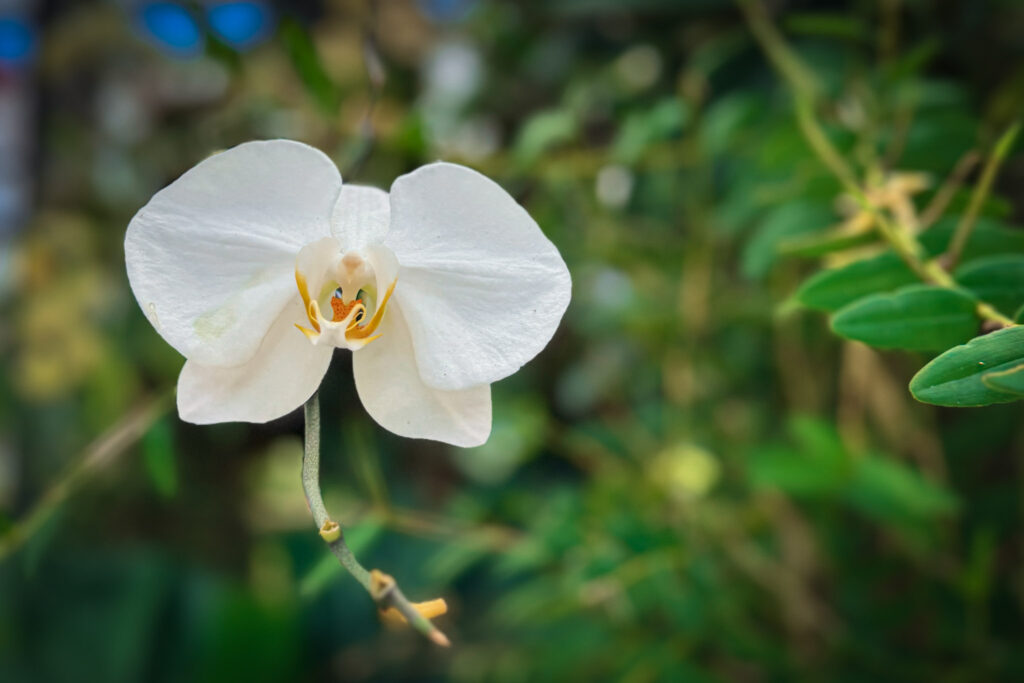
Fun fact: Perdana Botanical Gardens dates back to 1888, making it the oldest public park in Kuala Lumpur — colonial-era roots, glow-up complete.

Useful information: Entry to the main park is free, and it's generally open daily from around 7am to 8pm. The Orchid Garden is free on weekdays but may charge a small fee on weekends and public holidays, so timing matters if you want the orchids for free.

Jet Lag Jelly Tip: Go first thing in the morning before the heat and the crowds show up. Bring water, wear actual shoes (not the cute sandals), and budget more time than you think — it's bigger than it looks on the map. And keep an eye out — the skyline peeking through the trees makes for one of the best "wait, I'm still in the city?" photo moments in KL.
7. KL Bird Park
Right next to the Lake Gardens (yes, the same Perdana Botanical Gardens area you were just in) is a giant aviary that makes you feel like you accidentally walked into a real-life nature documentary. KL Bird Park is the world’s largest free-flight walk-in aviary, which basically means there’s no glass, no bars in most sections — just you, a giant covered valley, and thousands of birds doing their own thing around you.
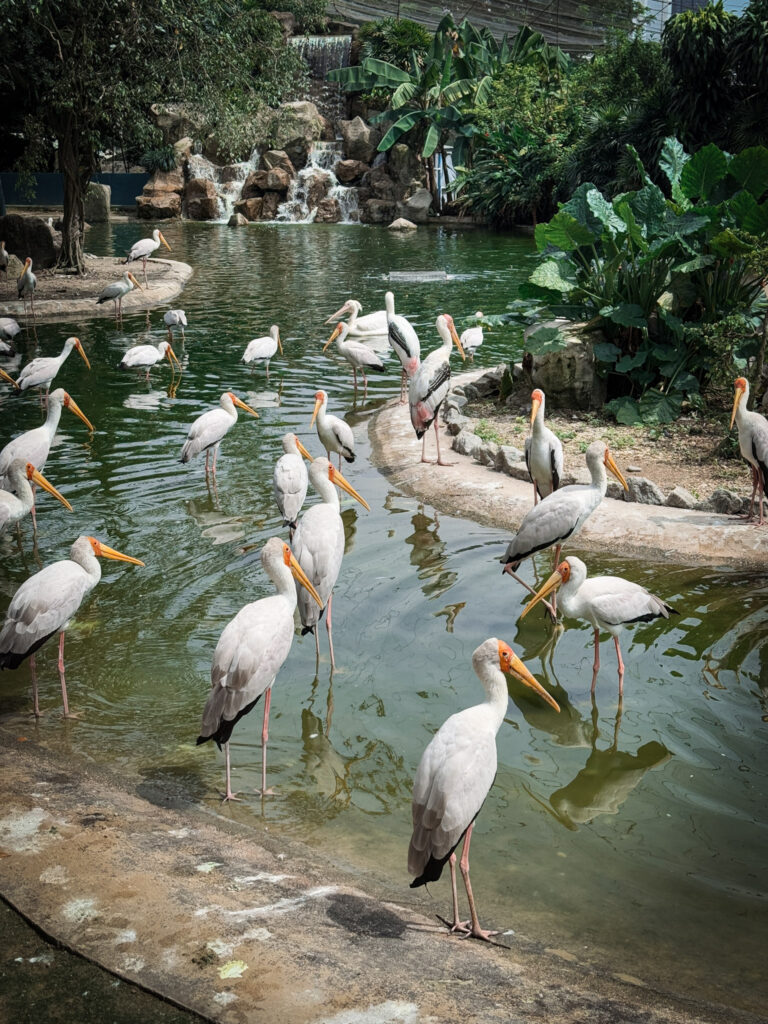
We’re talking peacocks strutting like they own the place, hornbills casually perched at eye level, flamingos doing their pink-leggy thing by the pond, and the occasional bird that genuinely does not care it’s standing three inches from your foot. There’s also a section with ostriches and emus you can get surprisingly close to, which is equal parts amazing and slightly intimidating.
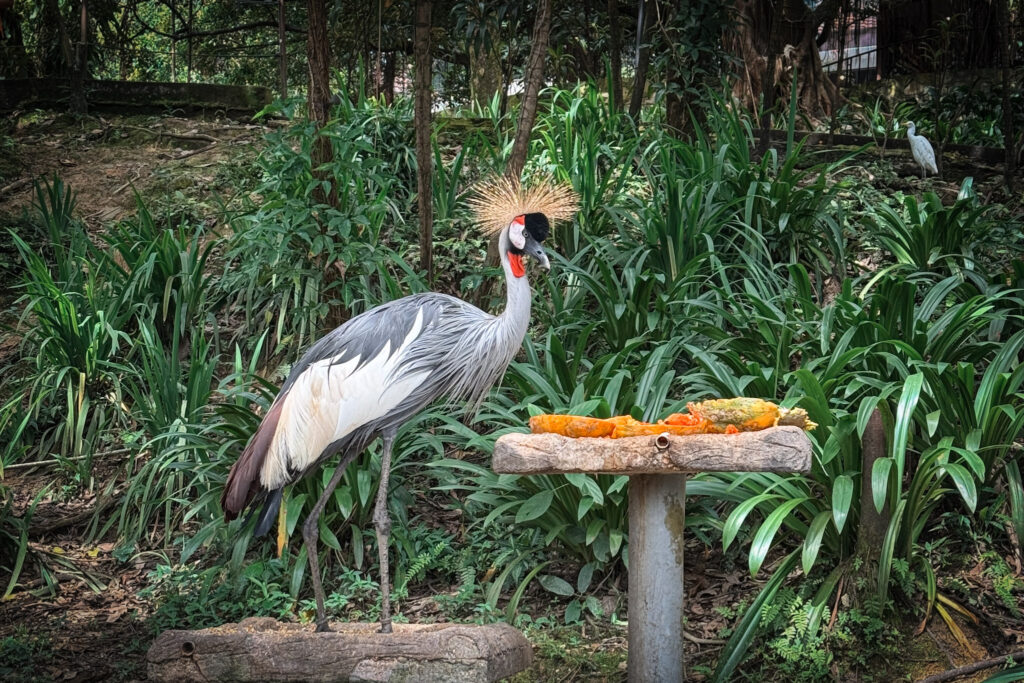
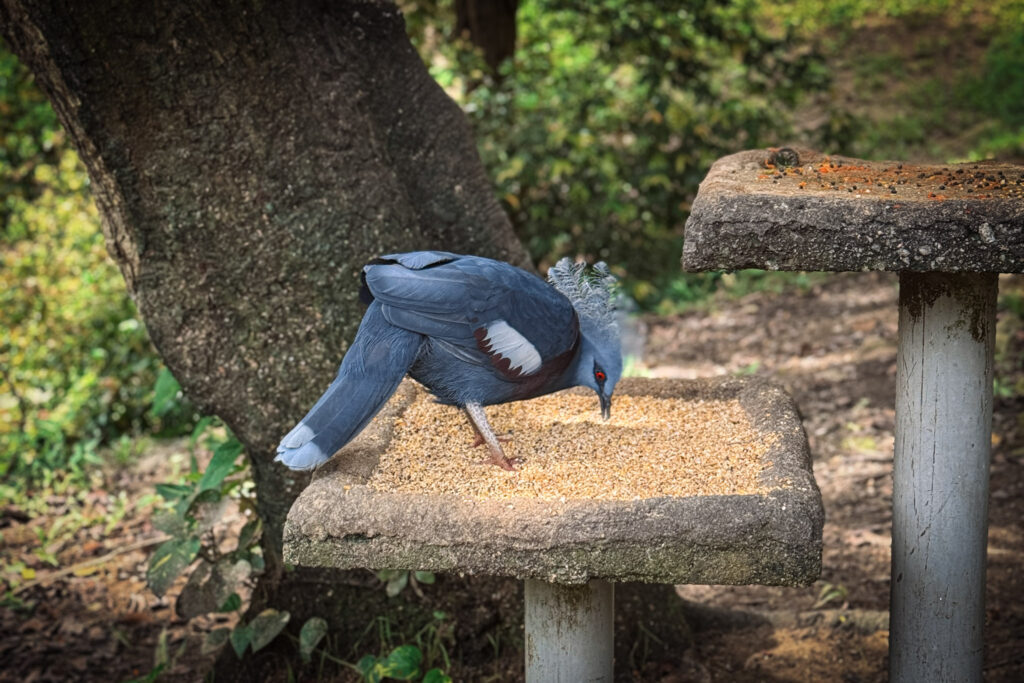
The park is split into zones — some fully free-flight, some more enclosed (parrots, lories, that sort of thing) — so you get a nice mix of “birds are just casually flying past my head” and “okay now I’m looking at a cage of very judgmental cockatoos.”
Fun fact: The park spans around 20 acres and is home to over 3,000 birds from roughly 200 species — both local Malaysian birds and imports from around the world.

Useful information: Open daily from 9am–6pm. Tickets aren't cheap by local standards (expect somewhere around RM50–85 depending on age/nationality), but there are daily bird shows and feeding sessions worth timing your visit around — eagle feeding and the main bird show are usually the highlights.

Jet Lag Jelly Tip: Go early morning, both for the cooler weather and because the birds are more active before the midday heat hits. And maybe don't wear your favorite white shirt — with this many free-flying birds, the laws of probability are not on your side.
8. Bukit Nanas (KL Forest Eco Park)
Right in the middle of KL’s skyscraper chaos, tucked at the base of the KL Tower, there’s an actual patch of virgin rainforest. Yes, real rainforest, not a landscaped “forest-themed” park — Bukit Nanas is the only remaining virgin tropical rainforest in the heart of Kuala Lumpur, and somehow it’s survived right next to one of the busiest parts of the city.
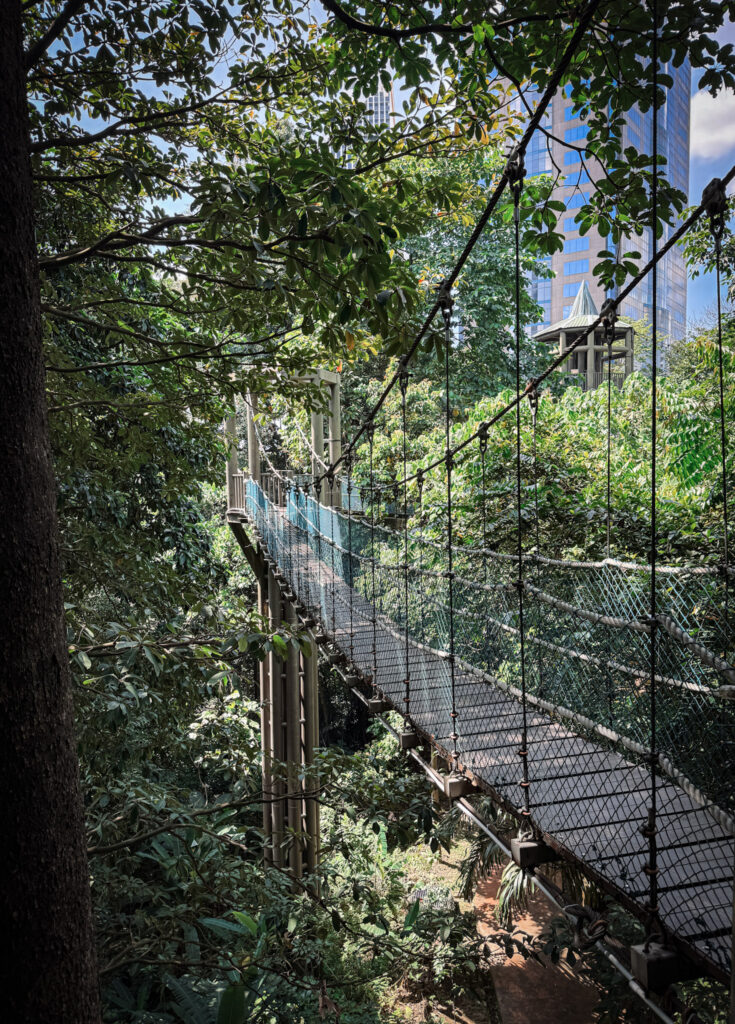
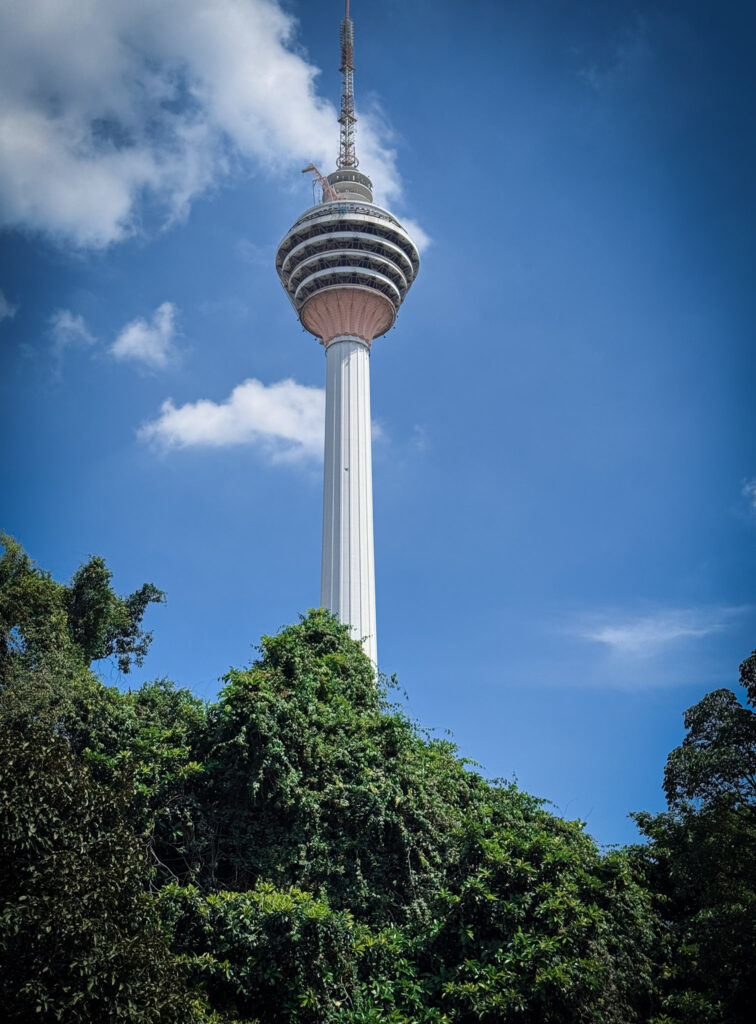
The big draw is the canopy walk: a 200-metre-long suspended bridge that lifts you up into the treetops, giving you that “wait, am I in the jungle or in the city” moment as the KL Tower pokes through the canopy in the background. It’s short, but it’s one of those walks where you stop every few steps just to take a photo.
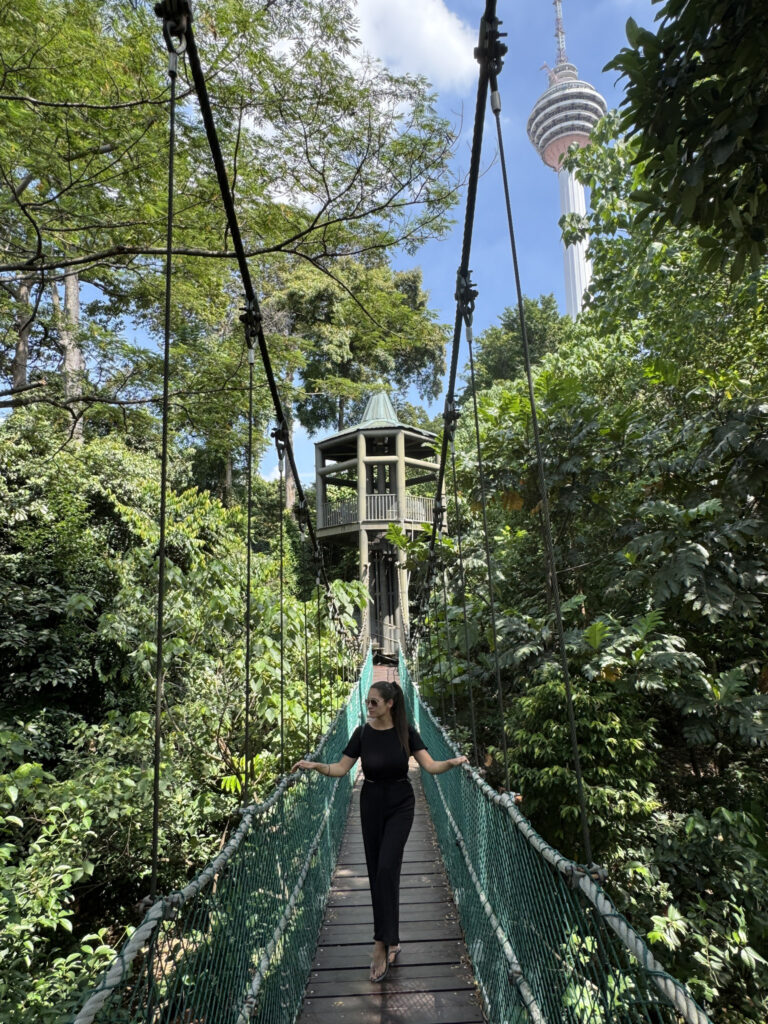
The whole hill has serious history too — it’s named “Pineapple Hill” because pineapples were apparently planted around an old fort here as a defense tactic back in the 19th century. So you’re not just walking through nature, you’re walking through a low-key battlefield with better landscaping now.
Fun fact: Bukit Nanas was officially protected back in 1906, making it the oldest forest reserve in Malaysia. Peek

Useful information: Open daily, roughly 7am–6/7pm. Entry used to be free but now comes with a small fee (around RM10 for locals, more for foreign visitors) — worth double-checking current pricing before you go since this seems to change.

Jet Lag Jelly Tip: Combine this with your KL Tower visit since they're basically in the same spot — do the canopy walk first while it's cooler, then head up the tower afterward. Also, it's humid in there even by KL standards, so don't wear the outfit you were saving for nice photos elsewhere that day.
9. KL Tower (Menara Kuala Lumpur)
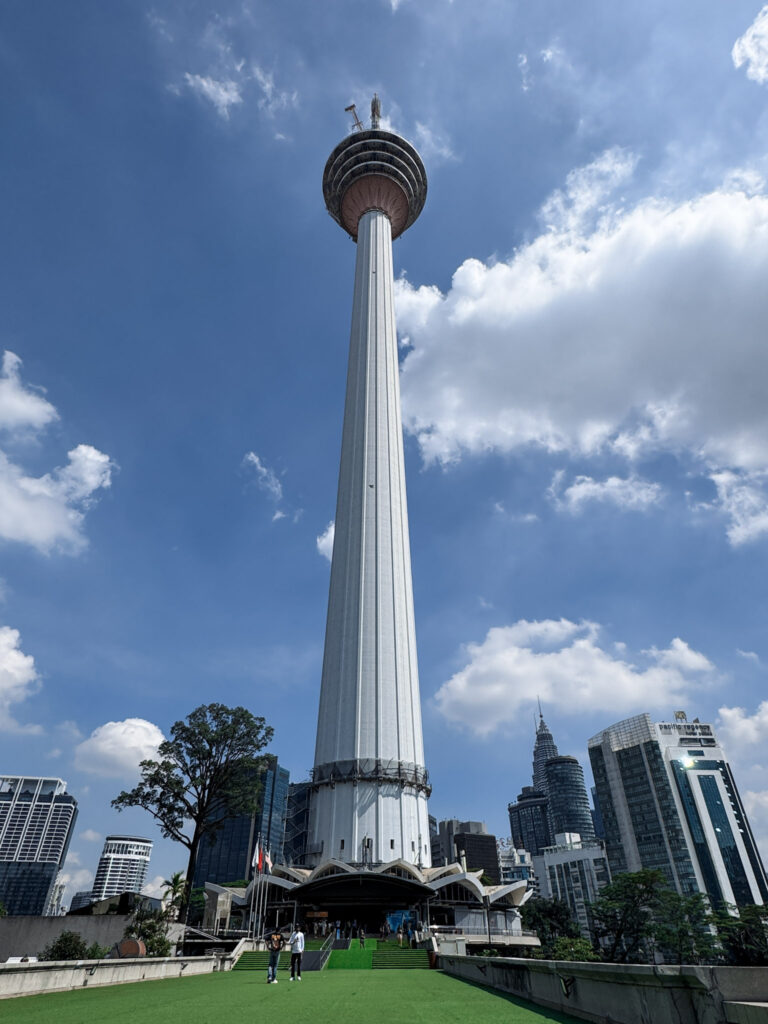
Sitting right on top of Bukit Nanas (so technically you never even left the forest reserve) is KL Tower — one of the tallest telecommunications towers in the world, and one of the easiest ways to see Kuala Lumpur from above without paying Twin Towers prices.
There are a few ways to do height here. The Observation Deck is the indoor, air-conditioned option at 276 metres — comfortable, glass windows, binoculars, zero wind in your hair. Step it up and you’ve got the Sky Deck at 300 metres, which is open-air and honestly the better view, plus the Sky Box, a glass cube that juts out from the edge so you can stand directly over the city with nothing but glass between you and a very long drop.
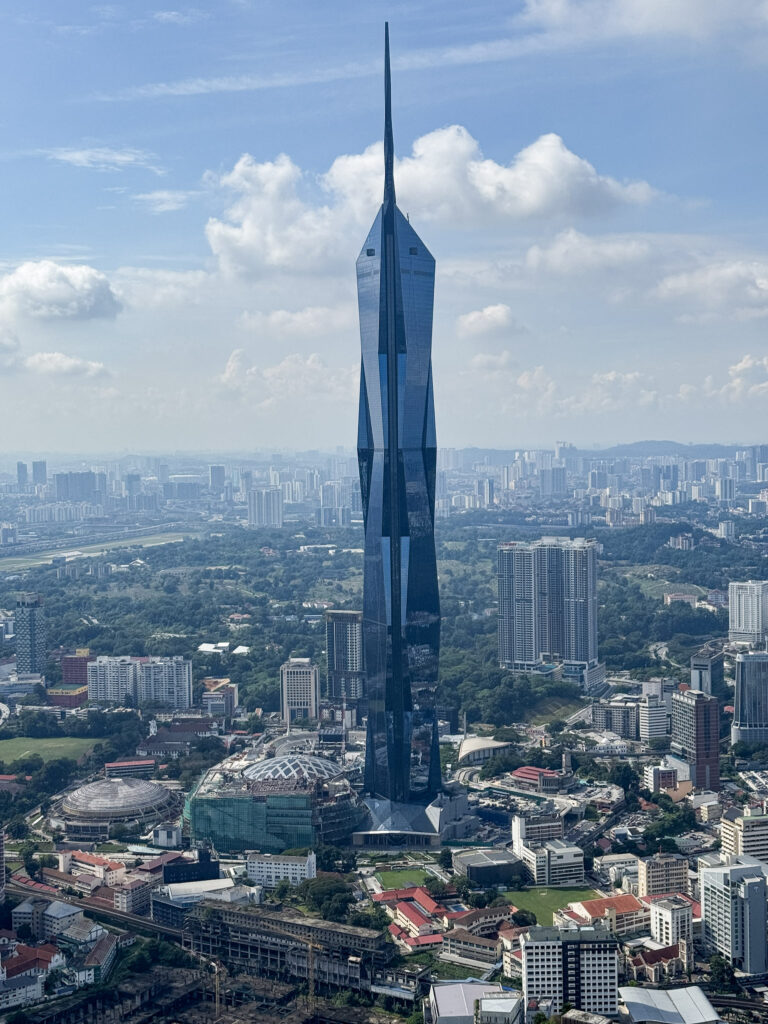
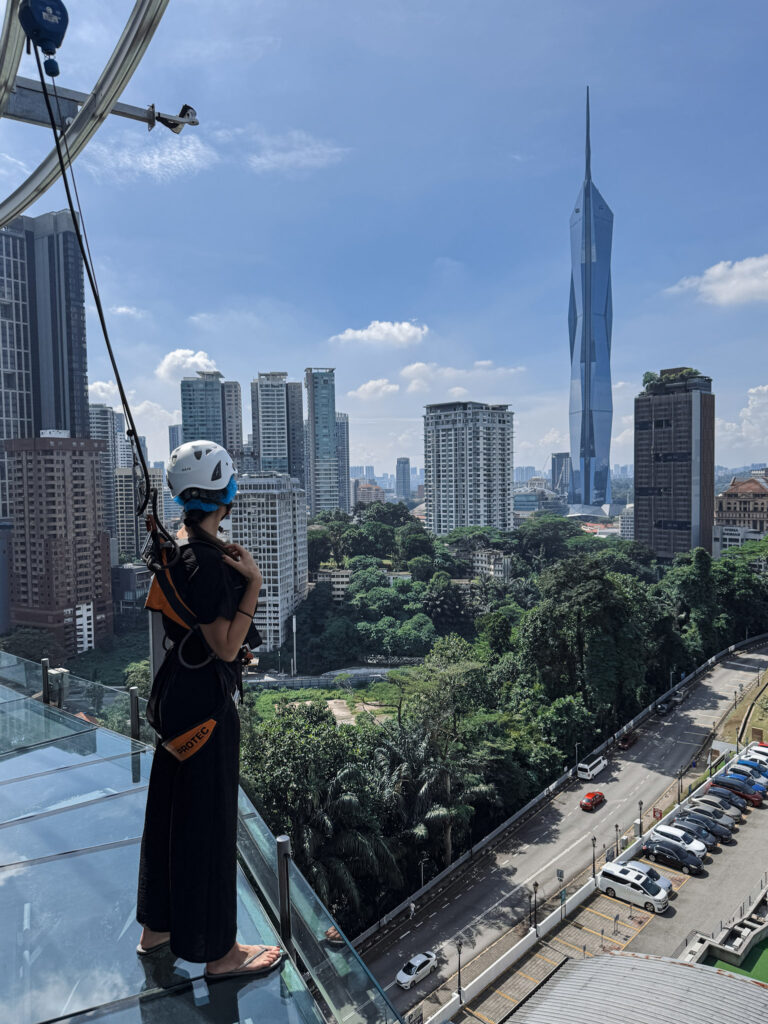
And then there’s what I actually did: the Tower Walk 100. Helmet on, harness clipped in, and you walk along a narrow outdoor platform around the tower at 100 metres up, skyline sprawling out in every direction. No phone, no camera allowed while you’re doing it (mine was very firmly taken away beforehand), so you just have to be present and slightly terrified for a few minutes. 10/10 would recommend if you want your heart rate up before lunch.
Fun fact: A 100-year-old Jelutong tree was saved during the tower's construction — engineers built a retaining wall around it instead of cutting it down, so it's technically older than the tower itself.

Useful information: Open daily, roughly 9am–10pm. Pricing depends heavily on which combo you choose (Observation Deck only, Sky Deck, Sky Box, or Tower Walk 100), and Tower Walk 100 needs advance booking plus a minimum height/weight requirement — so check that before you commit.

Jet Lag Jelly Tip: If you're doing the Tower Walk, don't bring anything loose — no phone, no jewelry, basically just you and the harness. And go in the late afternoon if you can; the light over the skyline gets really good right before sunset.
10. The Bukit Bintang Street Art Alleys
You know how some cities hide their best stuff behind a velvet rope? KL hides it behind a dumpster. Tucked between Jalan Alor and Changkat Bukit Bintang are these back alleys that used to be the kind of place you’d walk through faster, not slower — and now they’re one of the most photographed corners of the city.
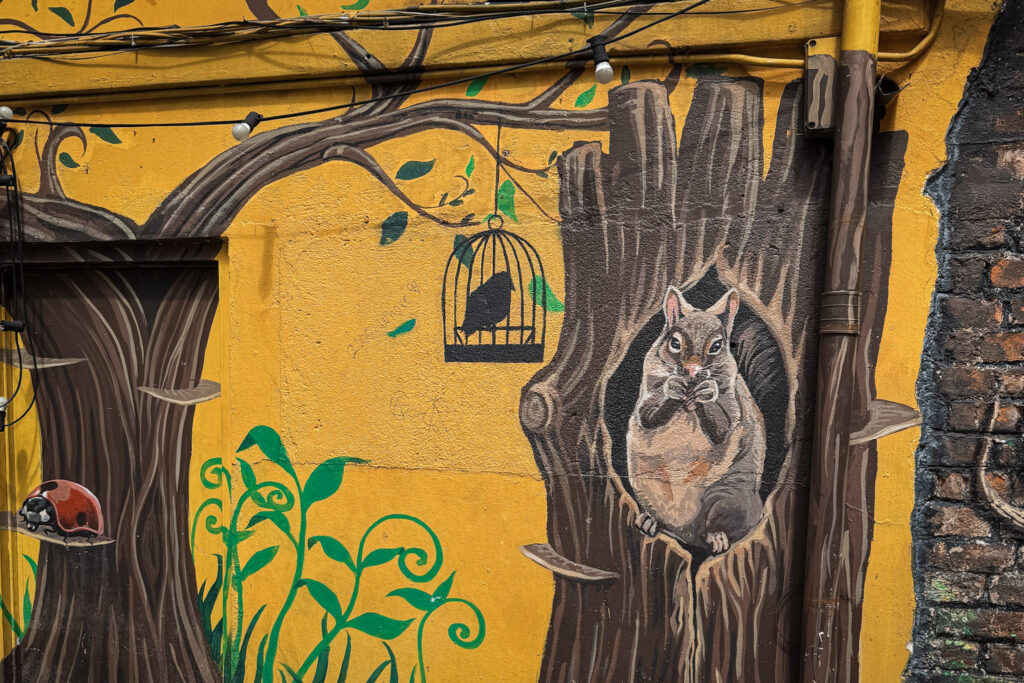
Blue facades exploding into birds-of-paradise and parrots, painted “rivers” running along the floor, the whole thing feels like someone let a rainforest loose with a spray can. I obviously stopped in the middle of the lane to take a photo, because that’s what the lane is for.
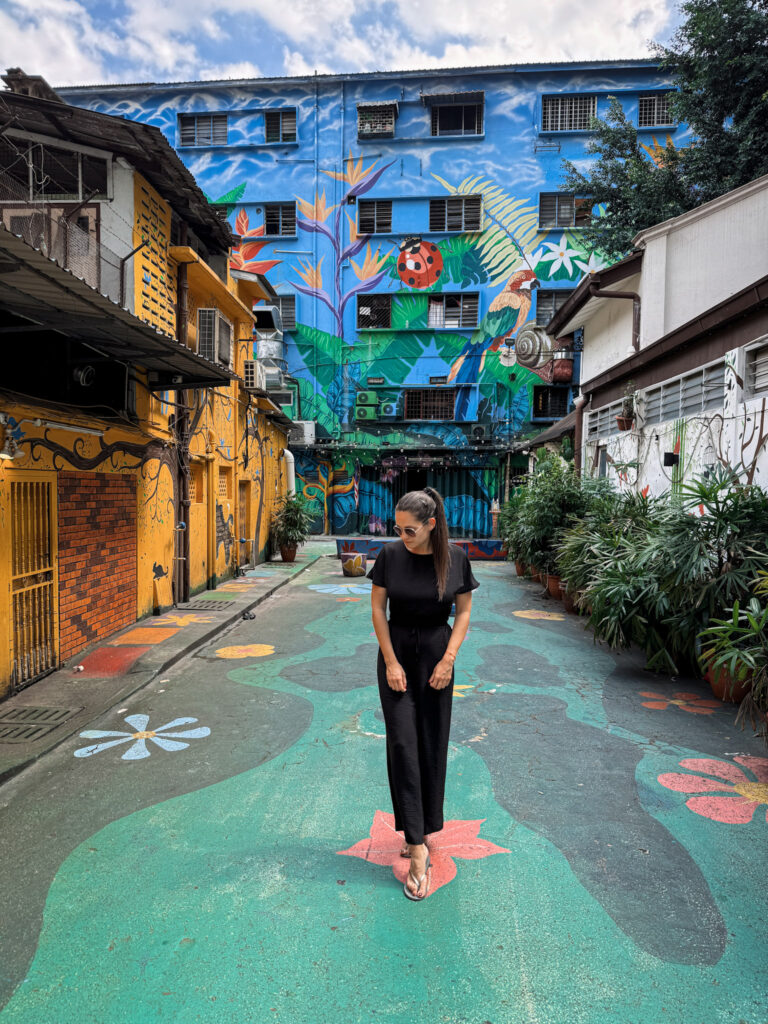
Fun Fact: In 2018, the city commissioned artists to transform these previously gritty alleyways into rainbow-colored street art, with part of the design painted to look like a stream cascading through the jungle — a nod to an actual stream that used to flow through the area before Jalan Alor existed. Lonely Planet

Useful Information: Free to wander, open 24/7, and best in late afternoon when the light hits the murals but it's not yet dark enough to need the neon cloud sculptures overhead to see anything.

Jet Lag Jelly Tip: Wear a plain outfit. The murals are doing all the talking — you don't need a busy pattern competing with a 4-meter parrot.
11. Market and Jalan Alor Food Street
By early evening, Jalan Alor turns from “regular street” into “street where every plastic chair in the city has been deployed.” Red lanterns strung overhead, grills going, and enough seafood, satay, and noodle smoke in the air that you genuinely cannot walk it without stopping at least twice.
And then there’s durian. You cannot miss it — piles of spiky green grenades stacked outside every other stall, with vendors ready to crack one open the second you slow down near it. I stood in front of a pile of Black Thorn durian, RM85 a kilo, fully prepared to have a fruit-based religious experience.
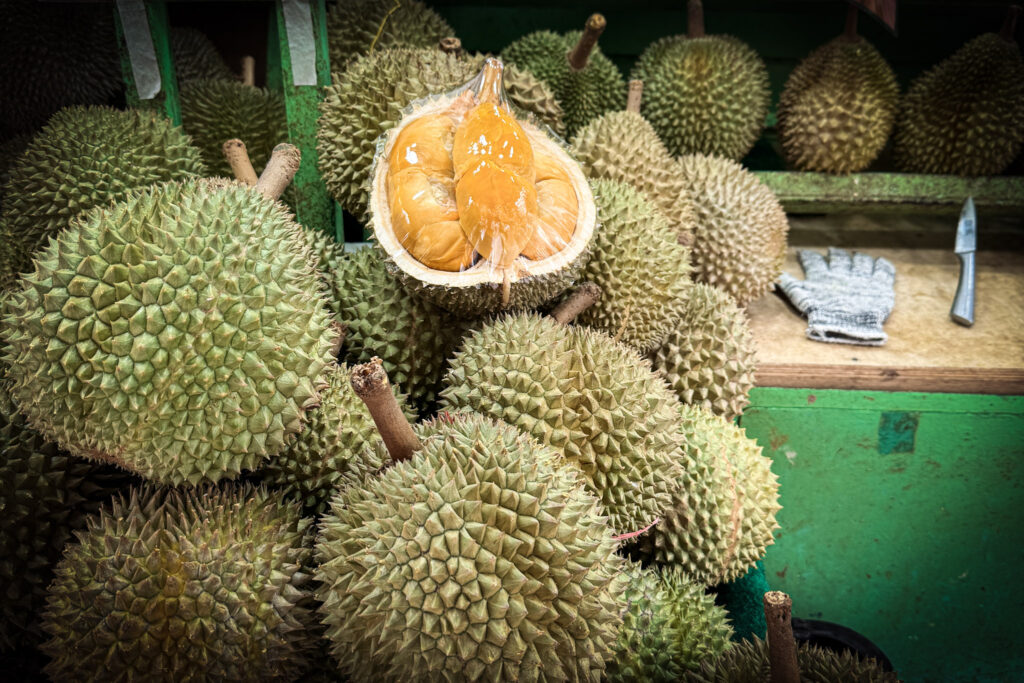
I did not. Despite durian being Malaysia’s national fruit and the subject of genuine, borderline-spiritual devotion from locals and fellow travelers alike, I have to be honest: I thought it was horrible. Not “interesting” horrible, not “acquired taste” horrible — it tasted like old grilled garlic, and not in a good way. I don’t think I’ve ever eaten anything quite like it before, and I’m not in a hurry to again.
Fun Fact: Durian is officially considered Malaysia's national fruit, and it's also banned from hotel rooms, the LRT, and most buses — the smell isn't a quirky side note, it's load-bearing to the whole experience.

Useful Information: Jalan Alor is best after 6pm when the food stalls are in full swing; Black Thorn (D200) is one of the pricier, creamier durian varieties, generally a step up from the more common D24. Cash is still king at older stalls, though more now take e-wallets.

Jet Lag Jelly Tip: Try the durian once, just to say you did — but maybe not right before a flight or a Grab ride. And if you, like me, end up team "no thank you," there's zero shame in walking five meters over to the satay stall instead.
12. The KL Monorail
If you want a free, slightly rickety tour of the city’s skyline, the monorail is it. It rattles along above the traffic between Bukit Bintang’s malls and high-rises, close enough to the buildings that you feel like you’re peeking into someone’s office. The KL Monorail opened in 2003 and was actually one of the first driverless transit systems in Southeast Asia.
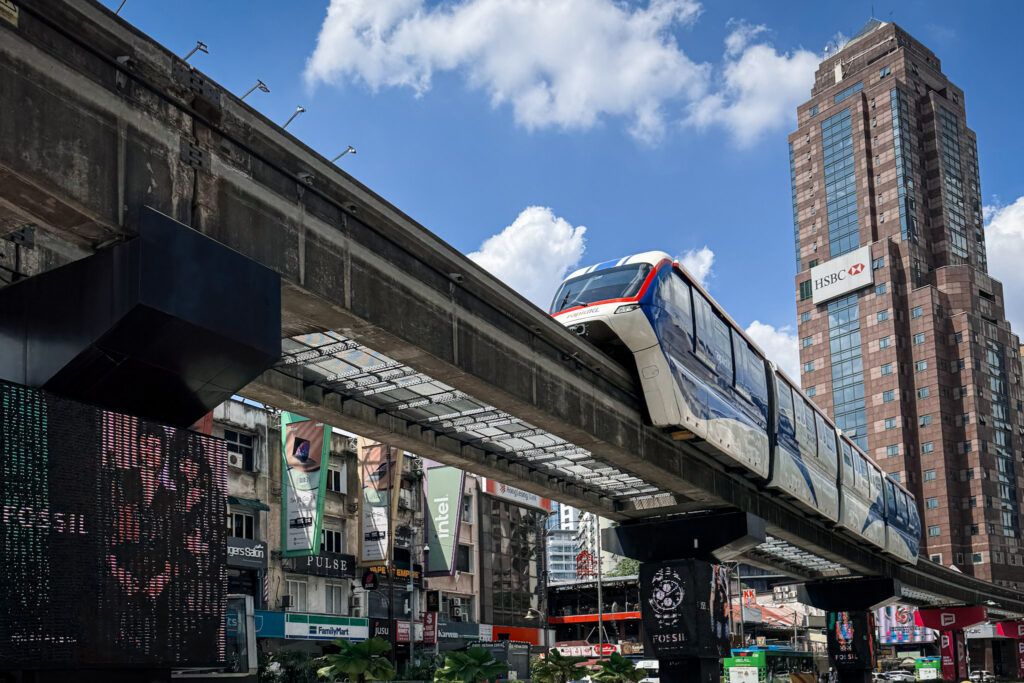
Useful Information: A single ride costs just a few ringgit, and the Bukit Bintang and Imbi stations are the most convenient for this whole area.

Jet Lag Jelly Tip: Grab a seat at the very front window if the carriage is empty — best view in town for the price of a bus ticket.
13. Shopping Malls: Pavilion KL and the Bukit Bintang Mall Crawl
Bukit Bintang isn’t just street art and durian — it’s also wall-to-wall shopping malls, and Pavilion KL is the big one. Even if shopping isn’t your thing, it’s worth walking through just for the seasonal window displays — when I visited in December, Louis Vuitton had gone full polar-bear-and-poinsettia winter wonderland out front, which felt delightfully unnecessary in 32-degree heat.
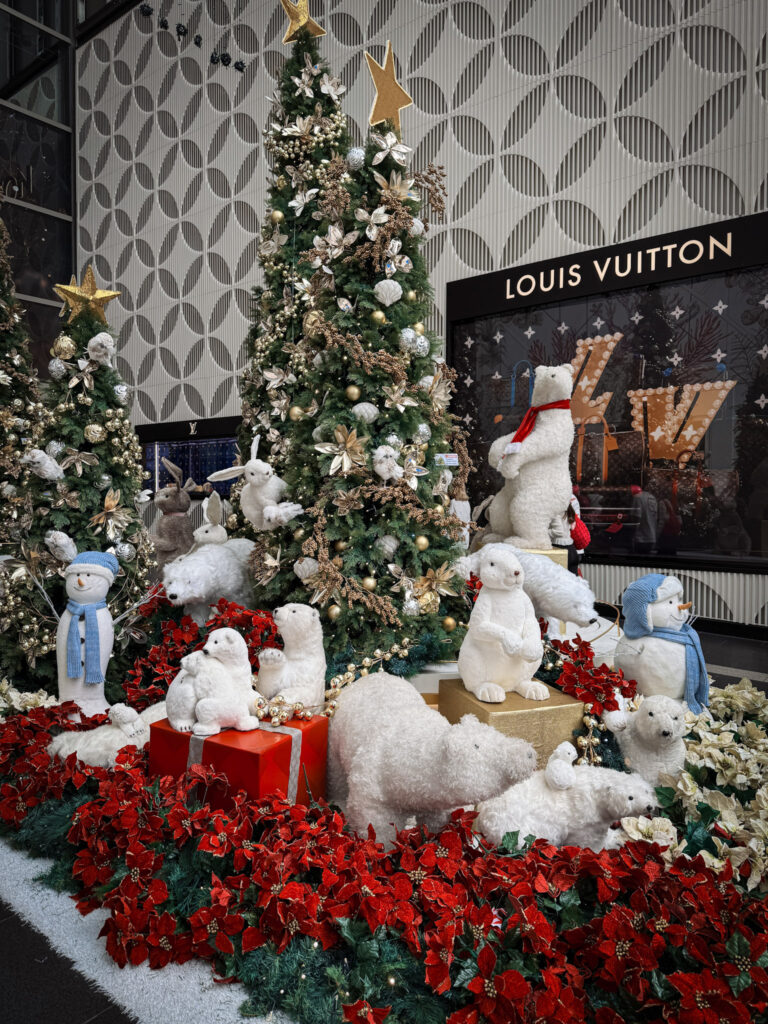
Pavilion KL opened in 2007 and is now one of the most visited malls in the country, anchoring the entire Bukit Bintang shopping belt alongside neighbors like Lot 10, Starhill Gallery, and Berjaya Times Square.
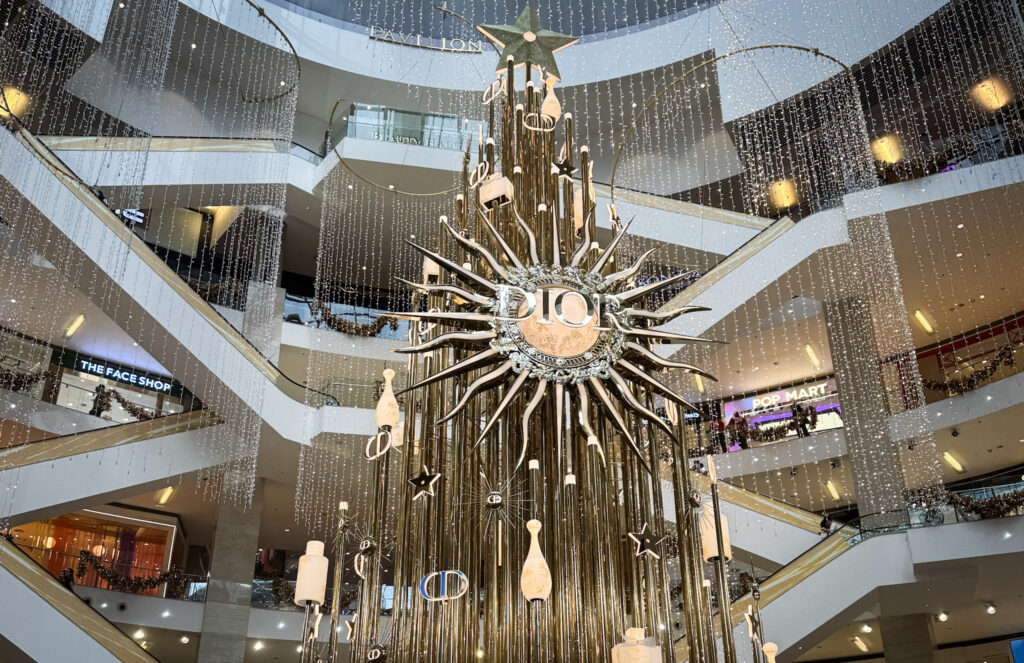
Useful Information: Most malls in the area are connected by covered walkways or are a short walk apart, so you can mall-hop without ever stepping back into the heat.

Jet Lag Jelly Tip: Go inside even if you're not buying anything — air-conditioned shopping malls are an underrated tropical-heat survival strategy, and KL's malls are basically air-conditioned cities of their own.
14. Petronas Towers at Night: The Lake Symphony Show
If there’s one thing KL does better than almost anywhere else, it’s making you feel small in a good way. Standing at KLCC Park after dark, with the Petronas Towers lit up and a fountain show going off in front of them, set to music — it’s the kind of free spectacle that makes you forget you’re standing in a public park and not at the opening ceremony of something.
The show takes place right on Lake Symphony, the man-made lake at the esplanade just outside Suria KLCC, and it runs multiple times every single evening — so there’s basically no excuse not to catch it.
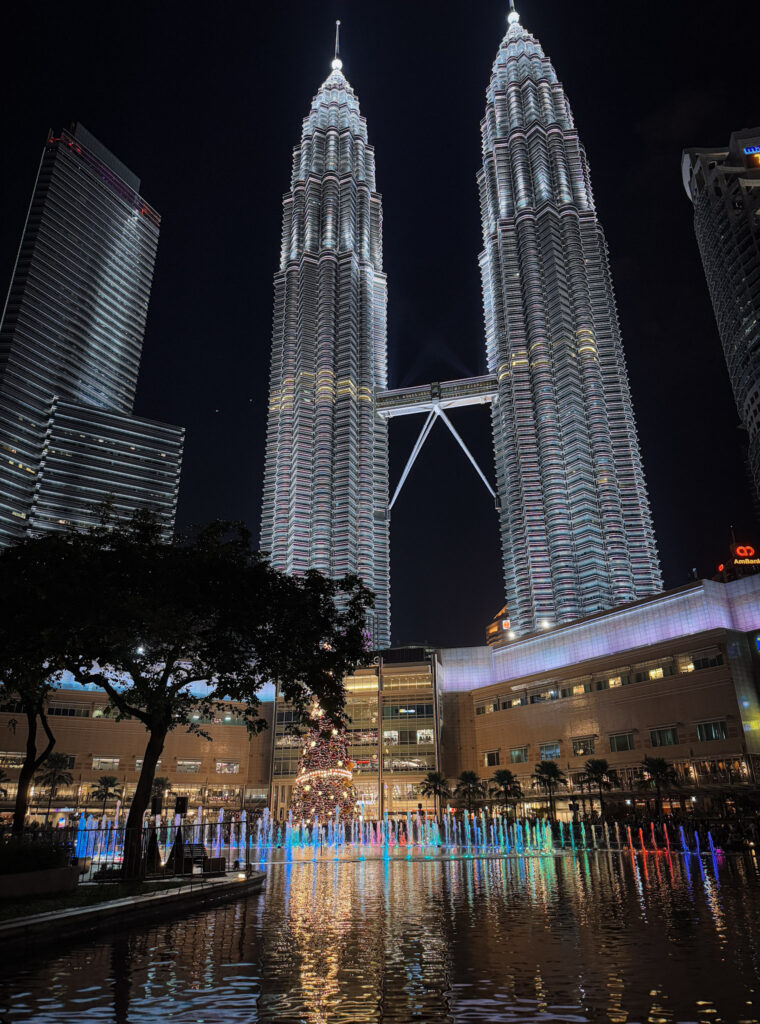
Fun Fact: The Lake Symphony fountains display over 150 unique programmed animations, all set to music and choreographed to dance in sync with it.

Useful Information: The full Light and Sound show runs three times a night — 8pm, 9pm, and 10pm — with Light-only fountain shows in between at 7:30pm, 8:30pm, and 9:30pm. So really, there's something happening on the lake roughly every half hour from sunset onward. It's completely free, no tickets needed — just show up and find a spot along the railing. Suria KLCC

Jet Lag Jelly Tip: Get there at least 15 minutes before the 8pm or 9pm show to grab a front-row spot at the railing — this is one of the most photographed spots in the city, and by showtime it fills in fast. If you want the towers fully in frame with the fountains, stand back a little toward the mall entrance rather than right at the rail.
15. My favorite places to stay
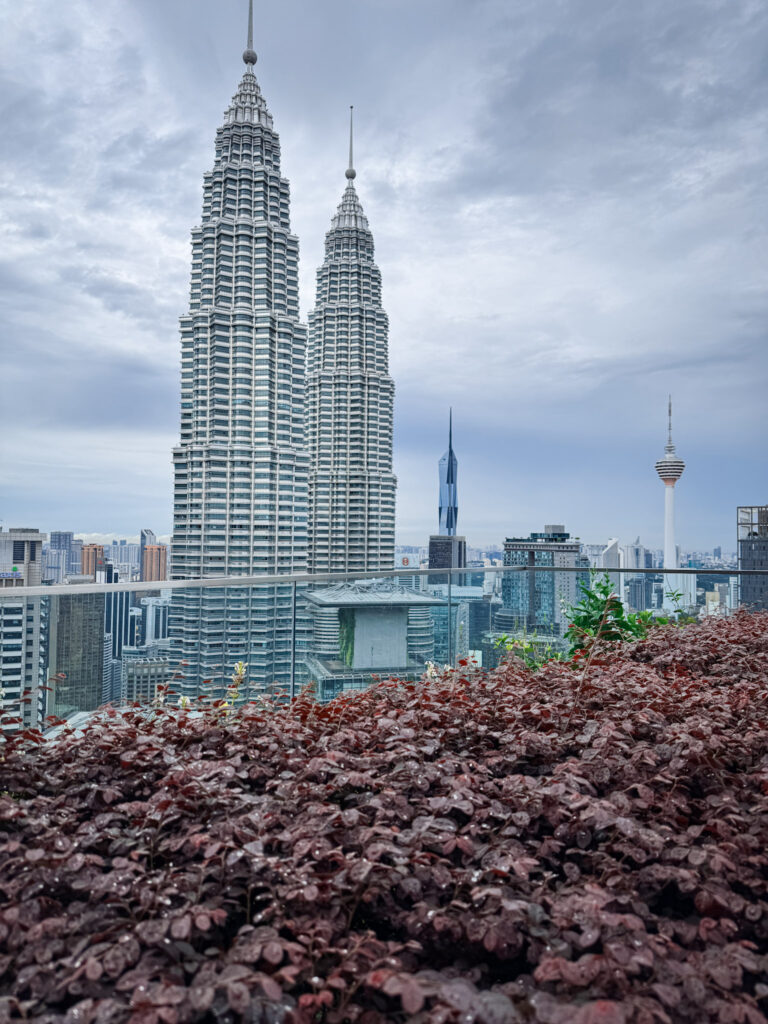
KL doesn’t really do boring hotel rooms when you can have a 62-storey tower with its own rooftop infinity pool instead. Two of my favorite KLCC bases were Sky Suites and Eaton Residences — both serviced apartments, both walking distance to the Towers, and both built around one very obvious selling point: the view. If you want to browse similar options yourself, here’s a general search for hotels in KLCC, Kuala Lumpur or Airbnbs in Kuala Lumpur — just filter by proximity to the Petronas Towers and you’ll find plenty with the same rooftop-pool appeal.
Sky Suites
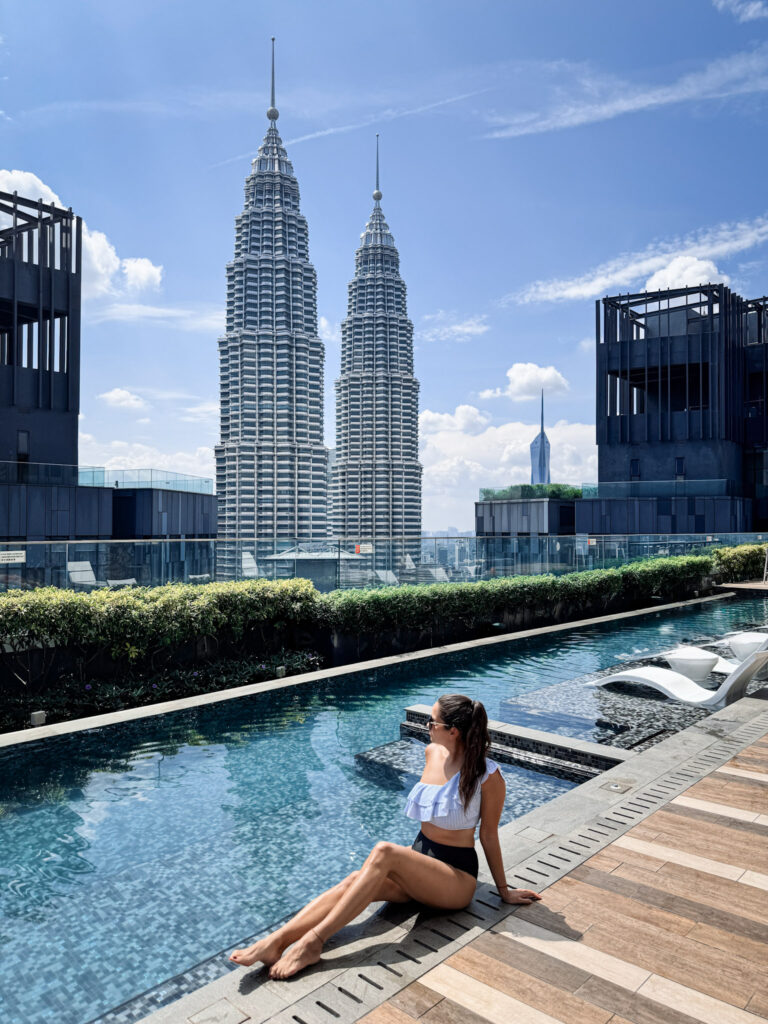
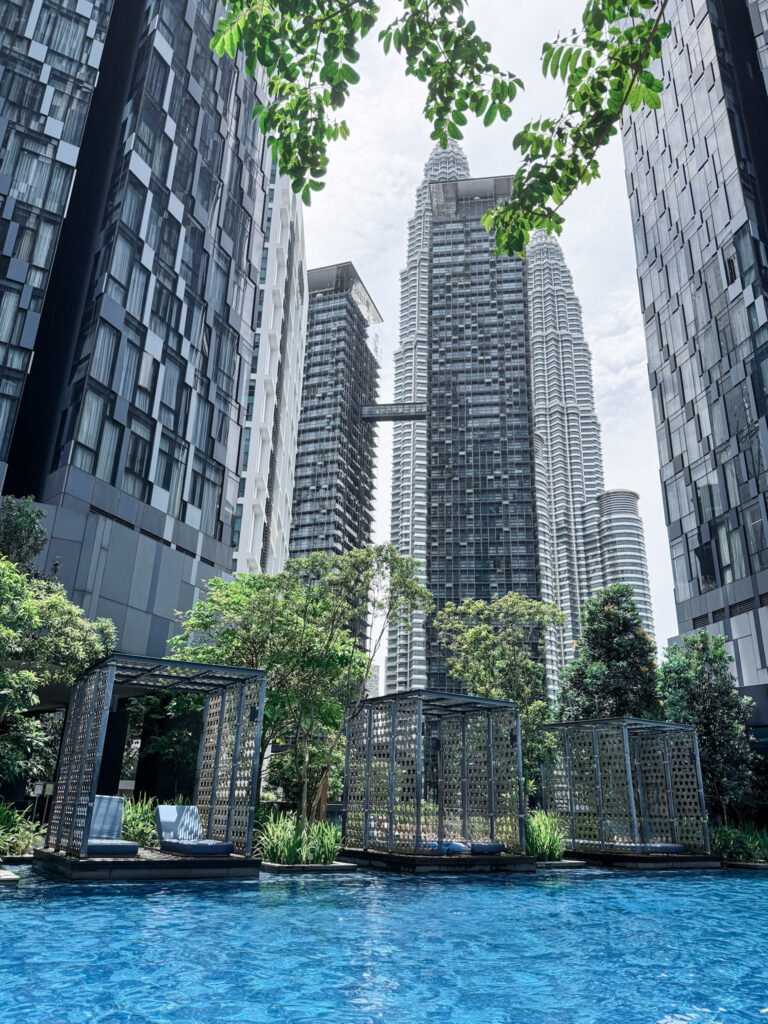
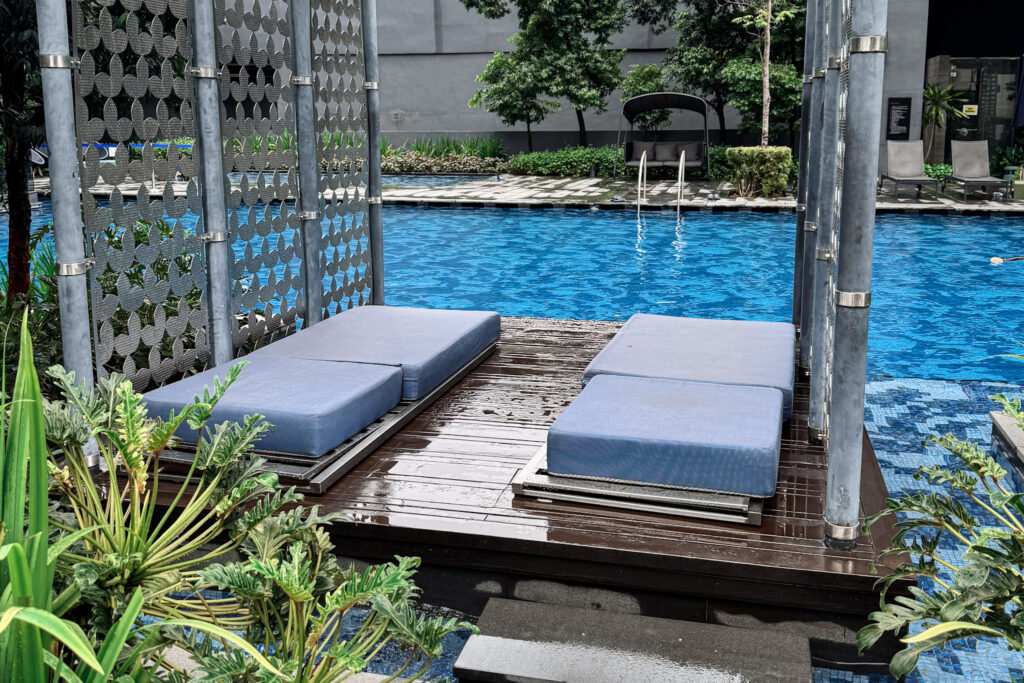
A freehold tower on Jalan P. Ramlee, right in the KLCC Golden Triangle, a few minutes’ walk from Suria KLCC, Pavilion, and the Petronas Towers themselves. Completed in 2019, the 62-storey tower’s defining feature is its rooftop Sky Park, with a 25-metre infinity lap pool, sky gym, sky café, and sky spa — basically a five-star clubhouse stacked on top of an apartment building.
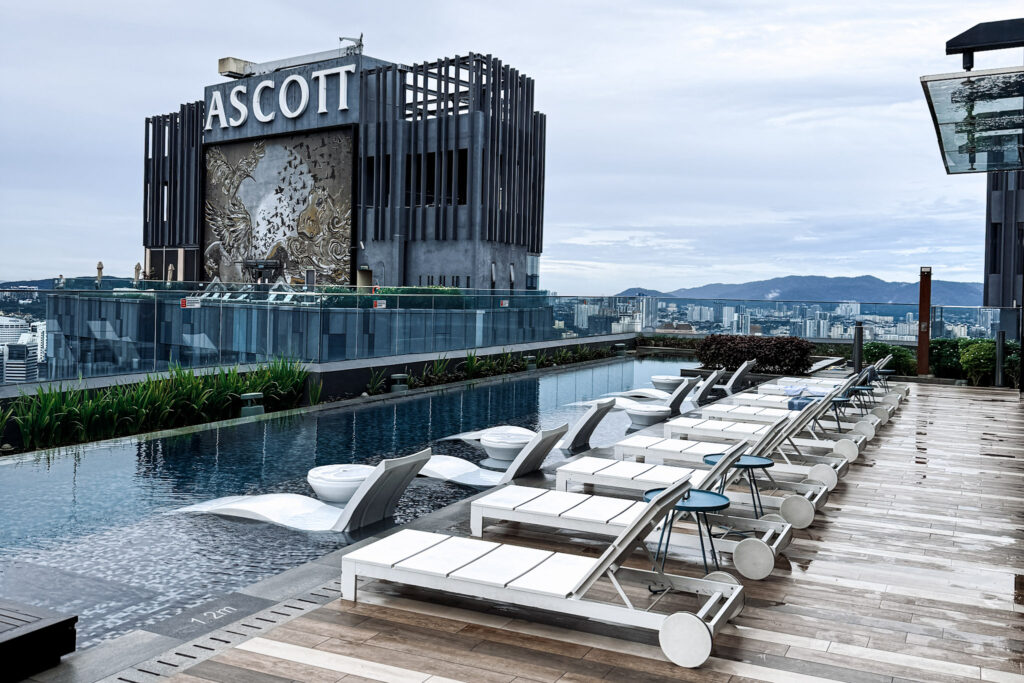
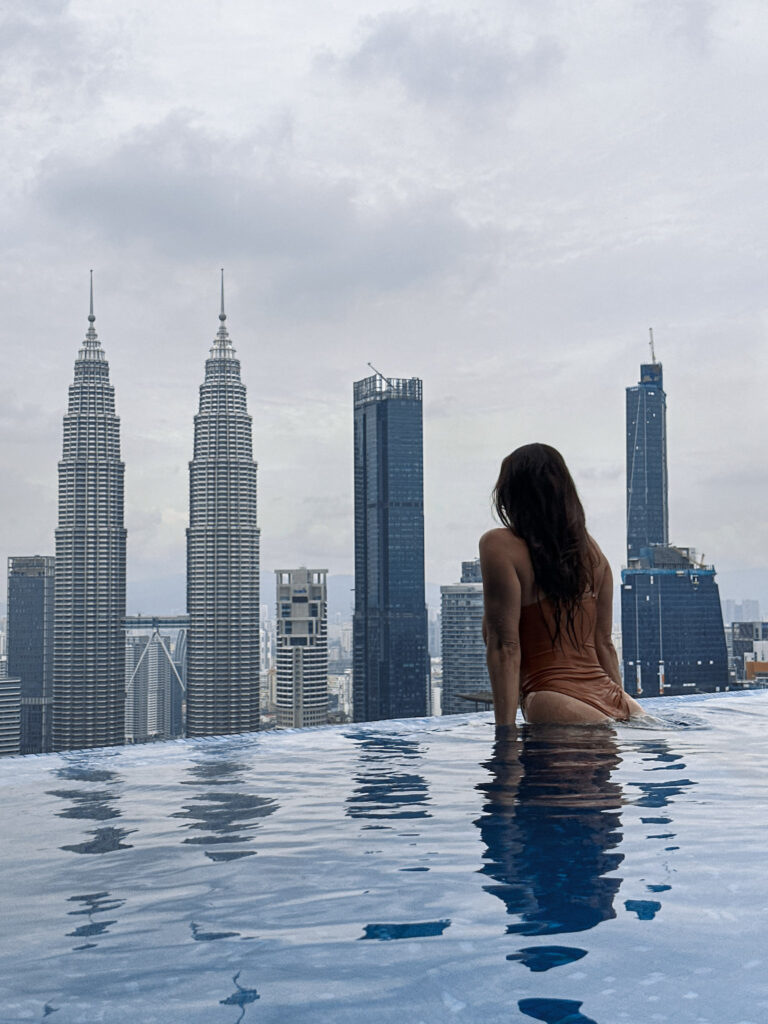
And the view from that pool is genuinely epic — floating there with the Petronas Towers right in front of you, it’s hard to remember you’re meant to be swimming and not just staring.
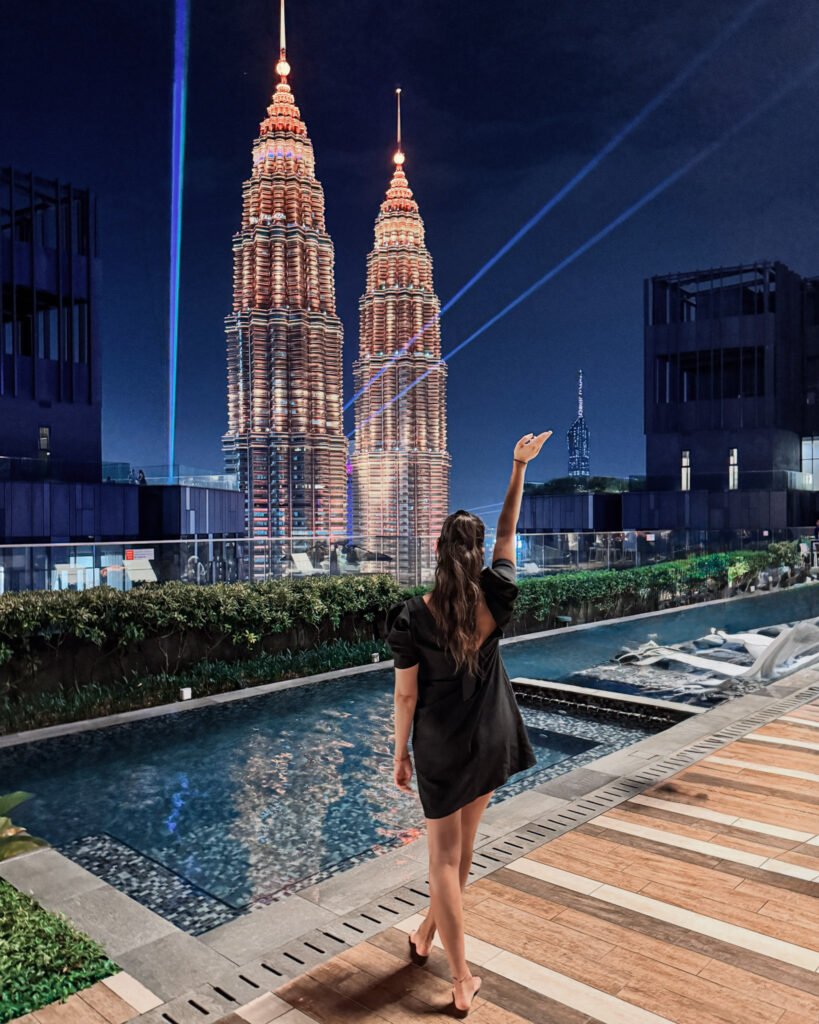
Useful Information: KLCC LRT station is within walking distance, so you're never more than a short ride from anywhere else in the city.

Jet Lag Jelly Tip: Book a higher floor if you can — the whole point of staying here is the skyline, and the lower units don't quite deliver the same payoff.
Eaton Residences
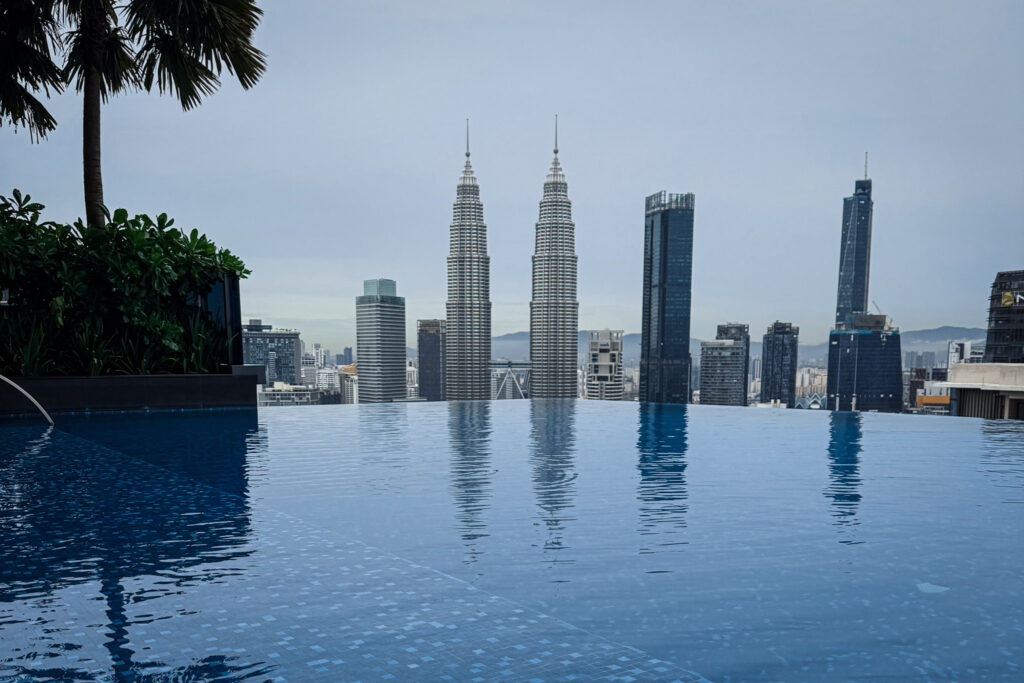
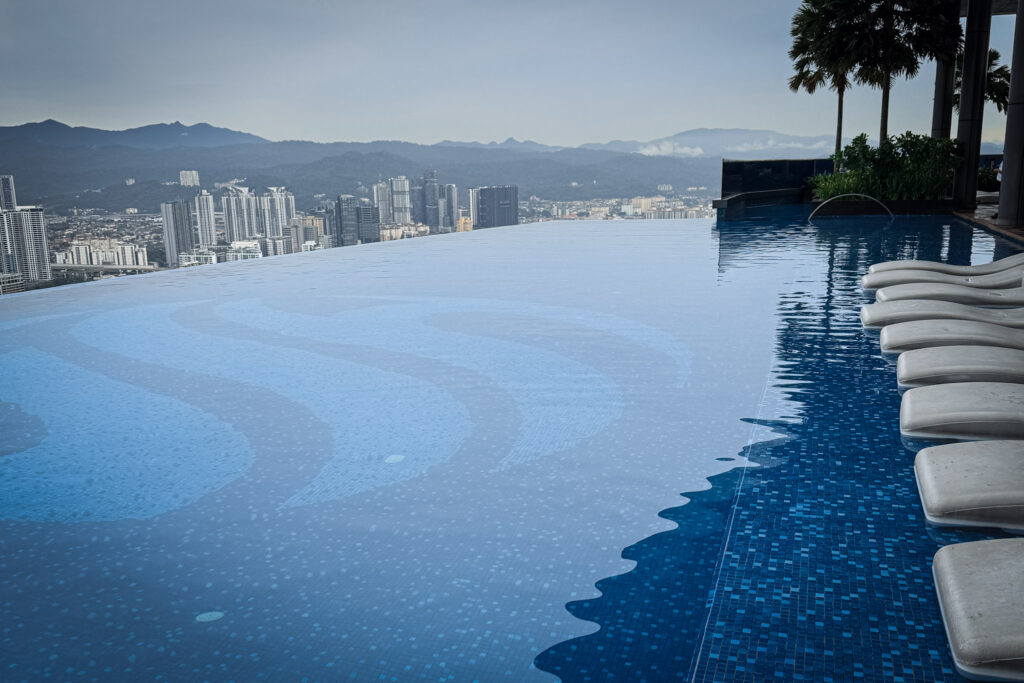
A few minutes further out, on Jalan Kia Peng, Eaton Residences trades a bit of proximity for an even more dramatic pool situation. Towering 52 storeys with 632 luxury serviced units, this is the one where the sky pool itself is basically the marketing campaign — and rightly so, because the view from up there is just as epic as Sky Suites’, if not more dramatic, with the Towers lined up almost perfectly in frame.
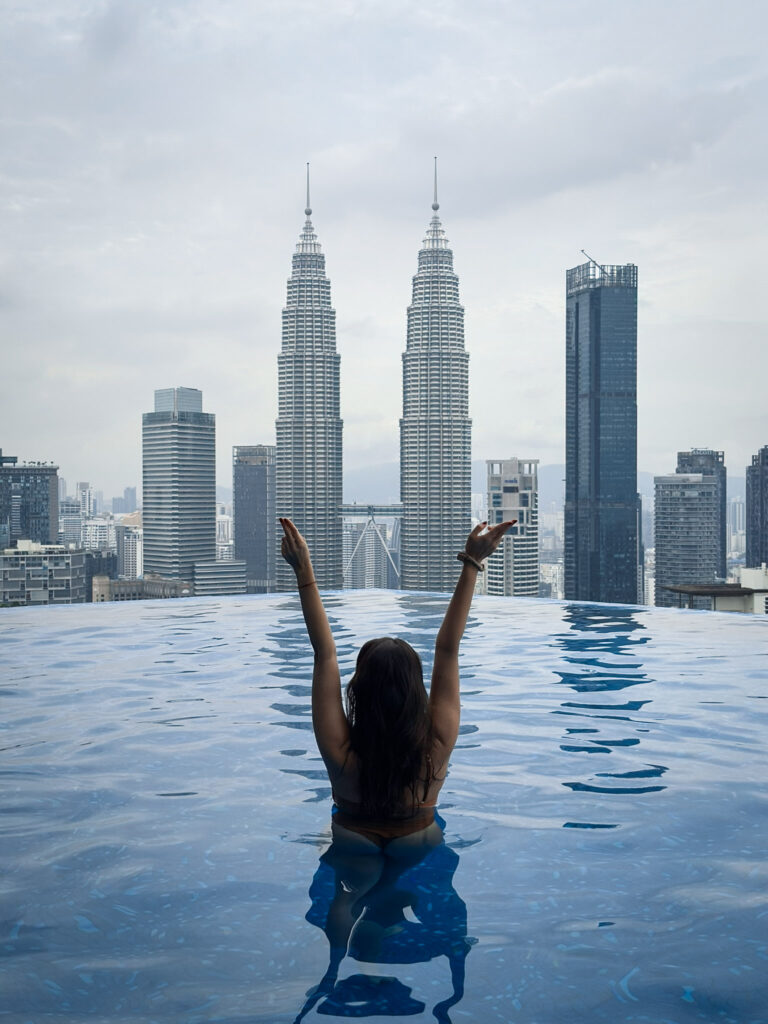
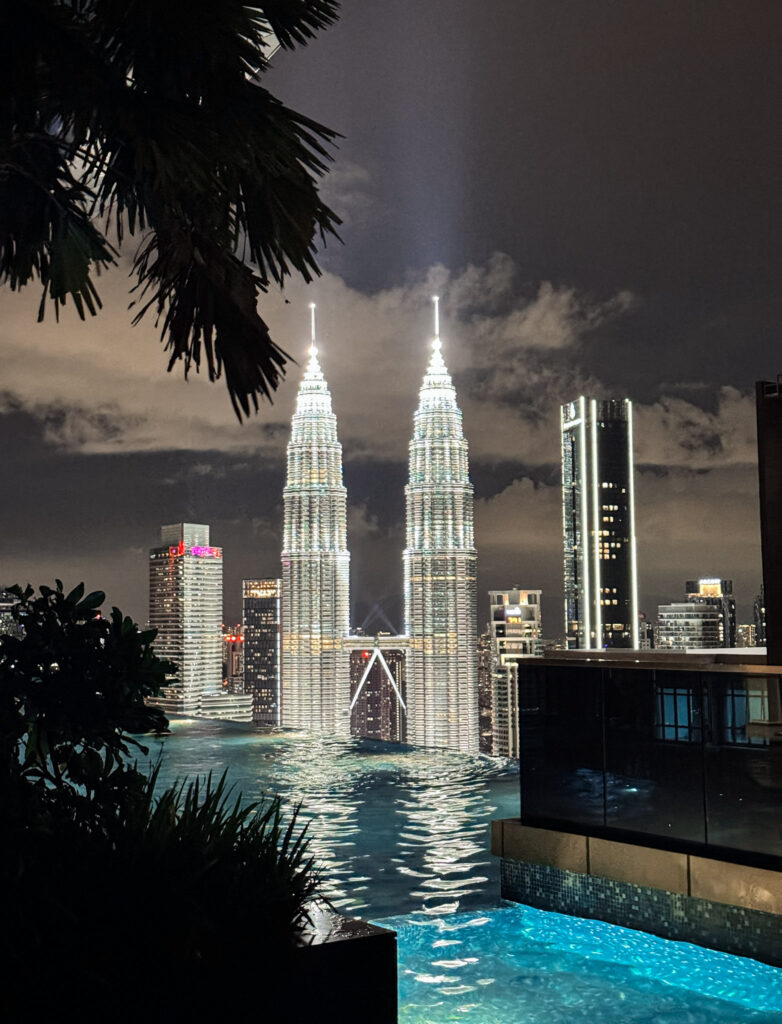
The development’s sky pool won an entry in the Malaysia Book of Records, and it’s easy to see why once you’re floating in it with the Petronas Towers lined up perfectly in front of you.
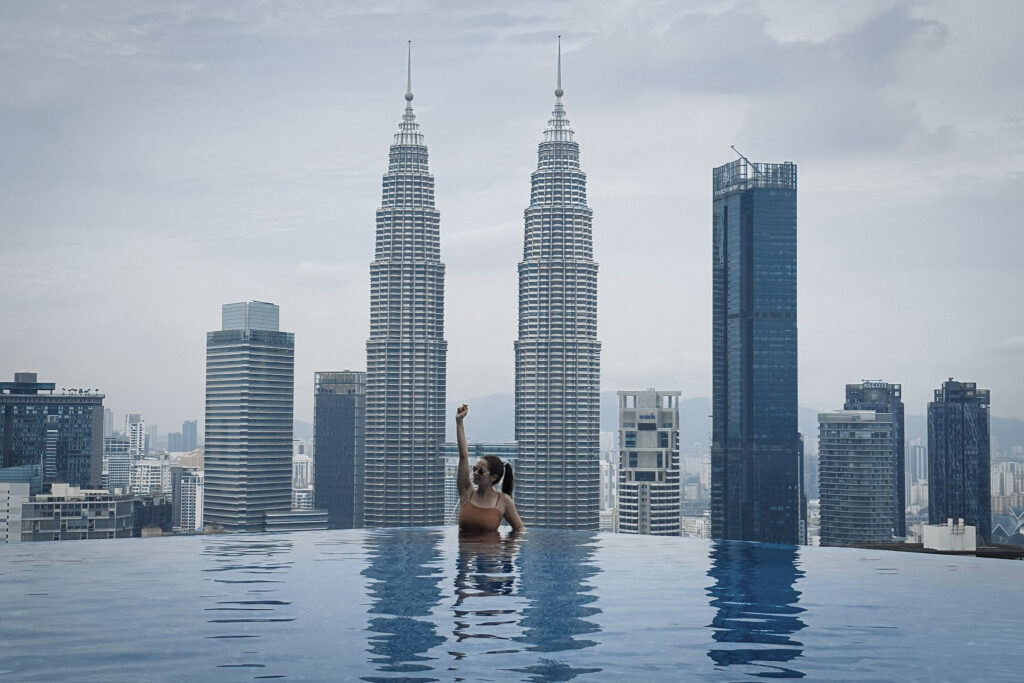
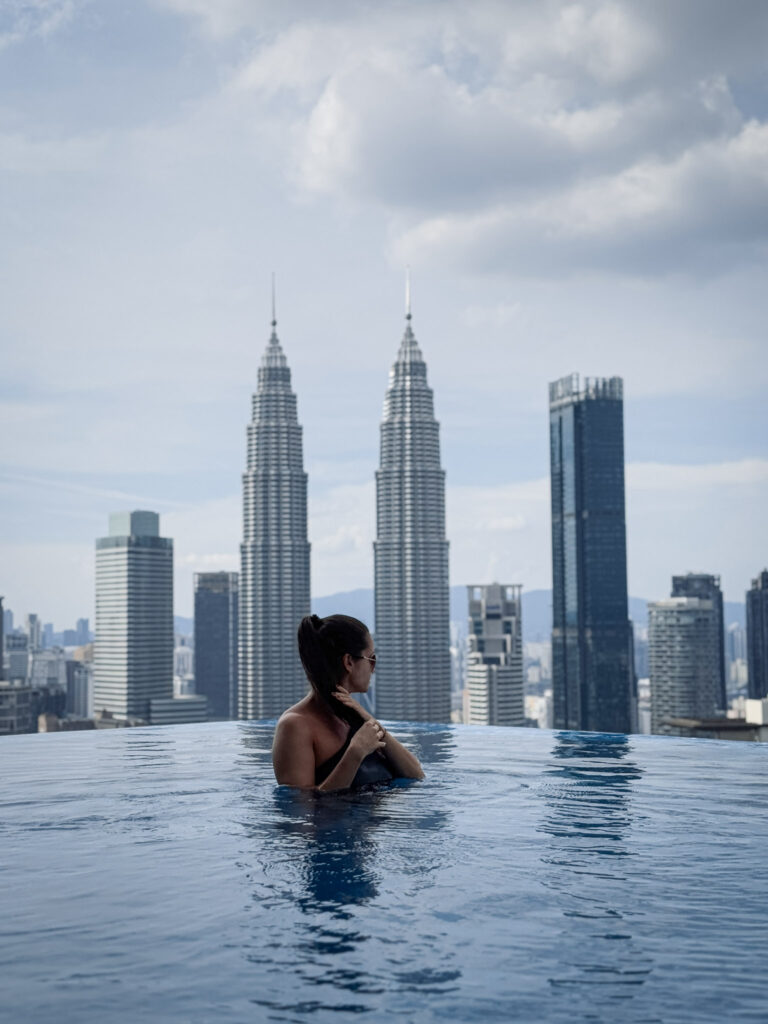
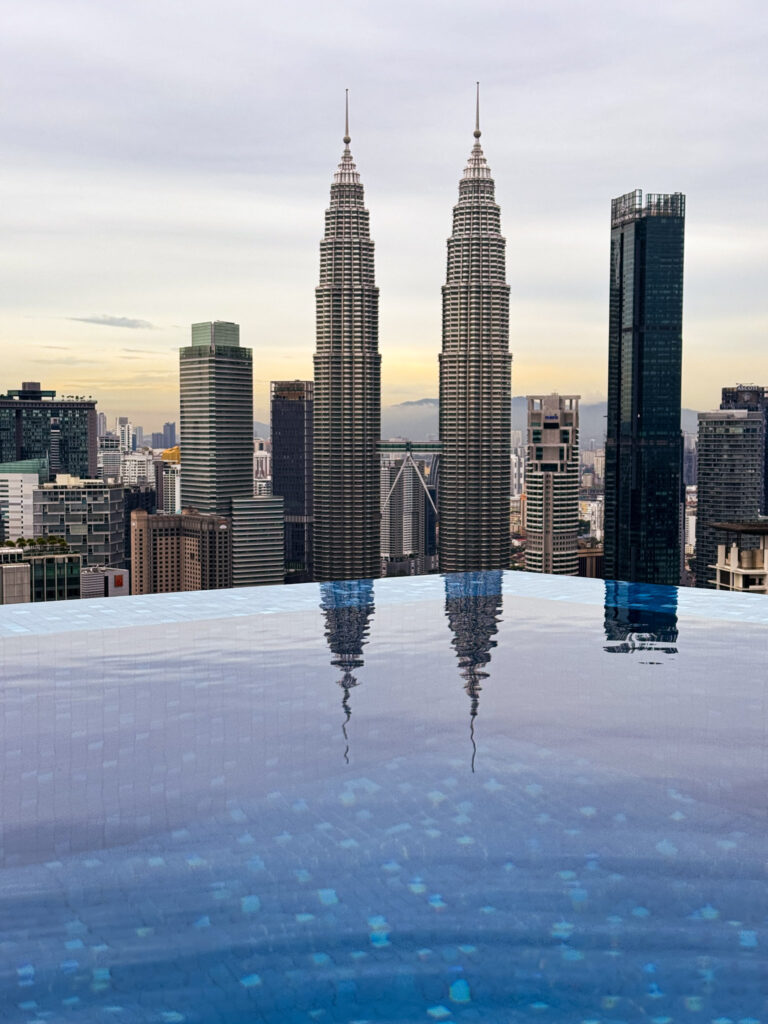
Useful Information: Petronas Towers and Suria KLCC are an easy walk away, with Pavilion Kuala Lumpur about 0.6 miles from the building — close enough to walk, far enough to skip the worst of the Bukit Bintang crowds at night.

Jet Lag Jelly Tip: Time your pool visit for golden hour. Watching the sun set behind the Towers from up there is, without exaggeration, one of the best free views in the entire city — and yes, "free" here means "you already paid for the room."
A Quick Note on Booking These
Both Sky Suites and Eaton Residences are strata buildings, meaning individual owners list their own units rather than one hotel brand running the whole show. On Booking.com, you’ll find these listed under “Apartments” — so the address might be identical to what you see elsewhere, but amenities, check-in process, and reviews can vary depending on which specific unit and manager you book with.
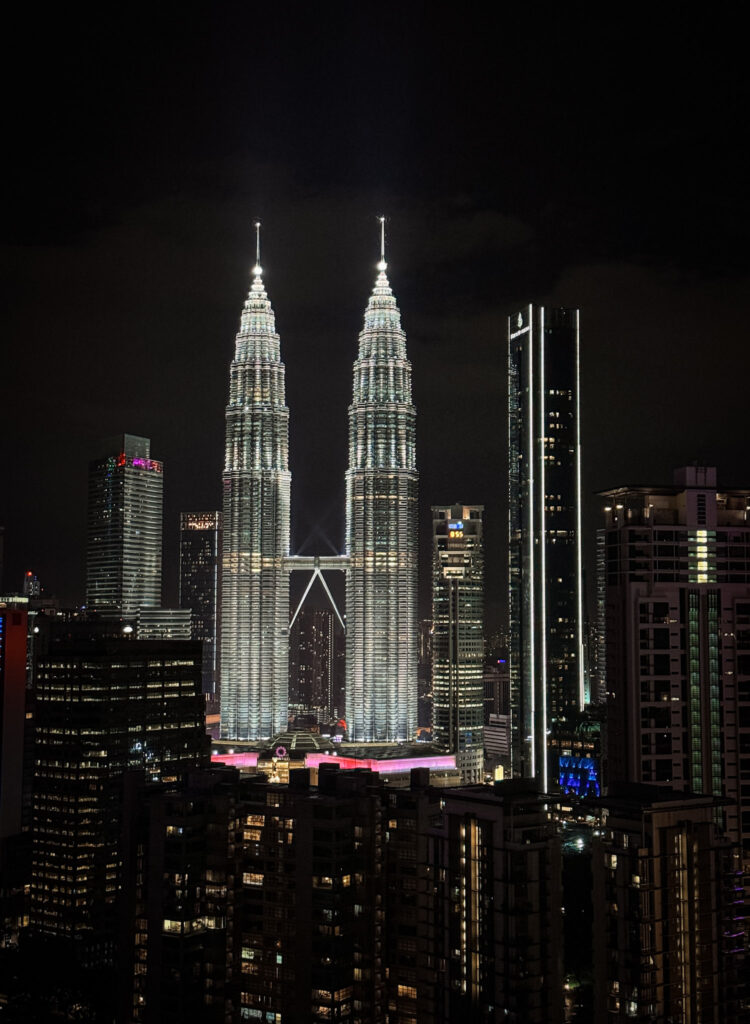
Jet Lag Jelly Tip: Before booking, check the specific listing's review count and score rather than just the building name or photos — the building will always look incredible, since it's the same pool and lobby in every listing. It's the individual unit's reviews that tell you what you're actually getting.
17. Day Trip to Malacca
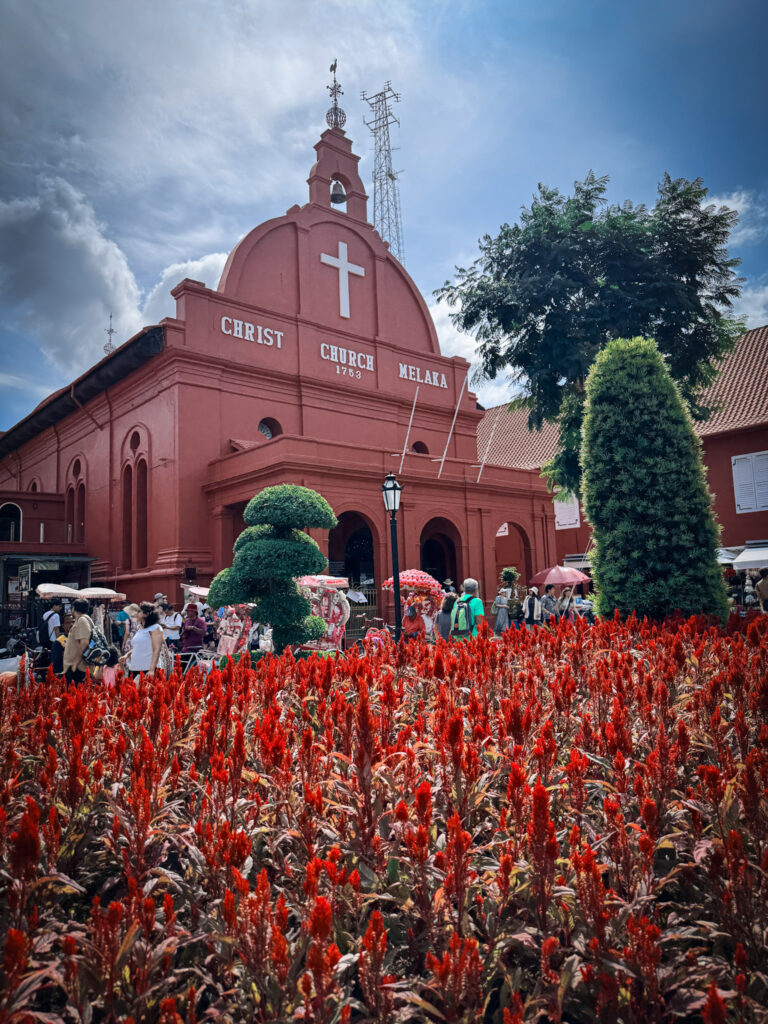
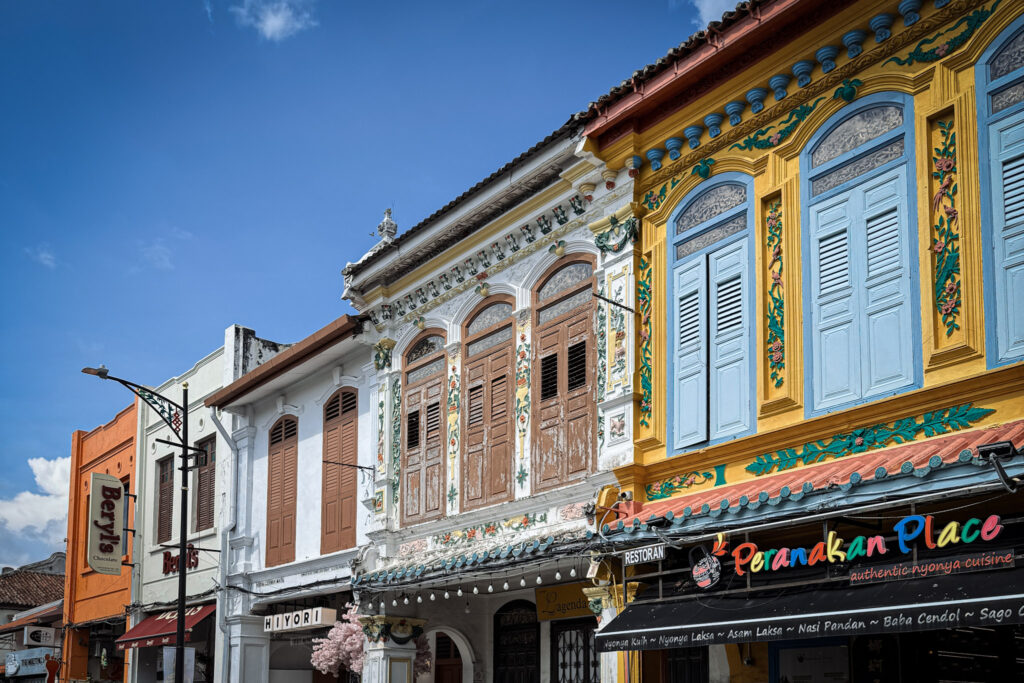
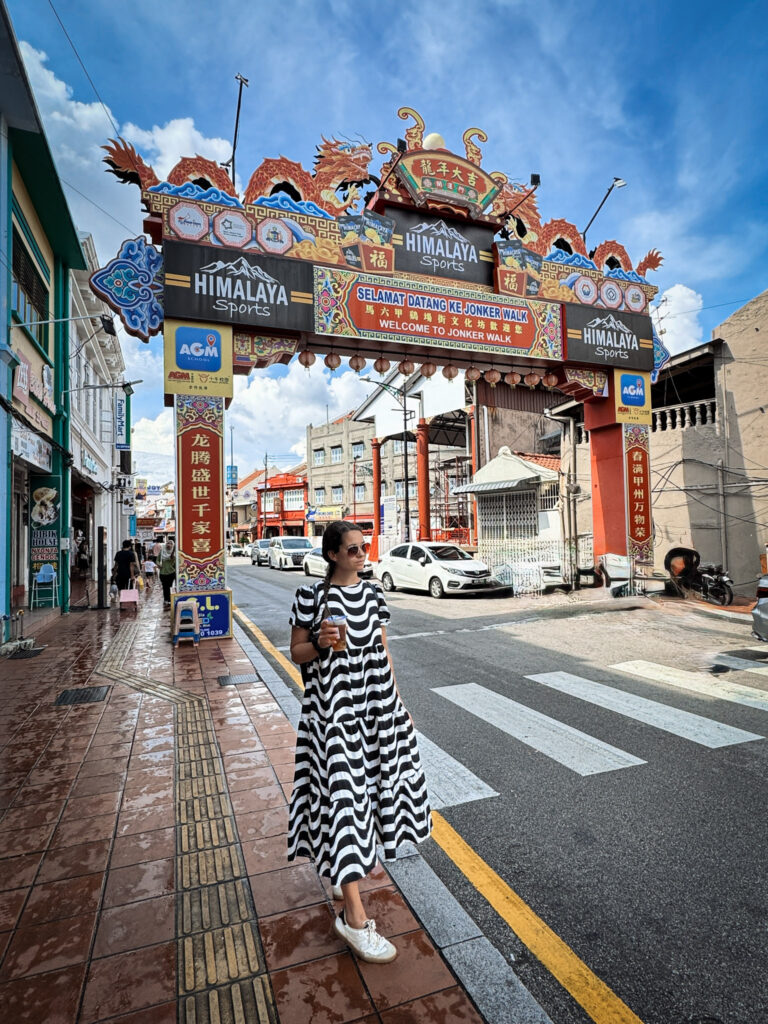
No KL trip is really complete without a day spent two hours south in Malacca (Melaka) — one of those UNESCO World Heritage cities that crams 500 years of Portuguese, Dutch, and British history into one small, very walkable old town. We booked an organized day tour through GetYourGuide rather than driving ourselves, and honestly, it was the right call — between the traffic out of KL and the parking situation in the old town, letting someone else handle the logistics meant we could just enjoy the ride.
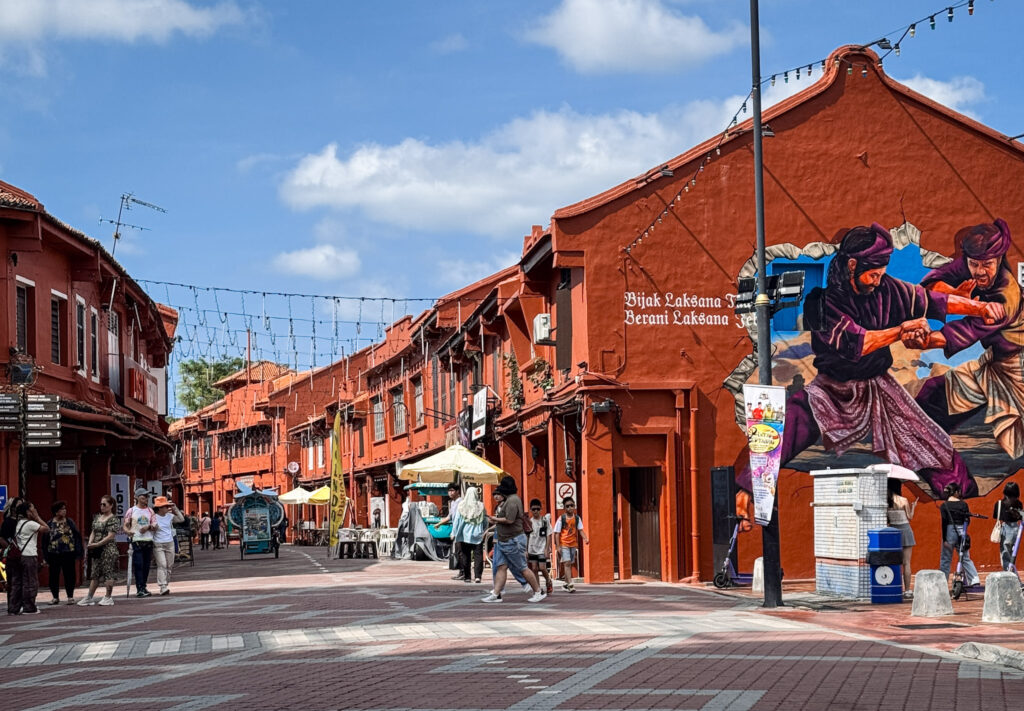
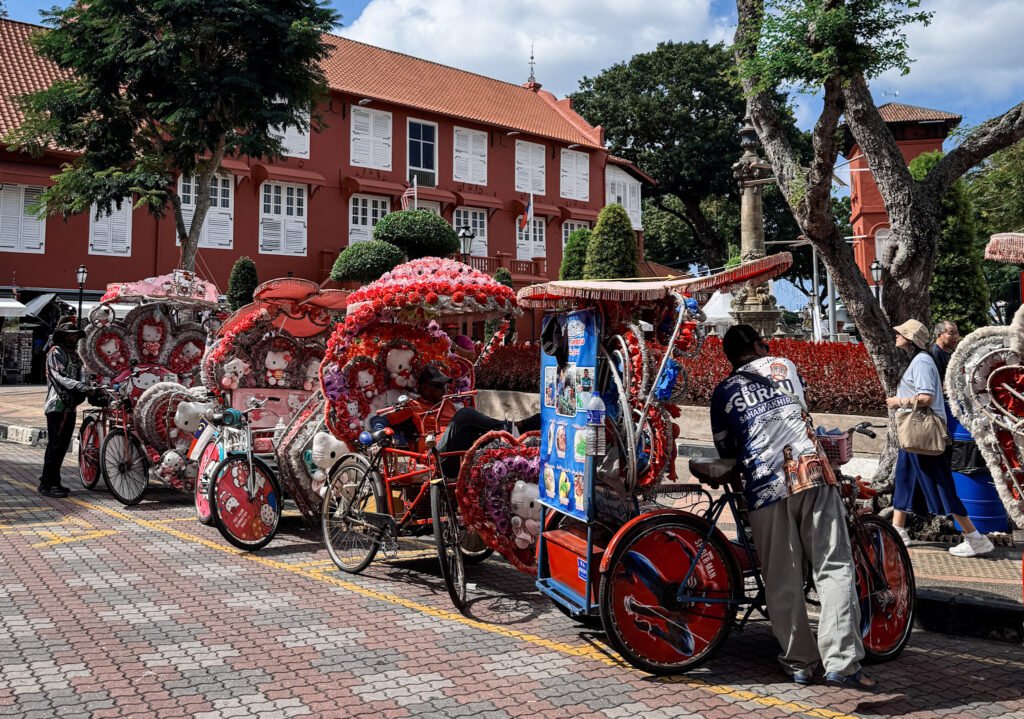
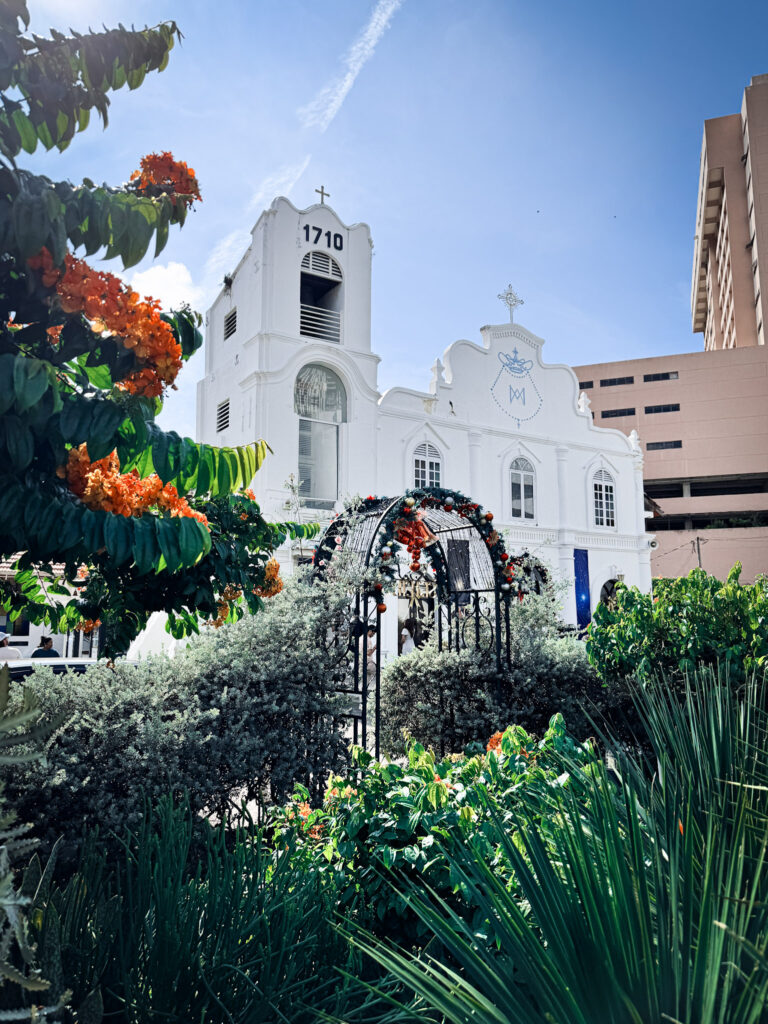
The day hit the classics: the red Dutch buildings around Stadthuys and Christ Church (basically Malacca’s main photo op), the ruins of A Famosa fortress and St. Paul’s Hill, a wander down Harmony Street where a Chinese temple, a mosque, and a Hindu temple all sit side by side, and of course Jonker Street for street food and souvenir hunting, plus a stroll along the Malacca River.
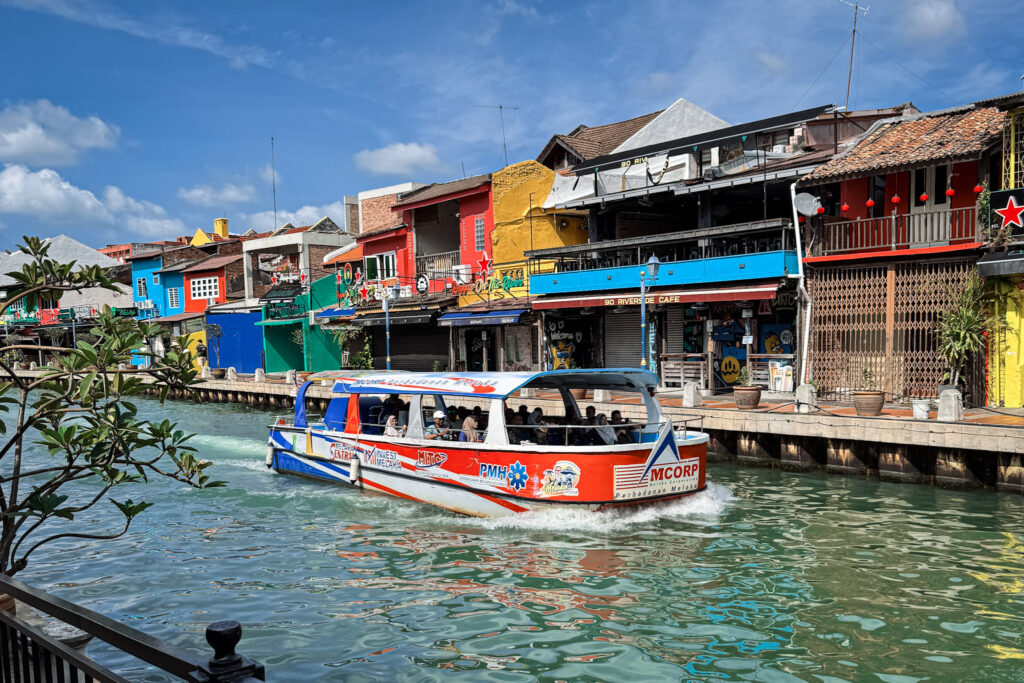
Malacca was once one of the most important trading ports in Southeast Asia, fought over and ruled in turn by the Portuguese, Dutch, and British — which is exactly why the old town looks like three different European colonial cities stitched together.
Useful Information: Most GetYourGuide day tours from KL run around 9–10 hours total, including roughly 2 hours of driving each way and pickup directly from KL hotels. Tours typically include the major sights (A Famosa, St. Paul's Church, Stadthuys, Harmony Street, Jonker Street) with lunch as an optional add-on rather than always included — worth checking before you book.

Jet Lag Jelly Tip: One day is genuinely enough to hit the highlights, but it is tight — if you're someone who likes to linger rather than tick off sights, know going in that the schedule moves fast and the bus leaves on time, traffic-jam excuses included.
18. The Petronas Towers: A Few of My Favorite Shots
Some buildings you photograph because you’re supposed to. The Petronas Towers, you photograph because you genuinely can’t stop.
Best Time to Visit
Kuala Lumpur is hot and humid pretty much year-round (hello, equator), so it’s less about “best weather” and more about “least rain.” The driest stretches are typically June to August and December to February — outside of that, expect sudden afternoon downpours that show up uninvited and leave just as fast. If you’re chasing golden-hour rooftop pool shots (like the ones above), aim for the dry months so you’re not dodging clouds and puddles.
Jet Lag Jelly Tip: Even in the "dry" season, pack a small umbrella. KL rain shows up without warning.
Budget
KL is one of those cities that can flex to almost any budget:
- Backpacker: ~$25–40/day — hostel bed, street food and hawker stalls, public transport (the LRT/MRT is cheap and efficient)
- Mid-range: ~$70–120/day — 3-4 star hotel, mix of local and Western meals, the occasional Grab (ride-hailing) instead of walking everywhere
- Luxury: $200+/day — rooftop infinity pools with a Twin Towers view (like Eaton Residences), fine dining, private transfers
Fun Fact: Street food in KL can cost as little as $2-3 a meal, so even on a luxury budget, it's worth slumming it at a hawker centre at least once — some of the best food in the city is the cheapest.
FAQ
How many days do you need in Kuala Lumpur? 3–4 days is a great amount of time to explore Kuala Lumpur. This gives you enough time to see the city’s main attractions, visit Batu Caves, try Malaysian food, explore different neighborhoods, and still have some time to relax by the pool or enjoy the city’s famous rooftop views.
What is the best thing to do in Kuala Lumpur? If it’s your first visit, seeing the Petronas Twin Towers is a must. But Kuala Lumpur is much more than its skyline. Batu Caves, Jalan Alor, the city’s temples and mosques, Chinatown, and the many rooftop bars and pools are all worth adding to your itinerary.
Is Kuala Lumpur worth visiting? Absolutely. Kuala Lumpur is one of the easiest cities in Southeast Asia to explore, combining modern skyscrapers with colorful neighborhoods, incredible food, cultural sights, and surprisingly affordable prices. It also makes a great base for exploring more of Malaysia.
What should you not miss in Kuala Lumpur? For a first visit, don’t miss the Petronas Twin Towers, Batu Caves, Chinatown, Jalan Alor Food Street, Merdeka Square, and at least one rooftop viewpoint or bar. And, of course, leave some time for eating — Kuala Lumpur is one of the best food cities in Southeast Asia.
Is Kuala Lumpur expensive? Compared with many major cities around the world, Kuala Lumpur is relatively affordable. Accommodation, local food and Grab rides can be particularly good value, while attractions and upscale restaurants can still be enjoyed without the prices you might expect in cities such as Singapore.
What is the best area to stay in Kuala Lumpur? For first-time visitors, Bukit Bintang and KLCC are two of the most convenient areas. Bukit Bintang is ideal if you want restaurants, shopping and nightlife right outside your door, while KLCC puts you close to the Petronas Twin Towers and some of the city’s best-known hotels and rooftop spots.
What is the best way to get around Kuala Lumpur? Grab is one of the easiest ways to get around Kuala Lumpur, especially when visiting several attractions in one day. The city also has an extensive public transport network, including the MRT, LRT and monorail, which can be useful for avoiding traffic.
Is Kuala Lumpur good for a longer stay? Yes — and this is one of the things I particularly liked about Kuala Lumpur. It’s a city where you can easily spend a week or even longer without running out of things to do. There are plenty of cafés, shopping malls, restaurants, rooftop pools and day trips, so you don’t have to rush from attraction to attraction.
Summary
Kuala Lumpur is one of those cities that gets under your skin in a way you don’t fully expect. It’s chaotic and efficient at the same time. It’s got street food next to Michelin stars, kampung houses next to glass skyscrapers, and a monorail that takes you from a night market to a luxury rooftop pool in four stops. It doesn’t try to be anything other than exactly what it is — and what it is, is extraordinary. I came for a visit and stayed for a month. That should tell you everything you need to know.
If you’re debating whether KL deserves a spot on your Southeast Asia itinerary — it does. If you’re debating whether it deserves more than a couple of days — it absolutely does. And if you find yourself, like me, looking at flights back before you’ve even landed home — completely normal. I’ve checked. Would I go back? Already planning it.
Part of my Southeast Asia and broader Asia coverage — check out my Koh Rong & Angkor Wat: Cambodia’s Greatest Hits, Northern Vietnam Itinerary: Hanoi, Sapa & Ha Long Bay, and Japan in 12 Days: Worth the Jetlag posts too if you’re planning a bigger trip across the region.