
This post contains affiliate links. If you book through one, I may earn a small commission at no extra cost to you — it helps keep Jet Lag Jelly running. Read my full affiliate disclosure for more.
Tenerife gets filed under “Canary Islands beach holiday” more often than it should. Yes, there’s beach — plenty of it — but the island itself is doing something much stranger and more interesting: a dormant volcano taller than anything else in Spain, a rainforest in the north, a moonscape in the middle, and villages clinging to cliffs that look more like something out of a fantasy map than a package holiday brochure. Seven days here barely scratches it, but this list of the top 10 things to do in Tenerife covers the island’s full range — from the highest point in Spain down to the black-sand coastline. Here’s where to go.
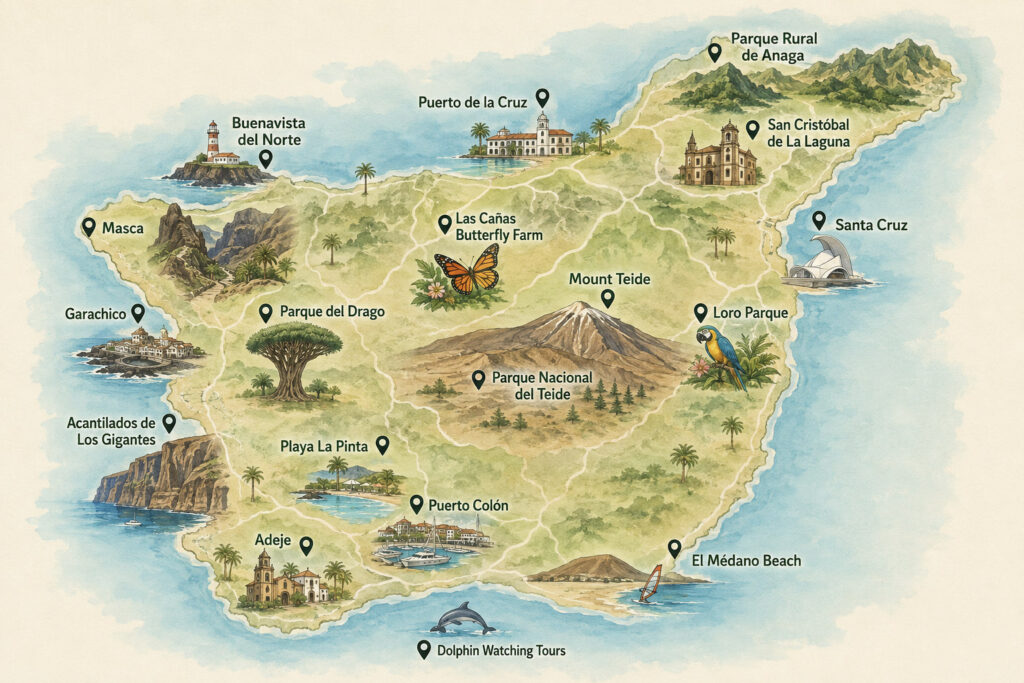
Tenerife Itinerary
1. Buenavista del Norte
2. Masca
3. Parque Nacional del Teide
4. Mount Teide
5. Garachico
6. Parque del Drago
7. Las Cañas Butterfly Farm
8. Loro Parque
9. Puerto de la Cruz
10. Santa Cruz
11. San Cristóbal de La Laguna
12. Parque Rural de Anaga
13.Playa La Pinta
14. Puerto Colón
15. Adeje
16. Acantilados de Los Gigantes
17. El Médano Beach
18. Dolphin watching tours
1. Buenavista del Norte, Masca, and the Scenic Drive
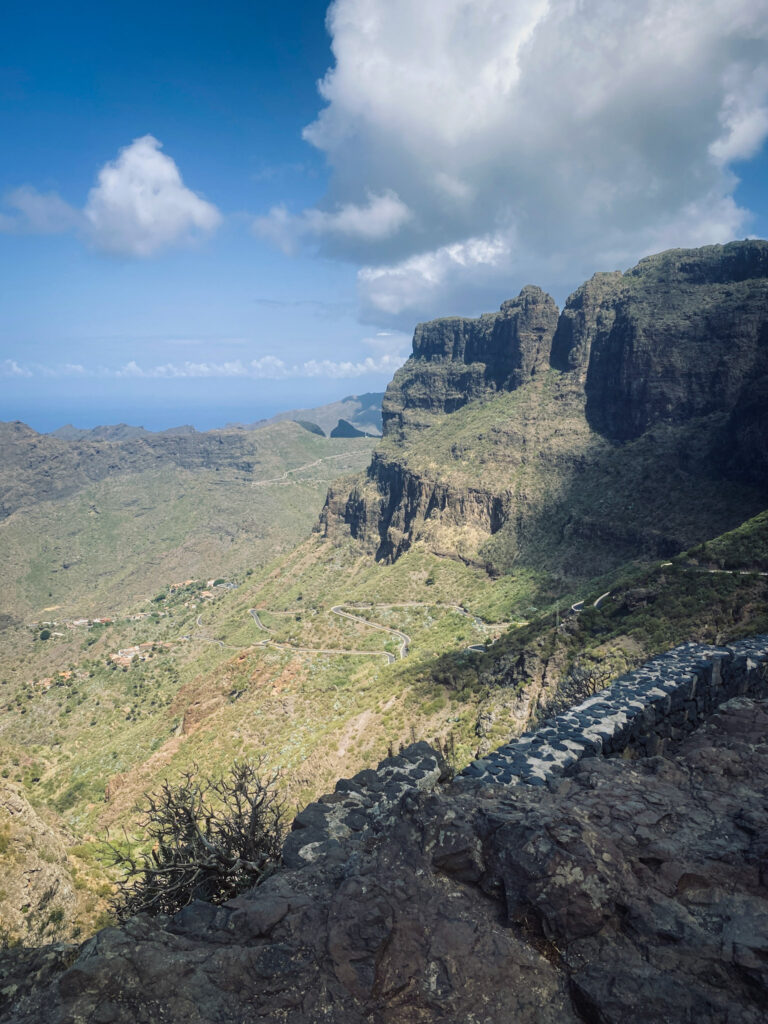
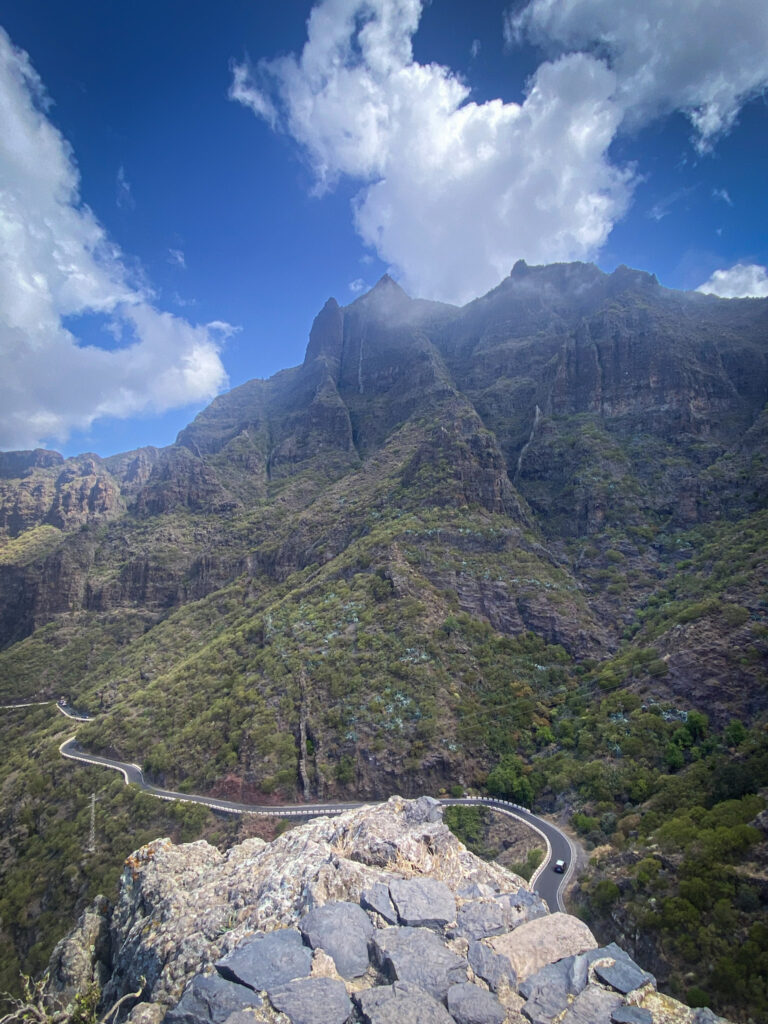
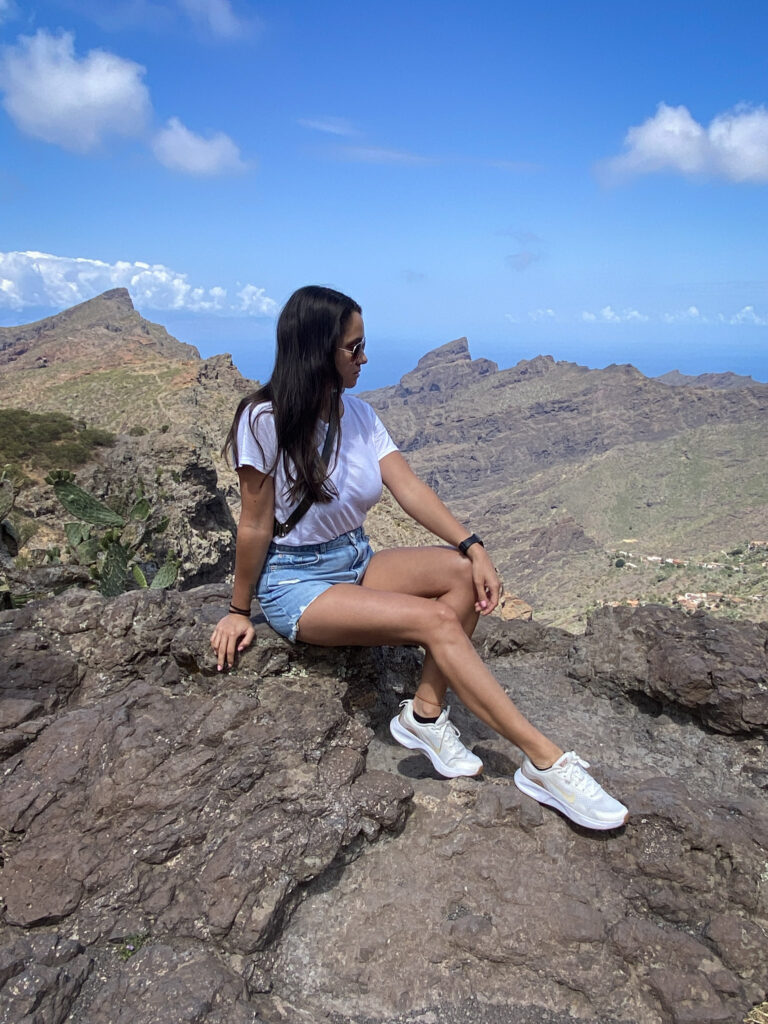
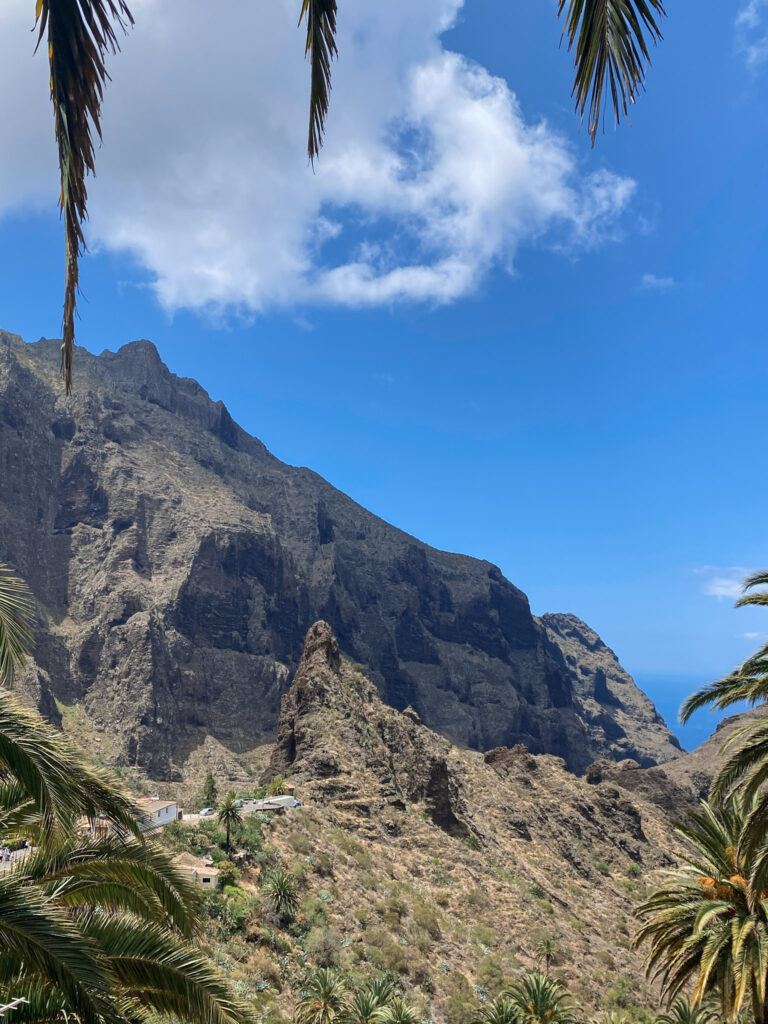
If Tenerife has a “you have to see it to believe it” moment, it’s the drive into Masca. The road twists through the Teno Mountains in a series of switchbacks tight enough to make you grip the wheel, with the village itself appearing almost impossibly wedged into a ravine below.
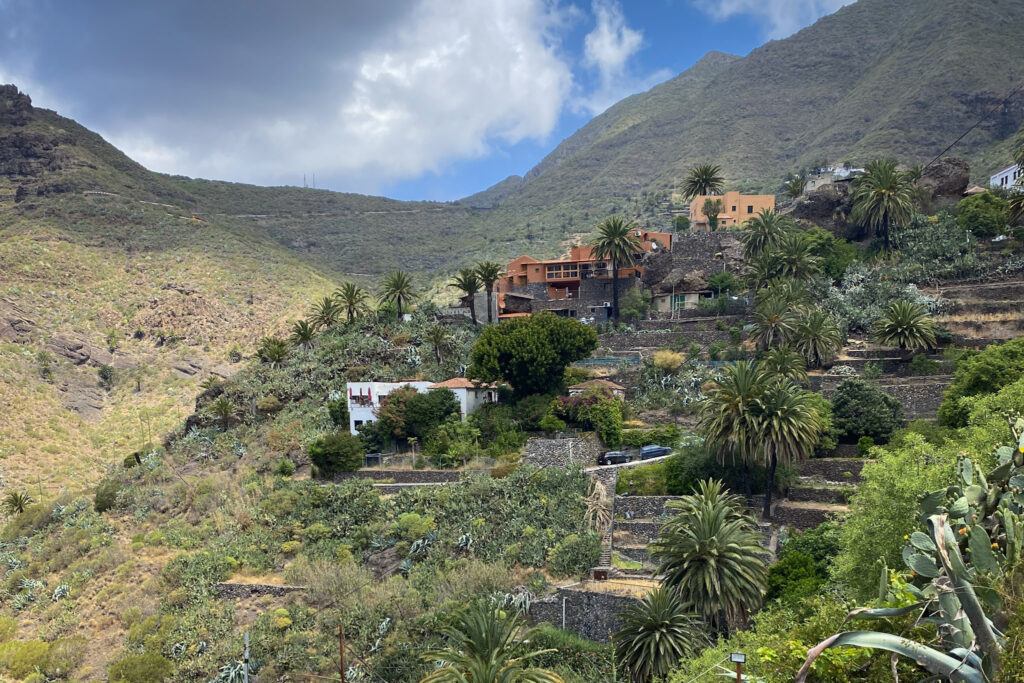
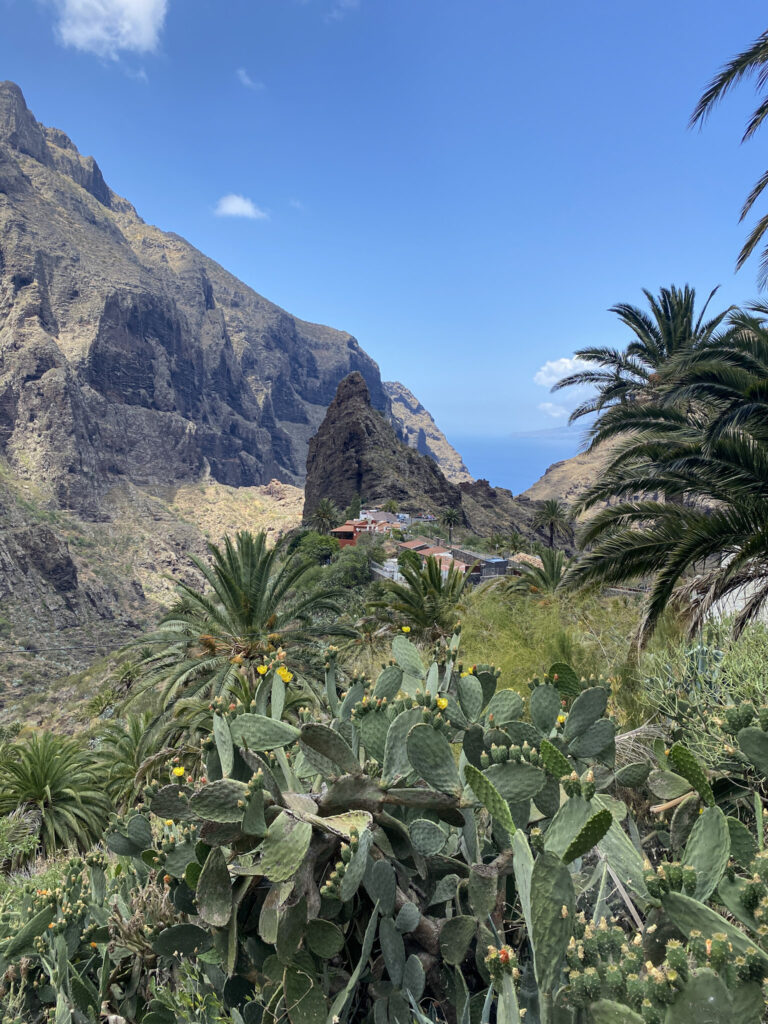
Jet Lag Jelly Tip: The road is narrow and not for anyone prone to car sickness — go slow, pull into the designated viewpoints rather than stopping mid-road, and consider going early to beat both the heat and the tour buses.
2. Parque Nacional del Teide and Mount Teide
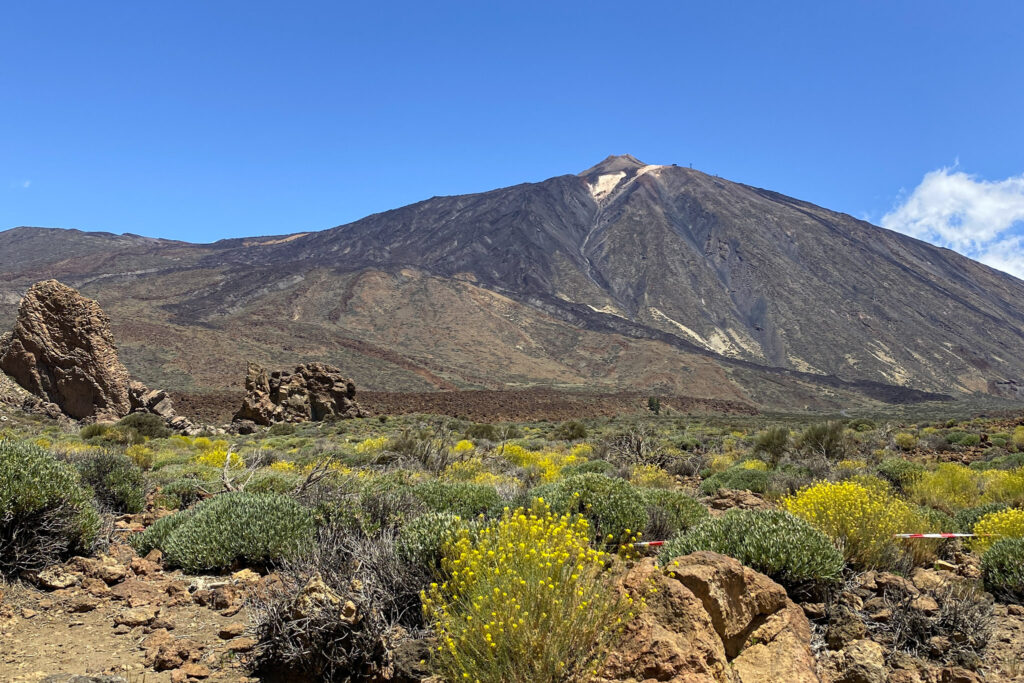
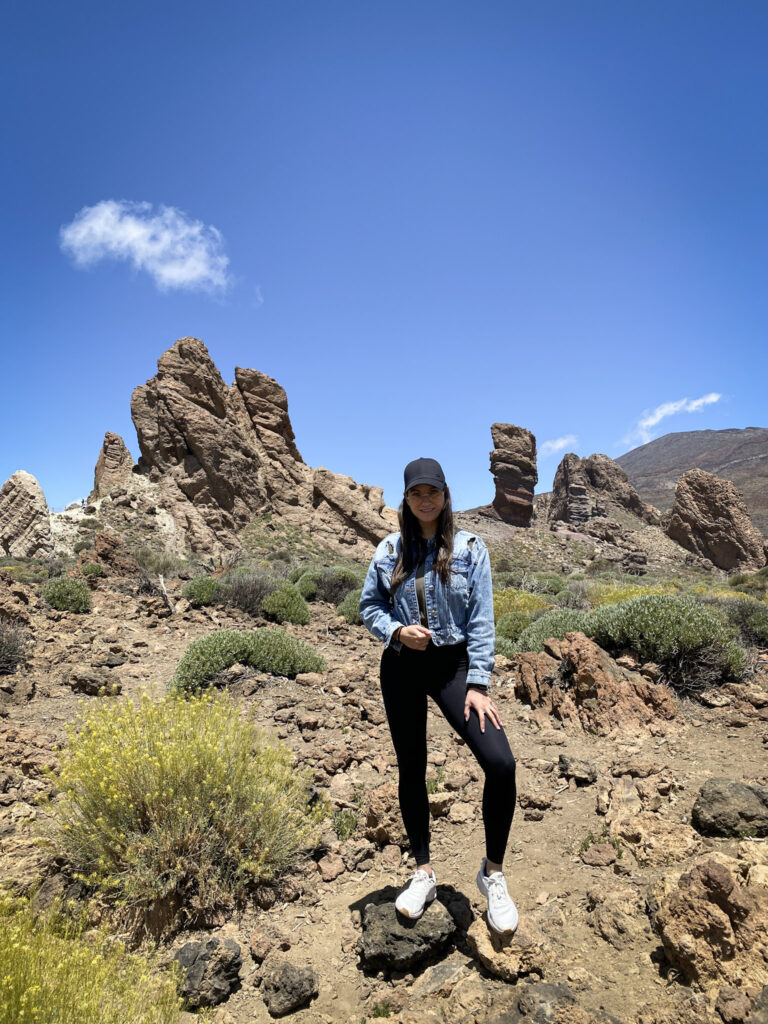
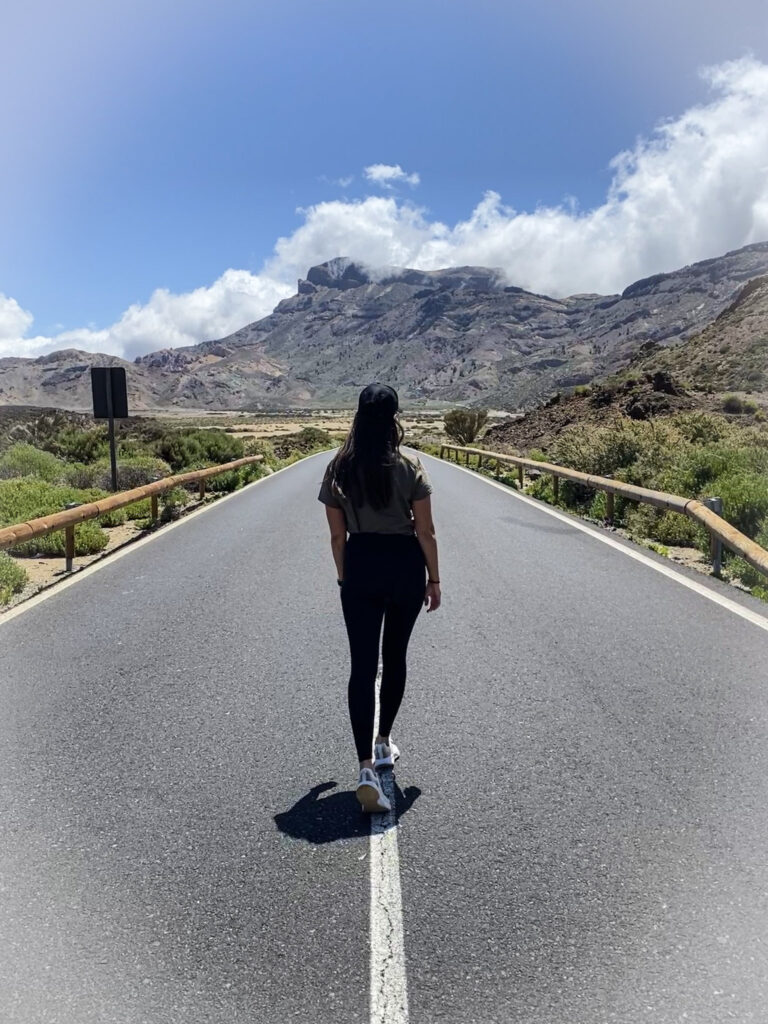
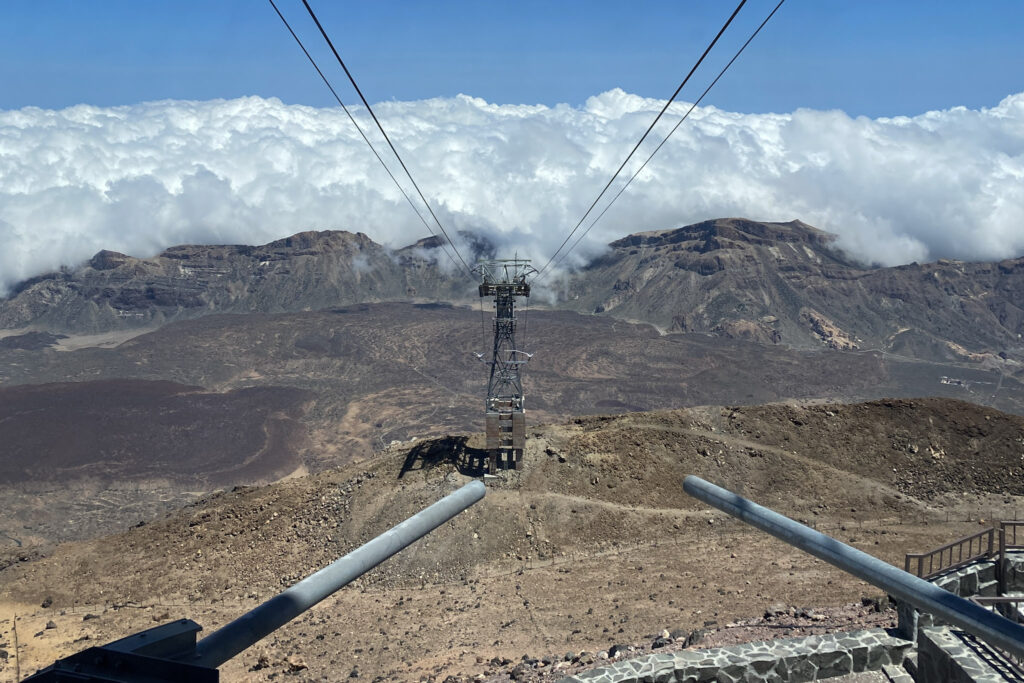
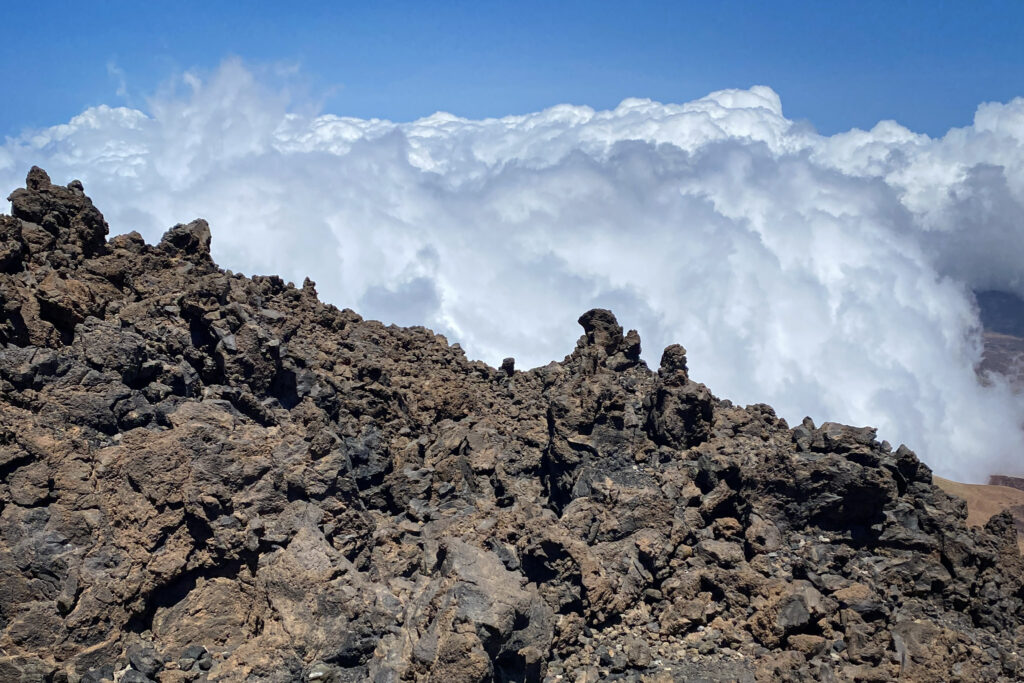
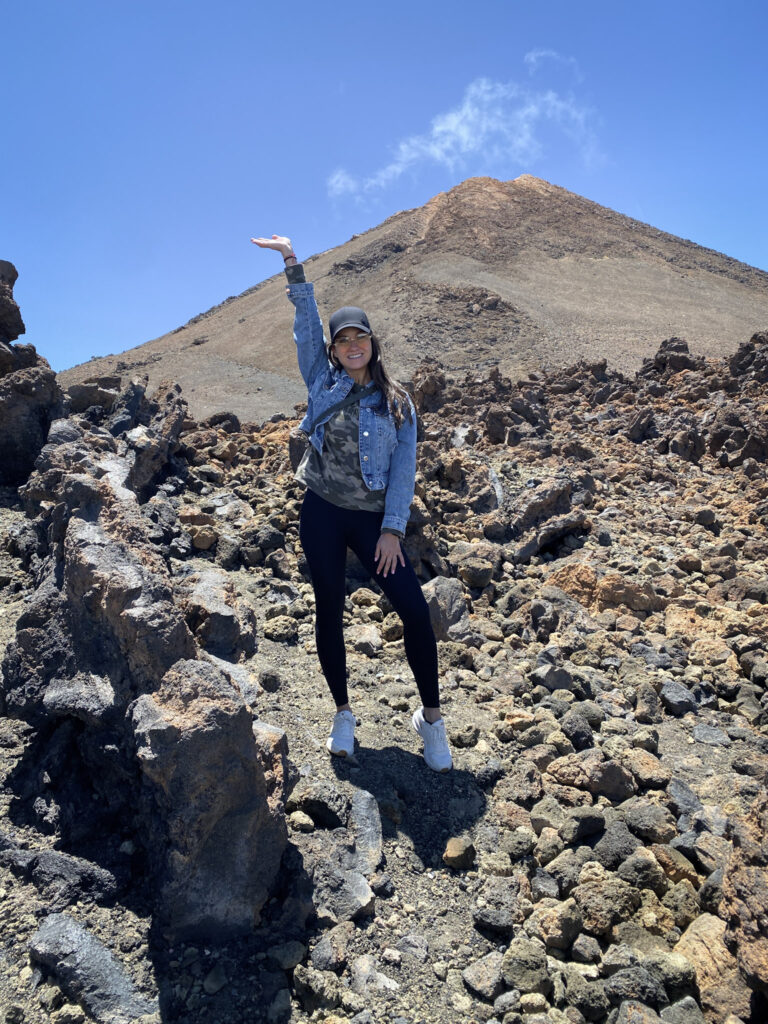
The centerpiece of the island, and honestly one of the strangest landscapes we’ve walked through anywhere — a national park built around Spain’s highest peak, sitting inside what used to be a massive volcanic caldera. The terrain looks more like Mars than the Canary Islands: red and black volcanic rock, dramatic lava formations, and views that stretch out over clouds sitting below you.
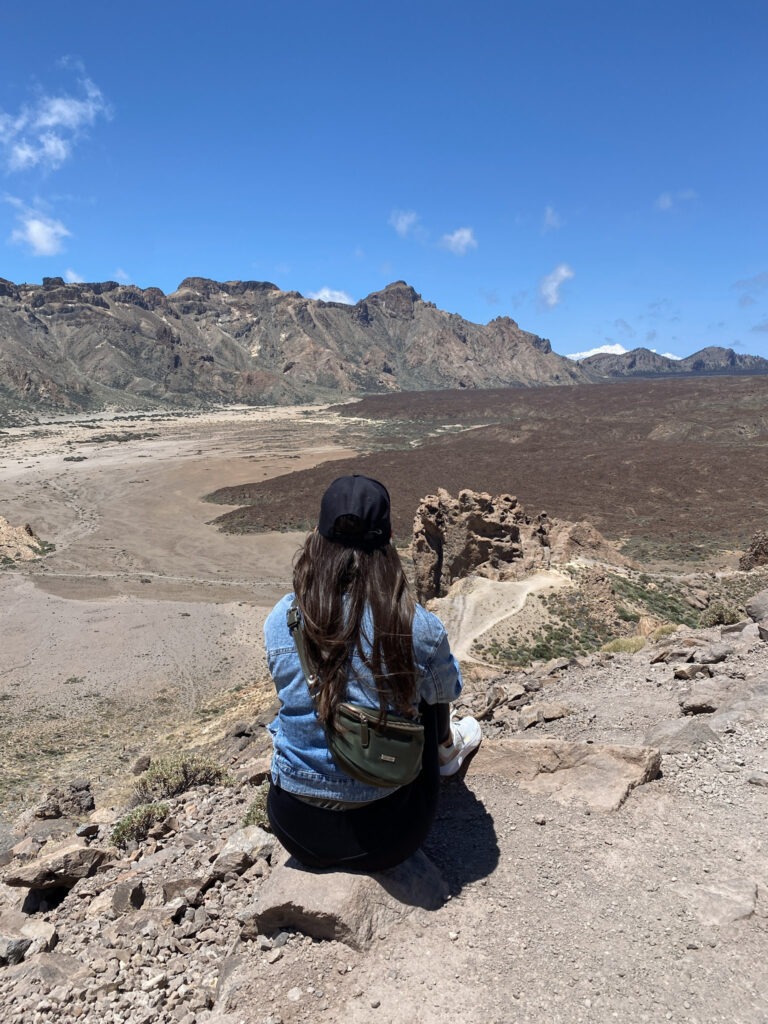
The caldera floor. Long before you even reach the cable car, the drive into the park is a destination in its own right. The Las Cañadas caldera spreads out in every direction — pale rock formations, twisted lava fields, and the famous Los Roques de García rock formation rising straight out of the volcanic plain. Give yourself time to pull over at the viewpoints; this stretch alone could fill half a day of photos.
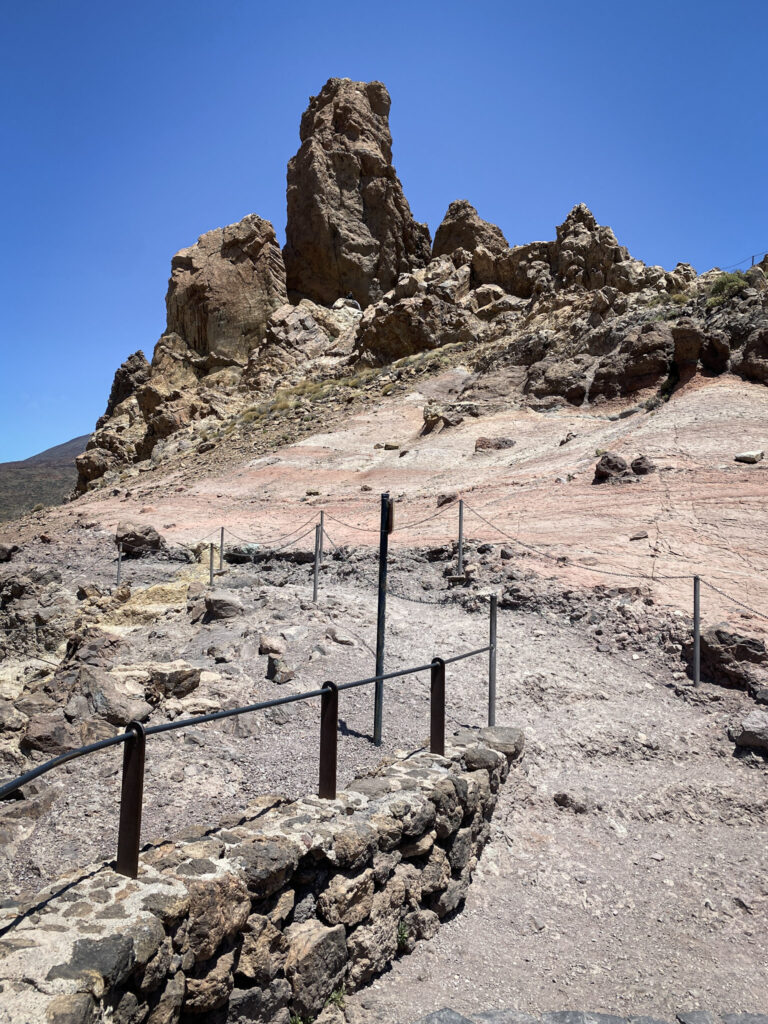
The cable car and summit. The Teide cable car climbs to just below the summit in around eight minutes, and the view from the top station is one of the best on the island — on a clear day, you can see across to neighboring islands like La Gomera and La Palma, floating above a sea of clouds. If you’ve booked the separate summit permit, the final stretch on foot takes you to the true peak at 3,715 meters, the highest point in Spain.
Book Teide Cable Car tickets and the summit permit via the official site.
Stargazing. Teide’s isolation and altitude make it one of the best stargazing spots in the world, and the park is an officially certified Starlight Reserve. Several operators run evening astronomy tours with telescopes if you want to make a night of it rather than just a day trip.
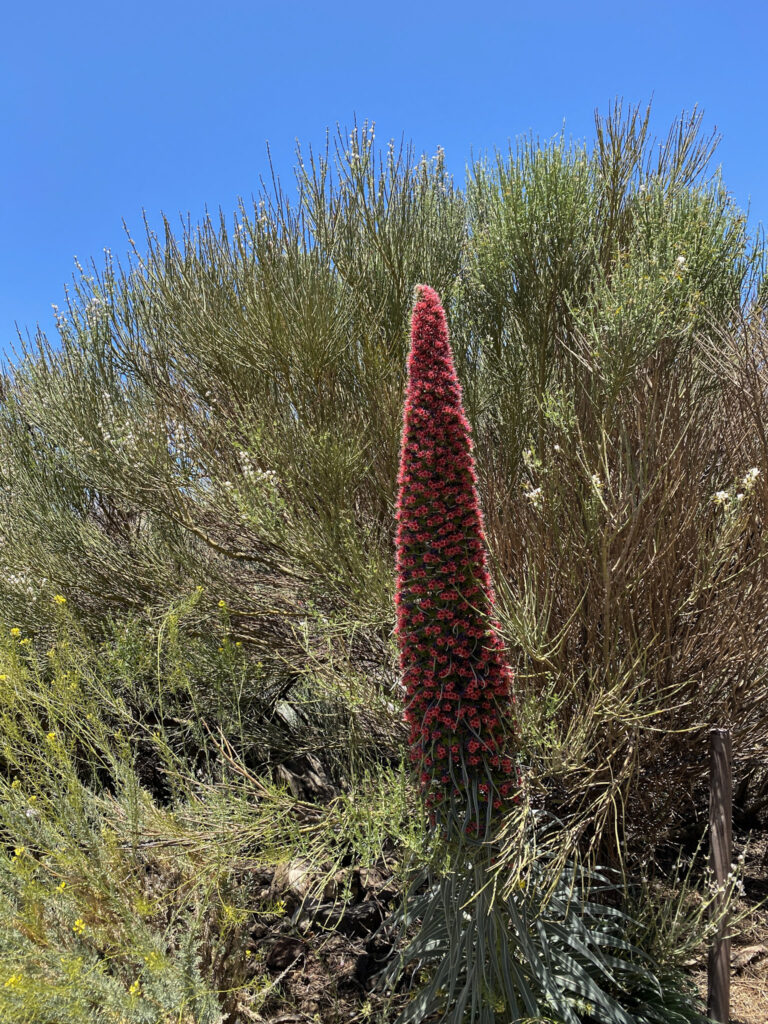
Native flora. Look out for the Tajinaste rojo — a tall, spiky red-flowered plant endemic to Teide National Park and found almost nowhere else on Earth. It blooms in late spring (May–June), and when the caldera floor is dotted with them, it’s one of the most striking sights in the park.
Jet Lag Jelly Tip: The cable car up Mount Teide requires a separate summit permit if you want to walk the final stretch to the actual peak — book both well in advance, since permits are capped daily and sell out. Temperatures at the top run significantly colder and windier than at sea level, even in summer, so bring a proper layer.
3. Garachico, Parque del Drago, and Icod de los Vinos — Las Cañas Butterfly Farm
Three stops that pair naturally together on the north coast. Garachico is a small town almost entirely rebuilt after a volcanic eruption buried the original in lava — its natural volcanic rock swimming pools are now one of the best free things to do on the island.
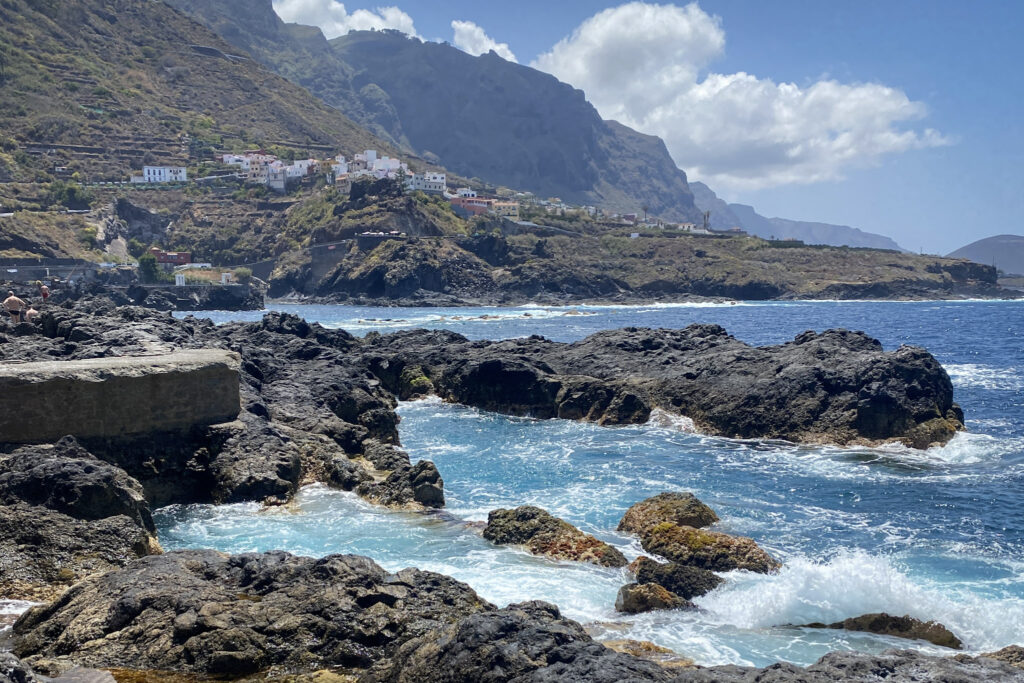
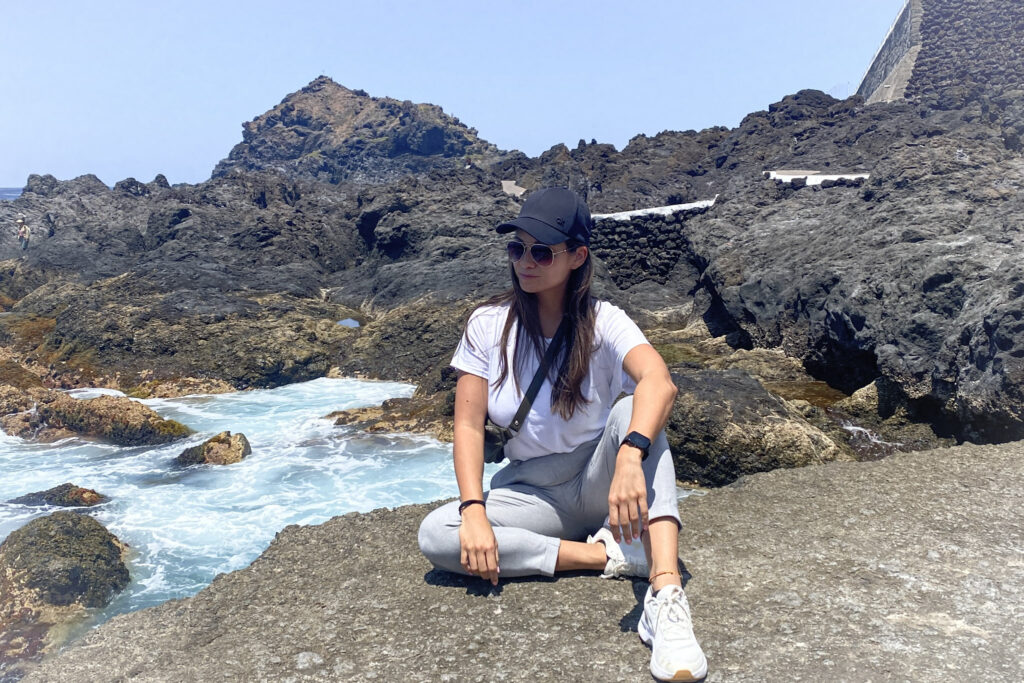
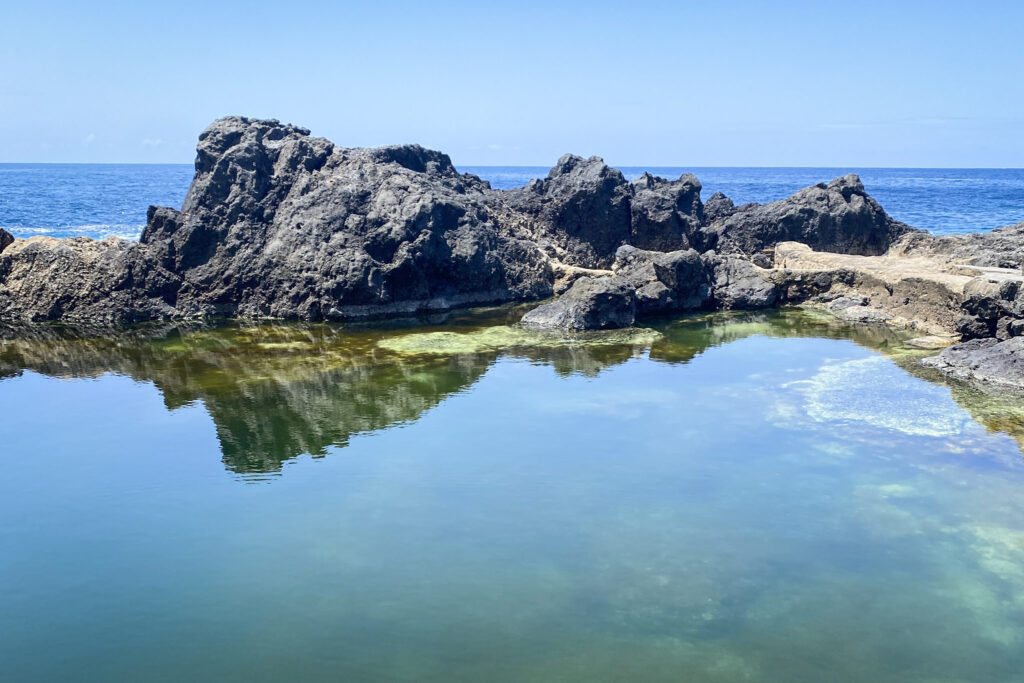
A short drive away, Icod de los Vinos is home to the Drago Milenario, a dragon tree estimated to be well over a thousand years old and one of the oldest living things on Tenerife.
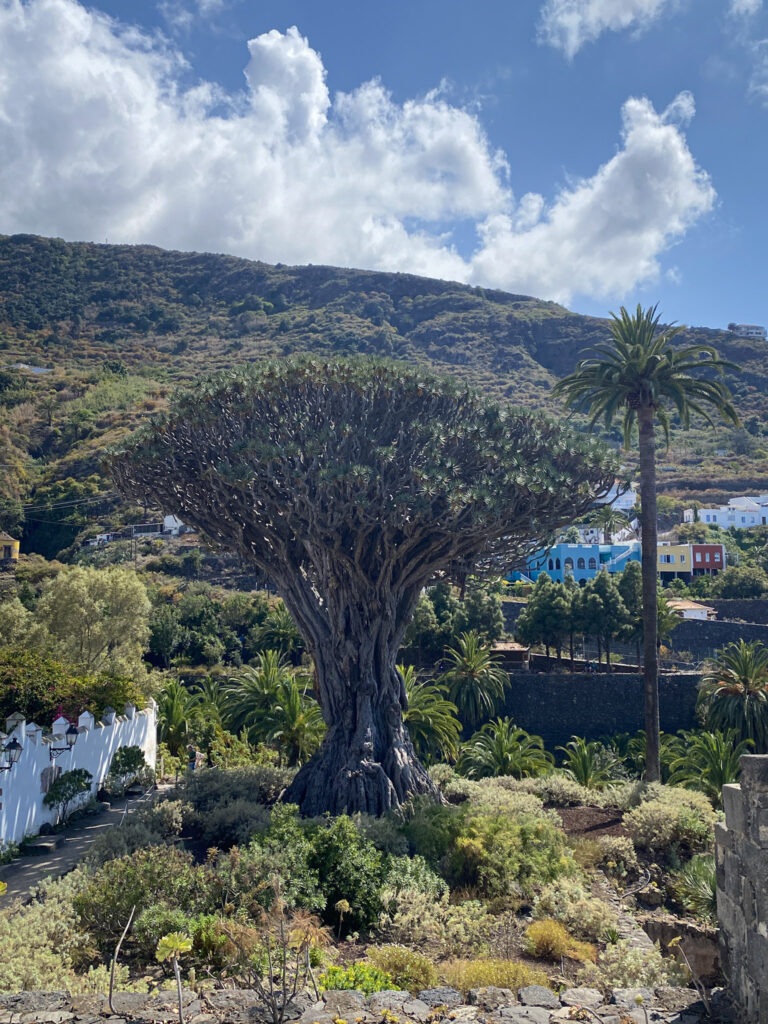
Round it off at Las Cañas Butterfly Farm, a small but genuinely lovely walk-through garden filled with free-flying butterflies from around the world.
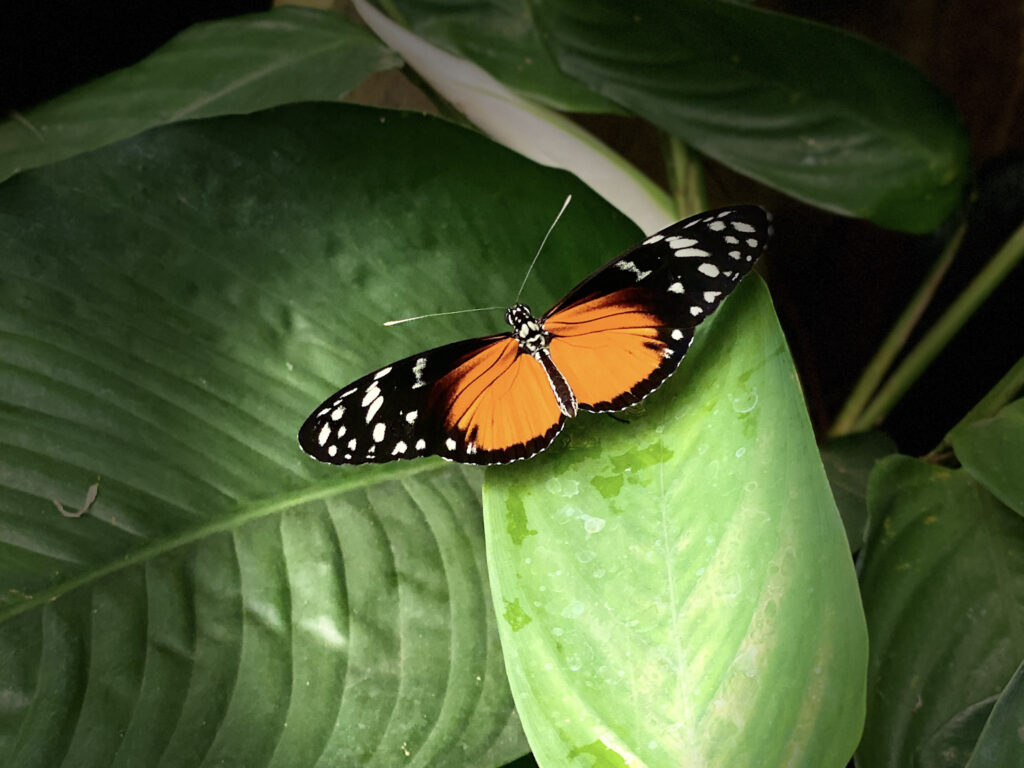
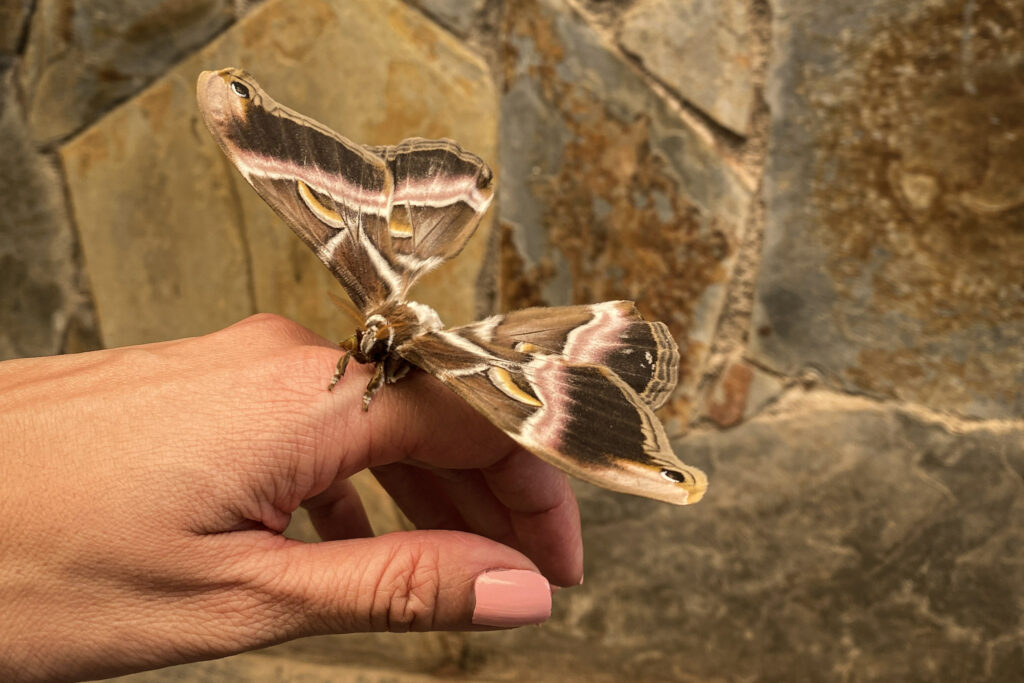
Jet Lag Jelly Tip: Garachico's natural pools (El Caletón) are formed from old lava flow, so wear water shoes — the rock is uneven and can be sharp underfoot.
4. Loro Parque
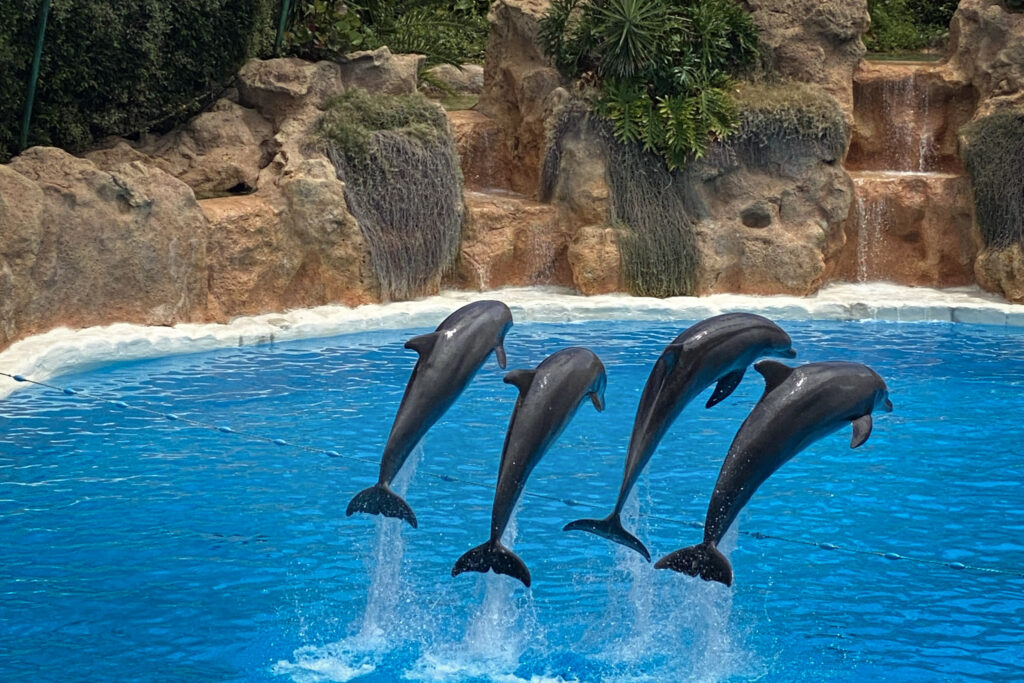
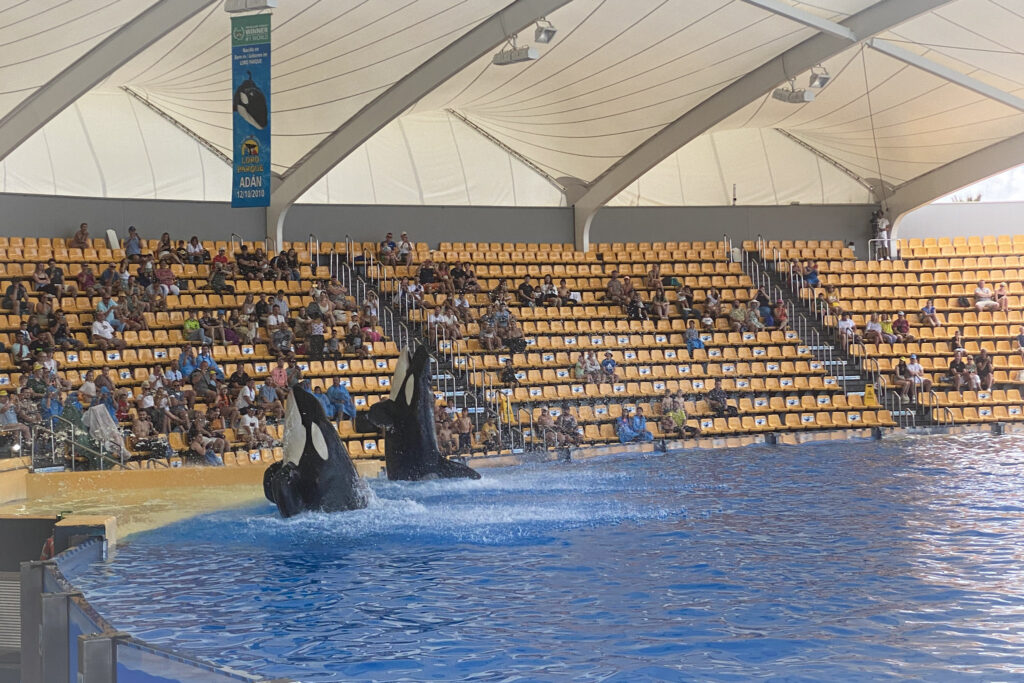
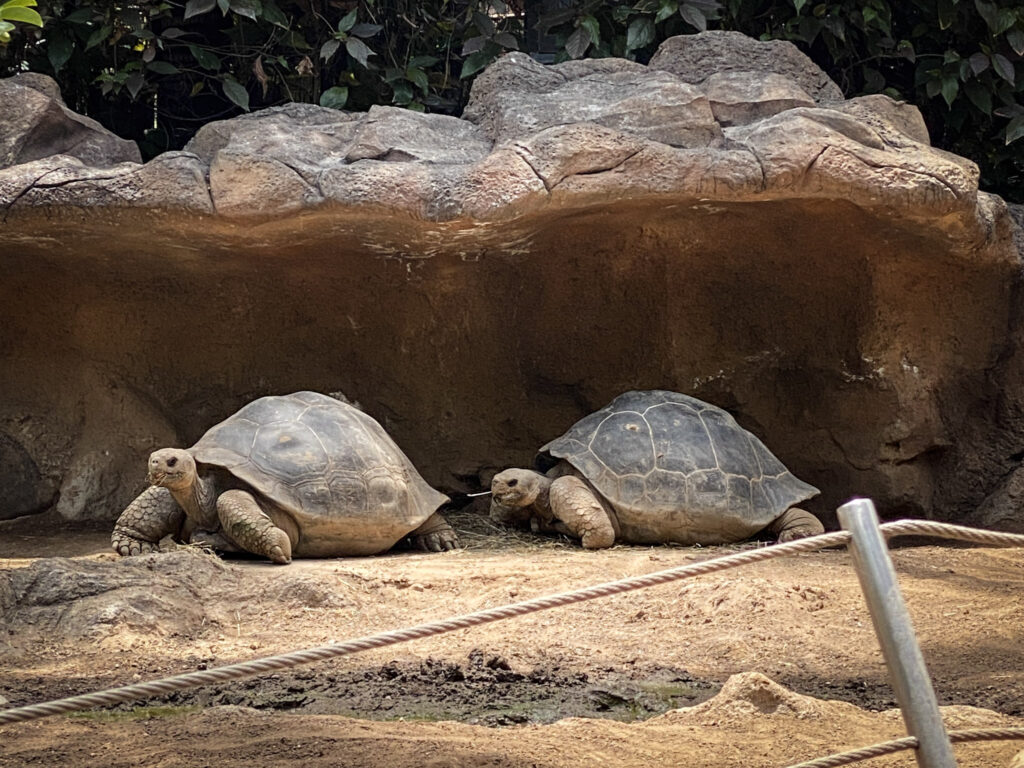
One of the most highly rated zoos and animal parks in the world, located in Puerto de la Cruz. Beyond the usual draws — the parrots the park is named for, dolphins, orcas — it’s the sheer scale and quality of the habitats that stands out, closer to a well-designed botanical garden than a typical zoo.
Book Loro Parque tickets via GetYourGuide.
Jet Lag Jelly Tip: Buy tickets online in advance for a discount over gate prices, and arrive at opening if you want to catch the shows without fighting the busiest crowds of the day.
5. City Sightseeing: Puerto de la Cruz, Santa Cruz, and San Cristóbal de La Laguna
Three very different towns, each worth a day of its own — old-town charm, capital-city energy, and colonial history, all within easy reach of each other.
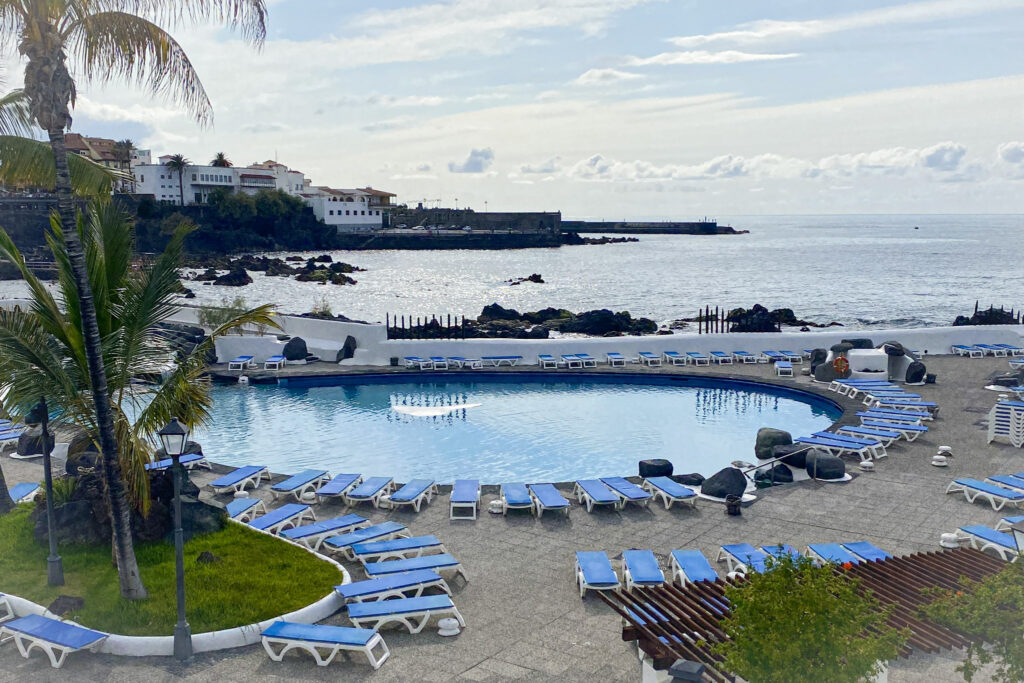
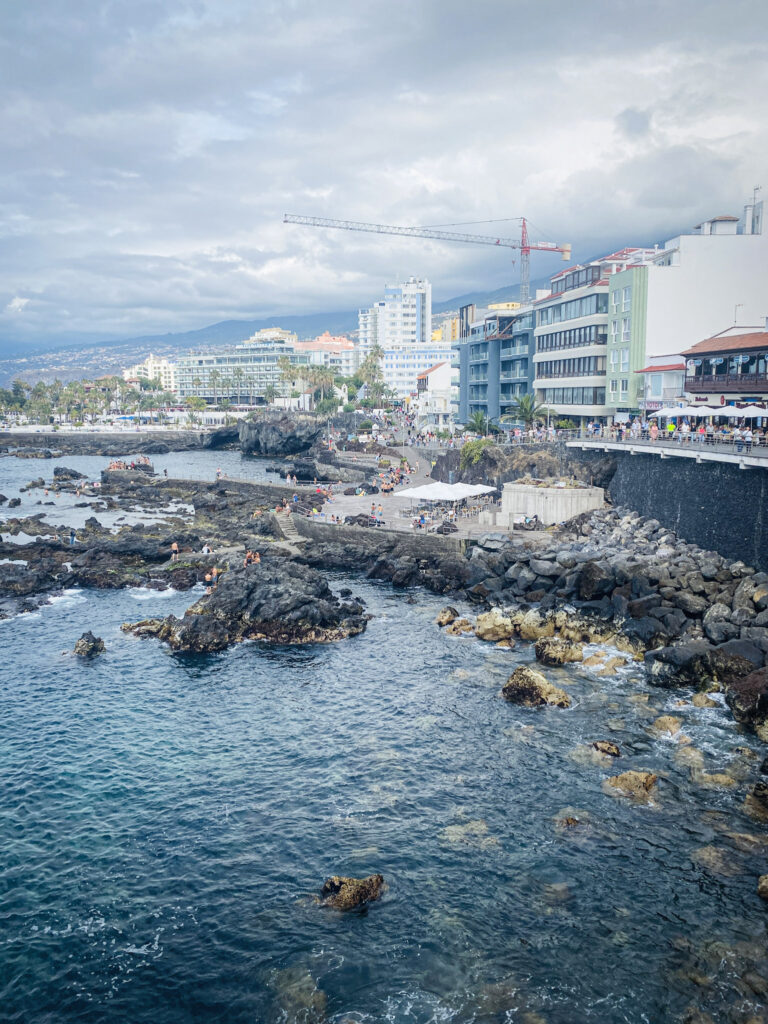
Puerto de la Cruz: The north coast’s original tourist town, and still one of the most charming — narrow old-town streets, a black-sand coastline right in the center, and the Lago Martiánez, a striking César Manrique-designed complex of seawater pools and volcanic-rock islands. It’s a slower, more local-feeling base than the resorts in the south.
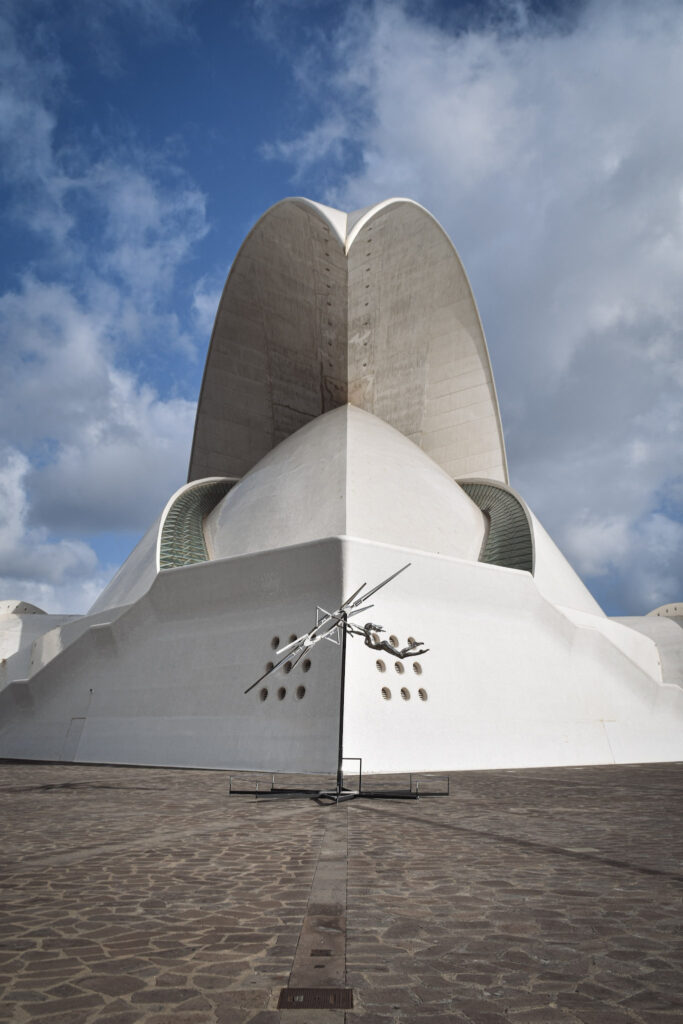
Santa Cruz de Tenerife: The island’s capital brings proper city energy — striking modern architecture like the Auditorio de Tenerife (the island’s answer to the Sydney Opera House), a lively waterfront, and Mercado de Nuestra Señora de África, a covered market worth wandering for the produce, flowers, and local snacks alone. It’s also the best base for ferry connections if you’re island-hopping.
San Cristóbal de La Laguna: A UNESCO World Heritage Site and the historic heart of the island — colonial-era streets laid out in a grid that became the blueprint for city planning across Spanish colonial America. Wander the old town for pastel-colored facades, wooden balconies, and a genuinely lived-in, un-touristy old town feel compared to the resort areas.
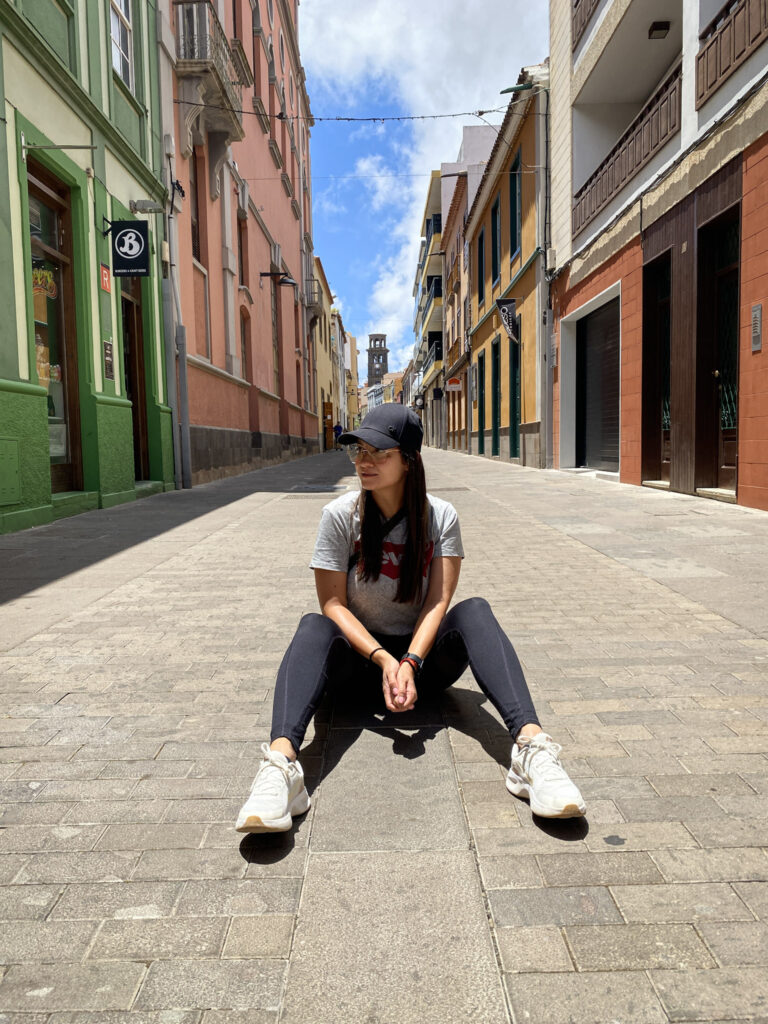
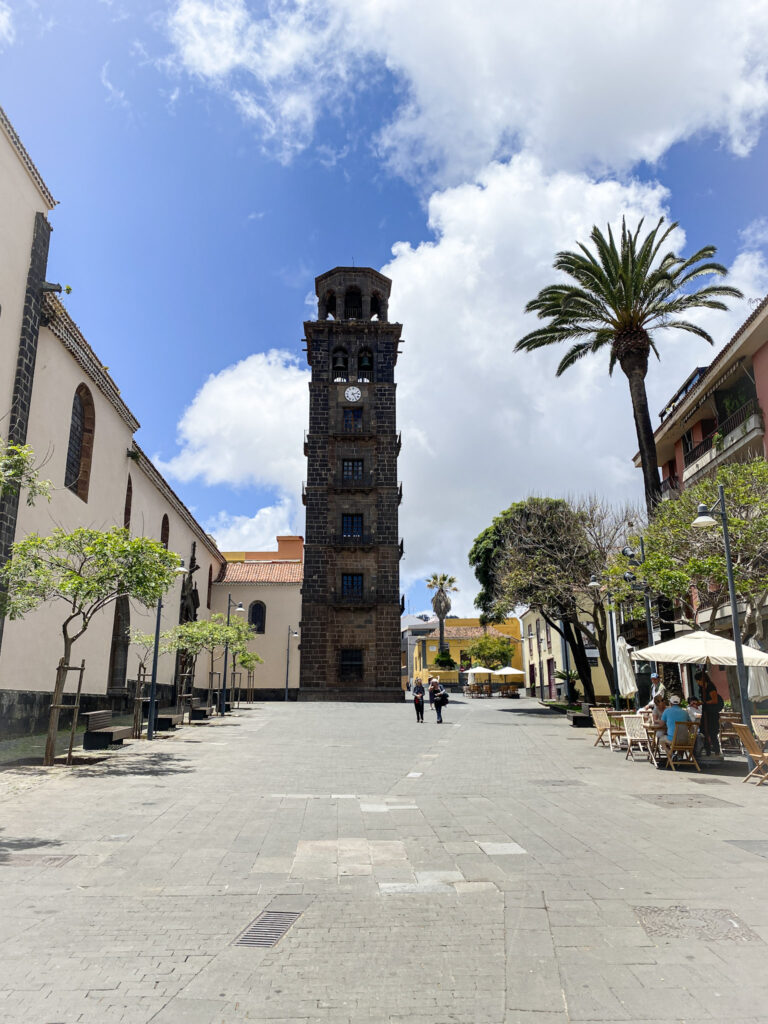
Jet Lag Jelly Tip: La Laguna is easily done as a half-day add-on to Santa Cruz — the two are a short tram ride apart.
6. Parque Rural de Anaga
The complete opposite of the volcanic south — a lush, ancient laurel forest in the island’s northeastern tip, criss-crossed with hiking trails and often wrapped in mist rolling in off the Atlantic. It’s one of the oldest forest ecosystems in the world, and it barely feels like the same island as the black lava fields further south.
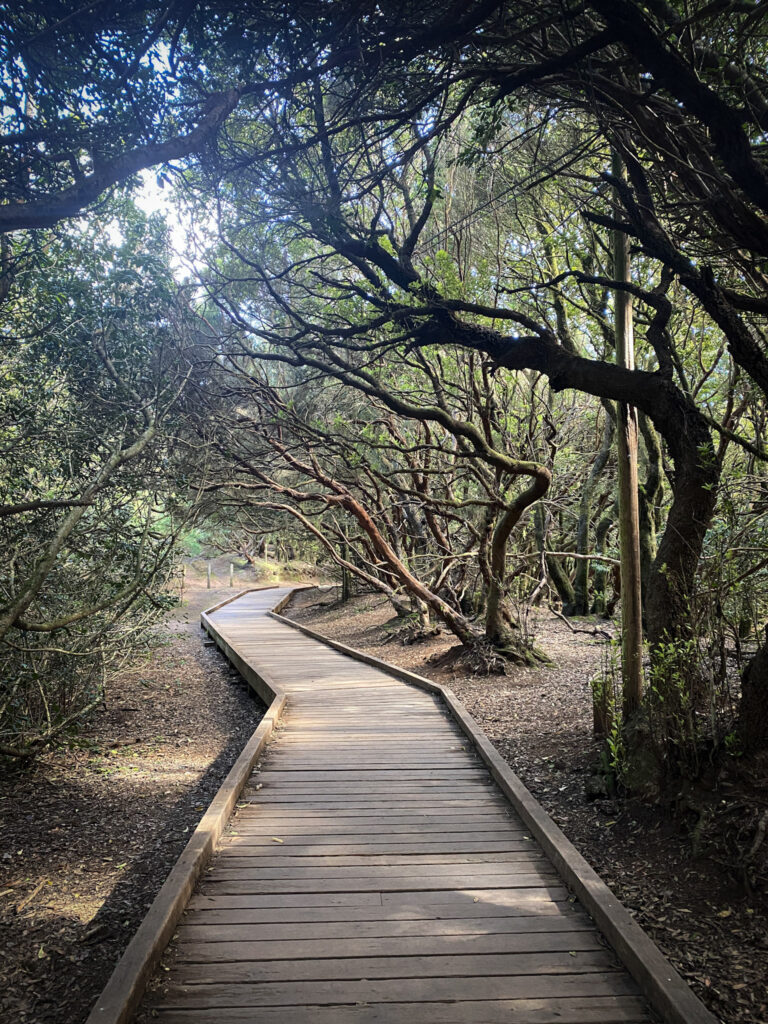
Jet Lag Jelly Tip: Fog and cloud cover roll in fast here — bring a light layer even if it's sunny everywhere else on the island, and check trail conditions before setting out.
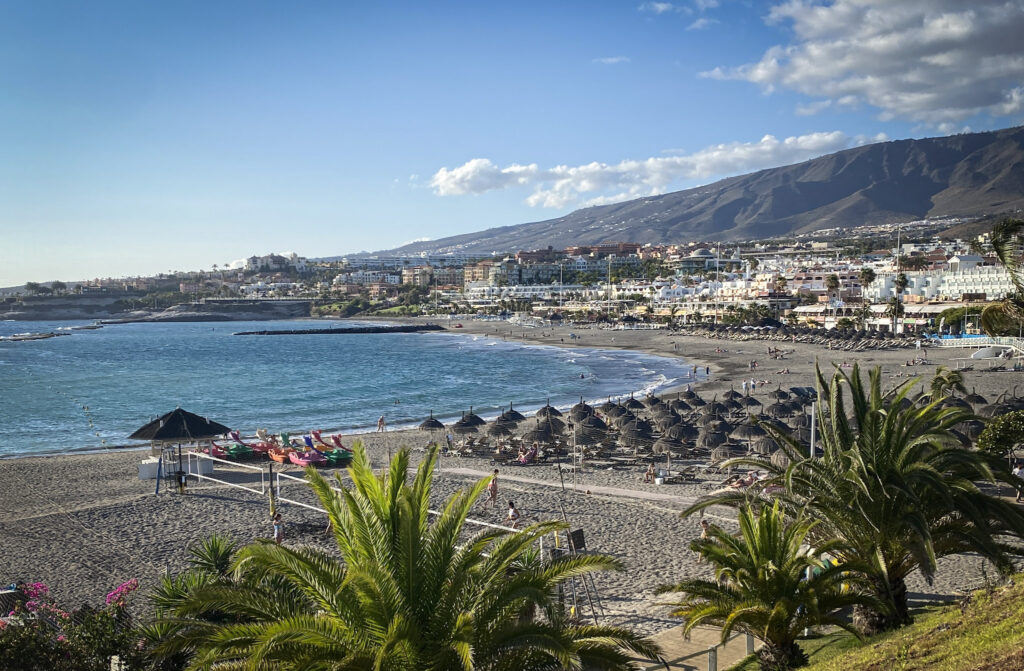
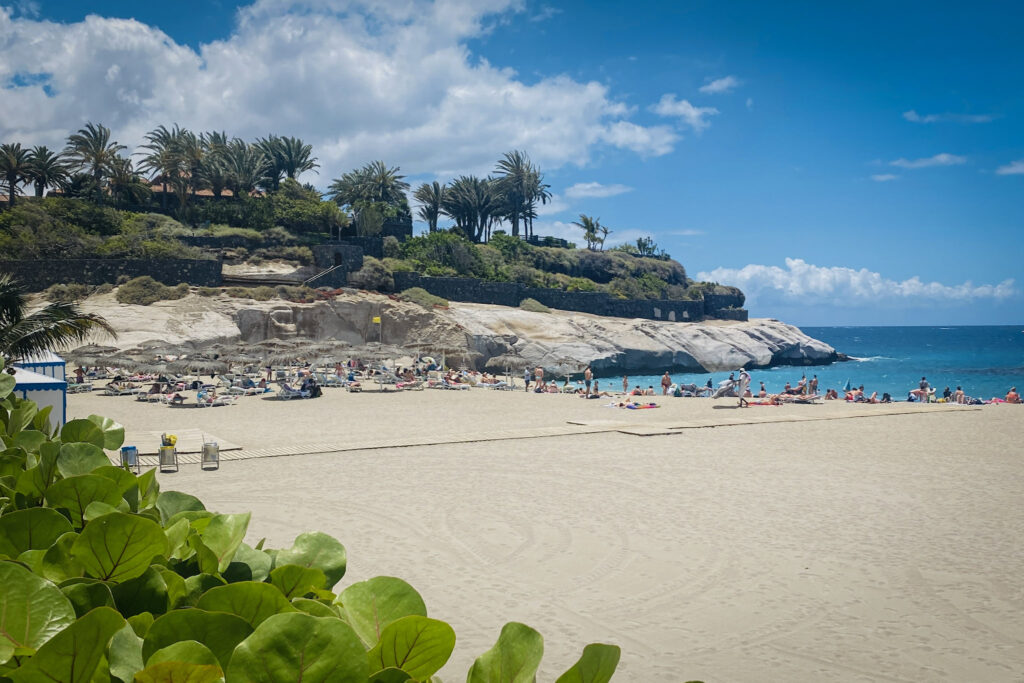
7. Playa La Pinta, Puerto Colón
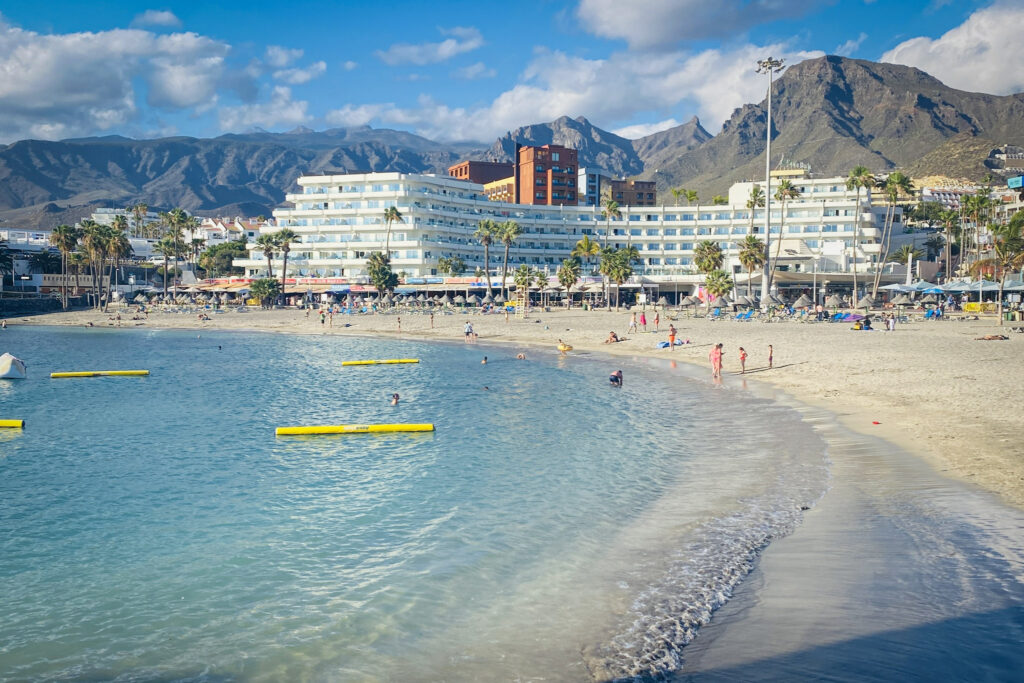
A calm, sheltered beach in the south of the island, popular for its clear water and easy access to Puerto Colón’s marina — a good spot to slow down after a few days of driving and hiking.
8. Adeje
The resort hub of the south, and a good base if you want beach access alongside restaurants, nightlife, and easy day-trip distance to most of the island’s other stops. The old town center still has a quieter, more traditional Canarian feel away from the main resort strip.
9. Acantilados de Los Gigantes
Sheer cliffs rising as high as 800 meters straight out of the Atlantic — one of the most dramatic coastal views on the island, and best appreciated from the water rather than the clifftop above.
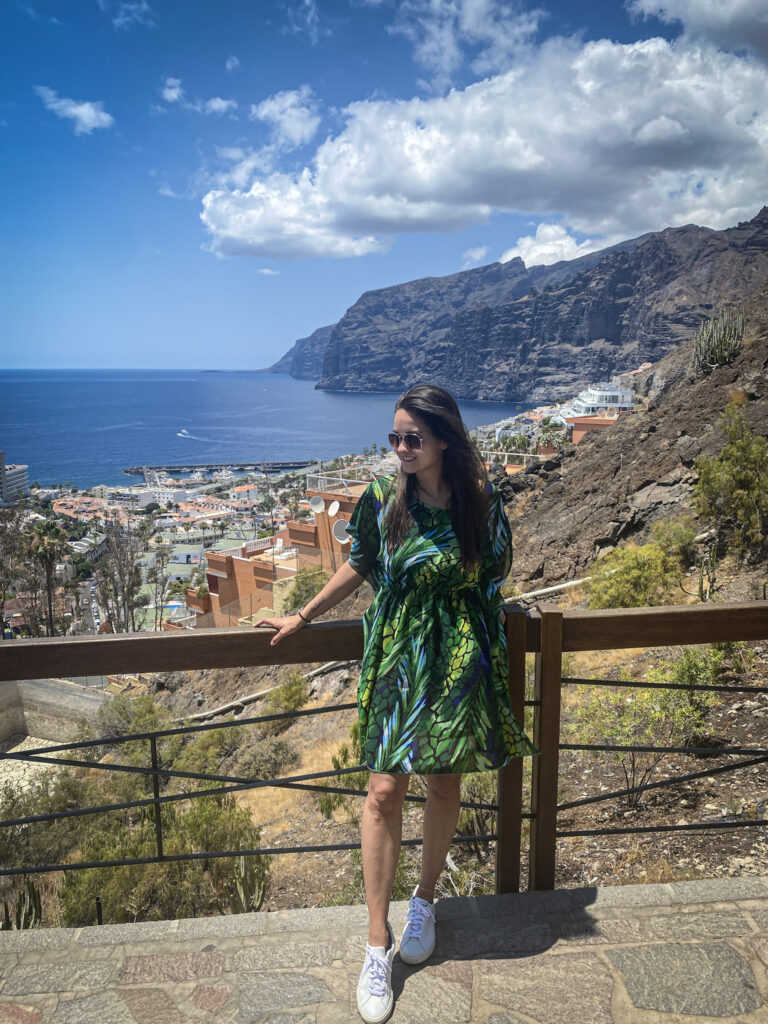
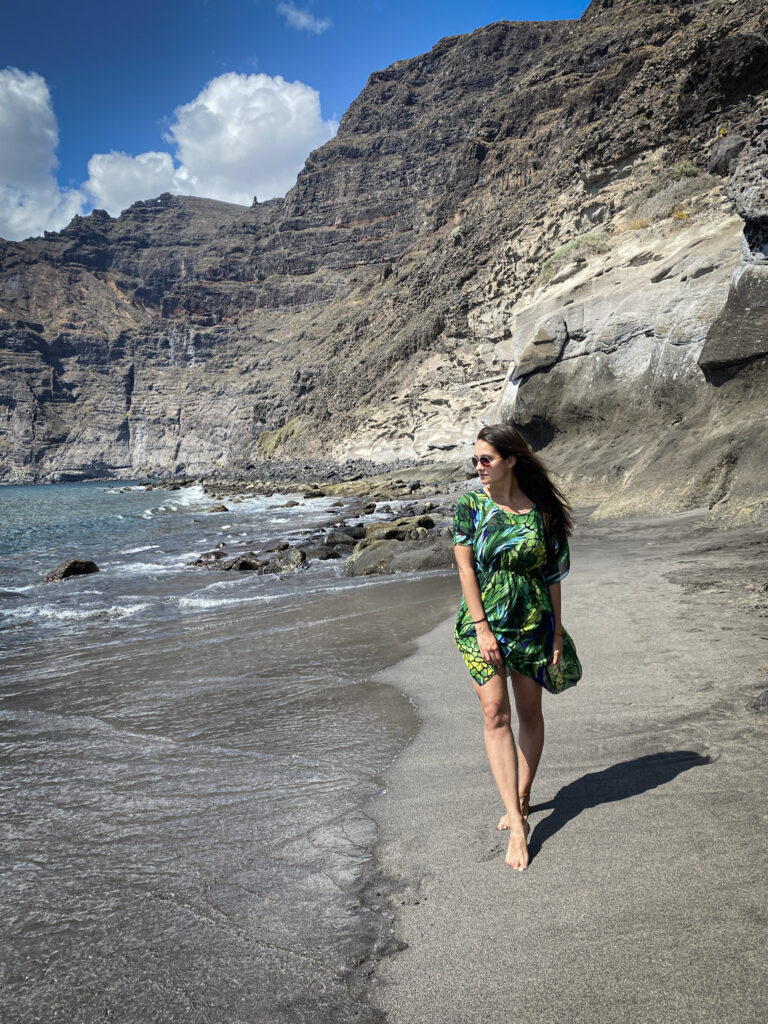
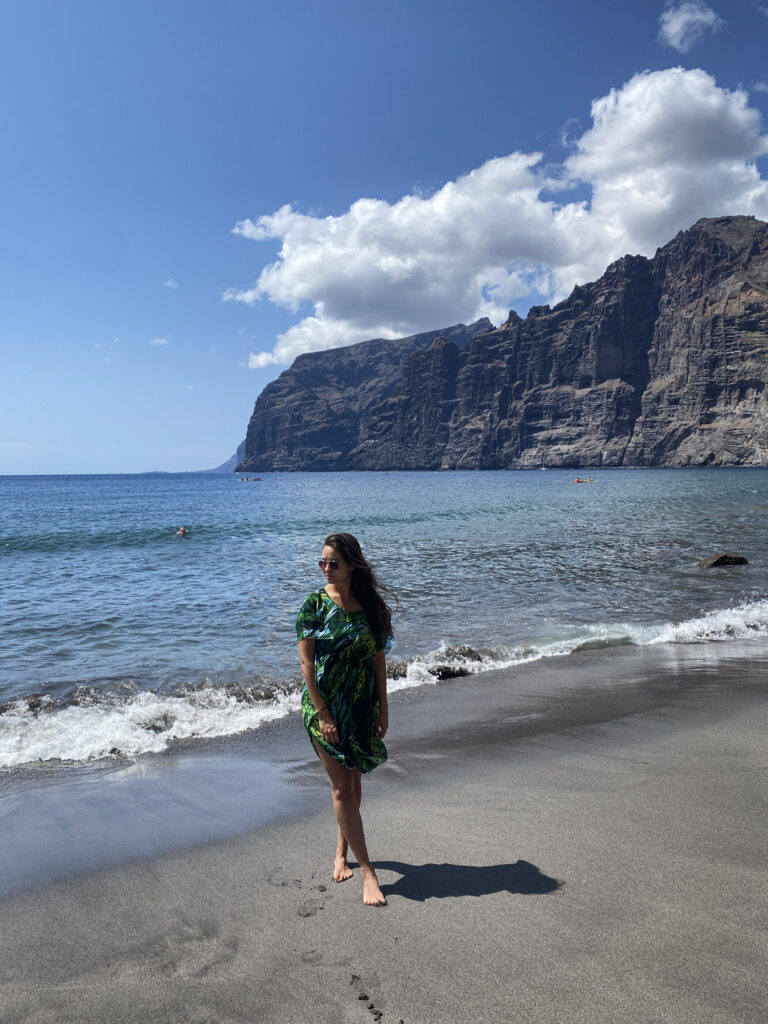
Jet Lag Jelly Tip: A boat tour along the base of the cliffs is the best way to actually take in the scale of Los Gigantes — most dolphin and whale-watching cruises departing from the south of the island route past them.
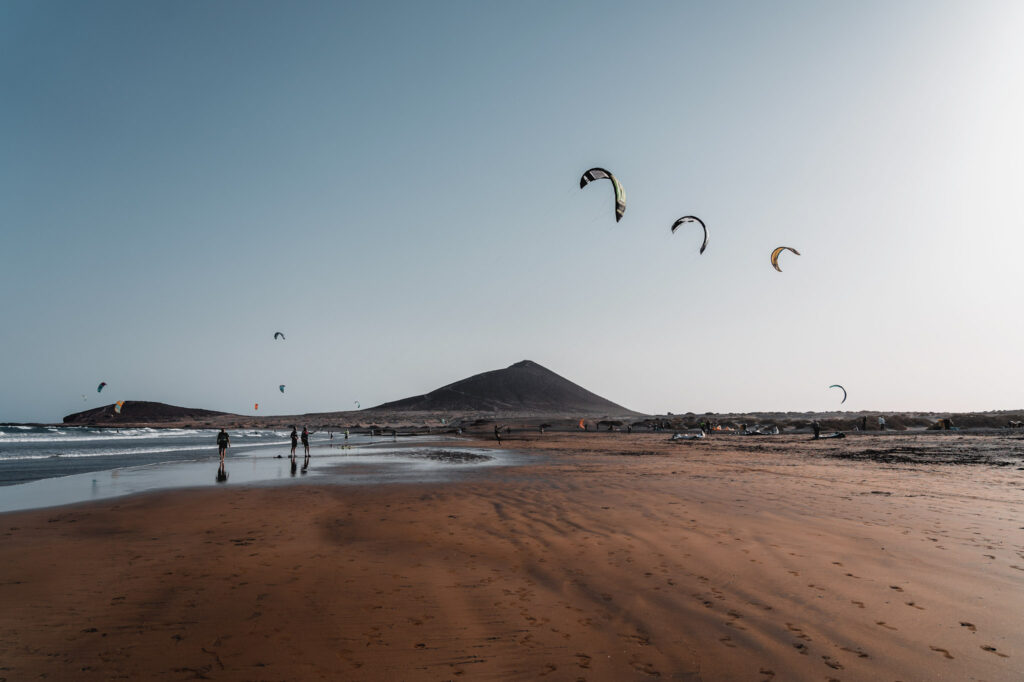
10. El Médano Beach
A wide stretch of golden sand on the island’s southeast coast, well known among windsurfers and kitesurfers for its consistent wind — a good spot to watch the action even if you’re not getting in the water yourself.
Bonus: Dolphin and Whale Watching Cruise
Tenerife’s coastline is home to one of the largest resident populations of pilot whales and dolphins in the world, and a boat trip out to see them is one of the most memorable things to do on the island. Most cruises depart from the south (Los Cristianos or Puerto Colón) and combine wildlife watching with views of the coastline, including Los Gigantes on longer routes.
Book a dolphin and whale watching cruise via GetYourGuide.
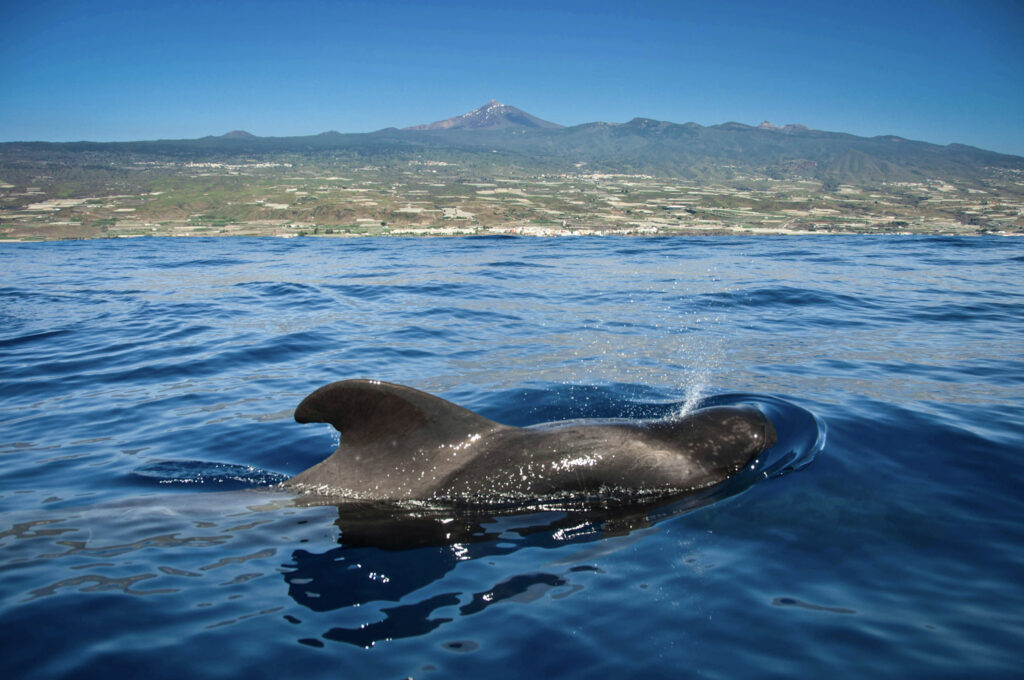
Jet Lag Jelly Tip: Look for operators following responsible whale-watching guidelines (keeping their distance, limiting time near pods) — Tenerife's waters are protected, and a good operator won't crowd the animals for a better photo.
Getting Around: Renting a Car
A car is close to essential for this itinerary — Masca, Anaga, Teide, and most of the north coast stops are either poorly served by public transport or much slower to reach without one. Roads are well-maintained island-wide, though the mountain routes (especially into Masca) are narrow and winding, so go in with a bit of extra patience.
Compare rental car prices in Tenerife via DiscoverCars — it pulls quotes from all the major providers on the island, so you can compare before booking directly.
Jet Lag Jelly Tip: Book as early as you can, especially in peak season — good, well-reviewed cars sell out, and prices climb the closer you get to your travel dates.
Where to Stay
Puerto de la Cruz is the better base if you want easy access to the north (Teide, Garachico, Anaga) and prefer a town with more local character than resort polish. Browse Puerto de la Cruz hotels.
Adeje or Costa Adeje works best if beach time and resort amenities are the priority, with easy access to the south’s boat tours and Los Gigantes. Browse Costa Adeje hotels.
Best Time to Visit Tenerife
Tenerife has a mild, sunny climate nearly year-round, but April–June and September–October hit the sweet spot — warm enough for the beach, cooler up at Teide, and outside the busiest peak-summer and Christmas/New Year crowds.
Budget
Backpacker: ~€40–60/day — hostel stay, self-catering or cheap local meals, public transport and free viewpoints
Mid-range: ~€90–150/day — mid-range hotel, rental car, paid attractions like Loro Parque and the Teide cable car
Luxury: €250+/day — resort-style hotel in Costa Adeje, private tours, boat charters
FAQ
Do you need a car in Tenerife? Yes, if you want to see beyond your resort area — public transport connects the main towns, but spots like Masca, Anaga, and the more remote viewpoints are far easier and faster with your own car.
How many days do you need in Tenerife? A week gives you enough time to cover the north, the south, and Mount Teide without rushing — though even four or five days covers the highlights if you plan efficiently.
Do you need a permit to hike Mount Teide? Only if you want to walk the final stretch to the actual summit — the cable car itself doesn’t require one, but the last leg on foot needs a free, capped daily permit booked in advance.
Is Tenerife good for a family trip? Yes — Loro Parque, the calmer beaches in the south, and the dolphin-watching cruises are all easy wins for families, alongside the more adventurous stops like Teide and Masca for older kids.
Can you see whales and dolphins year-round in Tenerife? Yes — Tenerife has one of the few resident (not migratory) populations of pilot whales in the world, so sightings are possible on cruises throughout the year.
Summary
Tenerife rewards anyone willing to leave the resort strip. Ten stops, and barely two of them look alike — a volcanic moonscape at Teide, a rainforest at Anaga, cliffside villages at Masca, and black-sand beaches all on one island small enough to circle by car in a day. Give it a week if you can, and don’t skip the drive to Masca.
Planning a Tenerife trip? Check out my Top 10 Beaches in Tenerife guide too, or explore more of my island and coastal coverage: Best 10 Beaches in Crete, Greece, The Best Places to Visit Near Málaga & Costa del Sol, and The 10 Most Trendy Beaches in Europe for 2026.