
This post contains affiliate links. If you book through one, I may earn a small commission at no extra cost to you — it helps keep Jet Lag Jelly running. Read my full affiliate disclosure for more.
Istanbul doesn’t sit still long enough for you to categorize it. One minute you’re inside a 500-year-old mosque with light pouring through stained glass, the next you’re eating baklava off a paper plate on a street corner, and twenty minutes after that you’re on a boat watching two continents slide past on either side of you. It’s the only city in the world that’s genuinely split between Europe and Asia, and somehow that in-between feeling — old and new, East and West, chaotic and beautiful — runs through everything here.
Istanbul Itinerary
1. Topkapi Palace
2. Hagia Sophia
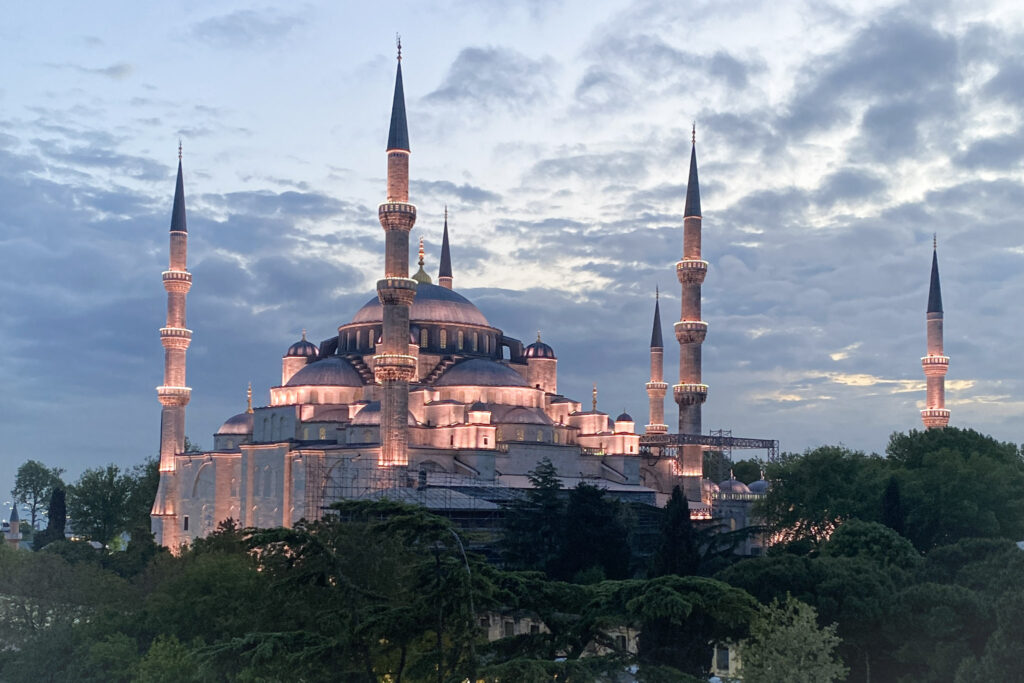
3. The Blue Mosque
4. The Basilica Cistern
5. Bosphorus Cruise
6. Maiden’s Tower
7. Balat
8. Galata Tower and the Streets of Karaköy
9. The Spice Bazaar and Grand Bazaar
10. Süleymaniye Mosque
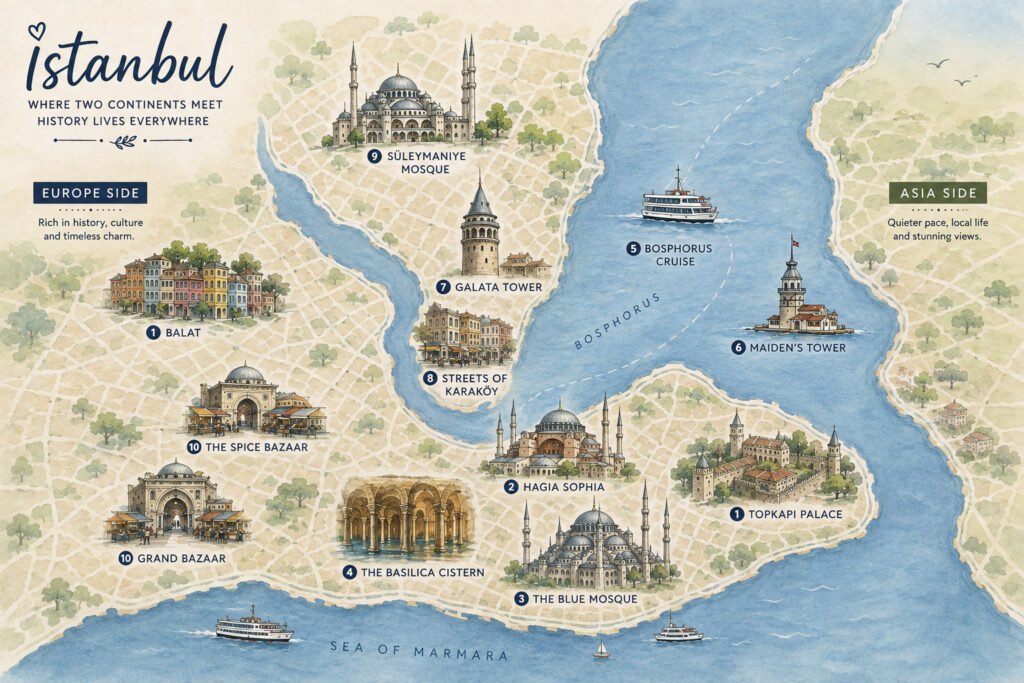
3 days in Istanbul is enough to get a proper feel for it — the big domes and palaces, the Bosphorus, the backstreets, and the food that makes you understand why people fly here just to eat. Here’s how we’d do it again.
Day 1: Sultanahmet — Palaces, Domes, and the Old City
Start where Istanbul’s history is most concentrated. Sultanahmet is compact enough to cover on foot, and everything here is within a genuinely short walk of everything else.
1. Topkapi Palace
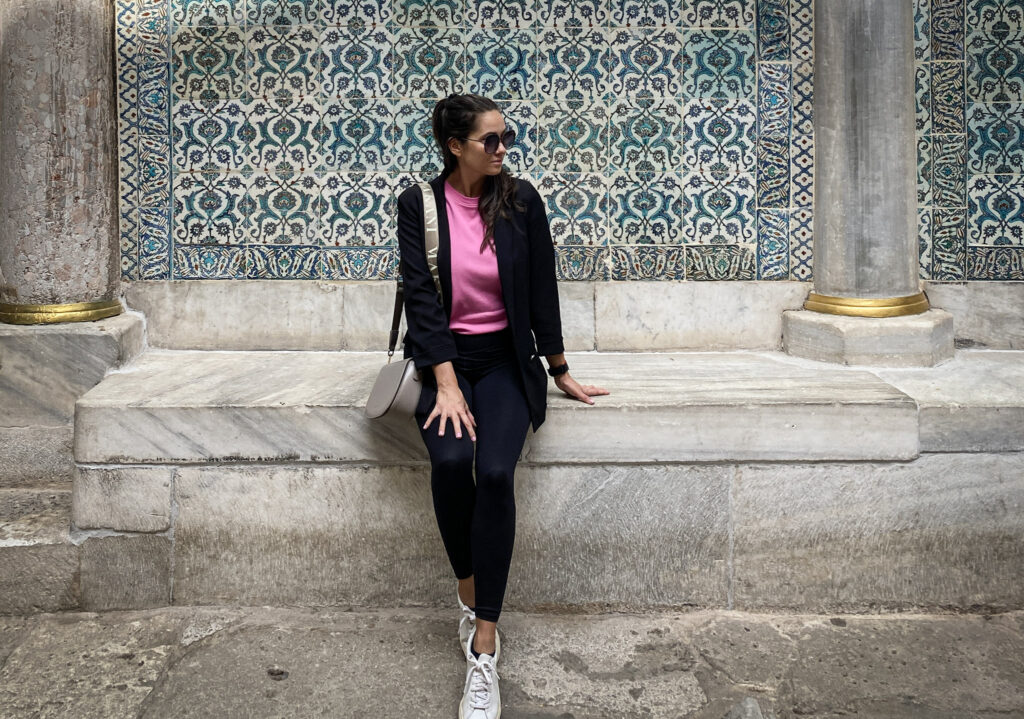
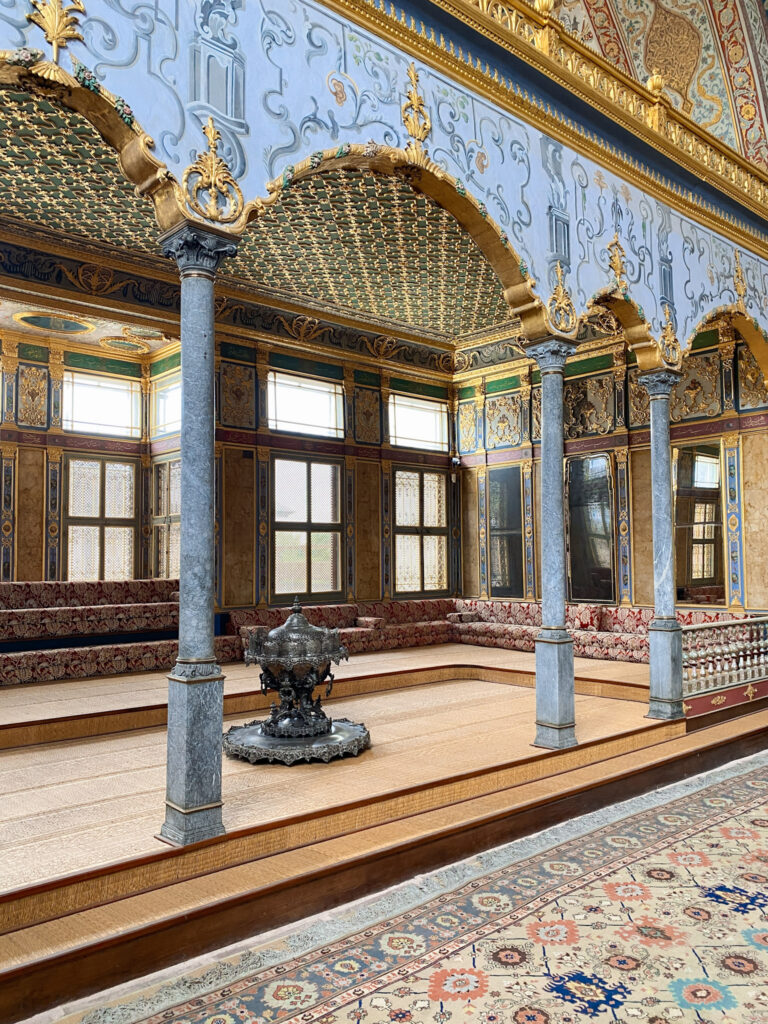
The former residence of Ottoman sultans for nearly 400 years, and one of those places where every single room seems to have more tilework, more gilding, and more history than the last. The Harem section alone is worth the extra ticket — a maze of tiled courtyards and chambers that gives you a real sense of what palace life actually looked like, not just the polished version.
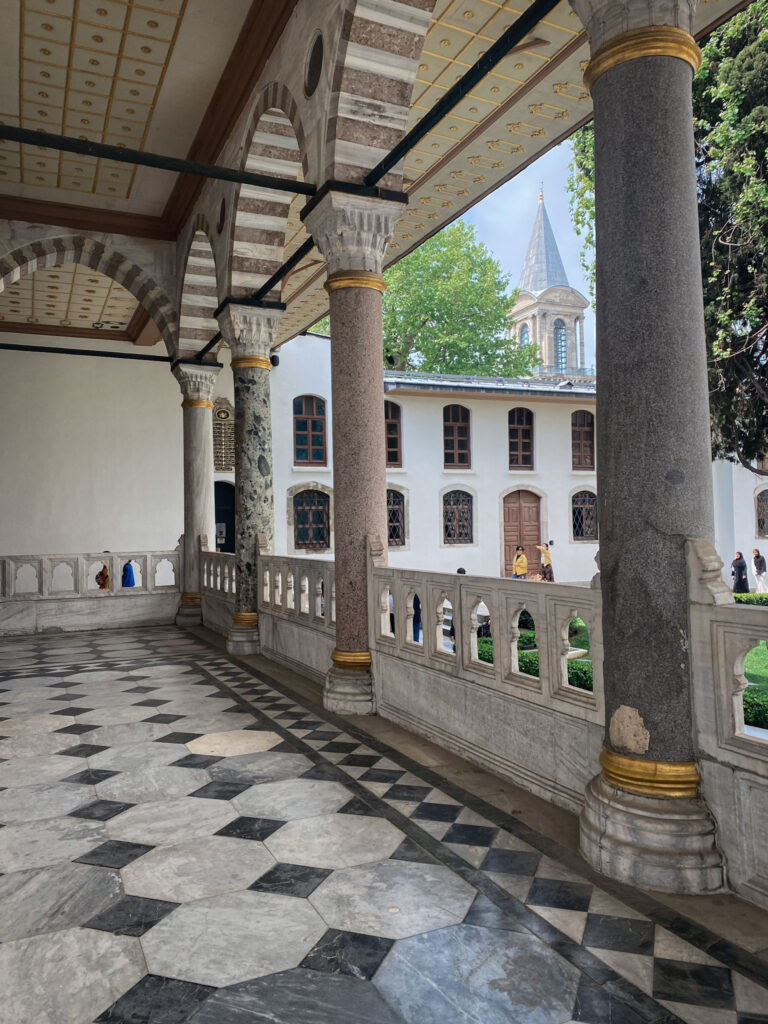
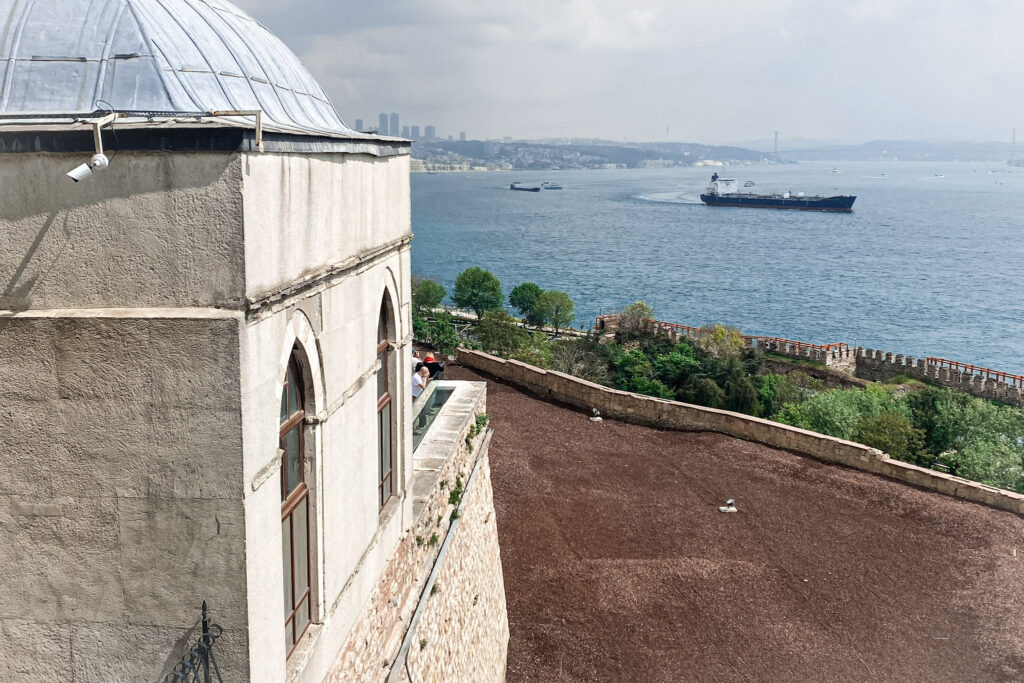
Book tickets via GetYourGuide.
Jet Lag Jelly Tip: Buy your ticket online in advance if you can — the queue at the gate builds fast, and the Harem sells a separate, limited-capacity ticket that's worth grabbing early in the day before it sells out.
2. Hagia Sophia
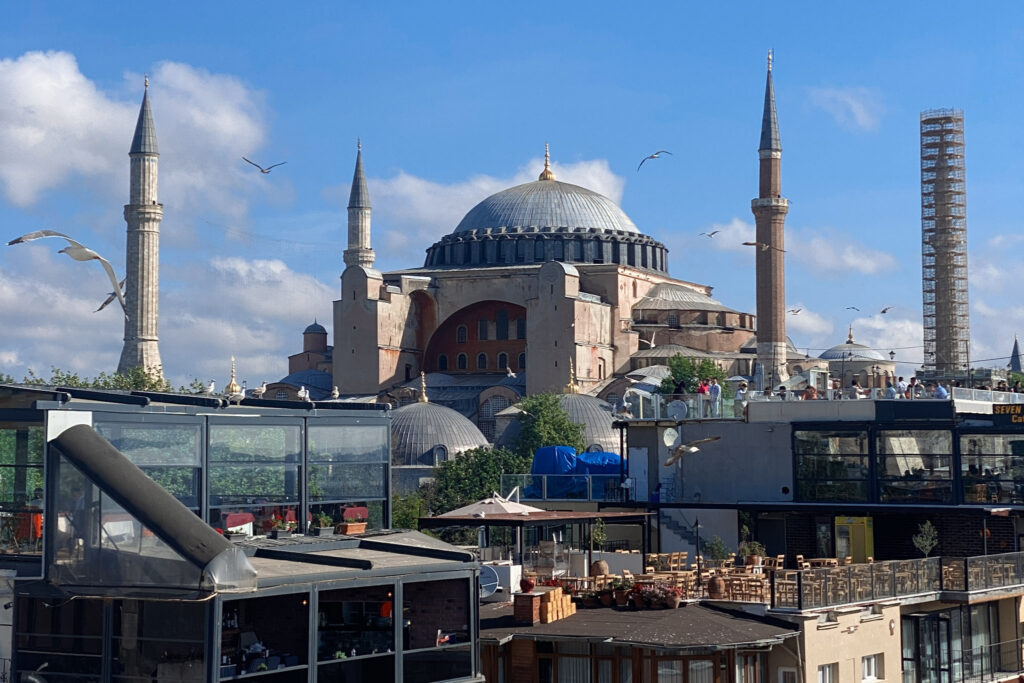
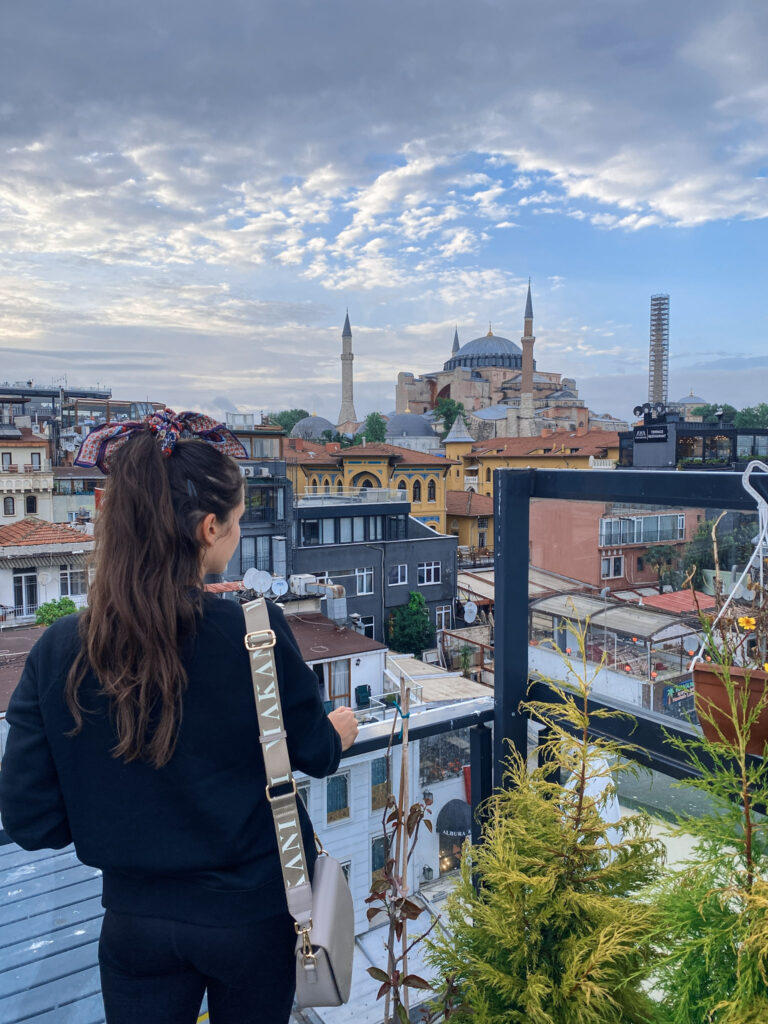
Nothing quite prepares you for walking into Hagia Sophia. Nearly 1,500 years old, it’s been a Byzantine cathedral, an Ottoman mosque, a museum, and — as of 2020 — a mosque again, and you can feel every layer of that history stacked into the same space. The scale of the central dome is disorienting in the best way, and the faded Byzantine mosaics still visible alongside Islamic calligraphy tell you everything about this city in one glance upward.
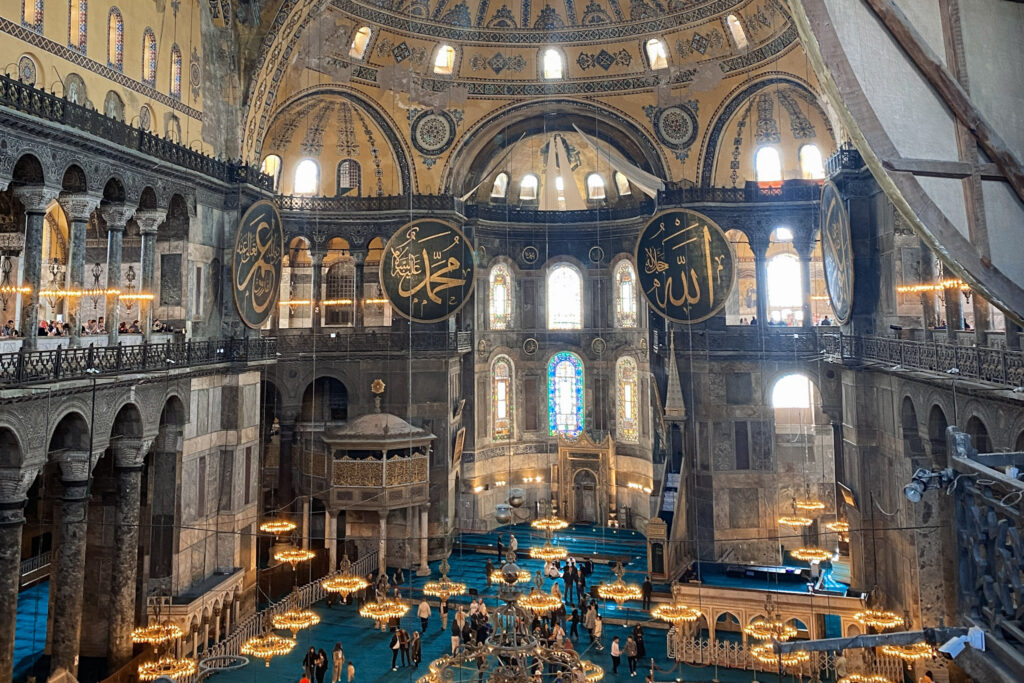
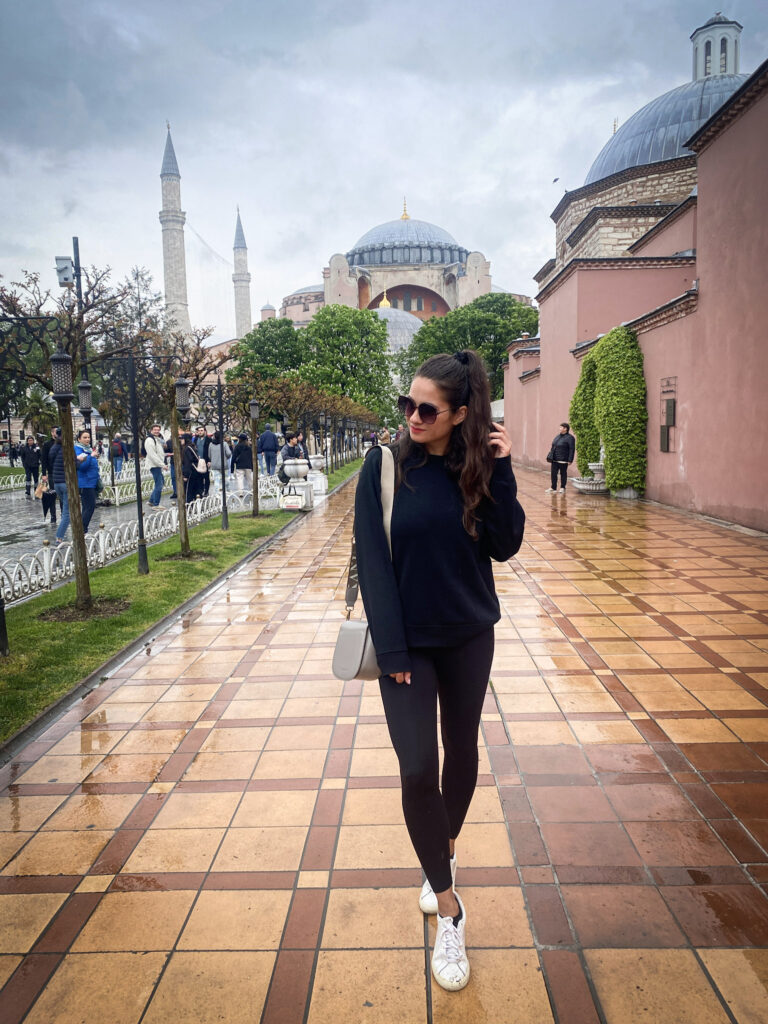
Book Hagia Sophia tickets via GetYourGuide.
Jet Lag Jelly Tip: Since 2024, entry for tourists requires a paid ticket, and it's no longer bookable on the official site — tickets are sold through authorized third-party platforms instead. Visit early morning or right before closing to avoid the worst of the crowds.
3. The Blue Mosque (Sultan Ahmed Mosque)
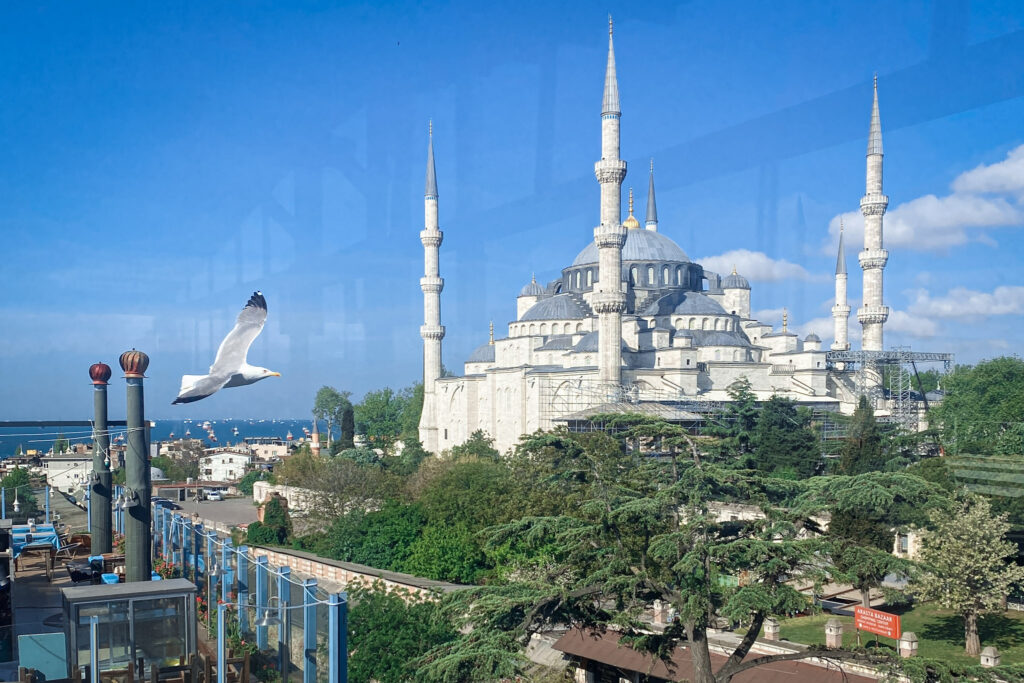
Sitting almost directly across from Hagia Sophia, the Blue Mosque earns its nickname from the thousands of handmade İznik tiles lining the interior — the effect from underneath the central dome, ringed by more than 200 stained glass windows, is genuinely one of the most beautiful interiors we’ve seen anywhere.
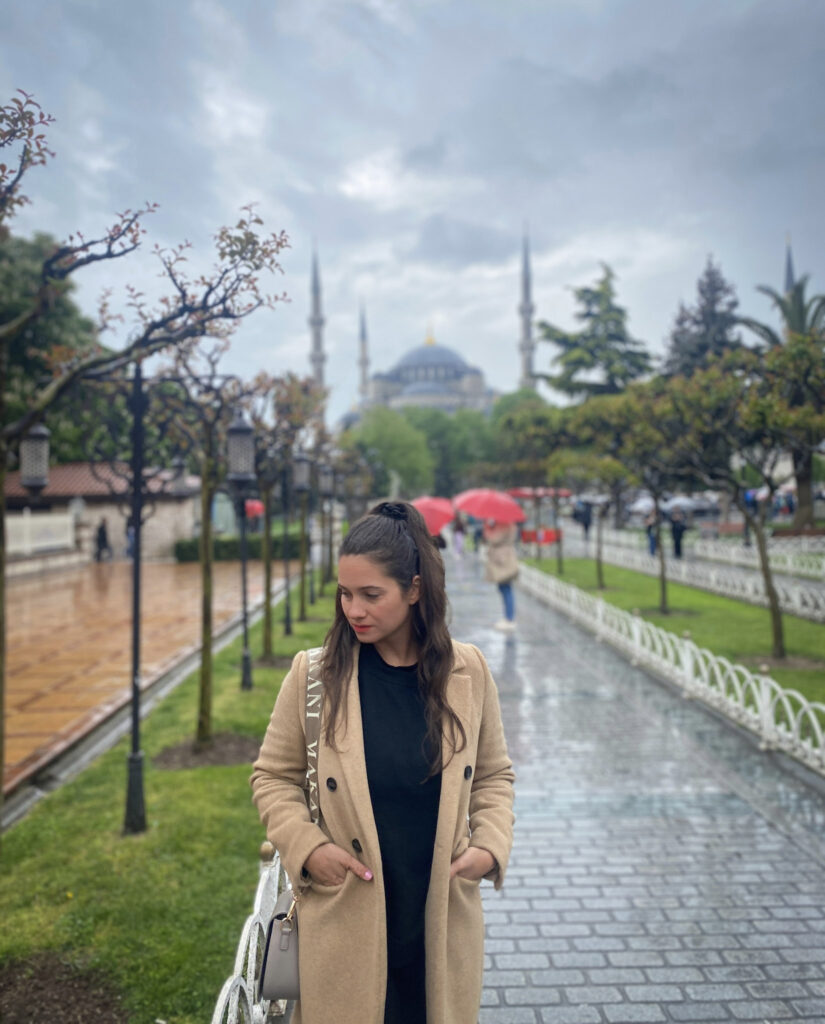
Entry itself is free, no ticket needed — but if you want the history and context alongside it, this guided Blue Mosque & Hagia Sophia tour covers both in one go with skip-the-line entry to Hagia Sophia included.
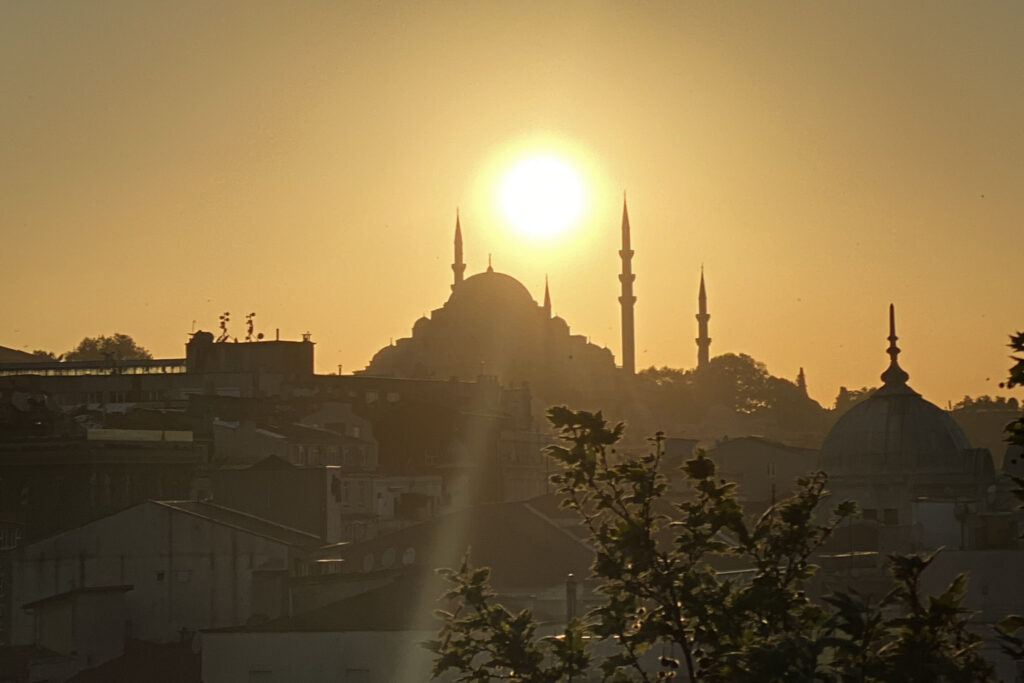
Jet Lag Jelly Tip: It's a working mosque, so it closes to visitors during prayer times — check the schedule before you go, and dress modestly (a scarf for covering your head is required for women, available to borrow at the entrance if you don't have one).
4. The Basilica Cistern
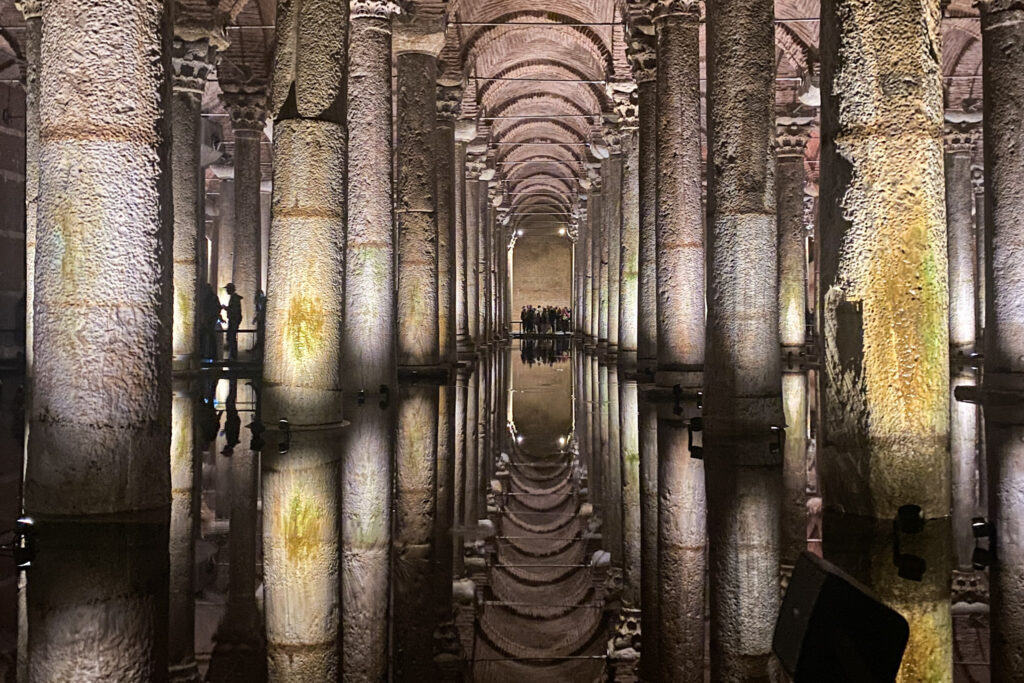
An underground world hiding just beneath the streets of Sultanahmet — a sixth-century cistern with over 300 marble columns rising out of shallow, still water, lit in shifting colors that make it feel more like an art installation than an old water reservoir. The two Medusa head column bases near the back are the most photographed detail, and worth seeking out.
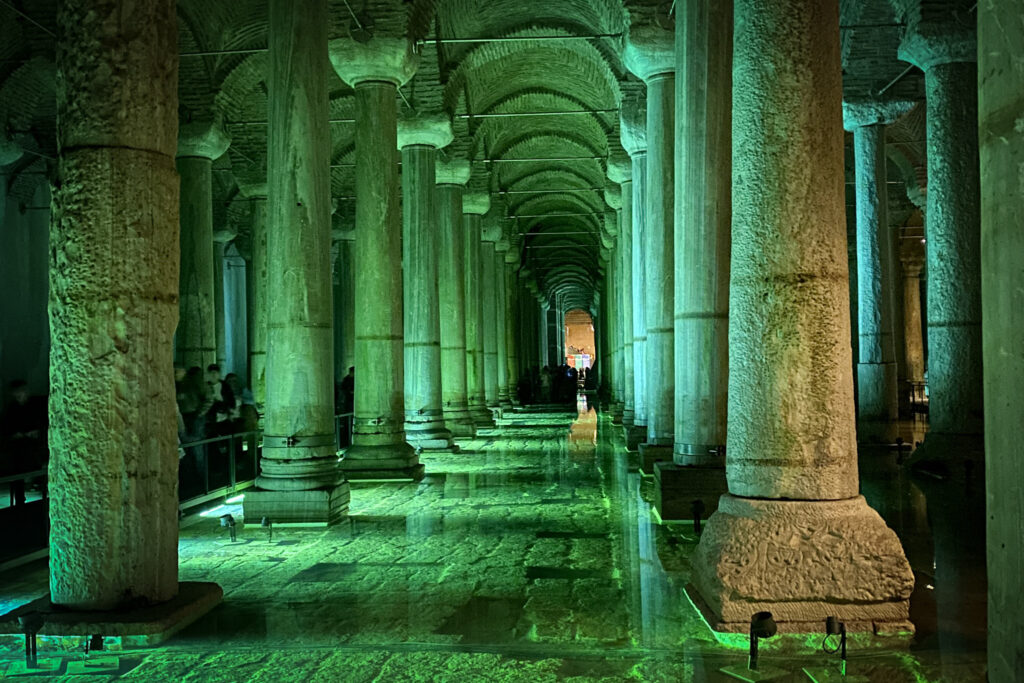
Book Basilica Cistern skip-the-line tickets via GetYourGuide.
Jet Lag Jelly Tip: It's noticeably cooler down here than on the street — genuinely useful on a hot Istanbul afternoon, and a good spot to build into your route as a midday break.
Day 2: The Bosphorus and Balat
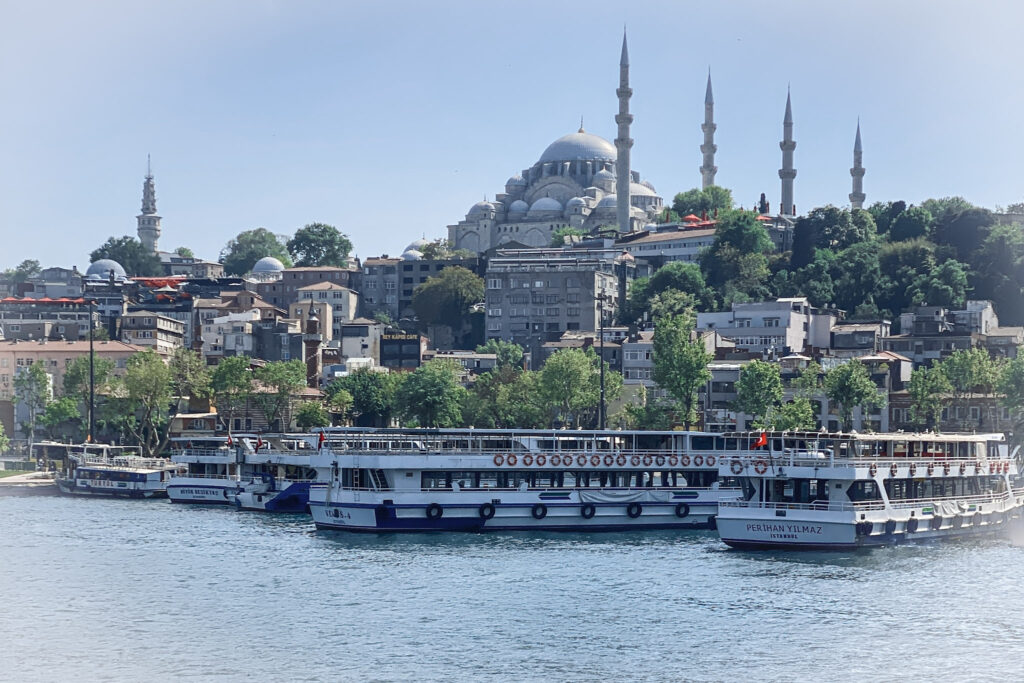
Day two is about water and color — a boat ride between continents in the morning, and one of Istanbul’s most photogenic neighborhoods in the afternoon.
5. Bosphorus Cruise
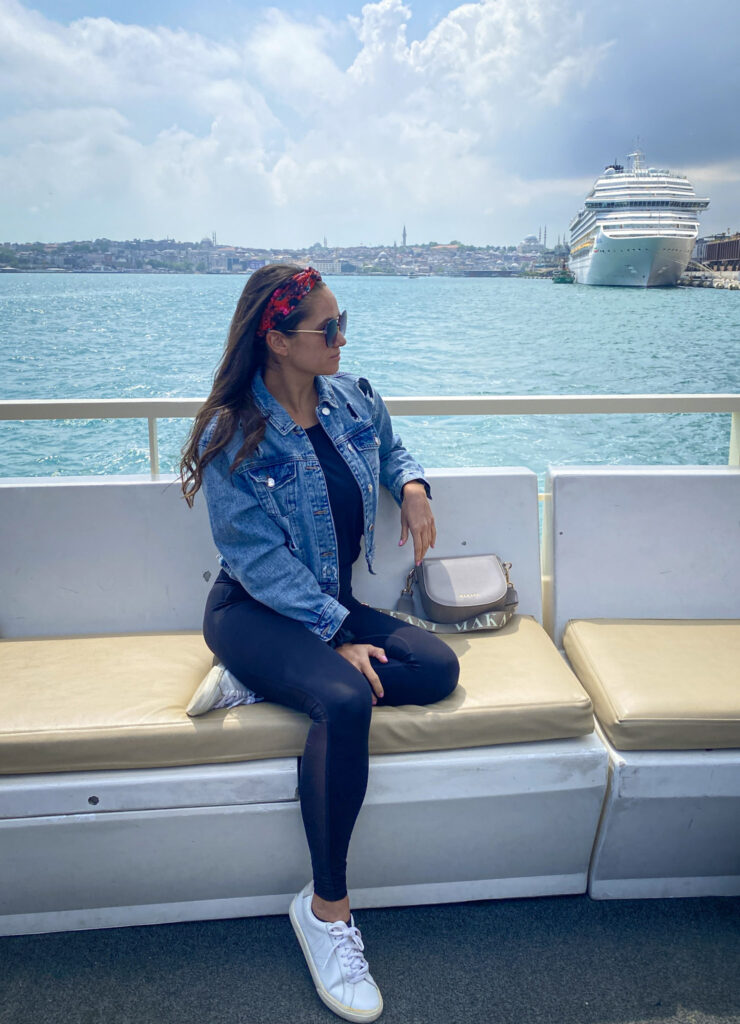
There’s no better way to understand Istanbul’s geography than from the water. A cruise up the Bosphorus takes you past Ottoman-era waterfront mansions (yalıs), the fortress of Rumeli Hisarı, the suspension bridges connecting Europe to Asia, and glimpses of both the European and Asian shorelines within the same hour.
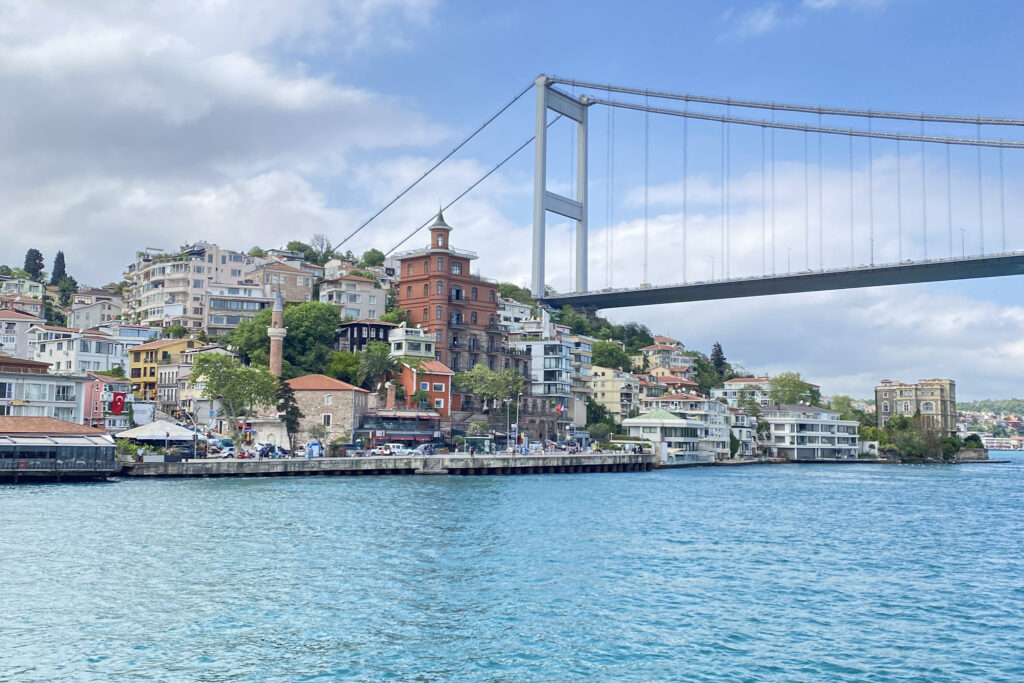
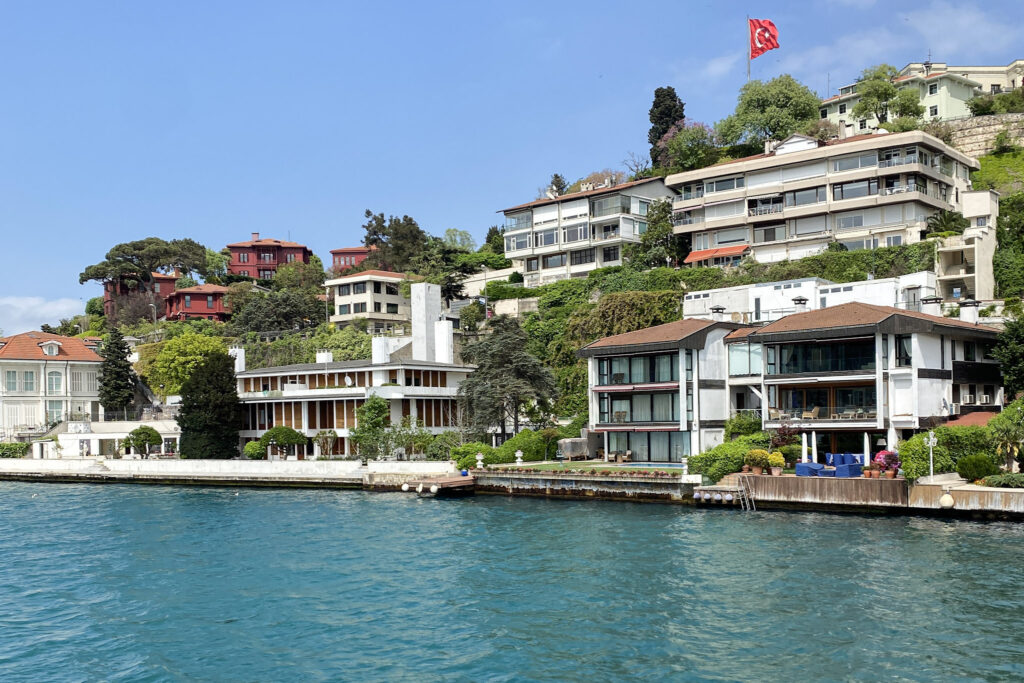
Book a Bosphorus sightseeing cruise via GetYourGuide.
Jet Lag Jelly Tip: A shorter public ferry does the job just as well as a pricier private tour if you just want the views — sit on the upper deck and keep your camera out the entire time, since the best shots come without warning.
6. Maiden’s Tower (Kız Kulesi)
A small tower sitting on its own islet where the Bosphorus meets the Sea of Marmara — visible from almost every angle of the Bosphorus cruise, and worth photographing even if you don’t make the separate trip out to it.
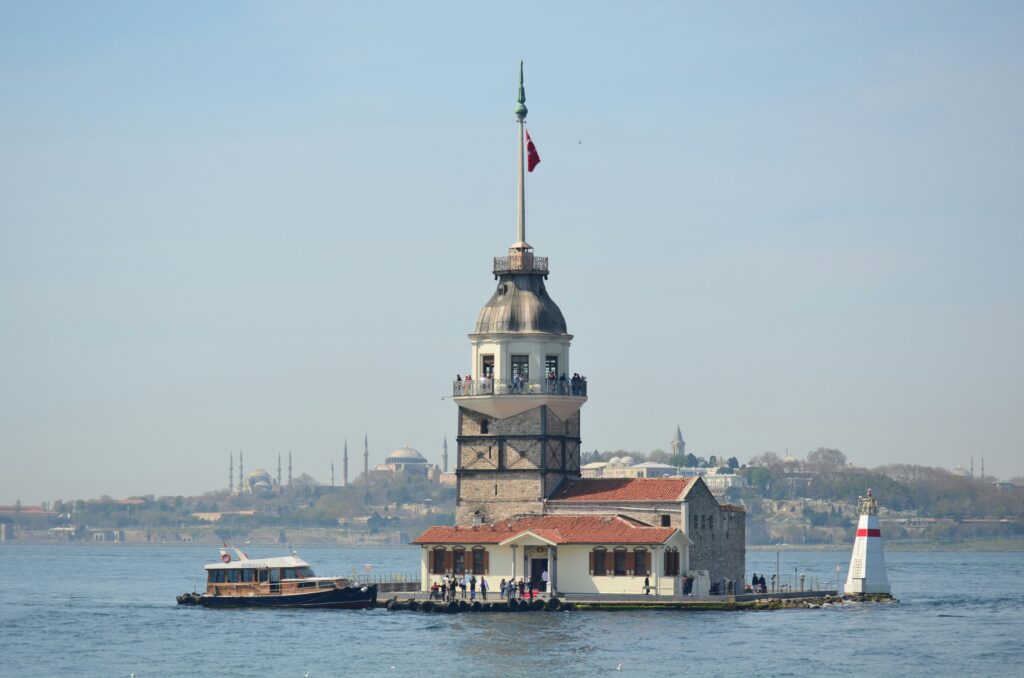
Book Maiden’s Tower entry tickets via GetYourGuide — access is by boat only, departing from Karaköy or Üsküdar-Salacak.
7. Balat
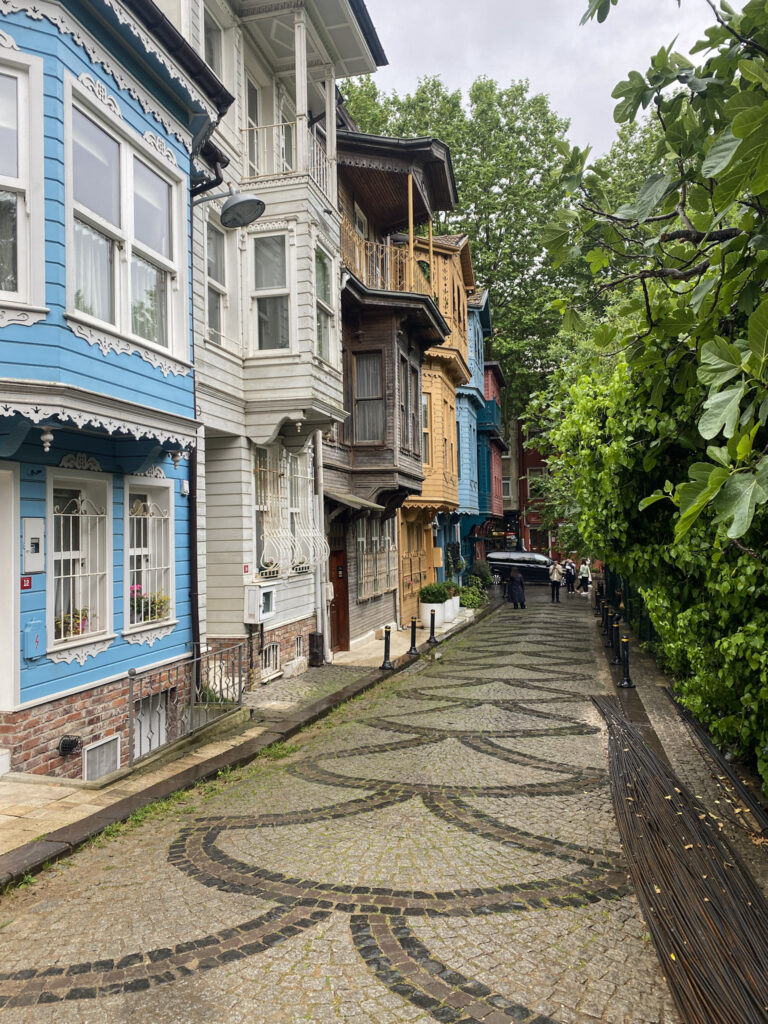
Istanbul’s most colorful neighborhood, and it’s not close — steep, narrow streets lined with pastel-painted houses, laundry strung between windows, and stray cats sunning themselves on doorsteps. It’s also one of the oldest and most historically layered parts of the city, with a long-standing Jewish, Greek, and Armenian heritage still visible in its architecture.
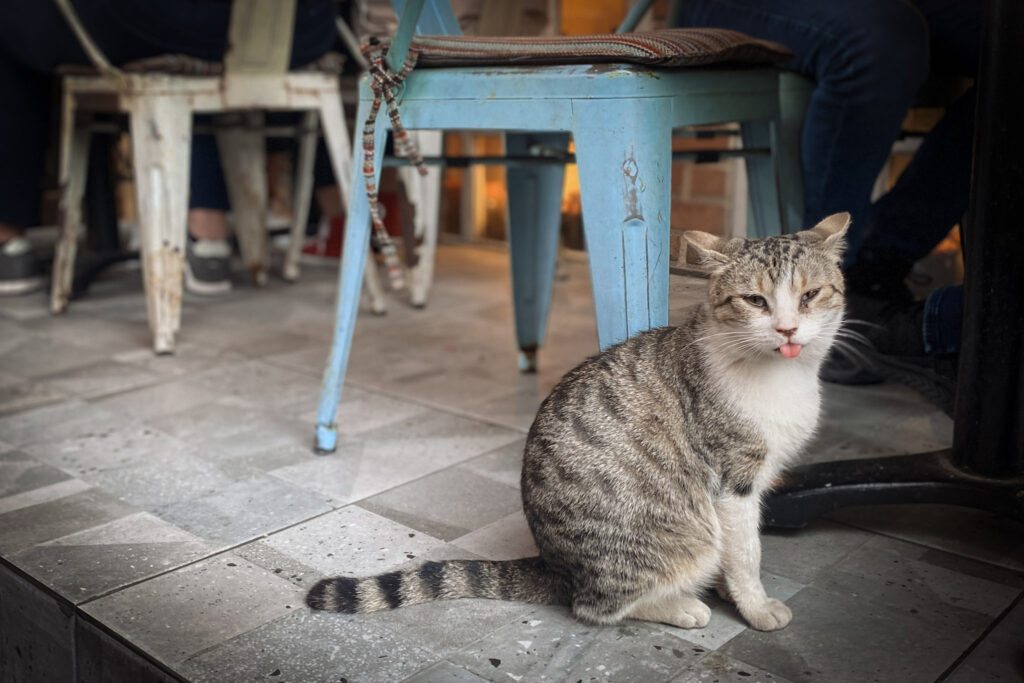
It’s free to wander on your own, but this guided Fener & Balat walking tour is worth it if you want the history behind the churches, synagogues, and colorful houses rather than just the photos.
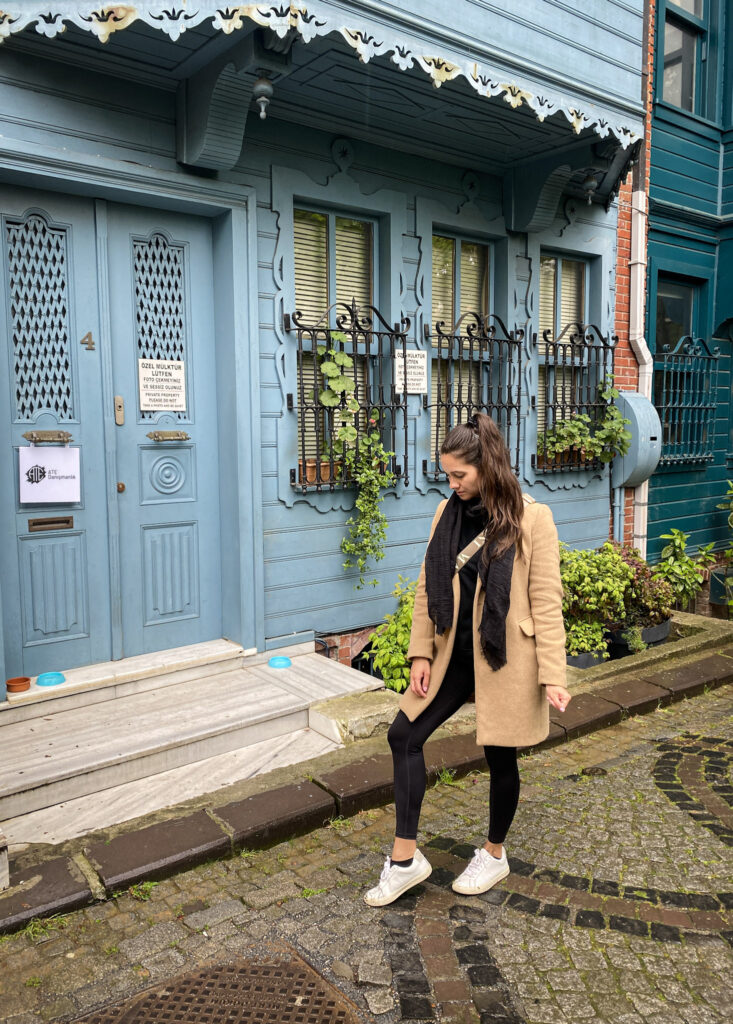
Jet Lag Jelly Tip: Wear comfortable shoes — Balat's charm comes from wandering uphill on cobblestones without a fixed plan, and the best house-front photos are usually down a side street you weren't originally heading toward.
Day 3: Galata, the Bazaars, and Süleymaniye
Your last day covers the newer side of the old city — the bohemian streets around Galata Tower, Istanbul’s legendary markets, and one more architectural showstopper before you go.
8. Galata Tower and the Streets of Karaköy
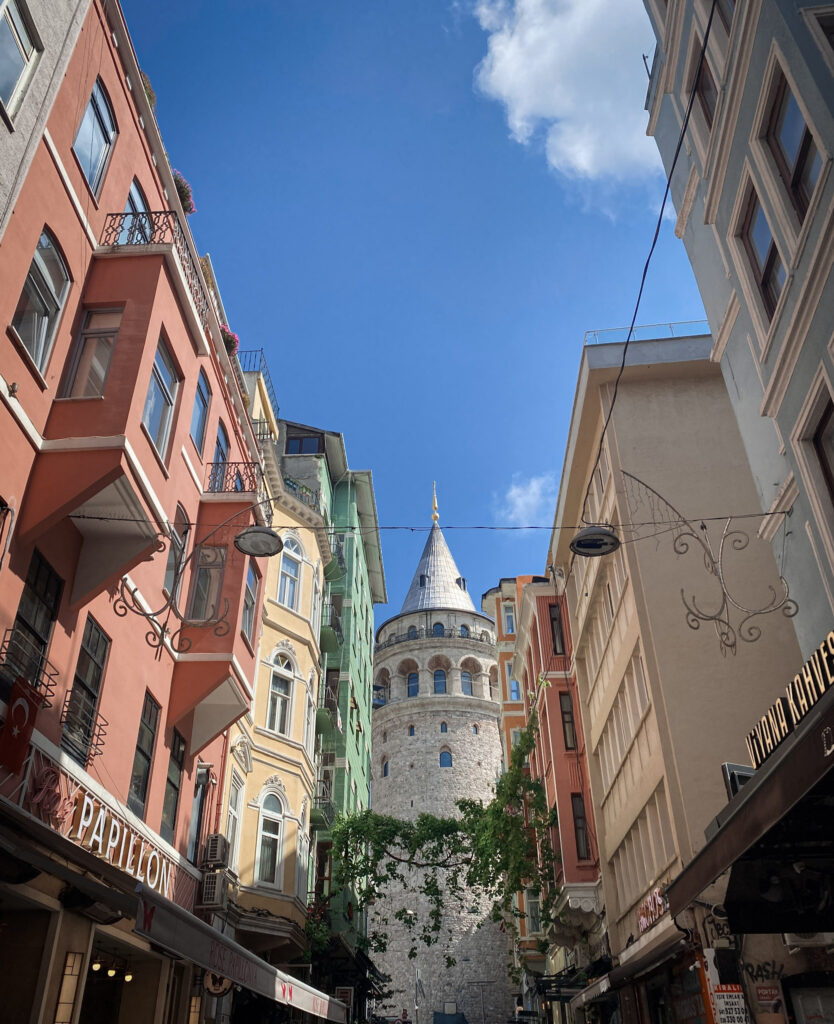
The medieval stone tower itself is worth the climb for the 360-degree view over the city and the Bosphorus, but honestly, the streets around it are just as good — steep, winding lanes packed with cafés, vintage shops, and some of the best street food in the city.
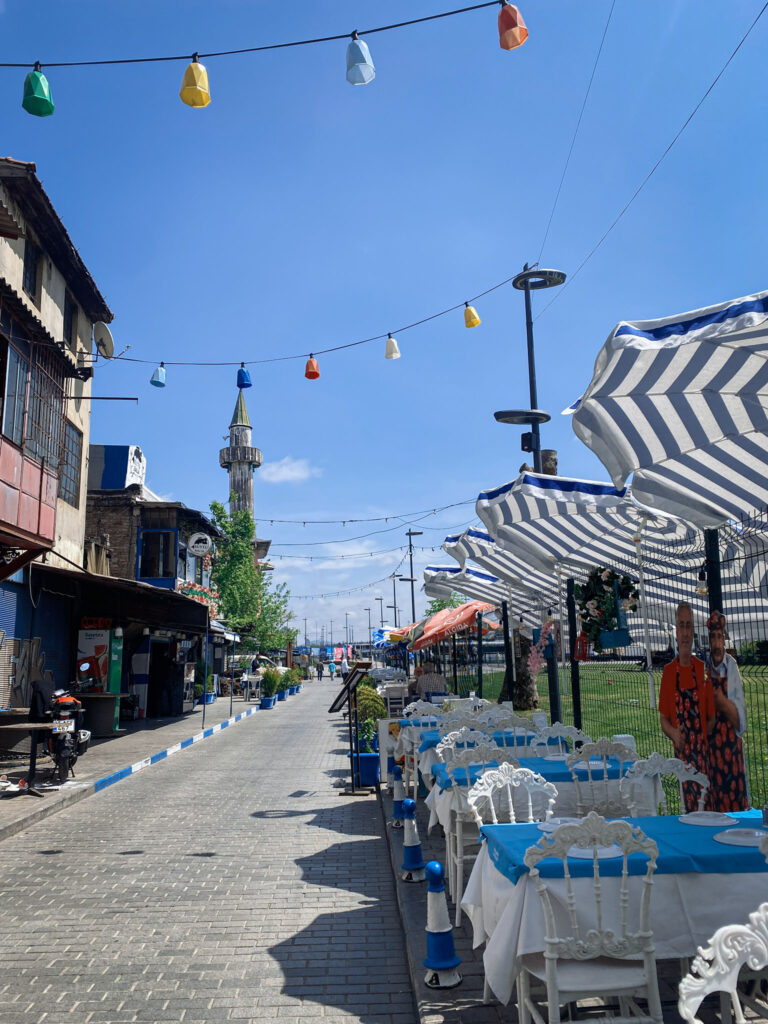
Book Galata Tower tickets via GetYourGuide.
Jet Lag Jelly Tip: Book your Galata Tower ticket ahead for a specific time slot — walk-up lines can stretch well over an hour, especially in the afternoon.
9. The Spice Bazaar and Grand Bazaar
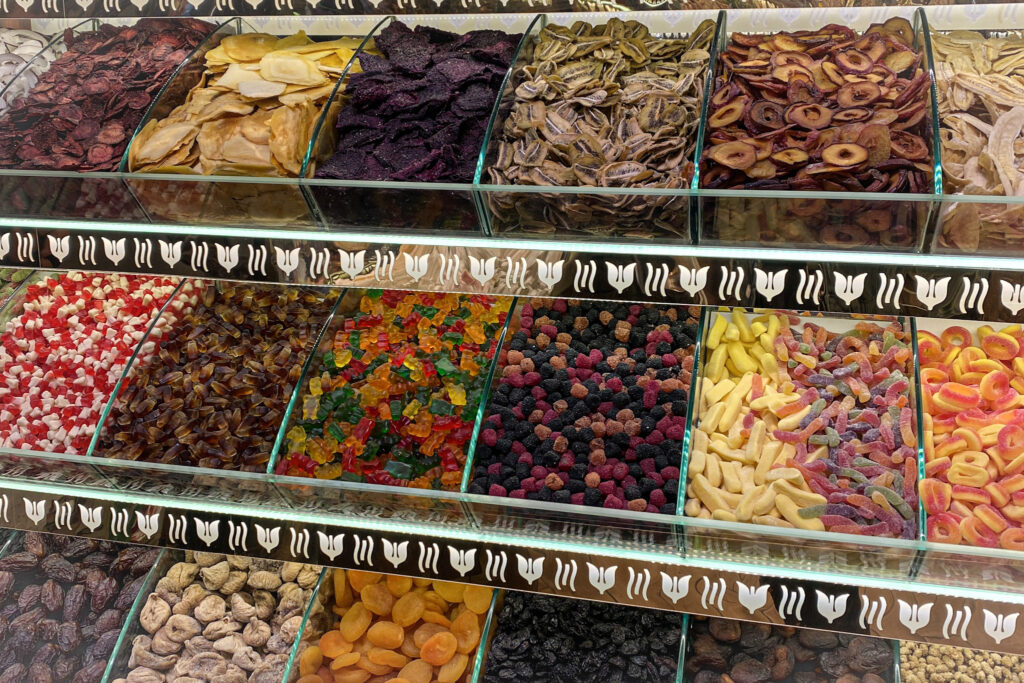
Two very different but equally overwhelming markets. The Spice Bazaar is smaller and more manageable, with towers of colorful spices, dried fruit, and Turkish delight stacked in every stall. The Grand Bazaar is the real deep end — thousands of shops under one historic roof, selling everything from lanterns to leather to jewelry.
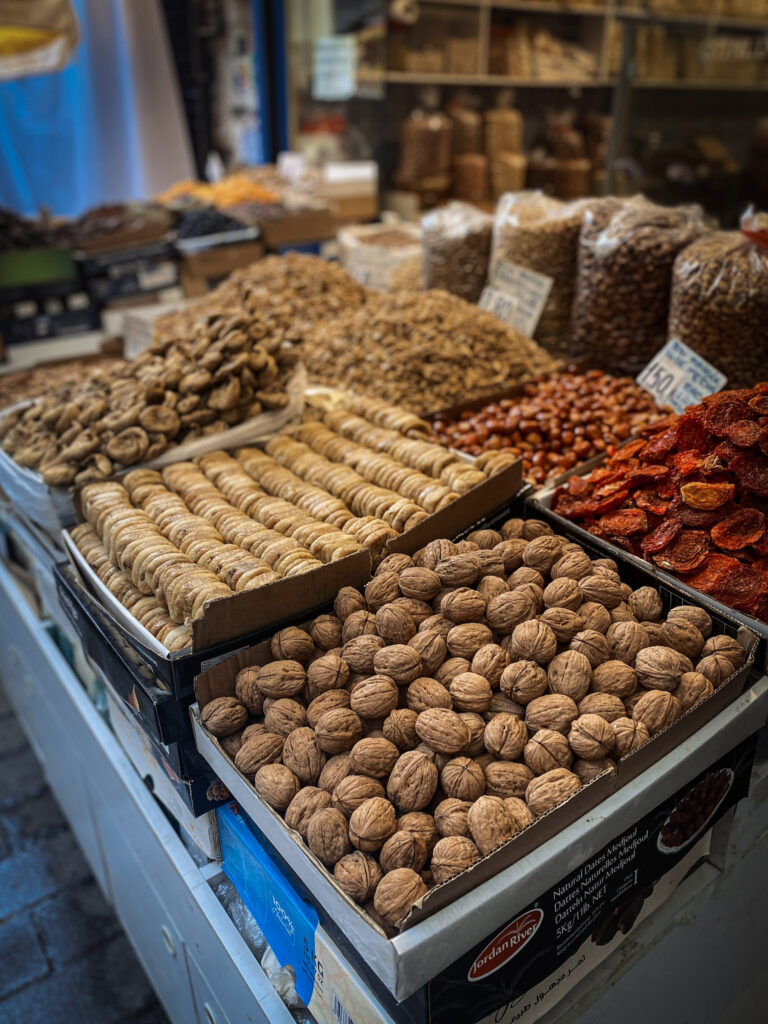
Jet Lag Jelly Tip: Prices aren't fixed — bargaining is expected, especially in the Grand Bazaar, so don't take the first quoted price at face value.
10. Süleymaniye Mosque
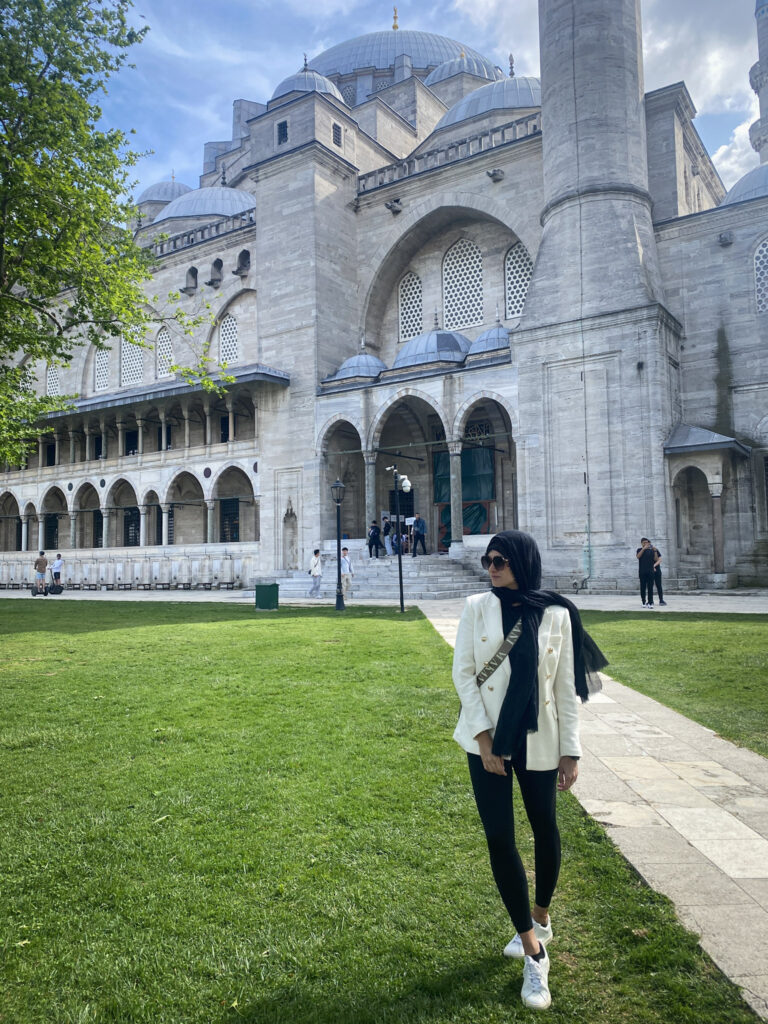
Less crowded than the Blue Mosque but arguably just as beautiful, Süleymaniye sits on one of the city’s highest points, with sweeping views over the Golden Horn. Designed by the legendary Ottoman architect Mimar Sinan, its courtyard and cascading domes feel monumental without ever feeling touristy — it’s often where locals go for the same architectural payoff without the queues. Entry is free, no ticket required.
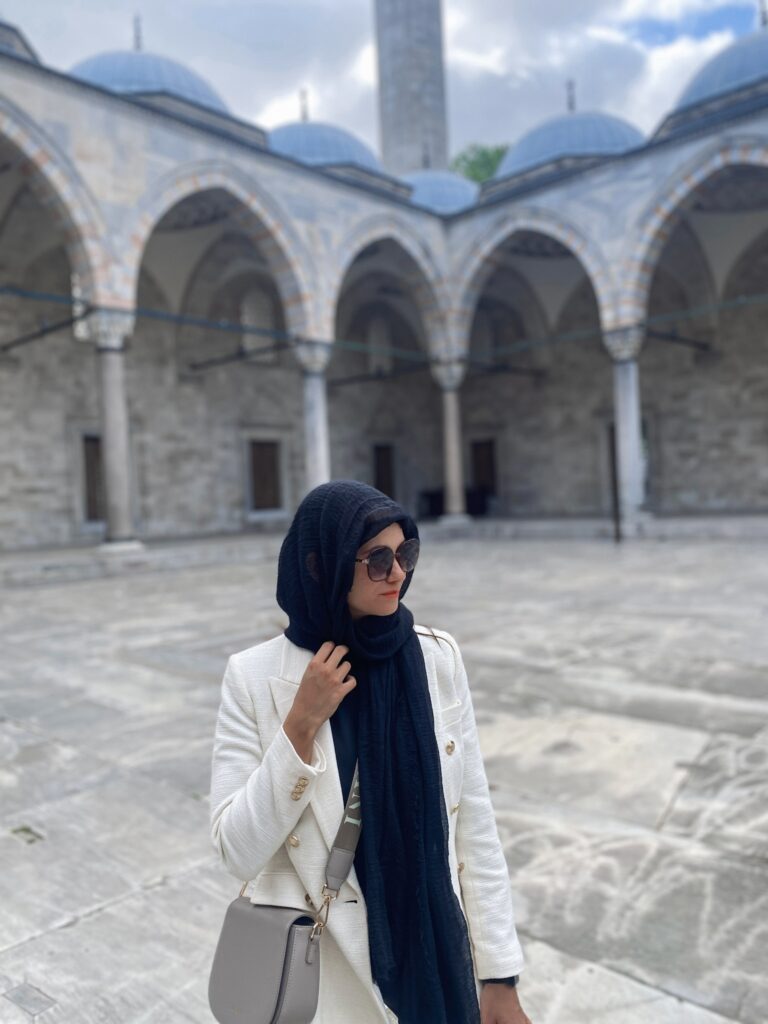
Jet Lag Jelly Tip: Like the Blue Mosque, it closes briefly for prayer times — Friday midday prayers draw the biggest crowds, so plan around that if you're visiting then.
Where to Stay
Sultanahmet puts you within walking distance of Topkapi Palace, Hagia Sophia, the Blue Mosque, and the Basilica Cistern — ideal if this is your first visit and you want to wake up next to the major sights. Browse Sultanahmet hotels.
Karaköy or Galata is the better pick if you want a livelier, more café-and-boutique-shop atmosphere in the evenings, with easy access to the Bosphorus and a short tram ride from the old city. Browse Karaköy hotels.
What to Eat in Istanbul
Istanbul might be one of the only cities where the food alone justifies the trip. Here’s what’s worth seeking out.
Turkish breakfast (kahvaltı) — Not a quick meal, a whole event. Expect a spread of cheeses, olives, honey, jams, eggs, tomatoes, cucumbers, and fresh bread that takes over the entire table, ideally eaten with a view like the Blue Mosque from across the water.
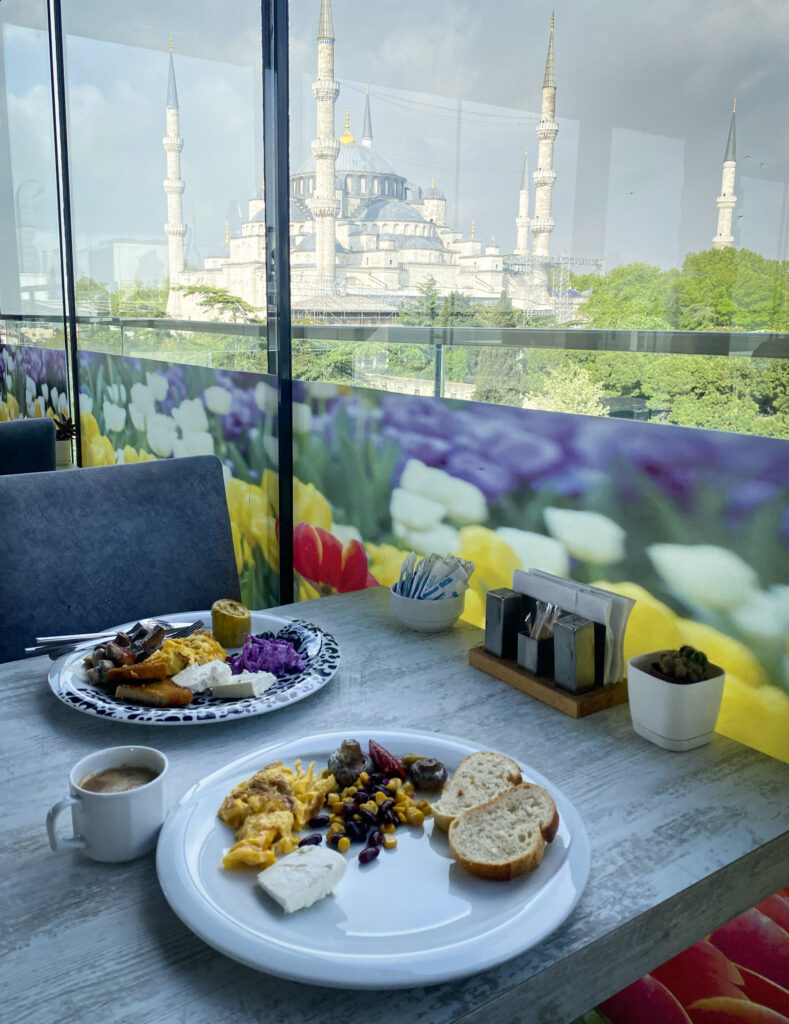
Künefe — Shredded pastry, melted cheese, and hot caramel-syrup, served warm and impossible to eat slowly. One of Istanbul’s essential desserts, and worth seeking out at least once.
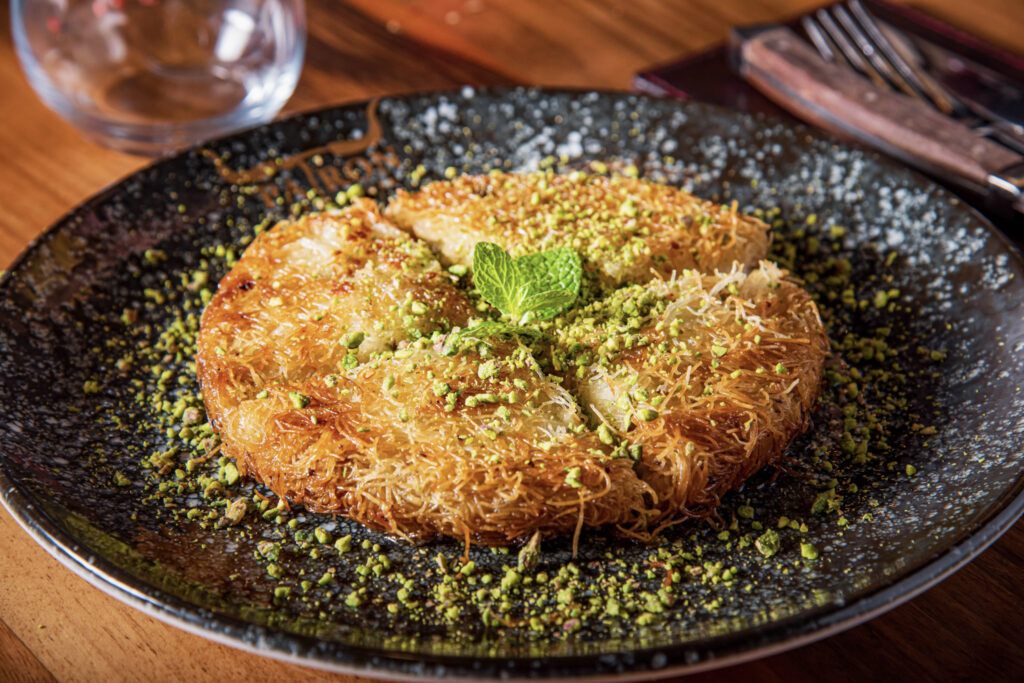
Turkish pastries and berry desserts — Bakery windows around the city are stacked with layered pastries and fresh berry tarts — worth a slow walk past even if you’re not planning to order.
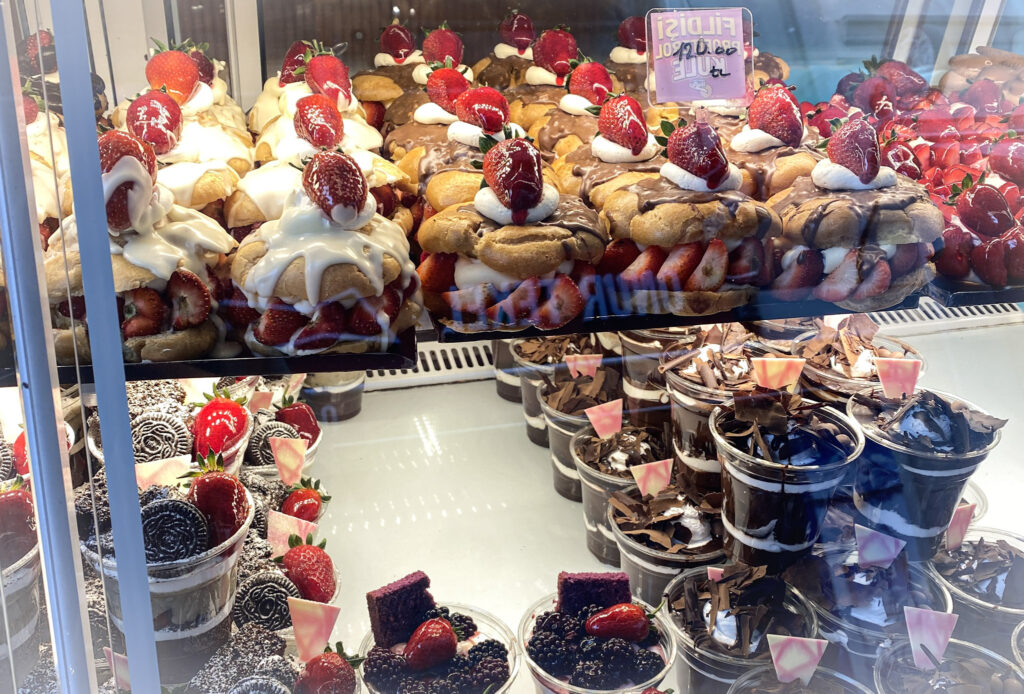
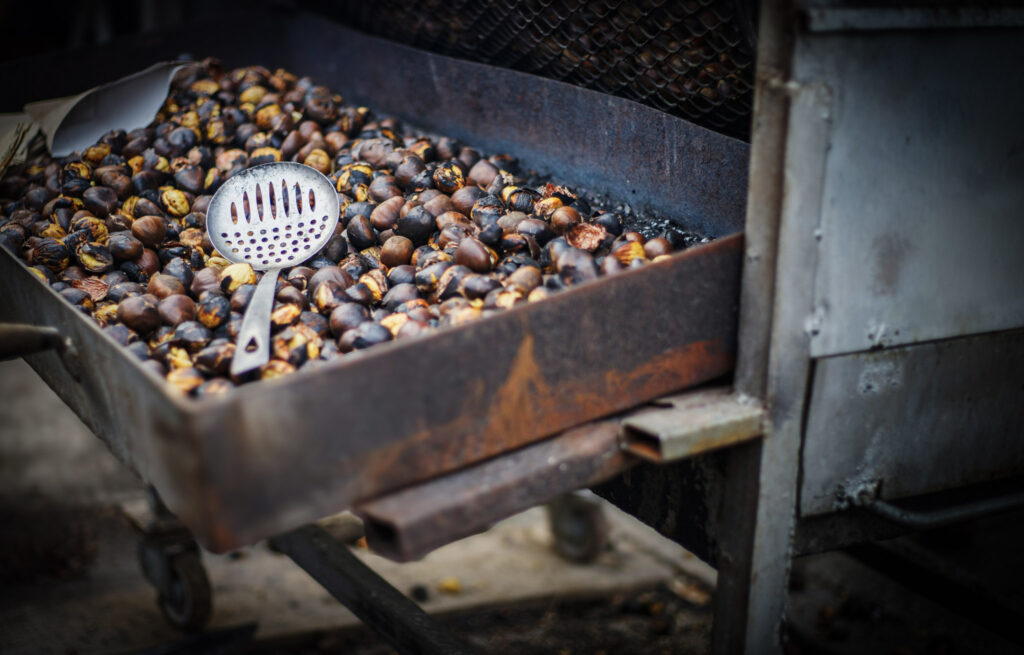
Turkish delight (lokum) and roasted chestnuts — Street food staples, especially in colder months — the chestnut and corn carts are impossible to walk past without stopping.
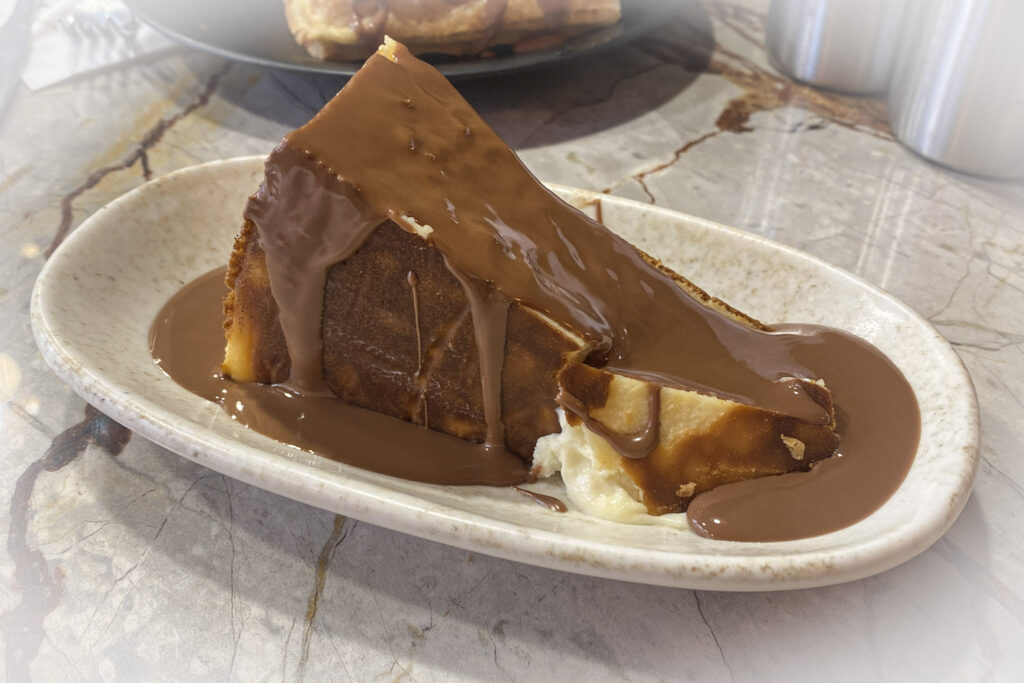
Turkish cheesecake — A dense, toasted-top cheesecake served warm and drenched in chocolate or caramel sauce — richer and less sweet than a Western-style cheesecake, and worth ordering just for the presentation alone.
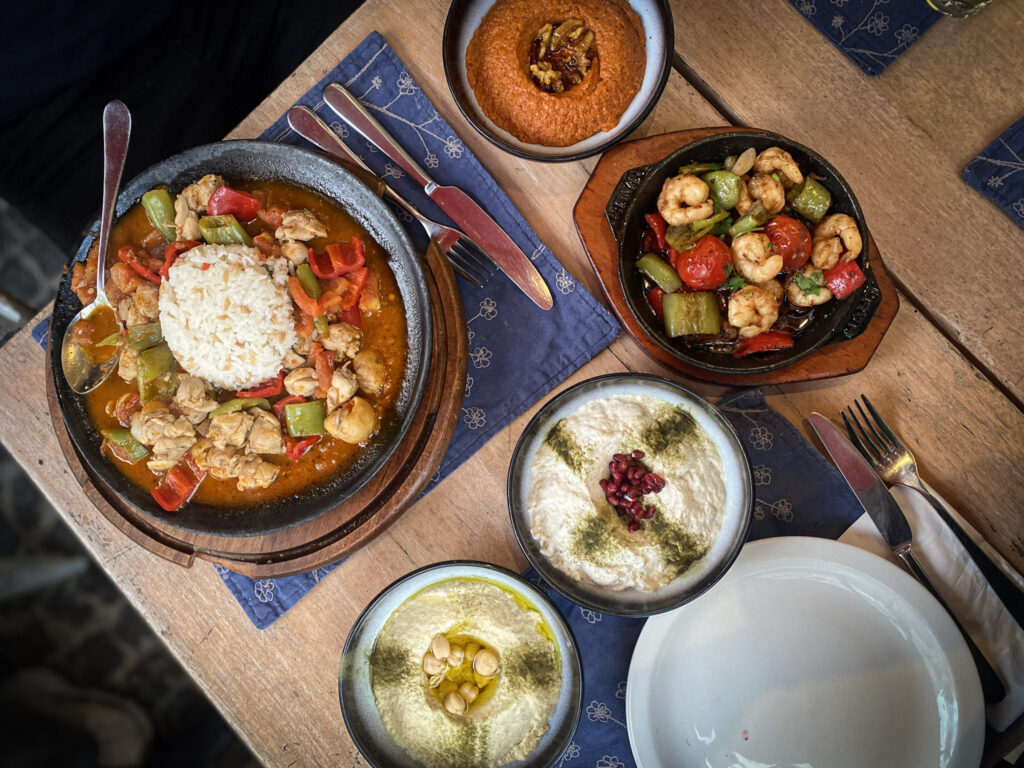
Meze and seafood casseroles — Small plates of hummus, yogurt dips, and marinated vegetables, often served alongside a shared seafood or meat casserole — a full meal built from a handful of little dishes.
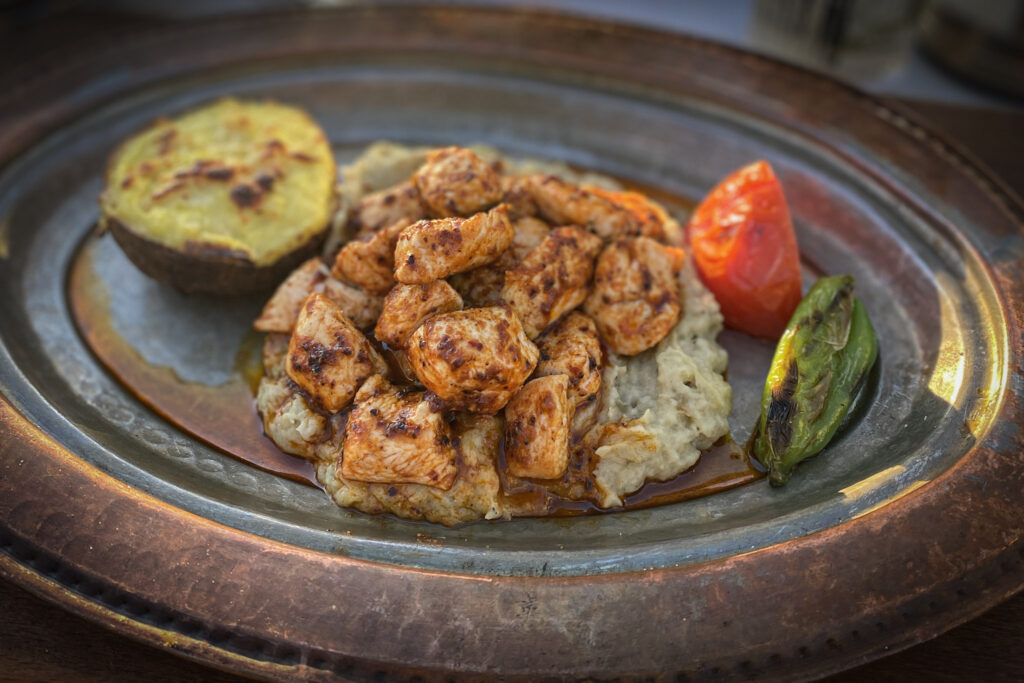
Grilled meat and rice plates — Simple, done exactly right — tender grilled meat, rice, and a few fresh vegetables on the side.
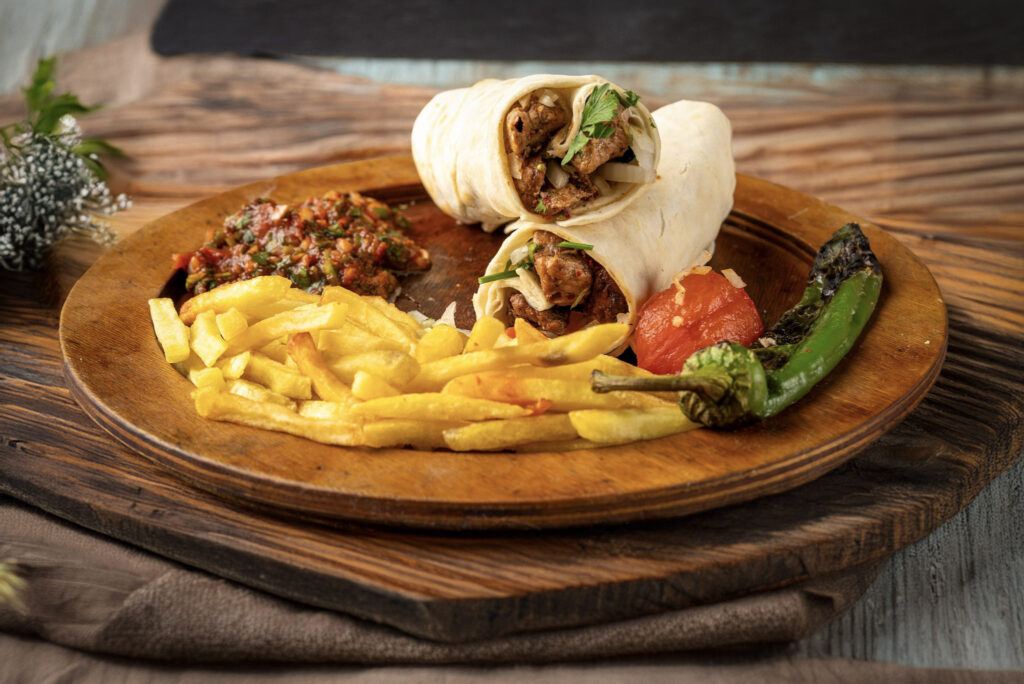
Wraps (dürüm) — Grilled meat and fresh toppings wrapped in warm flatbread, served paper-wrapped and eaten on the go — some of the best quick meals in the city.
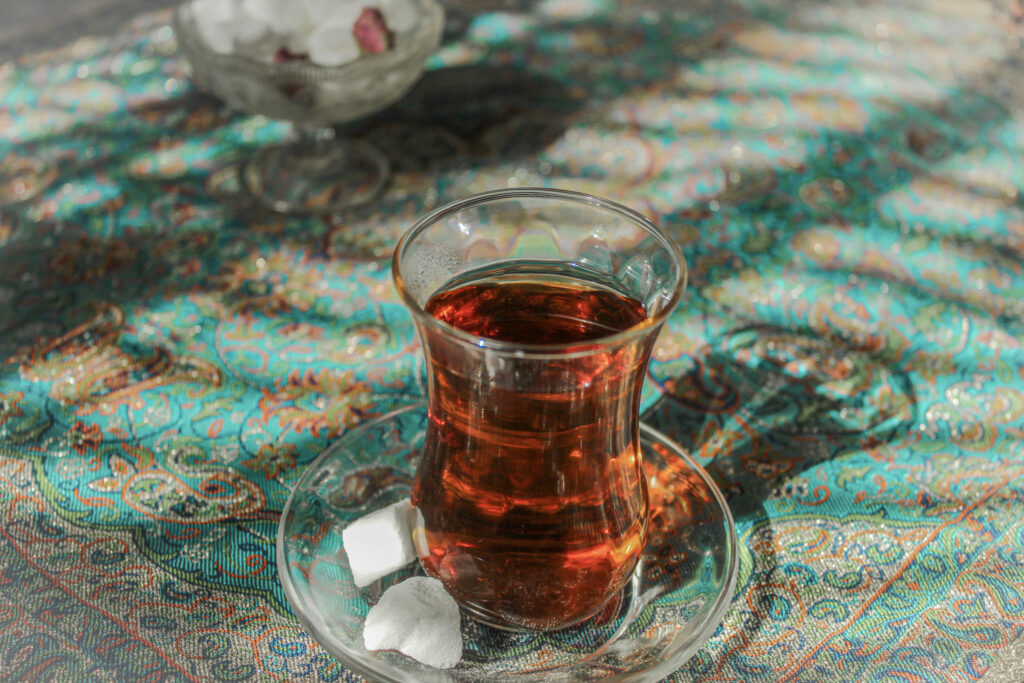
Turkish tea (çay) and coffee — Tea is the everyday ritual, poured from a double teapot into small tulip-shaped glasses; Turkish coffee is thicker, stronger, and meant to be sipped slowly.
Best Time to Visit Istanbul
Spring (April–May) and fall (September–October) are the sweet spot — mild temperatures, fewer crowds than summer, and good light for photos across the domes and the water. Summer gets hot and busy, especially around Sultanahmet; winter is quiet and atmospheric, though a few rainy days are likely.
Budget
Backpacker: ~$40–60/day — hostel stay, street food, public transport, free or low-cost mosque visits
Mid-range: ~$90–150/day — boutique hotel, mix of restaurant meals, paid attractions like Topkapi and the Basilica Cistern, a public Bosphorus ferry
Luxury: $250+/day — Bosphorus-view hotel, private guided tours, a proper Bosphorus dinner cruise
FAQ
Is 3 days enough to see Istanbul? Three days gives you a proper first look — Sultanahmet’s major sights, a Bosphorus cruise, and time in Balat and Galata — without feeling rushed. It’s not enough to see everything Istanbul has, but it’s enough to fall in love with it.
Do you need to cover your head to visit the Blue Mosque? Women need to cover their hair before entering, and shoulders and knees should be covered for everyone. Scarves are usually available to borrow at the entrance if you don’t bring your own.
Is the Bosphorus cruise worth it? Yes — it’s one of the best ways to actually understand Istanbul’s layout, and a public ferry does the job just as well as a paid tour if you’re not after extras like food or commentary.
Do you need cash in Istanbul? Cards are widely accepted at restaurants and shops, but cash is genuinely useful for the bazaars, where bargaining and smaller vendors often work more smoothly in Turkish lira.
Is Istanbul walkable? Sultanahmet is very walkable on its own, and trams connect it easily to Karaköy and Galata. You won’t need a car for this itinerary — trams, ferries, and walking cover everything.
Summary
Istanbul is a city best experienced in layers — literally, in the case of Hagia Sophia, and figuratively in almost everything else. Three days gives you the palaces and mosques of Sultanahmet, a boat ride between two continents, the color of Balat, and the bazaars and backstreets around Galata. It’s a city that rewards wandering as much as planning, and three days is just enough to want to come back for more.
Exploring more of Europe (and beyond)? Check out my 3 Days in Bavaria, Germany, Top 5 Villages in the Cotswolds, Around Alicante & Costa Blanca, and 3 Days in Cairo, Egypt guides too.