
This post contains affiliate links. If you book through one, I may earn a small commission at no extra cost to you — it helps keep Jet Lag Jelly running. Read my full affiliate disclosure for more.
Some places you visit. Antelope Canyon, you enter.
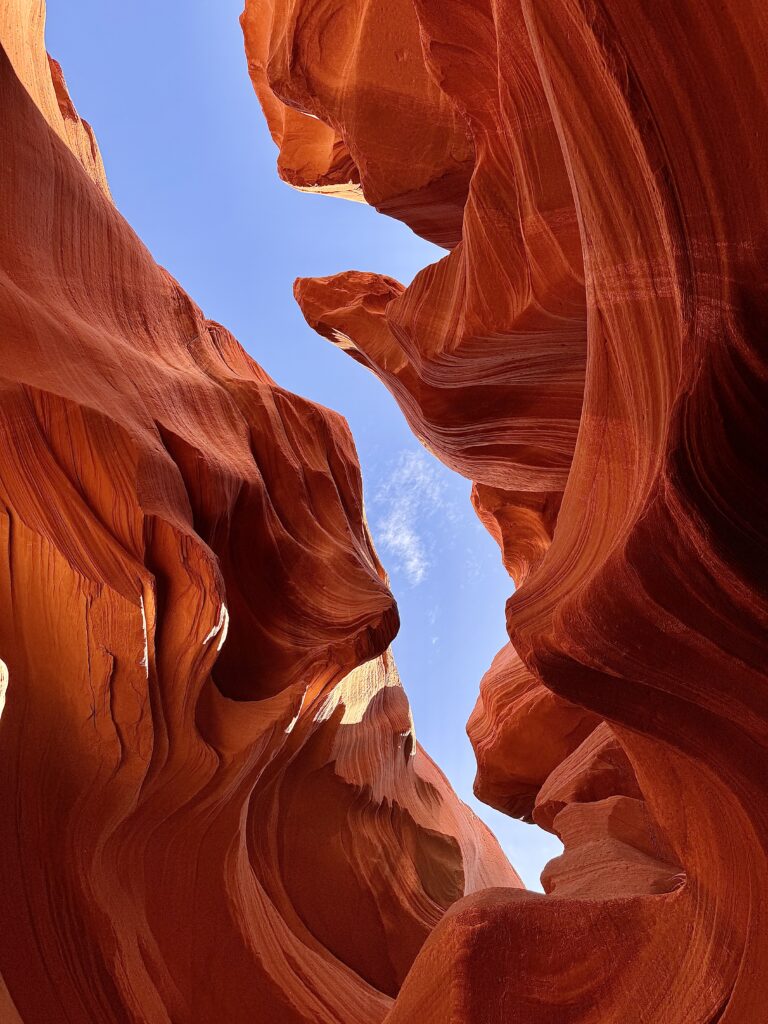
Carved into Navajo land near Page, Arizona, this slot canyon looks less like nature and more like someone sculpted marble just to break your camera roll. Every curve, every beam of light — it’s screensaver territory, in real life. And no two visits look the same, since the light shifts with every passing minute.
Antelope Canyon Itinerary
1. Antelope Canyon: Upper vs. Lower: What to know before you book either one
2. Upper Antelope Canyon: Wide corridors, ground-level walking, the famous light beams
3. Lower Antelope Canyon: Narrower, stairs and ladders, arguably the more dramatic rock
4. Antelope Canyon X: The quieter, less-touristed alternative slot canyon
5. Booking Your Tour: What you need to know before you reserve
6. Where to Stay in Page: If you’re making a night of it
7. Summary: Worth Every Bit of Planning
Did You Know?
- Antelope Canyon’s Navajo name for the Upper section, Tsé bighánílíní, translates to “the place where water runs through the rocks”
- The Navajo name for Lower Antelope Canyon, Hazdistazí, translates roughly to “spiral rock arches”
- Both sections are slot canyons formed primarily by flash flood erosion, not the slow year-round trickle you’d expect
- Antelope Canyon is entirely on Navajo Nation land — visits are only possible with a licensed Navajo guide, no independent access allowed
- The canyon can close with zero notice if there’s a flood risk, even under a clear sky miles away in Page itself
- Located in Page, Arizona, about 440 kilometres from Las Vegas and roughly 210 kilometres from the Grand Canyon’s South Rim
- Best light-beam viewing inside Upper Antelope Canyon runs roughly March through October, peaking around midday
Two Canyons, One Unforgettable Walk
If Horseshoe Bend is the free, five-minute payoff, Antelope Canyon is the one you plan around. This is the slot canyon — those swirling, light-beam-through-a-crack, impossibly smooth sandstone corridors that show up on every “top places to visit” list ever written. And yes, it’s every bit as good in person as it looks online.
It’s also the one attraction in Page that genuinely requires some planning ahead. You can’t just show up — this is Navajo Nation land, and every visit runs through a licensed guide.
Getting There: from Las Vegas, it's about 440 kilometres to Page — roughly 4.5 to 5 hours via US-93 S and AZ-389. From the Grand Canyon's South Rim, it's around 210 kilometres, about 2.5 hours via AZ-64 and US-89. Renting a car from Las Vegas is the easiest way to cover this drive.

Antelope Canyon Tours: Not optional — entry is only possible with a licensed guide booked through an official tour operator. Tours typically run 60–90 minutes and should be booked well in advance, especially for Upper Antelope's midday light-beam slots.

Summer vs. Shoulder Season: Summer in Page is brutally hot, often well above 38°C (100°F). Spring and autumn bring more comfortable temperatures without sacrificing the light-beam window, which runs roughly March through October.

How Long to Spend: One tour (60-90 minutes) fits easily into a half day alongside Horseshoe Bend. Add a second day if you want to do both Upper and Lower, or add the quieter Antelope Canyon X.

Should You Stay Overnight? Combined with Horseshoe Bend and the 9-10 hour round trip from Vegas, a day trip is a lot to pack in. Staying overnight in Page gives you room to fit in more than one canyon tour without rushing.
1. Antelope Canyon: Upper vs. Lower
Before booking anything, it’s worth understanding the difference, because the two sections offer genuinely different experiences and picking the wrong one for your group can mean a disappointing visit.
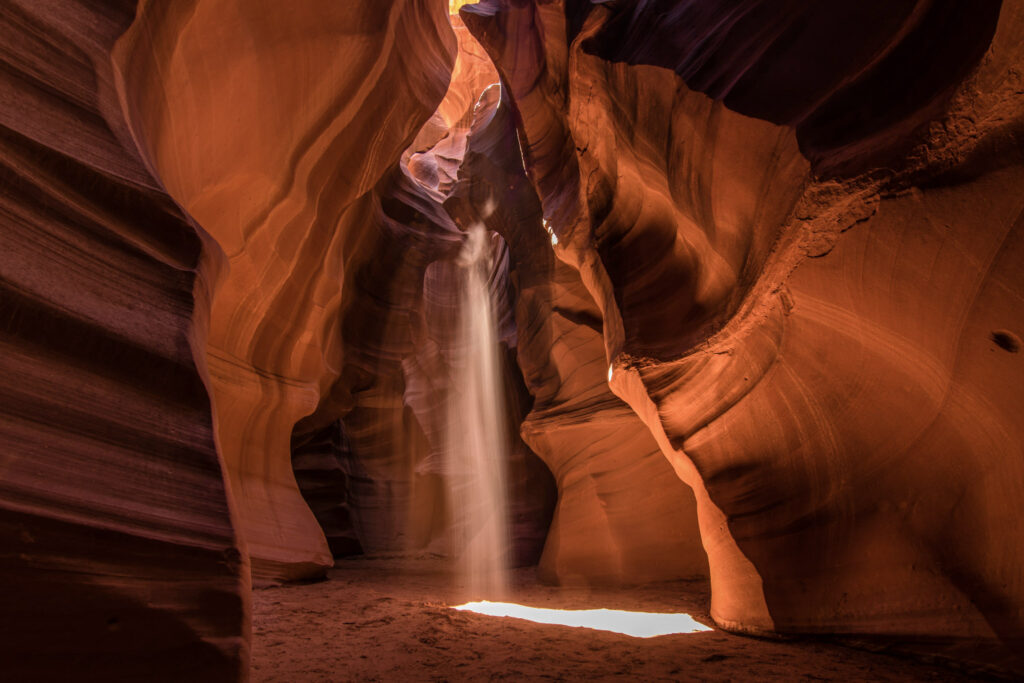
Upper Antelope Canyon sits at ground level with wide, walkable corridors and no stairs or ladders — this is the one famous for its beams of sunlight cutting through the canyon, best seen roughly midday between March and October. It’s the more popular, more crowded, and generally more expensive of the two.
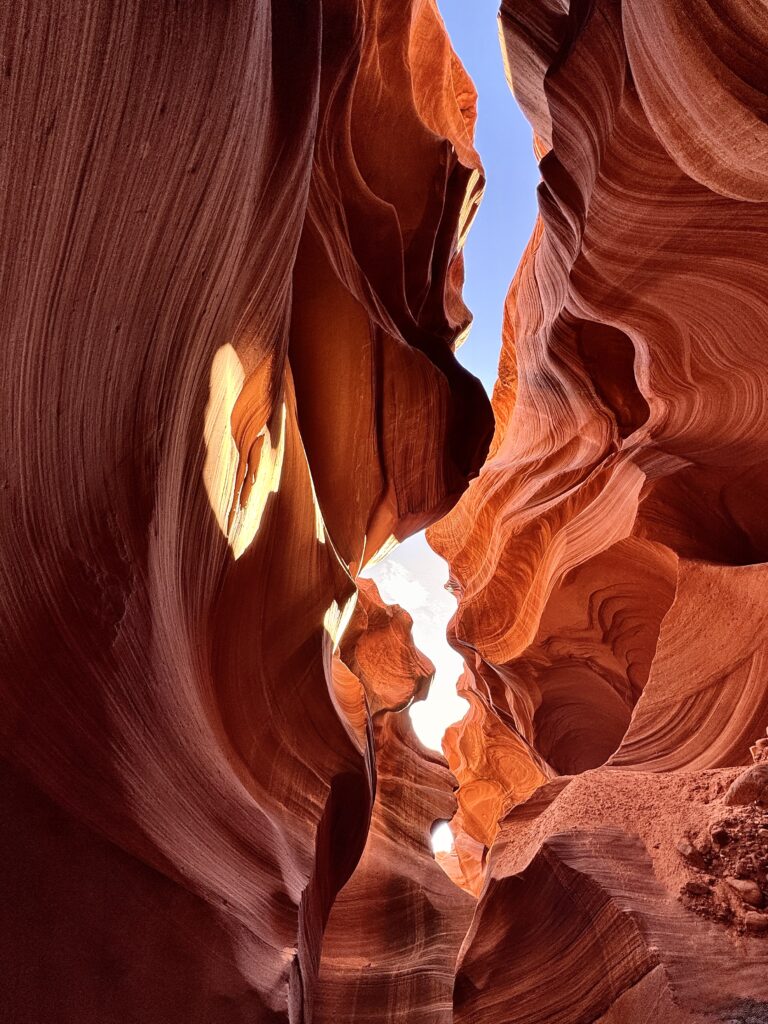
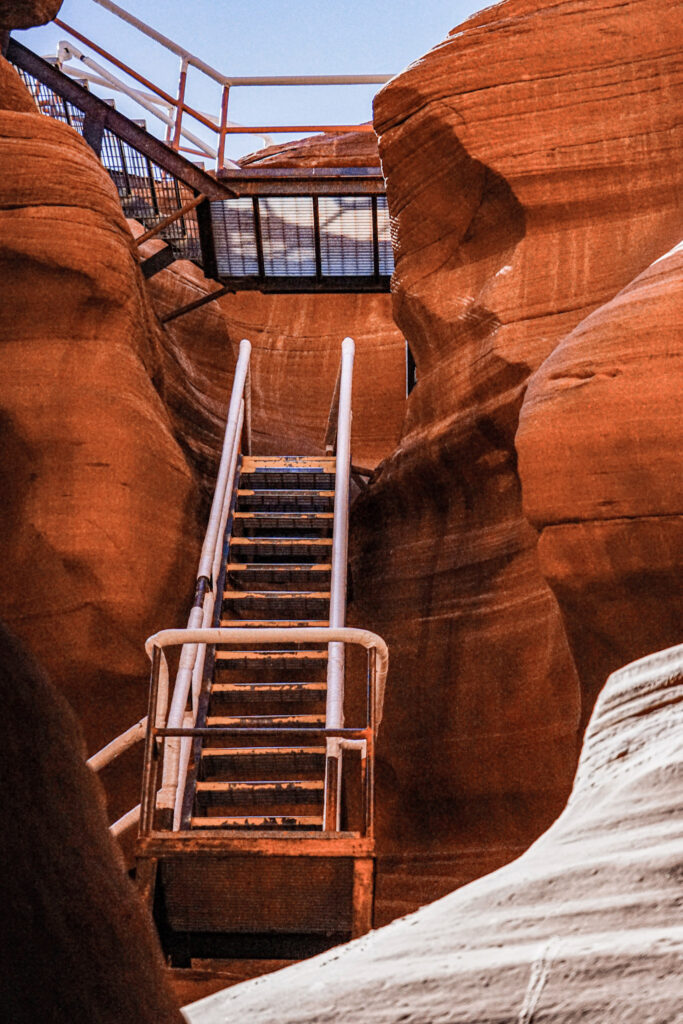
Lower Antelope Canyon requires navigating a series of stairs and metal ladders through a narrower, twisting slot canyon. It’s more physically demanding but tends to be less crowded, less expensive, and in many visitors’ opinion, has even more dramatic and varied rock formations.
Fun Fact: Both canyons were formed primarily by flash flood erosion rather than gradual water flow — sand-laden floodwater rushing through over thousands of years smoothed and carved the sandstone into the flowing shapes you see today.

Useful Information: Neither canyon can be visited independently — access is strictly guide-only through licensed Navajo tour operators, and the canyons can close with no notice if there's flood risk anywhere upstream, even under a clear sky in Page itself.

Jet Lag Jelly Tip: If you can only choose one and mobility isn't a concern, Lower Antelope Canyon generally offers better value and fewer crowds for a very similar visual payoff — save Upper for if you specifically want the midday light beams.
2. Upper Antelope Canyon
The most photographed slot canyon in the world, and the one responsible for basically every dreamy, glowing sandstone photo you’ve ever seen captioned “Arizona.” Guides walk small groups through the wide, sandy corridor, timing stops at the spots where sunlight beams down through narrow openings above — a phenomenon that peaks around midday in the warmer months.
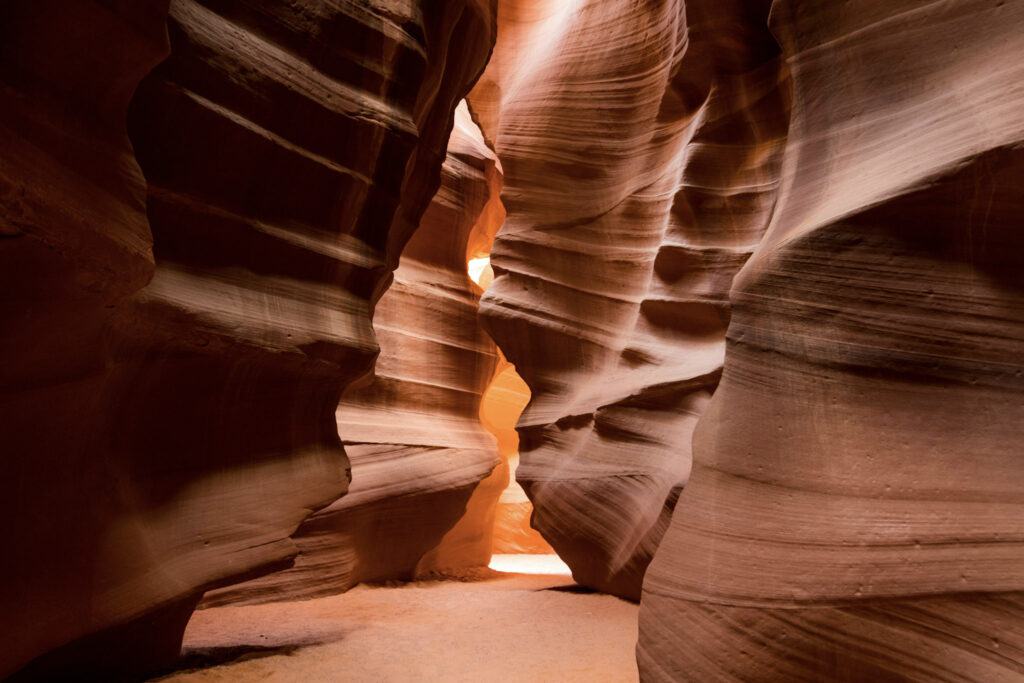
Fun Fact: The Navajo name for Upper Antelope Canyon, Tsé bighánílíní, translates to "the place where water runs through the rocks" — a direct reference to the flash flooding that shaped it and still occasionally reshapes it today.

Useful Information: Standard tours are typically camera-phone-only and move at a set pace dictated by the guide — if serious photography is your priority, look specifically for a dedicated "photography tour," which runs longer and allows tripods.

Jet Lag Jelly Tip: Book your tour for as close to midday as availability allows if the light beams are the whole reason you're going — earlier or later slots trade the beams for softer, more even lighting, which is a different but still beautiful look.
3. Lower Antelope Canyon
Narrower, deeper, and considerably more of a physical scramble than Upper Antelope — expect several sets of stairs and ladders as you descend into and move through the canyon. In exchange, you get some of the most intricate, swirling rock formations in either canyon, with the corkscrewing walls catching light in constantly shifting ways as you move through.
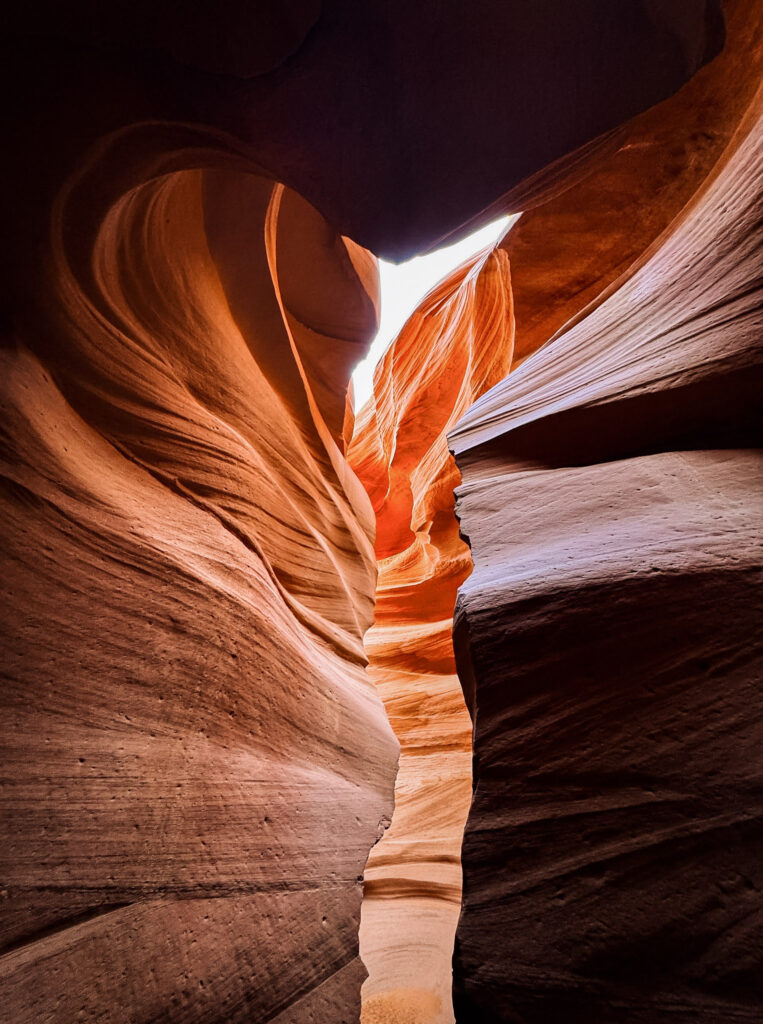
Fun Fact: The Navajo name for Lower Antelope Canyon, Hazdistazí, translates roughly to "spiral rock arches" — a fitting description of the corkscrew-like formations found throughout the canyon.

Useful Information: Lower Antelope Canyon is generally not recommended for visitors with significant mobility limitations, due to the stairs and tight passages. Tours tend to be slightly cheaper than Upper Antelope and typically have shorter wait times.

Jet Lag Jelly Tip: Wear shoes with real grip — the stairs and ladders can be sandy and slick, and this is not the canyon to be doing in flip-flops.
4. Antelope Canyon X
A quieter, less internationally famous alternative slot canyon, located a short drive from the main Upper and Lower Antelope Canyon entrances and operated independently. It offers a similar geological experience — dramatic sandstone corridors and shifting light — with noticeably smaller crowds, since most visitors default to the two “original” sections without realizing there’s another option.
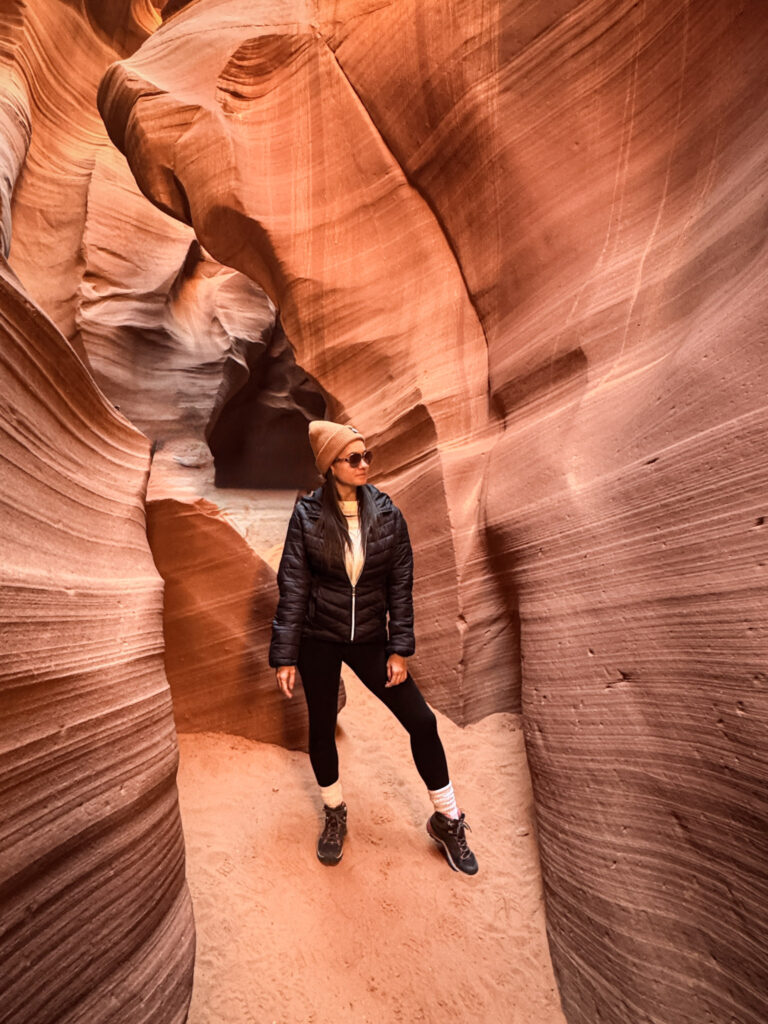
Fun Fact: Antelope Canyon X opened to tours more recently than the two main sections, which is part of why it remains comparatively under-the-radar despite offering a genuinely comparable slot canyon experience.

Useful Information: Access is, again, guide-only, but tour groups here tend to be smaller and the overall pace more relaxed than at the more heavily trafficked main sections.

Jet Lag Jelly Tip: If your schedule is flexible and you'd rather trade a bit of fame for a lot fewer people around you, this is worth looking into before defaulting to Upper or Lower Antelope Canyon.
5. Booking Your Tour
Since independent access isn’t allowed anywhere in Antelope Canyon, your tour operator and time slot matter more here than at almost any other stop in this guide.
Fun Fact: Tour capacity is deliberately limited by the Navajo Nation to protect the canyon and manage visitor safety in these narrow spaces, which is part of why popular slots — especially Upper Antelope's midday light-beam tours — sell out weeks in advance in peak season.

Useful Information: Book directly through official, licensed Navajo-owned tour operators, or through GetYourGuide's Antelope Canyon guided tour for an easy all-in-one booking. Prices and tour lengths vary by operator and canyon section, and standard tours differ from the longer "photography tours" that allow tripods.

Jet Lag Jelly Tip: If your travel dates are flexible, booking a weekday tour rather than a weekend one generally means smaller groups and a less rushed pace through the canyon.
6. Where to Stay in Page
Page is small, but there’s a good spread of options depending on your budget and how much of a “view” you want with your stay.
Mid-range and reliable: Hyatt Place Page Lake Powell and Courtyard by Marriott Page at Lake Powell are both popular, modern choices just minutes from the main attractions, with pools, hot breakfast, and consistently solid reviews.

Budget-friendly: La Quinta Inn & Suites Page at Lake Powell and Comfort Inn & Suites Page at Lake Powell offer clean, no-frills rooms close by without the higher price tag.

Splurge/resort-style: Lake Powell Resort at Wahweap Marina is the most "vacation" of the options, right on the water with lake views, boat access, and on-site dining.

Something different: if you'd rather not do a standard hotel, there are Navajo-owned glamping stays near Antelope Canyon itself (covered wagons, mud huts) for a more memorable overnight than another chain hotel room.
Book at least a month out if you can — prices climb fast closer to your dates, and this is a popular enough stop that rooms do sell out in peak season. Browse all Page hotel options to compare current prices and availability.
FAQ
Should I visit Upper or Lower Antelope Canyon? Upper is easier — flat, wide corridors, and home to the famous midday light beams. Lower involves stairs and ladders but tends to be less crowded, cheaper, and arguably has more dramatic rock formations. If mobility isn’t a concern, Lower generally offers better value for a similar payoff.
Can you visit Antelope Canyon without a tour? No — it’s entirely on Navajo Nation land, and independent access isn’t allowed anywhere in the canyon. Every visit runs through a licensed Navajo guide.
When is the best time to see the Antelope Canyon light beams? Roughly March through October, peaking around midday. Book as close to midday as availability allows if the beams are your main reason for going.
How long does a tour of Antelope Canyon take? Standard tours run 60–90 minutes, easily fitting into a half day alongside Horseshoe Bend. Add a second day if you want to do both Upper and Lower, or add Antelope Canyon X.
Is Antelope Canyon worth a day trip from Las Vegas? It’s possible, but it’s a long day — around 440 km and a 9–10 hour round trip combined with Horseshoe Bend. Staying overnight in Page gives you more breathing room to fit in more than one canyon tour.
Summary: Worth Every Bit of Planning
Here’s the quick rundown of everything covered:
Antelope Canyon: Upper vs. Lower — Know the difference before you book; they’re genuinely different experiences.
Upper Antelope Canyon — Wide, walkable, and home to the famous midday light beams.
Lower Antelope Canyon — More stairs, more scrambling, arguably even more dramatic rock.
Antelope Canyon X — The quieter alternative most visitors don’t know exists.
Booking Your Tour — Book early, especially for peak midday light-beam slots.
Where to Stay in Page — Worth staying overnight rather than day-tripping from Vegas.
Between the light beams, the ladders, and the sheer scale of the rock overhead, Antelope Canyon is one of those places that’s genuinely worth the extra planning it demands. Pair it with a stop at Horseshoe Bend, just minutes away, and you’ve got one of the best single days anywhere in the Southwest.
Part of my Southwest national parks series — check out my Horseshoe Bend Overlook Guide, Grand Canyon South Rim Guide, Valley of Fire Day Trip from Las Vegas, Zion National Park: The Complete Guide, and Death Valley Must-See Stops posts too if you’re building out a bigger Arizona/Nevada itinerary — or start with my Best National Parks You Can Visit From Las Vegas roundup for the full picture.